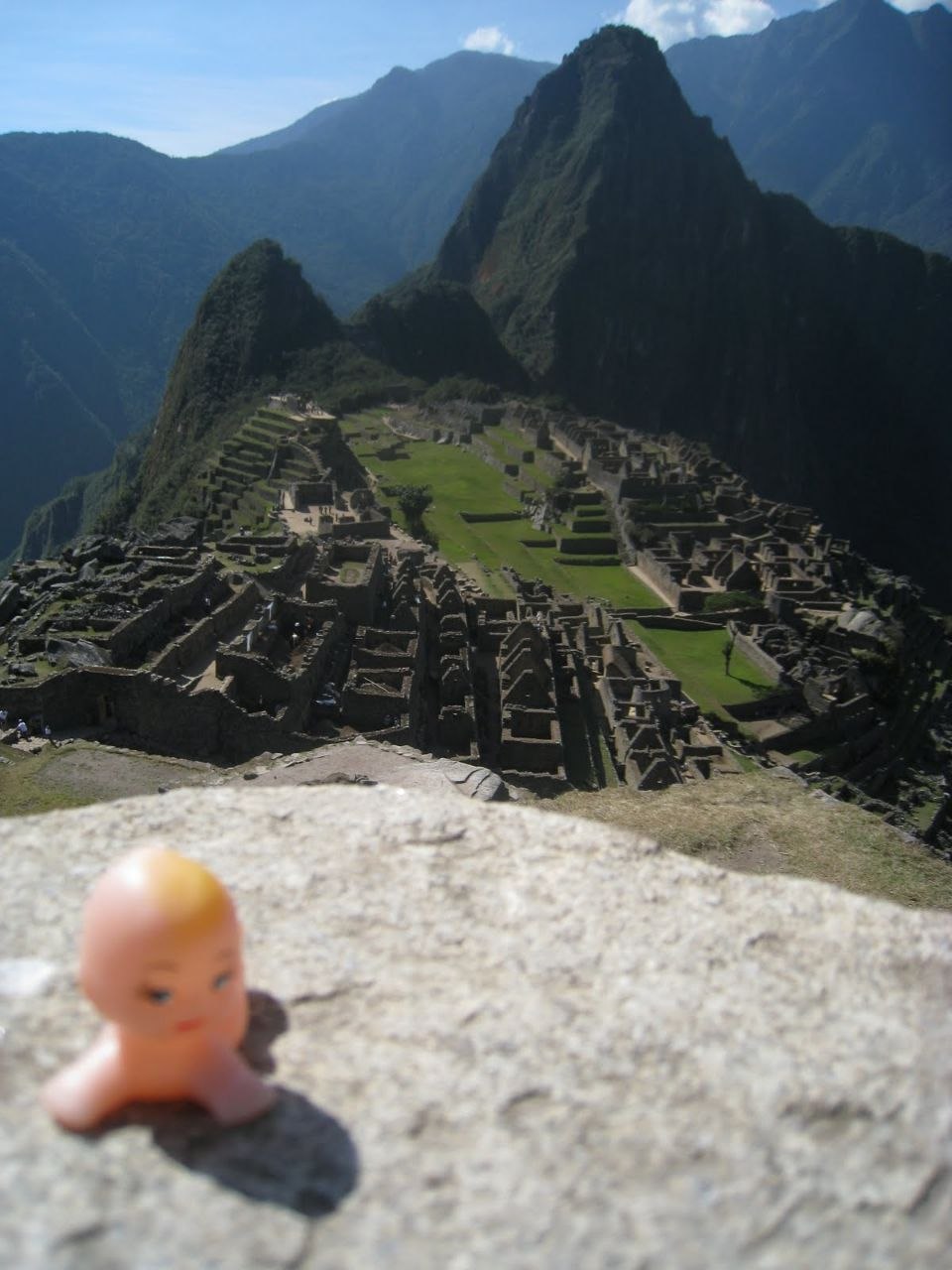
Machu Picchu is a 15th-century Inca citadel set high on a ridge above the Urubamba River valley in the Andes of southern Peru. Built in the mid-1400s at an elevation of around 2,430 metres (7,970 feet), it is thought to have served as a royal estate and ceremonial centre for Inca elite. The site combines sophisticated dry-stone masonry, terraced agriculture, and intricate urban planning in a dramatic mountain setting.
Abandoned in the wake of the Spanish conquest and largely reclaimed by cloud forest, Machu Picchu remained known only to local communities until Yale historian Hiram Bingham brought it to international attention in 1911. Today it is a UNESCO World Heritage Site and is recognised as one of the New Seven Wonders of the World, drawing visitors from around the globe to experience its archaeological significance and spectacular natural surroundings.
Getting There
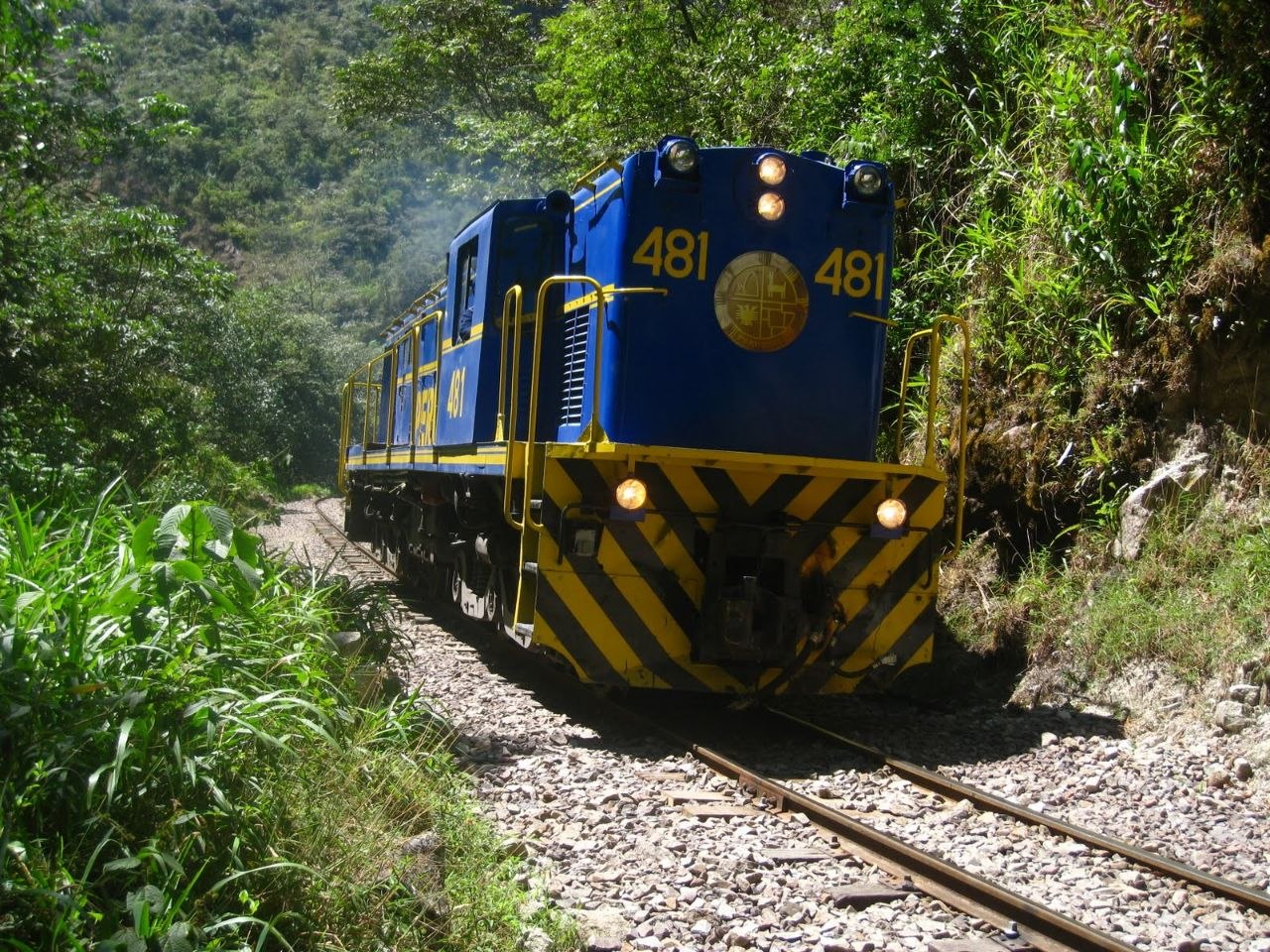
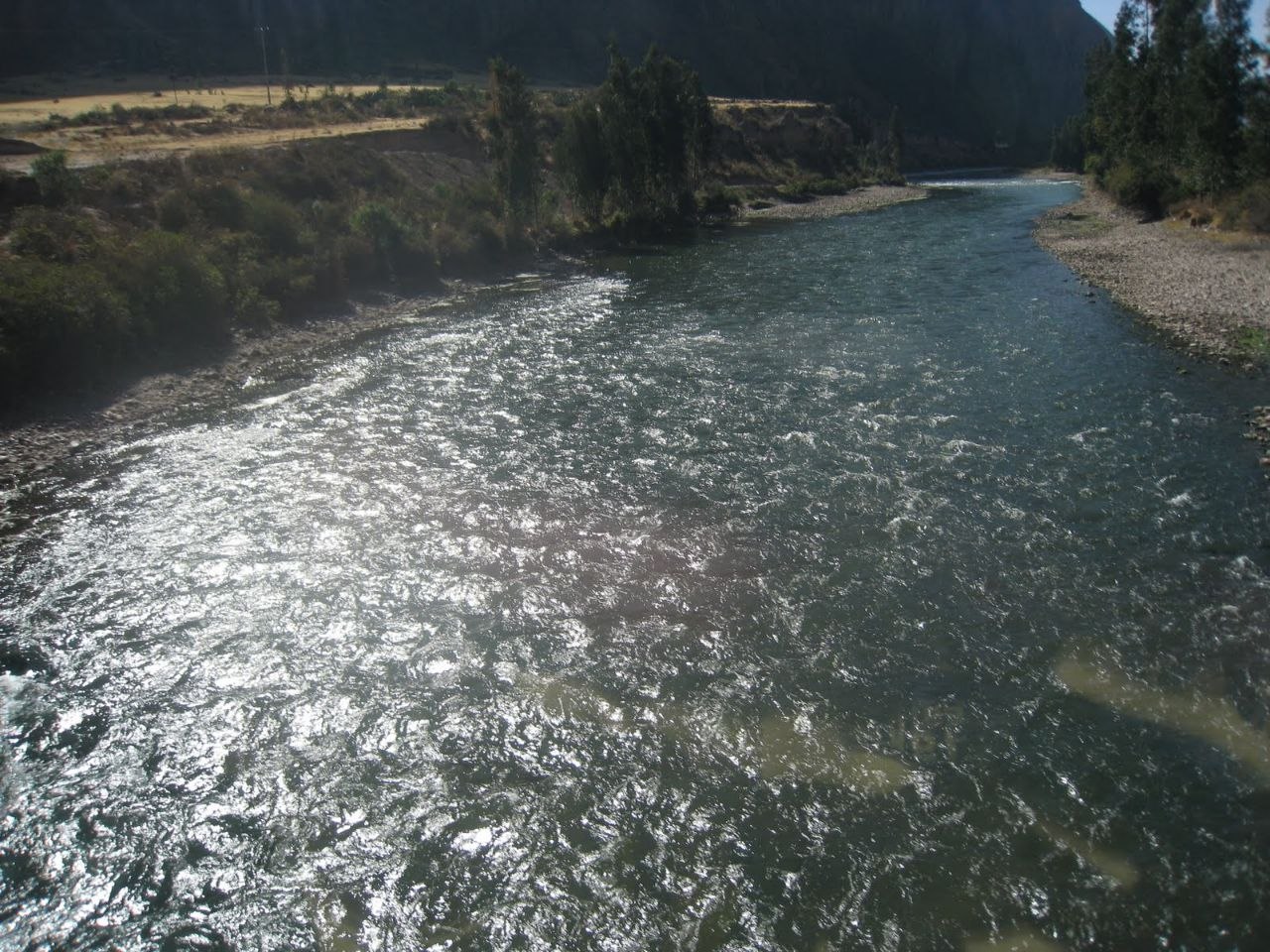
Machu Picchu is most commonly accessed via the Sacred Valley of the Incas, with journeys beginning in the cities of Cusco or Ollantaytambo. From there, Peru Rail and other train services follow the course of the Urubamba River, travelling through narrow canyons and dense subtropical vegetation before arriving in the small mountain town of Aguas Calientes (officially Machu Picchu Pueblo) at the base of the citadel.
For those seeking a multi-day approach on foot, the classic Inca Trail and alternative trekking routes such as the Salkantay and Lares treks follow ancient paths through high passes and cloud forest, converging on viewpoints overlooking the ruins. From Aguas Calientes, visitors typically take a series of switchback buses that climb steeply up the mountainside to the official entrance, though a marked hiking trail also allows for a strenuous ascent on foot.
The Agricultural Terraces
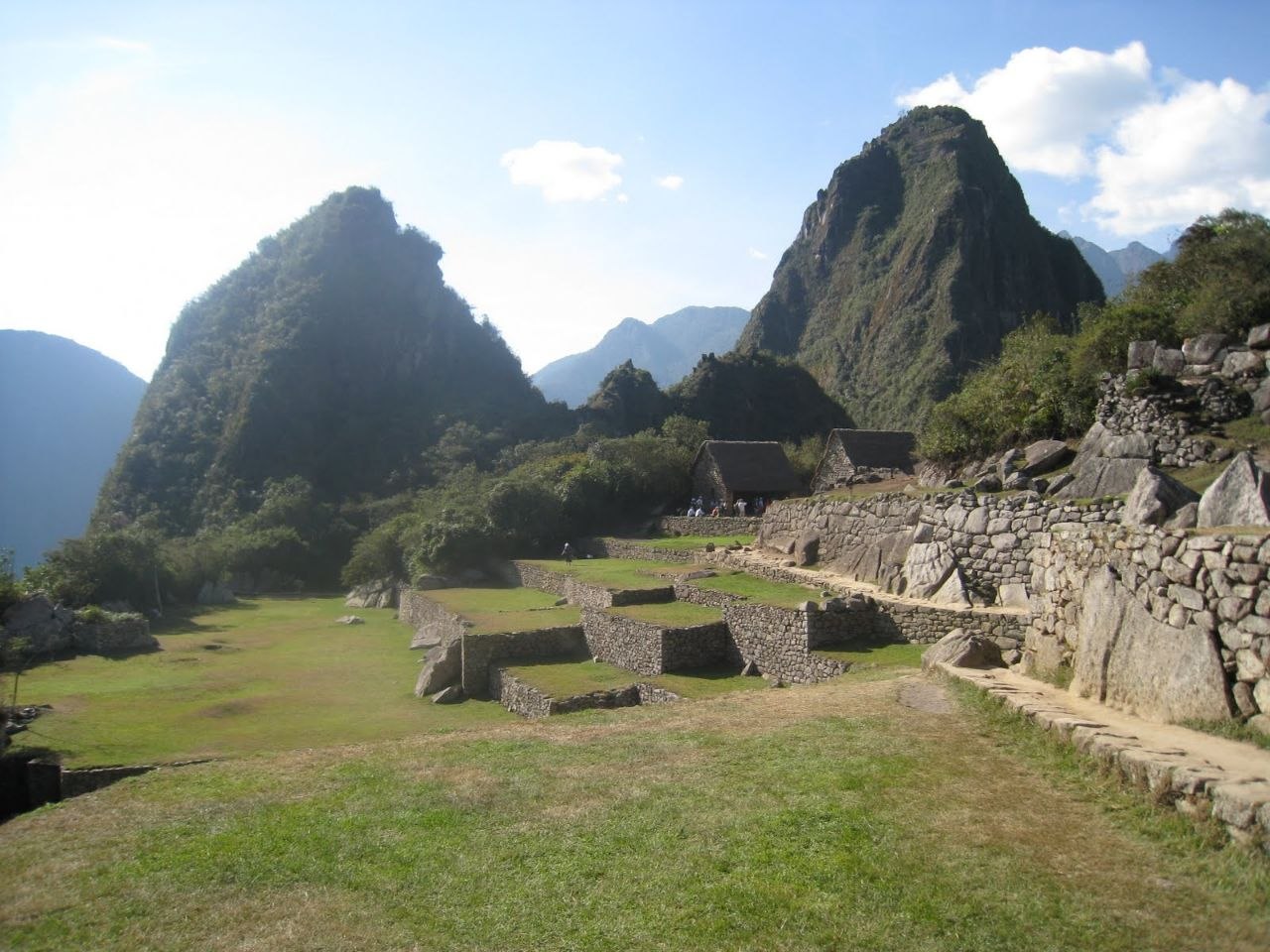
The sweeping agricultural terraces are among the most recognisable features of Machu Picchu, cascading down the slopes on the eastern and western flanks of the citadel. Constructed with stone retaining walls and carefully layered soils, these terraces extended arable land on the steep mountainside, enabling the cultivation of maize, potatoes, and other crops at high altitude while maximising sun exposure.
Beyond their agricultural role, the terraces also stabilised the slopes, channelling rainwater and reducing erosion in an environment prone to landslides. Some lines of terraces appear to align with celestial events and surrounding peaks, suggesting that they also held astronomical or ceremonial significance. Framed by the twin summits of Huayna Picchu and Machu Picchu Mountain, the terraces create the iconic stepped profile seen in panoramic images of the site.
The Temple of the Sun
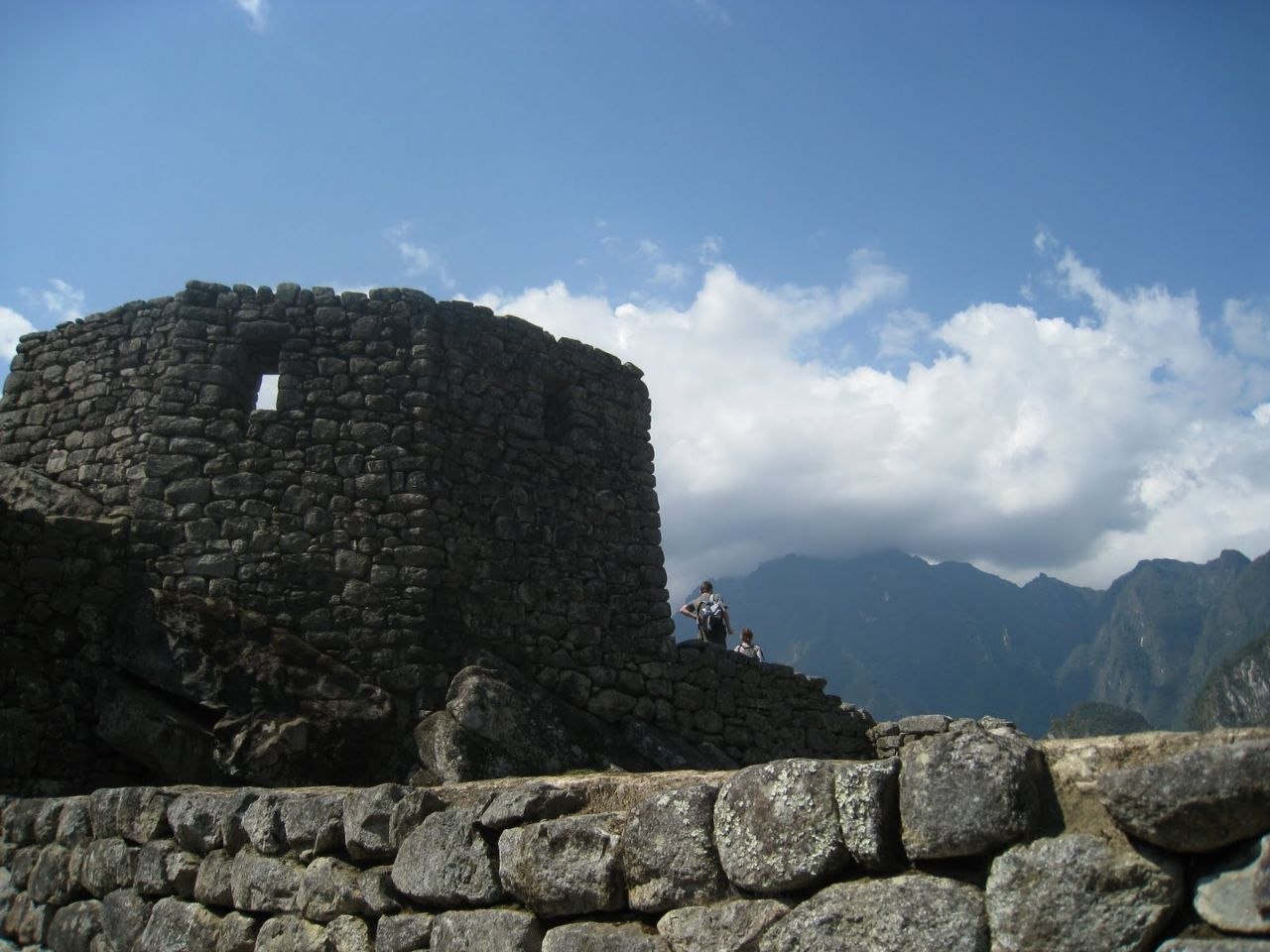
The Temple of the Sun, sometimes called the Torreón, is one of the finest examples of Inca stonework at Machu Picchu. This distinctive, semi-circular tower is built atop a large natural rock and encloses a carved ceremonial altar. Its smoothly finished ashlar masonry and precisely fitted stones reflect the importance of the structure within the religious and astronomical life of the citadel.
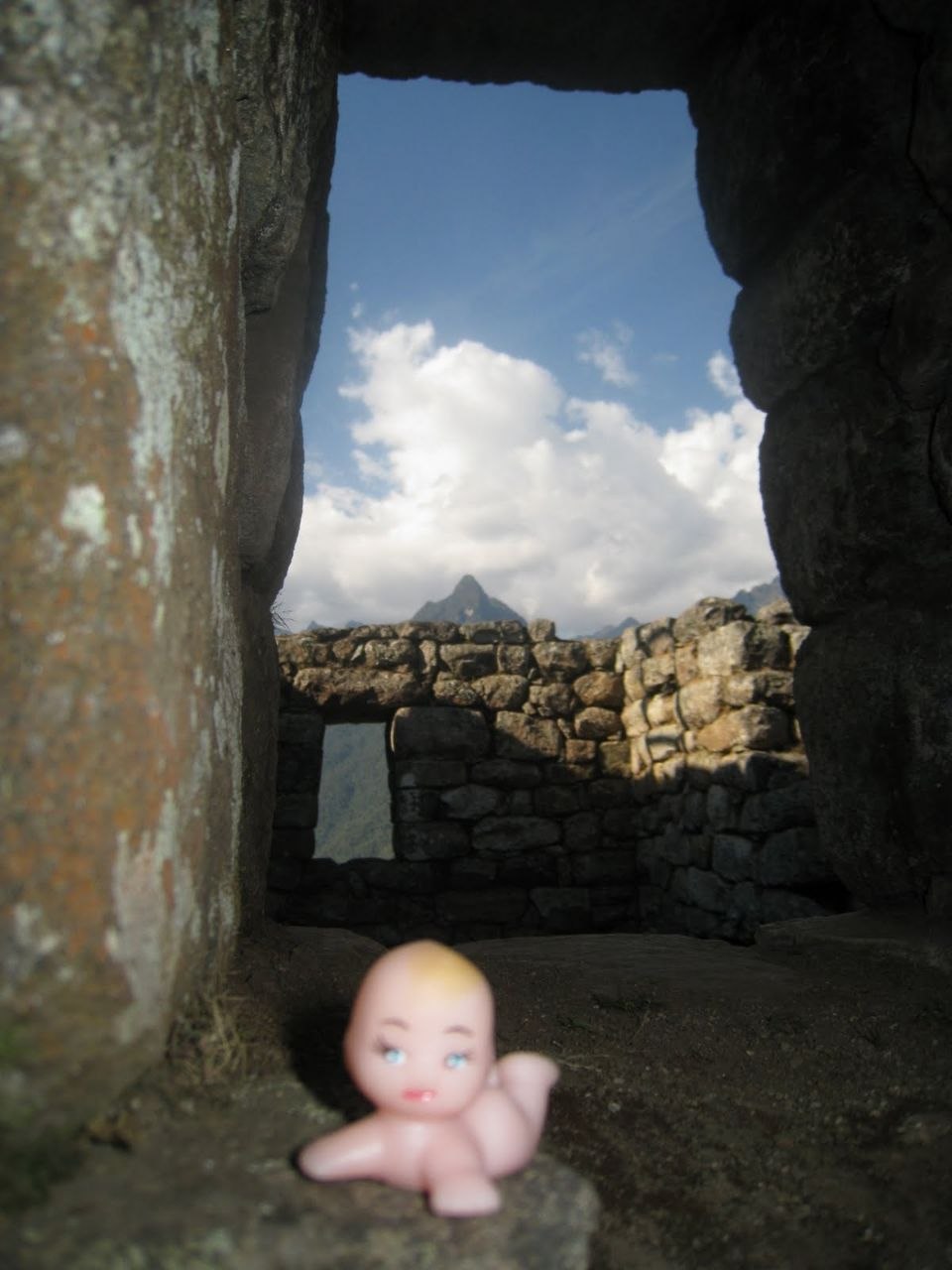
A series of windows in the temple walls is aligned with key solar events. During the June winter solstice in the Southern Hemisphere, the rising sun projects light directly through one of the windows onto the altar stone inside, marking an important moment in the Inca ritual calendar. Beneath the tower lies a natural cave that was adapted into a sanctuary, reinforcing the connection between the sun cult, the underworld, and the surrounding sacred landscape.
The Sacred Rock & Residential Sector
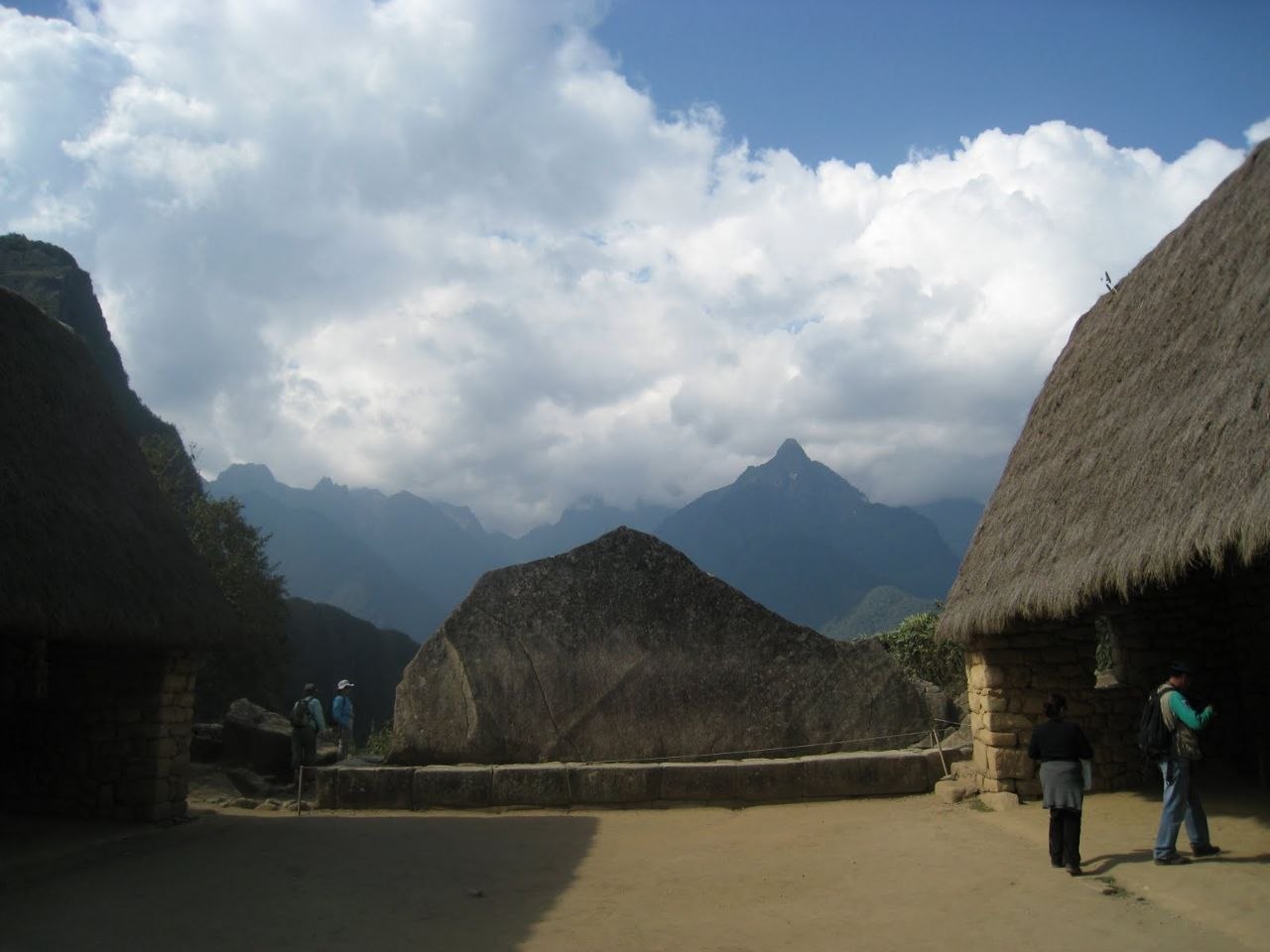
At the northern end of the main site stands the Sacred Rock, a large, upright stone slab carefully shaped to echo the profile of the mountain peak behind it. This subtle mirroring of the surrounding topography is characteristic of Inca sacred architecture, which often sought to harmonise constructed forms with natural features. The rock is thought to have served as a ceremonial focus and possibly as a boundary marker within the ceremonial landscape.
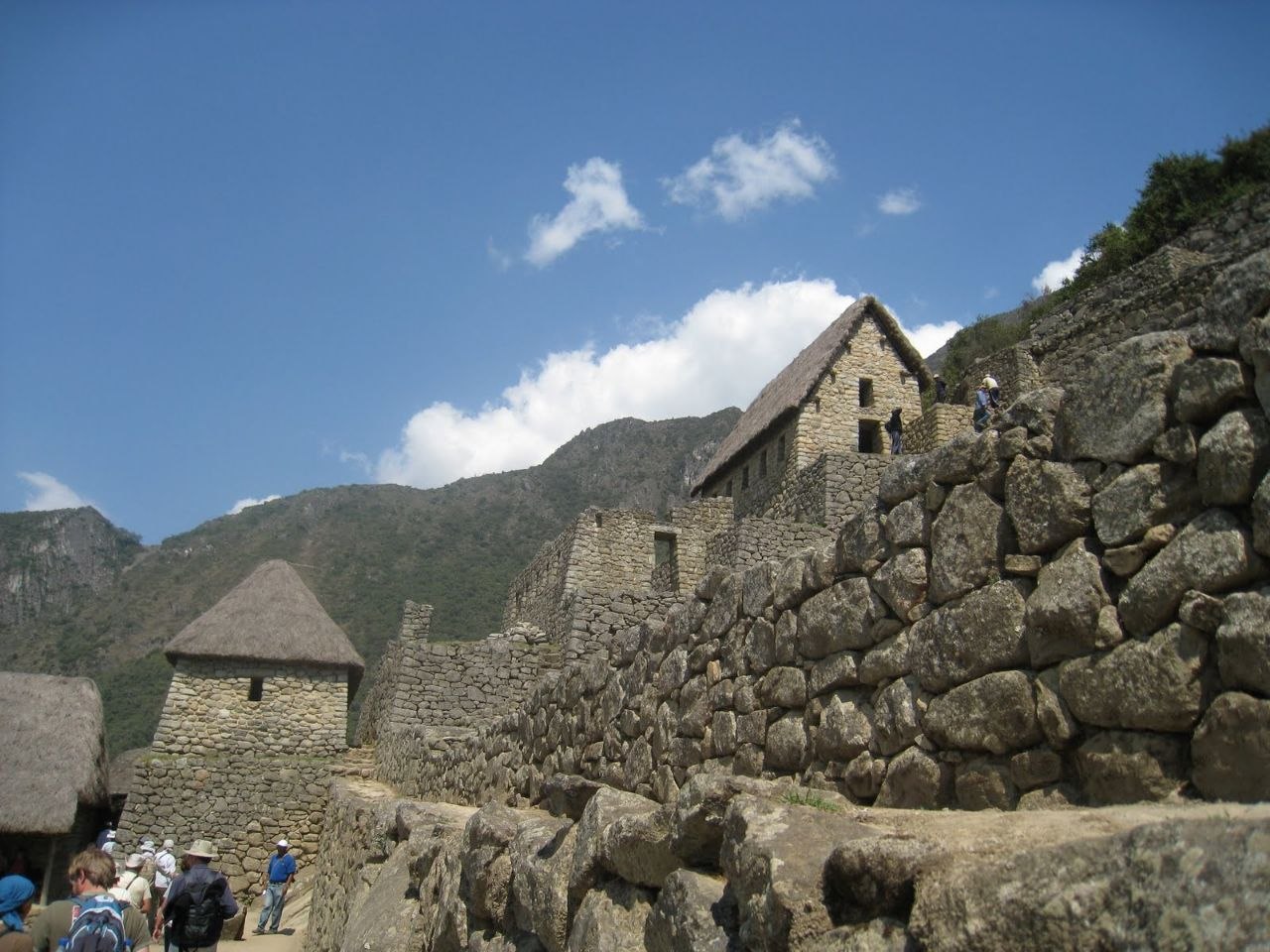
Nearby, thatched-roofed guardhouses and lookout points provide wide views over the valley and terraces. From this area, pathways lead into the residential sector, where rows of stone dwellings with trapezoidal doors and windows housed the citadel's inhabitants. These residences are arranged along narrow lanes and stairways, with small courtyards and storage areas that reflect a highly organised urban layout adapted to the steep terrain.
The Llamas of Machu Picchu
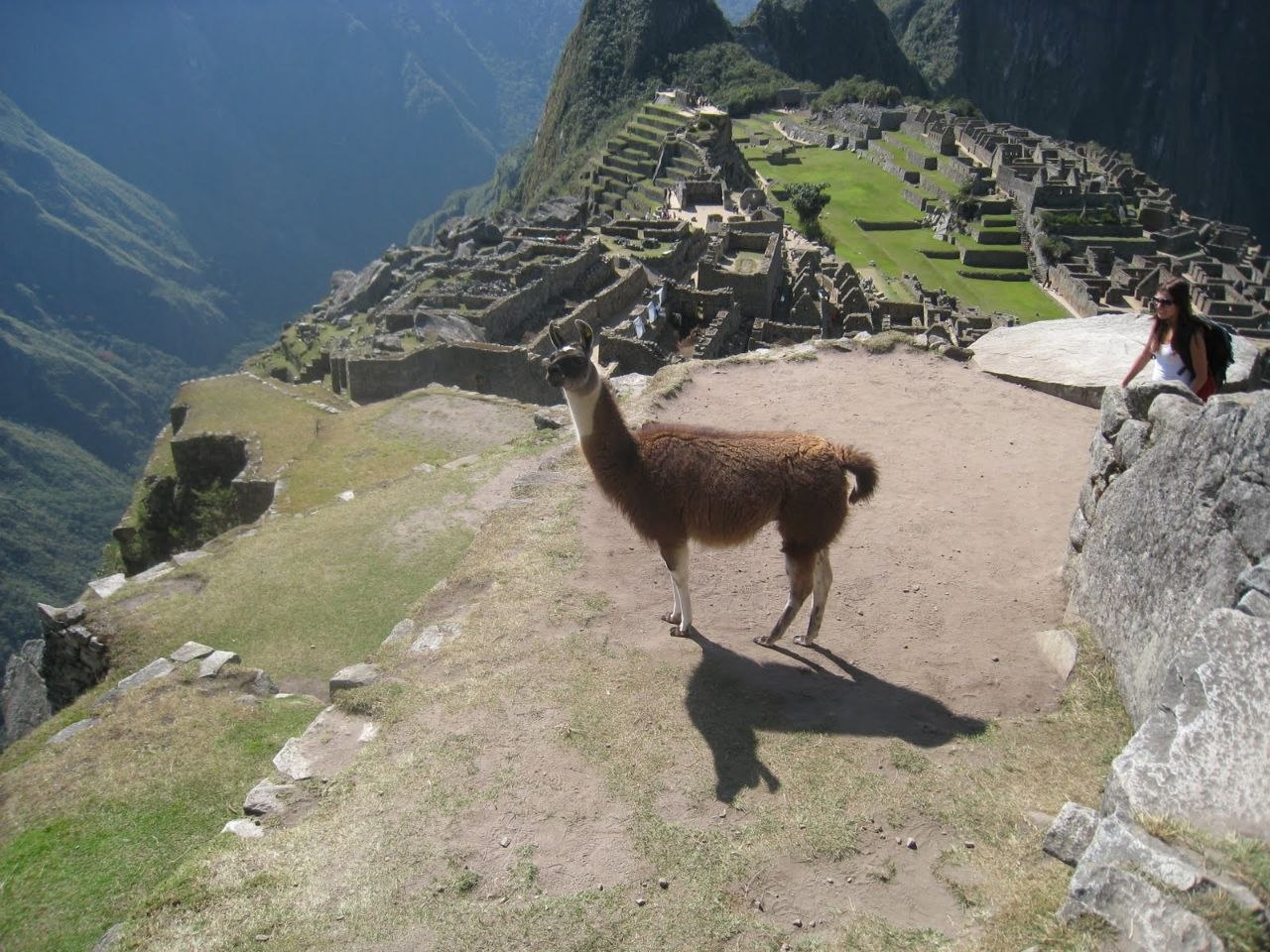
Llamas are a familiar presence throughout Machu Picchu, often seen grazing on the terraces or resting on the grassy platforms between ruined walls. As domesticated camelids native to the Andes, llamas played a vital role in Inca society as pack animals, sources of wool, and participants in ritual offerings. Their continued presence at the site reinforces the connection between the ancient citadel and enduring Andean cultural traditions.
Today, the herd at Machu Picchu also serves a practical function by helping to maintain the grassed areas of the terraces, reducing the need for mechanical cutting in a fragile archaeological environment. Visitors frequently encounter llamas in key viewpoints and along pathways, where the animals move freely among the stone structures and provide a living contrast to the silent, meticulously built ruins.
Huayna Picchu
Huayna Picchu is the steep, conical peak that rises dramatically behind the main ruins and dominates many classic views of Machu Picchu. A limited number of visitors each day can follow a narrow, steep trail composed largely of original Inca stone steps that cling to the mountainside. The ascent is demanding and often vertiginous, with sections that require the use of handholds and cables for balance.
From the summit, the entire layout of the citadel becomes visible far below, revealing the full extent of the terraces, central plazas, and surrounding ridges. On clear days, the vantage point offers sweeping views of the Urubamba River looping through the Sacred Valley and of the cloud-forested peaks that enclose the site. The climb underscores the Incas' ability to build and move through extreme Andean landscapes with confidence and precision.
Visiting Tips
Access to Machu Picchu is strictly regulated to protect the site, so advance planning is essential. Entry is tied to timed tickets, with separate permits required for popular hikes such as Huayna Picchu and the Inca Trail. Visitors are encouraged to book train tickets, entrance passes, and guided tours well ahead of time, especially during the dry-season peak months from May to September.
Conditions at the citadel can change quickly, with intense sun, sudden rain, and strong winds common throughout the year. Comfortable walking shoes with good grip, layered clothing, sun protection, and sufficient water make exploring the steep terraces and stairways safer and more enjoyable. Respectful behaviour, such as staying on marked paths, not touching or climbing on walls, and following staff instructions, helps preserve Machu Picchu's delicate stonework and terraces for future generations.
 Jumping Timezones
Leave a comment