Petra is the ancient capital of the Nabataean kingdom, a caravan city that flourished from its strategic position on the incense and spice routes linking Arabia, Egypt, and the Mediterranean. Carved directly into the rose-red sandstone cliffs of southern Jordan, the city is renowned for its monumental tombs, temples, and rock-cut facades that blend Nabataean, Hellenistic, and Roman architectural influences.
Designated a UNESCO World Heritage Site in 1985 and named one of the New Seven Wonders of the World in 2007, Petra extends over a rugged landscape of canyons and mountains. Visitors move through a sequence of dramatic spaces: from the shaded slot canyon of the Siq to the iconic Treasury, the broad valley lined with tombs and temples, and the high vantage points overlooking the surrounding desert.
The Siq: Gateway Through the Canyon
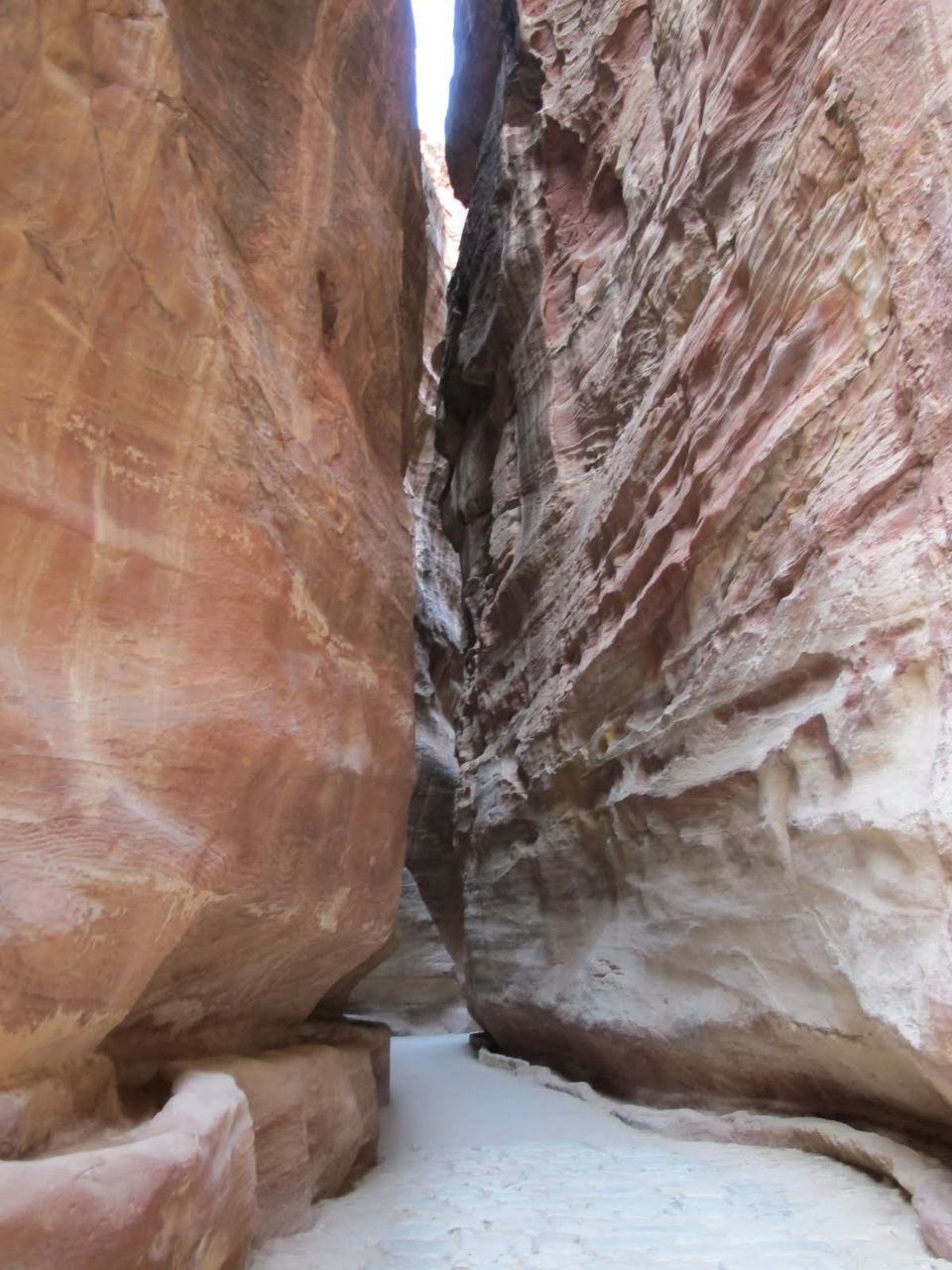
The approach to Petra is through the Siq, a sinuous, 1.2-kilometre-long gorge that narrows in places to only a few meters across. Towering sandstone walls, in places soaring up to 80 meters high, create a dramatic, enclosed passage where light filters down in shifting bands. Along the rock faces, carved water channels and terracotta pipes testify to the Nabataeans’ sophisticated hydraulic engineering, while niches and votive figures hint at the religious importance of the route.
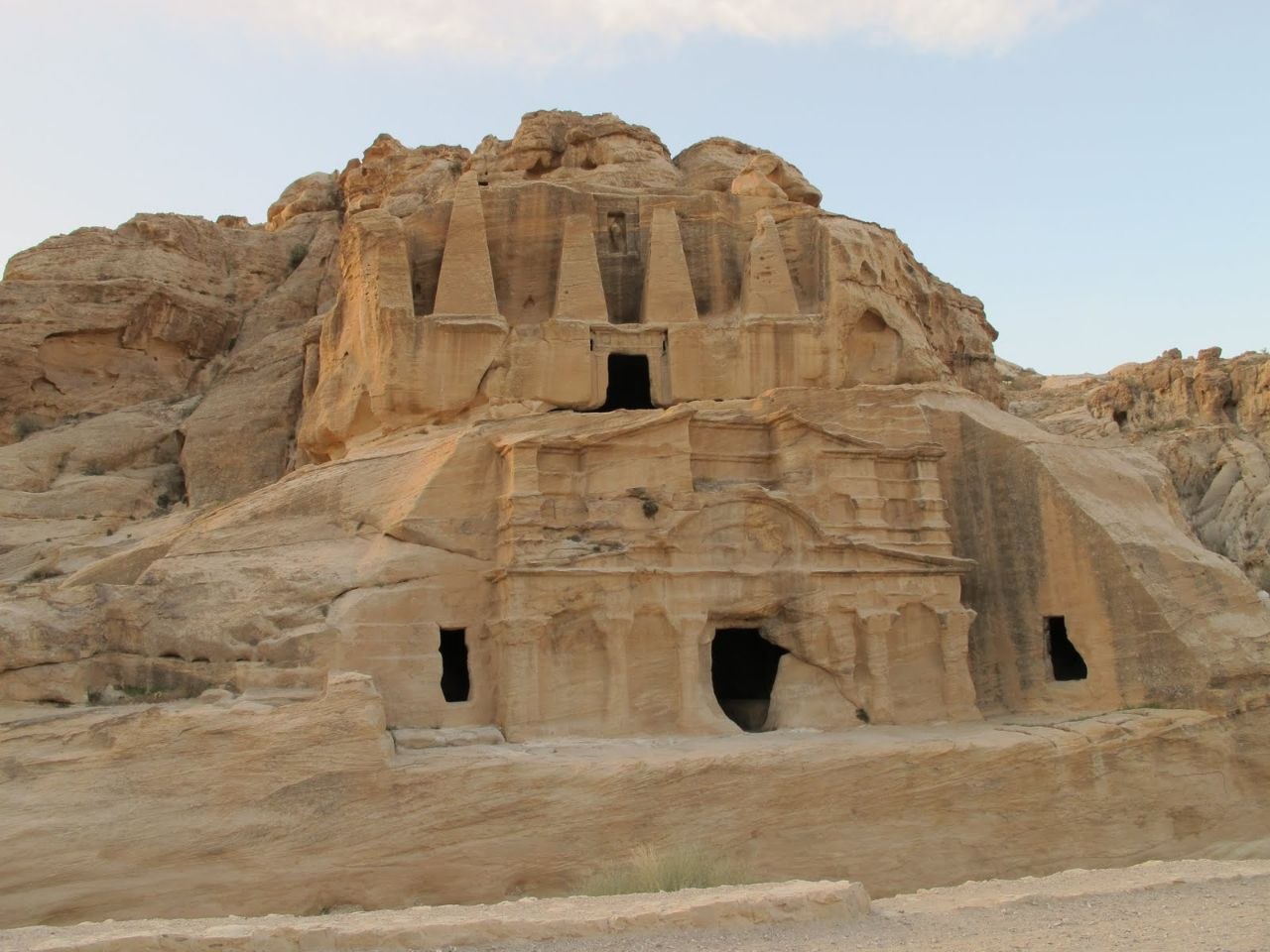
The walk through the Siq builds anticipation as the canyon twists and turns, occasionally opening onto small side chambers and carved reliefs such as the Dam and the Obelisk Tomb near the entrance. The experience culminates in a narrow, angled view of the Treasury suddenly appearing at the end of the gorge, framed by the dark rock walls on either side.
The Treasury (Al-Khazneh)
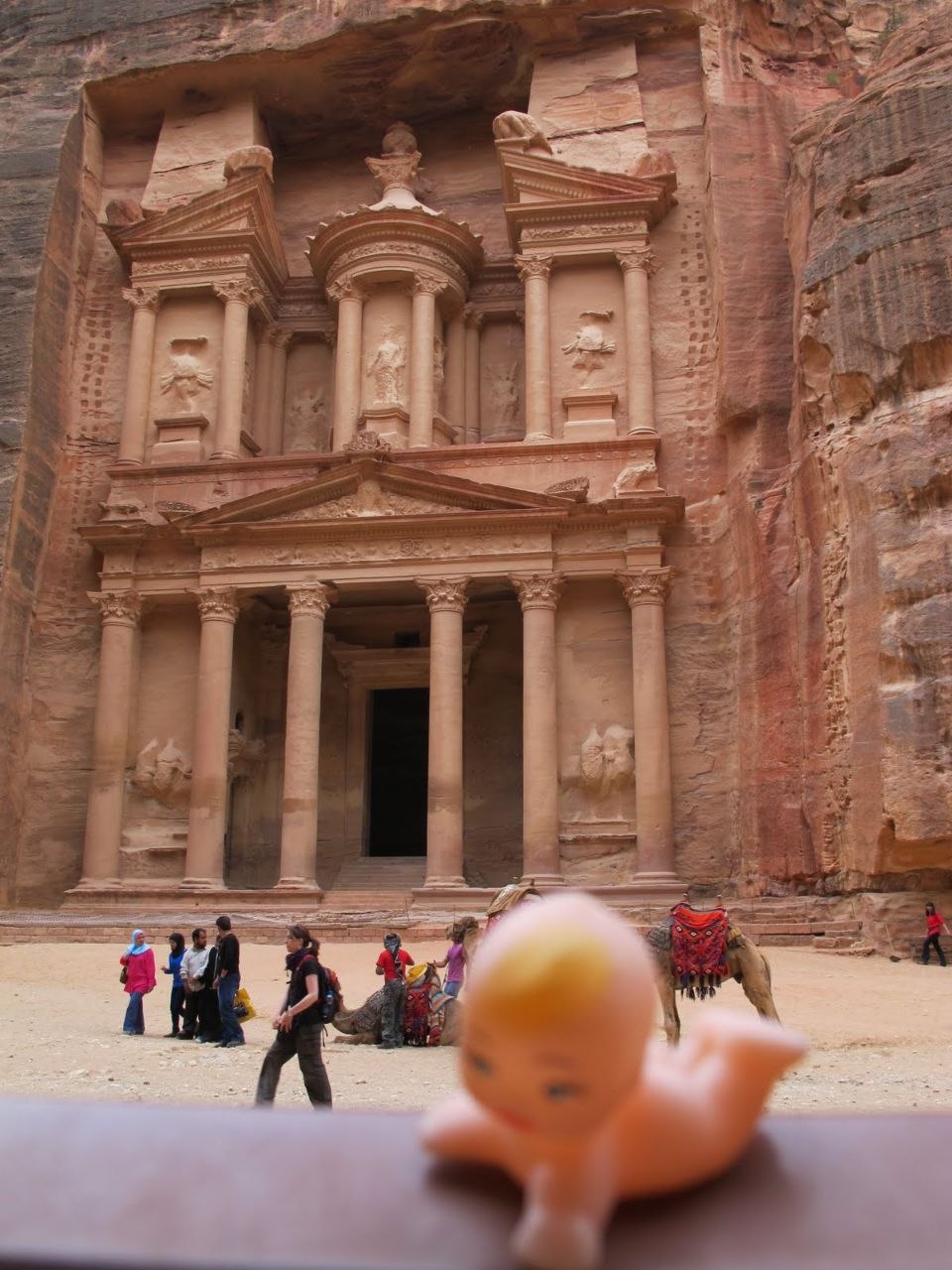
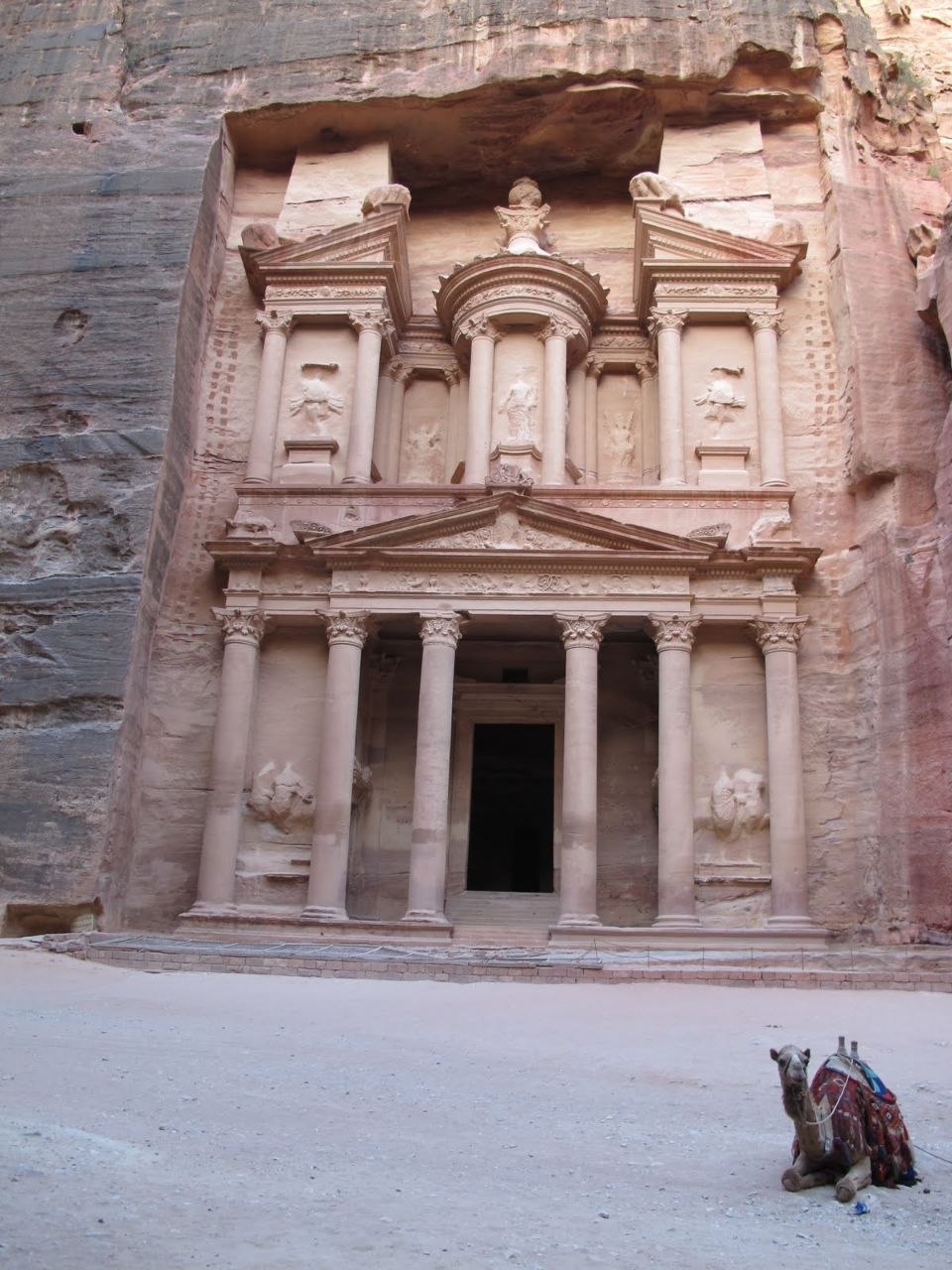
The Treasury, or Al-Khazneh, is Petra’s most recognisable monument, a 40-metre-high facade carved directly into the rose-red cliff. Its Hellenistic design features Corinthian columns, sculpted friezes, and a central tholos crowned by a large urn, reflecting the cosmopolitan influences that reached Petra through trade. The monument is believed to be the mausoleum of the Nabataean King Aretas IV and is generally dated to the 1st century BC.
Despite its name, there is no evidence that the Treasury ever served as a depository for wealth; instead, it functioned as a monumental tomb and ceremonial focus at the entrance to the city. The open plaza in front of the facade is often animated by camels and visitors, yet the intricate stonework still bears traces of ancient craftsmanship, with eroded figures, floral motifs, and battle scenes visible on close inspection.
The Street of Facades & Royal Tombs
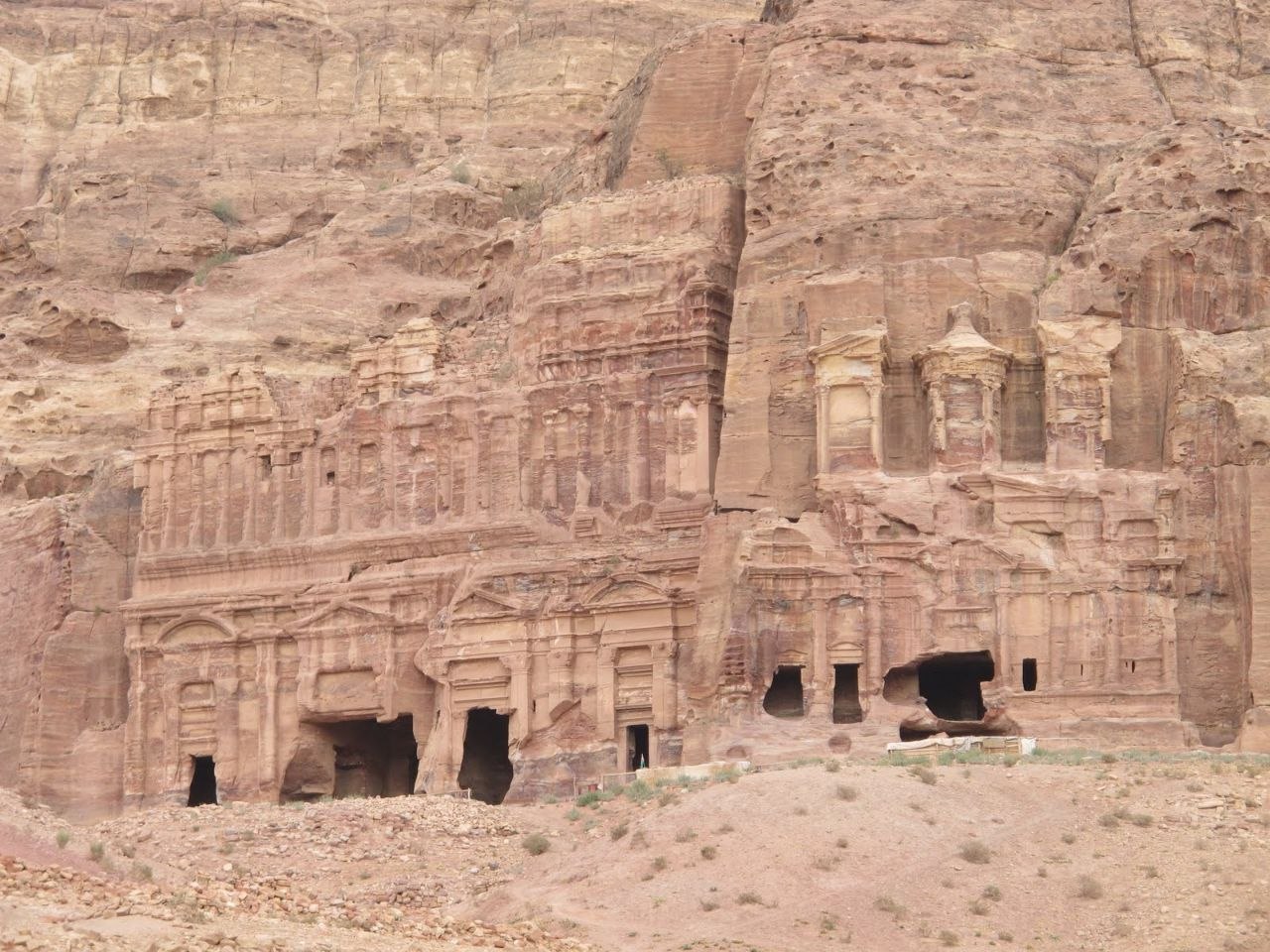
Beyond the Treasury, the route widens into the Street of Facades, where rows of tall, rock-cut tombs line the cliffs on either side. These multi-level facades vary in scale and decoration, reflecting the status and wealth of the individuals buried within. The street leads into the main valley, where the settlement area unfolds with its colonnaded thoroughfare, market spaces, and public buildings.
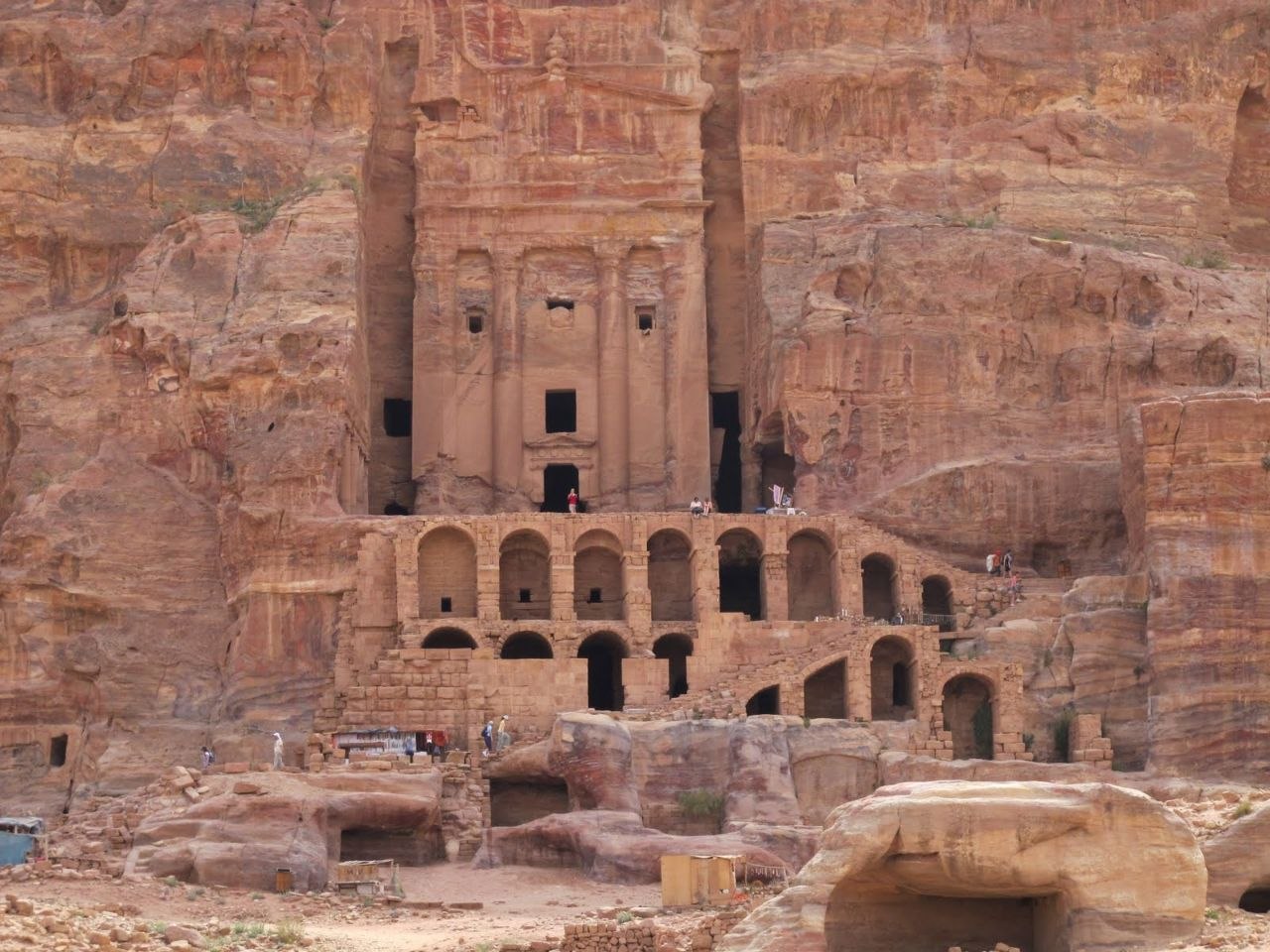
Dominating the eastern cliffs are the Royal Tombs, a series of monumental structures carved in tiers into the rock face. The Urn Tomb, with its deep rock-cut courtyard and vast arched vaults, is among the most imposing. Nearby, the Silk Tomb is named for the swirling bands of coloured sandstone that ripple across its facade, while the Corinthian Tomb and the multi-storey Palace Tomb display elaborate architectural ornament and a commanding presence over the valley below.
The Great Temple Complex
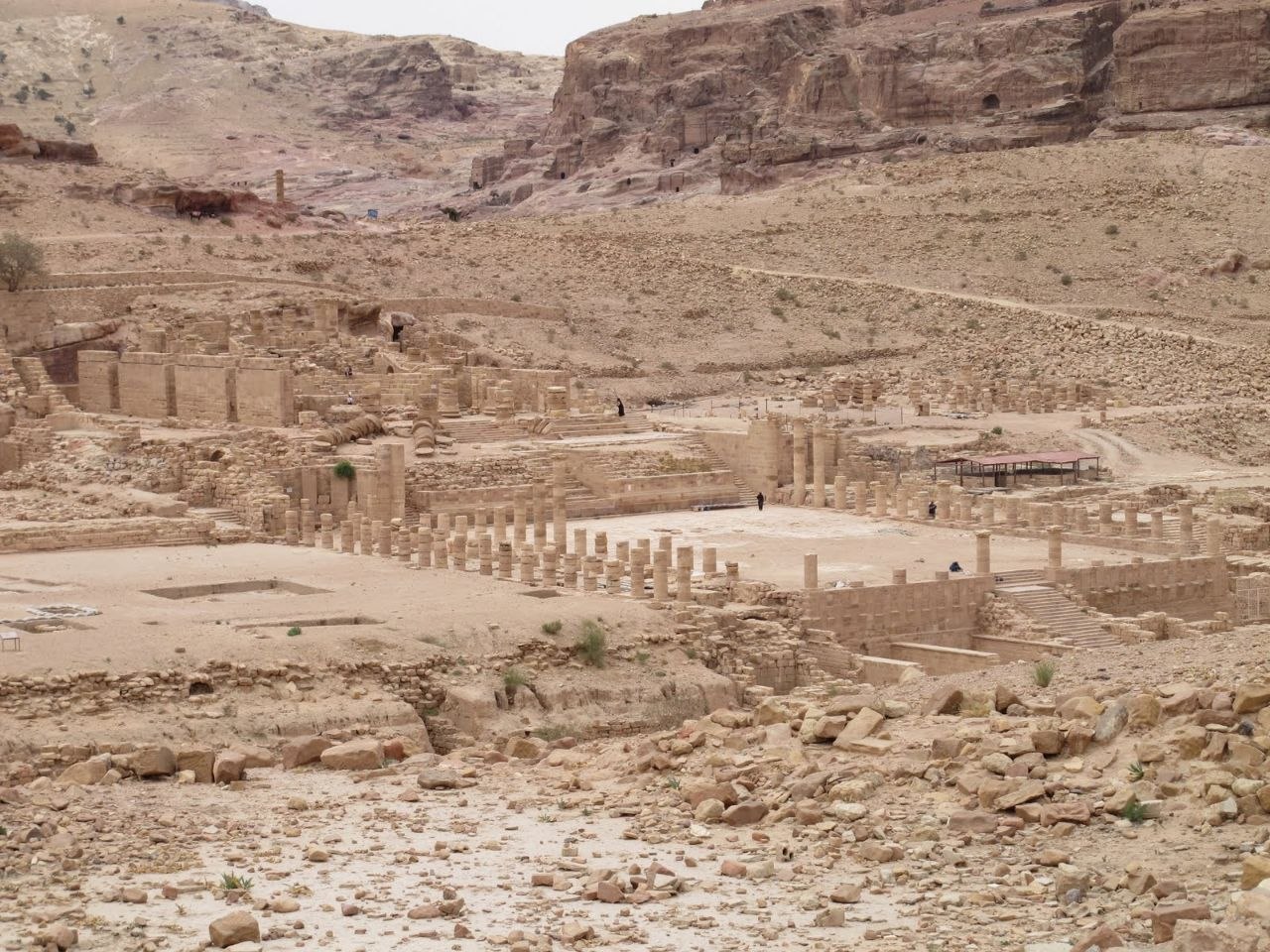
Situated near the centre of the ancient city, the Great Temple is one of Petra’s largest freestanding architectural complexes. Covering approximately 7,500 square metres, it includes monumental stairways, colonnaded courtyards, and a grand entrance, or propylaea, that marked the transition from the city’s main street into a sacred precinct. Excavations have revealed finely carved capitals and decorative elements that illustrate the sophistication of Nabataean artistry.
Within the complex, a later theatre-like structure built in a Roman style demonstrates how the site evolved over time. Whether used for religious ceremonies, civic gatherings, or performances, the Great Temple underscores Petra’s role not only as a trading hub but also as a centre of political and ceremonial life.
The Byzantine Church and Mosaics
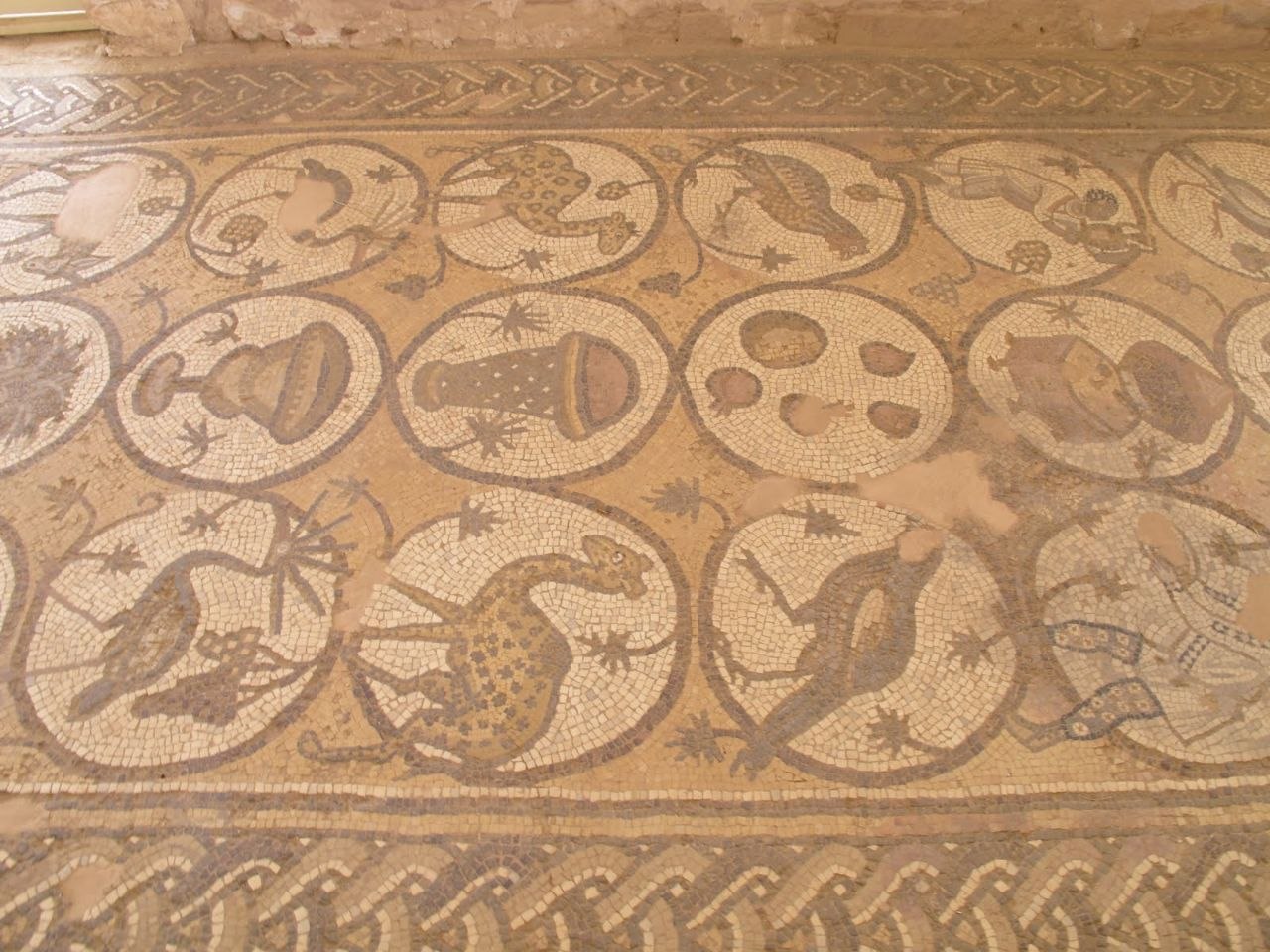
Petra continued to be inhabited into the Byzantine period, and one of the most significant finds from this era is the Byzantine Church, discovered in 1990 on a terrace overlooking the main valley. Built in the 5th to 6th centuries AD, the church features a basilica plan with colonnaded aisles and an apse, reflecting the spread of Christianity through the region.
The church is especially noted for its remarkably preserved mosaic floors. These intricate panels depict personifications of the seasons, the ocean and earth, and a rich variety of animals and plants rendered in colourful tesserae. The mosaics provide valuable insight into Byzantine artistic conventions and daily life, as well as the continuity of occupation at Petra long after the decline of the Nabataean kingdom.
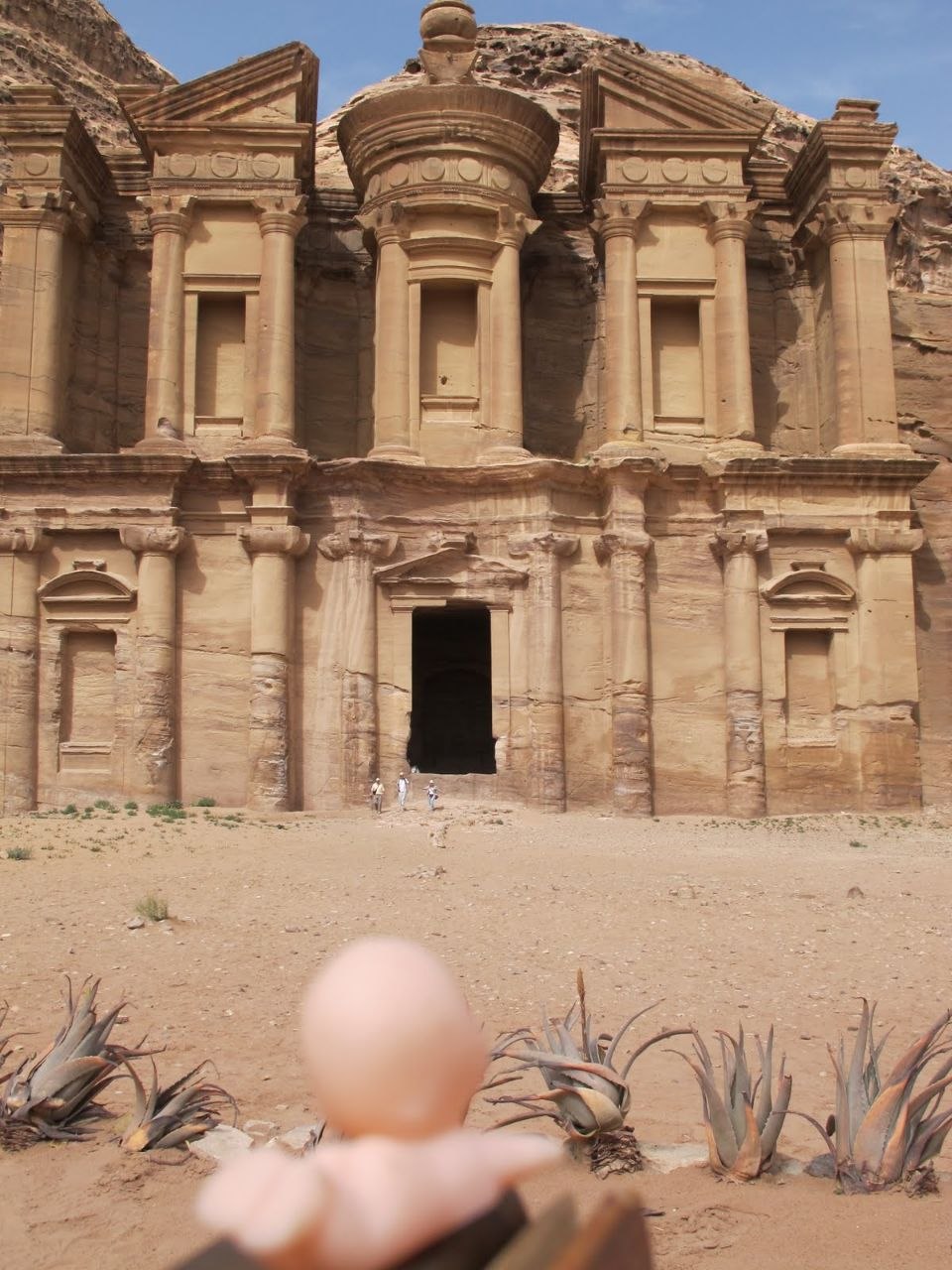
Al-Deir — The Monastery
High above the main valley lies Al-Deir, or the Monastery, Petra’s largest rock-cut monument. Reached by a climb of around 800 steps that wind up the mountainside, the site rewards the effort with expansive views over the surrounding canyon landscape. The facade, approximately 45 metres wide and 50 metres high, features massive pilasters, a central doorway, and an enormous urn crowning the upper pediment.
Although its original Nabataean function may have been ceremonial or funerary, the monument gained its modern name from evidence that it was adapted for use as a church during the Byzantine period. Today, the open terrace in front of Al-Deir provides a panoramic vantage point over the rugged highlands that encircle Petra, highlighting the city’s dramatic setting amid the mountains of southern Jordan.
Visiting Tips
Exploring Petra typically involves extensive walking over uneven terrain, including steps and rocky paths, so sturdy footwear and sun protection are essential. The site can become very hot, especially in the middle of the day, making early morning or late afternoon visits more comfortable and offering softer light on the sandstone facades. Carrying sufficient water is important, although refreshments are available at several points within the archaeological park.
The main trail from the Siq to the Monastery can easily fill a full day, particularly when including stops at the Great Temple, Royal Tombs, and viewpoints. Allowing at least two days on site gives time to explore additional trails and less-visited tombs and temples. Local regulations and conservation measures may restrict access to certain areas; following marked paths and guidance helps protect both visitors and the fragile stonework that makes Petra unique.
 Jumping Timezones
Leave a comment