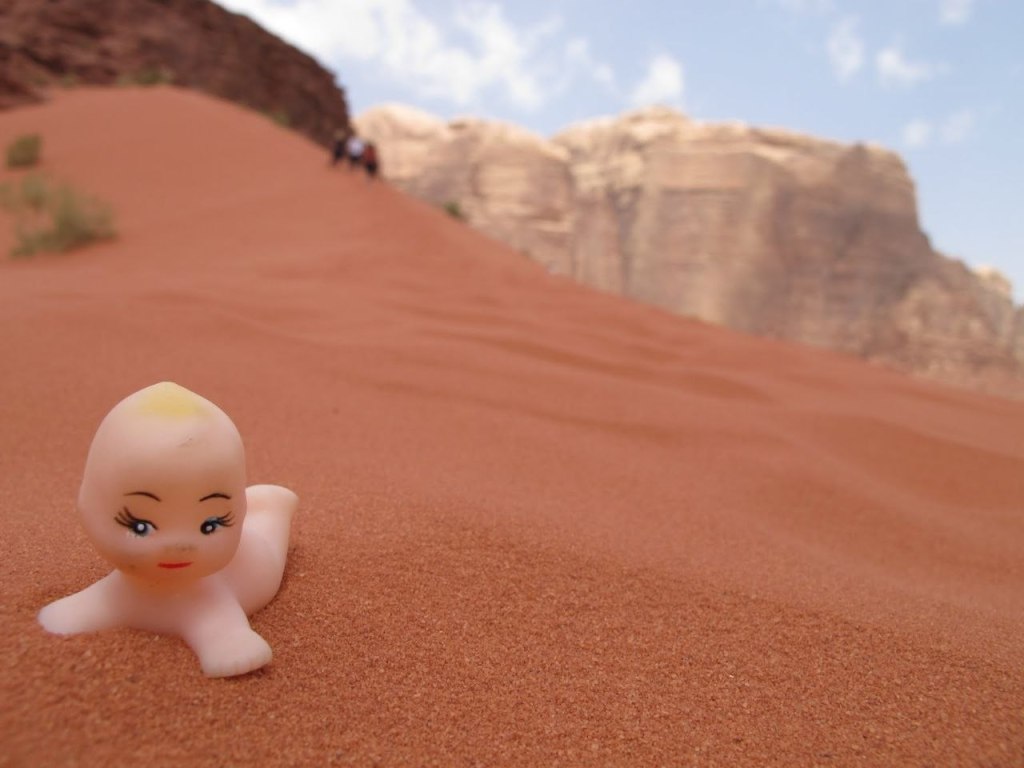
Wadi Rum is a protected desert wilderness in southern Jordan, renowned for its deep red sands, towering sandstone and granite massifs, and vast open plains. Often called the “Valley of the Moon,” this landscape has been shaped over millions of years by wind and erosion, creating sheer cliffs, narrow canyons, and freestanding rock towers that dominate the horizon. The area sits within a broad plateau, with elevations that keep temperatures cooler in winter and extremely hot in the peak of summer.
The region forms part of the traditional territory of Bedouin tribes and has been continuously inhabited for thousands of years, leaving a layered record of human presence in the form of rock carvings, inscriptions, and ancient routes. Today, Wadi Rum is both a cultural landscape and a popular destination for desert excursions, rock climbing, and stargazing, with access typically starting from the village of Wadi Rum and the main desert highway that cuts through the surrounding mountains.
The Landscape
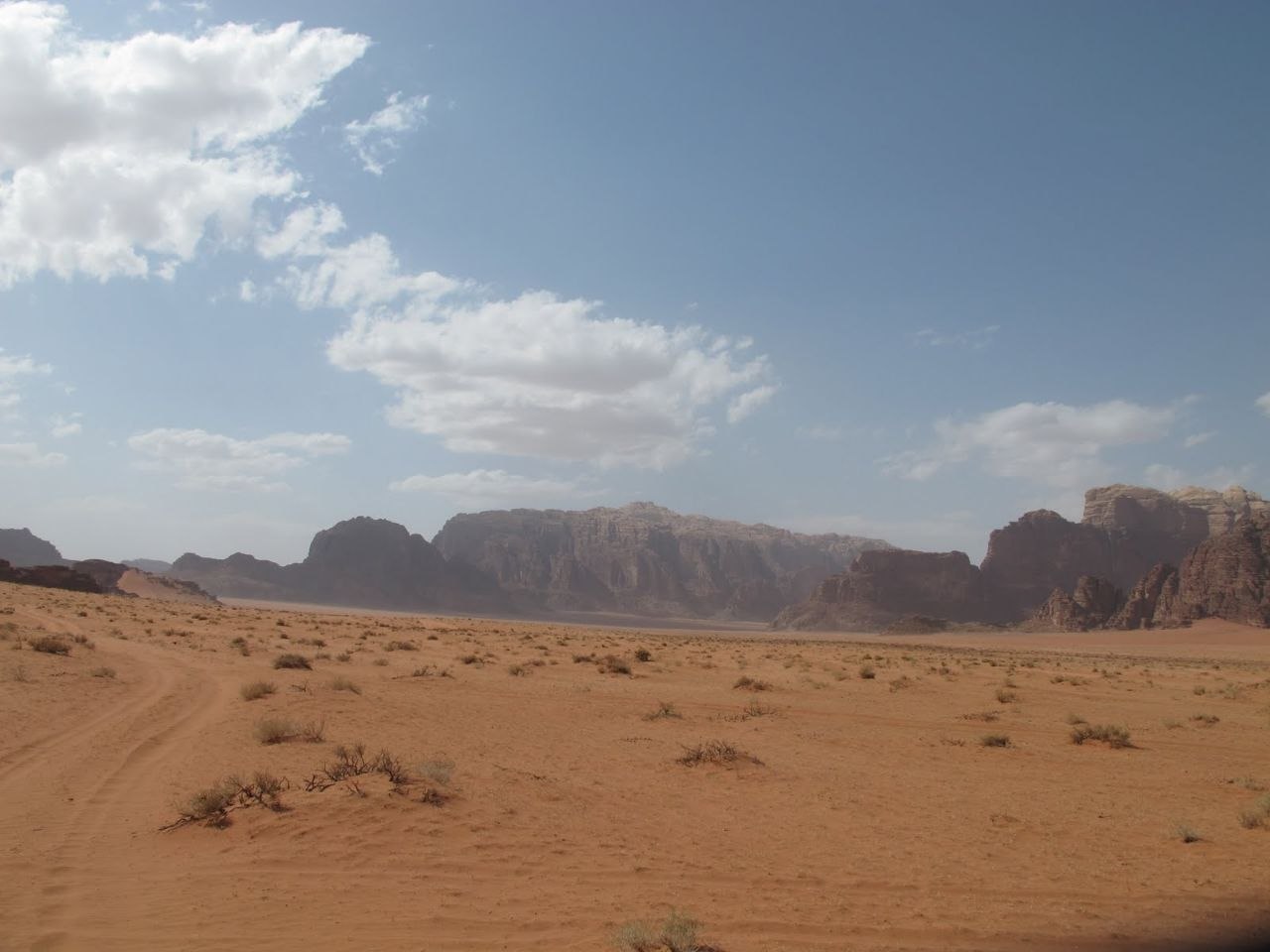
The defining feature of Wadi Rum is its striking contrast between soft, red sand plains and monumental rock formations. Broad valleys are filled with fine, rust-coloured dunes, while immense sandstone and granite cliffs rise abruptly from the desert floor, forming natural walls, bridges, and pillars. Many of these formations have been sculpted into rounded domes and sharp ridges, creating a dramatic skyline that shifts in appearance as the light changes throughout the day.
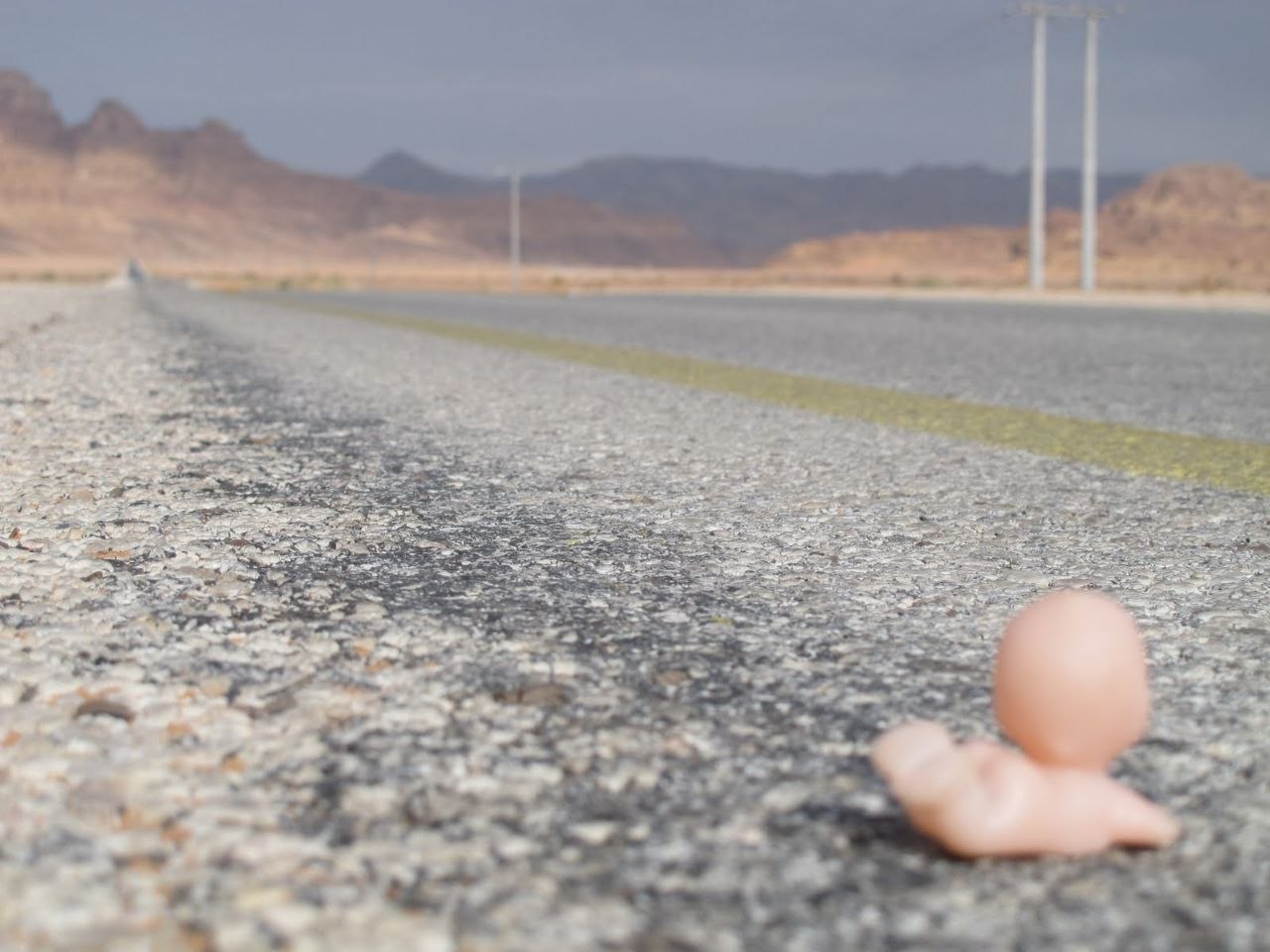
A paved desert highway skirts the edge of the protected area, running between chains of mountains and open flats. From this road, long, straight perspectives reveal the scale of the landscape: distant massifs layered one behind another, isolated buttes standing alone in the sand, and shallow basins where seasonal water can briefly collect. Off the main route, 4×4 tracks, camel paths, and walking routes cross the dunes and wadis, providing access to viewpoints, narrow gorges, and high plateaus.
Rock Petroglyphs
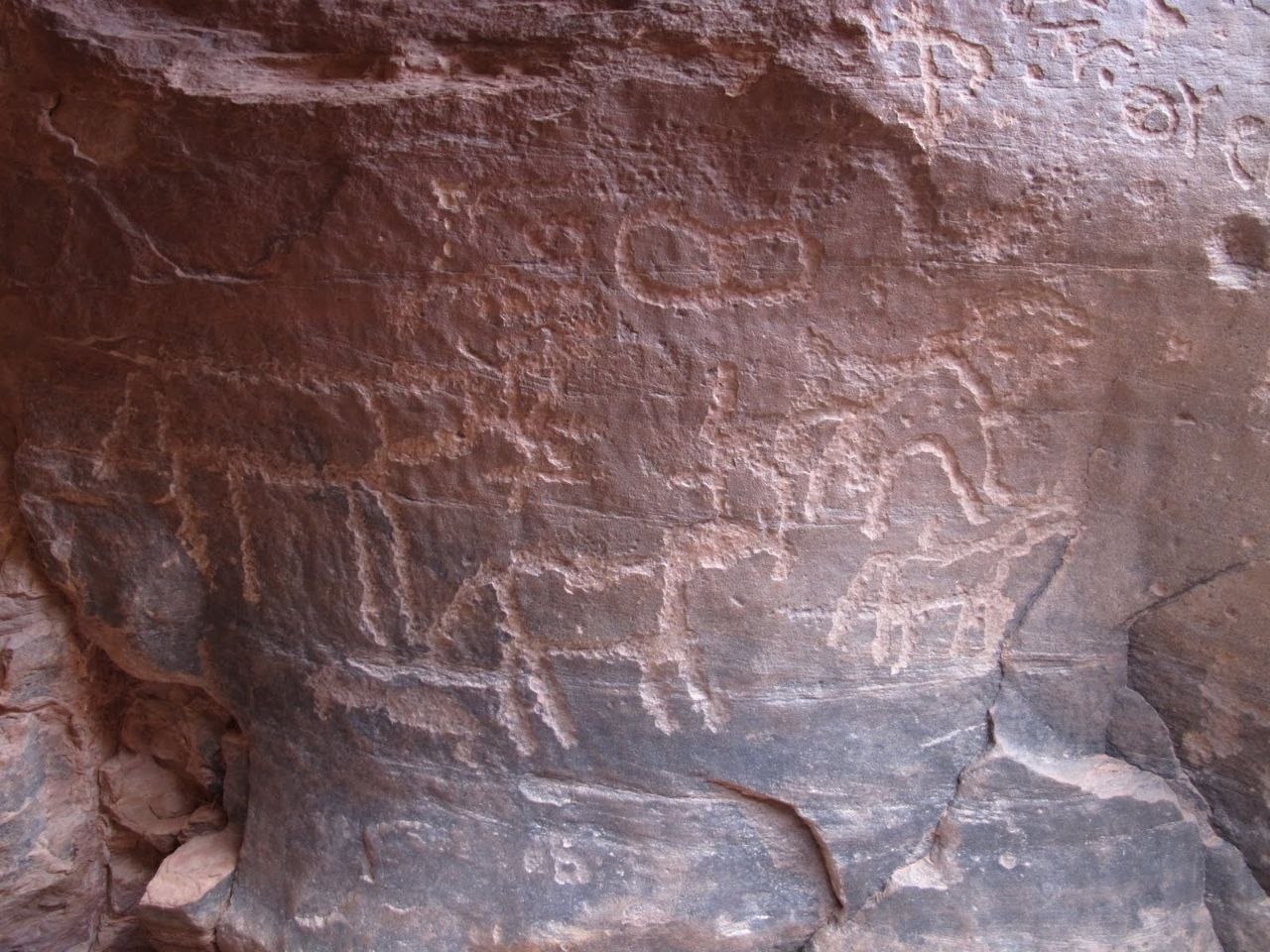
Scattered across the canyons and cliff faces of Wadi Rum are thousands of rock carvings and inscriptions that record centuries of movement through the desert. These petroglyphs depict human figures, camels, ibex, and hunting scenes, alongside symbols and early scripts. Many are found along natural corridors and ancient caravan routes, where travellers paused at water sources or sheltered in narrow gorges.
The carvings are associated with various cultures and periods, including Nabataean and early North Arabian groups who used the area as a passage between the Arabian interior and Mediterranean ports. In places, layers of inscriptions overlap, showing how the same rock faces were reused over time. The petroglyphs contribute to Wadi Rum’s recognition as a UNESCO World Heritage site, offering insight into early desert navigation, pastoral life, and belief systems.
Bedouin Culture & Desert Camps
Wadi Rum remains closely linked to the Bedouin communities who have traditionally lived, herded, and travelled in the region. Many families maintain a semi-nomadic lifestyle, moving between seasonal grazing areas and village homes. Their knowledge of wells, weather patterns, and safe routes across the sands has shaped how visitors experience the desert today.
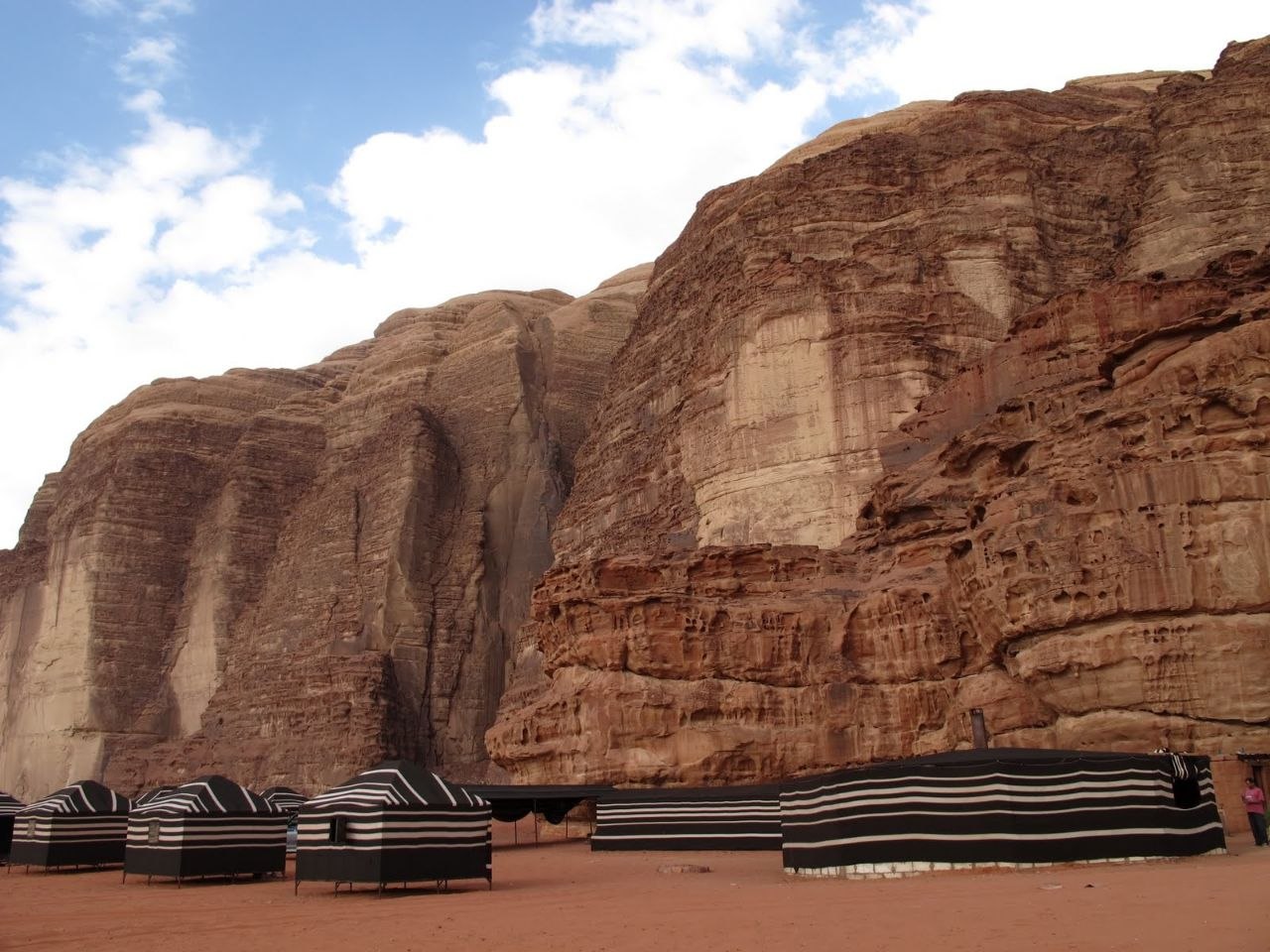
Modern desert camps, often operated by local Bedouin families, are typically set up at the base of cliffs or among low rock outcrops to take advantage of shelter from wind and sun. These camps range from simple goat-hair tents with shared facilities to more permanent setups with cabins or tented rooms. Even in more developed camps, design cues often reflect Bedouin heritage, with patterned textiles, low seating areas, and communal spaces for music, storytelling, and tea by the fire.
Camel Trekking
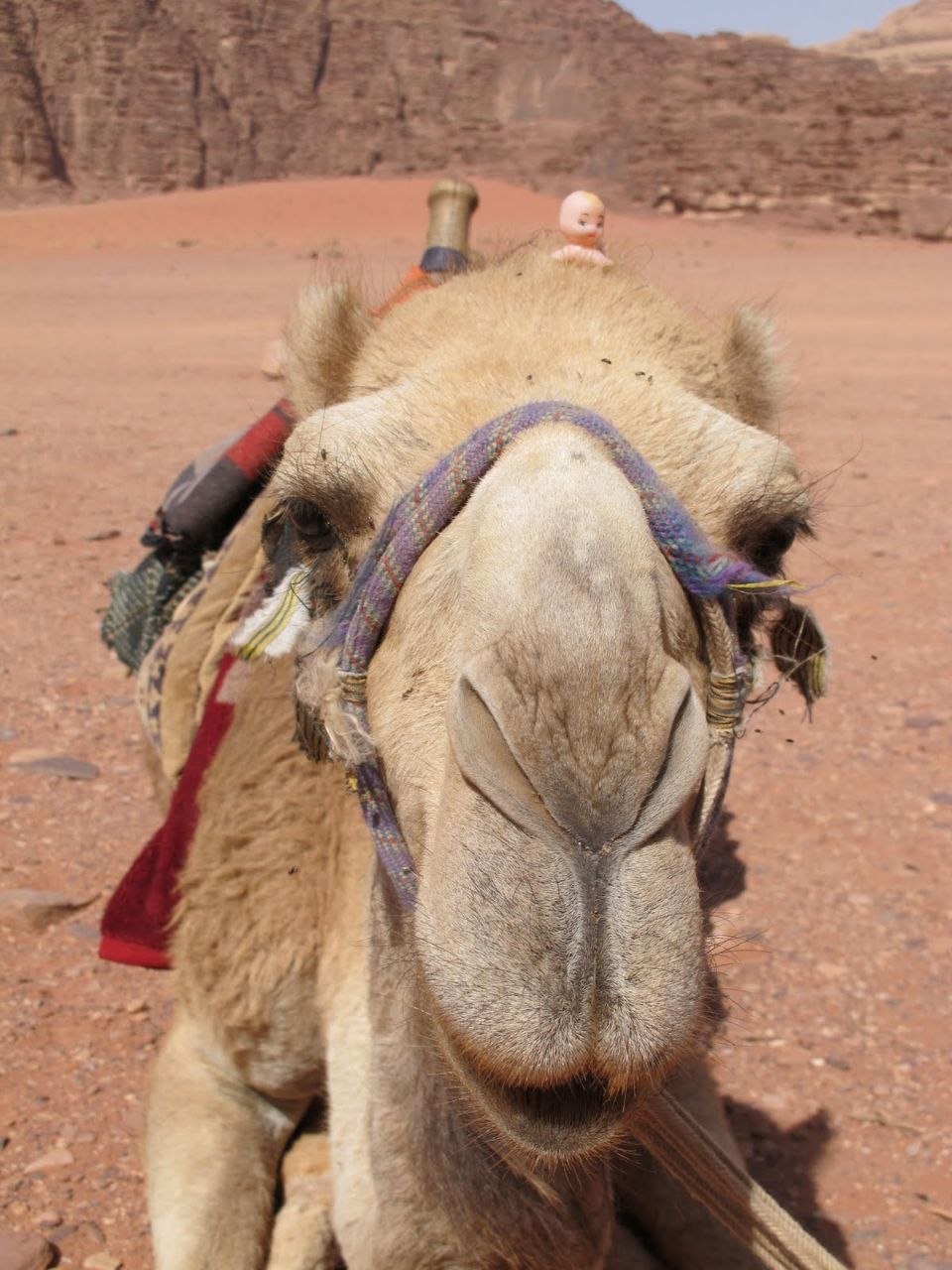
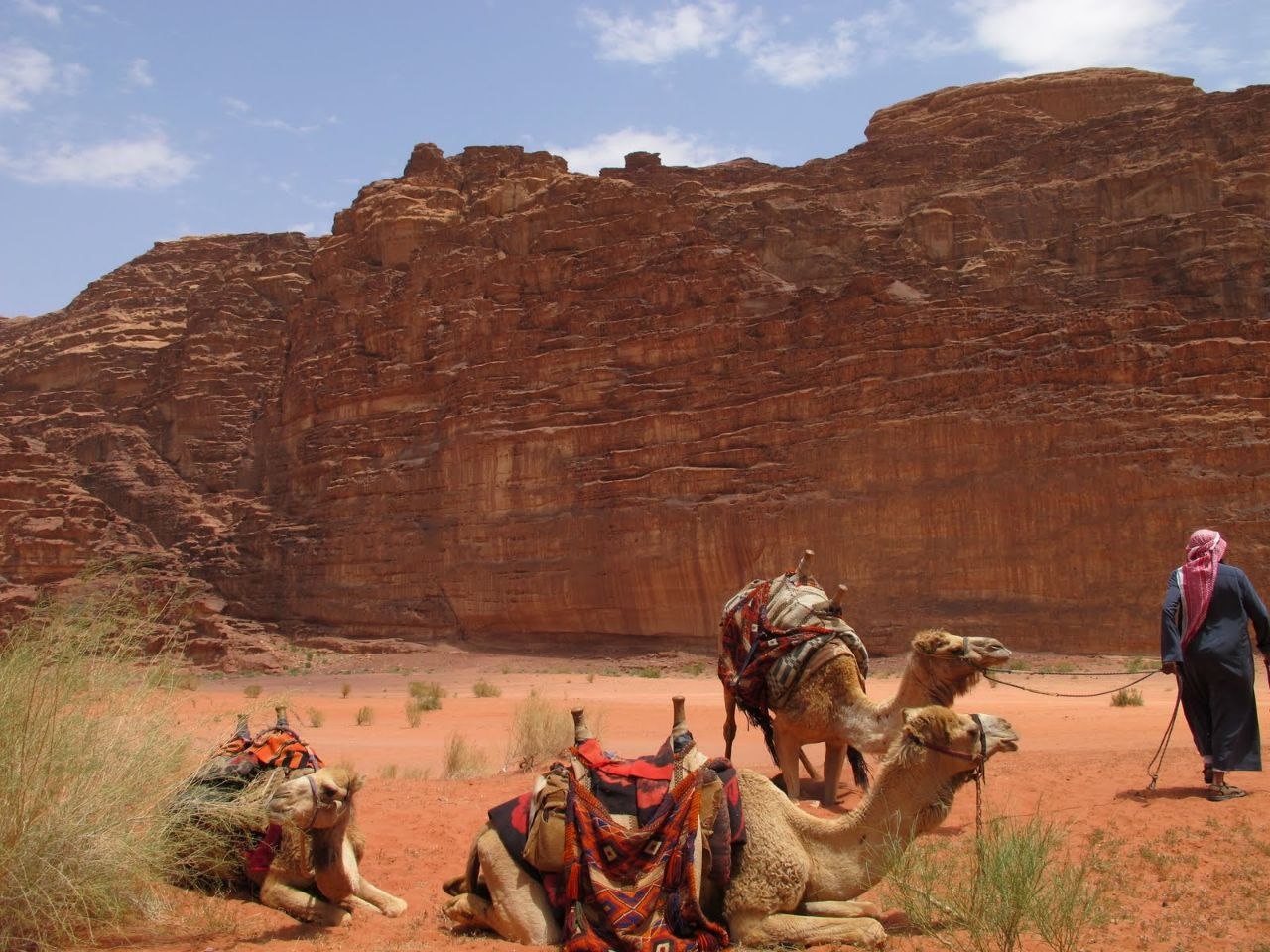
Camel caravans have long been a practical way to cross the arid landscapes of southern Jordan, and camel trekking remains a characteristic way to explore Wadi Rum. Guided rides typically follow gentle routes over dunes and along the bases of cliffs, moving at a slow pace that highlights the quiet and scale of the surroundings. From a higher vantage point on a camel, the patterns in the sand, scattered rocks, and distant silhouettes of mountains become more pronounced.
Short excursions often connect key viewpoints or camps, while longer treks may follow historic paths used by traders and herders. Local guides manage the animals, set the route, and interpret landmarks along the way. For many visitors, camel trekking is less about speed or distance and more about experiencing the traditional rhythm of desert travel and observing how camels are adapted to the harsh environment.
Desert Sunsets
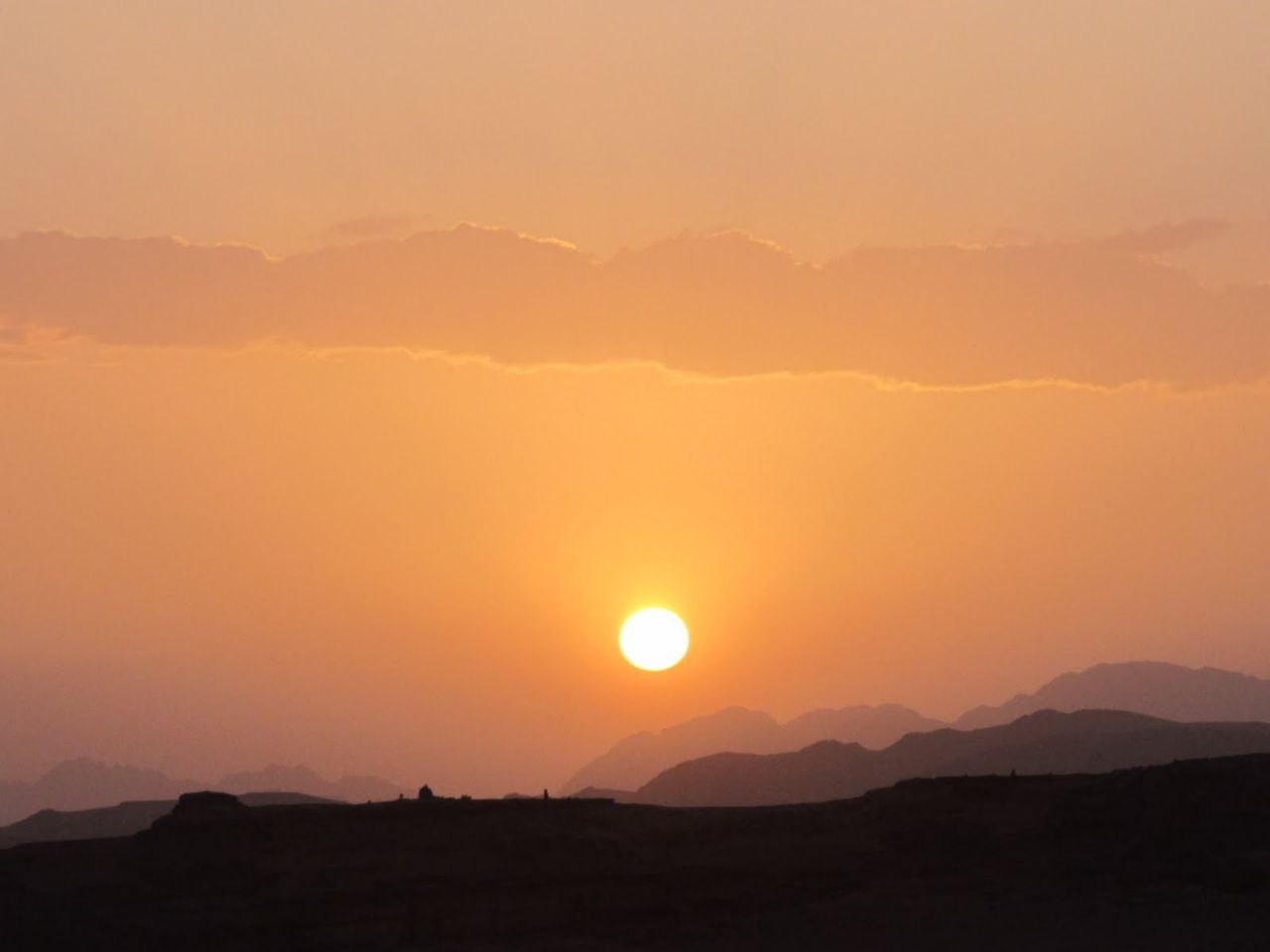
Sunset is one of the most distinctive times of day in Wadi Rum, when the low sun casts long shadows across the dunes and the rock faces shift from warm gold to deep red. As the light softens, details in the cliffs stand out more clearly, revealing layers of sediment, fissures, and weathered surfaces. The open plains and elevated viewpoints provide broad, unobstructed views toward the surrounding massifs.
On clear evenings, the sky often transitions through bands of amber, orange, and rose, with the serrated outlines of the mountains forming dark silhouettes along the horizon. Once the sun has set, the temperature drops quickly and the desert becomes one of the best places in Jordan for stargazing, with minimal light pollution and expansive skies.
Visiting Tips
Most visits to Wadi Rum begin at the Wadi Rum Visitor Centre or the nearby village, where entry fees are collected and local guides and camps can be arranged. Travel within the protected area is usually by 4×4 vehicle, camel, or on foot, and hiring local operators is recommended for both safety and navigation. The main desert highway provides access from cities such as Aqaba and Petra, with the drive offering early views of the mountains and plains.
Temperatures can be extreme, with hot, sunny days and cooler nights, especially in winter. Lightweight, sun-protective clothing, sturdy footwear, and sufficient water are important year-round, while warmer layers are needed after dark. Sand and dust are common, so protecting cameras and electronic equipment is advisable. Visitors are encouraged to follow Leave No Trace practices, stay on established routes where possible, and respect both the natural environment and the cultural traditions of the Bedouin communities who call Wadi Rum home.
 Jumping Timezones
Leave a comment