The journey from Aqaba in Jordan's far south to the Dead Sea in the north traces a cross-section of the country's most distinctive landscapes. Beginning on the shores of the Red Sea, the route leaves Jordan's only coastal city and climbs inland through arid plateaus and rugged mountains before dropping again towards the dramatic canyons feeding into the Dead Sea basin. Travellers encounter a mix of resort-lined waterfront, wind-carved sandstone gorges and the otherworldly shoreline of the world's lowest point, all within a relatively compact distance.
Most itineraries follow the Desert Highway or the more scenic King's Highway, linking Aqaba with key natural highlights such as Wadi Mujib before approaching the Dead Sea from the east. Distances between stops are short enough to visit multiple sites in a single day, yet each location offers a distinct environment, from coral-rich waters and camel-dotted beaches to narrow river canyons and still, hypersaline shores.
Aqaba and the Red Sea Coast
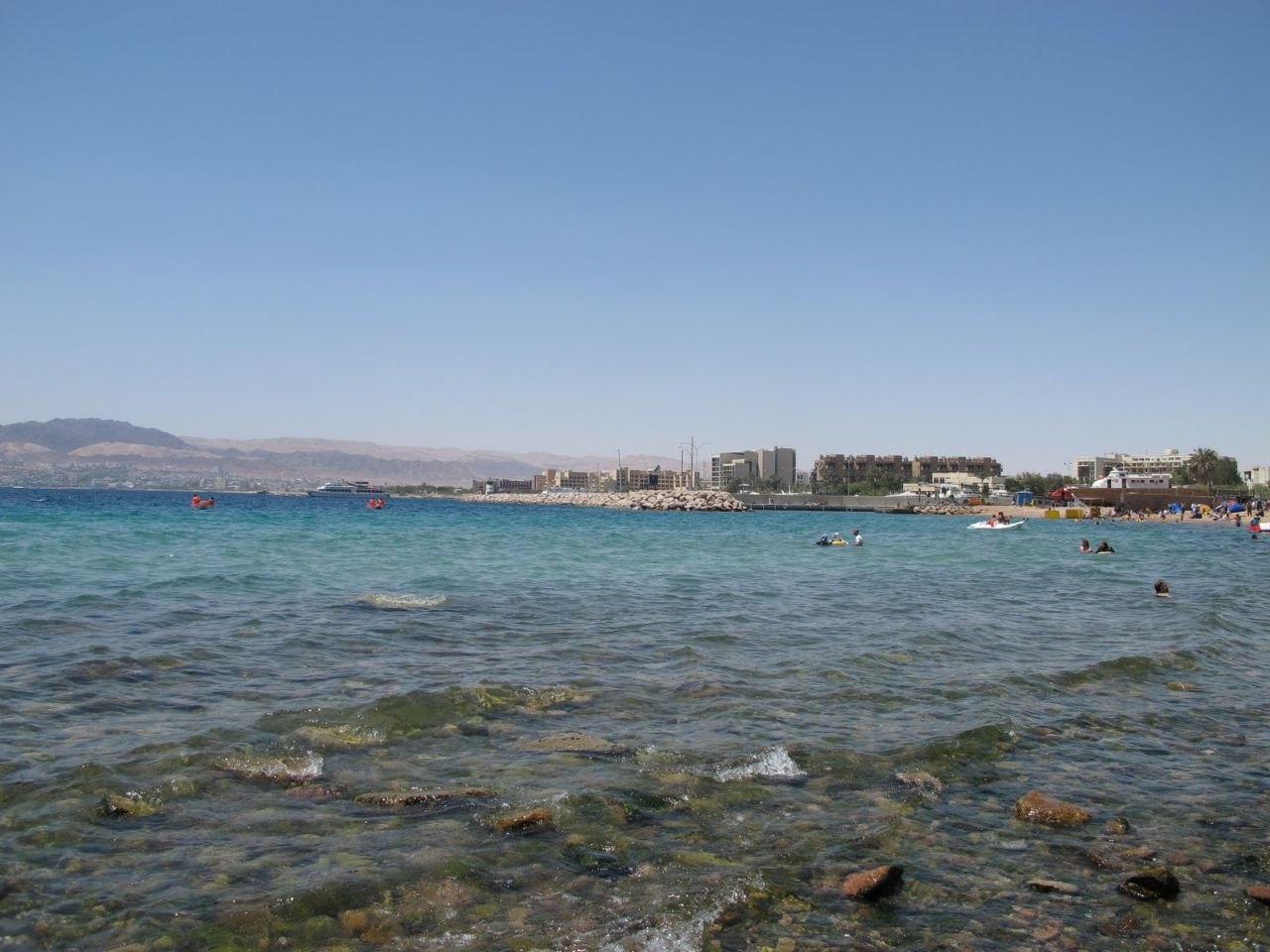
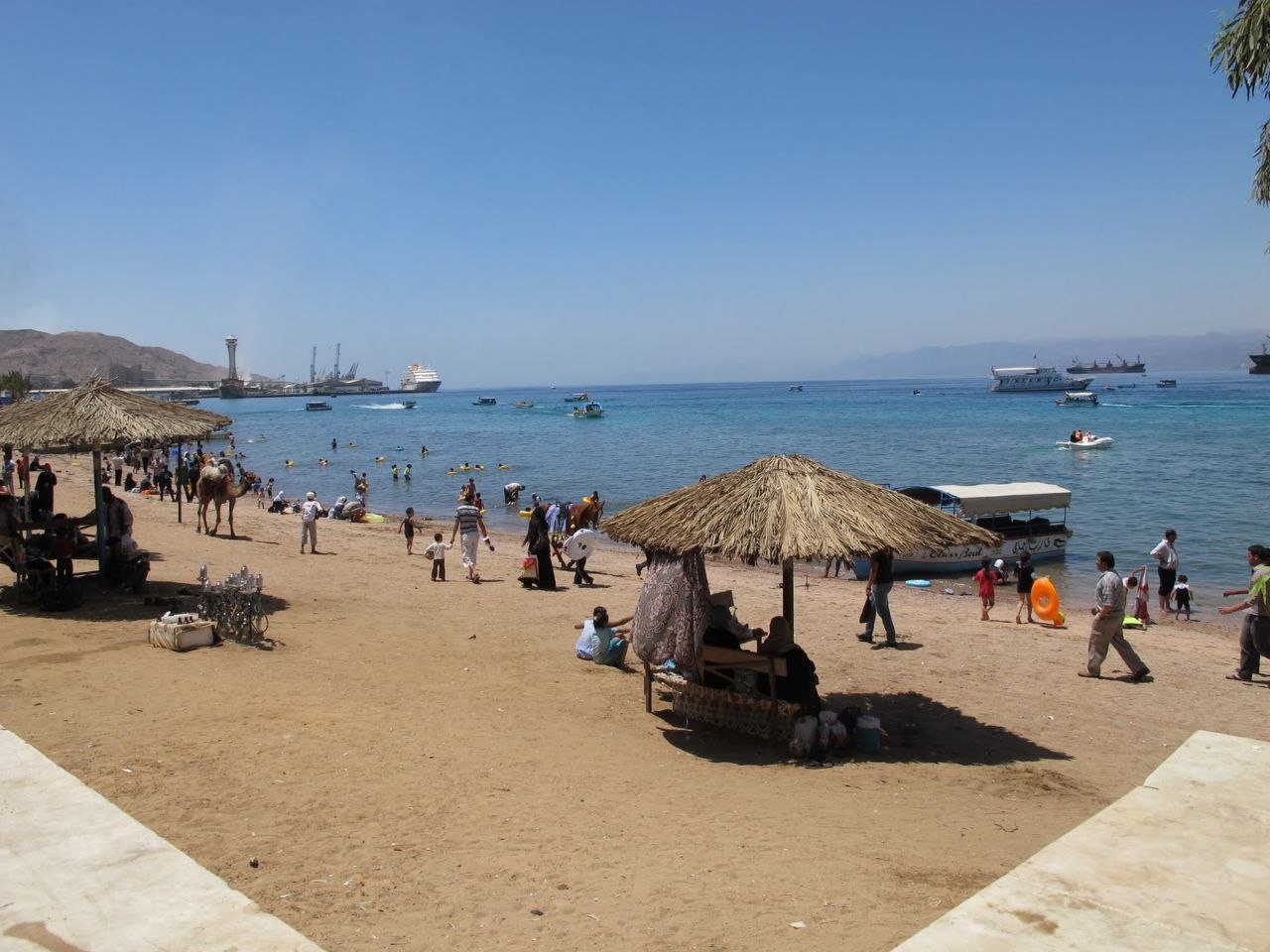
Aqaba anchors the southern end of this route as Jordan's gateway to the Red Sea. The city stretches along a compact waterfront where hotel-lined promenades sit beside public beaches shaded by thatched umbrellas. The coastline looks out across the Gulf of Aqaba to the mountains of Saudi Arabia, which rise in layered ridges on the horizon and glow in warm tones at sunrise and sunset.
Along the sandy shoreline, traditional elements such as camel rides coexist with modern seaside facilities. The water close to shore is typically crystal clear, revealing patches of reef and gentle gradients of blue, while further out the gulf deepens quickly, accommodating commercial shipping lanes and dive sites. Calm conditions are common, making the bay a key departure point for boat trips, snorkeling excursions and coastal walks before heading inland.
Wadi Mujib: Jordan's Grand Canyon
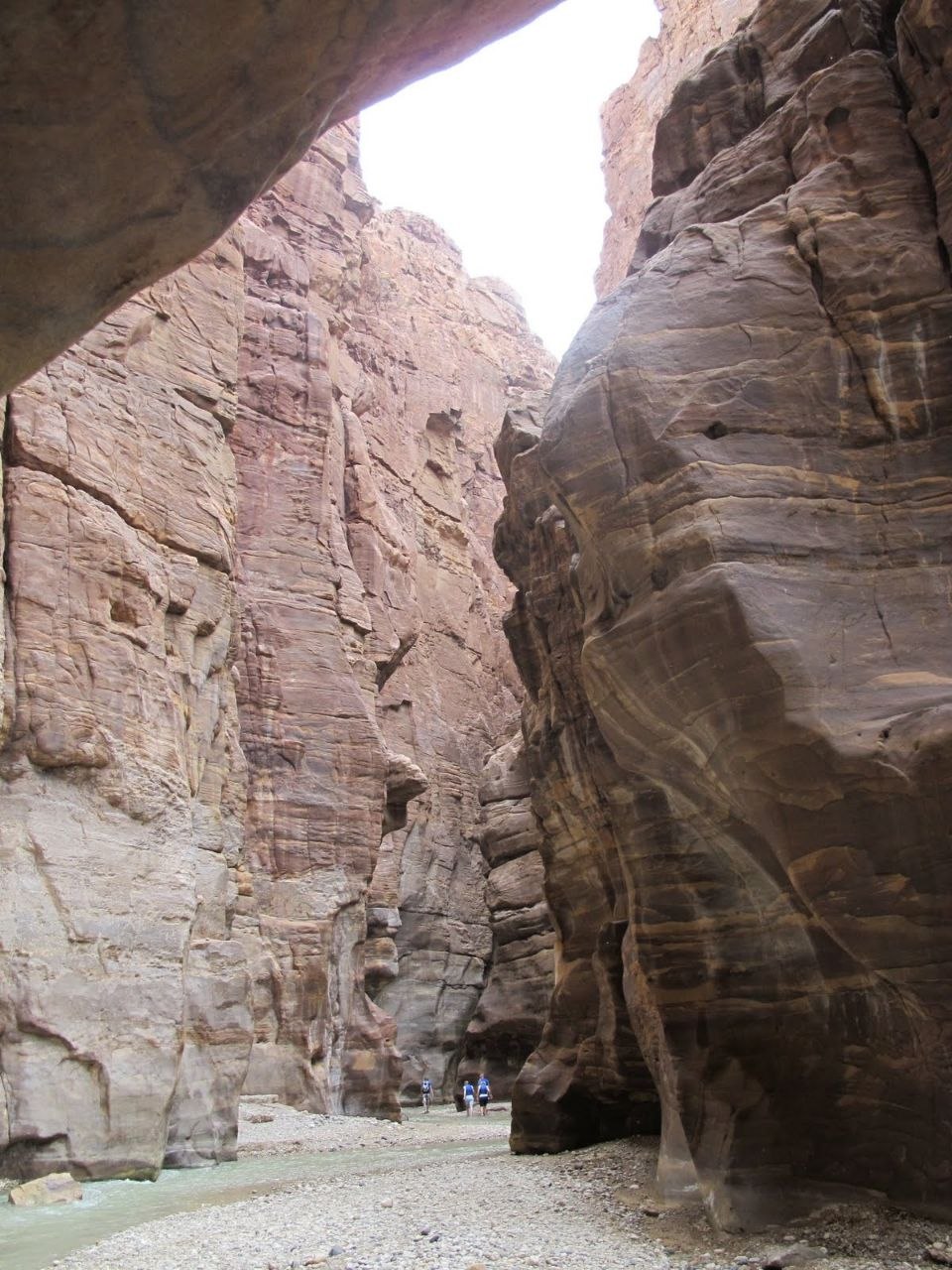
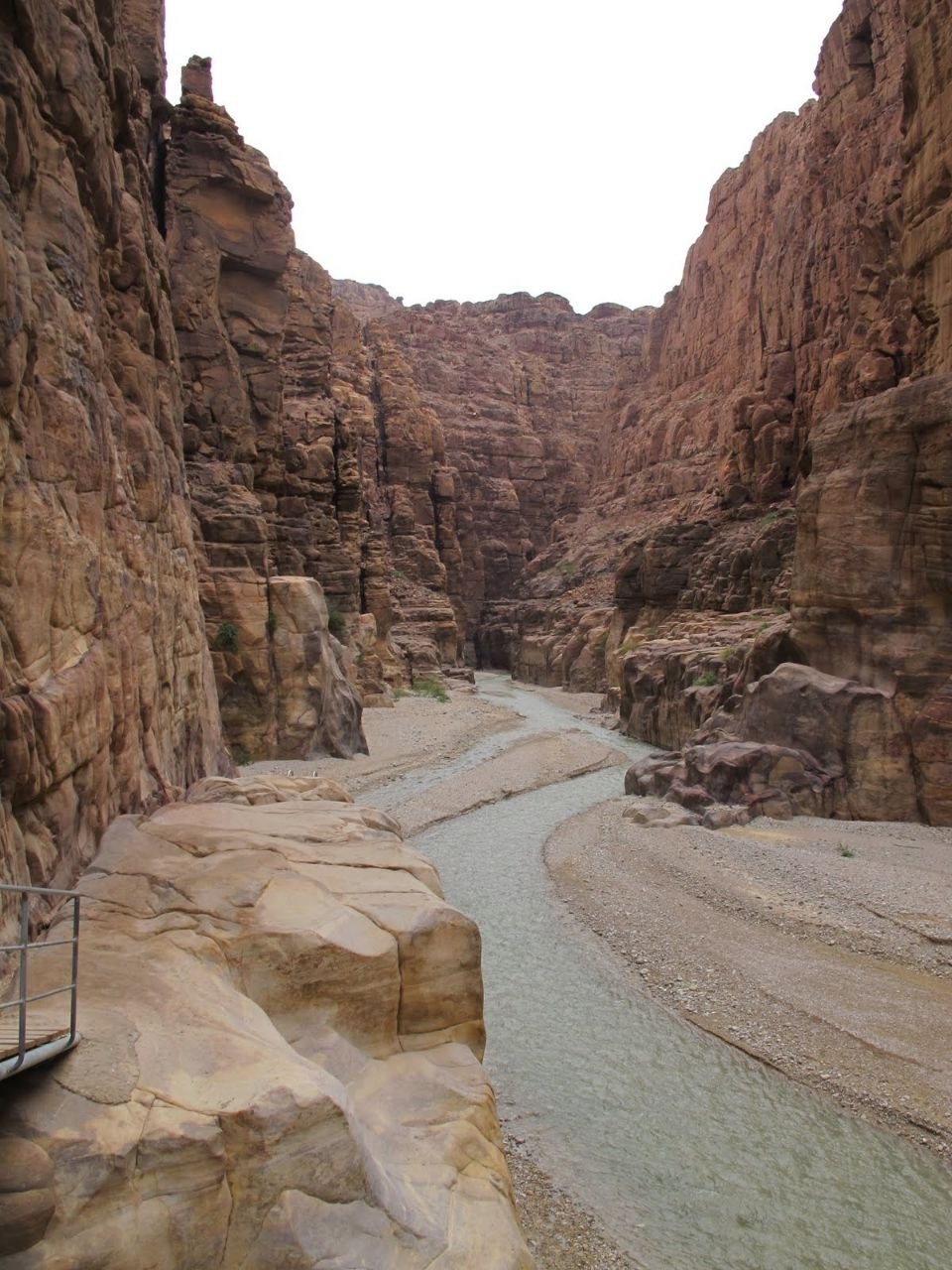
Continuing north, the landscape transitions from coastal plains to high desert before dropping into the deep incision of Wadi Mujib, often described as the "Grand Canyon of Jordan." This vast river system cuts through sandstone plateaus on its way to the Dead Sea, creating steep-sided gorges and wide, sweeping vistas from the surrounding viewpoints. The lower Mujib area, where the canyon narrows dramatically, is the most accessible section for visitors.
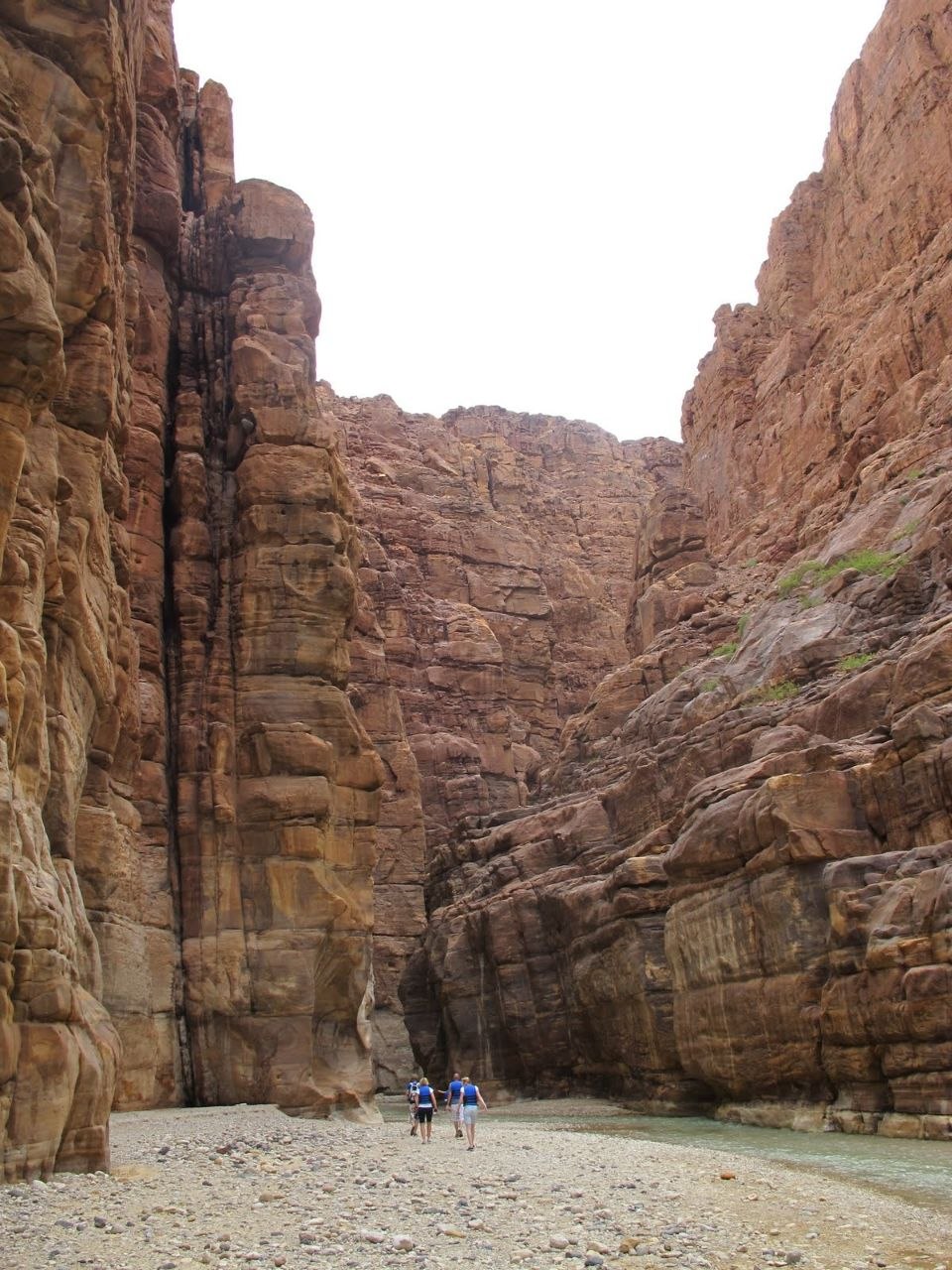
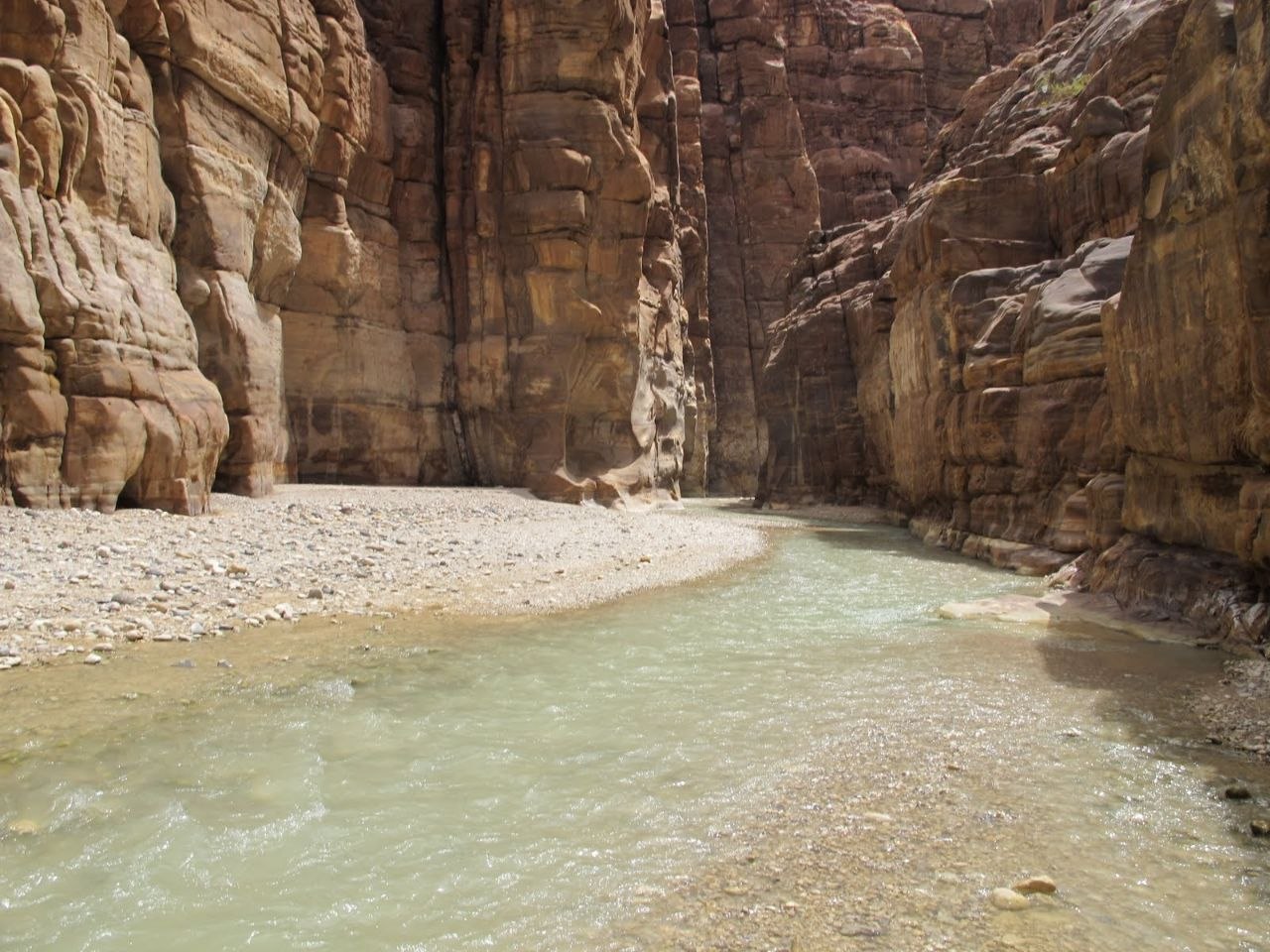
Within the gorge, towering walls of orange and red sandstone rise vertically on either side of a turquoise river. The slot canyon narrows in places to just a few metres across, amplifying the sound of rushing water and framing slivers of sky overhead. Marked trails lead directly into the watercourse, where hikers often wade upstream with water at knee height or higher, using fixed ropes and natural rock ledges to navigate shallow falls and polished boulders.
The contrast between the bright, mineral-rich water and the weathered rock formations highlights the erosive power of seasonal floods that have sculpted the canyon over millennia. Light shifts throughout the day, casting bands of gold and shadow across the sandstone and creating a dynamic environment that feels markedly different from the open desert above the rim.
The Dead Sea: Shoreline of the World's Lowest Point
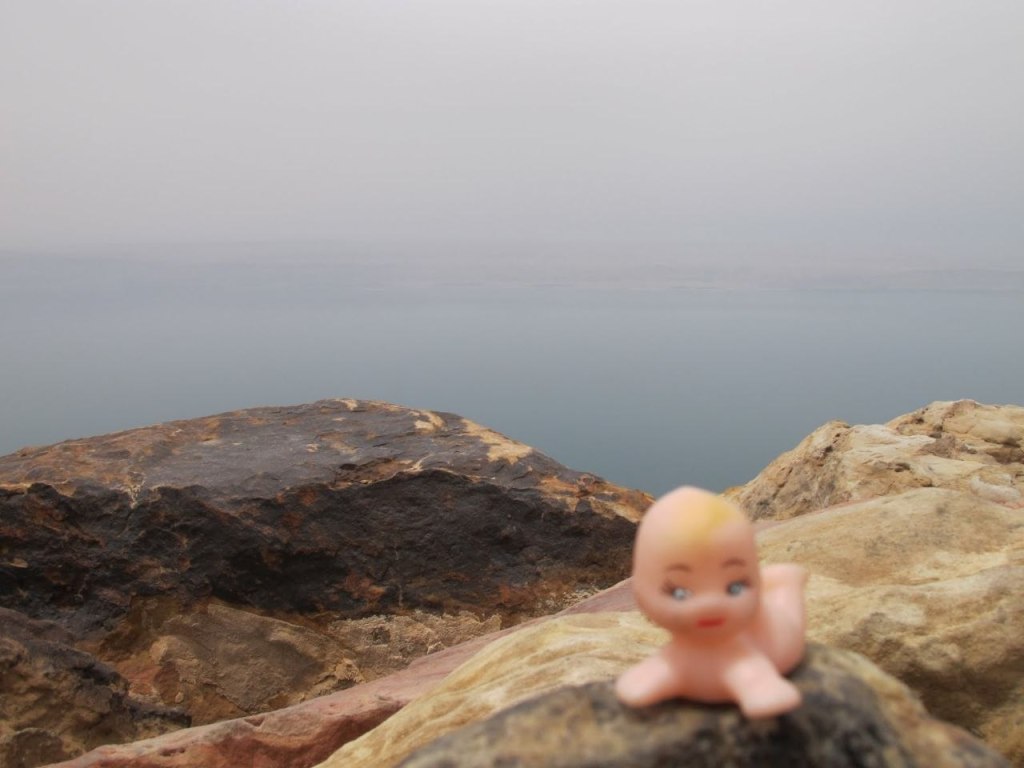
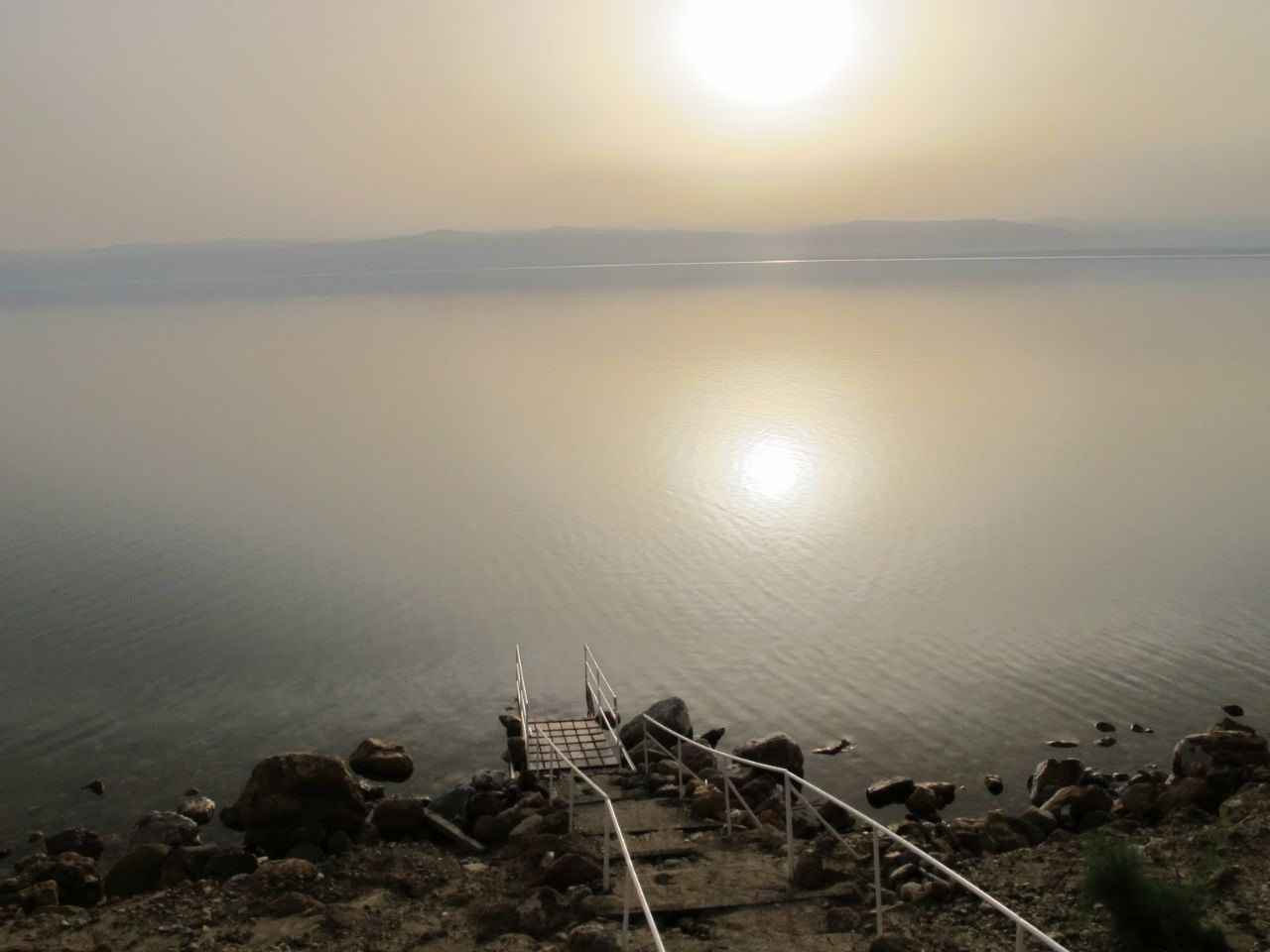
North of Wadi Mujib, the road descends sharply towards the Dead Sea, entering a basin that lies more than 400 metres below sea level. The shoreline here is defined by layered mineral deposits, stepped terraces and narrow strips of beach that mark the changing waterline of this hypersaline lake. The still surface often appears glassy, reflecting the surrounding escarpments and hazy sky in soft, muted tones.
Access points commonly feature stone or concrete steps leading down to the water, where the transition from land to lake is gradual but clearly delineated by bands of crystallised salt. The atmosphere along the shore can appear misty or golden, especially at sunrise and sunset, as light diffuses through the dense air of the basin. The high salinity keeps the water exceptionally buoyant, while the dark, mineral-rich mud along parts of the shore is collected for its reputed therapeutic properties.
Beyond the immediate shoreline, the steep cliffs of the Jordanian plateau rise abruptly, underscoring the dramatic drop in elevation between the central highlands and the Dead Sea. This topography, combined with the lake's unique chemistry, contributes to an environment unlike any other along the Aqaba–Dead Sea route.
Visiting Tips
The Aqaba to Dead Sea route is typically navigated by road, with travel times between key stops measured in a few hours rather than days. Conditions can be hot and dry for much of the year, especially in summer, so planning activities such as canyon hikes and shoreline visits for early morning or late afternoon helps avoid peak heat. Hydration, sun protection and appropriate footwear for wet, uneven terrain are essential when entering river gorges such as Wadi Mujib.
At the Dead Sea, the high salt content requires extra care in the water: submerging the face is discouraged, and eye protection is advisable. Freshwater showers are often provided near access points to rinse off salt and mud after swimming. In Aqaba, visibility and sea conditions can vary by season, so checking local forecasts and dive or boat operators' advice can help in timing coastal activities before travelling north through Jordan's canyons and down to the Dead Sea basin.
 Jumping Timezones
Leave a comment