Chiang Mai is the cultural and historic hub of northern Thailand, framed by forested mountains and surrounded by fertile river valleys. Once the capital of the Lanna Kingdom, the city is known for its moated old town, hundreds of Buddhist temples, and a slower pace than Bangkok, while still serving as a major base for travel across the region. Mild, cooler weather during the dry season and its compact size make Chiang Mai a popular starting point for exploring northern highlands, national parks, hill communities, and craft villages.
Within easy reach of the city are some of Thailand’s highest peaks, jungle-covered slopes, and important pilgrimage sites, while the streets below host lively markets showcasing northern Thai cuisine and handicrafts. Visitors typically combine days spent visiting mountain viewpoints and temples with evenings sampling street food and walking through illuminated night bazaars.
Doi Inthanon National Park
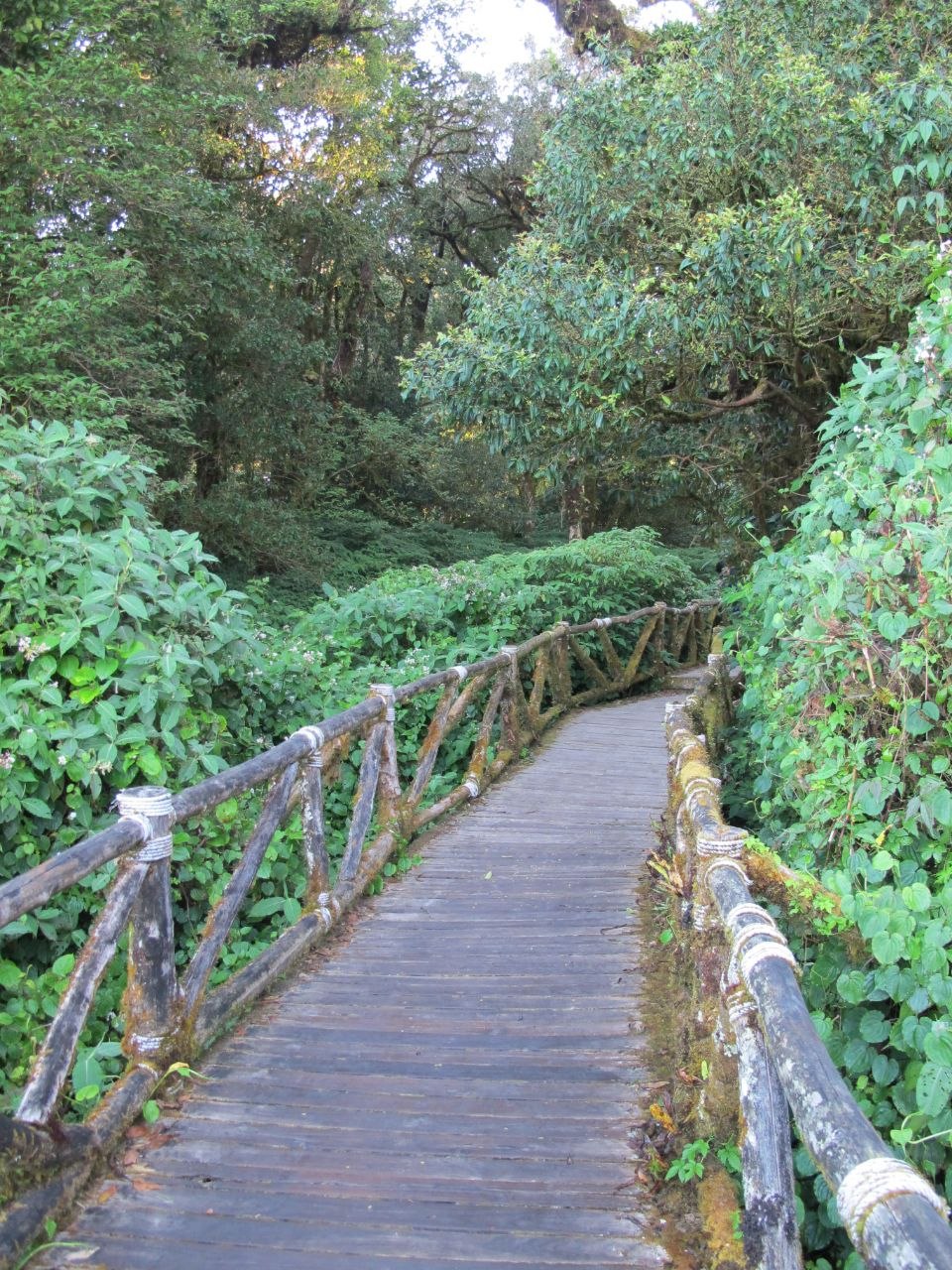
Doi Inthanon National Park protects the highest mountain in Thailand, rising to 2,565 metres above sea level about two hours southwest of Chiang Mai. The summit area is often cool and misty and features a small, grey chedi marking the high point, surrounded by moss-covered trees and cloud forest vegetation. Short, signposted trails and boardwalks allow visitors to experience the dense, moisture-rich jungle and to observe ferns, orchids, and birdlife that thrive in the cooler temperatures.
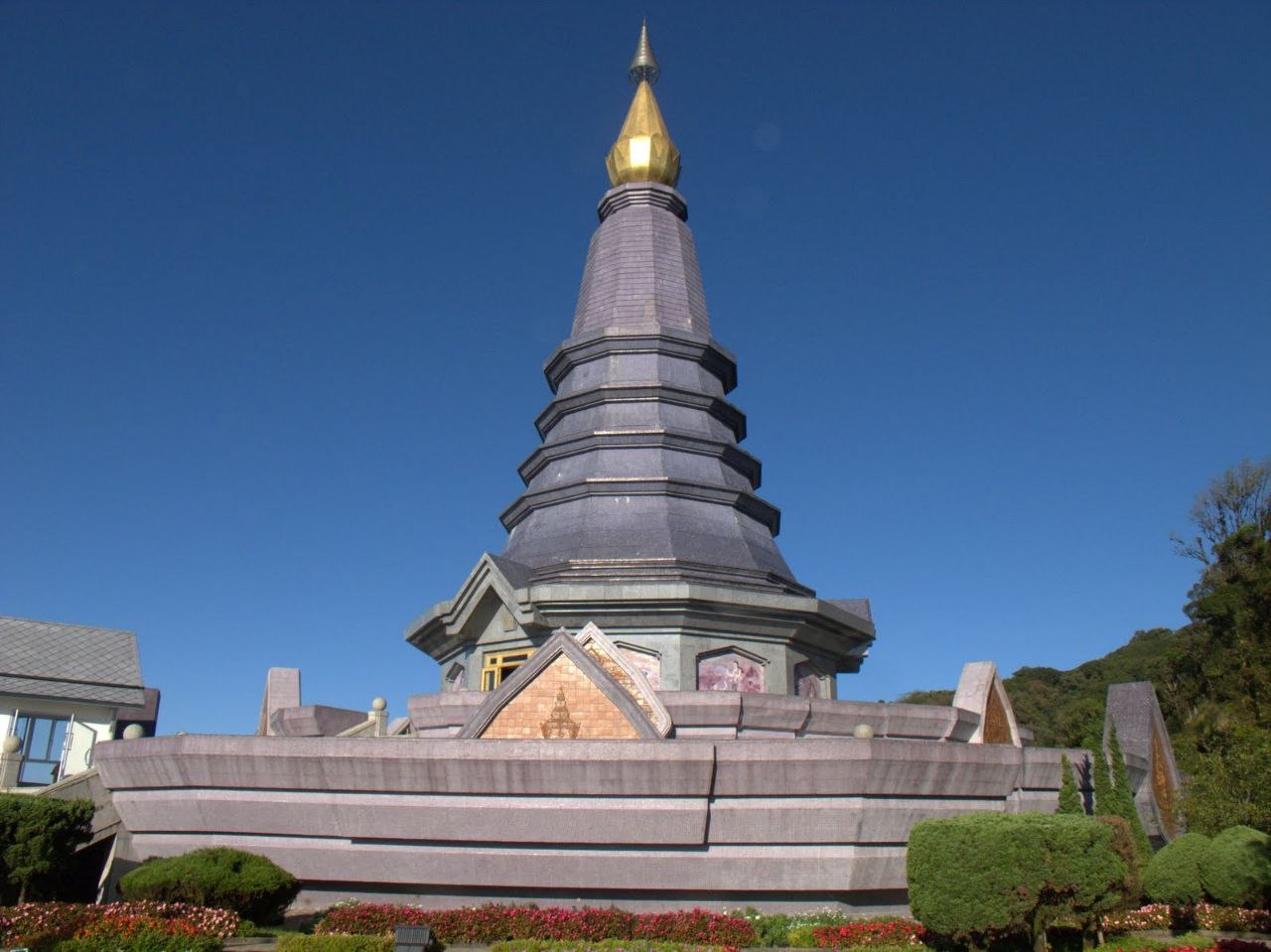
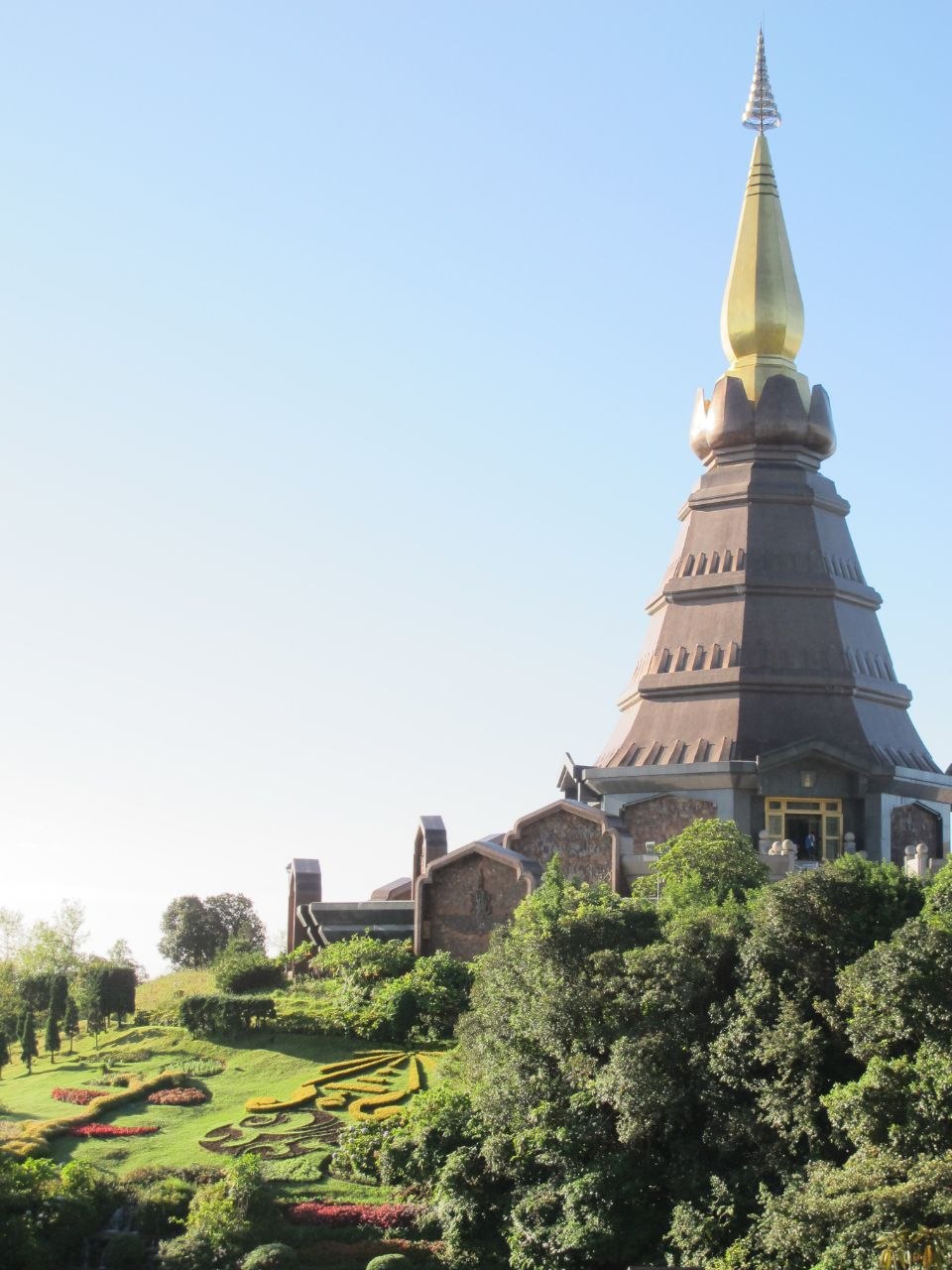
On a nearby ridge stand the two royal pagodas, Naphamethanidon and Naphaphonphumisiri, built to honor King Bhumibol Adulyadej and Queen Sirikit. These chedis are set above formal flower gardens with geometric beds, clipped hedges, and panoramic viewpoints back toward the surrounding mountains. On clear days the site offers wide vistas over rolling hills; in typical highland weather it can be wrapped in cloud, giving the chedis and gardens an atmospheric, otherworldly feel.
Wat Chedi Luang
Wat Chedi Luang is one of Chiang Mai’s most prominent temples and sits near the centre of the walled old city. The temple complex is dominated by the remains of a massive brick and stucco chedi, partially collapsed after earthquakes in the sixteenth century yet still imposing above the surrounding streets. Naga staircases, guardian figures, and remnants of stucco decoration hint at the site’s former grandeur and its importance within the former Lanna capital.
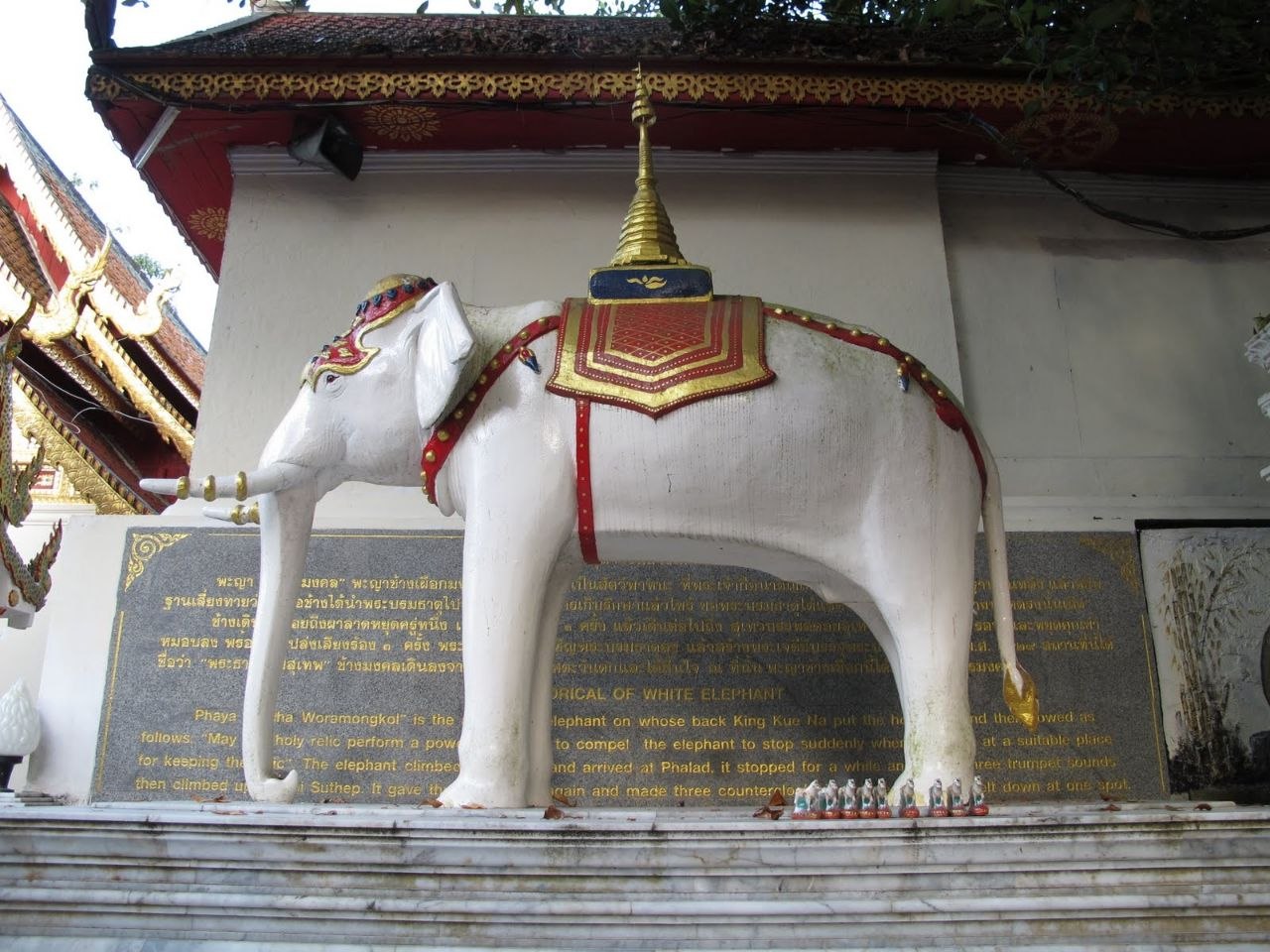
Within the grounds are assembly halls, smaller shrines, and a revered white elephant statue that symbolizes strength, purity, and royal authority in Thai and broader Southeast Asian culture. The temple compound is typically active throughout the day with worshippers making merit, monks moving between buildings, and visitors observing the interplay of historic architecture and everyday religious practice.
Wat Phra That Doi Suthep
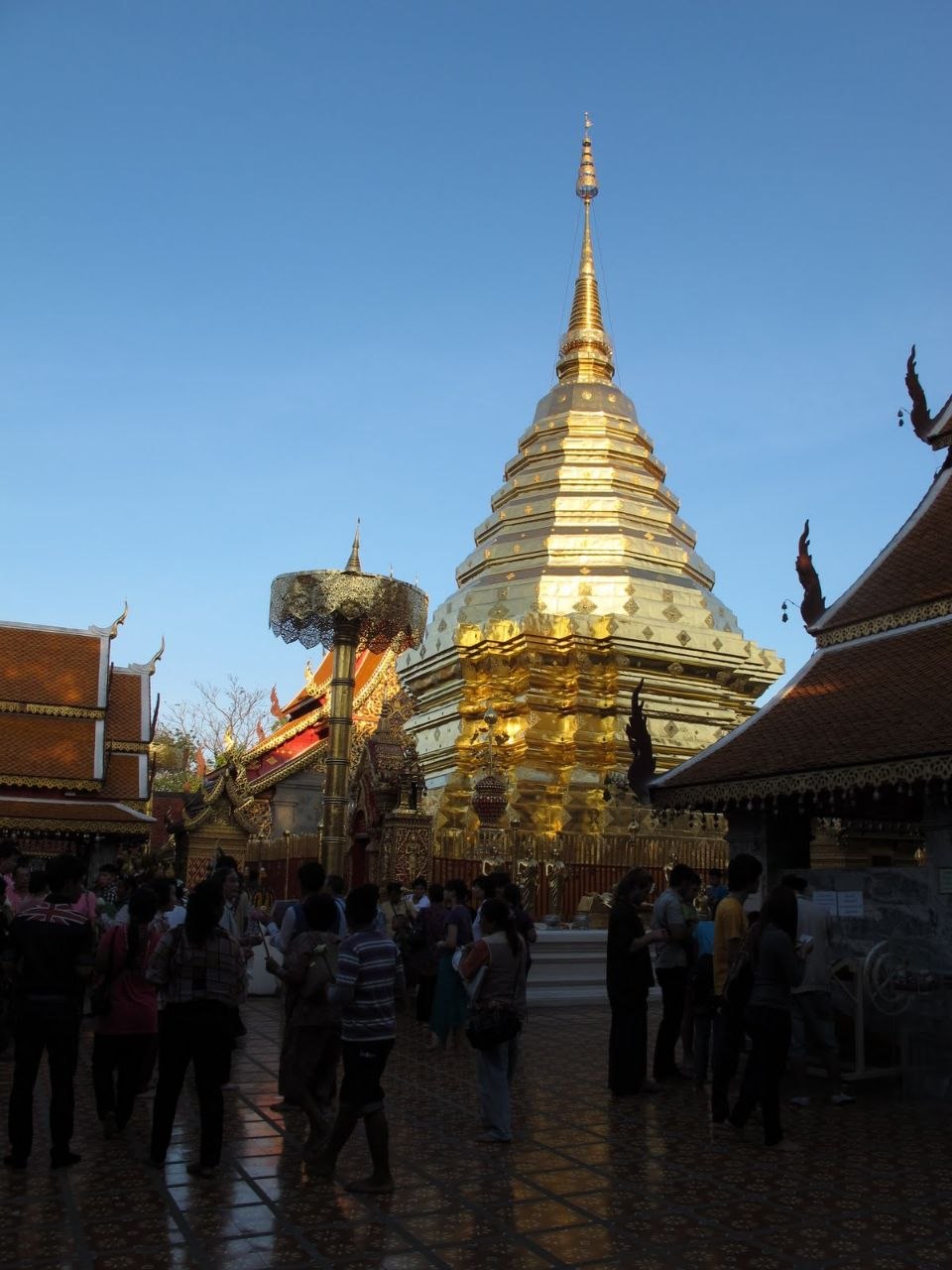
Wat Phra That Doi Suthep is one of northern Thailand’s most important pilgrimage sites, located on a mountain slope overlooking Chiang Mai. The temple is reached via a winding mountain road followed by a long staircase guarded by multicoloured naga balustrades. At its heart stands a golden, bell-shaped chedi surrounded by cloistered walkways, small chapels, and rows of Buddha statues that reflect the sunlight by day and glow warmly under spotlights at dusk.
The temple terrace provides sweeping views over Chiang Mai and the surrounding plains, particularly striking around sunset when the city lights begin to appear. The combination of cooler mountain air, the sound of bells and chanting, and the contrast between the gilded chedi and the darkening sky gives the site a distinctive atmosphere compared with temples in the lowland city.
Elephant Sanctuaries Around Chiang Mai
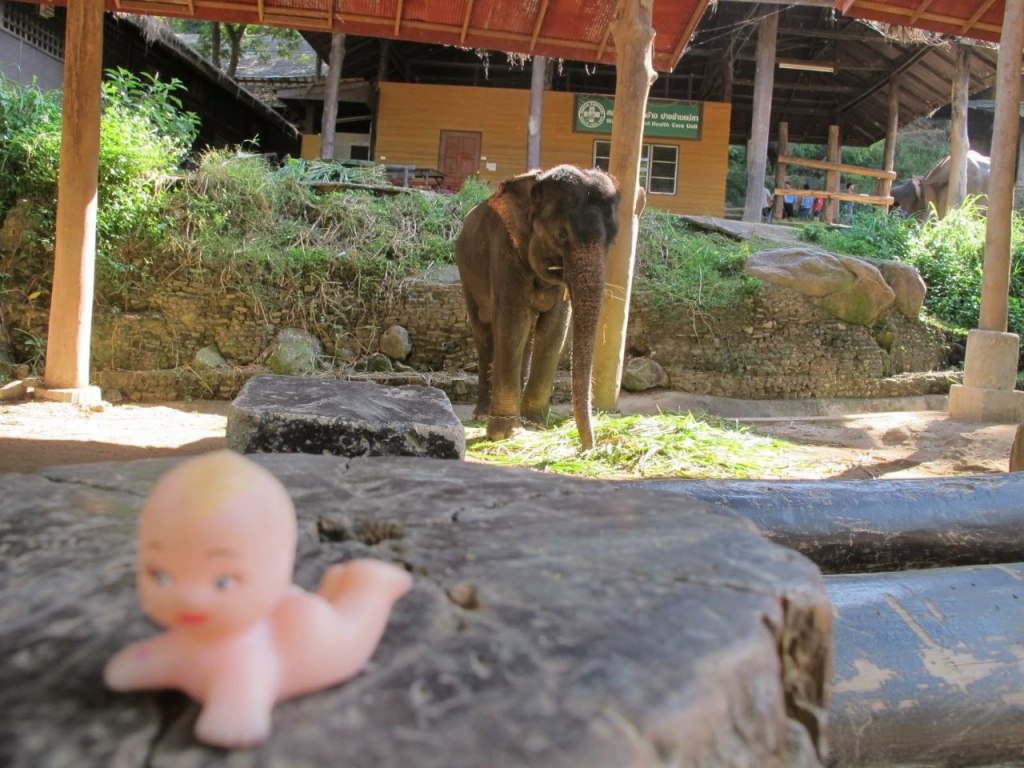
Several elephant sanctuaries operate in the hills and valleys surrounding Chiang Mai, typically reached by road within one to two hours from the city. Many of these centres focus on the rescue and long-term care of elephants retired from logging, riding camps, or street work, and promote observation-based encounters rather than performances. Visits commonly include learning about elephant behaviour and history in Thailand, preparing food, and watching the animals forage, bathe, or interact in more natural settings.
Reputable sanctuaries emphasize limited group sizes, no riding, and space for elephants to move freely, graze, and socialize. Prospective visitors are encouraged to research operators carefully, looking for transparent welfare policies, veterinary oversight, and partnerships with conservation or animal welfare organizations. Conditions and offerings vary, but the region around Chiang Mai has become a key centre for more ethical elephant experiences in Thailand.
Night Bazaar & Markets
After dark, Chiang Mai’s streets host a network of markets ranging from the longstanding Night Bazaar east of the old city to the Saturday and Sunday walking streets. Stalls sell textiles, handicrafts, souvenirs, and everyday goods, while the surrounding lanes fill with open-air food courts and casual seating. The atmosphere is lively but generally relaxed, with vendors, families, and travellers sharing the same thoroughfares.
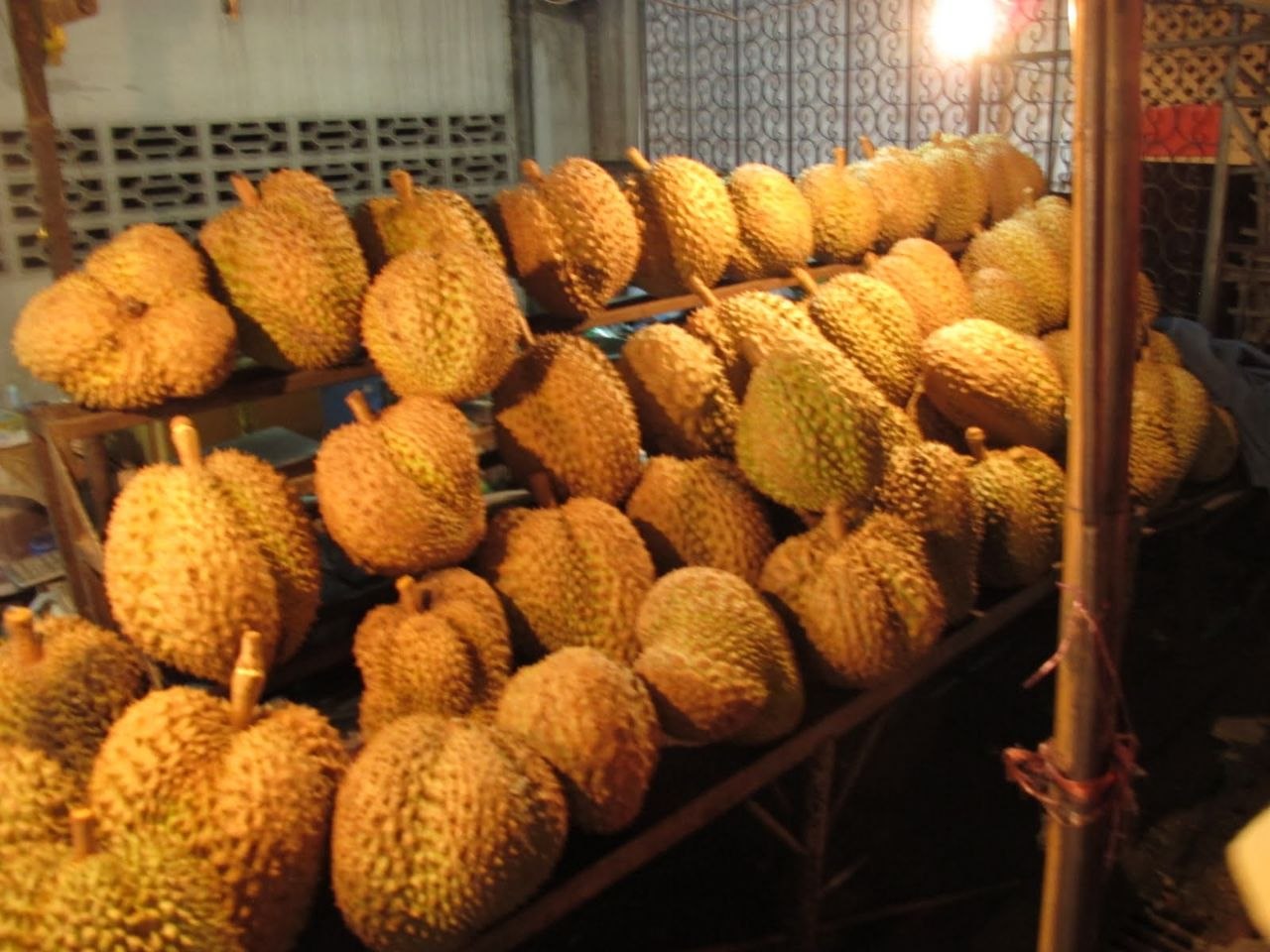
Food sections within these markets showcase northern Thai dishes such as khao soi (curried noodle soup), sai ua (herb-laced sausage), and grilled meats, alongside skewers, stir-fries, and classic Thai desserts. Fruit stalls often feature seasonal tropical produce including mangoes, dragon fruit, longan, and durian stacked in tall displays. Sampling small portions from multiple vendors is a common way to experience the breadth of local flavours in a single evening.
Visiting Tips
The cooler, drier months from November to February are generally the most comfortable time to visit Chiang Mai and nearby mountains, though temperatures can be noticeably cold at higher elevations like Doi Inthanon, especially in the early morning. From February to April, agricultural burning in the wider region can reduce air quality and visibility, which may affect views from mountain viewpoints and temple terraces.
When visiting temples, modest clothing is expected: shoulders and knees should be covered, and shoes are removed before entering main buildings. For mountain excursions and jungle boardwalks, lightweight layers, a rain jacket, and sturdy footwear are useful due to rapidly changing weather and damp paths. Booking tours or transport through established operators, reading recent reviews, and allowing extra time for winding mountain roads can help ensure a smoother experience when exploring Chiang Mai’s highland landscapes, sanctuaries, and markets.
 Jumping Timezones
Leave a comment