Phetchaburi is a provincial city in central Thailand known for its historic temples, royal palaces, and long tradition of crafting Thai desserts. Located a few hours southwest of Bangkok, it sits near the Gulf of Thailand and has historically served as a key route linking the capital with the country’s western coastline. The city’s low-rise skyline is punctuated by temple spires and the hilltop palace of Phra Nakhon Khiri, visible from many points around town.
The old town area preserves a dense cluster of wooden shophouses, Chinese shrines, and monasteries that reflect centuries of trade and royal patronage. Many of Phetchaburi’s religious sites date back to the Ayutthaya and early Rattanakosin periods, combining Thai, Chinese, and European influences in their architecture and decorative details. Beyond the historic core, limestone hills and caves frame the city, creating a dramatic backdrop for temple complexes and viewpoints.
Wat Yai Suwannaram: Old Royal Temple in Town
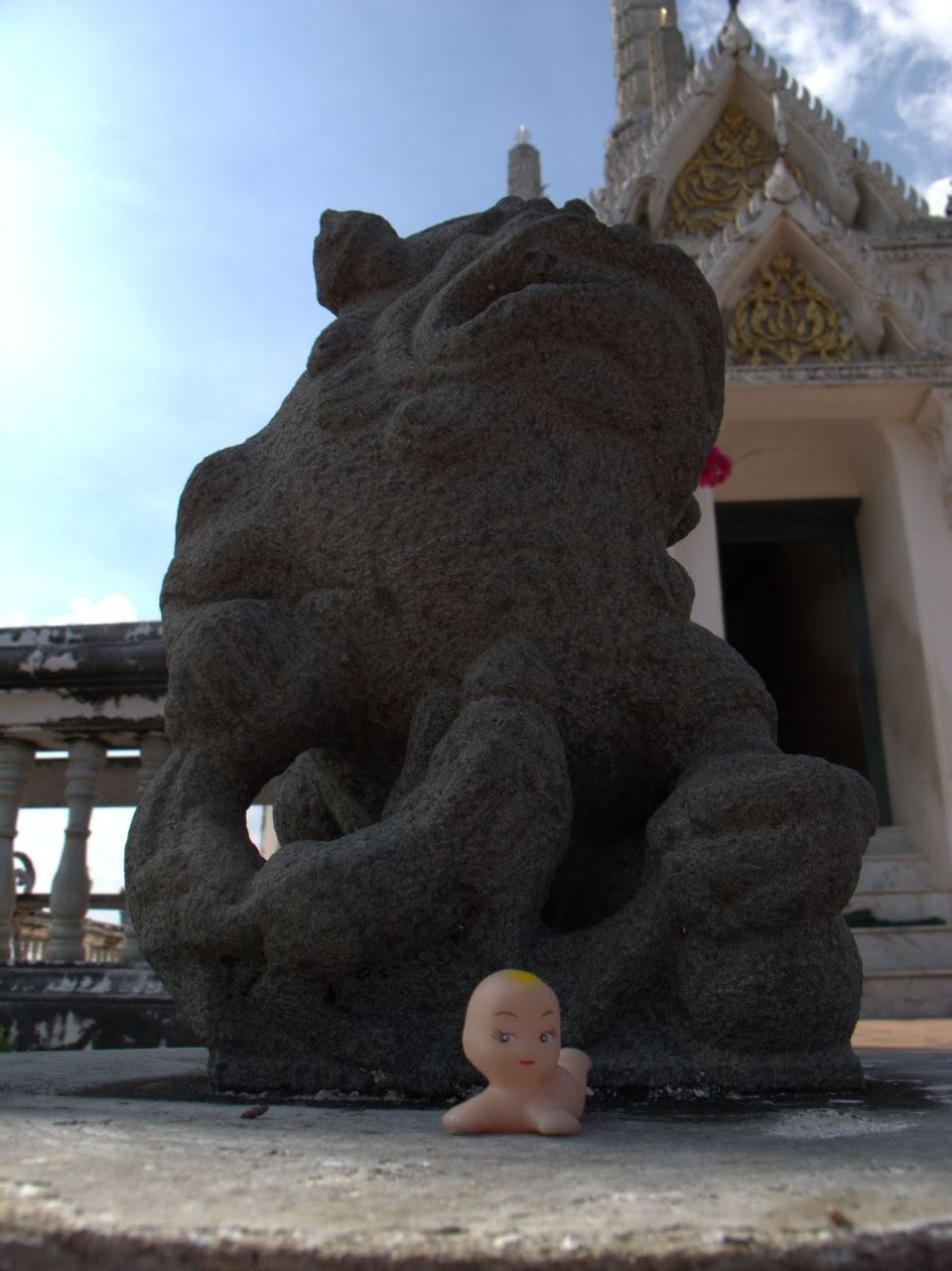
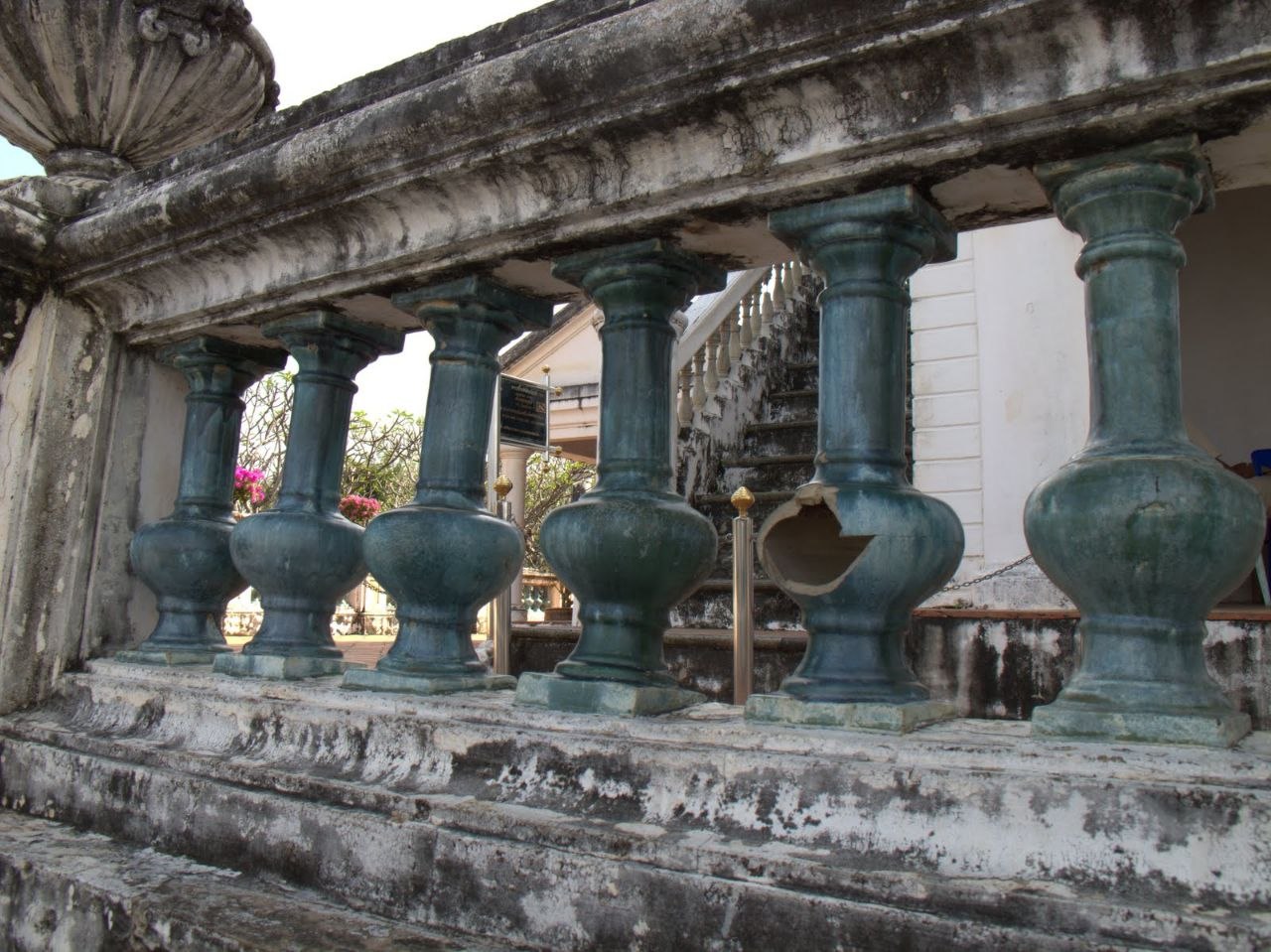
Wat Yai Suwannaram is one of Phetchaburi’s most important historic temples, located close to the old town’s riverfront streets. Once a royal monastery, it is known for its teak ordination hall, intricate mural paintings, and detailed woodwork. The temple grounds feature white structures with gold accents, stone guardian lions, and balustrades decorated with elaborate patterns that highlight the craftsmanship of the period.
The temple compound is relatively compact, making it easy to explore on foot. Visitors can view the main hall’s elevated platform, the richly carved doors and windows, and a variety of guardian figures that line walkways and staircases. The setting, with its mix of restored buildings and older structures, offers a clear view of how royal temples in provincial cities were designed to project both religious and political significance.
Khao Wang & Phra Nakhon Khiri: Hilltop Palace and City Views
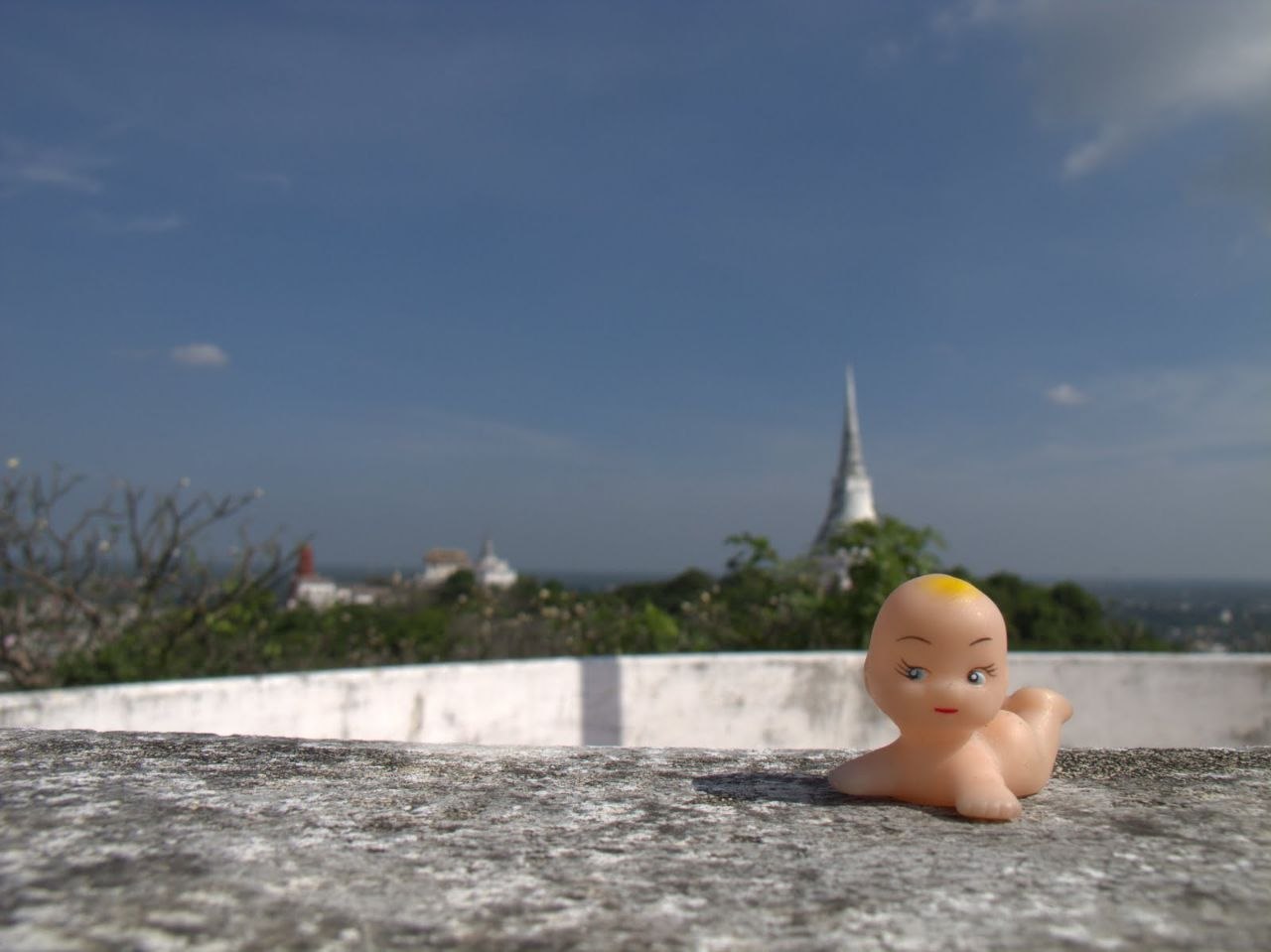
Southwest of the old town, a prominent hill known as Khao Wang rises above the city and hosts the Phra Nakhon Khiri Historical Park. This 19th-century royal palace complex was built during the reign of King Rama IV and combines Thai, Chinese, and neoclassical influences. The hilltop is crowned by palace buildings, chedis, and pavilions linked by walkways, courtyards, and staircases.
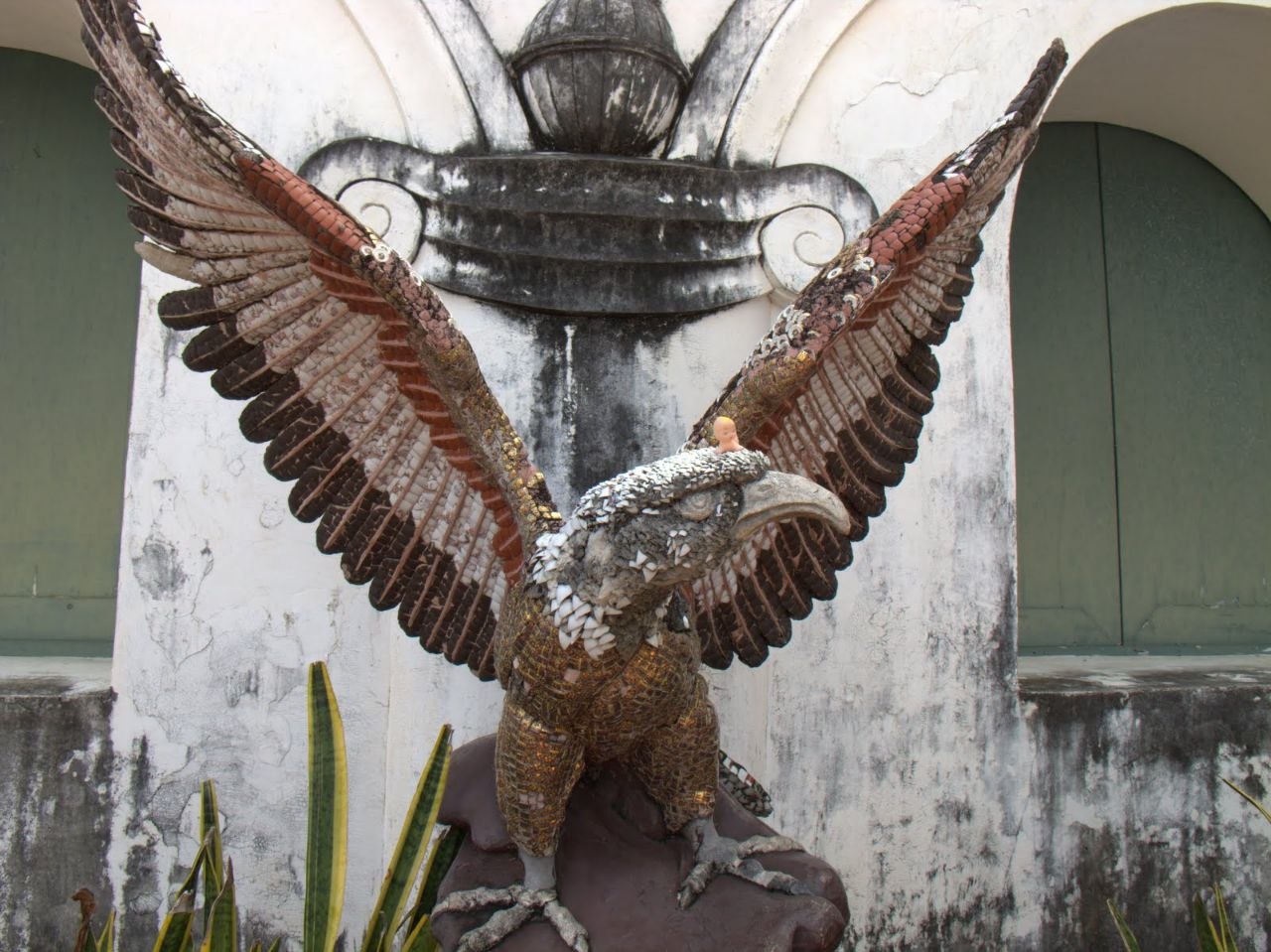
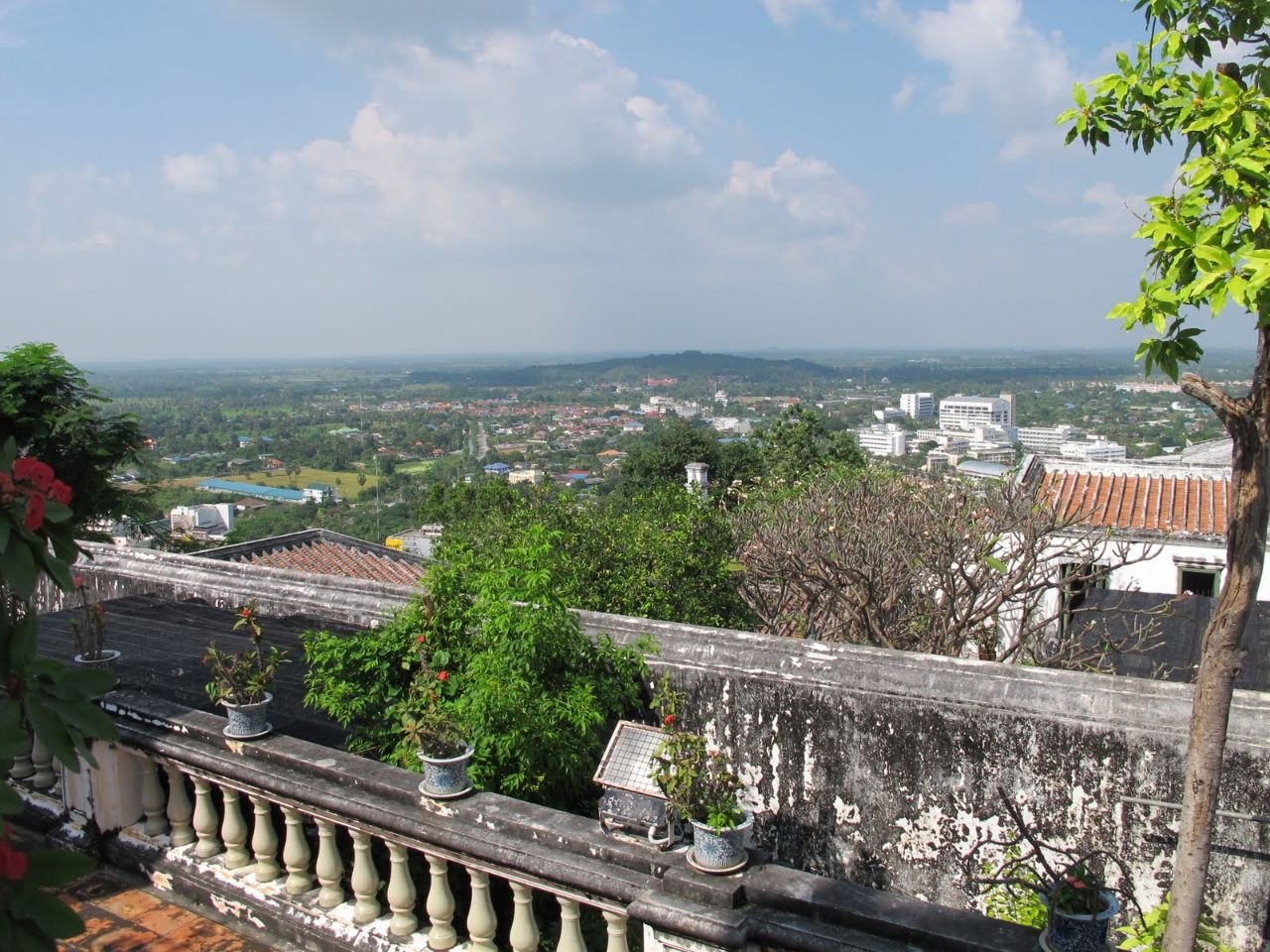
From the higher terraces, there are wide views over Phetchaburi’s streets, temple roofs, and surrounding plains extending toward the coast. The skyline is defined by white spires, red-tiled roofs, and the distinctive silhouette of the palace structures. Decorative details such as mosaic garuda figures, sculpted railings, and formal gardens add to the site’s visual interest and highlight the royal character of the complex.
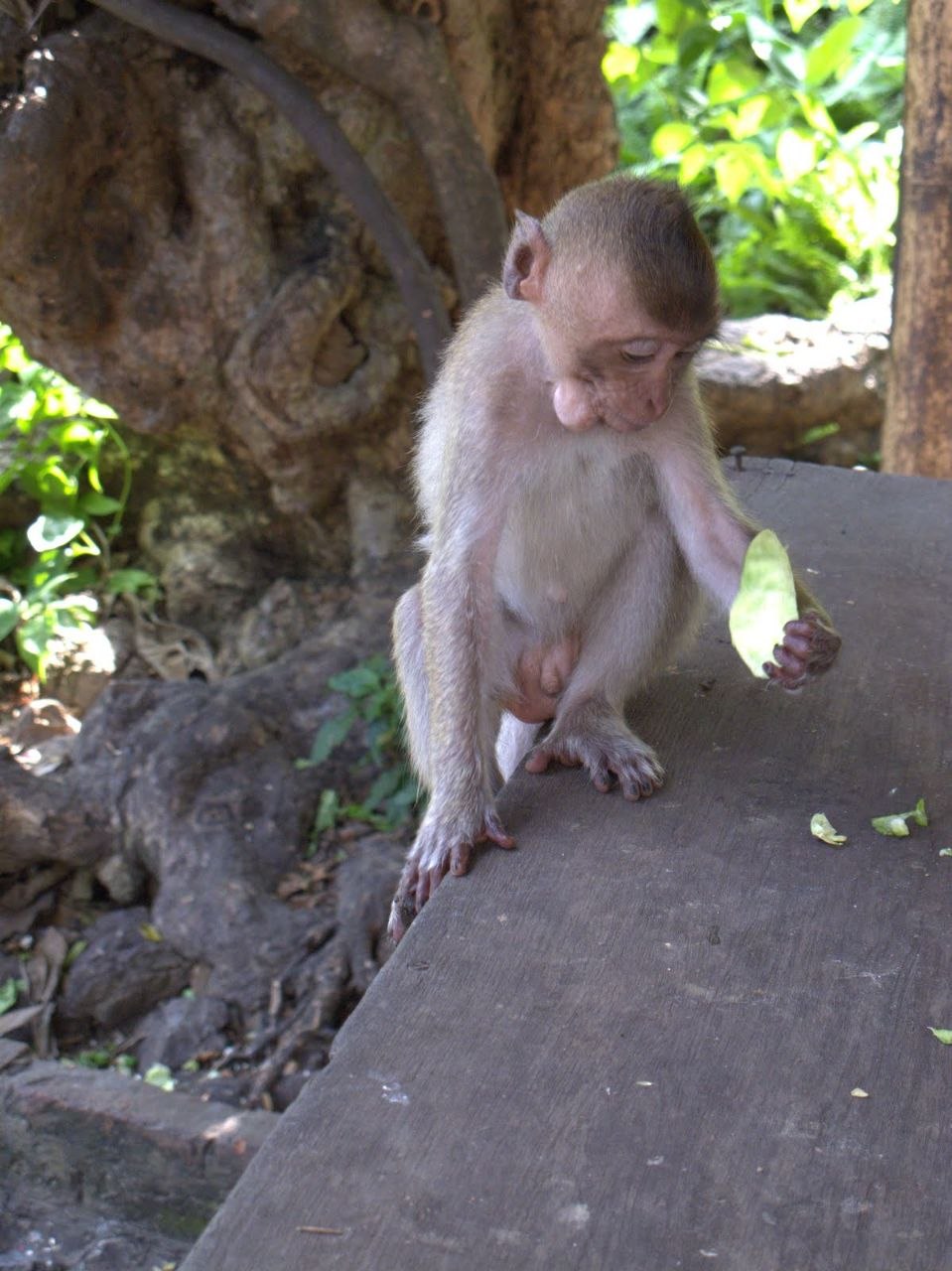
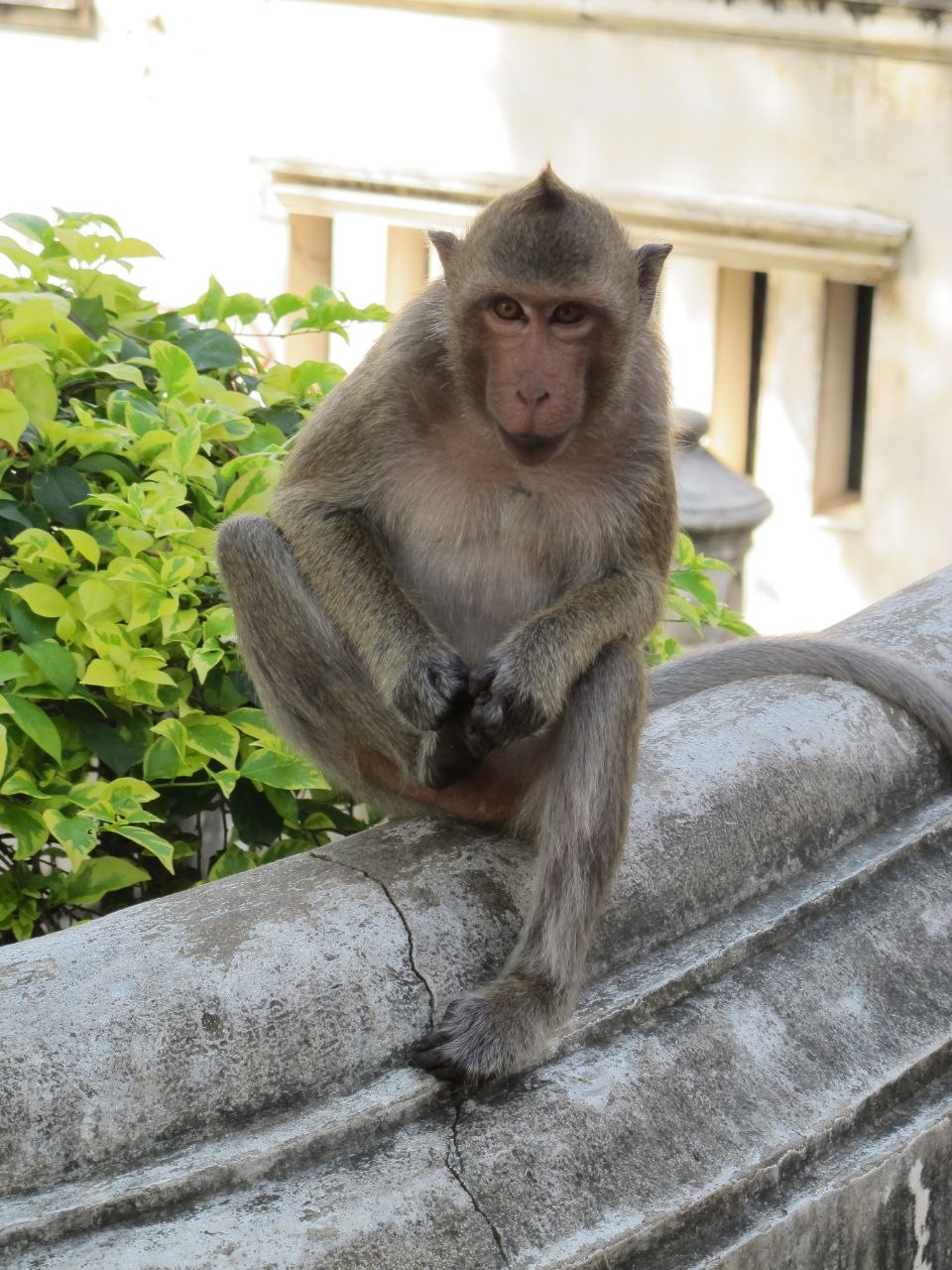
Groups of long-tailed macaques are commonly seen on the slopes and walls of Khao Wang. They move along balustrades, stairways, and ledges, often congregating near viewpoints and resting spots. Their presence is a characteristic part of the landscape here, and visitors typically observe them at close range while moving between different sections of the palace grounds.
Cave Temples of Khao Luang
Further out from the city center, Khao Luang is a limestone hill that contains one of Phetchaburi’s best-known cave temples. The main cave chamber is filled with Buddha images in various sizes and poses, arranged on platforms and around natural rock formations. Sunlight filters through openings in the cave roof, creating shifting beams of light that highlight the statues and stalactites.
The cave temple’s atmosphere contrasts with the bright hilltop and city temples, emphasizing the region’s varied religious landscapes. Outside the cave entrance, smaller shrines and pavilions sit among the rocks and trees, and monkeys are often present in the surrounding area. Together with Khao Wang, Khao Luang illustrates how Phetchaburi’s hills have been adapted for both royal and religious use.
Local Food and Phetchaburi Sweets
Phetchaburi is widely recognized for its traditional Thai sweets, many of which are produced using local palm sugar. Classic desserts such as khanom mo kaeng (baked custard), thong yod, and foi thong are commonly sold in shops and markets near the old town and along main thoroughfares leading toward Khao Wang. These sweets are often presented in trays and decorative packages, reflecting the city’s reputation as a dessert-making center.
Beyond desserts, the city offers a range of street food and simple eateries serving noodle dishes, curries, and grilled meats. Many stalls and shophouse restaurants cluster near markets and key intersections, making it easy to combine a visit to temples and viewpoints with stops for food and drinks. Local coffee and iced tea stalls are common rest points between the riverfront, Wat Yai Suwannaram, and the road up toward Khao Wang.
Visiting Tips
Phetchaburi can be visited as a day trip from Bangkok or as an overnight stop when traveling toward Hua Hin and the southern provinces. The city center is compact, and many main sights are within a short drive or tuk-tuk ride. Comfortable walking shoes are recommended for exploring temple compounds, palace grounds, and the hilltop paths at Phra Nakhon Khiri.
Modest dress is required at temples and palace sites, with covered shoulders and knees expected in religious areas. Early morning and late afternoon usually provide more comfortable temperatures and softer light for viewing hilltop views and cave interiors. When around macaques at Khao Wang and Khao Luang, it is advisable to keep food and loose items secured, maintain a respectful distance, and avoid feeding the animals.
 Jumping Timezones
Leave a comment