Prague, the capital of the Czech Republic, is a compact, walkable city built along the Vltava River, known for its remarkably preserved medieval core and mix of Gothic, Baroque, Art Nouveau, and 20th-century architecture. The historic centre, including Old Town, Lesser Town, and Prague Castle, is a UNESCO World Heritage Site, where church spires, townhouses, and cobbled streets cluster within a relatively small area. The city is easy to navigate on foot, with bridges linking both riverbanks and a dense public transport network filling in the gaps.
Visitors typically move through Prague in gentle layers: beginning in the flat Old Town and Jewish Quarter, crossing the Vltava via Charles Bridge, climbing to Prague Castle and St. Vitus Cathedral on the hill, then exploring the wider avenues and commercial heart of New Town. Beyond the city, rail connections make day trips straightforward, including to nearby brewery towns such as Plzeň, home of the original Pilsner lager.
Old Town and the Vltava: Squares, Towers, and Charles Bridge
Old Town (Staré Město) forms the historic heart of Prague on the right bank of the Vltava River. At its centre, Old Town Square brings together pastel-coloured townhouses, Gothic and Baroque churches, and one of the city’s most recognisable features, the Astronomical Clock on the Old Town Hall tower. The square is a focal point for seasonal markets, including Christmas stalls that cluster around temporary wooden huts and church facades, with views up to ornate spires and towers.
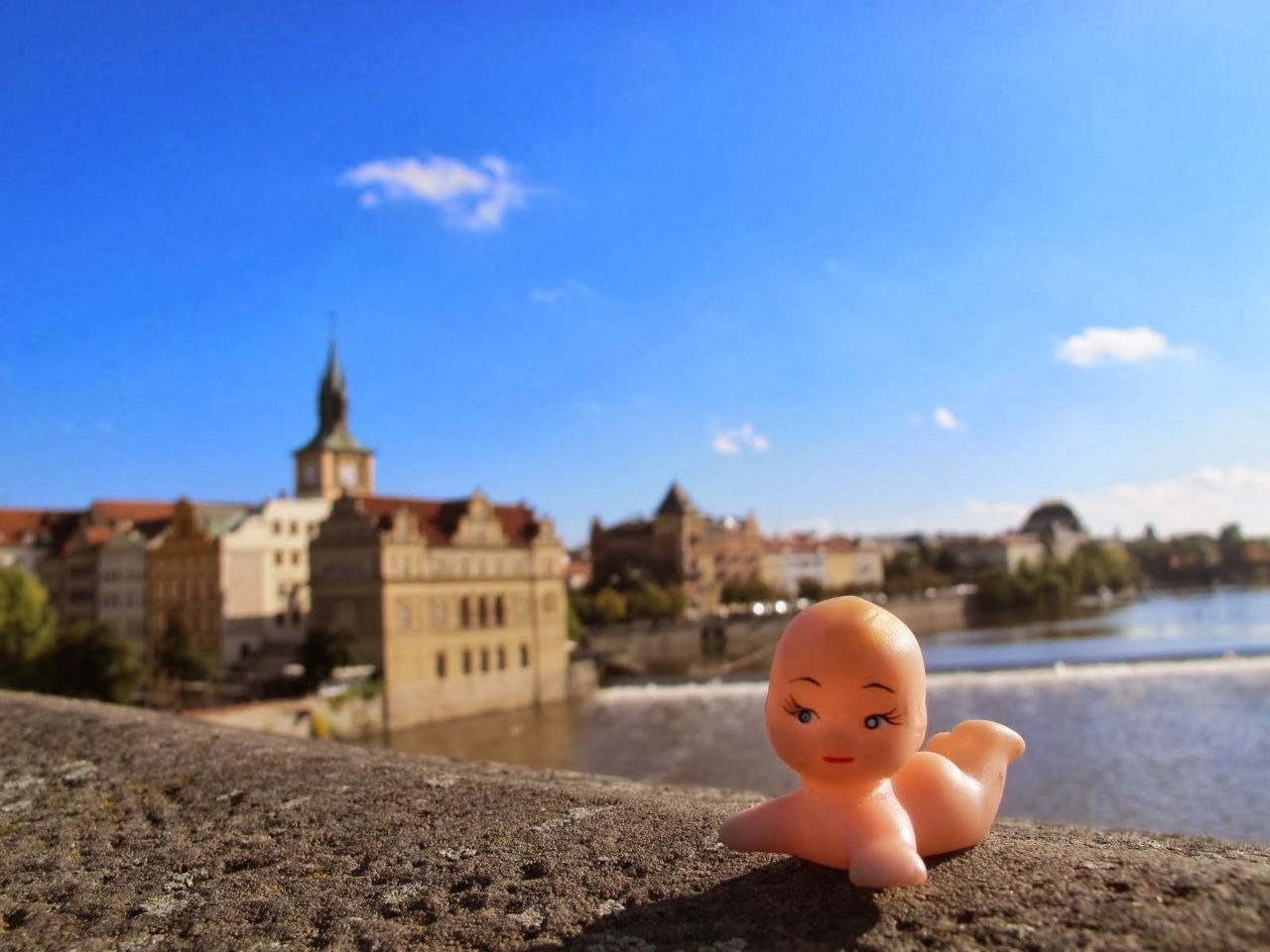
From Old Town Square, narrow lanes lead toward the river and Charles Bridge (Karlův most), a 14th-century stone bridge lined with baroque statues and street artists. The span connects Old Town with Lesser Town (Malá Strana), framing views of the Old Town Bridge Tower at one end and Prague Castle on the ridge above at the other. Small vendors and performers often appear along the bridge, and the slow pace of foot traffic encourages stops to look at the city skyline, church domes, and hilltop fortifications.
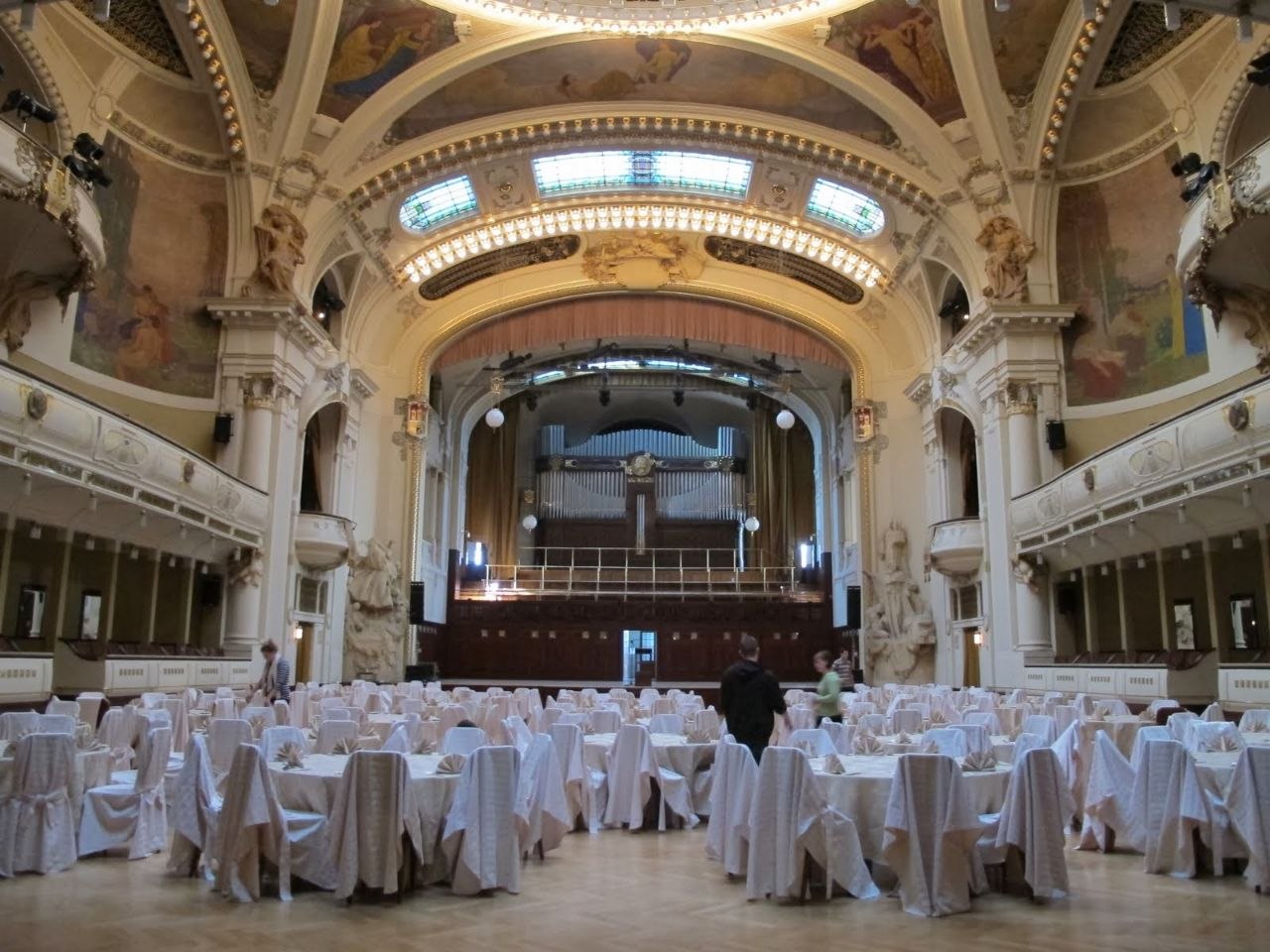
Just to the east of Old Town Square stands the Municipal House (Obecní dům), one of Prague’s finest Art Nouveau buildings. Its ornate facades, decorative sculpture, and stained-glass windows continue inside, where gilded interiors, elaborate ceiling paintings, and detailed ornamentation show the optimism and artistic ambition of early 20th-century Prague. The building functions as a concert venue and cultural centre, and guided visits give access to its richly decorated halls.
Up the Hill: Prague Castle and St. Vitus Cathedral
West of the river and above Lesser Town, Prague Castle (Pražský hrad) stretches along the ridge as one of the largest castle complexes in the world. Rather than a single fortress, it is a network of courtyards, palaces, and ecclesiastical buildings that developed over centuries as the seat of Czech rulers and later presidents. From the castle terraces and ramparts, there are extensive views across the red rooftops of Prague, the Vltava, and the domes and towers of the historic centre.
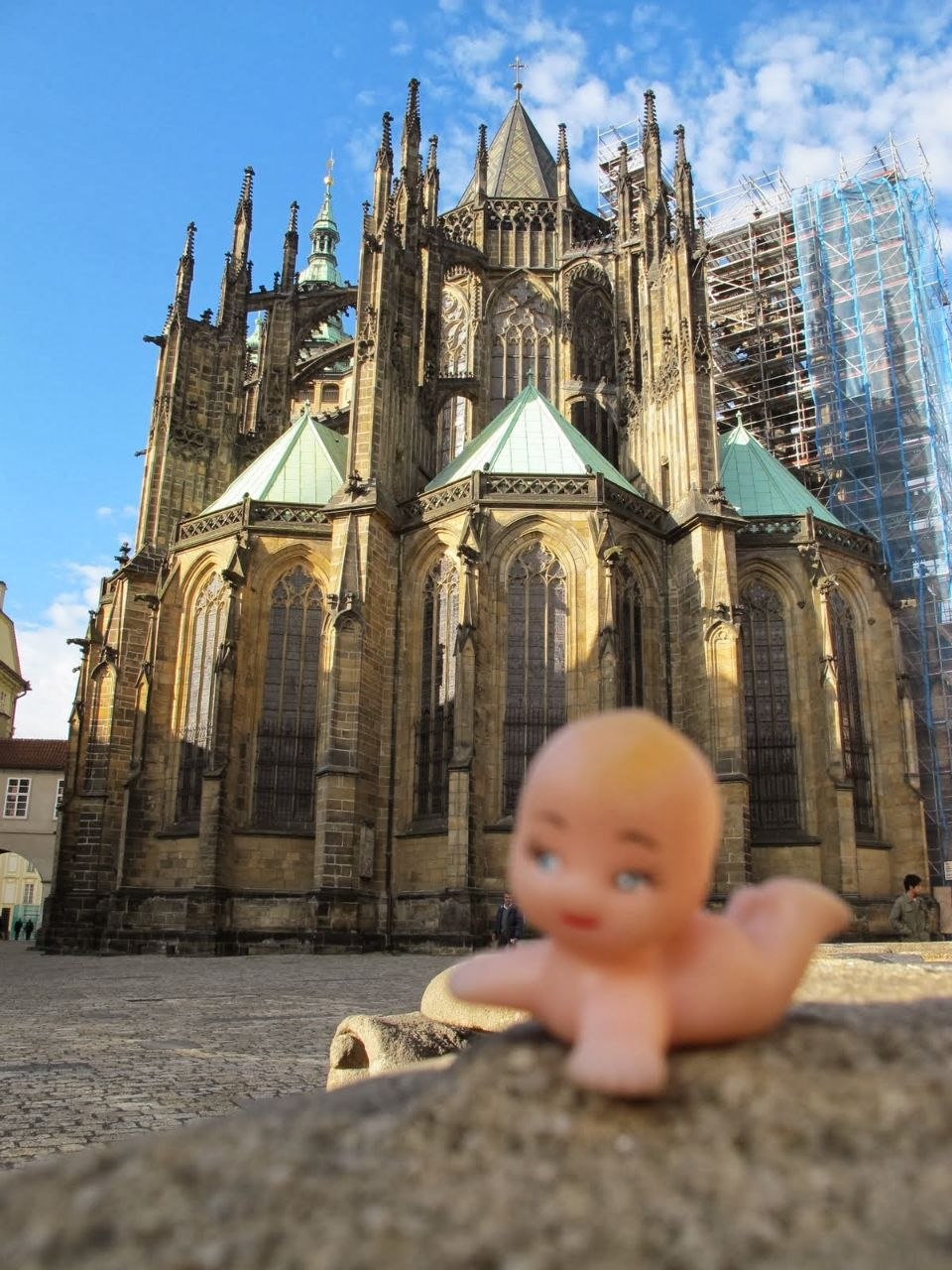
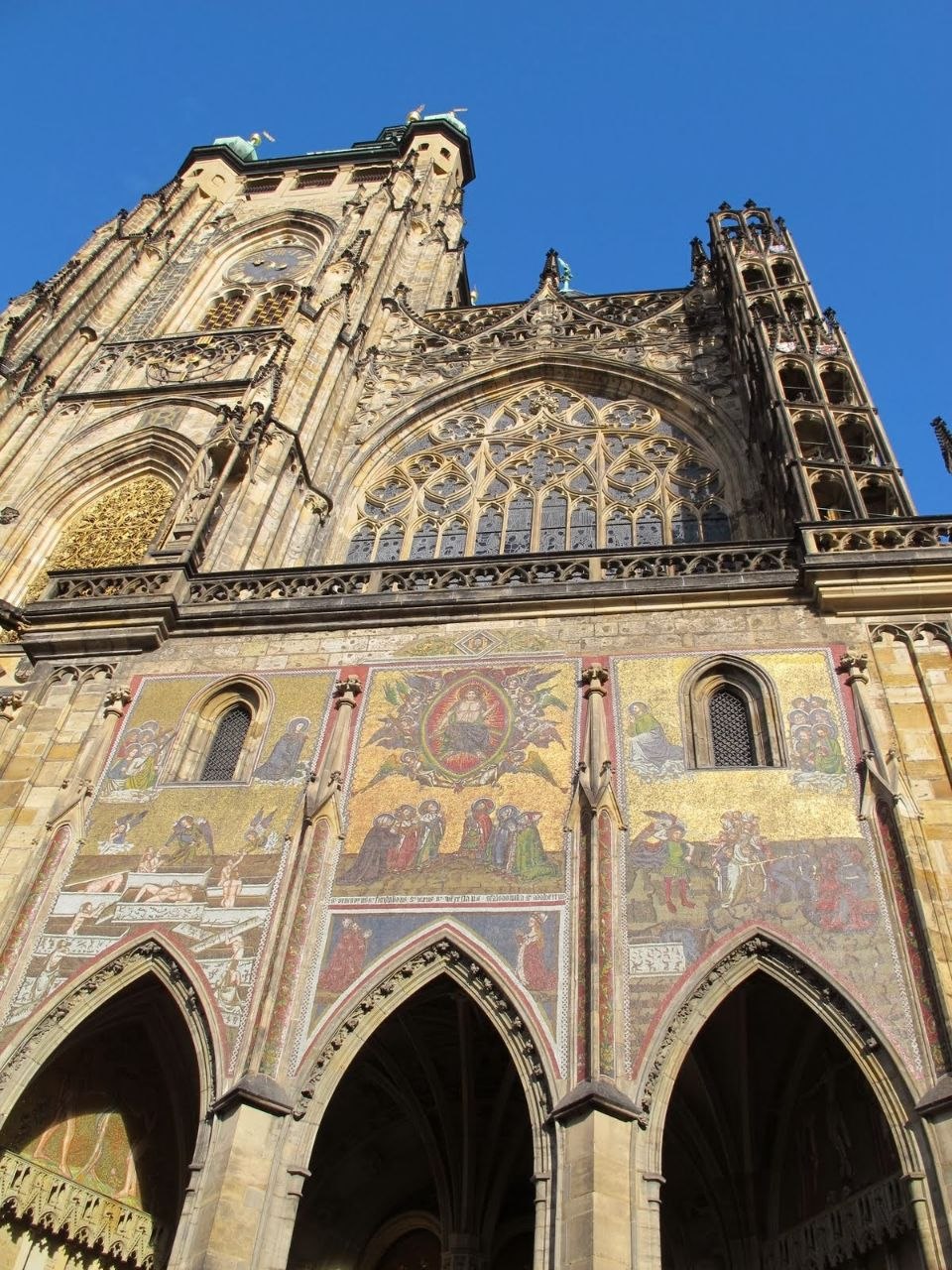
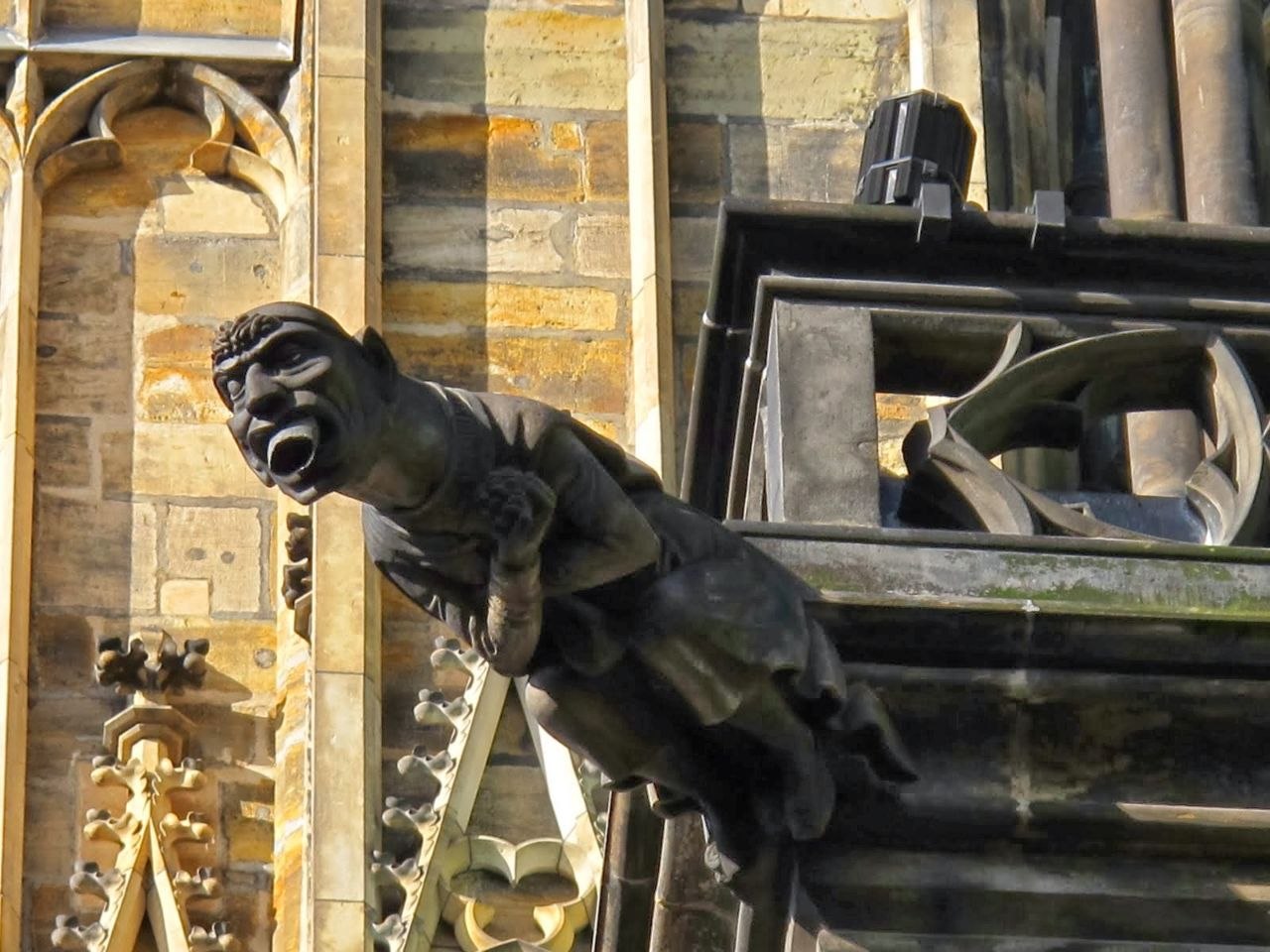
At the heart of the complex, St. Vitus Cathedral dominates the skyline with its Gothic spires, flying buttresses, and intricate stonework. The exterior features detailed sculptures and gargoyles that serve both a decorative and practical function, channeling rainwater away from the stone facades. Above the main entrance, the Golden Gate mosaic adds a striking splash of colour, depicting a Last Judgment scene in shimmering tiles that catch the changing light throughout the day.
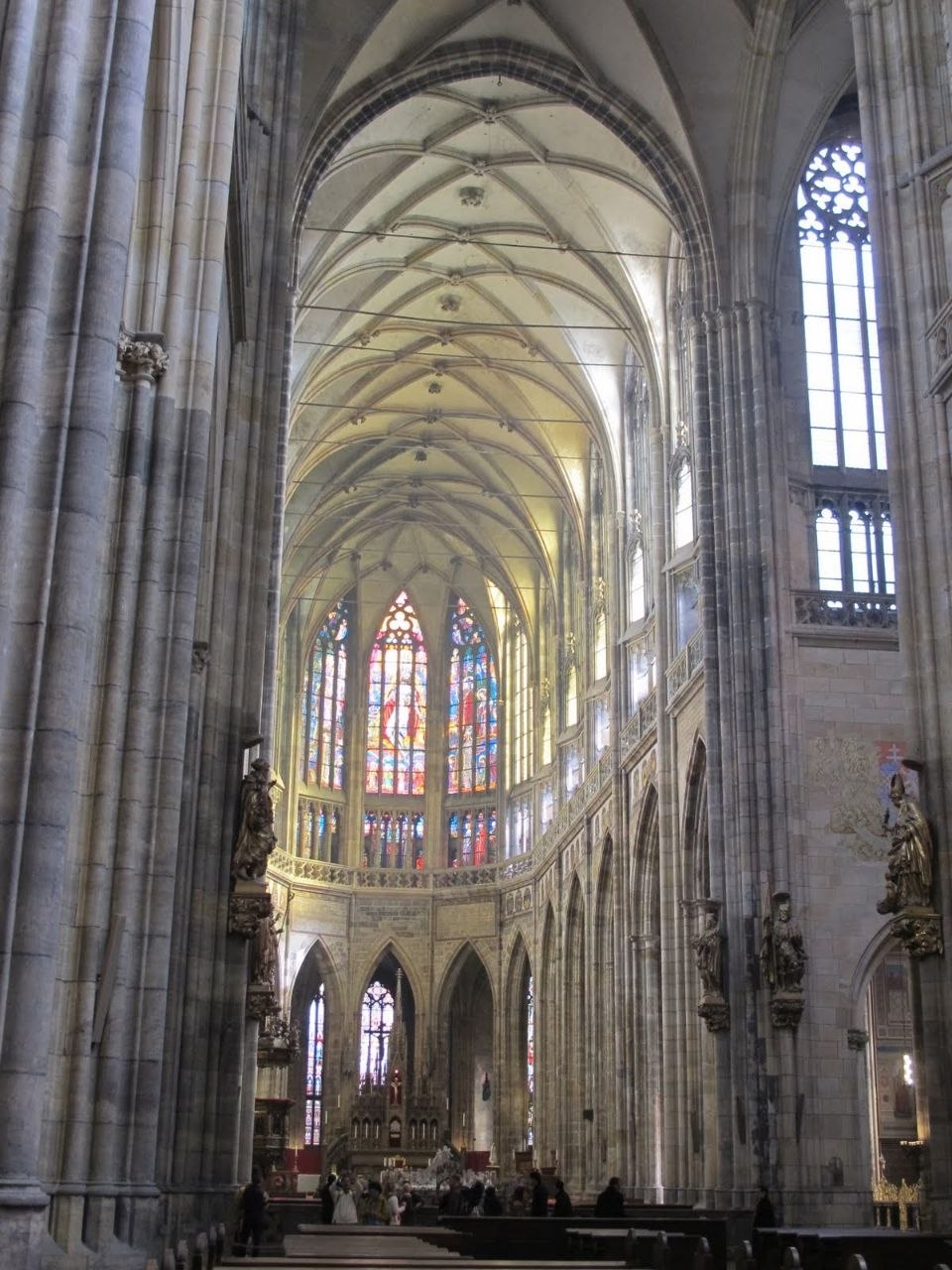
Inside St. Vitus Cathedral, tall stained-glass windows filter coloured light into the nave, illuminating ribbed vaults, stone columns, and side chapels. The interior combines medieval elements with later additions, including Art Nouveau stained glass by Czech artists. The cathedral houses the tombs of Bohemian kings and important saints, and it serves both as a religious site and a symbol of Czech statehood.
Wenceslas Square and New Town
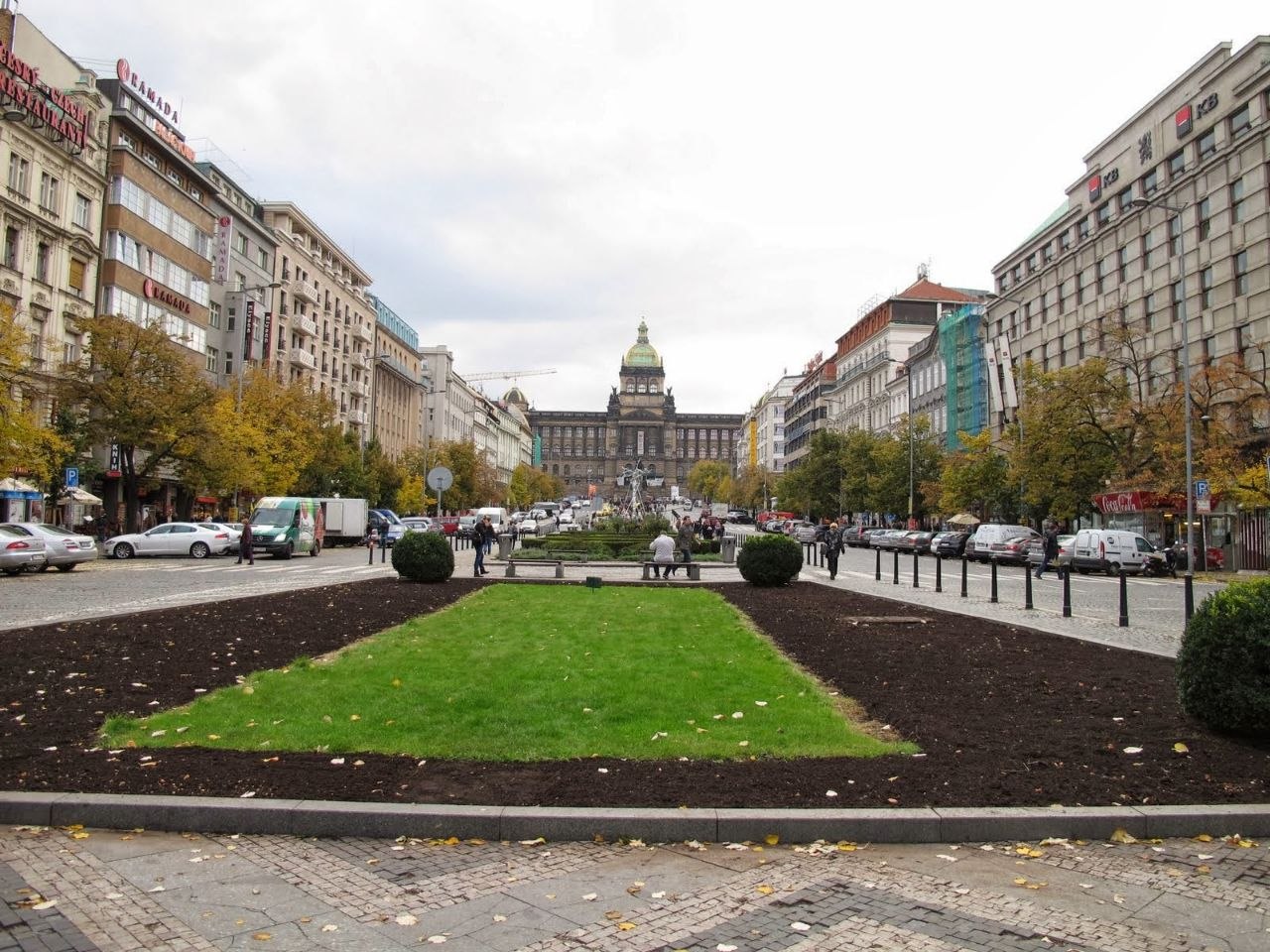
South of Old Town, New Town (Nové Město) was laid out in the 14th century but today forms Prague’s modern commercial core, with broader streets and a mix of historic and contemporary architecture. Wenceslas Square, more of a long boulevard than a traditional square, runs uphill from the old city walls toward the National Museum. Lined with shops, hotels, and offices, it has been the backdrop for major moments in Czech history, including demonstrations during the Velvet Revolution in 1989.
At the top of Wenceslas Square, the grand neo-Renaissance National Museum anchors the vista, its dome and statuary visible from across the space. The square connects easily back to Old Town on foot and to the wider city via tram and metro lines, making it a practical base for exploring both historic districts and newer neighbourhoods.
Day Trip to Plzeň and the Pilsner Urquell Brewery
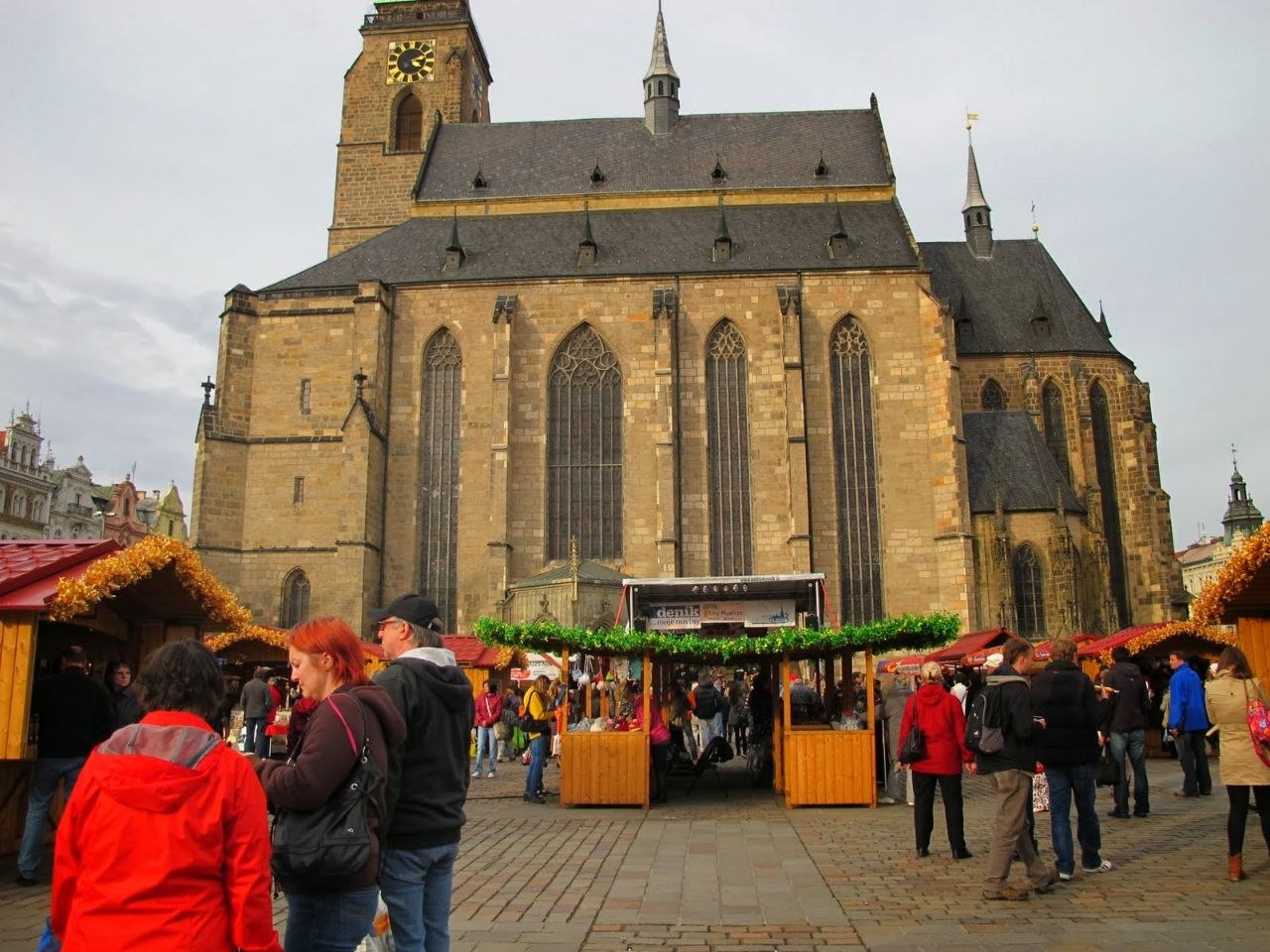
Plzeň (Pilsen), west of Prague, is closely associated with the origins of pale lager. The city is an easy day trip by train, with services running regularly from Prague’s main station. The historic centre has traditional squares and churches, and in winter months it often hosts Christmas market stalls in front of church facades, with lights, decorations, and seasonal food stands creating a festive atmosphere.
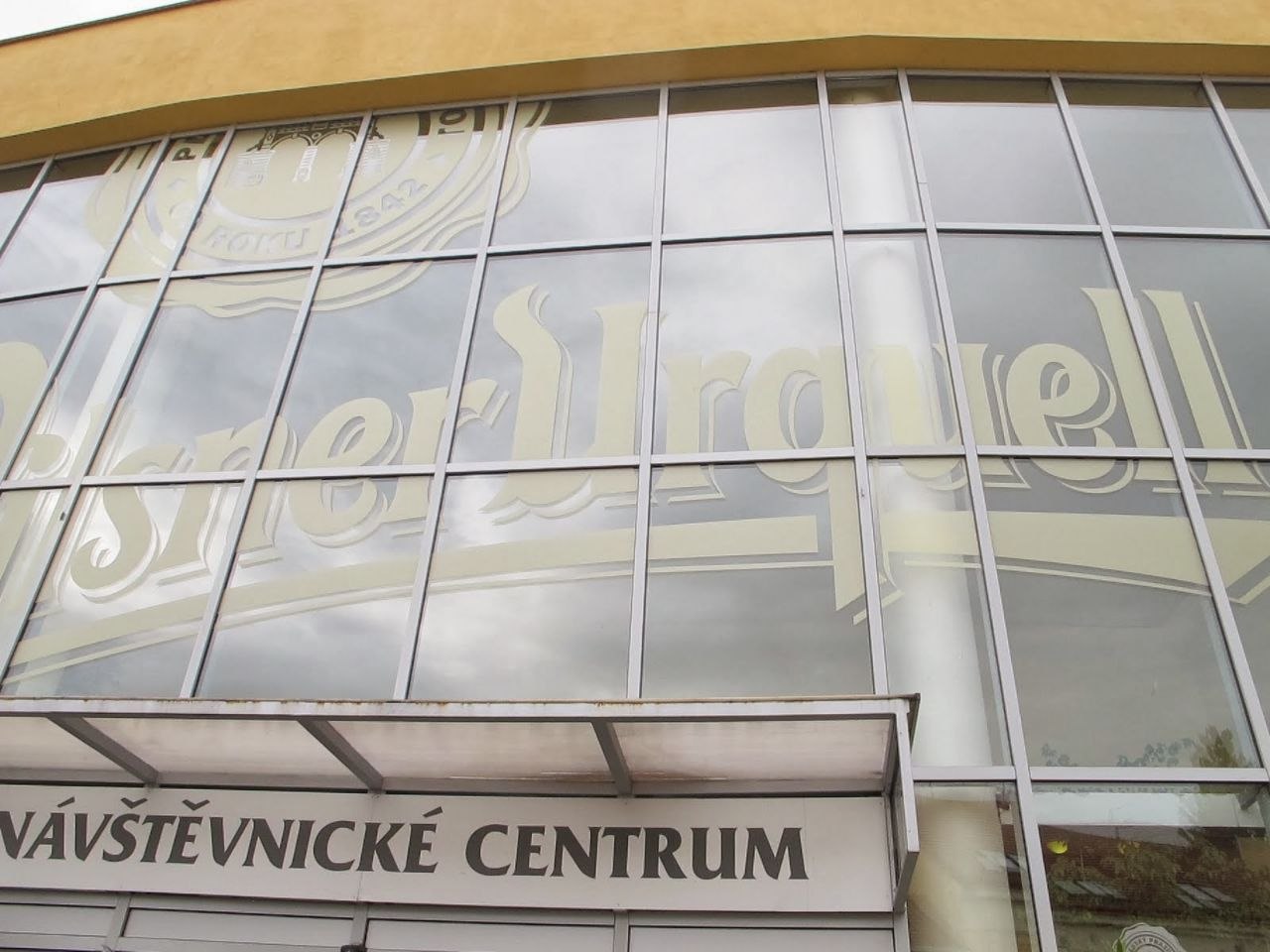
The Pilsner Urquell Visitor Centre sits near the brewery complex that gave its name to Pilsner beer in the 19th century. Guided tours typically cover the brewhouse, bottling facilities, and historic cellars where lager was once fermented in wooden barrels. Exhibits explain the role of local ingredients, brewing innovations, and export routes in shaping the global popularity of pale lager. Tastings of unfiltered beer drawn directly from casks in the cellars are often included, highlighting the differences between traditional and modern production methods.
Food, Cafés, and Beer Culture
Prague’s food scene blends traditional Czech dishes with international influences and contemporary bistros. Hearty classics such as roast meats with dumplings and sauces, potato pancakes, and seasonal game appear on many menus, while Old Town and New Town have expanded to include a wide range of global cuisines. Cafés often occupy historic interiors, where vaulted ceilings, stucco, and decorative details echo the city’s architectural heritage.
Beer plays a central role in local culture, with tank pubs and traditional beer halls pouring fresh lager from regional breweries, including those from Plzeň. Many venues near Old Town, Wenceslas Square, and in residential districts such as Vinohrady and Letná serve unpasteurised beer alongside simple pub dishes. Craft beer bars have also appeared, offering a wider range of styles while still drawing on the Czech focus on freshness and quality.
Visiting Tips
Prague is a year-round destination, but conditions change the character of the city. Winter brings Christmas markets, early sunsets, and the possibility of snow, matching the scenes often found in Old Town squares and nearby towns like Plzeň. Spring and autumn offer milder temperatures and fewer crowds, while summer can be busier, especially around major landmarks such as Old Town Square, Charles Bridge, and Prague Castle.
Public transport is extensive, with metro, tram, and bus lines covering the city and tickets validated on entry to the network. Many key sights are best approached on foot, particularly the progression from Old Town to Charles Bridge and up to Prague Castle. Comfortable shoes are helpful on cobblestones and hills, and early morning or late evening visits can reduce crowd levels at popular viewpoints. For day trips, advance train tickets to Plzeň and other regional centres provide flexibility while keeping travel times predictable.
 Jumping Timezones
Leave a comment