Wrocław is the largest city in western Poland and the historical capital of Lower Silesia, spread across the Oder River and its many islands. Known for its colorful townhouses, intricate bridges, and lively public spaces, the city combines a restored medieval core with nineteenth-century boulevards and post-war modernist districts. Its location at a crossroads between Central and Eastern Europe has shaped a layered architectural and cultural landscape.
Today, Wrocław is a major academic, cultural, and economic hub with a large student population and a compact, walkable center. Visitors encounter Gothic churches, Art Nouveau townhouses, and bold early twentieth-century engineering, alongside contemporary street art and public installations such as the city’s well-known dwarf statues.
History of Wrocław
Wrocław traces its origins to a fortified settlement on the Oder dating back to the early medieval Piast dynasty. Over centuries, the city passed between Polish, Bohemian, Austrian, Prussian, and German rule, reflected in its changing names and architectural styles. As Breslau, it became one of the most important cities in the Kingdom of Prussia and later in the German Empire.
The city was heavily damaged during the final months of the Second World War and rebuilt under post-war Polish administration, with a large influx of residents from other parts of Poland and from former eastern territories. Since the 1990s, Wrocław has undergone extensive restoration and revitalization projects, emphasizing its multicultural heritage and historic urban fabric.
Market Square and the Old Town Hall
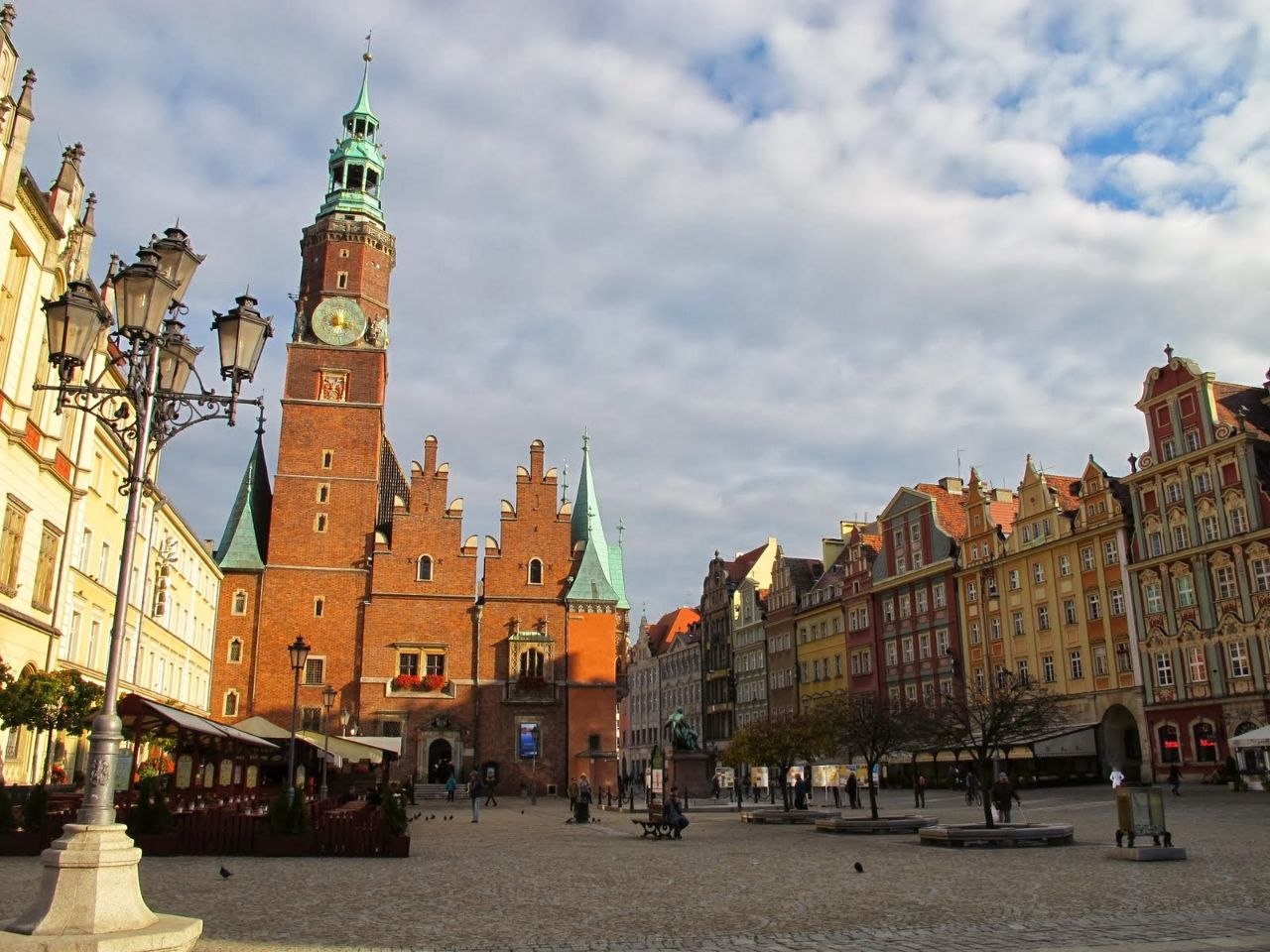
The Market Square (Rynek) forms the heart of Wrocław’s Old Town and is one of the largest and most striking medieval squares in Central Europe. It is framed by rows of narrow, gabled townhouses painted in vivid colors, many reconstructed to match their pre-war appearance. The square functions as the city’s main gathering space, with seasonal markets, concerts, and outdoor seating spilling out from the ground-floor cafes and restaurants.
At the center stands the Gothic Old Town Hall, whose asymmetrical facades, ornate astronomical clock, and steep roofs testify to Wrocław’s former status as a wealthy trading city. The building developed over several centuries and combines Late Gothic elements with later additions. Today it houses a museum and ceremonial spaces, while the surrounding cobbled streets lead into smaller side squares and lanes.
Cathedral Island and Wrocław Cathedral
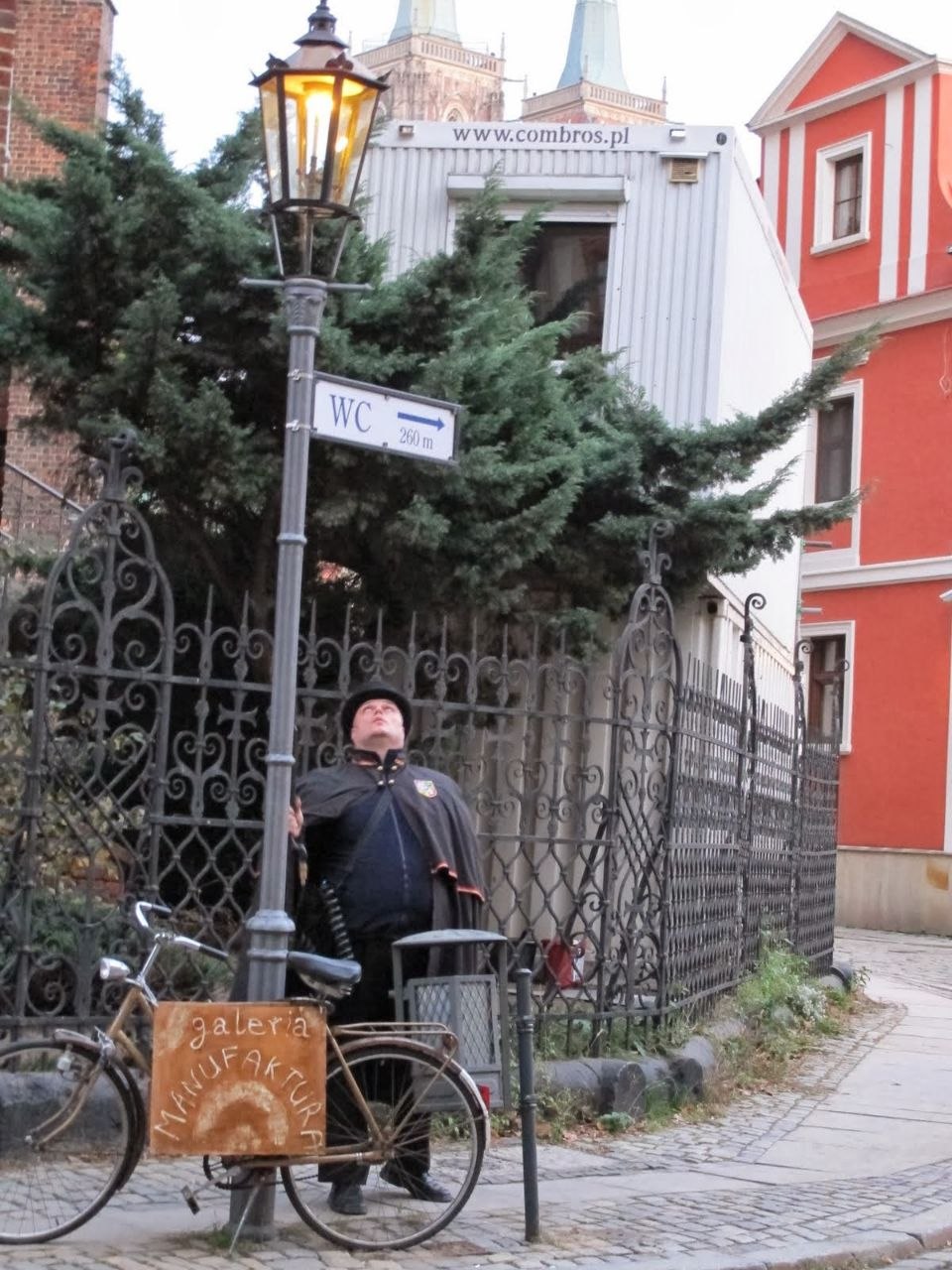
Cathedral Island (Ostrów Tumski) is the oldest part of Wrocław, originally separated by branches of the Oder and still retaining a distinct, almost enclosed atmosphere. Cobblestone streets, historic townhouses, and gas lamps create a sense of continuity with the past, particularly in the evening when lamplighters in traditional attire illuminate the lamps by hand.
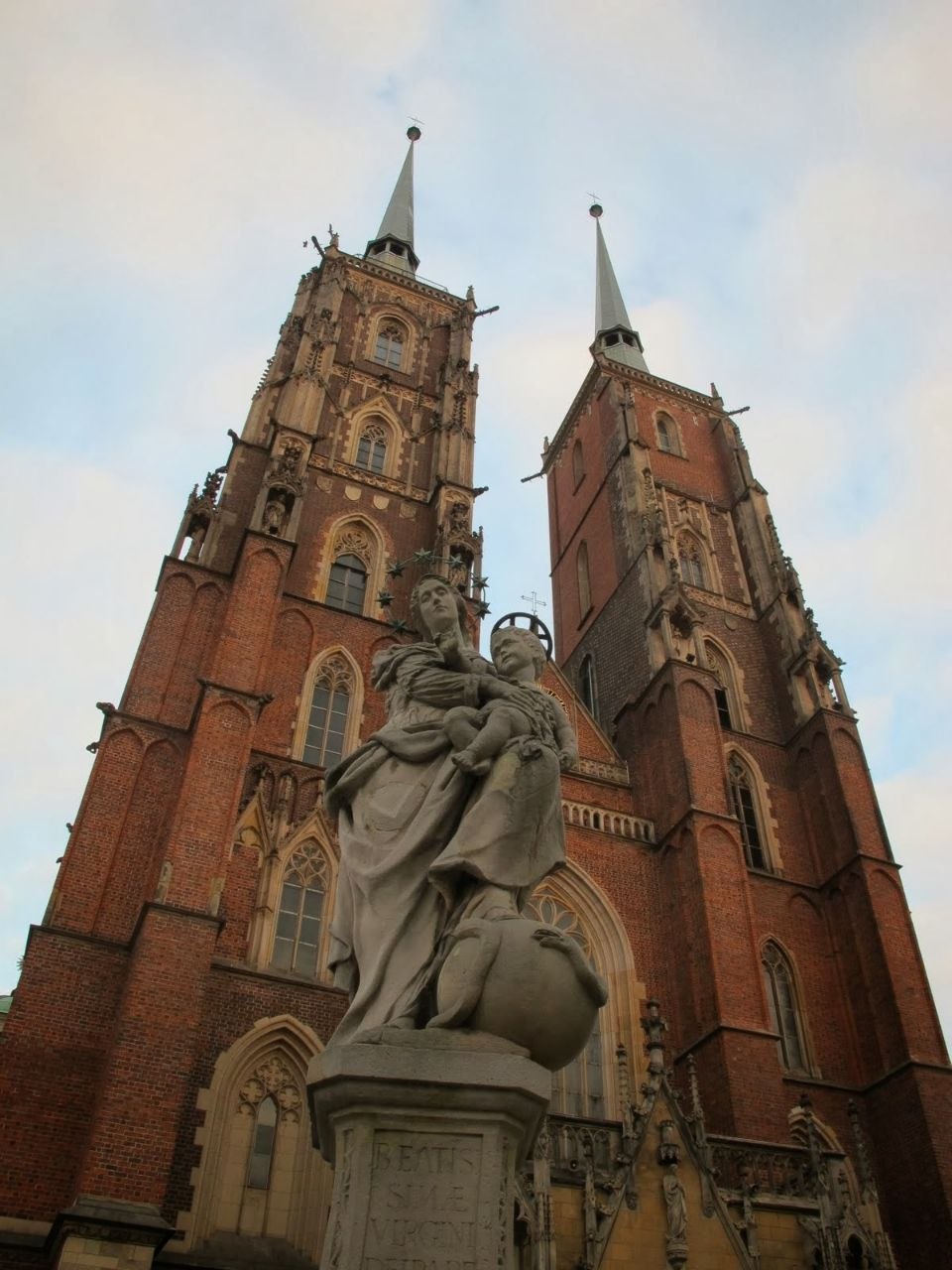
Dominating the island’s skyline is the Cathedral of St. John the Baptist, a Gothic brick church with twin towers visible from many points along the river. The cathedral has undergone multiple reconstructions after fires and war damage but preserves significant medieval and Baroque details, including chapels, stained glass, and sculptural decoration. Nearby churches, gardens, and riverside paths make Cathedral Island a quiet counterpart to the busier Market Square.
The Dwarfs of Wrocław
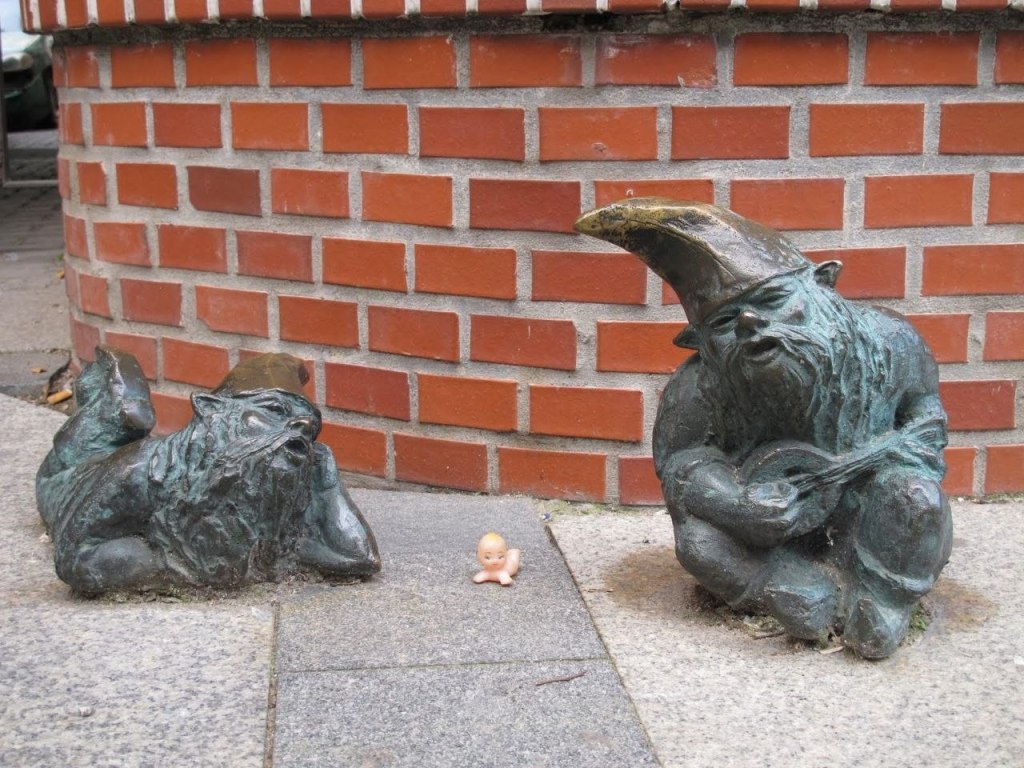
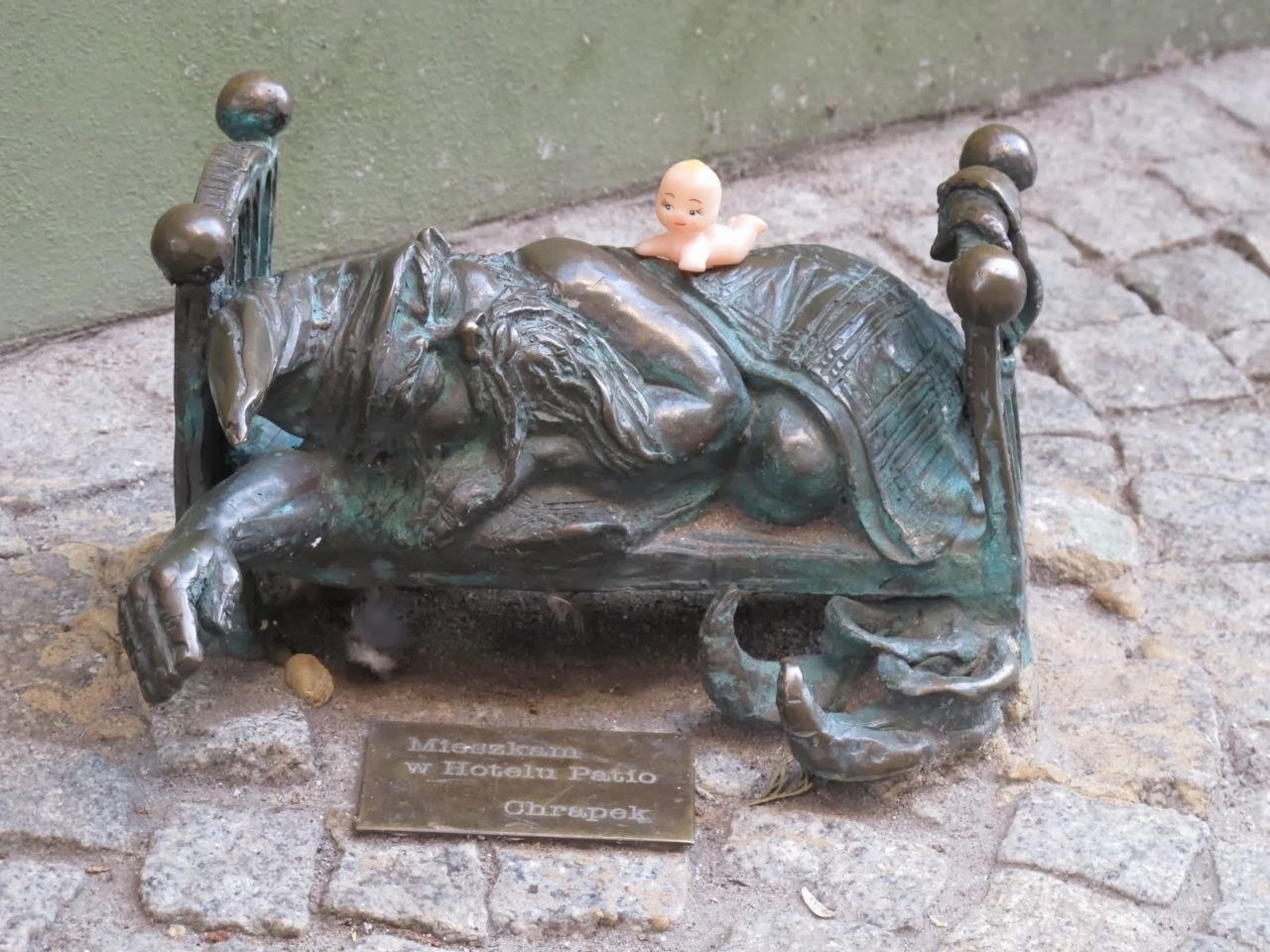
Wrocław is closely associated with its network of small bronze dwarf statues (krasnale) scattered across streets, squares, and building facades. What began as an artistic reference to the city’s 1980s Orange Alternative protest movement has evolved into a large, continually expanding collection of characters, each with a specific role, name, or story connected to its location.
Some dwarfs appear mid-activity, such as sleeping figures like the well-known “Chrapek” or statues engaged in daily tasks outside public institutions and businesses. Maps and mobile apps help visitors track down individual dwarfs, turning the historic center into an informal open-air trail that adds a playful layer to exploring Wrocław’s streets.
Centennial Hall and the Exhibition Grounds
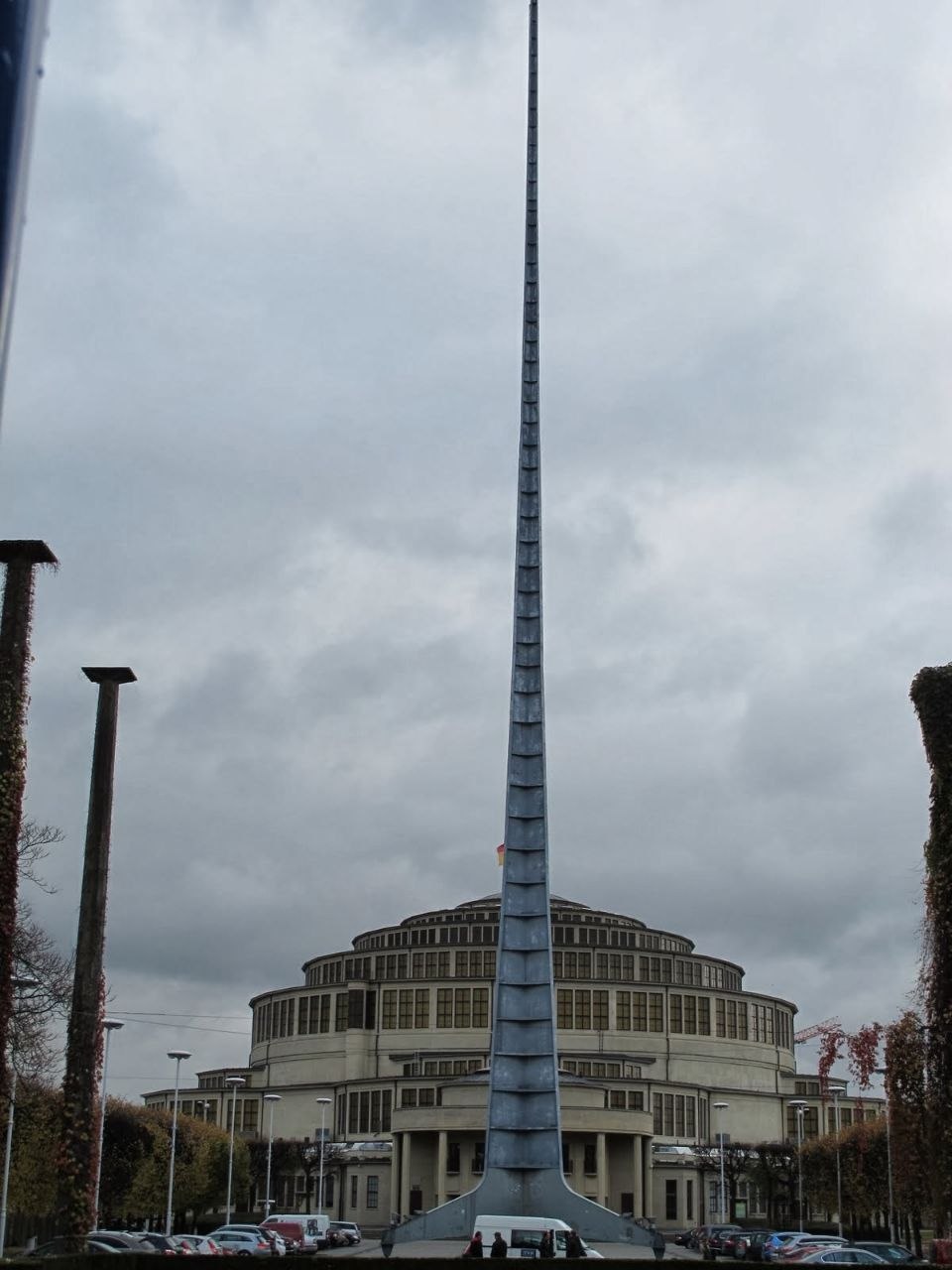
Centennial Hall (Hala Stulecia), a UNESCO World Heritage Site, is one of Wrocław’s most significant examples of early twentieth-century engineering. Completed in 1913 to mark the hundredth anniversary of the defeat of Napoleon at the Battle of Leipzig, the reinforced concrete structure features a vast domed interior supported by innovative radial ribs. From the grounds, the hall is easily recognizable by the adjacent steel needle spire and open plazas.
The surrounding exhibition complex includes landscaped areas, the Wrocław Fountain, and nearby cultural institutions such as museums and a Japanese Garden. Seasonal events, fairs, and performances make the district a regular venue for large-scale gatherings, contrasting with the compact, historic fabric of the Old Town.
Wrocław Główny Train Station
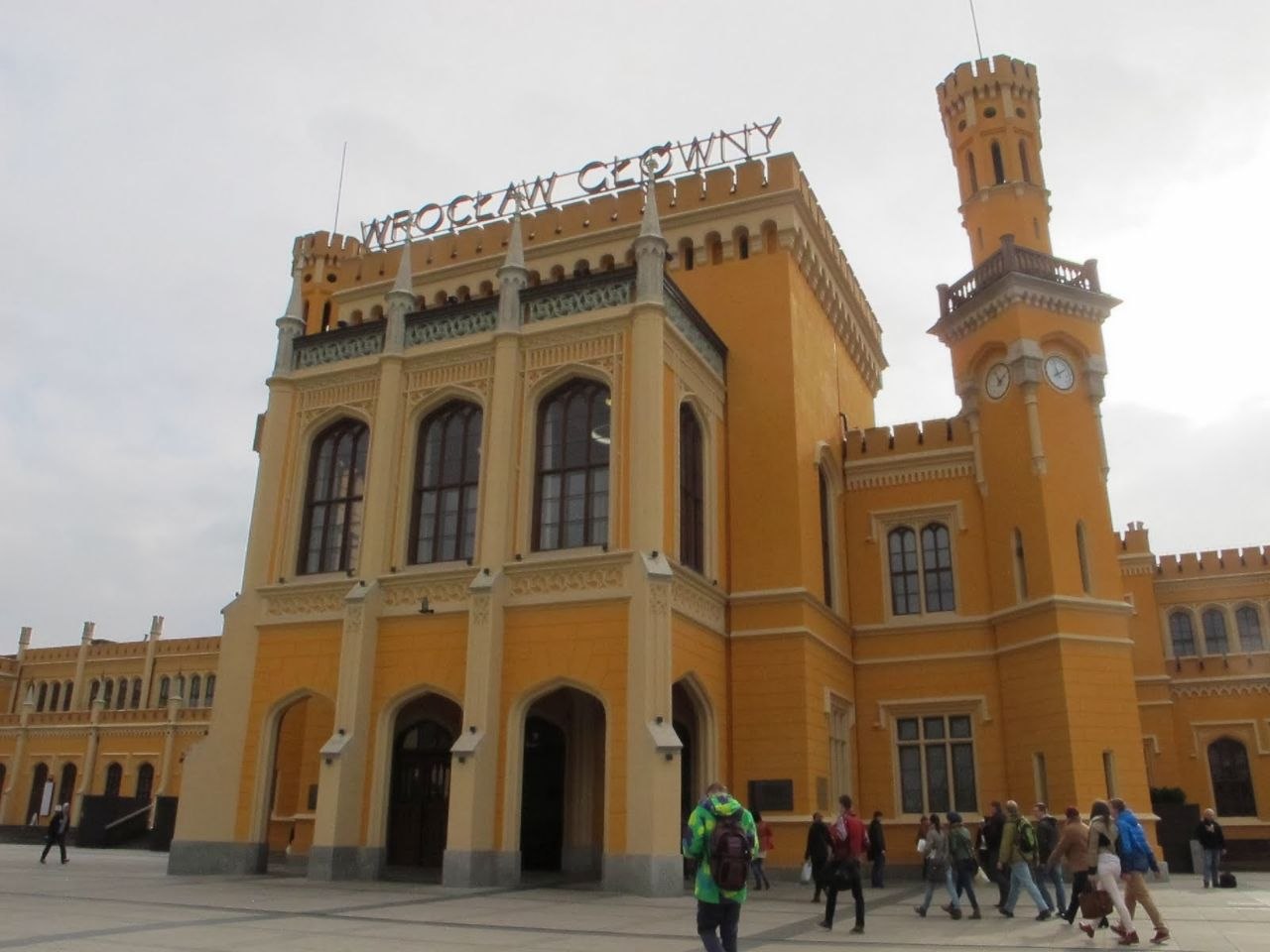
Wrocław Główny is the city’s main railway station and a key regional transport hub, connecting Lower Silesia with major Polish and international destinations. The station complex is noted for its distinctive nineteenth-century architecture, featuring turrets, decorative crenellations, and a symmetrical facade that gives it the appearance of a small palace rather than a purely utilitarian building.
Inside, renovated halls, clear signage, and modern facilities support both long-distance and commuter traffic. The station’s proximity to the city center and tram network makes it a practical arrival point, with quick links to the Old Town, university district, and outlying neighborhoods.
Food and Drink in Wrocław
Wrocław’s dining scene reflects both traditional Silesian and broader Polish cuisine alongside international influences. Around the Market Square and nearby streets, visitors find restaurants serving dishes such as pierogi, potato pancakes, and hearty meat stews, often in cellars or restored townhouses that highlight historic interiors. Contemporary bistros and cafes offer modern interpretations of regional ingredients.
The city also has an active cafe and craft beer culture, supported by its large student population. Coffee roasteries, dessert cafes, and microbreweries are concentrated in the Old Town and around university areas, while riverside bars and seasonal beer gardens make use of Wrocław’s many waterfront spaces during warmer months.
Visiting Tips
Wrocław’s compact center is best explored on foot, with bridges and pedestrian streets linking the Market Square, Cathedral Island, and nearby districts. Comfortable walking shoes are recommended due to cobblestones and occasional uneven surfaces, especially in historic areas.
- Allow time to visit both the Old Town and the Centennial Hall complex to experience the contrast between medieval and modern architecture.
- Look out for dwarf statues at street level and near doorways; information centers can provide maps to help locate them.
- Consider an evening walk around Cathedral Island to see the gas lamps lit and the cathedral and bridges illuminated.
- Use trams or buses to reach outlying attractions, with Wrocław Główny serving as a convenient hub for regional and national rail connections.
 Jumping Timezones
Leave a comment