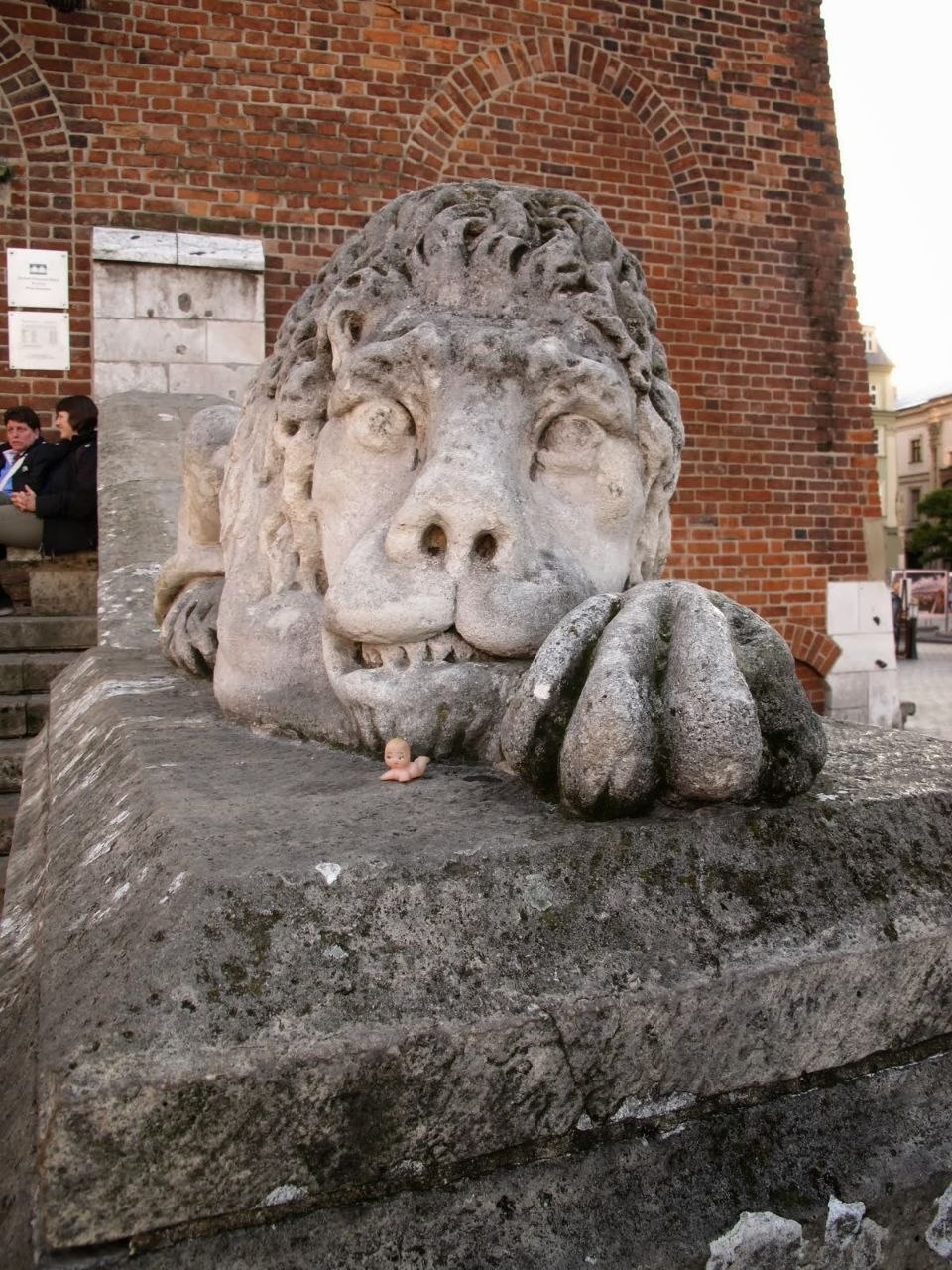
Kraków is one of Poland’s oldest and most historically significant cities, set on the banks of the Vistula River and known for its remarkably preserved medieval core. Centered around the expansive Main Market Square, the Old Town combines Gothic churches, Renaissance townhouses, and Baroque façades that reflect centuries of architectural change. Above the river, Wawel Hill rises with its castle and cathedral, long a symbol of Polish statehood and culture.
Today, Kraków balances its layered past with a vibrant contemporary scene. Street art and independent galleries animate former industrial districts, traditional religious sites remain active places of worship, and the city serves as a major base for visiting nearby sites of global historical importance, including the former German Nazi concentration and extermination camp Auschwitz-Birkenau.
History and the Old Town
Kraków’s historic center developed around Rynek Główny, one of the largest medieval market squares in Europe. Once the capital of the Kingdom of Poland, the city grew as a political, religious, and trading hub along major east–west routes. The Old Town layout, with its grid of cobbled streets radiating from the square, remains largely intact, framed by the green Planty park where defensive walls and moats once stood.
Many of the city’s defining landmarks are clustered within walking distance: townhouses with arcaded courtyards, churches that layer Gothic foundations with Baroque interiors, and towers that offer views across the tiled rooftops. After World War II, Kraków emerged with far less structural damage than many other Polish cities, helping preserve its architectural continuity and contributing to its designation as a UNESCO World Heritage Site.
The Main Market Square and Cloth Hall
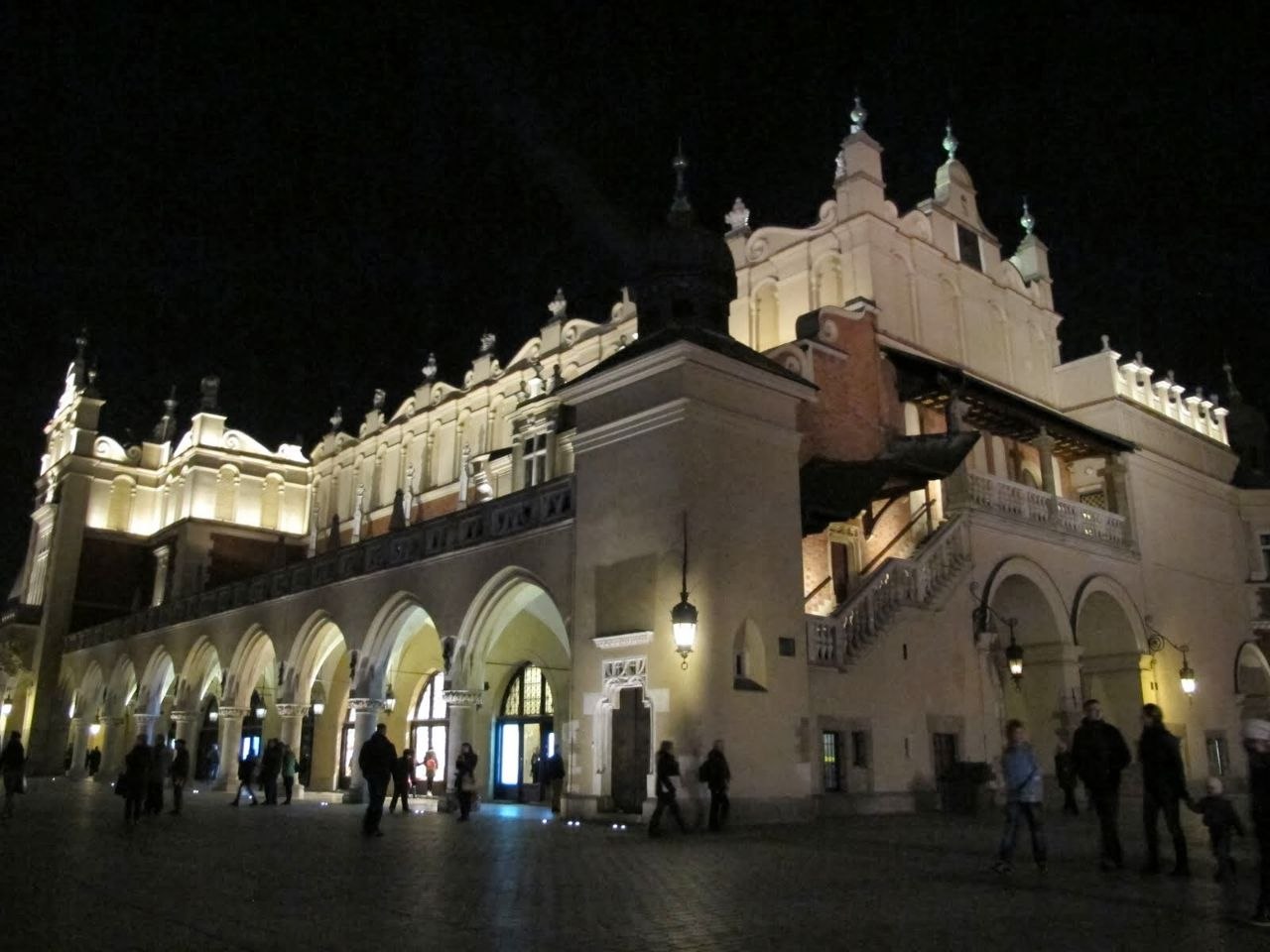
Rynek Główny, the Main Market Square, is the focal point of Kraków’s social and commercial life. By day, its open space fills with café terraces, flower stalls, and horse-drawn carriages, while at night the historic façades, towers, and arcades are illuminated, highlighting the square’s scale and symmetry. The square has long served as a venue for markets, celebrations, and civic events.
At the center stands the Cloth Hall (Sukiennice), a Renaissance trading hall that once handled textiles and luxury goods from across Europe and the East. Today, its arcades house souvenir stands and craft stalls, while upper floors often host art displays. Surrounding the square, townhouses, churches, and towers form a continuous architectural frame that changes character with the light and activity throughout the day.
St. Mary’s Basilica
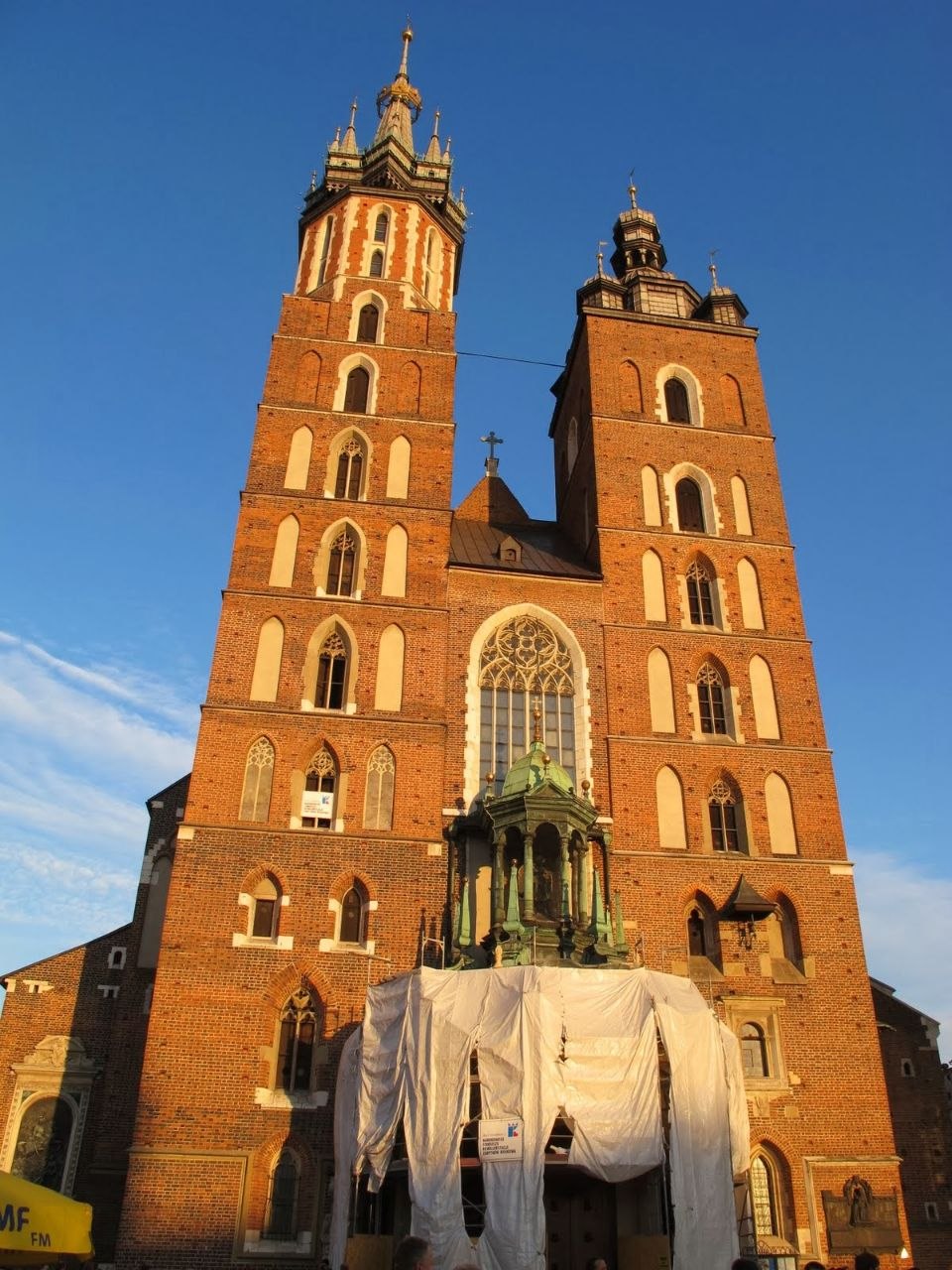
Dominating the northeastern corner of the Main Market Square, St. Mary’s Basilica is a Gothic brick church distinguished by its two unequal towers. The taller tower serves as a city watchtower and the source of the hejnał, a traditional bugle call played on the hour. From the square, the exterior showcases vertical lines, pointed arches, and decorative details that frame the main entrance.
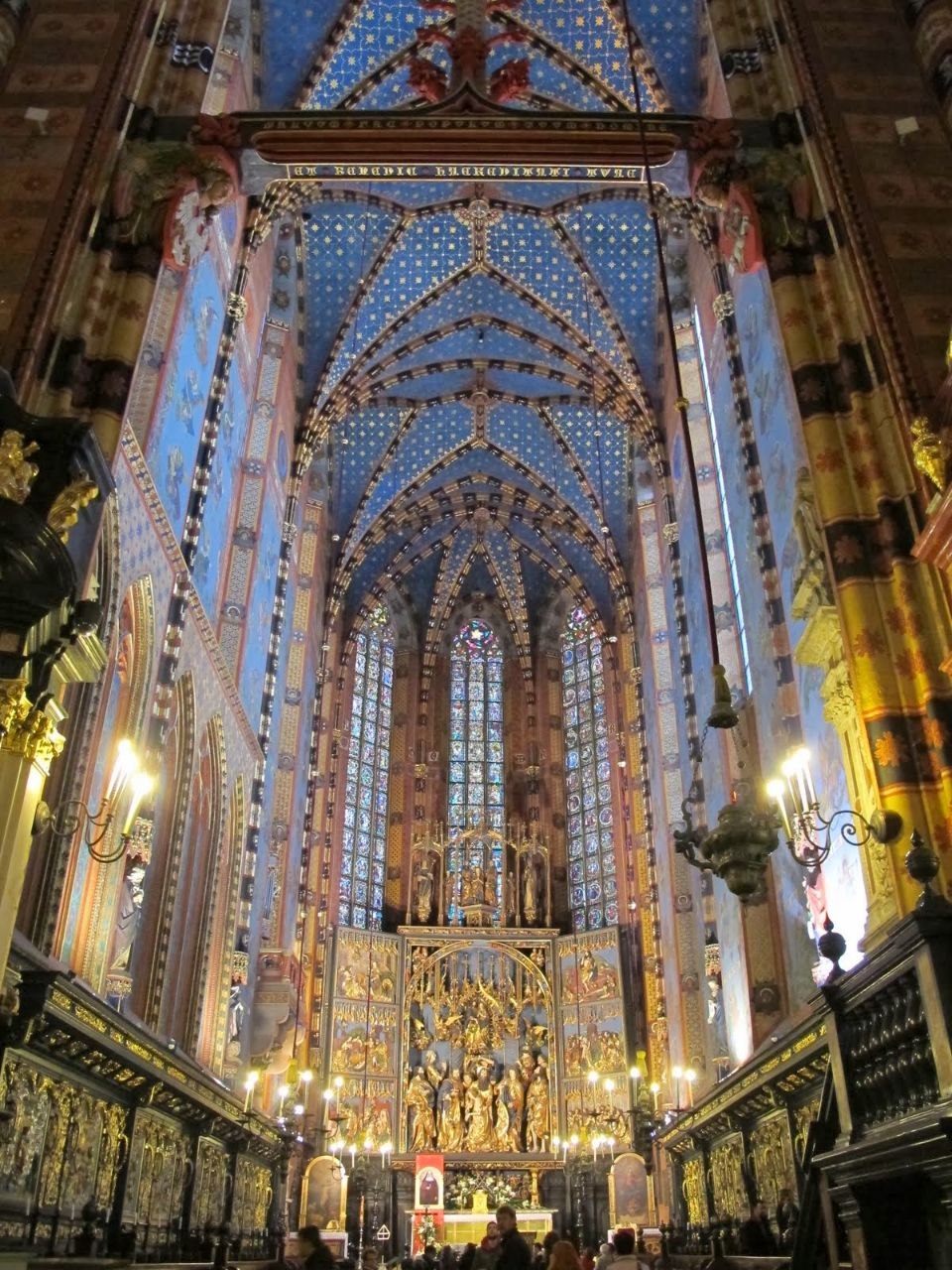
Inside, the basilica contrasts sharply with the square outside. The interior features deep blue, star-studded vaults, richly painted walls, and gilded details that draw the eye upward. The highlight is the wooden altarpiece by Veit Stoss, a masterwork of late Gothic sculpture depicting scenes from the life of the Virgin Mary. Light filtering through stained glass windows adds to the atmosphere, emphasizing the colors and carved figures.
Wawel Castle and the Vistula River
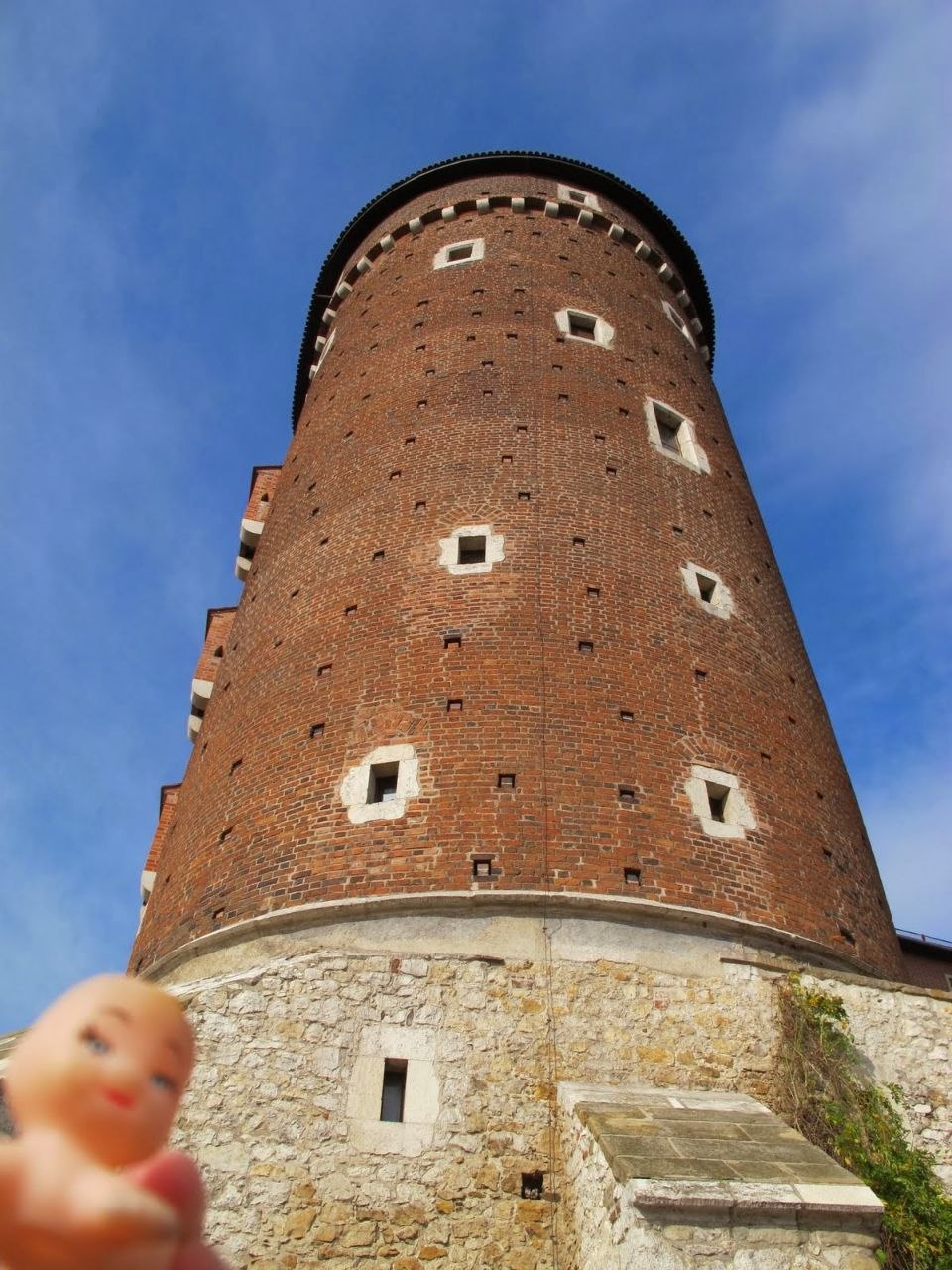
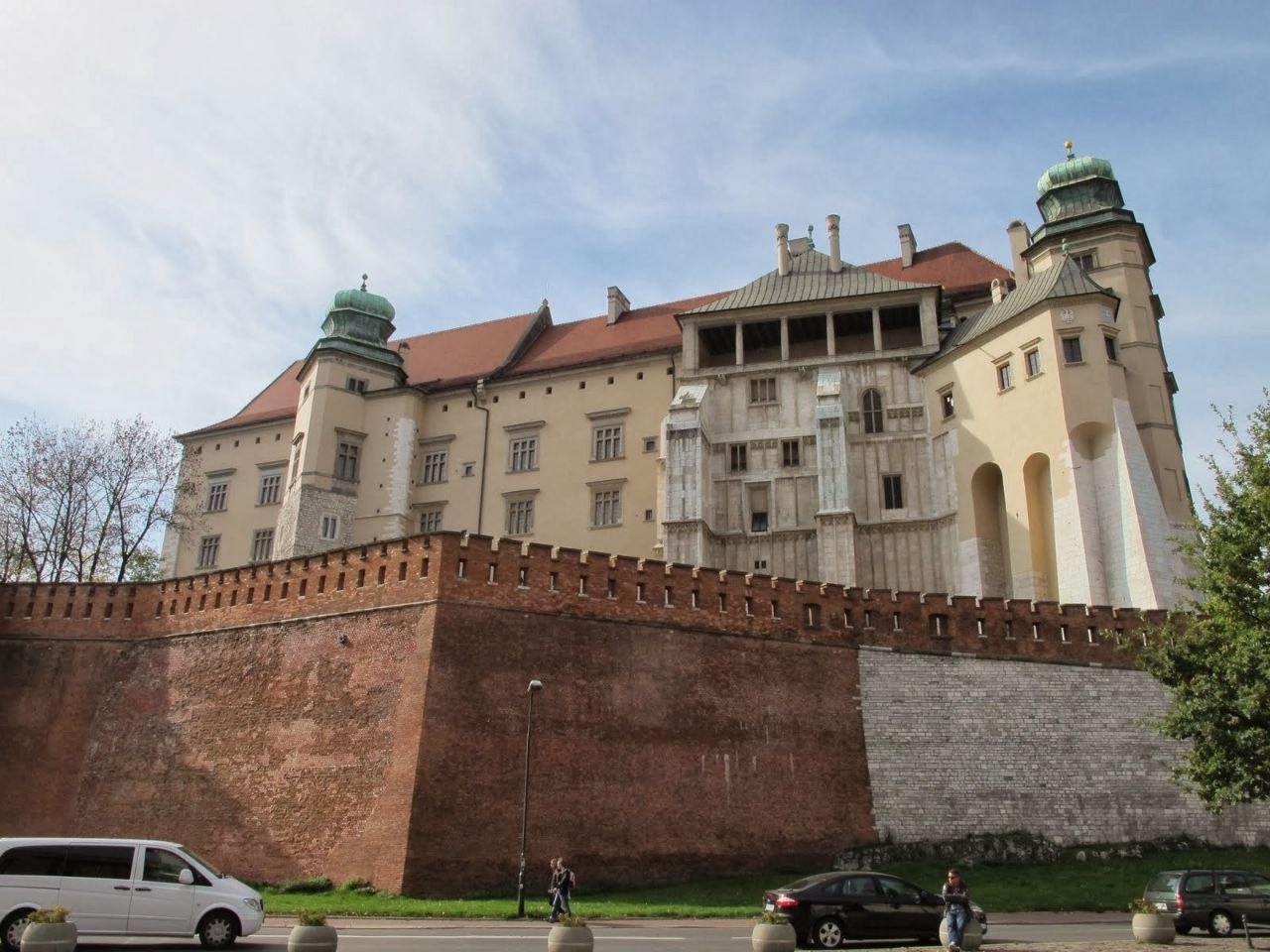
Wawel Castle crowns a limestone hill above the Vistula, forming one of Kraków’s most recognizable silhouettes. The complex includes royal chambers, defensive towers, courtyards, and Wawel Cathedral, where generations of Polish monarchs were crowned and buried. Different wings of the castle display Gothic, Renaissance, and Baroque elements, reflecting successive rebuilding campaigns and foreign influences.
From the castle walls and towers, views extend over the Old Town, the river bends, and the city districts beyond. At ground level, walking paths along the Vistula offer a contrasting perspective on Wawel’s fortifications and domes. The site functions both as a national symbol and as a major museum complex, with collections ranging from royal apartments to state rooms and art exhibitions.
Auschwitz-Birkenau Day Trip
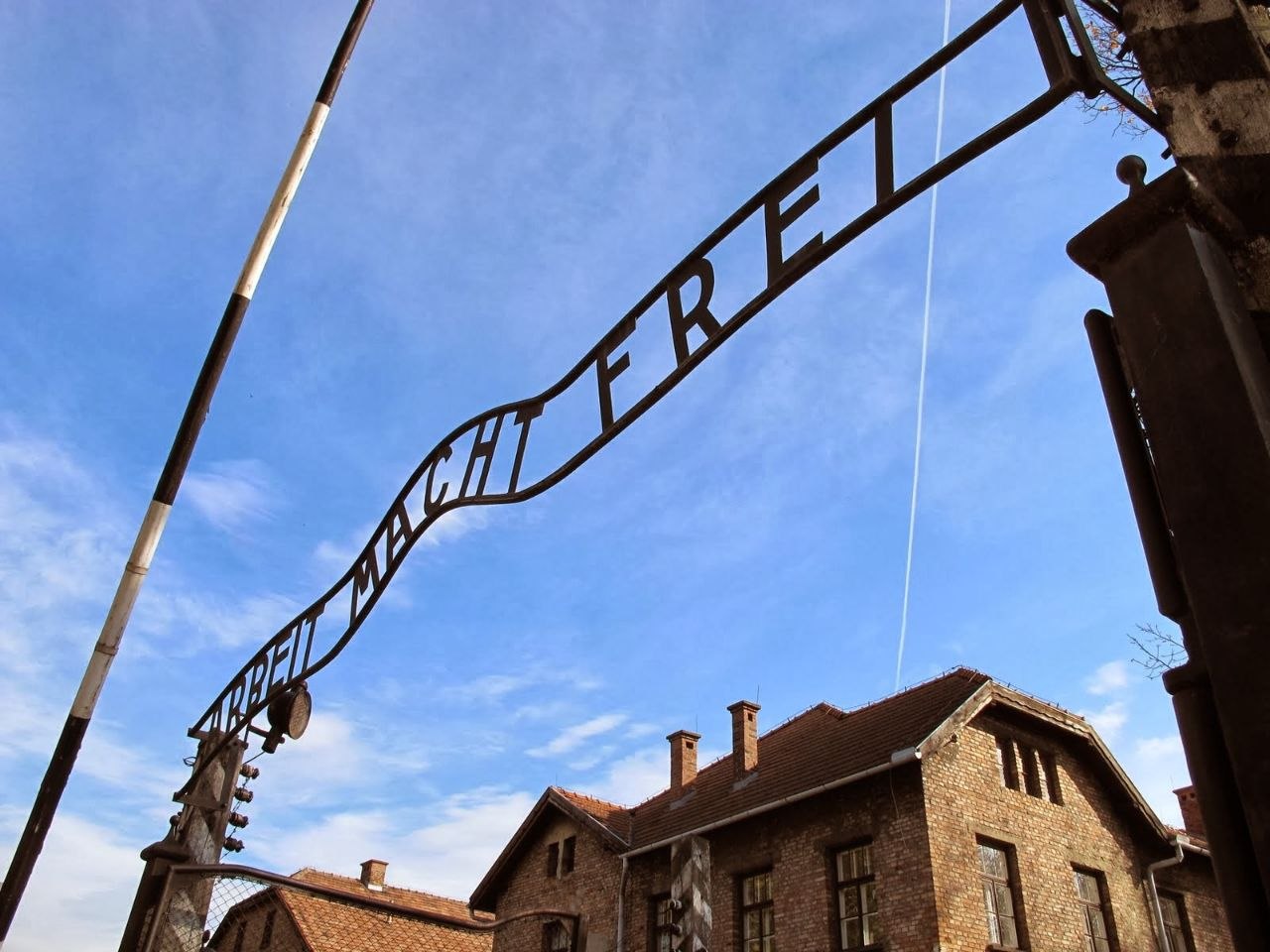
Kraków is a common starting point for visits to the former German Nazi concentration and extermination camp Auschwitz-Birkenau, located near the town of Oświęcim. The site is preserved as a memorial and museum that documents the systemic persecution and murder of Jews and other targeted groups during the Holocaust. The entrance gate bearing the inscription “Arbeit macht frei” has become one of the most recognizable symbols of Nazi oppression.
Guided tours typically cover the brick barracks, exhibitions, remains of gas chambers and crematoria, watchtowers, and rail tracks leading into Auschwitz II-Birkenau. The visit is solemn and often emotionally challenging, emphasizing personal testimonies, archival materials, and physical evidence of the crimes committed there. The site functions as a place of remembrance and education, underscoring the importance of confronting and understanding this history.
Street Art and Contemporary Culture
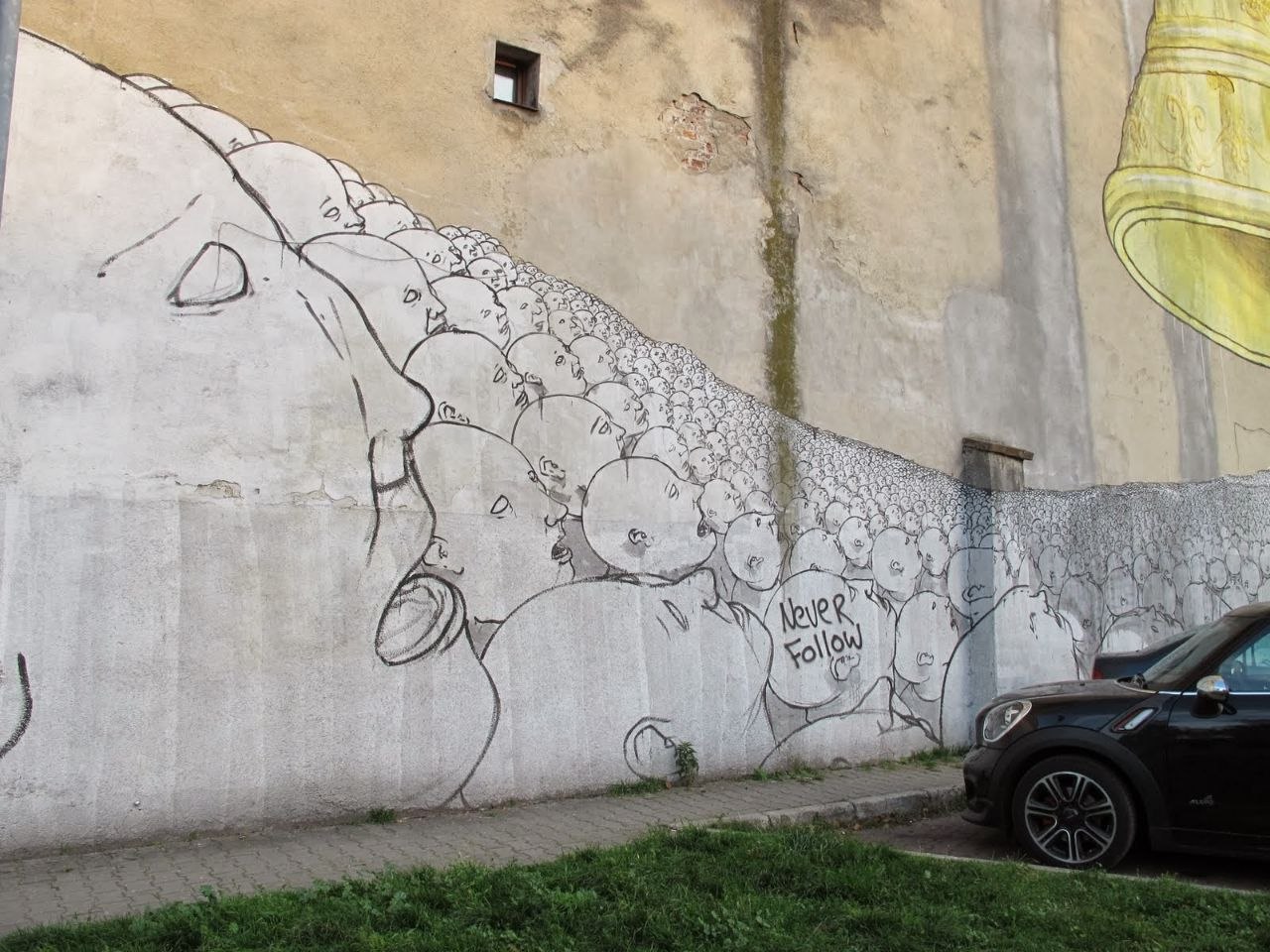
Beyond the medieval core, Kraków has developed a strong contemporary visual culture, especially in districts such as Kazimierz and Podgórze. Former industrial walls and residential blocks now serve as canvases for large-scale murals, many created as part of international street art festivals. Works range from abstract designs to bold textual statements, like eye-catching pieces that play with slogans and urban identity.
This layer of street art contrasts with the city’s historic stone and brick, highlighting Kraków’s ongoing evolution. Galleries, cafes, and cultural centers often cluster near these murals, creating pockets where traditional architecture, creative industries, and everyday neighborhood life intersect. Together, they show how the city engages with present-day themes while remaining rooted in its past.
Food and Drink in Kraków
Kraków’s food scene combines traditional Polish dishes with contemporary interpretations. In and around the Old Town and Kazimierz, visitors encounter classic specialities such as pierogi dumplings, hearty soups, and meat and cabbage-based mains, alongside lighter seasonal menus. Street vendors around the Main Market Square and nearby streets often sell obwarzanki, braided ring-shaped bread that has become a symbol of the city.
Cafes, wine bars, and beer cellars occupy historic basements and courtyards, many retaining brick vaults and period details. Modern coffee shops, craft breweries, and small bistros add to the mix, reflecting Kraków’s large student population and growing creative industries. Together, these venues contribute to a lively evening atmosphere, particularly around the square and in the side streets of Kazimierz.
Visiting Tips
The historic center of Kraków is compact and best explored on foot, with most major landmarks clustered between Wawel Hill and the Main Market Square. Comfortable shoes are useful for navigating cobbled streets, and early mornings or late evenings can offer quieter views of the square and churches. Many attractions, including Wawel Castle and St. Mary’s Basilica, have timed entry or separate ticketed areas, so checking schedules in advance is advisable.
Day trips to Auschwitz-Birkenau typically require several hours including travel time, and advance booking is strongly recommended, especially in high season. Visitors are asked to observe respectful behavior and dress at the memorial site. Public transport, ride-hailing services, and organized tours connect Kraków’s center with outlying districts and regional destinations, while the city’s network of parks and riverfront paths provides opportunities for quieter breaks between museum visits and sightseeing.
 Jumping Timezones
Leave a comment