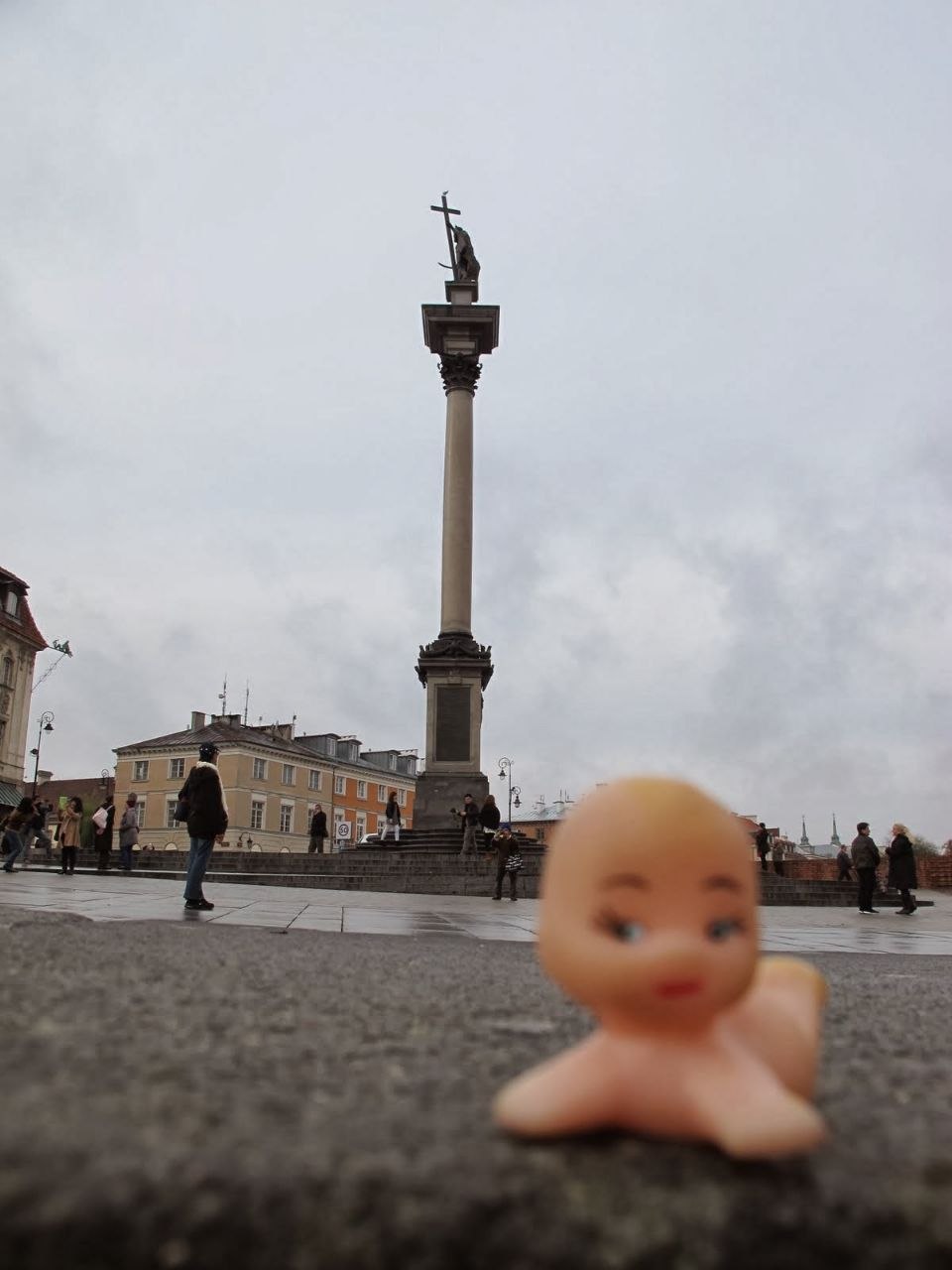
Warsaw, the capital of Poland, is a city shaped by both destruction and meticulous reconstruction. Much of its historic core was rebuilt after the Second World War, with the Old Town carefully restored using archival paintings and photographs. Today, the skyline combines church towers, restored townhouses, and contemporary high-rises, reflecting the city’s role as Poland’s political, economic, and cultural centre.
The Vistula River divides Warsaw into western and eastern banks, with most historic sights clustered on the left bank. Around Castle Square and the Old Town, visitors encounter royal residences, churches, defensive walls, and public squares that tell the story of Warsaw’s royal heritage, wartime devastation, and ongoing commemoration of national history.
Castle Square and the Old Town Core
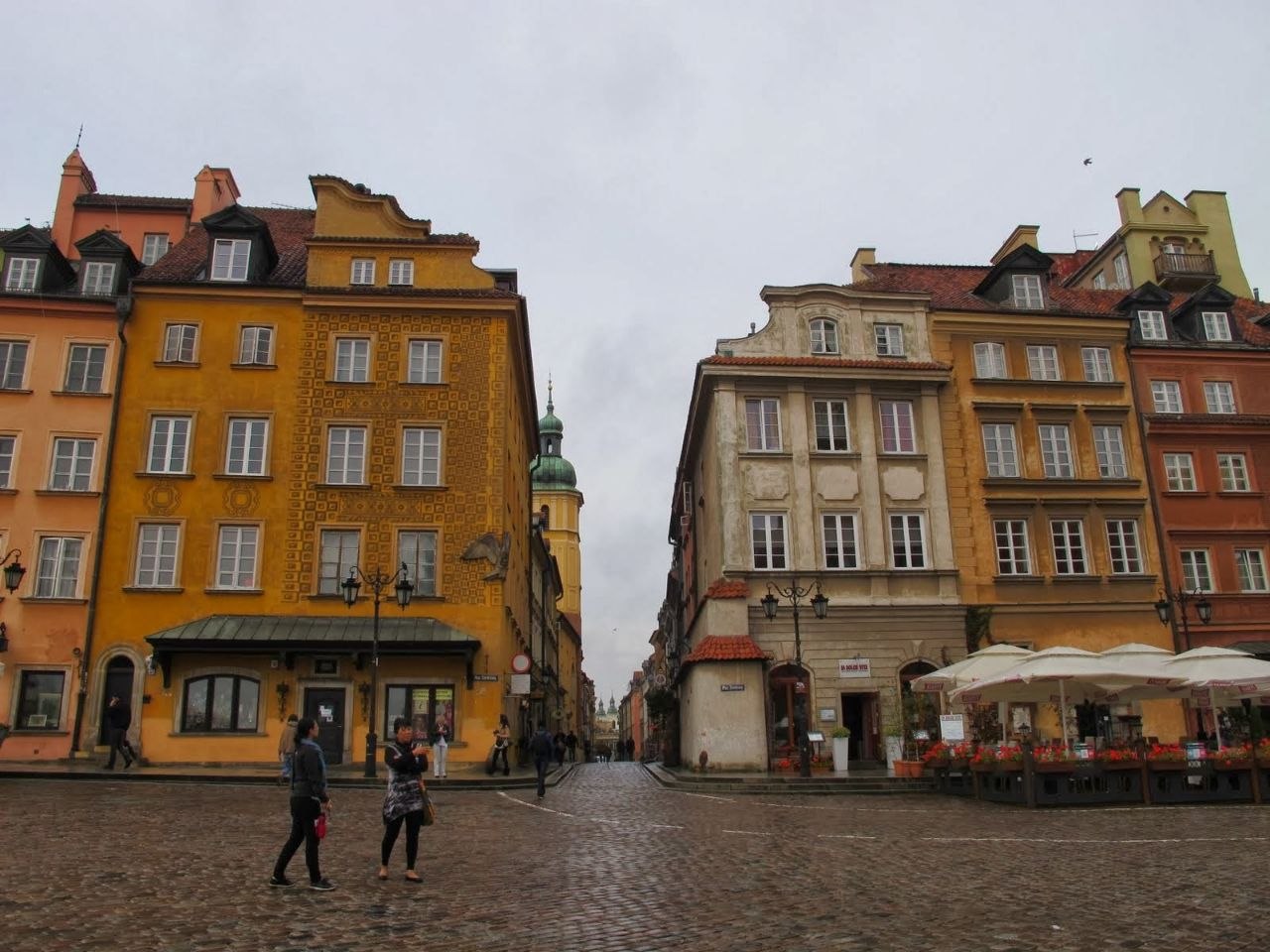
Castle Square (Plac Zamkowy) is one of Warsaw’s most recognisable spaces, framed by the Royal Castle and colourful tenement houses. At its centre stands Sigismund’s Column, a 17th-century monument dedicated to King Sigismund III Vasa, who moved the Polish capital from Kraków to Warsaw. The column and surrounding square form a natural starting point for exploring the Old Town and its network of narrow streets.
A short walk from the square leads into the Old Town Market Square (Rynek Starego Miasta), bordered by reconstructed townhouses in pastel colours. The square has long served as a commercial and social hub, and today it is lined with cafés, restaurants, and small museums. Seasonal markets, street performers, and open-air exhibitions are frequently held here, making it a focal point of activity in the historic centre.
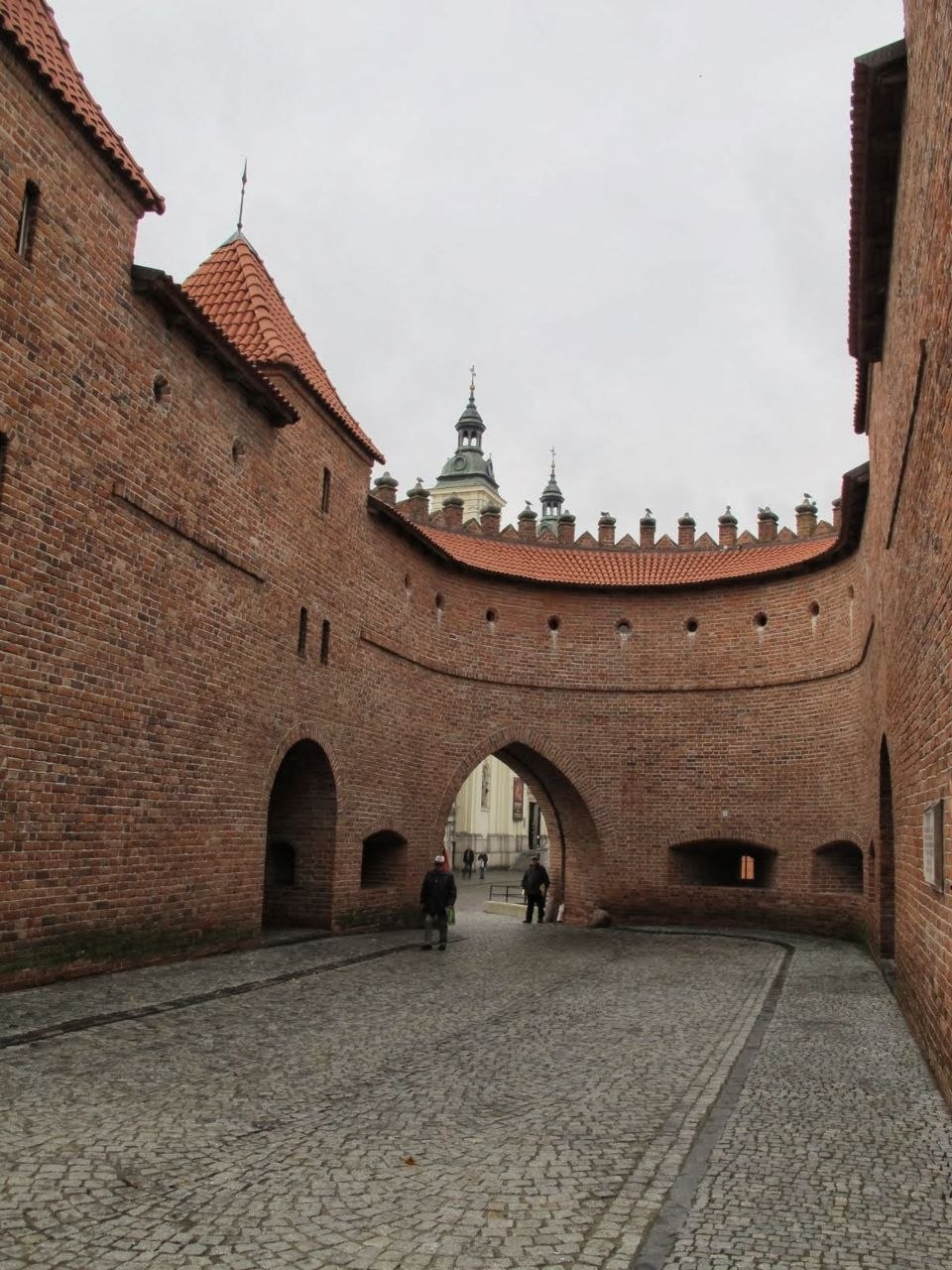
On the northern edge of the Old Town stands the Warsaw Barbican, a semicircular fortification that once formed part of the city’s defensive walls. Although heavily damaged, it has been carefully rebuilt and now serves as a visual reminder of Warsaw’s medieval fortifications. The surrounding brick walls and gate towers mark the transition between the Old Town and the New Town districts.
Churches of the Old Town: From St. Anne’s to the Field Cathedral
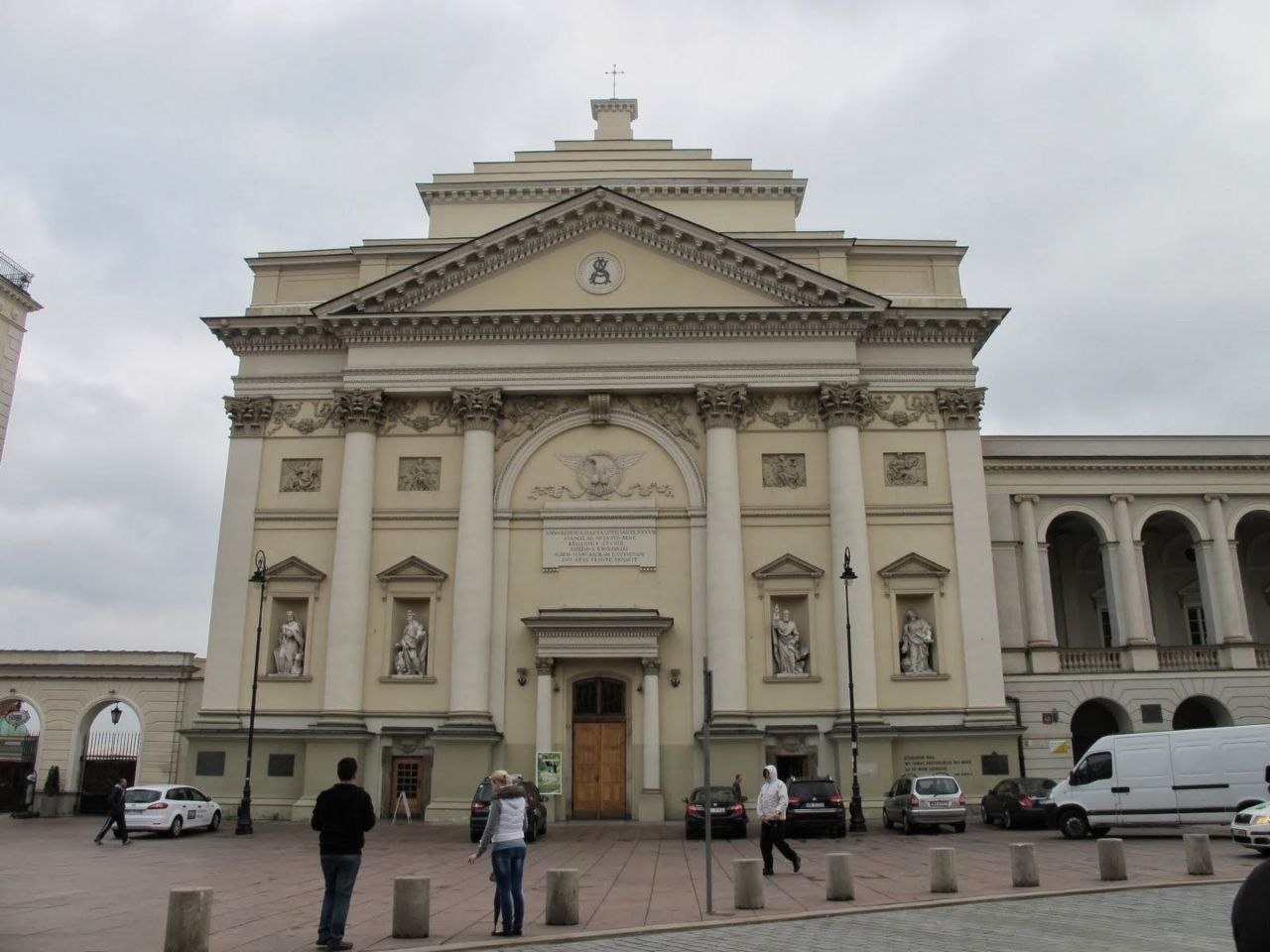
St. Anne’s Church (Kościół św. Anny), located beside Castle Square, is one of Warsaw’s most prominent churches. Its neoclassical façade faces the square, while its richly decorated interior retains Baroque elements. The church has been a key site for religious ceremonies and national events, and its bell tower offers a panoramic viewpoint over Castle Square and the Old Town rooftops.
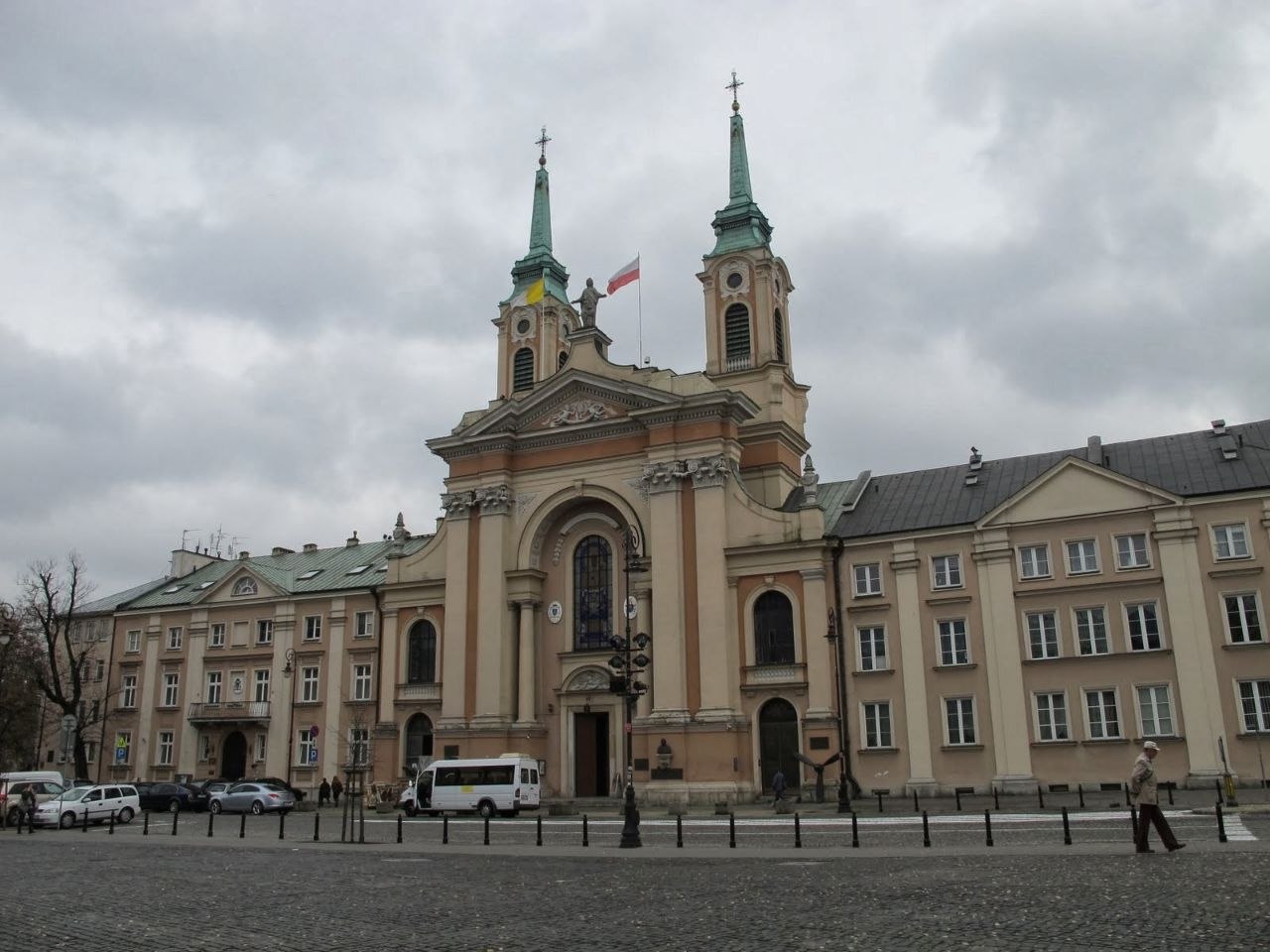
A short distance to the north stands the Field Cathedral of the Polish Army (Katedra Polowa Wojska Polskiego), the main church of the Polish military. The cathedral combines religious functions with national remembrance, housing memorials dedicated to fallen soldiers and major military campaigns. Its location close to government and judicial buildings underscores its symbolic role in state and military life.
Monuments and Memory near the Supreme Court
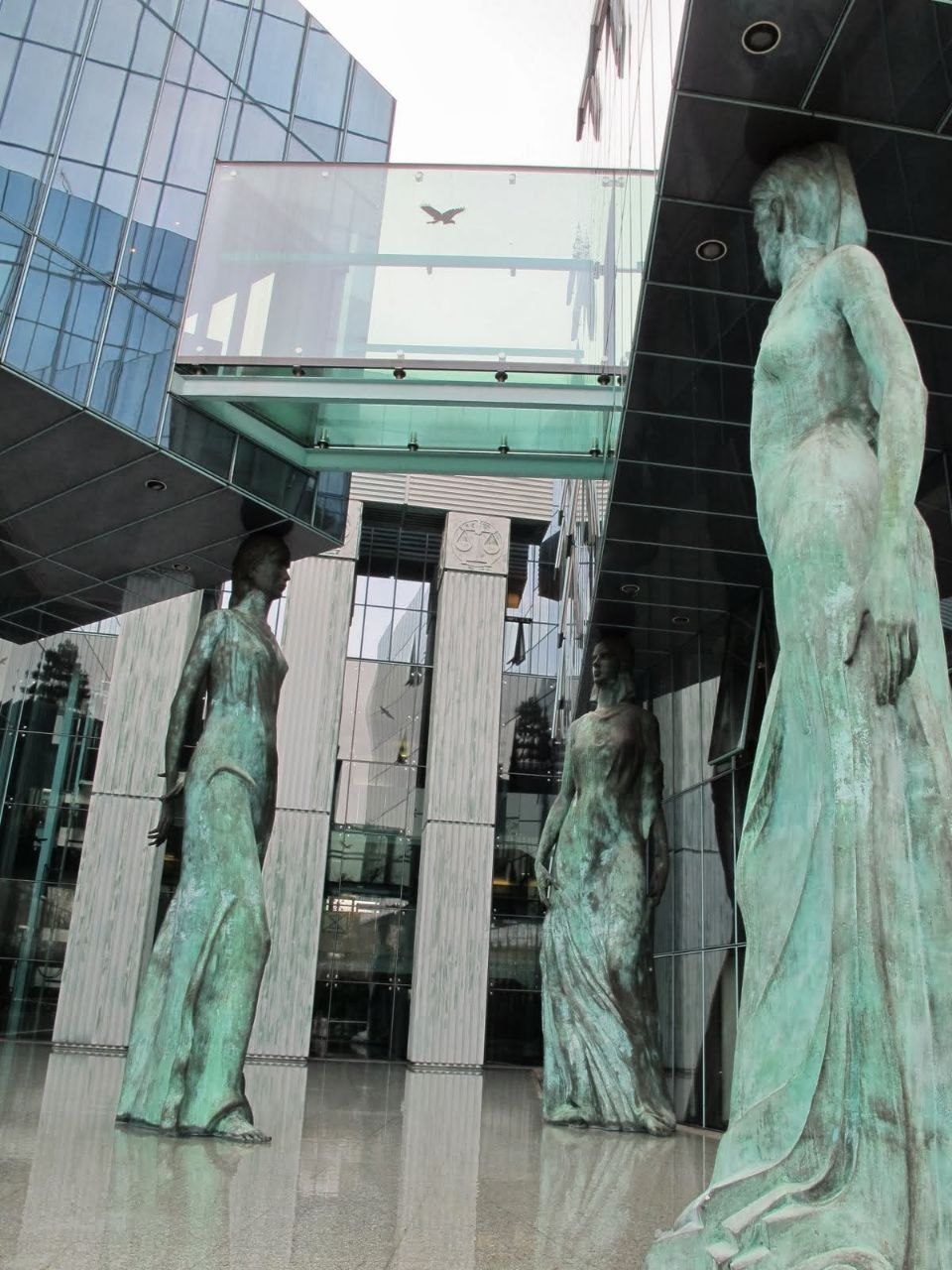
Northwest of the Old Town core, the area around the Supreme Court of Poland and Krasiński Square brings together modern architecture and commemorative public art. The Supreme Court building is fronted by distinctive green columns and a series of bronze statues and sculptural groups that reference Polish legal traditions and the country’s struggles for independence.
This judicial quarter sits close to several significant memorials, including monuments related to the Warsaw Uprising and Polish resistance. The combination of contemporary design, historic churches, and memorials makes the neighbourhood an important place for understanding how Warsaw integrates recent history into its urban landscape.
Polish Cuisine and Kielbasa in Warsaw
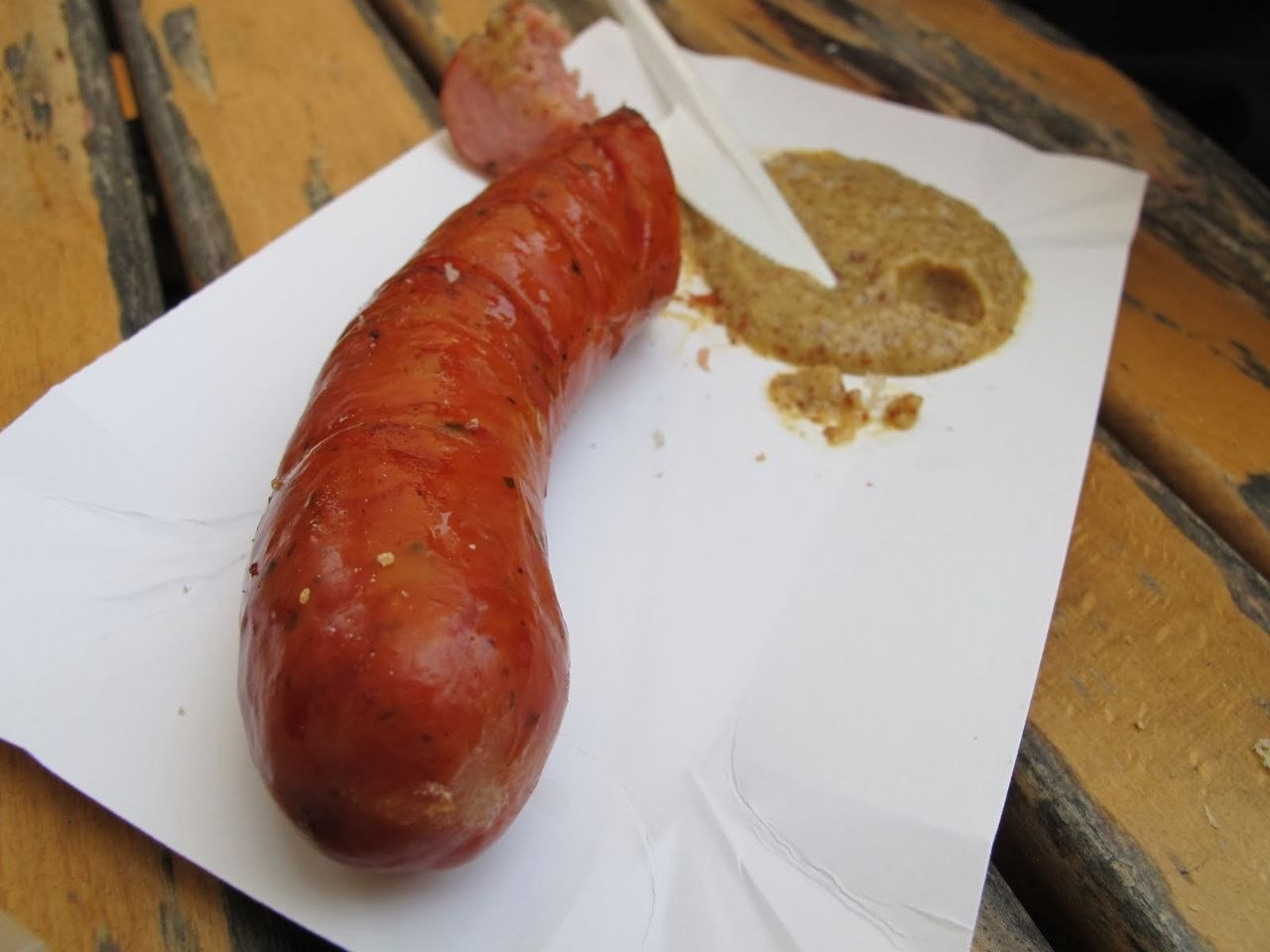
Traditional Polish cuisine is widely available across central Warsaw, from small milk bars (bar mleczny) to more formal restaurants. Kielbasa, a seasoned Polish sausage, is one of the most recognisable dishes and appears in many regional varieties. It is commonly grilled or pan-fried and served with mustard, horseradish, or pickled vegetables, reflecting the country’s preference for robust, savoury flavours.
In and around the Old Town and Castle Square, food stalls and eateries often feature kielbasa alongside dishes such as pierogi, bigos (hunter’s stew), and potato pancakes. Markets and seasonal fairs sometimes include open grills where sausages are prepared to order, creating a characteristic aroma and atmosphere in public squares. Cafés and bakeries in the historic centre also showcase Polish cakes and pastries, complementing the hearty main dishes.
Visiting Tips
Most major sights in central Warsaw, including the Old Town, Castle Square, St. Anne’s Church, the Barbican, and the Supreme Court area, are within walking distance of one another. Comfortable footwear is recommended, as many streets are cobbled and walking routes often involve gentle inclines or staircases. Public transport, including trams, buses, and the metro, connects the historic core with other districts and can be used to reach more distant museums and neighbourhoods.
Weather conditions in Warsaw vary significantly by season, so layered clothing and a waterproof jacket are practical choices for much of the year. Popular attractions may be busier during weekends, public holidays, and summer months, so early morning or late afternoon visits can offer a quieter experience. Many churches and memorial sites remain active places of worship or remembrance, and visitors are expected to dress modestly and observe a respectful silence inside.
 Jumping Timezones
Leave a comment