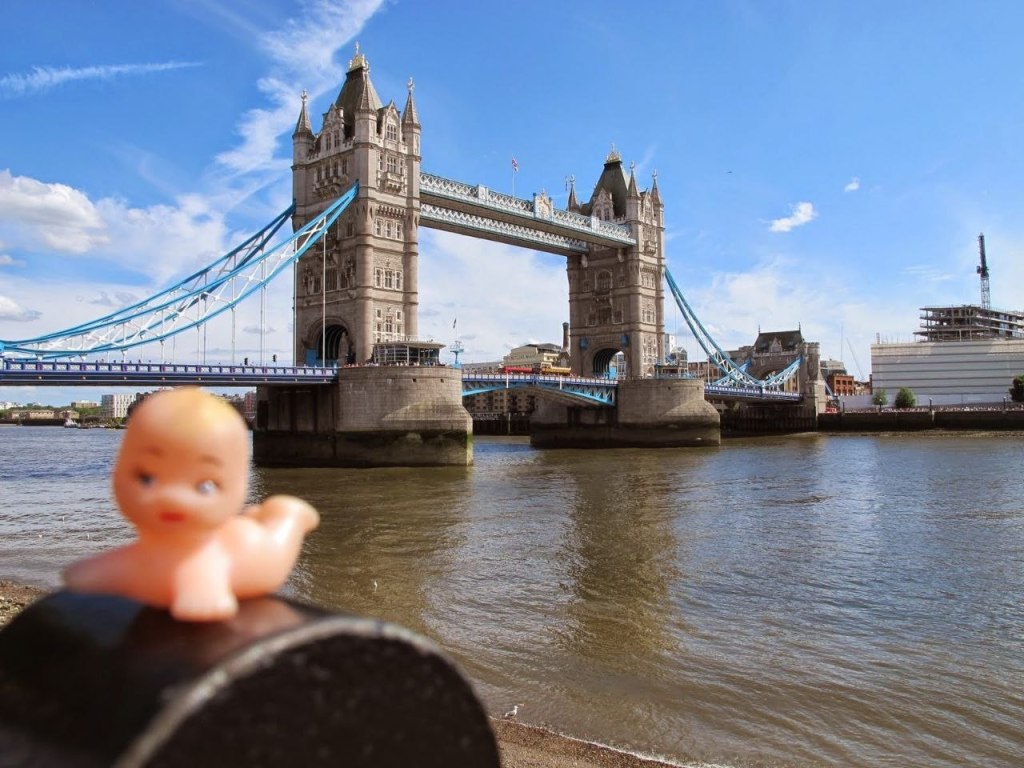
London, the capital of the United Kingdom, is a global centre for government, finance, culture and education. Straddling the River Thames in southeast England, it combines well‑preserved historic districts with dense modern development, supporting a metropolitan area of more than 9 million residents. The city’s layout reflects successive periods of expansion, from its Roman origins to Victorian infrastructure and contemporary regeneration projects.
Visitors encounter a compact core of major institutions and landmarks within a relatively walkable area, especially around Westminster, the South Bank and the West End. Royal residences, national museums, churches, and civic buildings are clustered along and around the Thames, linked by an extensive public transport system that includes the London Underground, suburban rail, buses and river services.
Royal London & Kensington Palace
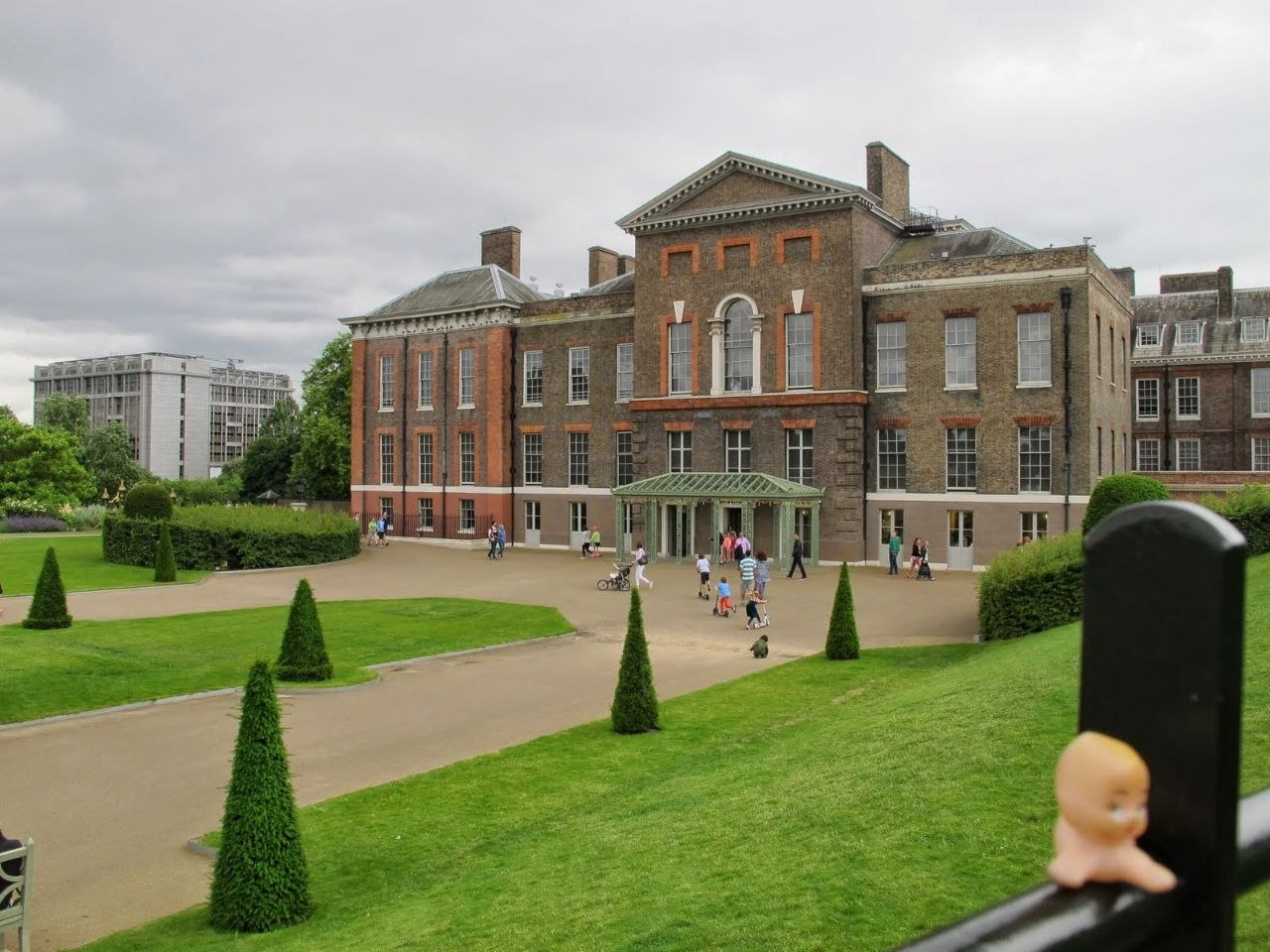
Royal sites are a defining feature of London’s urban landscape. Kensington Palace, set on the western edge of Kensington Gardens, functions both as a working royal residence and as a museum space open to the public. The surrounding parkland, railings and ornamental gates create a transition between the formal palace environment and the residential streets of Kensington, illustrating how royal properties are integrated into everyday city life.
Nearby memorials, statues and decorative details on the palace fence often reference members of the royal family and popular culture, reflecting the public’s enduring interest in the monarchy. Together with other royal sites across the city, Kensington Palace contributes to London’s status as the administrative and ceremonial heart of the United Kingdom.
The British Museum
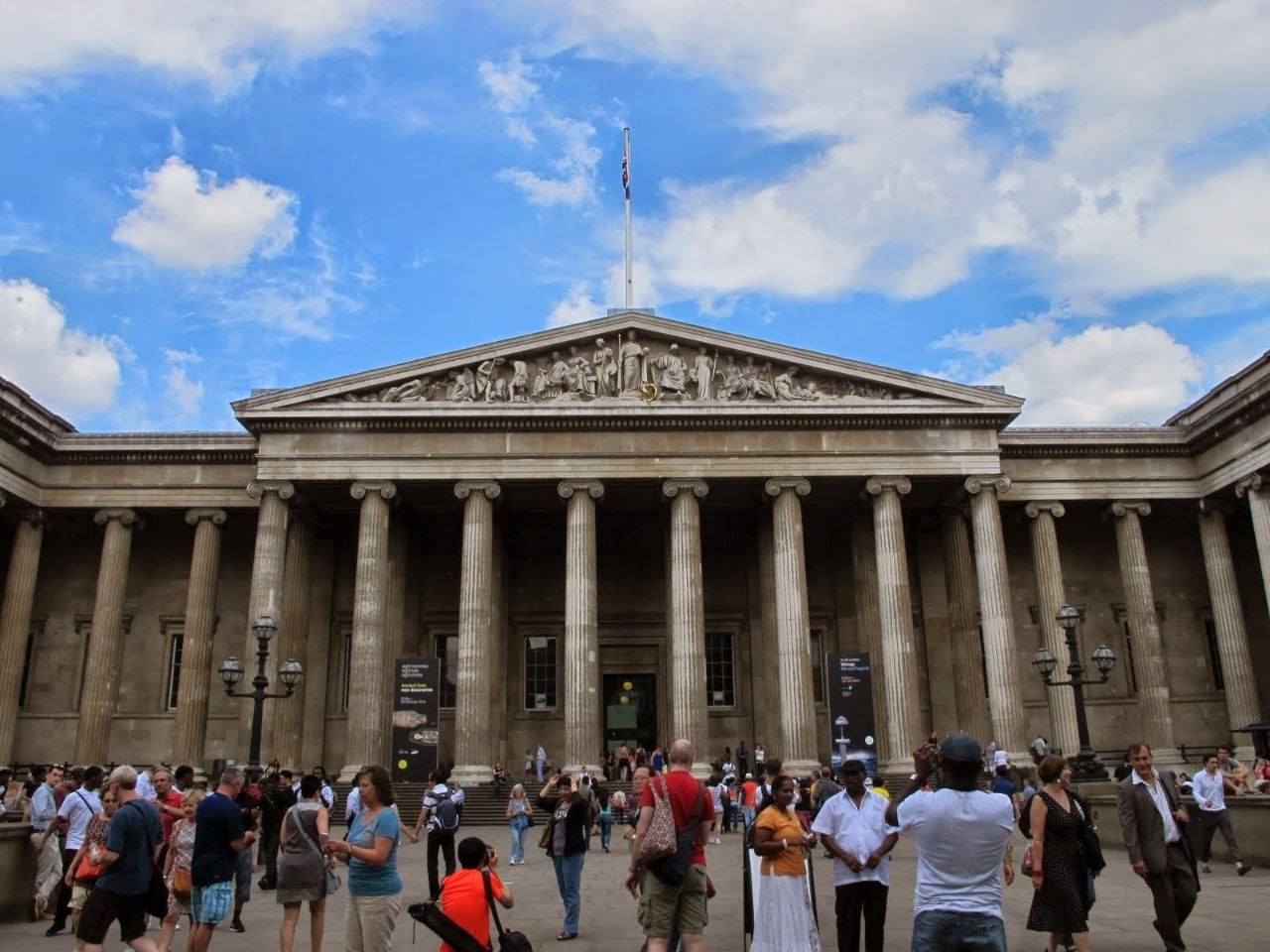
The British Museum, near Bloomsbury, is one of the world’s most visited cultural institutions. Its neoclassical facade, with grand columns and a wide stone staircase, signals its role as a national museum dedicated to human history, art and culture. The collection spans millions of objects from ancient civilizations through to the modern era, drawing researchers, students and tourists from around the world.
Entry to the museum’s permanent collections is free, although timed entry and security screening are standard. The building itself, including its Great Court and reading room, is an architectural landmark, and its central location makes it a common starting point for exploring the literary and academic districts of central London.
The Tower of London & the White Tower
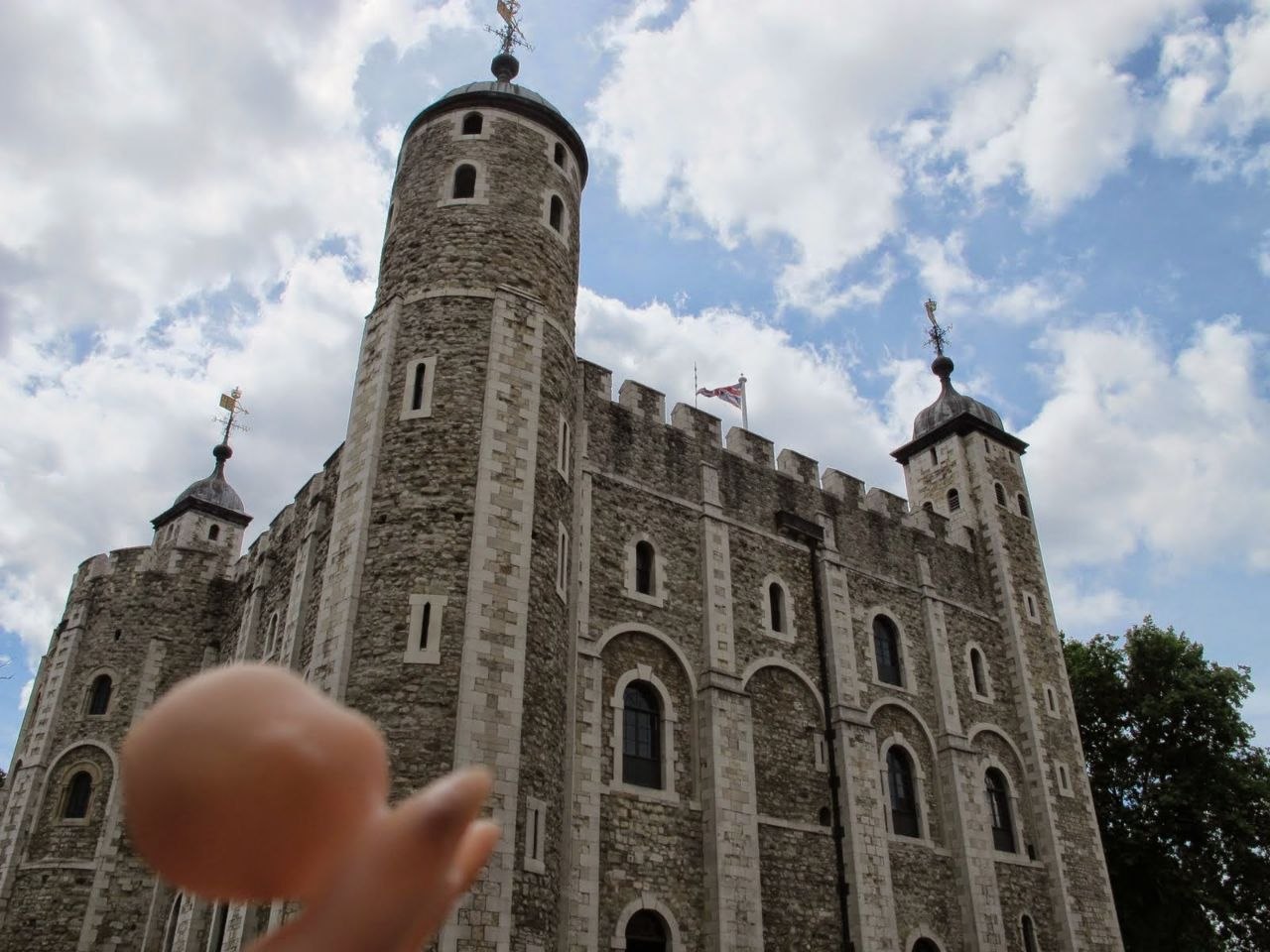
The Tower of London stands on the north bank of the Thames, east of the City of London’s financial district. At its core is the White Tower, a Norman stone fortress dating from the late 11th century. Over the centuries, the complex has served as a royal residence, armoury, treasury, prison and execution site, making it central to the history of the English and later British monarchy.
Today, the Tower operates as a major heritage attraction and World Heritage Site. Visitors typically encounter ceremonial guards, displays about the Crown Jewels, exhibits on medieval warfare and detailed interpretation of the building’s political and military roles. The preserved walls, towers and courtyards provide a rare opportunity to study medieval defensive architecture within a modern metropolis.
Westminster, Parliament & Big Ben
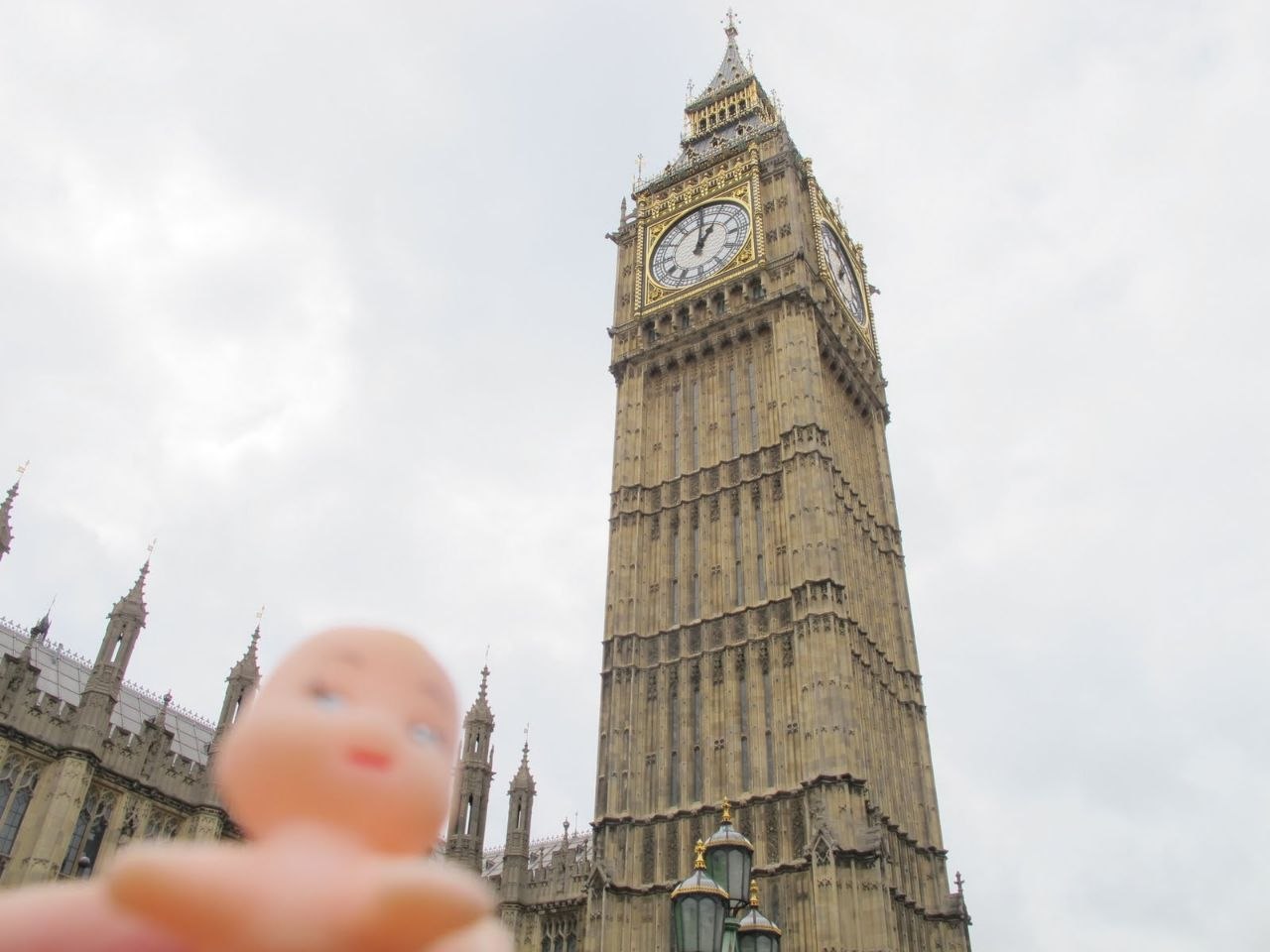
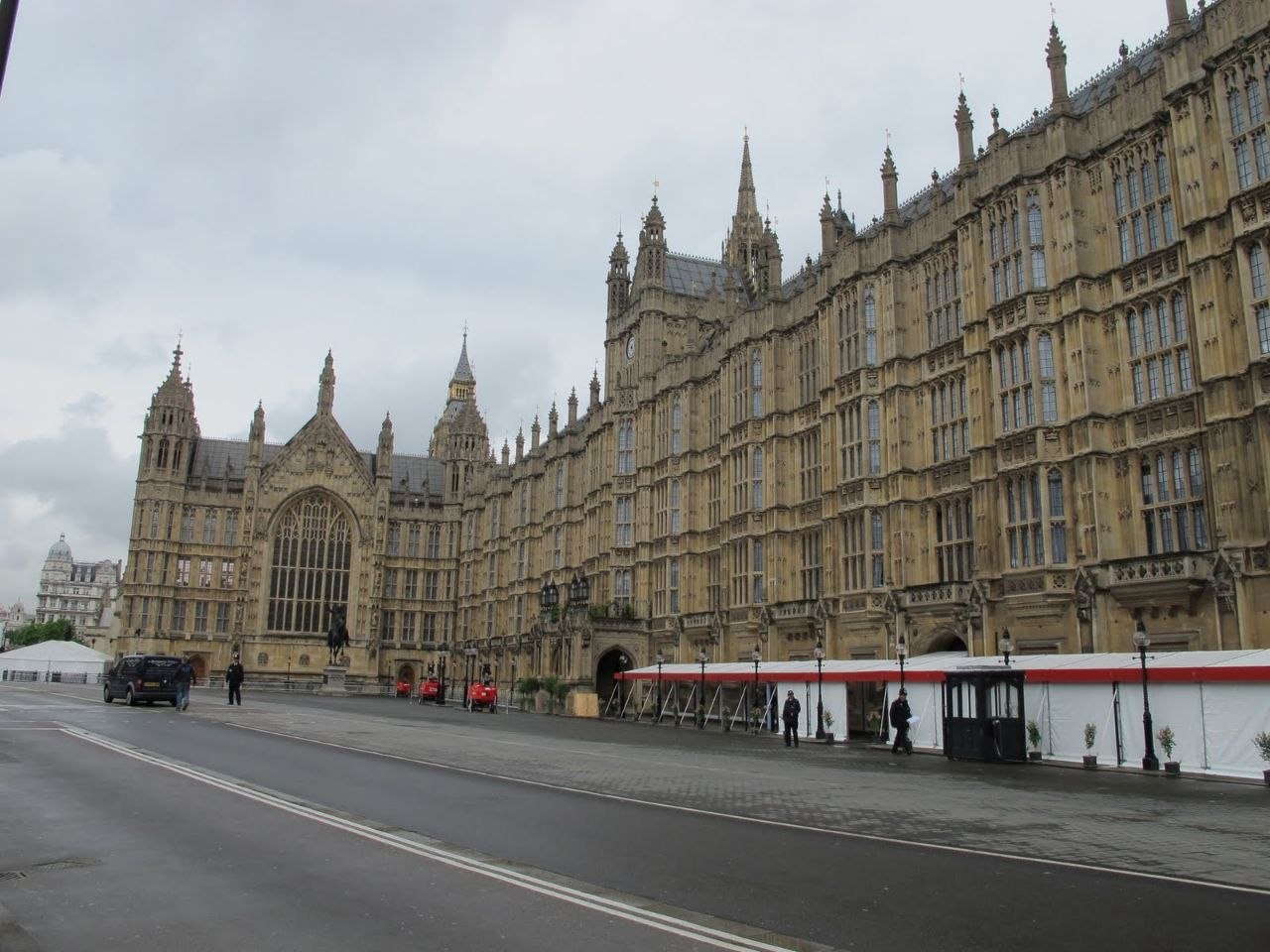
Westminster is the administrative centre of the United Kingdom, home to the Houses of Parliament, Westminster Abbey and numerous government departments. The Palace of Westminster, with its intricate Gothic Revival design, houses the House of Commons and the House of Lords. The clock tower known as Elizabeth Tower, often referred to by the nickname of its Great Bell, Big Ben, is one of London’s most recognised silhouettes.
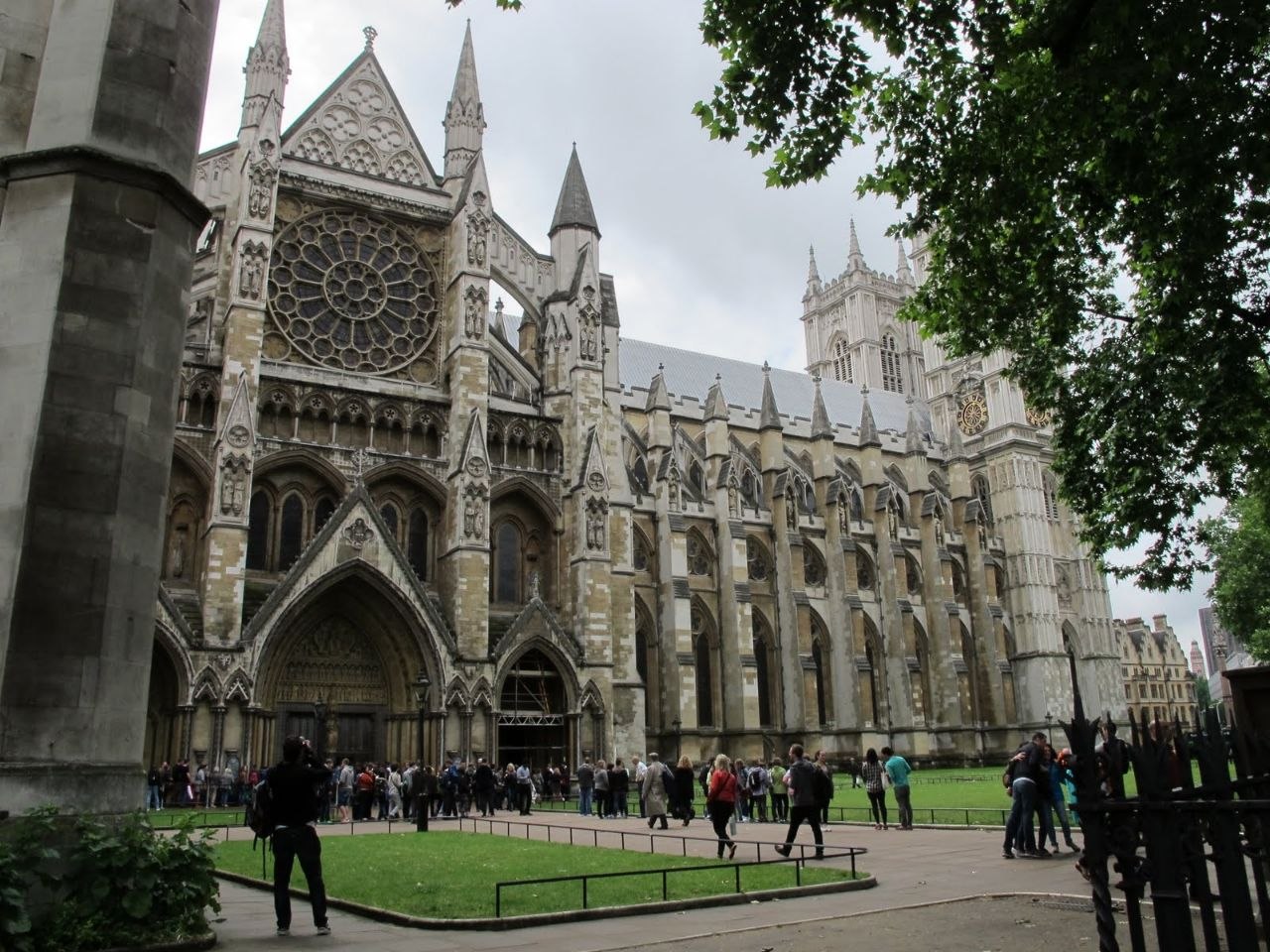
Opposite the palace, Westminster Abbey serves as the site of coronations, state funerals and many royal weddings. The close proximity of church and legislature highlights the city’s constitutional and ceremonial functions. Around Parliament Square, statues, memorials and government buildings reinforce Westminster’s role as a focal point for national decision‑making and public demonstrations.
The Thames, the London Eye & Iconic Views
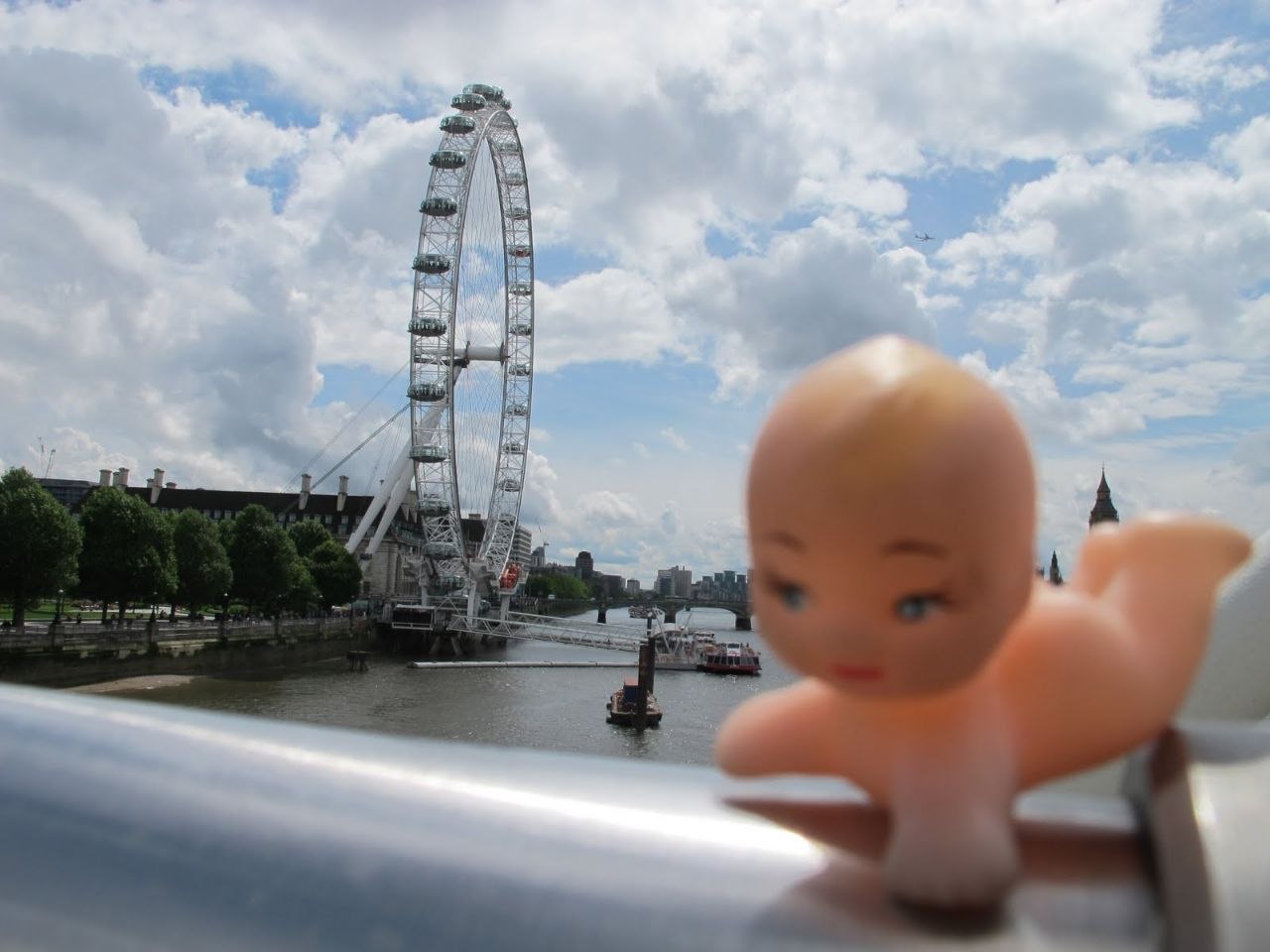
The River Thames shapes London’s geography and visitor experience. Along the South Bank, near Westminster Bridge, the London Eye offers a high‑level observation point over the city. Its glass capsules provide panoramic views of Parliament, Westminster Abbey, the river and the wider skyline, making it a popular orientation activity for first‑time visitors.
Bridges, embankments and riverside paths connect major sites on both sides of the Thames, facilitating walking routes that link cultural venues, theatres and historic districts. River traffic, including commuter boats and sightseeing cruises, adds another layer of transport and offers alternative perspectives on London’s architecture and urban development.
Food & Drink in London
London’s food scene reflects its status as one of the most diverse cities in the world. Traditional British options such as pub meals, afternoon tea and markets selling baked goods and pies sit alongside extensive international offerings, including South Asian, East Asian, Middle Eastern and European cuisines. Many districts, from Soho and Covent Garden to Shoreditch and South Kensington, are known for dense clusters of restaurants and cafes.
Street‑food markets, food halls and riverside venues provide informal places to eat, often near major attractions like the South Bank or central museums. Reservations are recommended for popular restaurants, particularly on weekends, while casual pubs and cafes generally accommodate walk‑ins, making it straightforward to combine sightseeing with varied dining options.
Visiting Tips
Public transport is often the most efficient way to move between London’s key sights. Contactless payment cards and travel passes are widely accepted on the Underground, buses and many rail services. Walking distances between major central landmarks, particularly around Westminster, the South Bank and the museum district, are shorter than they appear on many maps.
Weather conditions can change quickly, so layered clothing and waterproofs are practical year‑round. Many major museums and galleries, including the British Museum, offer free admission to permanent collections but may require advance booking for special exhibitions. High‑profile attractions such as the Tower of London and the London Eye often operate timed entry systems, so checking opening hours and pre‑booking tickets can help reduce waiting times, especially during school holidays and peak summer months.
 Jumping Timezones
Leave a comment