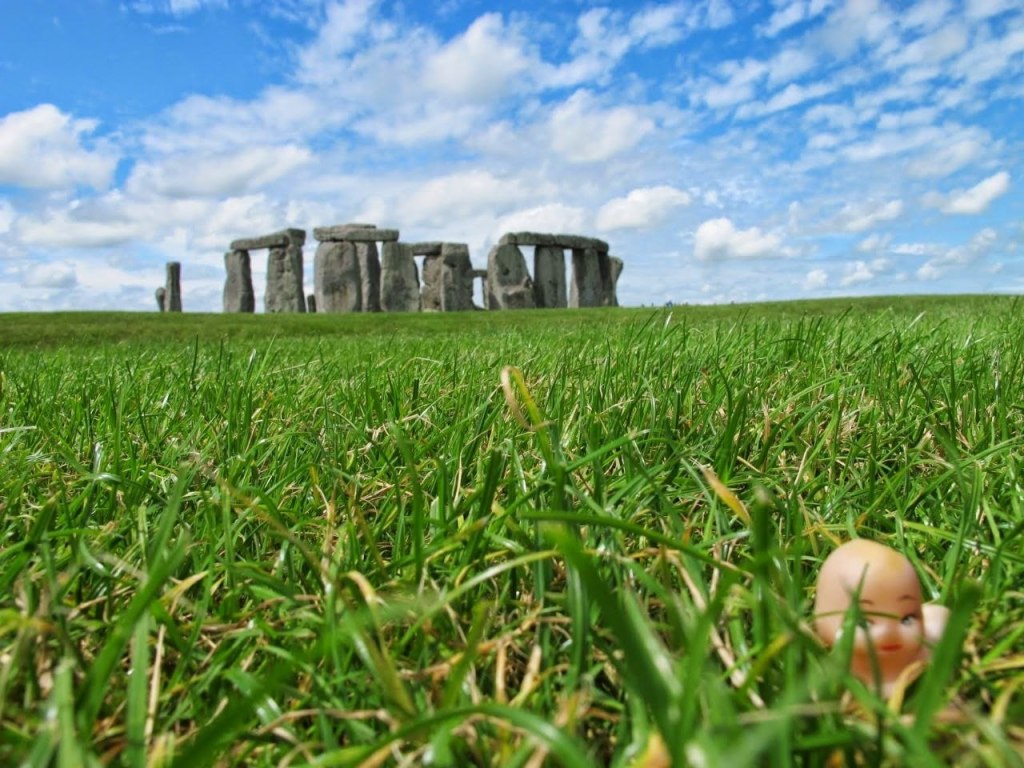
Stonehenge is a prehistoric stone circle monument on Salisbury Plain in Wiltshire, England. Dating from the late Neolithic and early Bronze Age, it is one of the world’s most recognisable ancient sites and forms the centrepiece of a wider ritual landscape that includes burial mounds, processional avenues, and related earthworks. The site is protected as a Scheduled Monument and, together with nearby Avebury, forms part of the Stonehenge, Avebury and Associated Sites UNESCO World Heritage Site.
The monument as seen today consists of massive standing sarsen stones arranged in a circle and horseshoe, with smaller bluestones set within and around them. Archaeological evidence indicates that the area was used for ceremonial and funerary activities for many centuries, and that Stonehenge underwent several major construction phases rather than being built all at once.
History and Purpose
Construction at Stonehenge began around 3000 BCE with a circular earthwork enclosure and ditch, followed by the erection and rearrangement of timber posts and stone settings over the next 1,500 years. The larger sarsen stones were raised around 2500 BCE, while the smaller bluestones from west Wales were moved and reconfigured multiple times. Burials have been found in and around the monument, suggesting that Stonehenge served as a significant funerary and ceremonial centre.
The precise purpose of Stonehenge remains debated. Theories include its use as a temple aligned to the movements of the sun, a burial ground for elite individuals, a place of healing, or a gathering point for seasonal ceremonies. Most researchers agree that it held deep ritual and symbolic meaning for the communities who built and used it, linking the living, the dead, and the wider landscape.
The Stone Circle
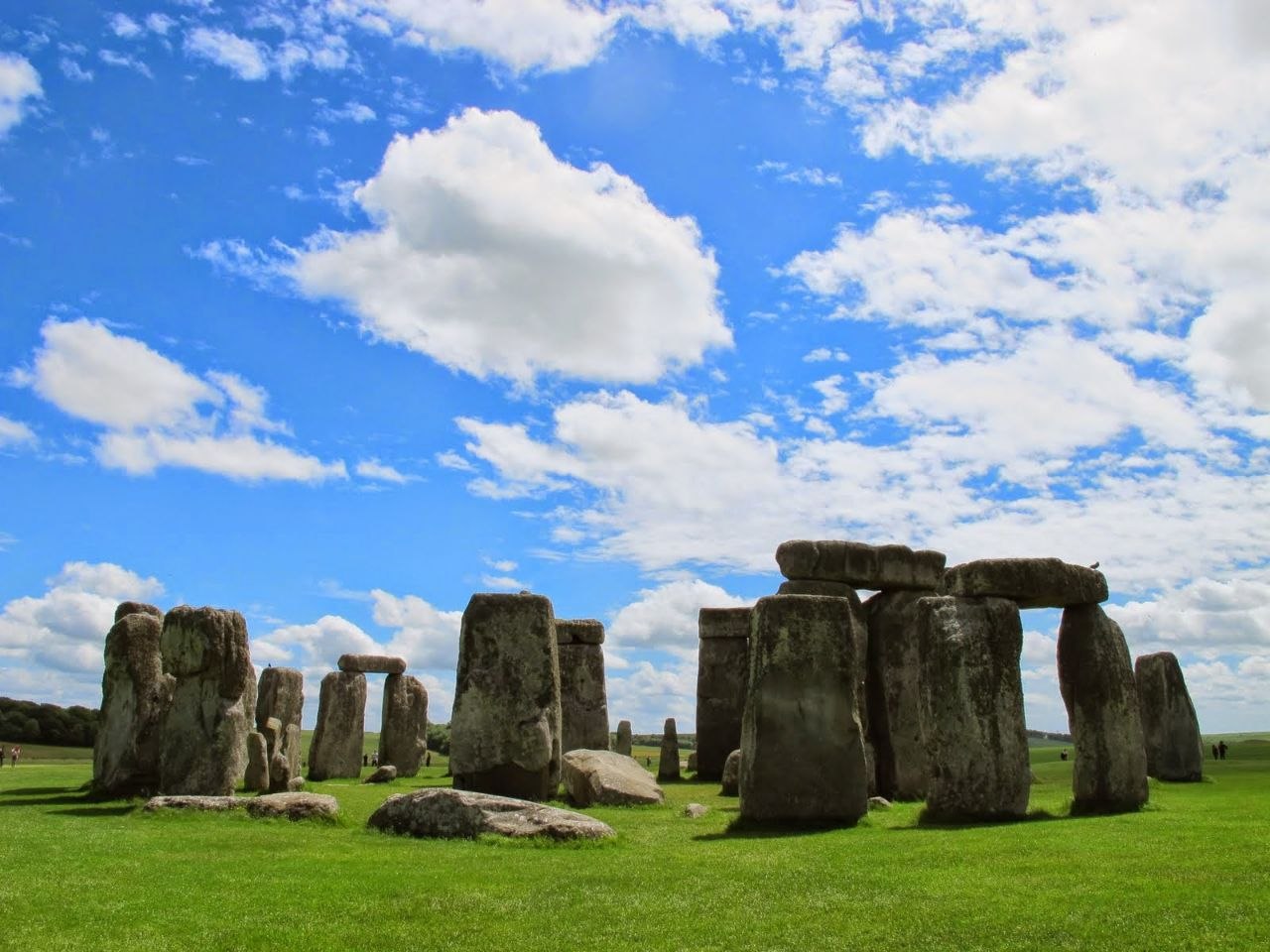
The iconic stone circle consists primarily of local sarsen sandstone blocks, some weighing over 25 tonnes, arranged in a ring of uprights topped by horizontal lintels. Inside this outer circle stands a horseshoe of larger sarsen trilithons, with two uprights supporting each lintel. Within and around these are the smaller bluestones, transported from the Preseli Hills in Wales over a distance of more than 200 kilometres.
Many stones show signs of careful shaping, with mortise-and-tenon joints and tongue-and-groove connections used to secure the lintels in place. Although several stones have fallen or are missing, the surviving arrangement still conveys the monument’s original scale and engineering sophistication, allowing visitors to appreciate how the different rings and horseshoes relate to one another.
Old Sarum and the Wider Landscape
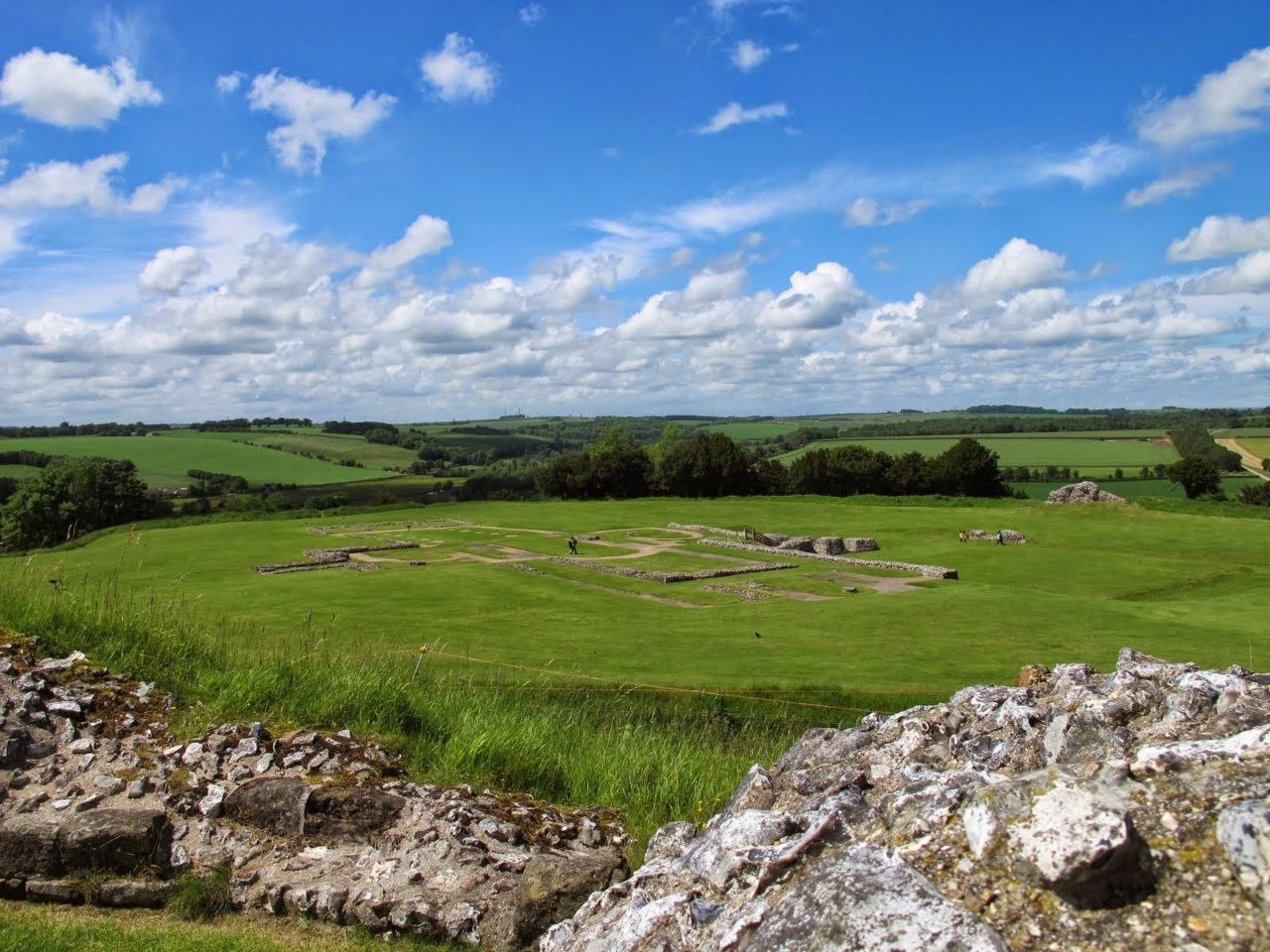
Old Sarum, an Iron Age hillfort and later Norman castle site a short distance from Stonehenge, forms part of the area’s layered history. While it belongs to a different period, Old Sarum illustrates how this part of Wiltshire has been strategically and symbolically important for millennia, from prehistoric communities through to medieval rulers.
The elevated position of Old Sarum, its earthworks, and the remains of its castle and cathedral contrast with the low-lying setting of Stonehenge on the plain. Together, they highlight how successive societies reused and reinterpreted the landscape, creating a dense concentration of archaeological sites within a relatively small area.
Visitor Centre and Construction Methods
The Stonehenge visitor centre introduces the archaeology and interpretation of the monument before visitors travel out to the stone circle itself. Exhibits include artefacts unearthed in the surrounding landscape and reconstructions that illustrate how Neolithic and Bronze Age communities lived, travelled, and built.
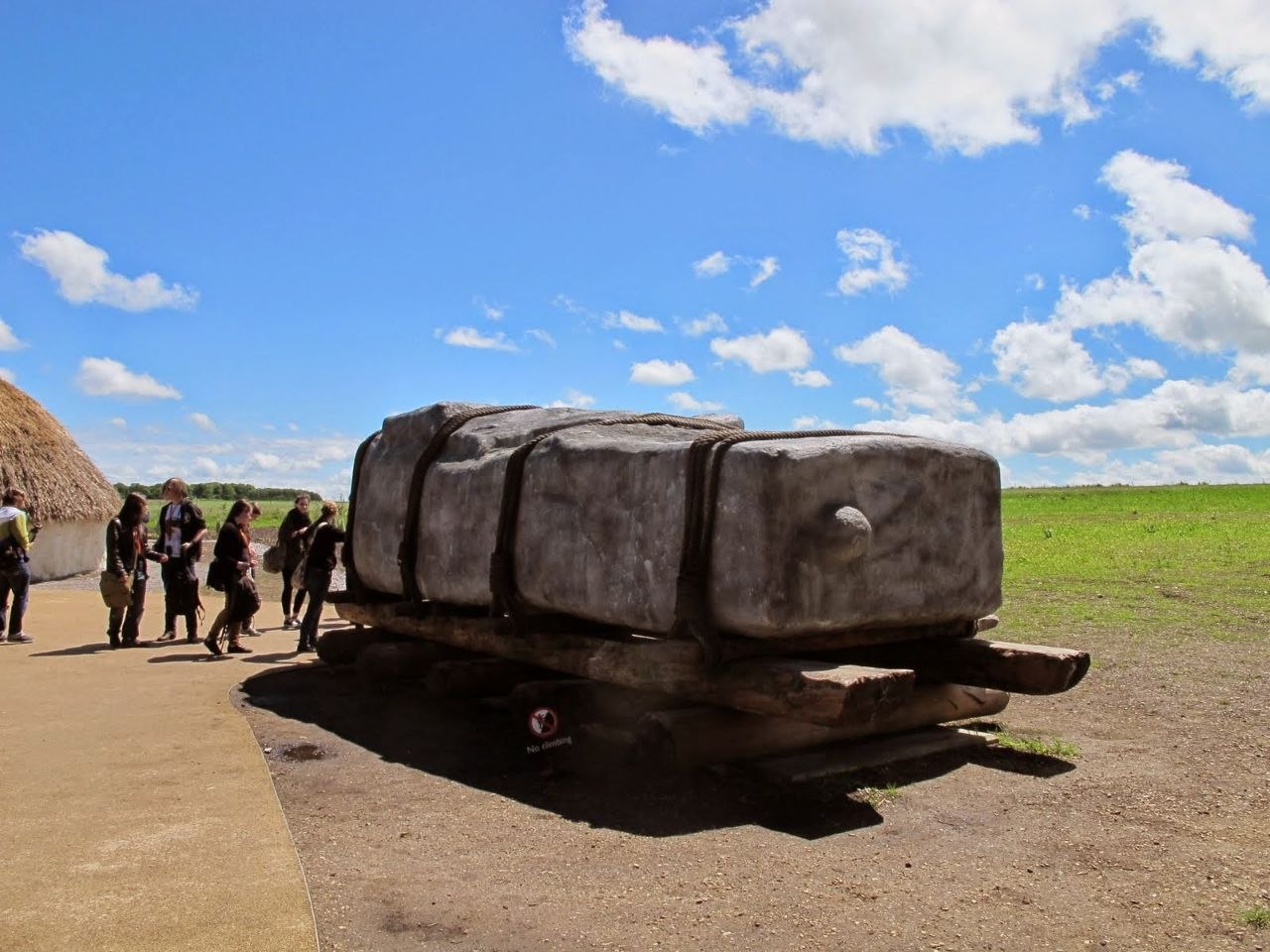
One of the most striking displays is a replica stone mounted on a wooden sledge, demonstrating theories about how the original builders may have moved the massive stones using timber, ropes, and teams of people. Interpretive displays and models explore different construction techniques, such as levering stones upright in prepared pits and using earth ramps to raise lintels into position, highlighting the planning, labour, and cooperation required.
Food and Facilities
Facilities are centred on the visitor centre, where tickets, information, toilets, and a shop are located. A café offers hot and cold drinks, light meals, and snacks, providing an opportunity to pause before or after visiting the stones. Seating areas allow visitors to rest and take in views of the surrounding countryside.
Accessible paths, shuttle transport between the visitor centre and the monument, and clearly signposted routes help visitors with different needs move around the site. Information panels and audio guides are available to give additional context for those who want to explore the archaeology and history in more depth.
Visiting Tips
Advance booking is recommended, especially during peak seasons and weekends, as visitor numbers are managed to protect the site and ensure a better experience. Arriving early or later in the day can provide quieter conditions and softer light for viewing and photographing the stones.
Weather on Salisbury Plain can change quickly, so visitors are advised to bring suitable clothing, including waterproofs and sturdy footwear. The approach to the stones is largely exposed, with limited shelter. Allow time to explore both the stone circle and the visitor centre exhibits, and consider visiting nearby sites such as Old Sarum to gain a fuller picture of the region’s long and varied history.
 Jumping Timezones
Leave a comment