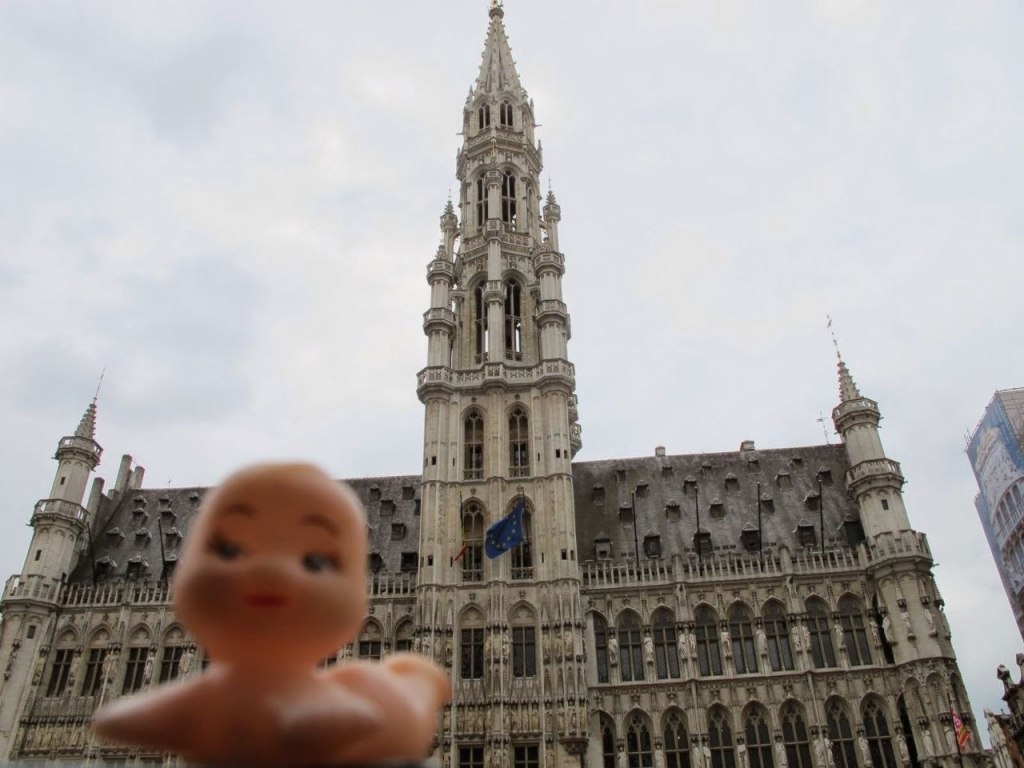
Brussels is the capital of Belgium and the de facto capital of the European Union, home to key institutions such as the European Commission and the European Council. Located in the heart of the country, the city combines a medieval core with 19th-century boulevards and modern administrative districts, reflecting its long history and contemporary political role.
The city is officially bilingual, with both French and Dutch recognized as official languages, and it attracts residents and visitors from across Europe and beyond. Its compact historic center, centered on the Grand-Place, is surrounded by distinct neighborhoods, each with its own architectural character, cultural venues, and cafés.
History and Architectural Identity
Brussels developed from a small settlement on the River Senne in the 10th century into a prosperous trading city and later the capital of an independent Belgium in 1830. Much of its medieval fabric was reshaped in the 19th century, when wide boulevards and monumental public buildings were added, including neoclassical squares and the Royal Quarter.
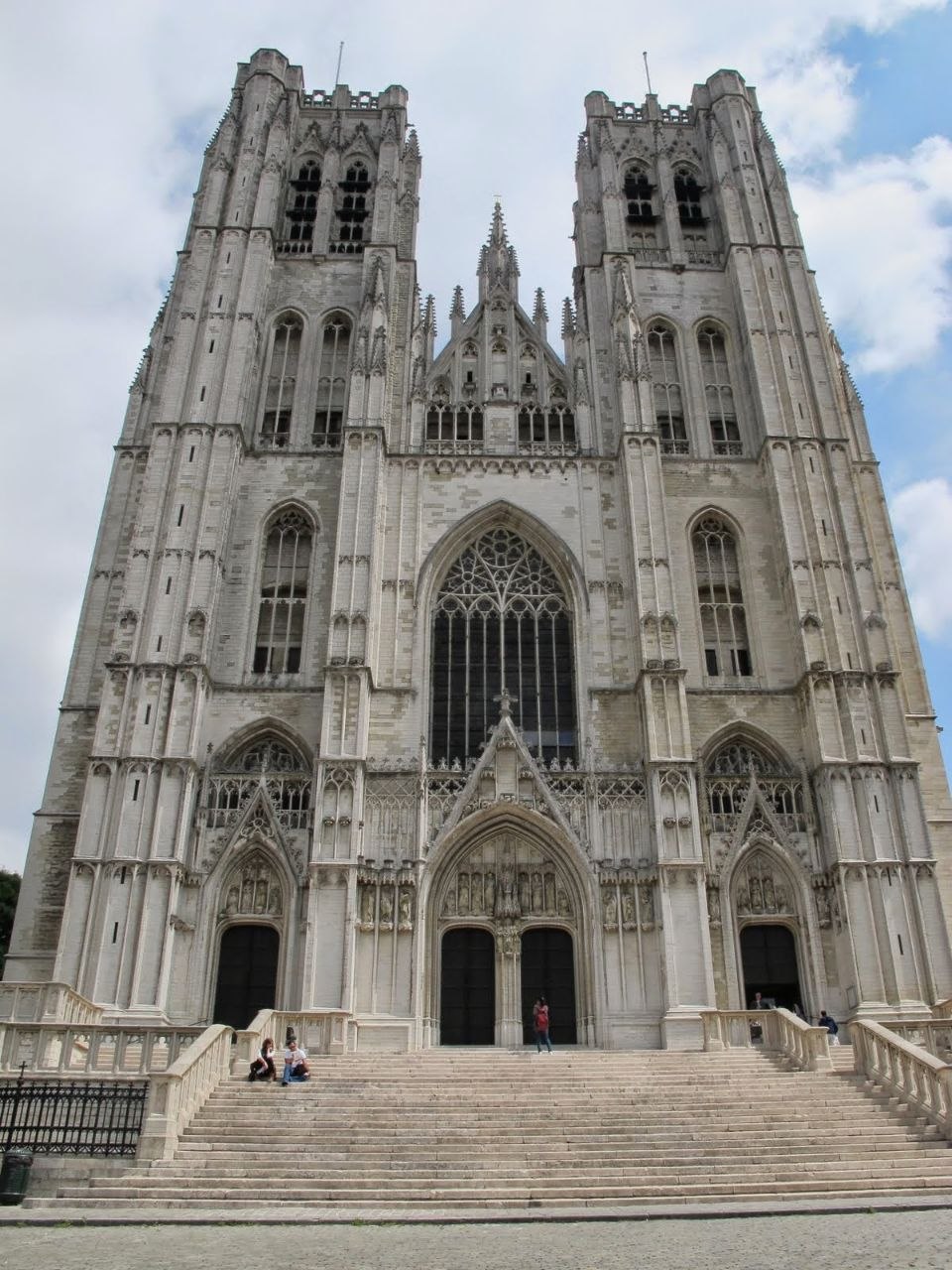
The city is known for its eclectic architecture, ranging from ornate guild houses and Gothic churches to Art Nouveau townhouses and post-war modernist structures. This mix is visible within a short walking distance, where medieval alleys open onto grand squares, and historic façades stand alongside contemporary glass-and-steel offices.
The Grand-Place and Guild Houses
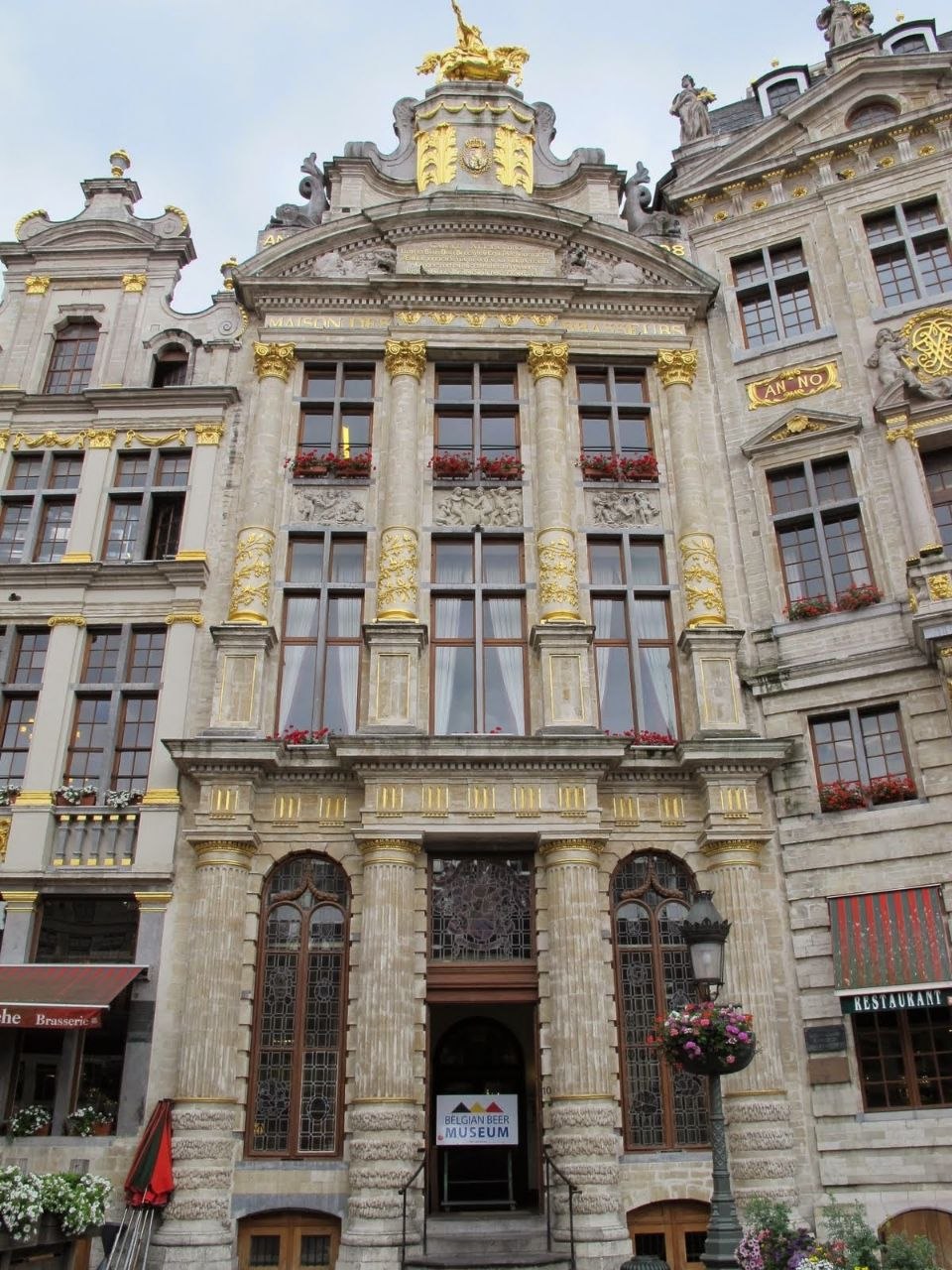
The Grand-Place is the central square of Brussels and a UNESCO World Heritage site, framed by richly decorated guild houses, the Town Hall, and the former Bread House (Maison du Roi). The square illustrates the city’s commercial and civic importance in the late 17th century, when many of the current façades were rebuilt in an ornate Baroque style after a major bombardment.
Each guild house reflects the trade or profession it represented, with sculpted emblems, gilded statues, and elaborate gables. Today, several of these buildings house cafés, restaurants, and museums, including the Belgian Brewers Museum, which highlights the role of brewing in the country’s cultural and economic history.
Royal Palace and Cultural Institutions
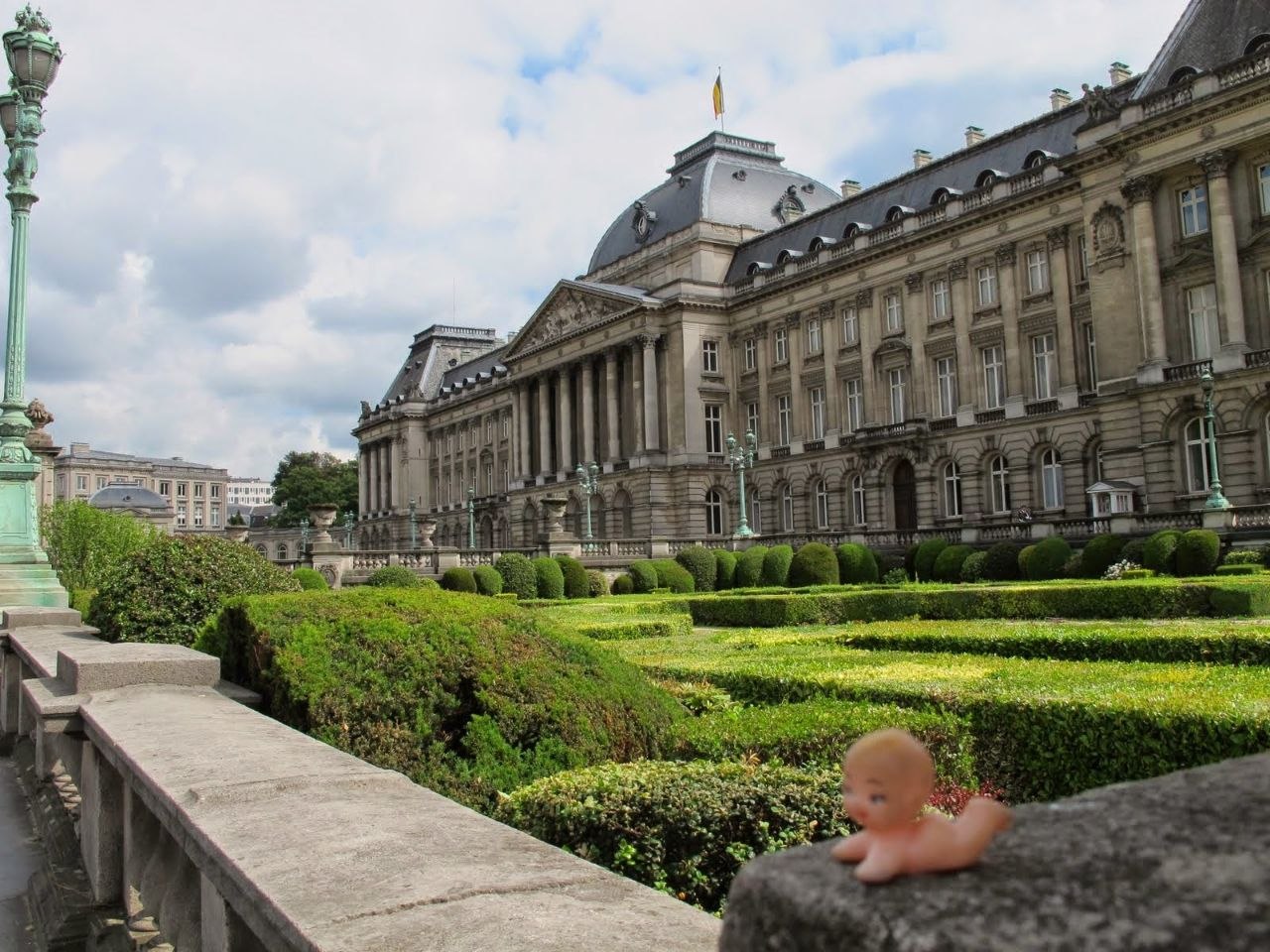
The Royal Palace of Brussels faces the Parc de Bruxelles and serves as the official palace of the Belgian monarchy for ceremonial functions. Although the royal family resides elsewhere, the palace remains a symbol of the constitutional monarchy and is occasionally open to the public during specific periods of the year.
Nearby, visitors find a concentration of cultural institutions, including the Royal Museums of Fine Arts of Belgium and the Magritte Museum, which showcase works from Flemish Old Masters to modern Belgian artists. This area links the historic upper town, associated with government and the aristocracy, to the lower town’s commercial streets and squares.
The Atomium and Modern Brussels
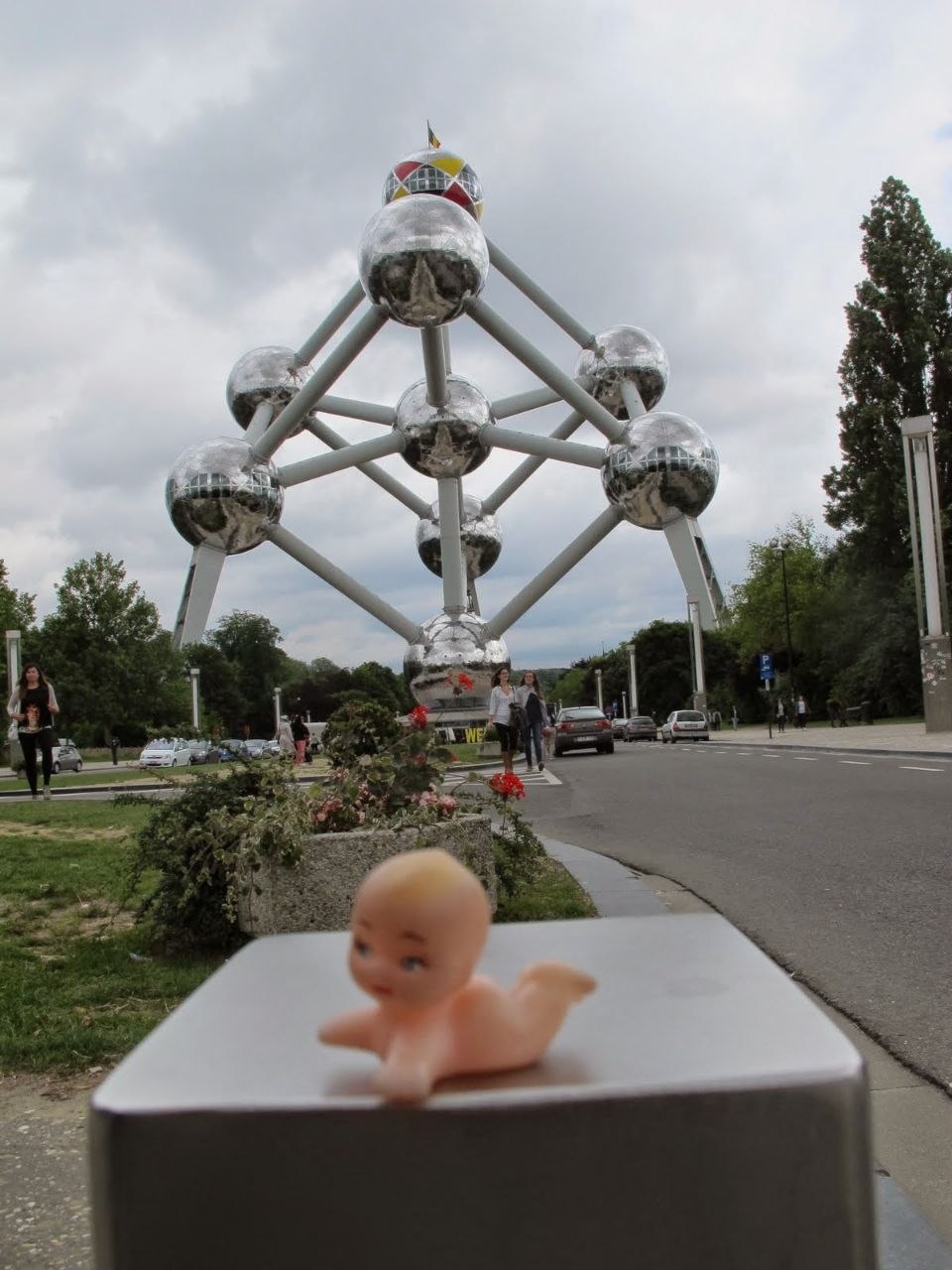
The Atomium, built for the 1958 Brussels World’s Fair, has become one of the city’s most recognizable landmarks. Designed to represent an iron crystal magnified 165 billion times, it consists of nine interconnected spheres that house exhibition spaces, panoramic viewpoints, and event venues.
Located in the Heysel Plateau area, the Atomium is surrounded by green spaces, exhibition halls, and leisure facilities, illustrating the post-war ambition to present Brussels as an international, forward-looking city. From its upper levels, it offers wide views over the capital and its surrounding municipalities.
Belgian Beer and Café Culture
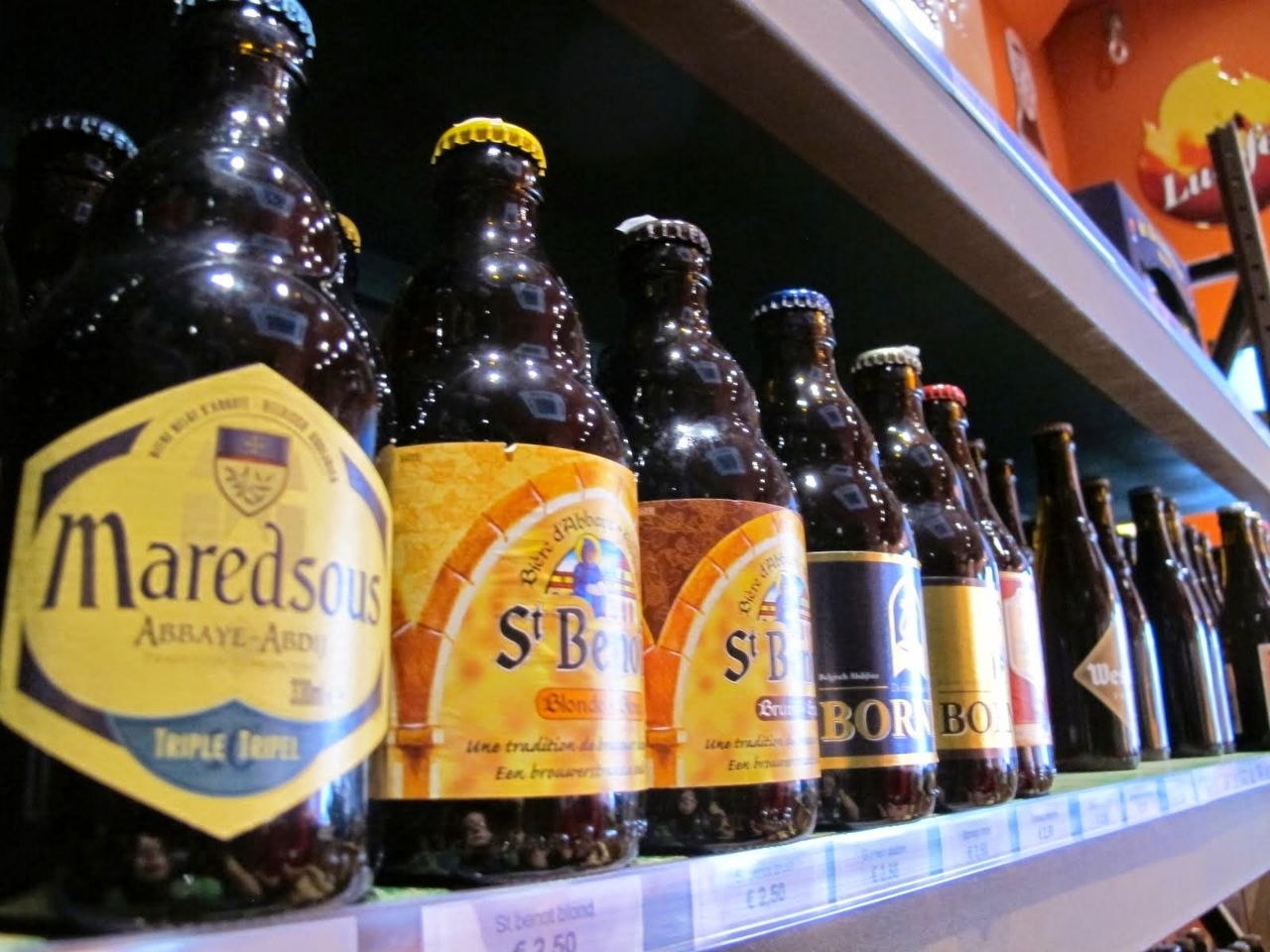
Brussels is a gateway to Belgium’s renowned beer culture, which includes Trappist ales, lambics, gueuze, and a wide variety of regional and seasonal styles. Many traditional cafés and specialty bars list an extensive range of local brews on chalkboards or menu displays, reflecting both historical brewing traditions and contemporary craft experimentation.
In and around the historic center, visitors encounter cafés housed in former guild houses, Art Nouveau interiors, and modern bars, each with its own atmosphere and selection. Tasting flights and curated menus often highlight the diversity of Belgian beer, from classic abbey ales to fruit-infused and barrel-aged varieties.
Visiting Tips
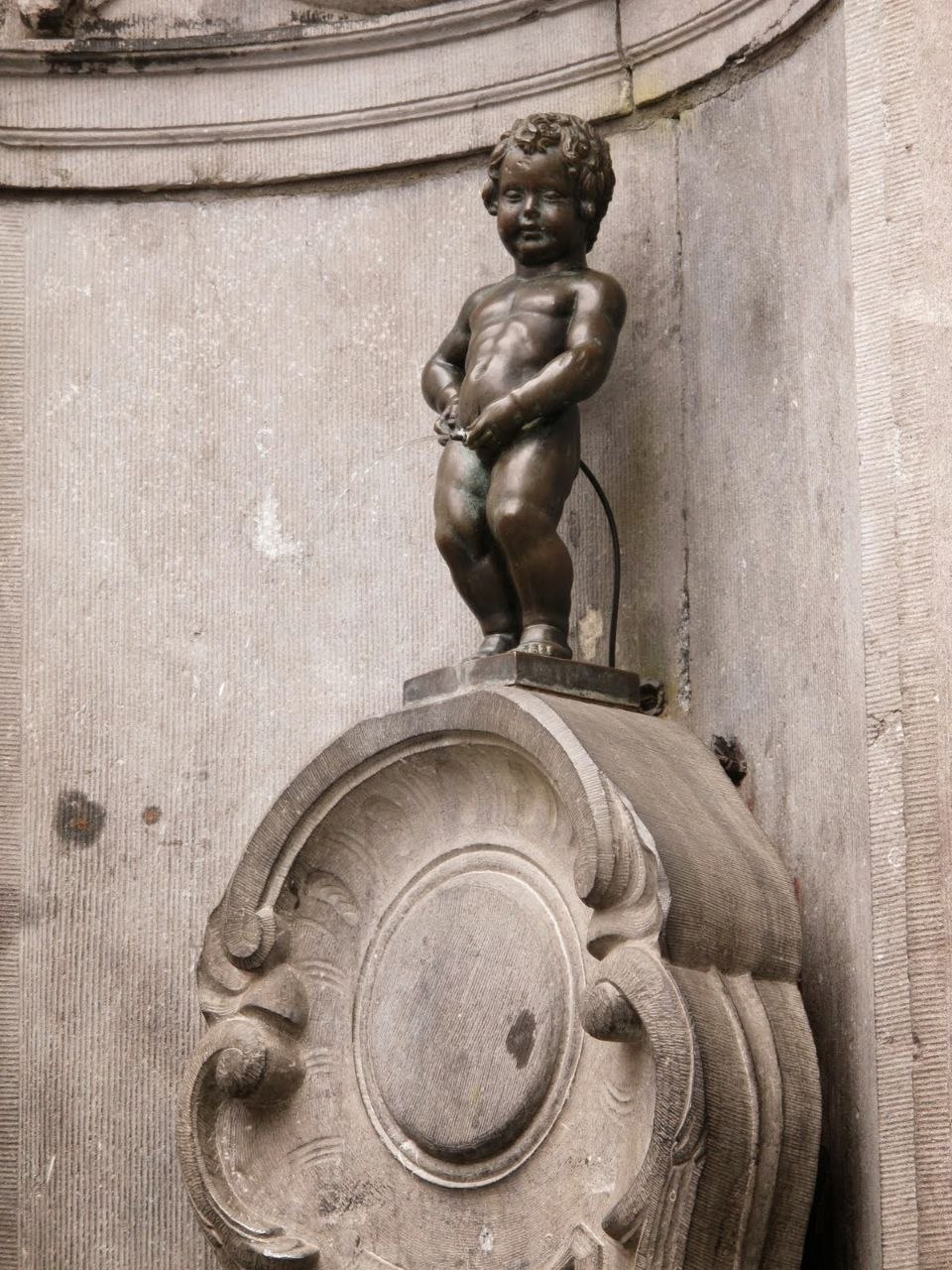
Brussels’ central attractions, including the Grand-Place, Manneken Pis, and the Royal Quarter, are within walking distance of each other, making the city center easy to explore on foot. Comfortable footwear is useful for navigating cobbled streets and slight inclines, particularly in the historic core.
Public transport, including metro, tram, and bus lines, connects the center with outlying sights such as the Atomium. Many museums and institutions close on Mondays or specific public holidays, so checking opening times in advance helps in planning. Weather can be changeable, with frequent rain showers, so carrying a light waterproof layer or compact umbrella is practical throughout much of the year.
 Jumping Timezones
Leave a comment