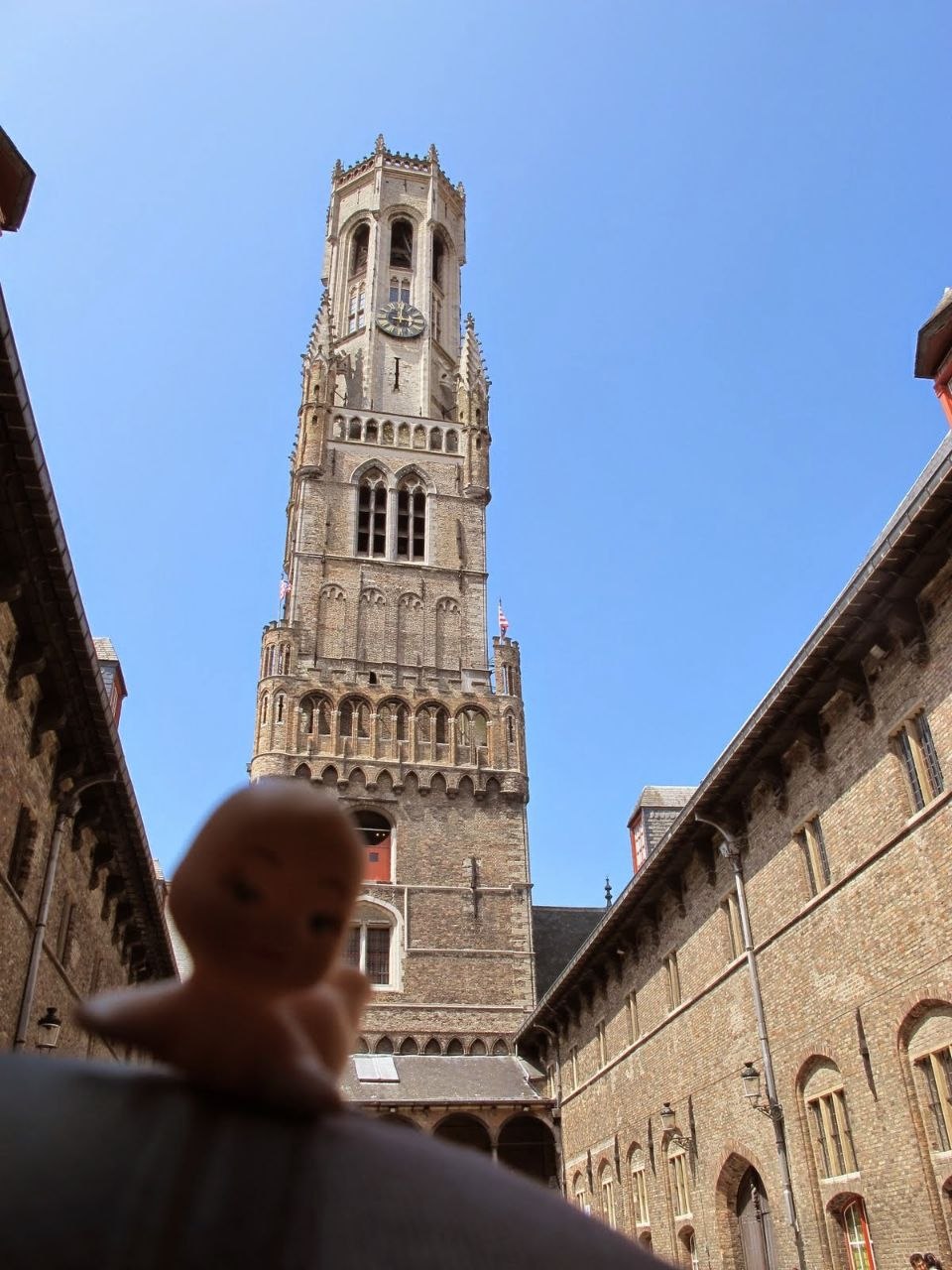
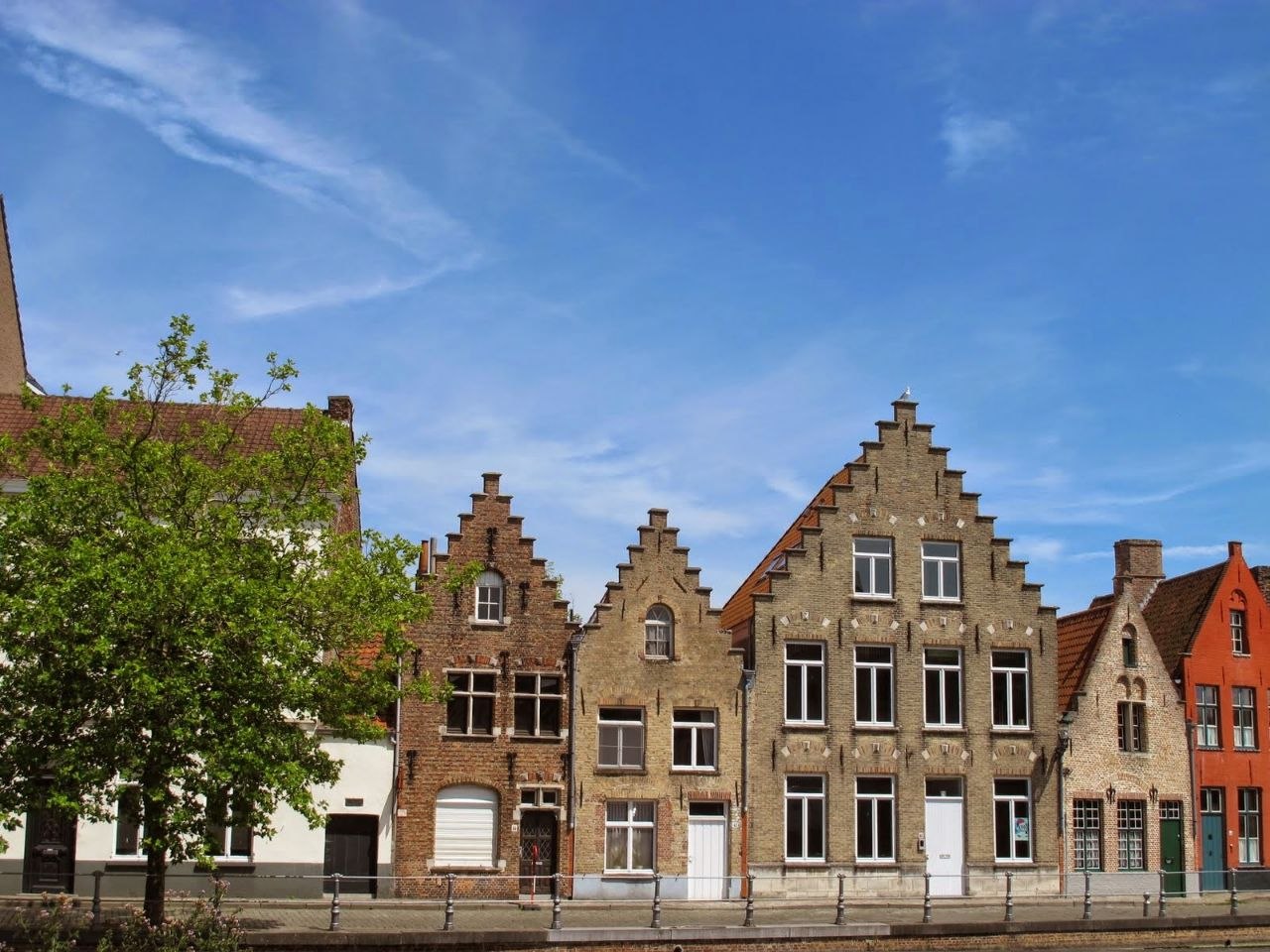
Bruges (Brugge in Dutch) is the capital of the West Flanders province in northwestern Belgium. Situated roughly 15 kilometers from the North Sea coast, the city is built around an intricate network of canals that earned it the nickname “the Venice of the North.” Its medieval center — a UNESCO World Heritage Site since 2000 — is one of the best-preserved in Europe, with cobblestone streets, Gothic church spires, and stepped-gable facades that have changed little since the 15th century.
History
Bruges rose to prominence in the 12th and 13th centuries as one of the most important trading cities in northern Europe. Its access to the North Sea via the Zwin inlet made it a commercial hub for the cloth trade, attracting merchants from across the continent. By the 14th century, Bruges was among the largest cities in Europe, rivaling London and Paris in wealth. The city hosted one of the earliest stock exchanges in the world — the Beurs, named after the Van der Beurse family whose house served as a gathering place for traders. Decline came gradually after the Zwin silted up in the late 15th century, diverting trade to Antwerp. This economic slowdown paradoxically preserved the city’s medieval character, as there was little impetus for demolition and reconstruction.
The Belfry
The Belfry of Bruges (Belfort) dominates the city skyline at 83 meters tall. Construction began in the 13th century, with the octagonal upper section added in the 15th century. The tower houses a carillon of 47 bells, which play automated melodies every quarter hour and are performed live by a municipal carillonneur. A climb of 366 steps leads to a panoramic platform overlooking the rooftops, canals, and surrounding Flemish countryside. The Belfry stands at the southern end of the Markt, the city’s central market square, which has served as the commercial heart of Bruges for centuries.
The Canals
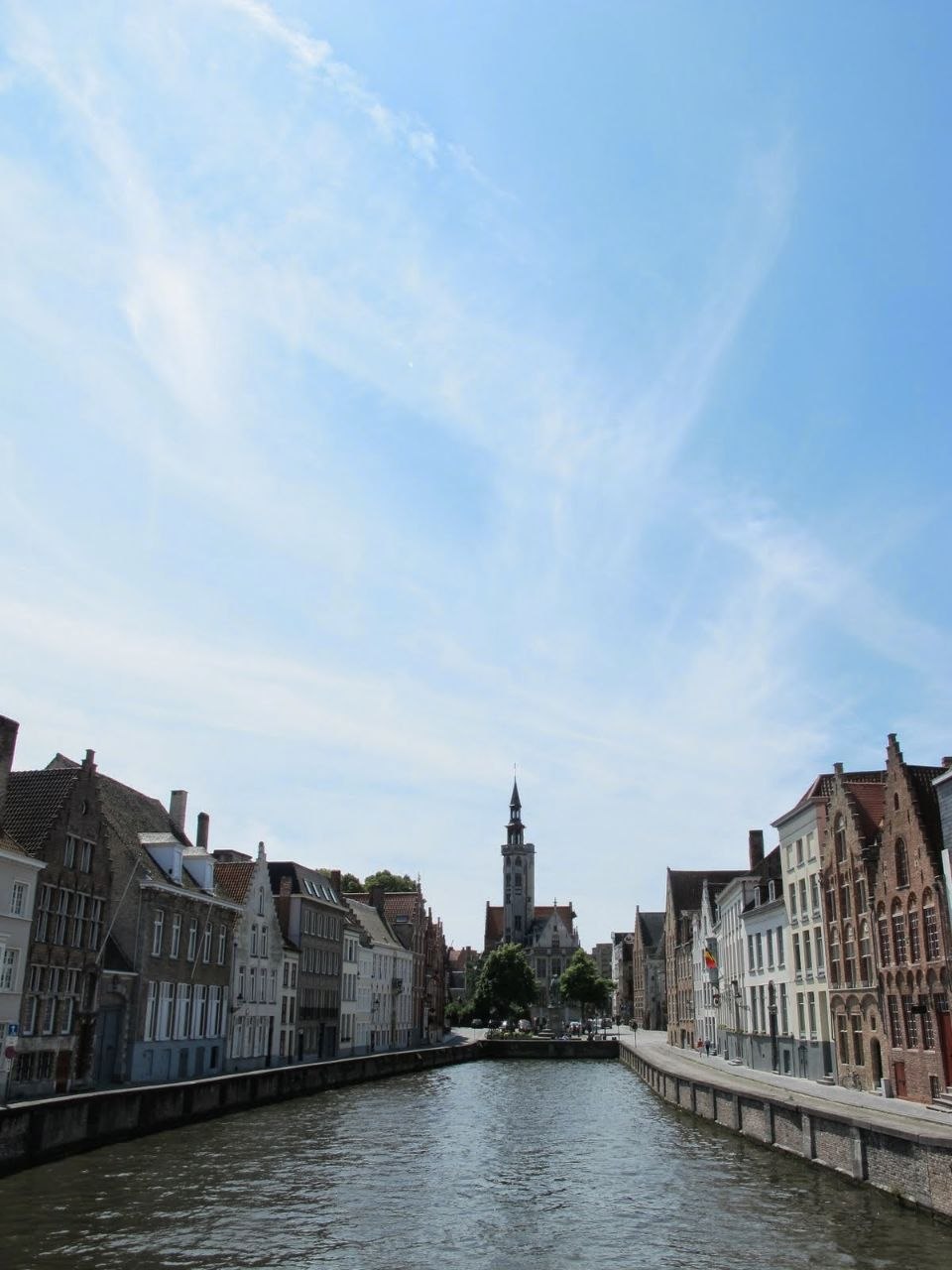
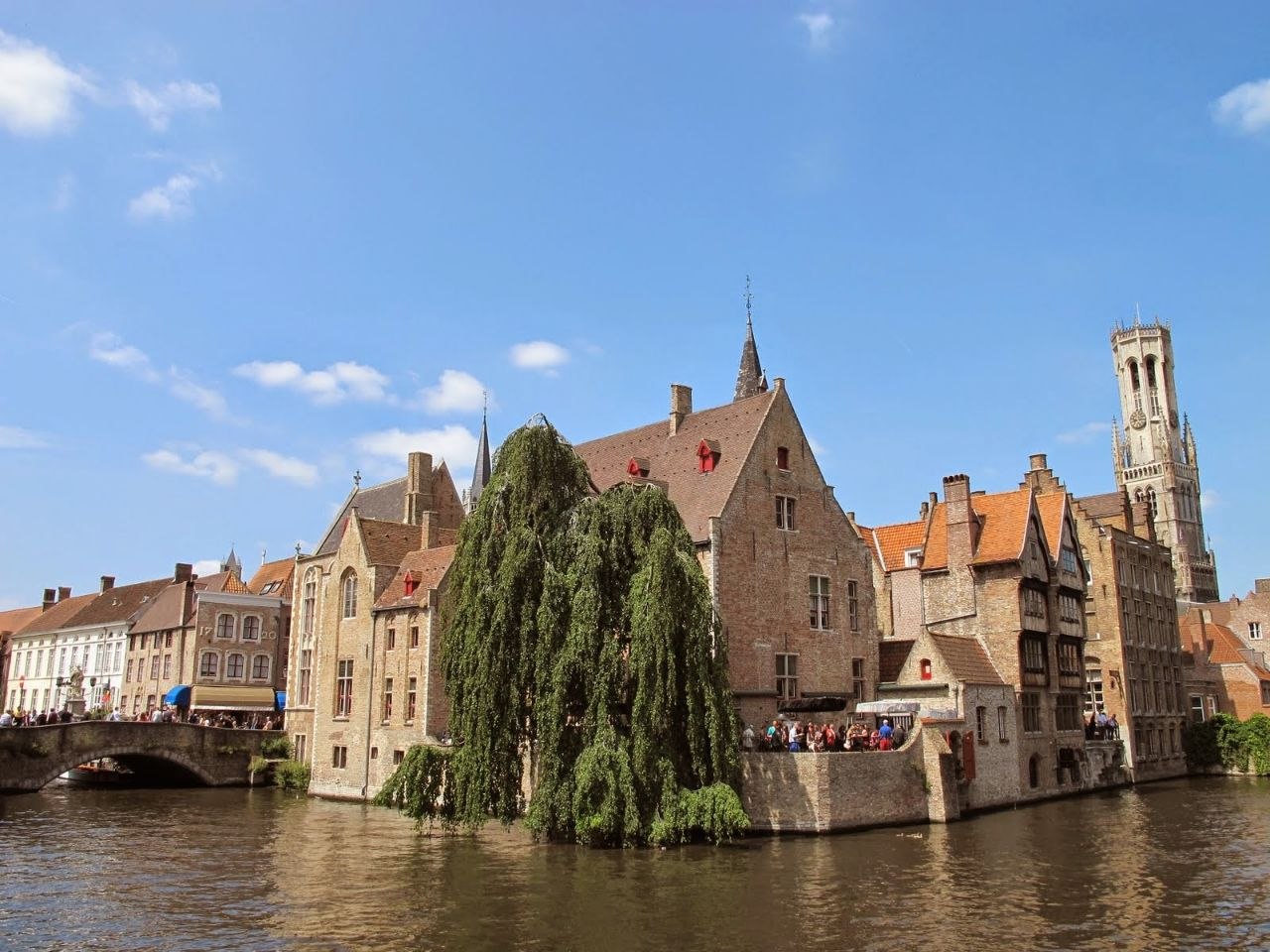
Bruges has approximately 80 kilometers of canals threading through the city center. The Dijver, Groenerei, and Rozenhoedkaai are among the most scenic stretches, lined with weeping willows, medieval bridges, and townhouses reflected in the water below. Boat tours depart from several jetties near the Burg square and offer a low vantage point that reframes the city’s architecture. The Rozenhoedkaai — Quay of the Rosary — is perhaps the most photographed spot in Bruges, offering a view of the canal converging with the Belfry in the background.
The Basilica of the Holy Blood
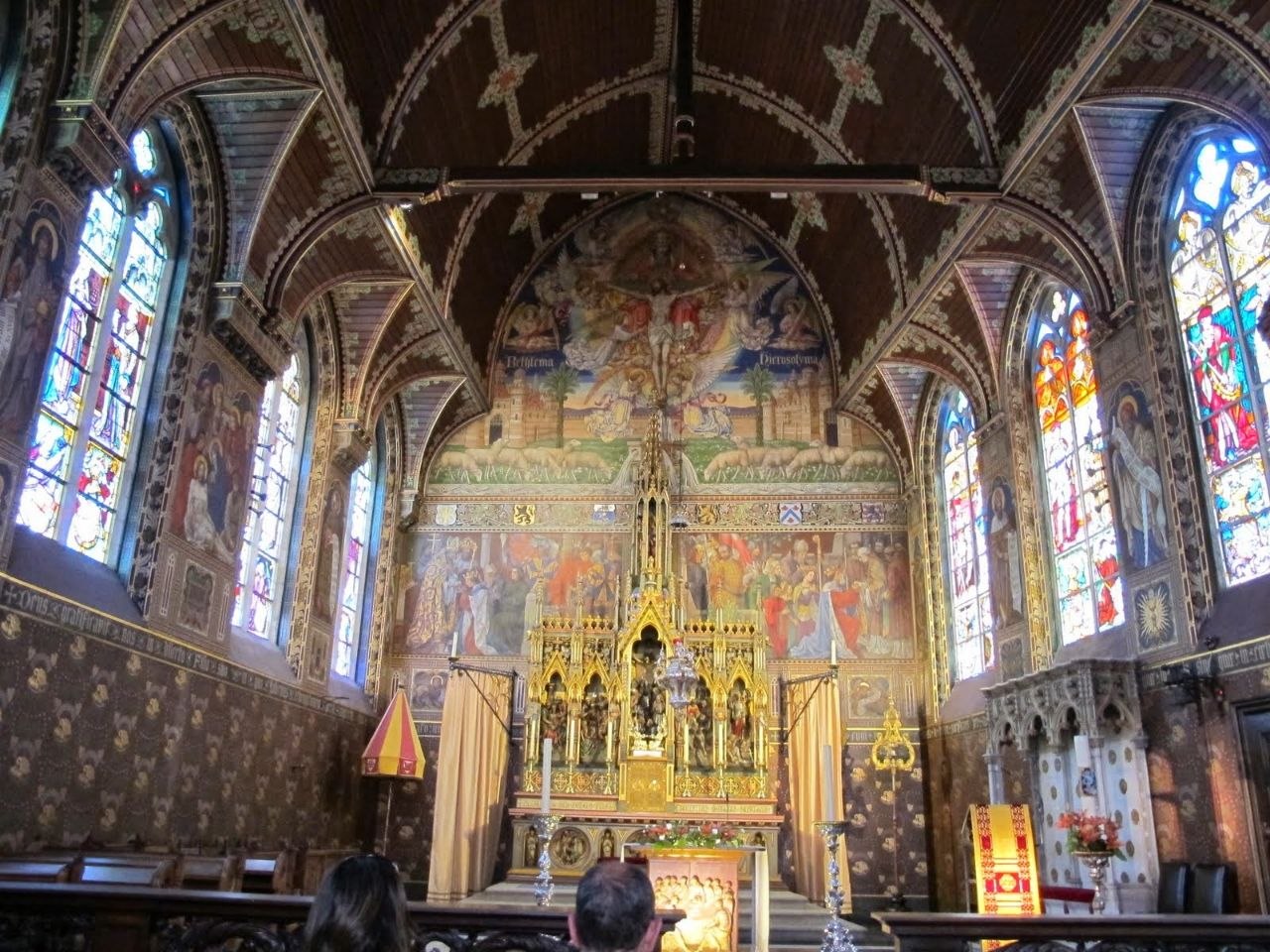
The Basilica of the Holy Blood (Heilig-Bloedbasiliek) stands on the Burg square and is one of the most venerated religious sites in Belgium. The lower Romanesque chapel, dedicated to Saint Basil, dates to the 12th century and is one of the best-preserved examples of Romanesque architecture in the Low Countries. Above it, the upper Gothic chapel houses the relic of the Holy Blood — a cloth said to bear a drop of Christ’s blood, brought to Bruges from Jerusalem after the Second Crusade in 1150. The interior features richly painted vaulted ceilings, gilded altarpieces, and stained glass. The relic is venerated publicly every Friday and is paraded through the city annually during the Procession of the Holy Blood, a UNESCO-listed tradition.
Jan van Eyck and the Arts
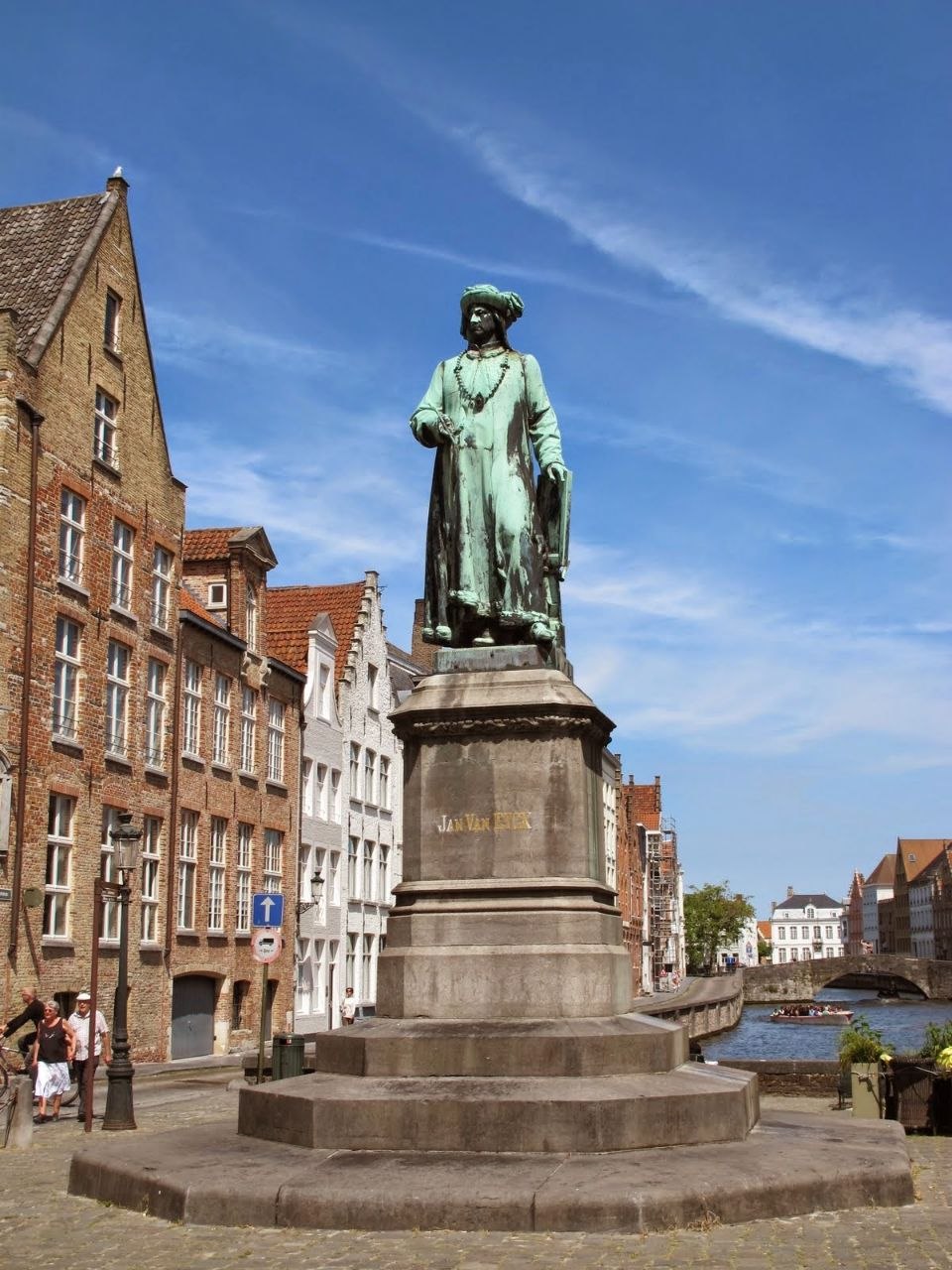
Bruges was a center of Flemish Primitive painting in the 15th century. Jan van Eyck, one of the most influential painters in Western art history, lived and worked in Bruges from around 1430 until his death in 1441. A bronze statue of van Eyck stands in the Jan van Eyckplein, the square that served as the commercial heart of the city during its medieval peak and where the original exchange building once stood. The Groeninge Museum holds an important collection of Flemish and Belgian paintings, including works by van Eyck, Hans Memling, and Gerard David.
Visiting Tips
Bruges is easily reached from Brussels by train in under an hour. The historic center is compact and best explored on foot or by bicycle. Horse-drawn carriages operate from the Markt for those seeking a slower pace. Peak tourist season runs from June through August; spring and autumn offer milder crowds while retaining most of the charm. Many museums are closed on Mondays. The city is also known for its Belgian chocolate shops and breweries — the Halve Maan (Half Moon) brewery in the city center offers tours and still produces its Bruges Zot beer on-site.
 Jumping Timezones
Leave a comment