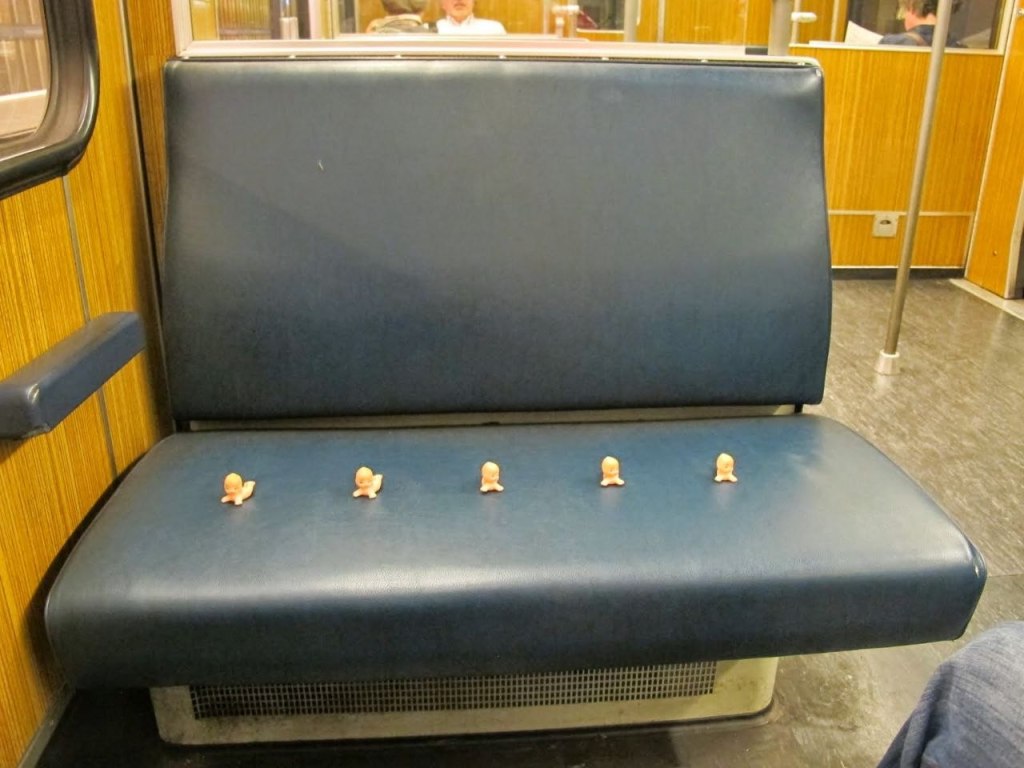
Munich (München) is the capital and largest city of the Free State of Bavaria in southeastern Germany, situated on the Isar River at the northern edge of the Bavarian Alps. Founded in 1158 by Henry the Lion, Duke of Saxony, it became the seat of the Wittelsbach dynasty in 1255 and remained under their rule — first as dukes, then as electors, and finally as kings — for nearly seven centuries until the abolition of the German monarchy in 1918. Today Munich is the third-largest city in Germany and one of Europe’s most prosperous, internationally recognized for its art museums, royal architecture, beer culture, and proximity to the Alpine countryside. It was the birthplace of the Nazi movement in the 1920s and suffered significant destruction during the Second World War, but was meticulously rebuilt in the postwar decades and now draws millions of visitors annually.
Marienplatz & the Neues Rathaus
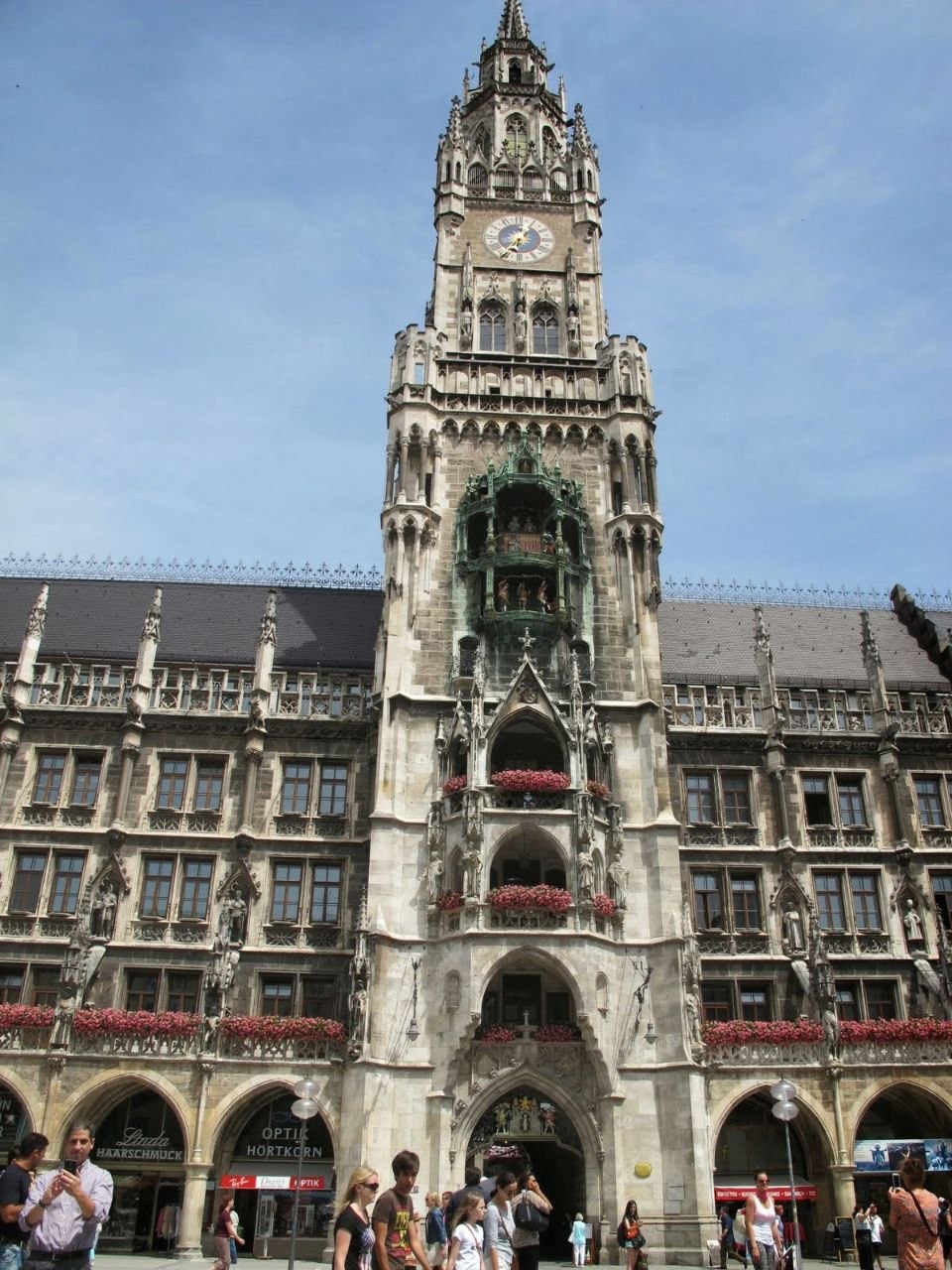
Marienplatz has served as the central square of Munich since the city’s founding in the 12th century, functioning for centuries as its main marketplace. The square takes its name from the Mariensäule — a Marian column erected in 1638 to commemorate the city’s survival of Swedish occupation and the plague during the Thirty Years’ War. Flanking the square are the Altes Rathaus (Old Town Hall) and the far more imposing Neues Rathaus (New Town Hall), the latter built in the Gothic Revival style between 1867 and 1909 to designs by architect Georg von Hauberrisser. The Neues Rathaus stretches across the entire northern edge of the square in an elaborately ornamented facade of dark Kelheim limestone, its tower rising 85 meters above the square.
Set into the tower is the Rathaus-Glockenspiel, a large carillon and mechanical spectacle added in 1908. It contains 43 bells and 32 life-sized gilded figures that enact two historical scenes: the upper tier depicts the tournament held at Marienplatz in 1568 to celebrate the wedding of Duke Wilhelm V, while the lower tier portrays the Schäfflertanz — a dance traditionally performed by coopers to lift the spirits of Munich’s citizens during a plague in the 16th century. The Glockenspiel performs daily at 11am and noon (and at 5pm in summer), drawing crowds to the square from across the city.
Munich Residenz
The Munich Residenz is the former royal palace of the Wittelsbach monarchs and the largest urban palace in Germany. Begun in the 14th century as a moated castle on the northeastern edge of the medieval city, it was expanded continuously over the following six centuries into a sprawling complex of ten courtyards, 130 rooms, and multiple outbuildings — reflecting the ambitions and tastes of successive rulers across the Renaissance, Baroque, Rococo, and Neoclassical periods. The palace served as the official residence and seat of government of the Bavarian rulers until 1918, and today operates as the Residenzmuseum, one of the most significant palace museums in Europe.
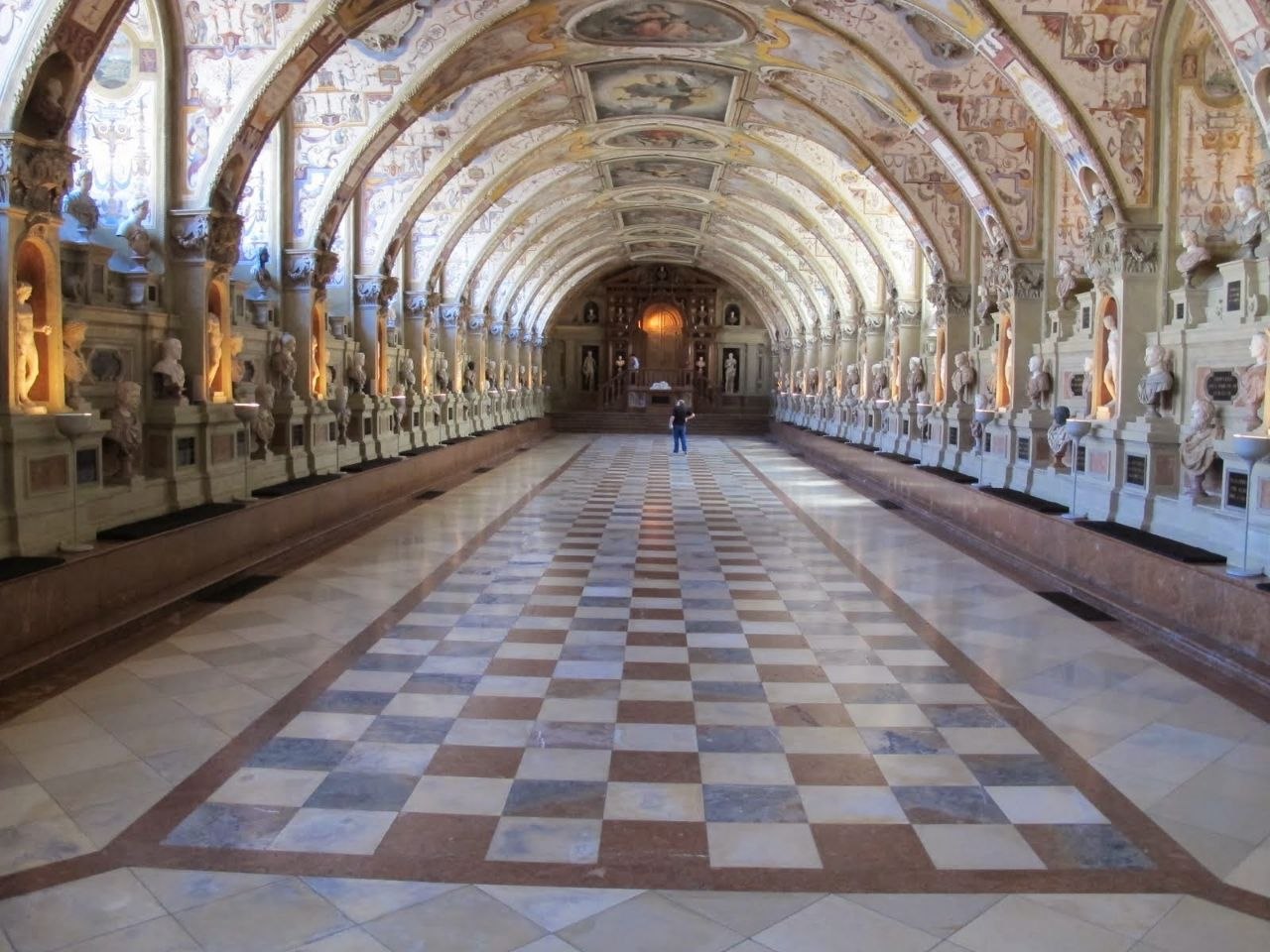
The oldest surviving room in the Residenz is the Antiquarium — a vaulted hall built between 1568 and 1571 under Duke Albrecht V to house his collection of classical antiquities. At 69 meters in length, it is the largest secular Renaissance hall north of the Alps. Originally designed as a pure museum space to display Greek and Roman busts and statues, it was later converted into a banquet hall under Duke Wilhelm V, and its barrel-vaulted ceiling was decorated with allegorical frescoes and views of Bavarian towns by a team of painters in the 1580s. The hall sustained damage during World War II bombing but has been meticulously restored.
Alte Pinakothek
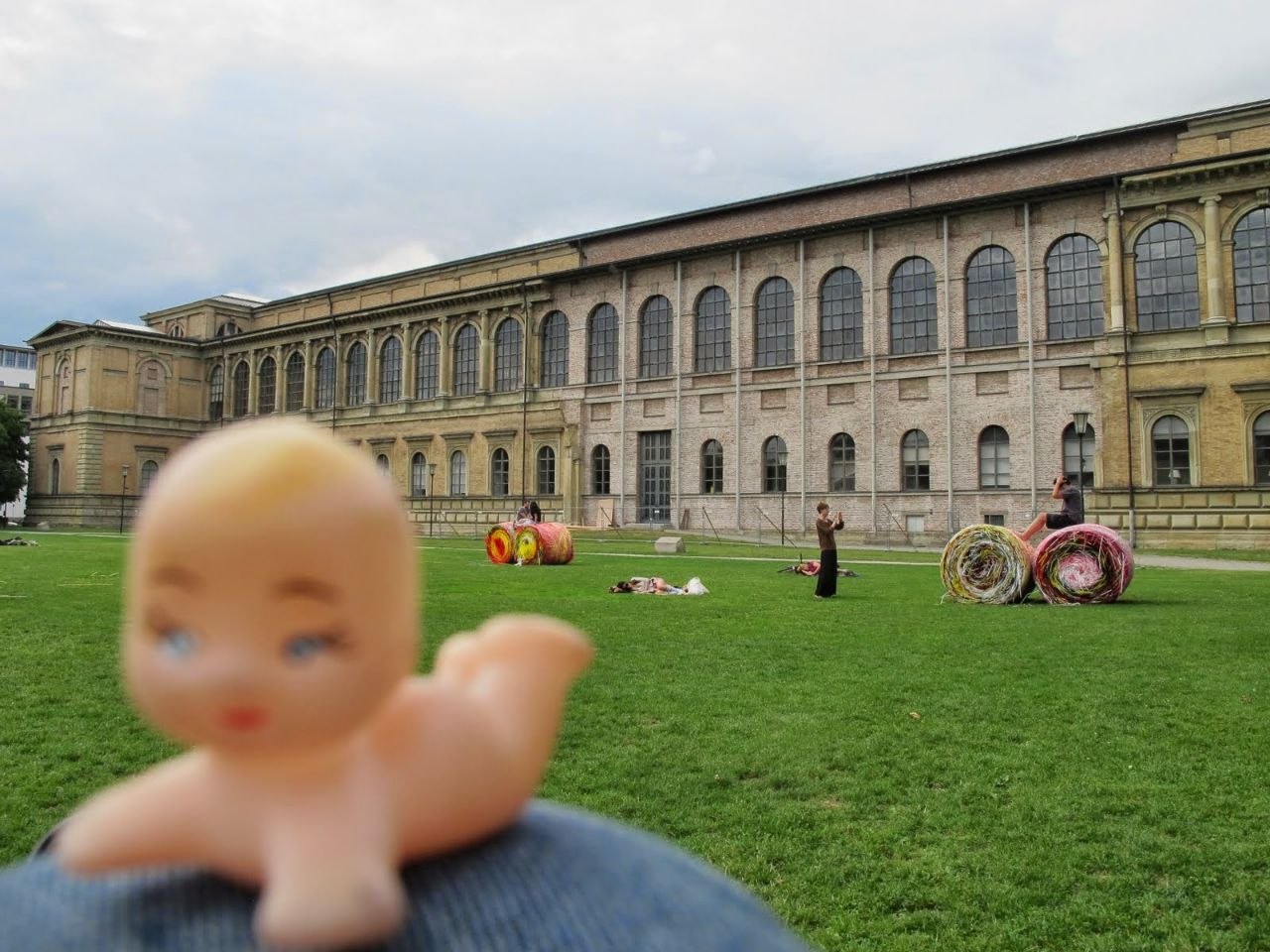
The Alte Pinakothek is one of the oldest and most important art museums in the world, housing one of the finest collections of Old Master paintings assembled anywhere in Europe. The collection has its origins in the art acquisitions of the Wittelsbach dukes, who began collecting paintings systematically in the 16th century. The museum building was commissioned by King Ludwig I of Bavaria and designed by architect Leo von Klenze in the style of a Venetian Renaissance palace; it opened in 1836 and was among the first purpose-built public art museums in the world.
The collection spans European painting from the 14th through 18th centuries and includes exceptional holdings in German, Flemish, Dutch, Italian, French, and Spanish masters. Among its most celebrated works are Albrecht Dürer’s Self-Portrait (1500) — one of the most famous self-portraits in the history of Western art — Rubens’ monumental The Last Judgment, Raphael’s Holy Family from the House of Canigiani, and a large group of paintings by Roger van der Weyden. The building was severely damaged during World War II and reconstructed in a deliberately simplified form, with the surviving frescoes and decorative elements carefully preserved.
Hofbräuhaus
The Hofbräuhaus am Platzl is the most famous beer hall in the world and one of Munich’s most enduring institutions. It was founded on 27 September 1589 by Duke Wilhelm V of Bavaria, who established a court brewery (Hofbräuhaus means “royal brew house”) to supply the Wittelsbach court with brown ale — at a time when importing beer from Hanover had become prohibitively expensive. The brewery moved to its current location near Marienplatz in 1607. In 1828, King Ludwig I opened the Hofbräuhaus to the public, transforming it from a royal supplier into a public beer hall. The current building dates from 1897.
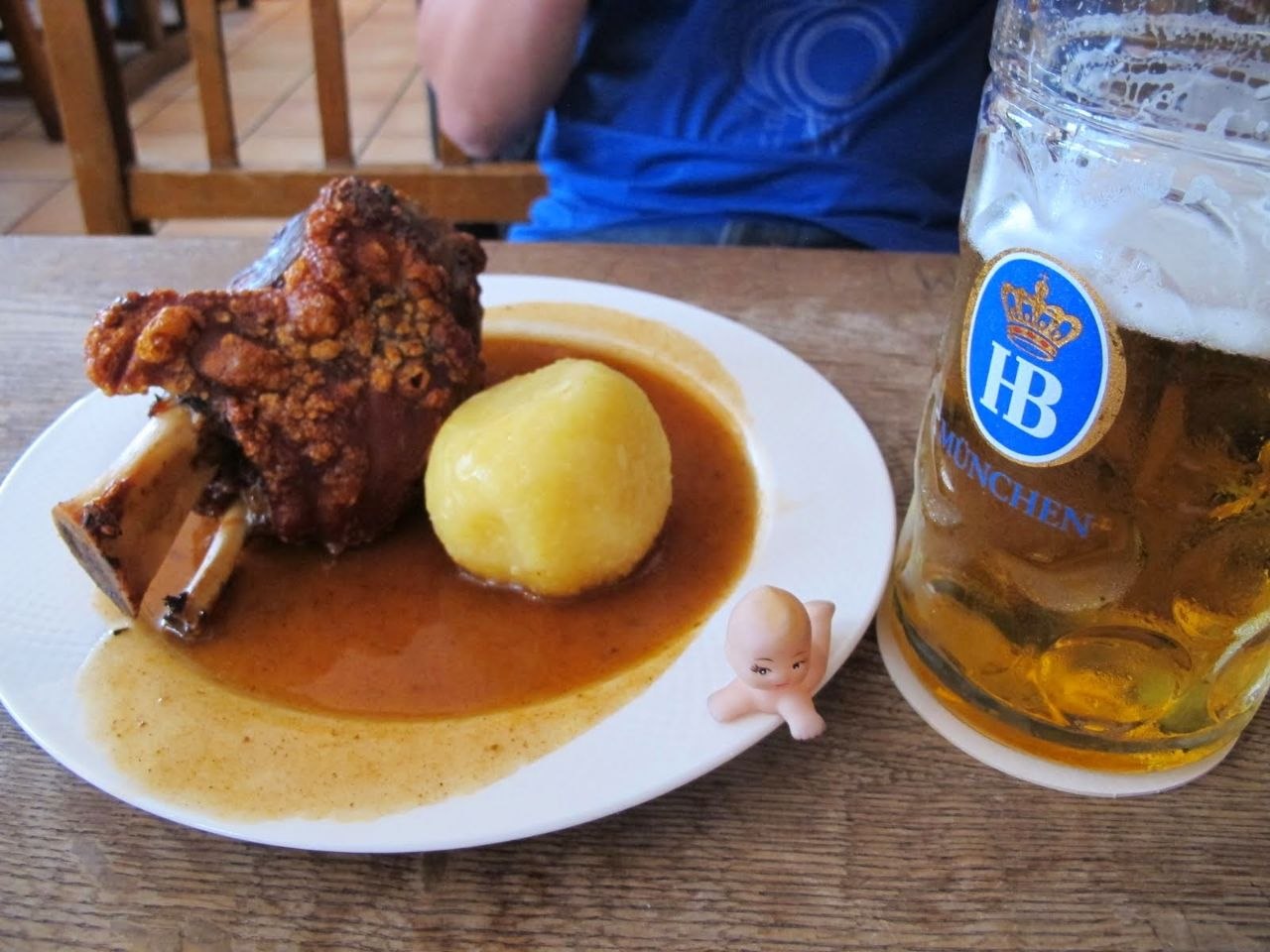
The Hofbräuhaus is now owned by the Free State of Bavaria and can seat approximately 3,500 guests across its ground-floor Schwemme hall, upper-floor banquet rooms, and beer garden. It is served exclusively by Hofbräu München beer — most notably the HB Original lager and the seasonal Maibock and Oktoberfest brews. The traditional food menu centers on Bavarian specialties including Schweinshaxe (roasted pork knuckle), Obatzda (Bavarian cheese spread), and pretzels. The hall has been the site of numerous historically significant events, including an early Nazi Party mass meeting in 1920.
Bavarian Food
Bavarian cuisine is among the most distinctive regional food traditions in Germany, shaped by the agricultural landscape of southern Bavaria, its Alpine neighbors Austria and Switzerland, and centuries of court culture in Munich. The most iconic dishes include Weißwurst — white veal sausages traditionally eaten before noon, accompanied by sweet mustard and a Weißbier (wheat beer); Schweinshaxe — a slow-roasted pork knuckle with crackling skin; and Obatzda, a seasoned cheese spread made from aged Camembert mixed with butter, onions, and paprika. Pretzels (Brezn) are ubiquitous and are served as both a snack and an accompaniment to beer.
Beer is central to Munich’s food culture. The city is home to six major breweries — Augustiner, Hofbräu, Hacker-Pschorr, Paulaner, Spaten, and Löwenbräu — all of which are exclusively permitted to serve at Oktoberfest, the world’s largest beer festival held annually on the Theresienwiese grounds each autumn. Munich’s beer gardens, of which there are over a thousand in the greater city, are a cherished civic institution; Bavarian law mandates that patrons are permitted to bring their own food to beer gardens as long as they purchase their drinks on-site.
Visiting Tips
Munich is served by Munich Airport (MUC), one of the busiest airports in Europe, with an efficient S-Bahn rail link to the city center taking approximately 40 minutes. The city has an extensive and reliable public transport network of U-Bahn, S-Bahn, trams, and buses; a day pass covers all zones and is the most economical option for visitors. The Residenzmuseum, Alte Pinakothek, and other state museums are free on Sundays for a nominal fee. The Neues Rathaus tower can be reached by elevator for views over Marienplatz. Visitors to the Hofbräuhaus should note that seating in the main Schwemme hall is communal and unreserved. If visiting during Oktoberfest (mid-September to the first Sunday in October), book accommodation many months in advance.
 Jumping Timezones
Leave a comment