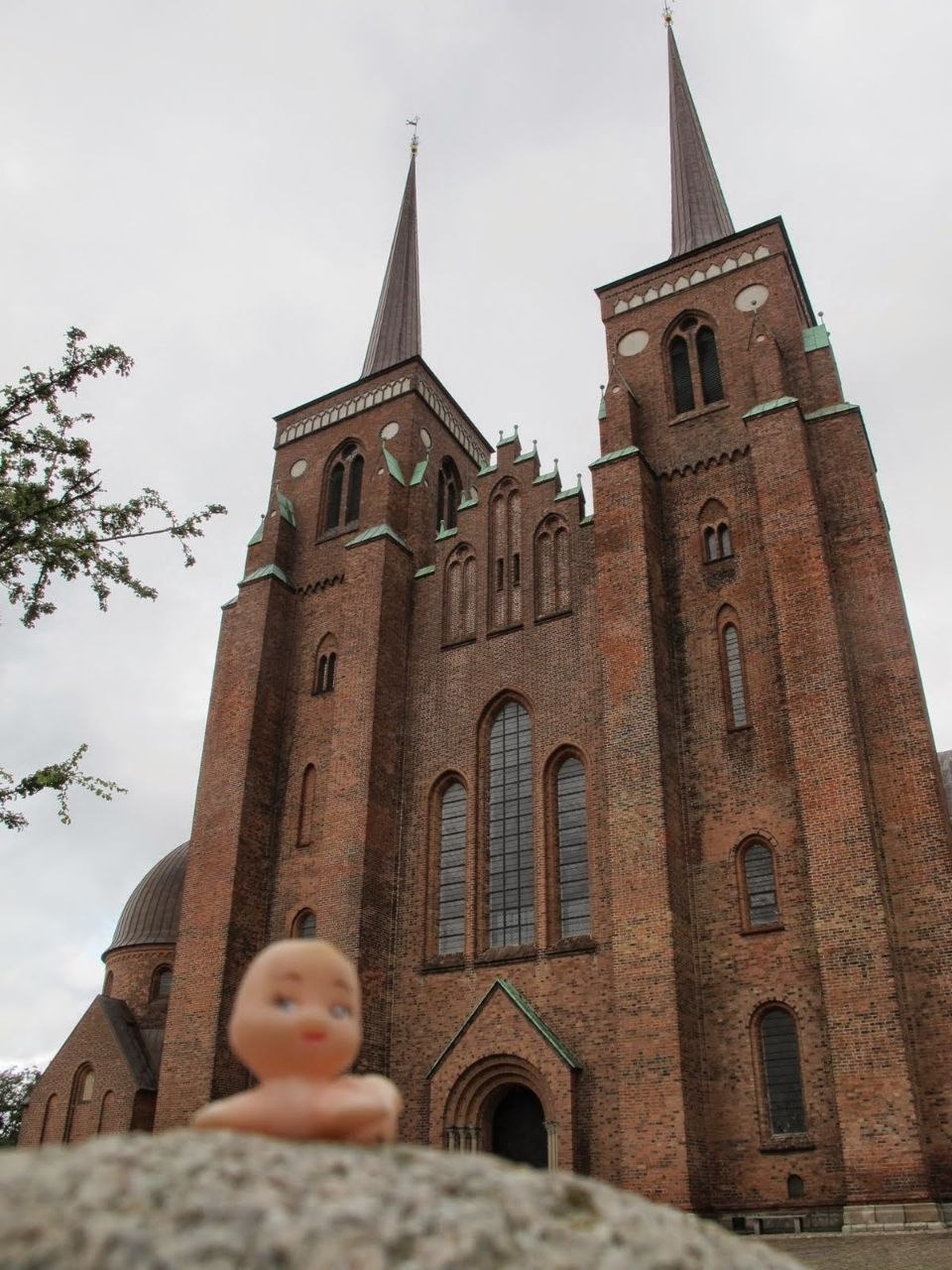
Roskilde is a city on the island of Zealand in eastern Denmark, situated at the southern end of Roskilde Fjord approximately 30 kilometers west of Copenhagen. It served as the capital of Denmark during the Viking Age and through much of the medieval period, functioning as the seat of Danish royal and ecclesiastical power from the 10th century onward. Though eventually superseded by Copenhagen as the national capital, Roskilde retained its importance as a religious center and royal burial site, a role it maintains to this day. The city is home to two UNESCO World Heritage-listed sites: Roskilde Cathedral and the Viking Ship Museum.
Roskilde Cathedral
Roskilde Cathedral (Roskilde Domkirke) dominates the city skyline with its twin red-brick towers and has stood as the spiritual center of Danish royal life for nearly a millennium. The first cathedral on this site was a wooden structure built by Harald Bluetooth in the 970s — the Viking king who unified Denmark and introduced Christianity to the country. The current Gothic cathedral was begun around 1170 under Bishop Absalon and built primarily in the late Romanesque and early Gothic styles, with construction continuing into the 14th century. It was inscribed as a UNESCO World Heritage Site in 1995, recognized as an outstanding example of a building that illustrates the significant interchange of human values across northern Europe and as the prototype for Brick Gothic architecture — a style that spread across the Baltic region.
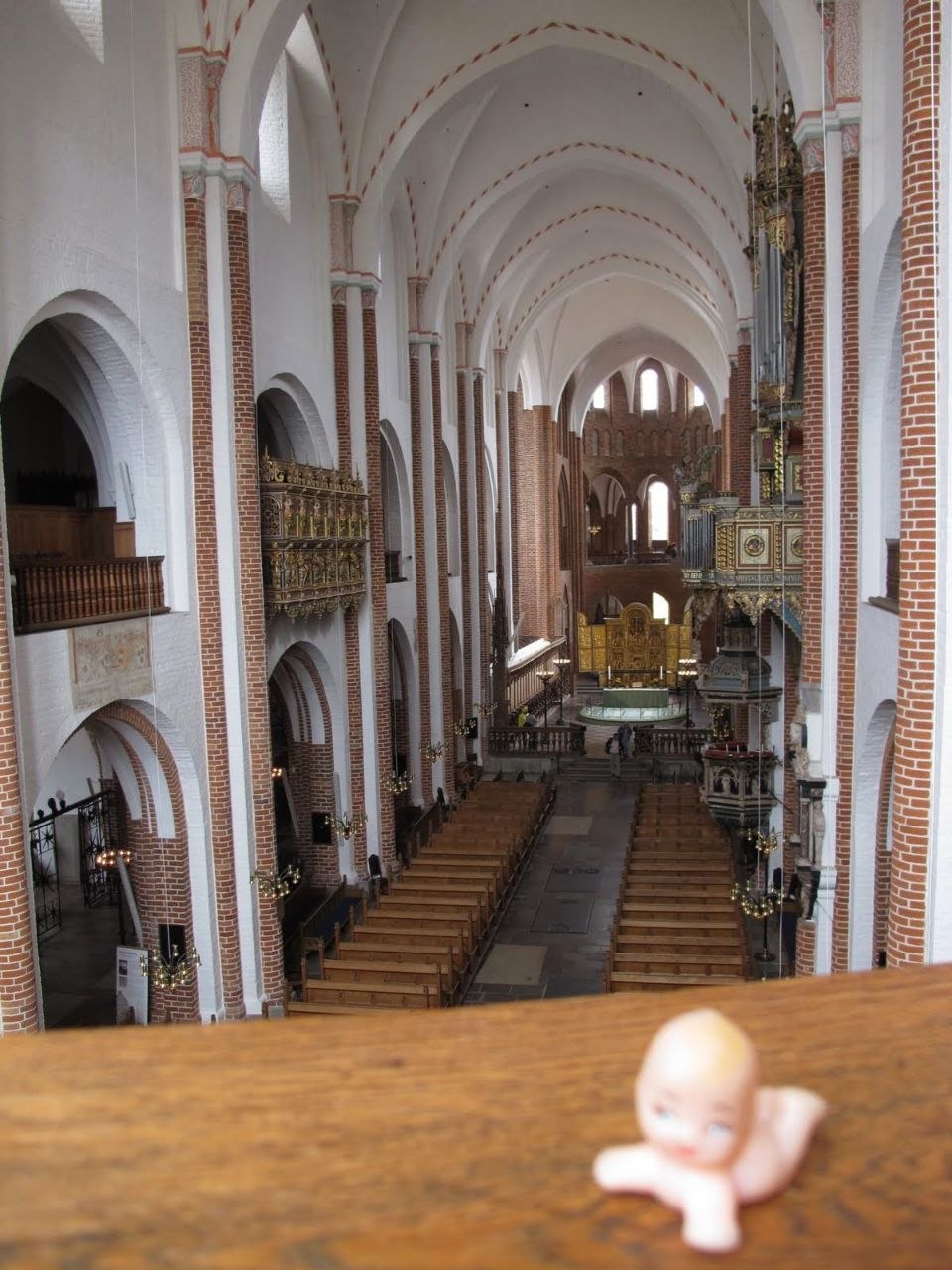
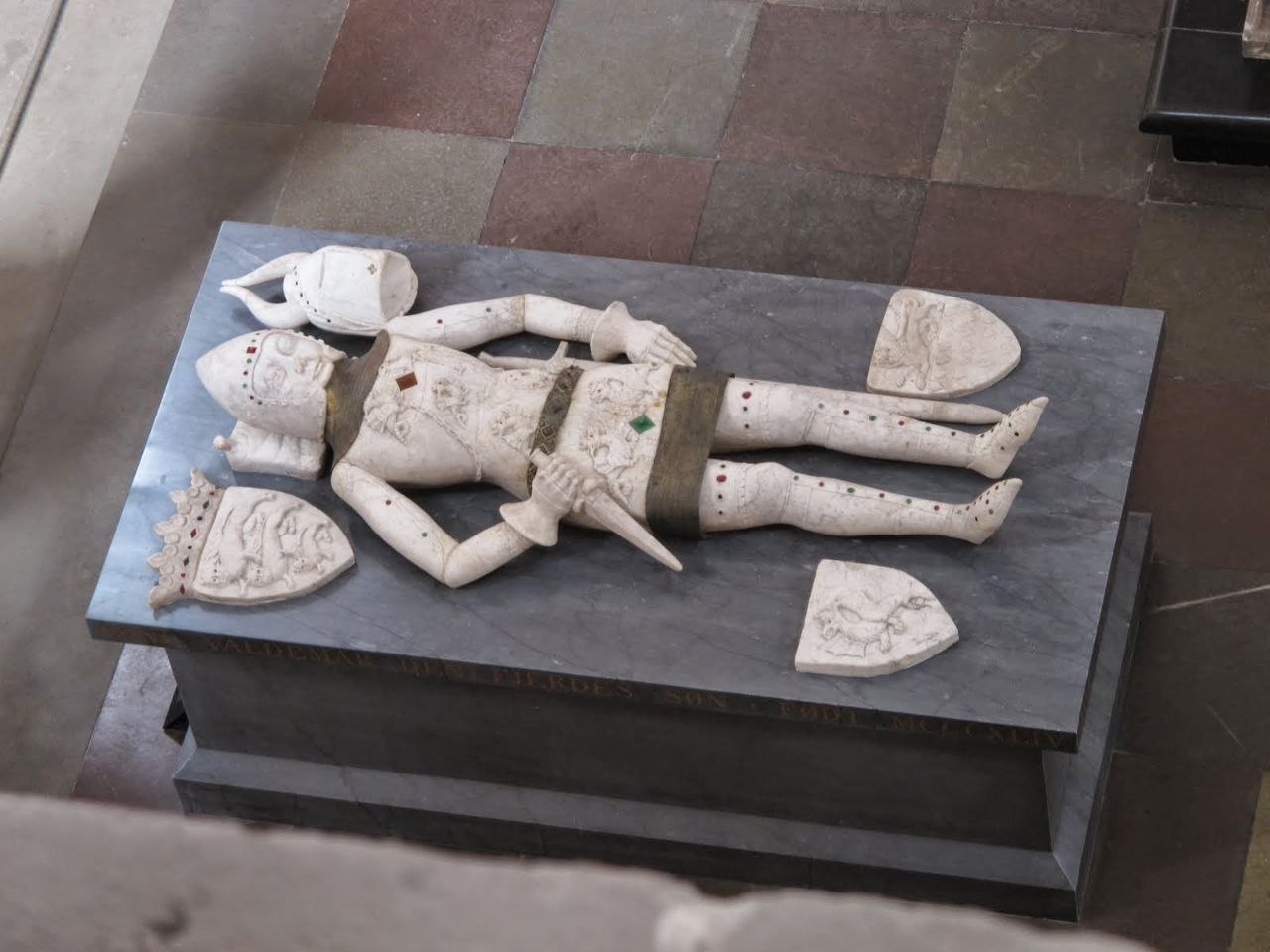
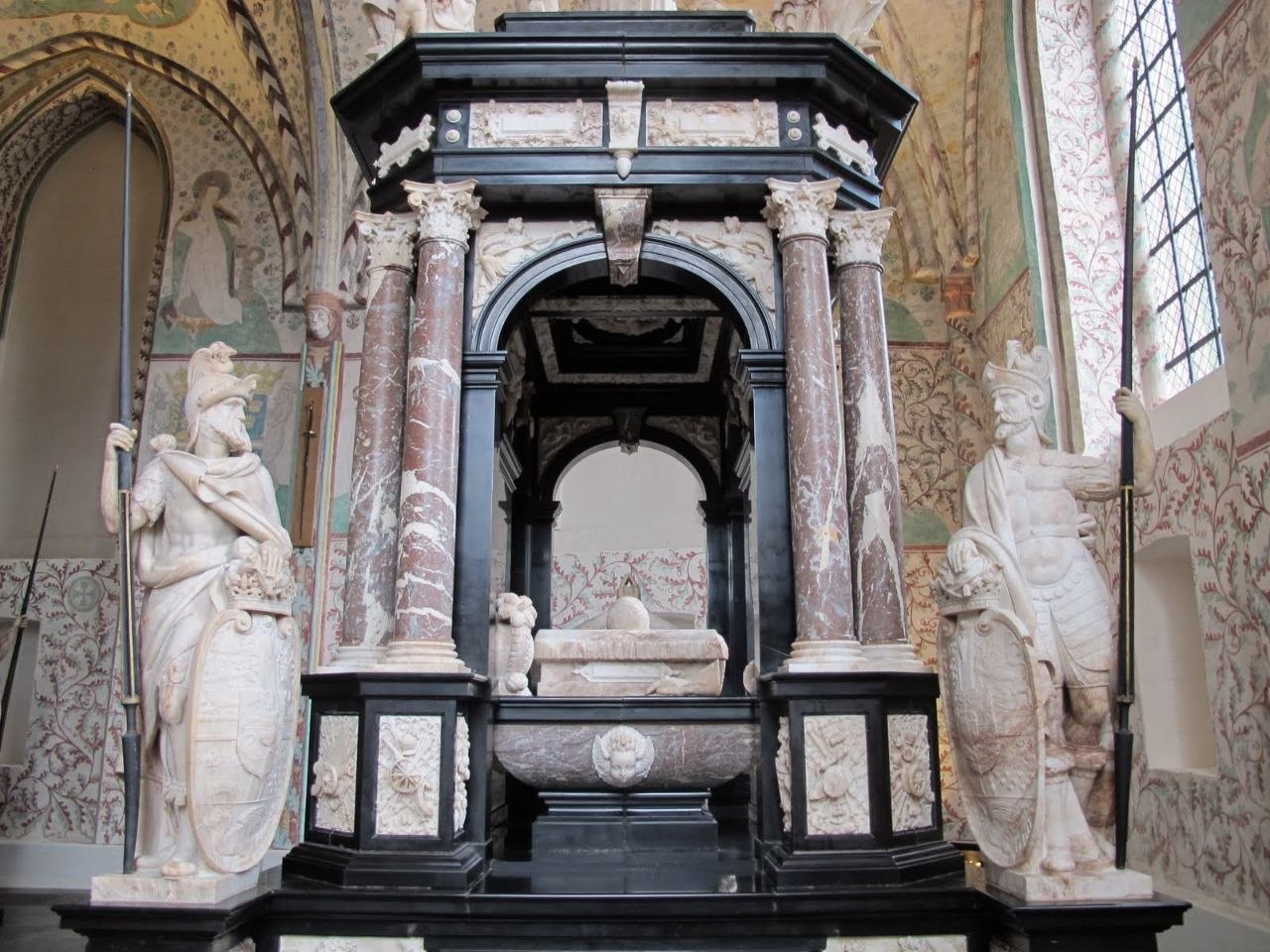
What makes Roskilde Cathedral exceptional among European cathedrals is its function as the burial site of the Danish royal family. Since the 15th century, virtually every Danish monarch has been interred here; the cathedral contains the tombs and sarcophagi of 40 Danish kings and queens, spanning from Harald Bluetooth to the present dynasty. The royal burial chapels were added to the cathedral in successive centuries, each reflecting the architectural style of its period — Renaissance, Baroque, and Neoclassical — creating a layered interior that reads as a physical timeline of Danish history and royal art patronage. The chapels contain elaborate marble sarcophagi, effigy tombs, gilded memorials, and carved stone monuments, many commissioned from leading European sculptors of their era.
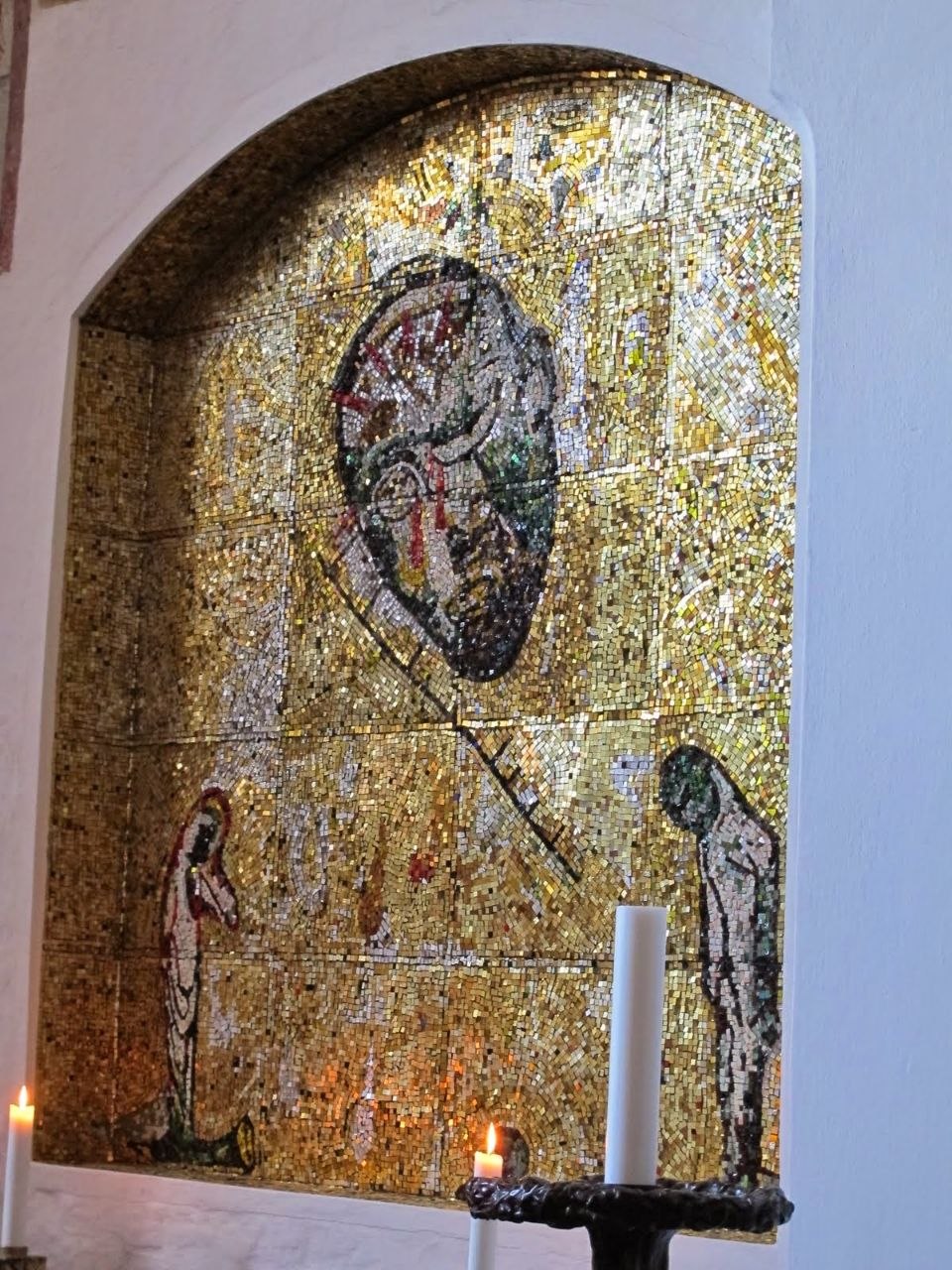
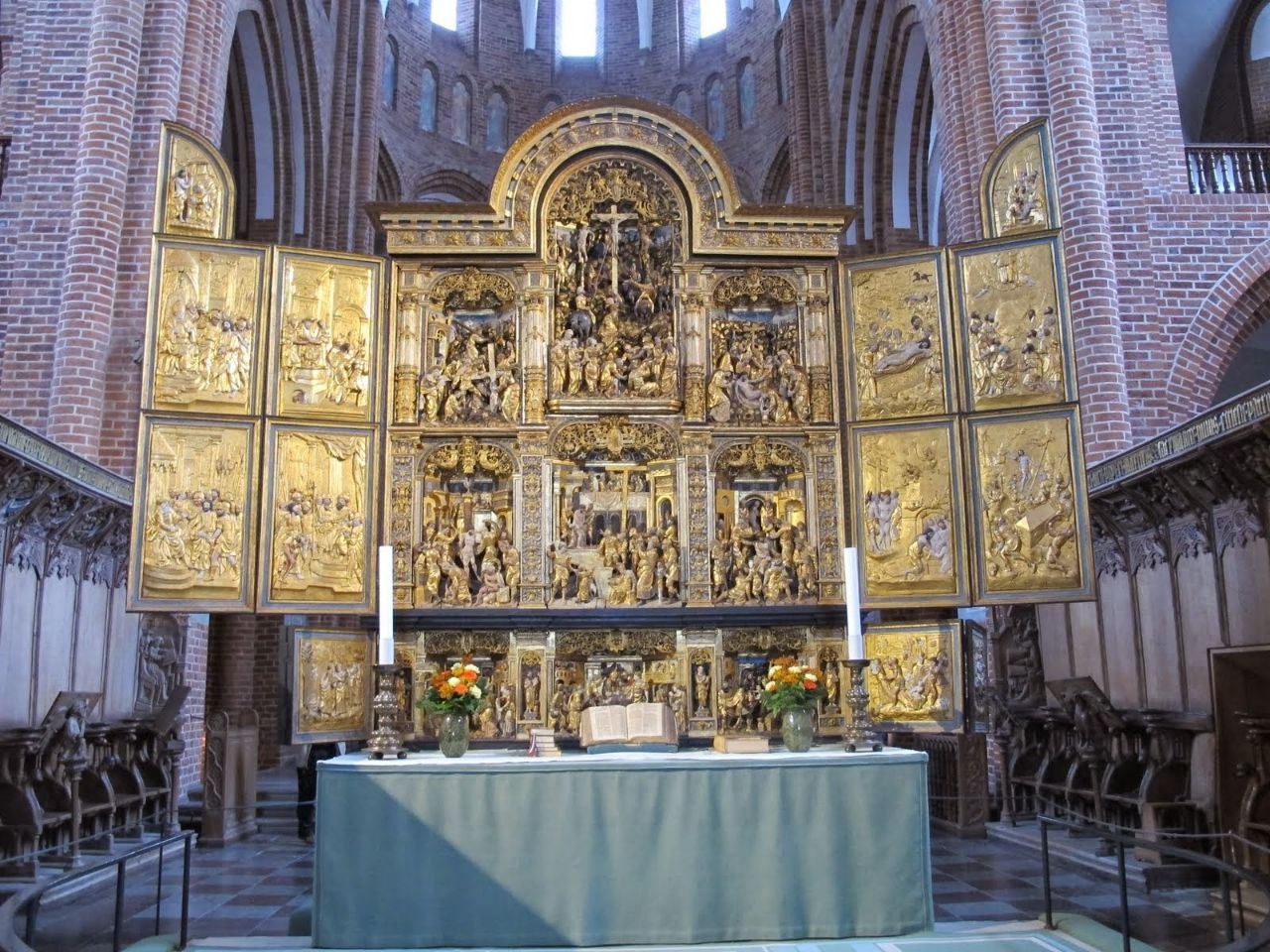
The cathedral interior is rich with art spanning eight centuries. The gilded triptych altarpiece at the high altar dates from the early 16th century and was crafted in Antwerp. The apse features a large Byzantine-style mosaic of Christ Pantocrator, installed in the 19th century. The pipe organ, one of several in the cathedral, dates from the 17th century. Modern works have been integrated throughout — artist Peter Brandes contributed a painted baptismal font, altarpiece panels, and a bronze gate installed in the late 20th and early 21st century, demonstrating the cathedral’s ongoing role as a site of living artistic tradition.
Viking Ship Museum
The Viking Ship Museum (Vikingeskibsmuseet) stands on the waterfront of Roskilde Fjord and is built around the Skuldelev ships — five original Viking Age vessels deliberately sunk around 1070 to block the Peberrende channel and protect the approach to Roskilde from seaborne attack. The ships were discovered by amateur archaeologists in 1957 and excavated in 1962 using a specially constructed cofferdam that temporarily drained the section of fjord around the wrecks. The five ships represent different vessel types used by the Norse: a large ocean-going knörr (cargo ship), two smaller coastal traders, a longship, and a large warship. Together they provide an unparalleled picture of Viking Age shipbuilding and maritime technology.
The museum building, opened in 1969 and designed by architect Erik Christian Sørensen, is largely glazed to allow natural light to illuminate the preserved timbers and to maintain views across the fjord — the same body of water from which the ships were recovered. The museum also operates an active boatyard where full-scale reconstructions of Viking ships are built using traditional methods, and visitors can sail on replica vessels in the fjord during the summer season.
Visiting Tips
Roskilde is served by frequent trains from Copenhagen Central Station (approximately 25–30 minutes). The cathedral is a short walk from the train station and charges a modest admission fee; the royal burial chapels and treasury are included. The Viking Ship Museum is approximately a 10-minute walk downhill from the cathedral toward the fjord. Both sites can comfortably be covered in a single day trip from Copenhagen. The cathedral closes during church services. The Viking Ship Museum’s outdoor harbor area and boatyard are free to access; the main Ship Hall requires a ticket.
 Jumping Timezones
Leave a comment