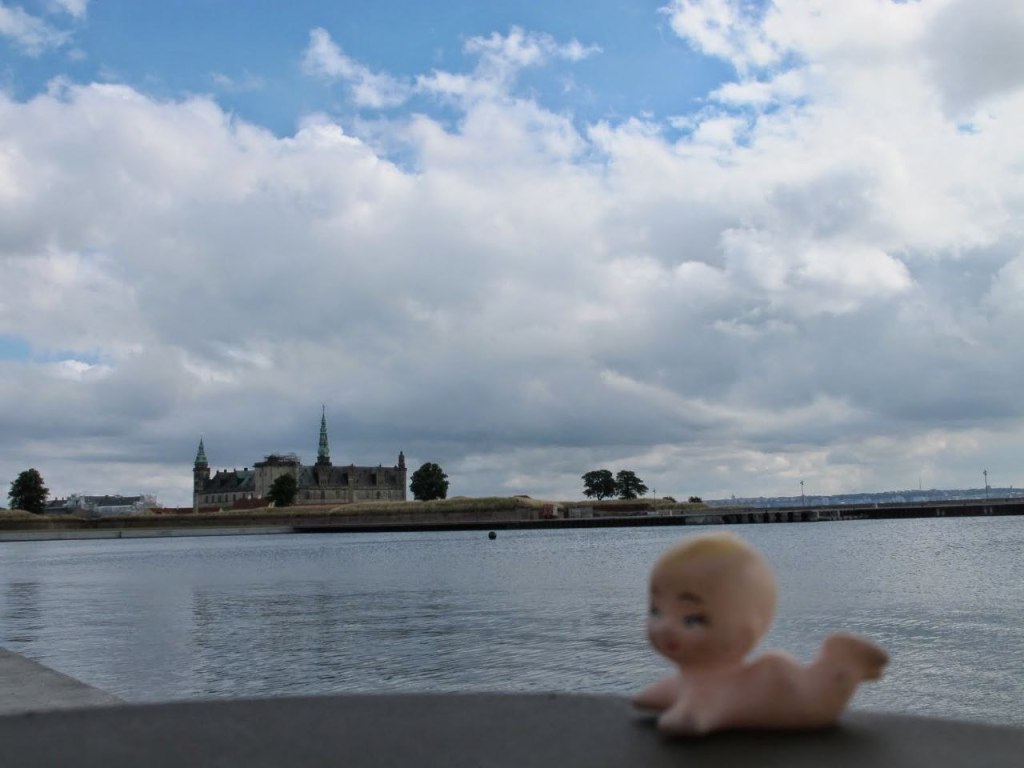
Helsingør is a coastal town in northeastern Denmark, situated at the narrowest point of the Øresund strait — the stretch of water separating Denmark from Sweden — where the crossing to the Swedish city of Helsingborg is less than four kilometers wide. This geographic position made Helsingør one of the most strategically and commercially significant locations in Northern Europe for several centuries, as virtually all maritime traffic between the North Sea and the Baltic was required to pass through the strait within cannon range of its fortress. The town is known internationally under its anglicized name Elsinore, primarily through its association with Shakespeare’s play Hamlet, and is home to Kronborg Castle, a UNESCO World Heritage Site.
Kronborg Castle
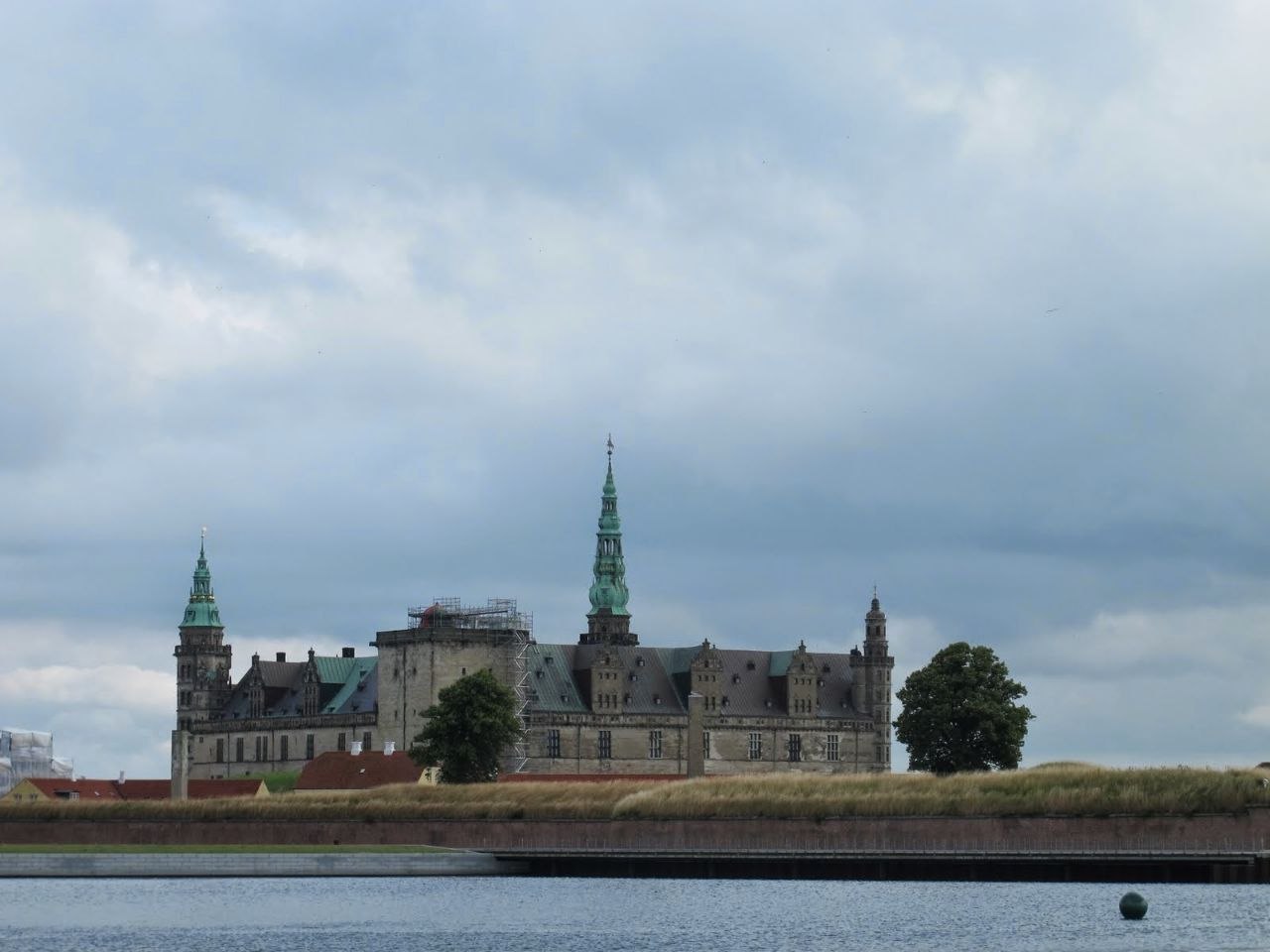
Kronborg Castle stands on the tip of the Helsingør peninsula, its bastions extending into the Øresund on three sides. A fortress has occupied this site since the 1420s, when King Eric of Pomerania erected the original stronghold — then called Krogen — to enforce the collection of the Sound Dues (Øresundstolden), a toll levied on every vessel passing through the strait. At its height, the Sound Dues generated revenue equivalent to a significant portion of the Danish crown’s entire income, making control of Helsingør a matter of national strategic importance.
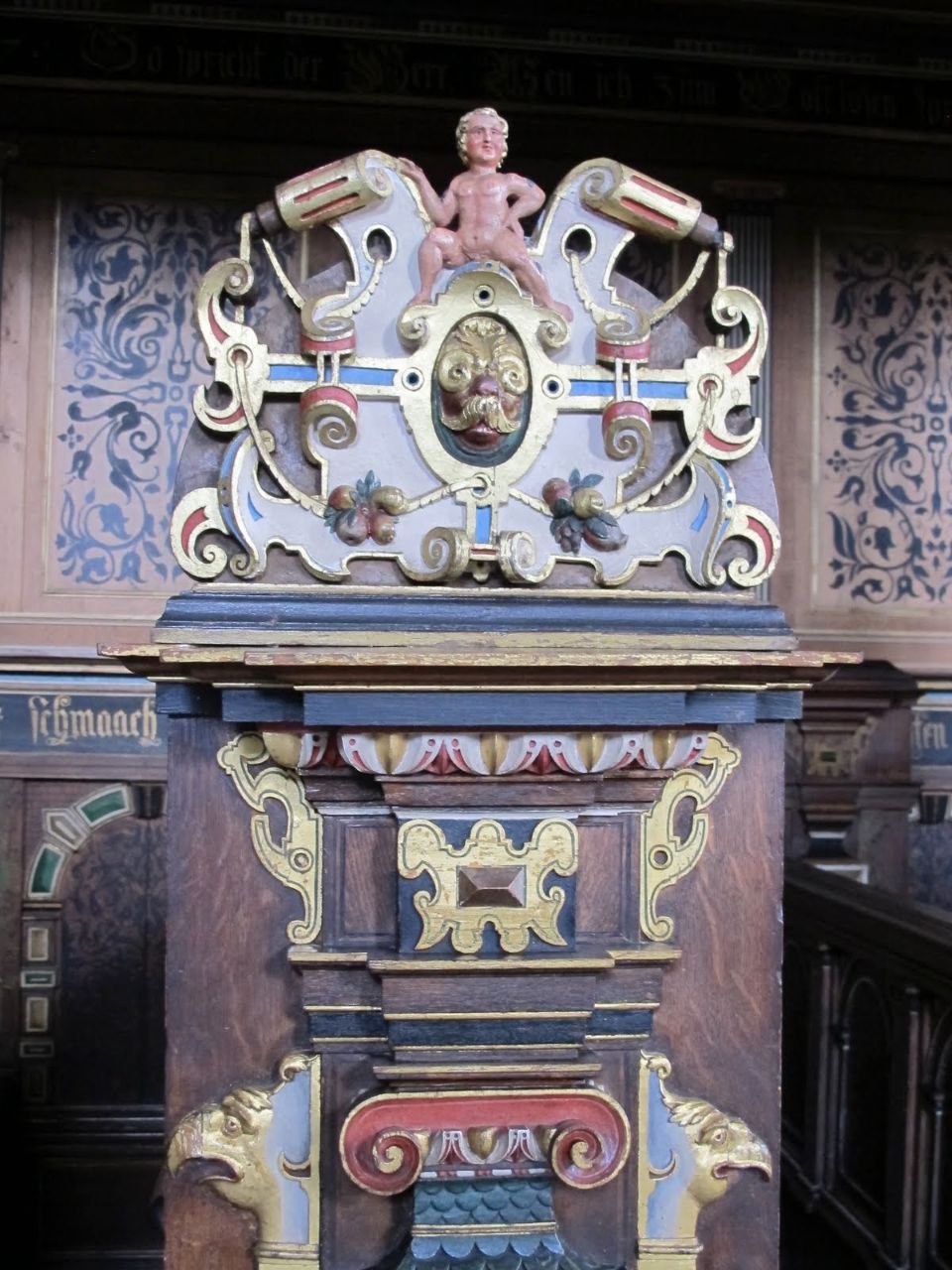
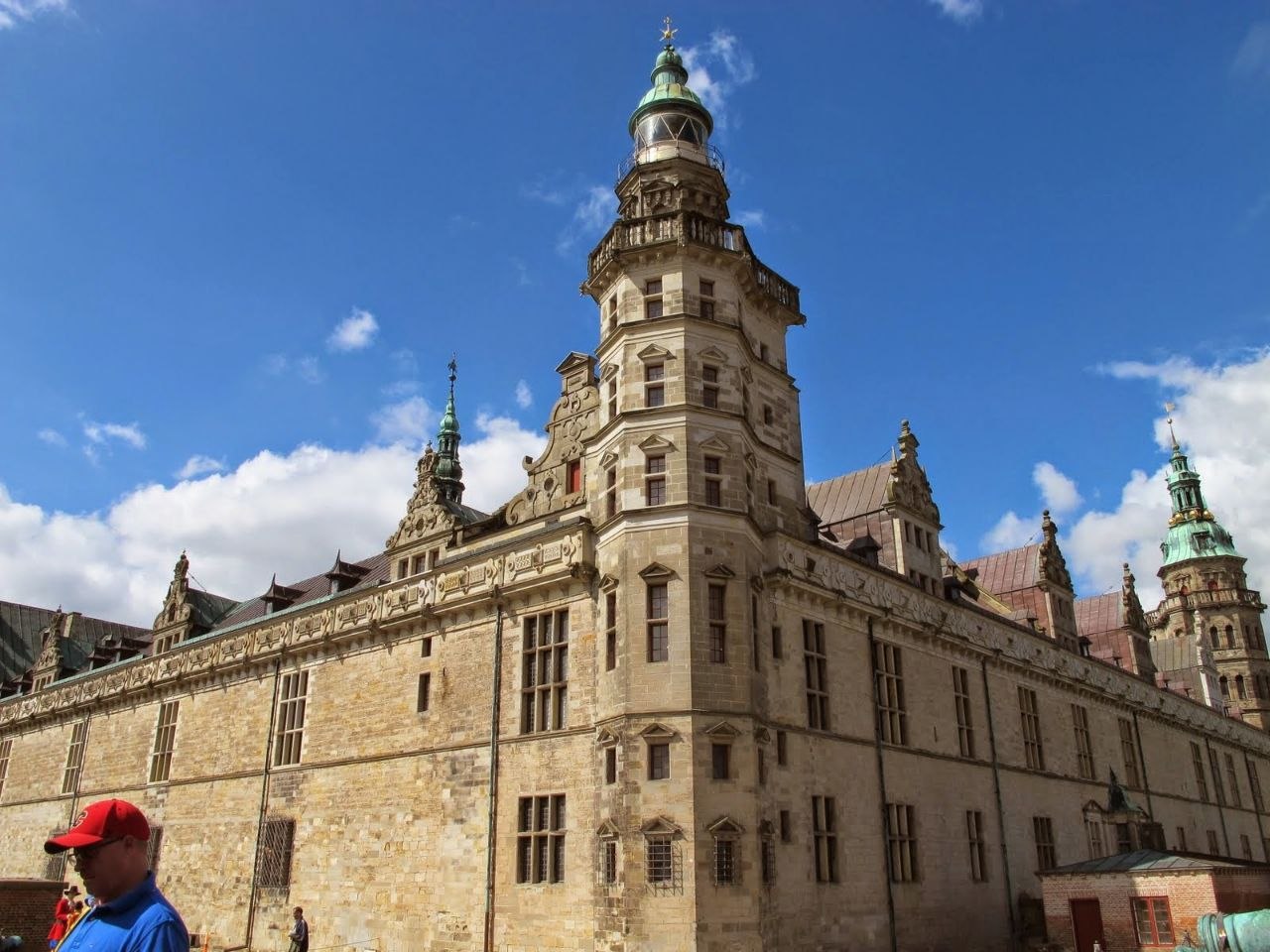
The present castle was built between 1574 and 1585 under King Frederik II, who commissioned the Flemish architect Anthonis Opbergen to redesign and expand the medieval fortification into a Renaissance palace-fortress. Constructed in a Dutch Renaissance style, the new Kronborg featured elaborate sandstone ornamentation, copper spires, and a great hall — at 62 meters, one of the longest Renaissance halls in northern Europe — used for royal receptions and celebrations. A catastrophic fire in 1629 destroyed most of the interior and the copper roofs, leaving only the chapel intact. King Christian IV oversaw the rebuilding, which was completed in 1639; the exterior Renaissance stonework was preserved throughout.
Kronborg was inscribed as a UNESCO World Heritage Site in 2000, recognized as an outstanding example of a Renaissance castle that played a pivotal role in the history of northern Europe and as a symbol of the power of the Danish state during the period when it controlled access to the Baltic Sea.
The Ramparts & Casemates
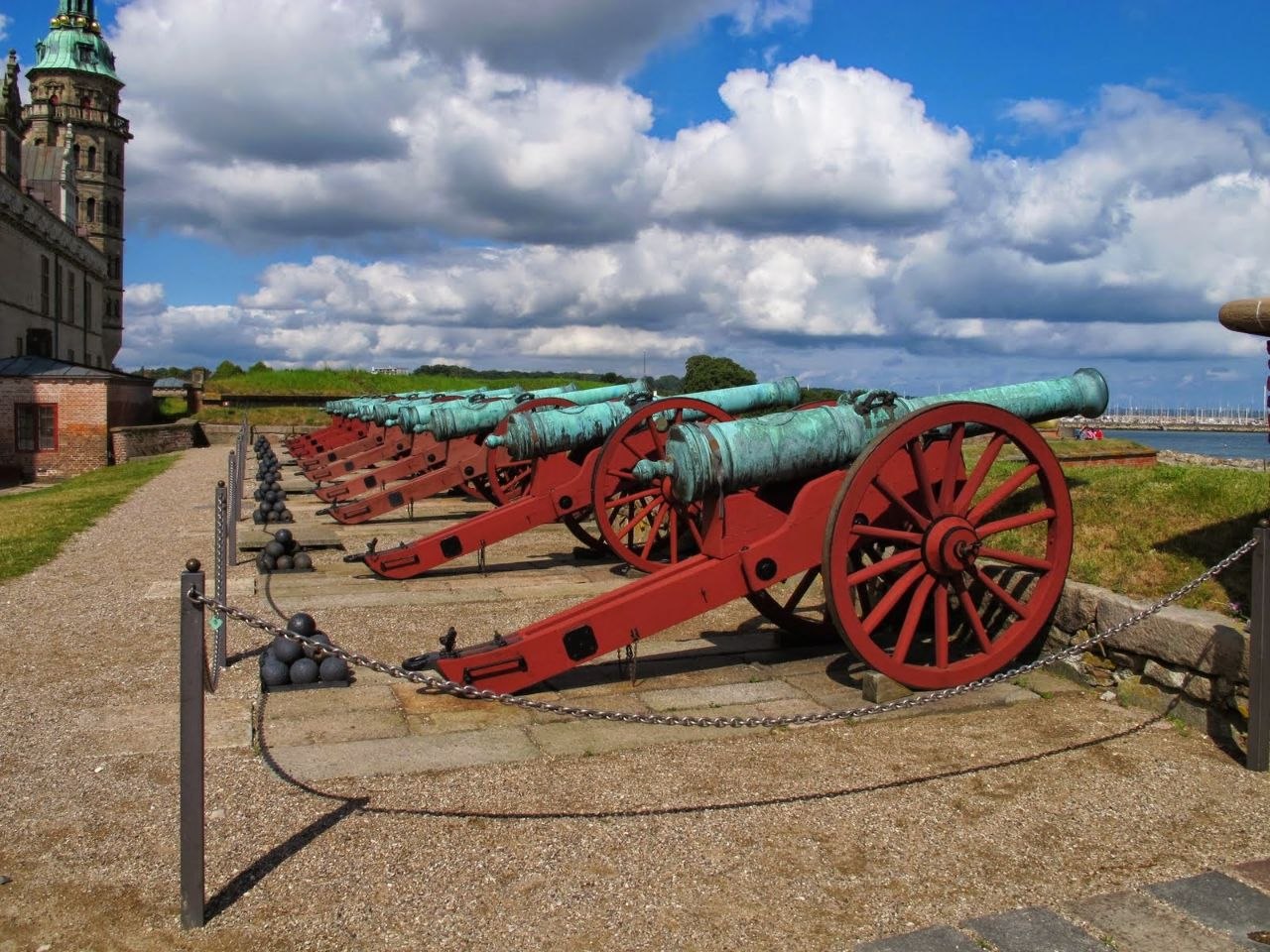
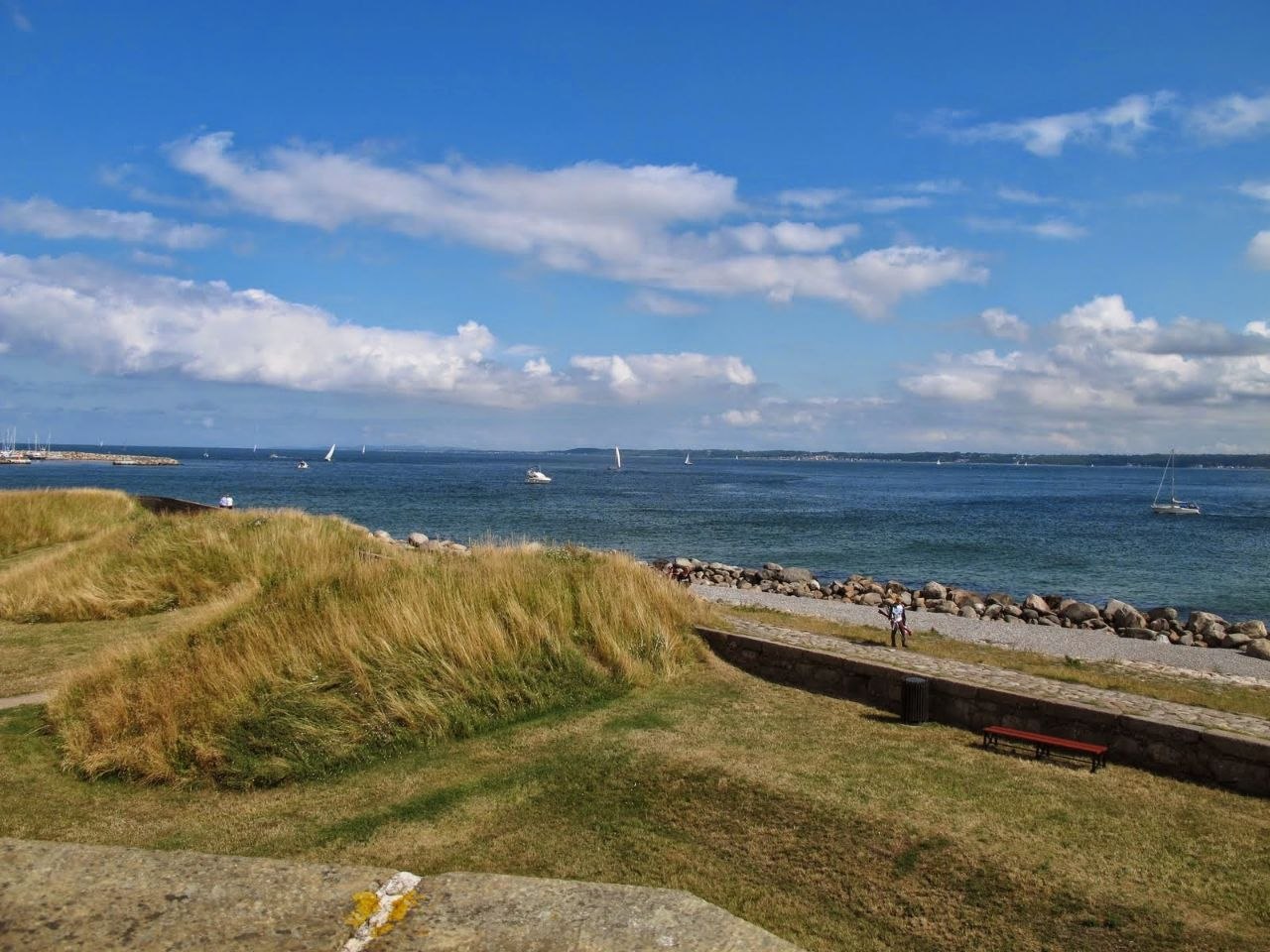
Kronborg’s defensive outer works are among the best-preserved Renaissance military fortifications in the world. The bastioned ramparts — a system of angular projecting earthworks designed to eliminate blind spots and allow flanking fire — were constructed to protect the castle from landward attack, while the seaward faces were lined with cannon batteries to command the strait. More than 60 historic bronze and iron cannons remain on the ramparts and in the casemates, many dating from the 16th to 18th centuries.
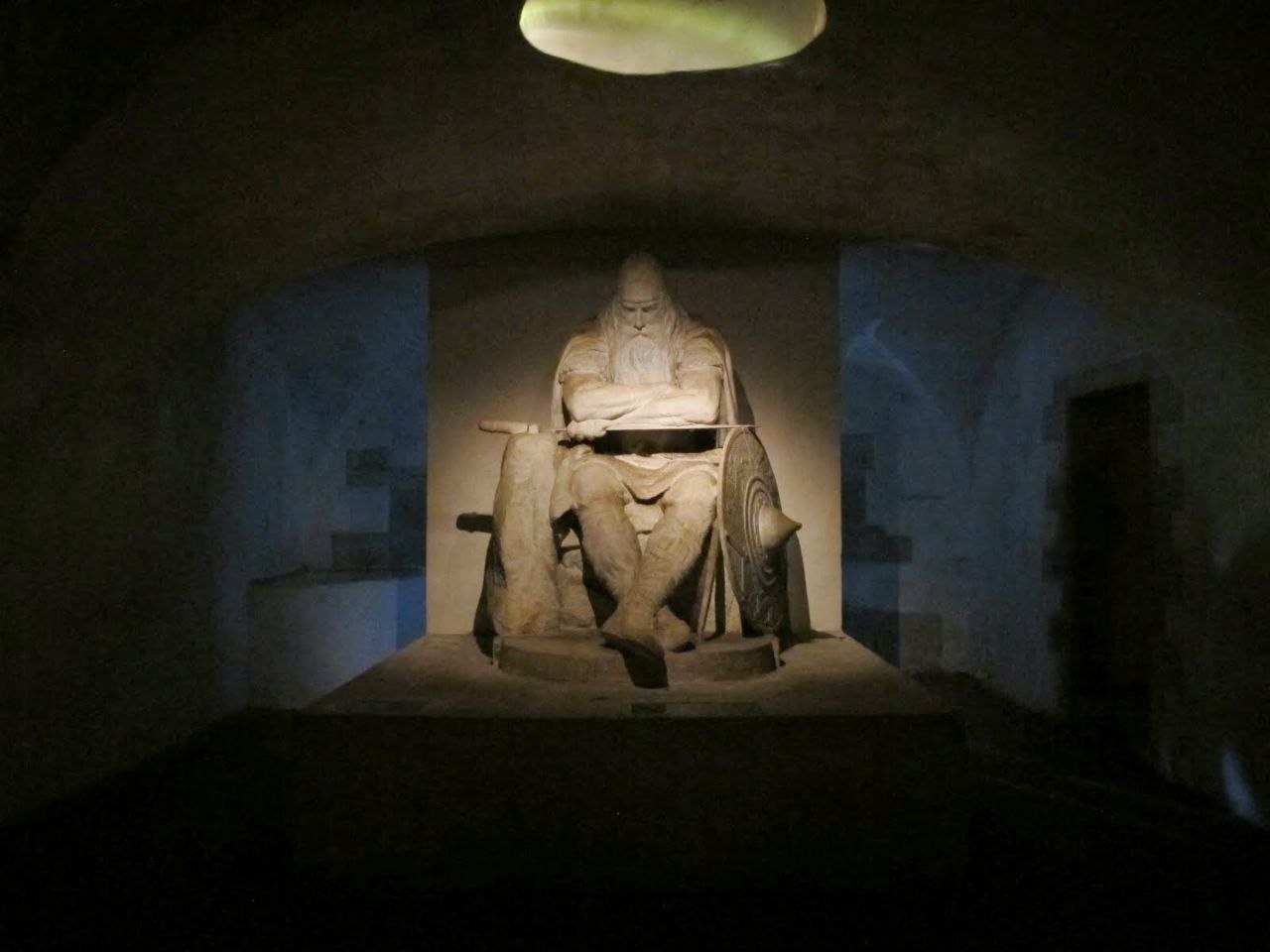
Beneath the castle lies a network of casemates — vaulted underground passages and chambers stretching nearly a kilometer — originally designed to shelter soldiers and store provisions and ammunition during sieges. The casemates served a garrison of several hundred men and contain some of the original mounting positions for artillery. In the deepest chamber of the casemates sits a large stone statue of Holger Danske (Ogier the Dane), a legendary hero of Danish mythology said to sleep beneath Kronborg until Denmark faces its greatest hour of need, at which point he will awaken and defend the nation. The statue was carved by sculptor H.P. Pedersen-Dan in 1907 and became a particularly potent symbol during the Danish resistance movement of World War II, which adopted the name Holger Danske for one of its largest underground networks.
Hamlet & the Elsinore Connection
William Shakespeare set his tragedy Hamlet at the court of Elsinore — the anglicized name for Helsingør — almost certainly without ever visiting Denmark himself. The play, written around 1600–1601, draws on earlier Scandinavian legends of a Danish prince, and Shakespeare’s choice of Elsinore as the setting was likely informed by its reputation across Europe as a powerful and strategically vital royal seat. English acting troupes are known to have performed at Kronborg in the 1580s and 1590s, and it is plausible that accounts of the castle reached Shakespeare through these theatrical connections. The association between the castle and the play is now deeply embedded in Kronborg’s identity; outdoor performances of Hamlet have been staged on the castle grounds regularly since 1816, attracting productions from theater companies around the world.
Visiting Tips
Helsingør is approximately 45 kilometers north of Copenhagen and is served by regular regional trains from Copenhagen Central Station (approximately 45–50 minutes). The castle is a short walk from the train station and the ferry terminal. Ferries to Helsingborg in Sweden depart frequently from the harbor immediately adjacent to Kronborg, making a day trip across the Øresund straightforward. The castle interior, ramparts, and casemates are open to visitors; the casemates require a separate ticket and involve low ceilings and uneven stone floors. The cannon battery and rampart walkway offer unobstructed views across the Øresund to Sweden.
 Jumping Timezones
Leave a comment