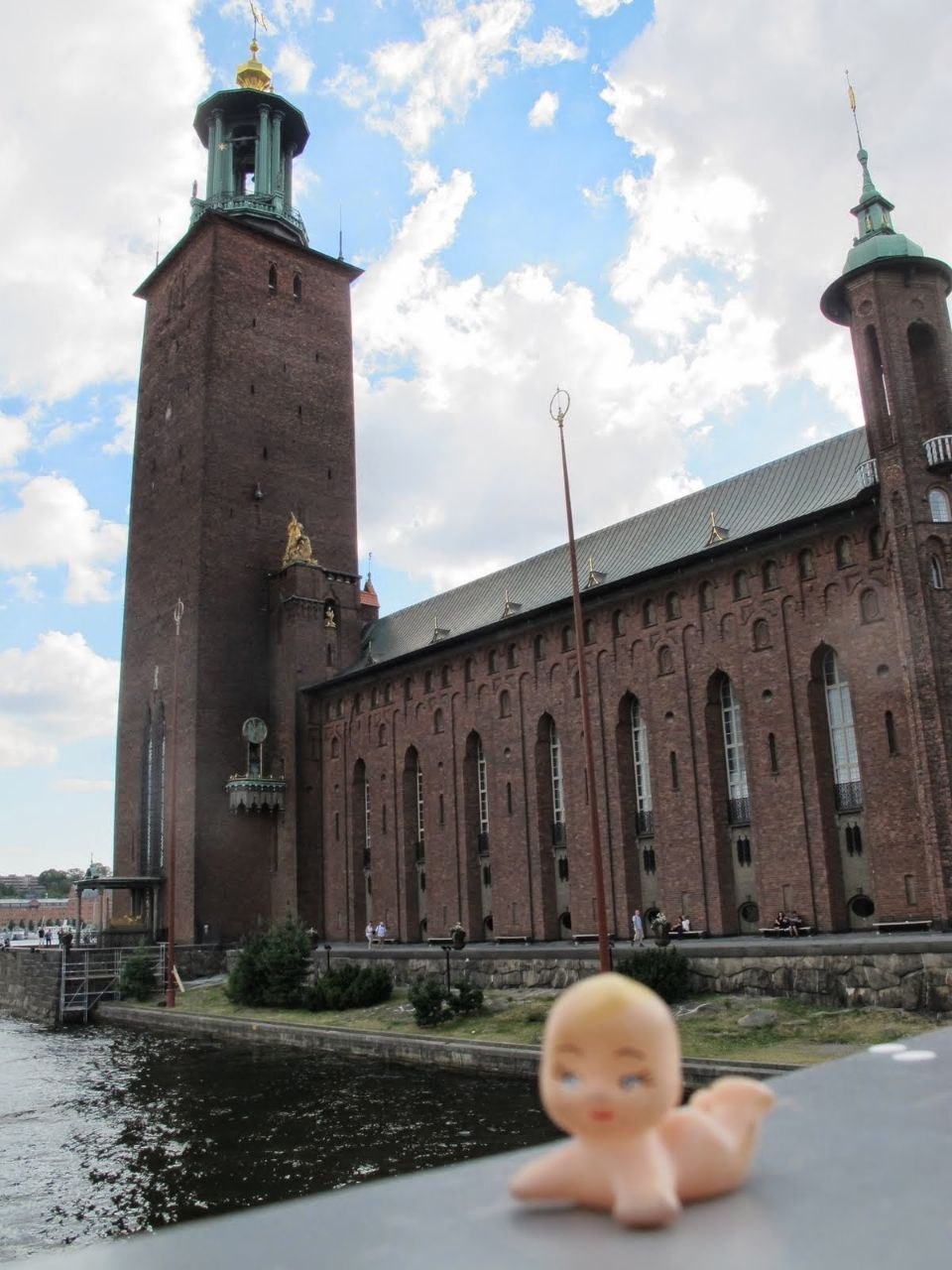
Stockholm is the capital of Sweden and its most populous city, built across fourteen islands where Lake Mälaren meets the Baltic Sea. The city was founded in the mid-13th century — the earliest written mention dates to 1252 — and rose to prominence as the capital of the Swedish Empire during the 17th century, one of the great powers of early modern Europe. Spread across water and connected by bridges, Stockholm is frequently described as one of the world’s most beautifully situated capital cities. Its historic center, the island of Gamla Stan, preserves a medieval street plan essentially unchanged since the 13th century, while the surrounding districts of Djurgården and Lovön contain some of Scandinavia’s most significant cultural and royal heritage sites.
Gamla Stan
Gamla Stan — the Old Town — occupies the island of Stadsholmen at the center of Stockholm and represents the city’s original medieval core. Its narrow, cobblestoned streets, many barely wide enough for two people to pass, follow the same layout established in the 13th and 14th centuries. The island is home to the Royal Palace (Kungliga slottet), one of the largest palaces in the world still in use as an official royal residence, with over 600 rooms. The adjacent Storkyrkan (Stockholm Cathedral), consecrated in 1306, is the oldest church in the city and the setting for Swedish royal coronations, weddings, and state funerals. Gamla Stan’s main street, Stortorget — a small, colorful square surrounded by 17th and 18th century merchant houses — served as the site of the Stockholm Bloodbath of 1520, when Danish King Christian II executed approximately 90 Swedish nobles, an event that galvanized Swedish resistance and led directly to the rise of Gustav Vasa and Swedish independence.
Vasa Museum
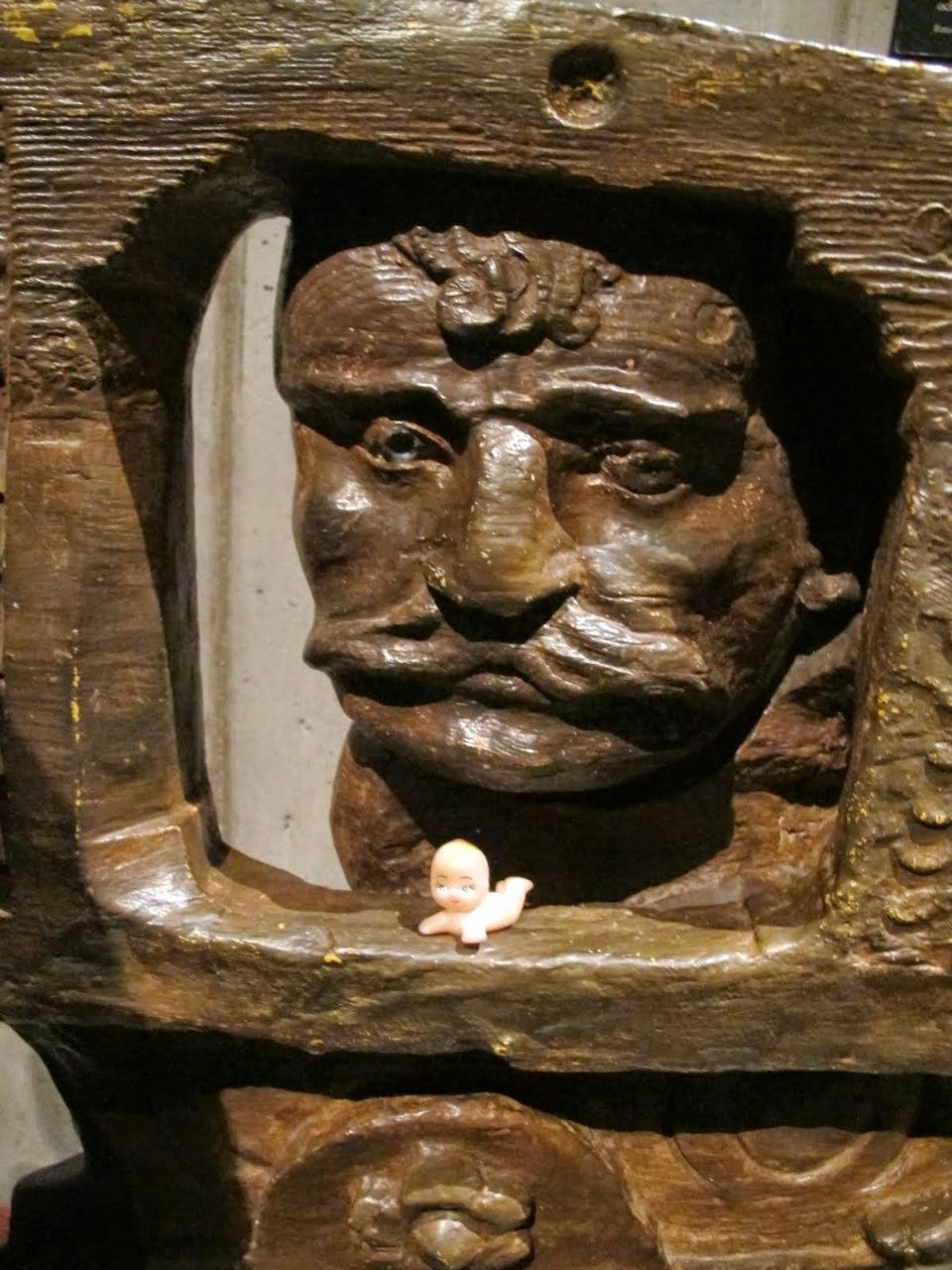
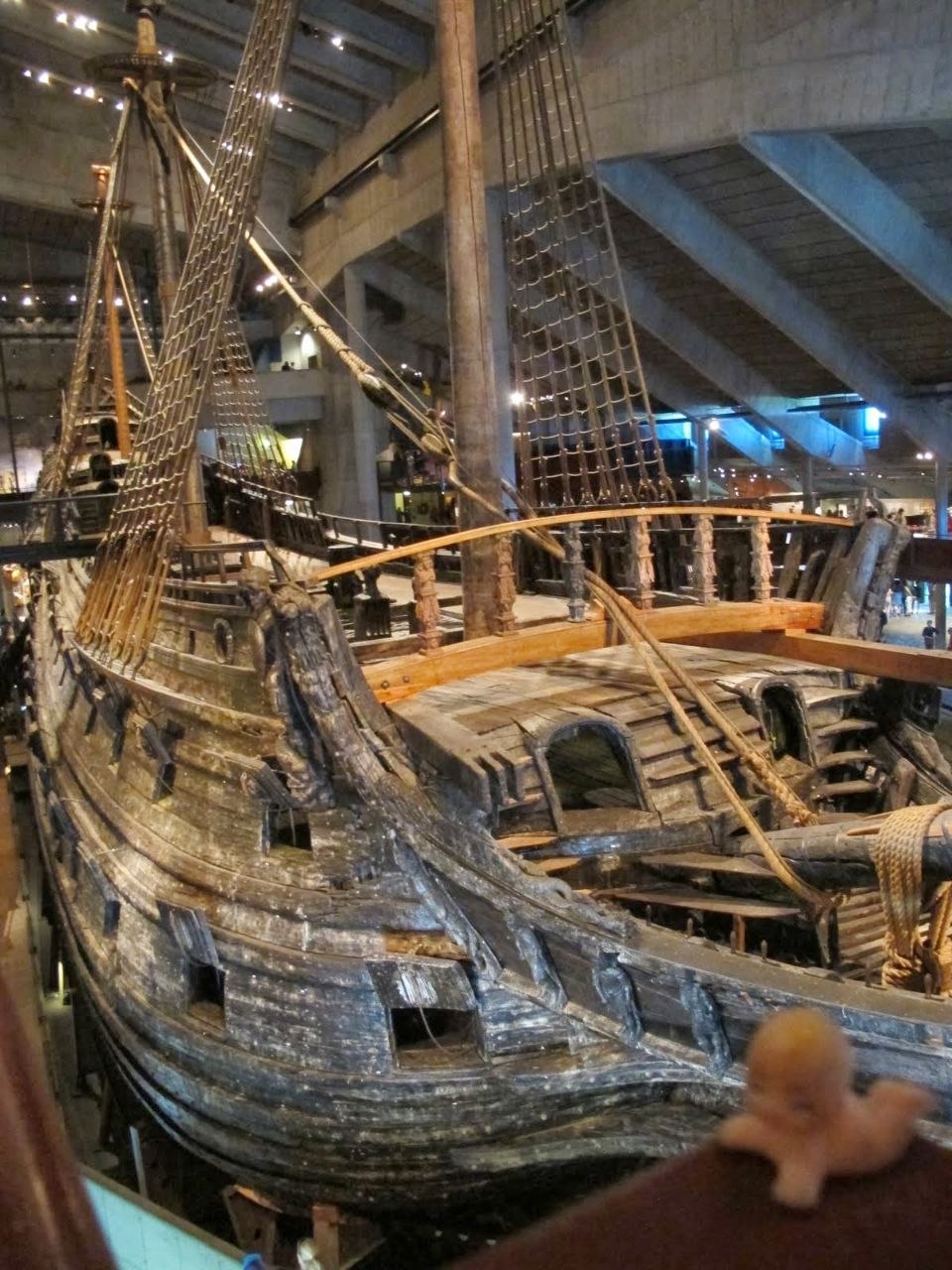
The Vasa Museum on the island of Djurgården houses the warship Vasa, the only preserved 17th-century warship in the world. The Vasa was commissioned by King Gustav II Adolf and built between 1626 and 1628 as the most powerful warship of the Swedish navy — armed with 64 bronze cannons arranged across two gun decks. She sank on her maiden voyage on August 10, 1628, less than a nautical mile from the quay, capsizing in a gust of wind after water flooded through her open gun ports. The wreck was rediscovered in 1956 and salvaged in 1961, remarkably well preserved by the cold, low-salinity waters of the Baltic. The ship is displayed largely intact — approximately 95% original material — along with thousands of recovered artifacts including sculptures, rigging, cannons, and the personal belongings of the crew. The museum, which opened in 1990, is the most visited museum in Scandinavia.
Nordiska museet
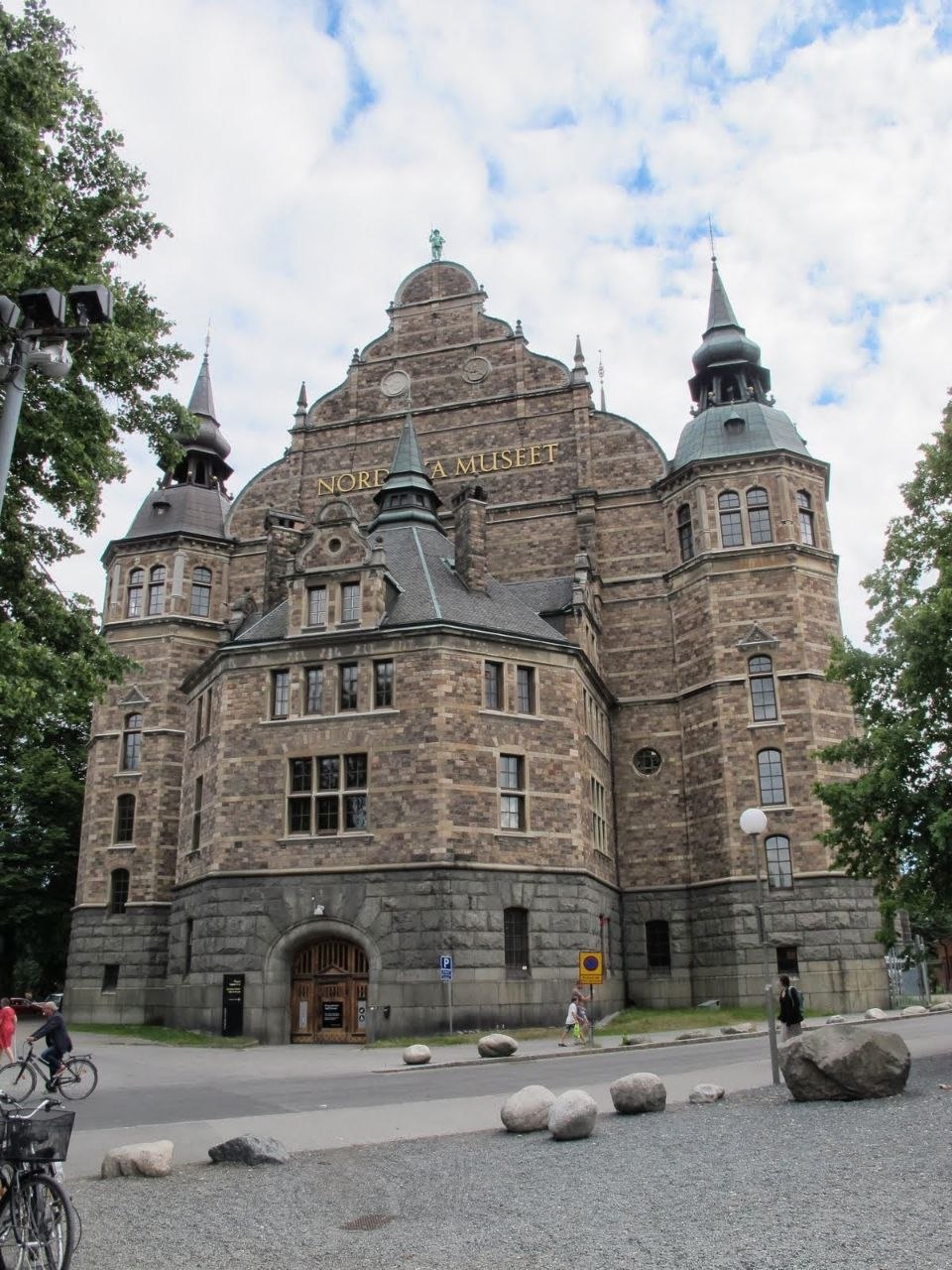
The Nordiska museet (Nordic Museum) stands adjacent to the Vasa Museum on Djurgården, housed in a monumental Renaissance Revival building completed in 1907. Founded by Artur Hazelius in 1873 — the same year he established Skansen, the world’s first open-air museum — the Nordiska museet holds the largest collection of cultural history artifacts in Sweden, with approximately 1.5 million objects spanning five centuries of Swedish everyday life. Its collections cover folk art, textiles, furniture, fashion, and domestic interiors from the 16th century to the present. The building’s cavernous main hall is dominated by a large painted oak statue of Gustav Vasa, carved by Carl Milles, which stands at the far end of the central nave.
Drottningholm Palace
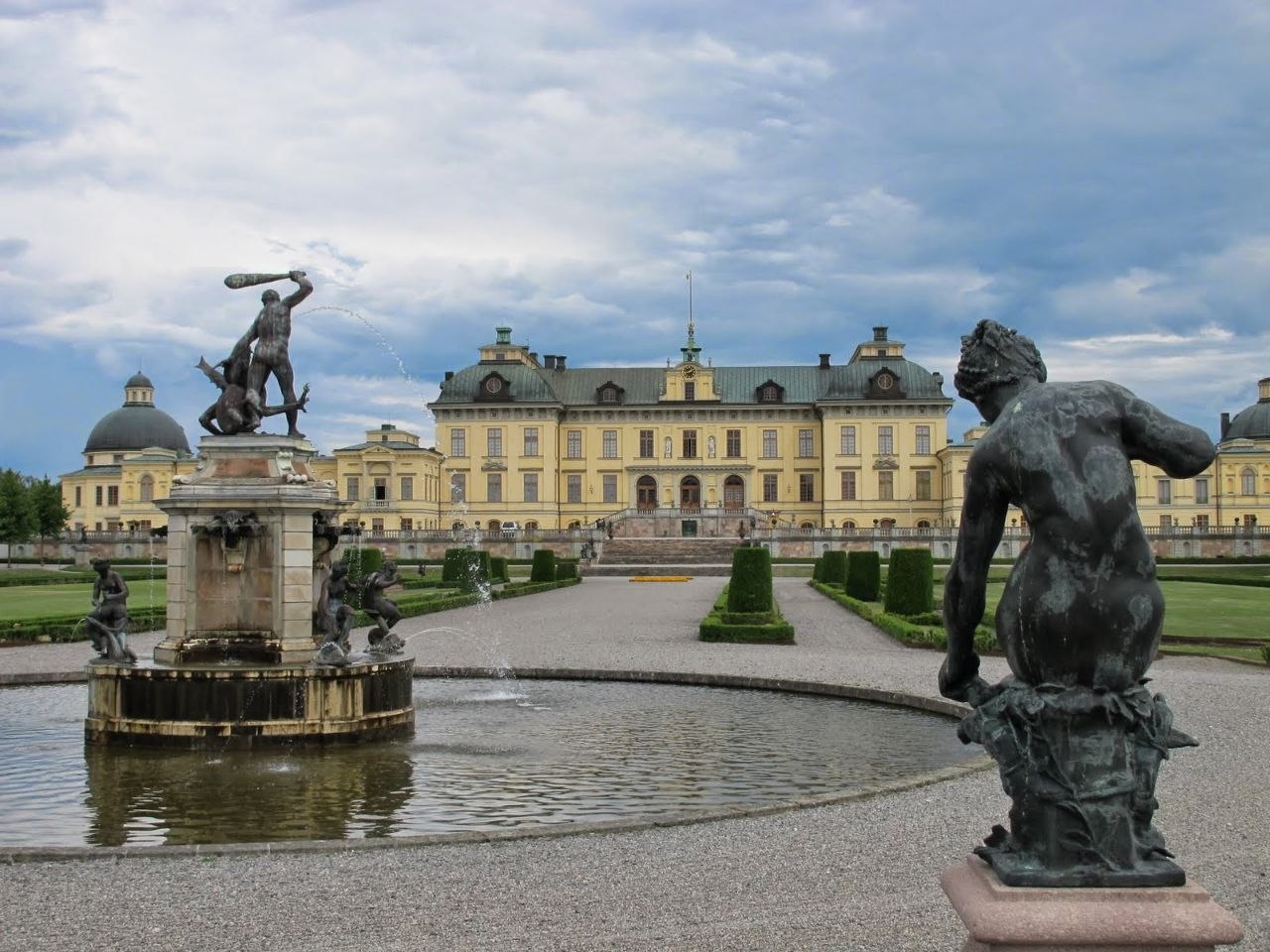
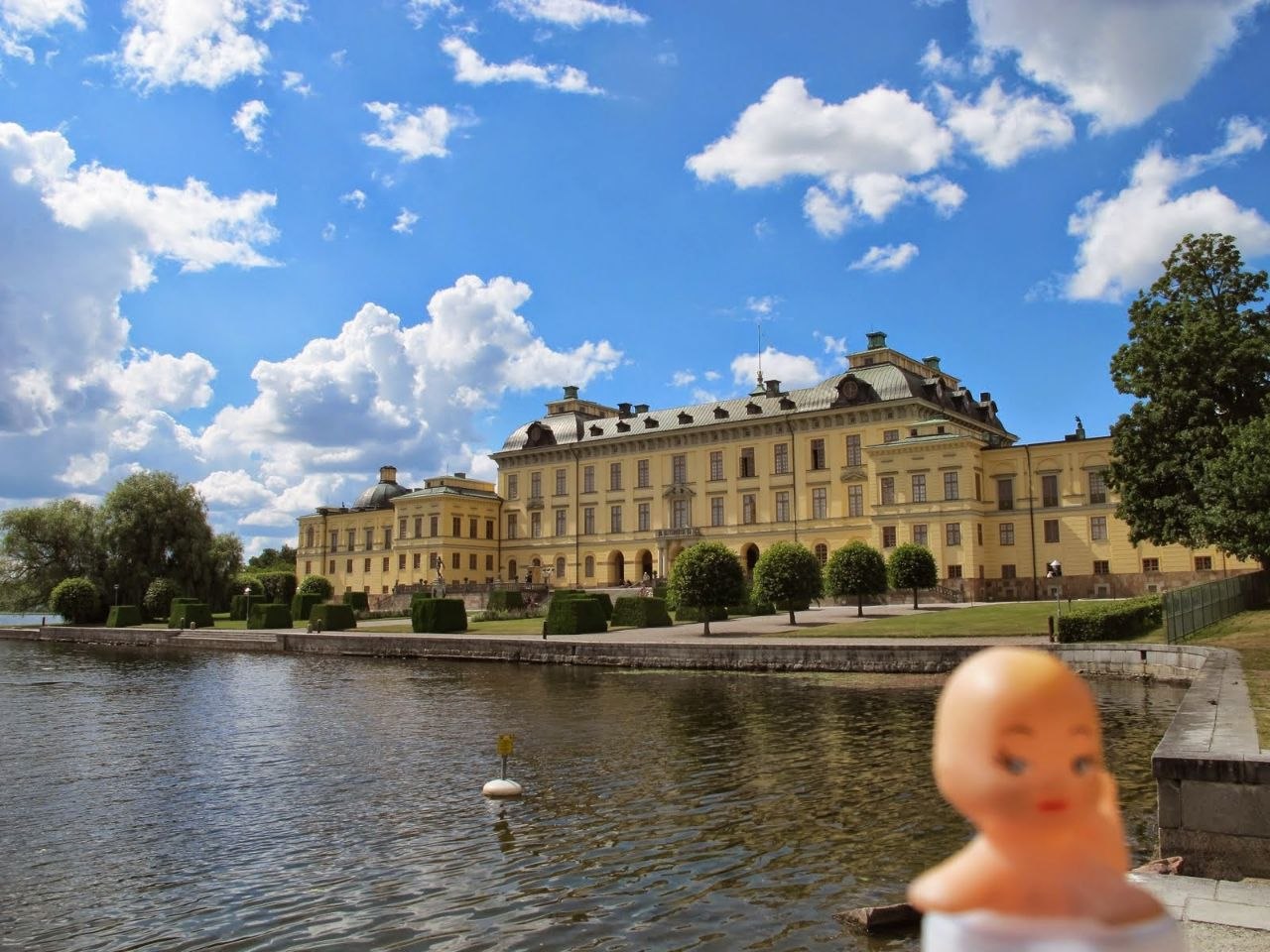
Drottningholm Palace sits on the island of Lovön in Lake Mälaren, approximately 10 kilometers west of central Stockholm. Built in the late 17th century for the Swedish royal family, the palace was designed by Nicodemus Tessin the Elder following a fire that destroyed an earlier building on the site, and later expanded by his son Nicodemus Tessin the Younger. Often described as the Versailles of the North, Drottningholm was modeled on French Baroque palace architecture and set within formal gardens designed in the French and English traditions. The Royal Domain of Drottningholm was inscribed as a UNESCO World Heritage Site in 1991, recognized for the palace, its well-preserved Baroque theatre (which retains original 18th-century stage machinery and sets), the Chinese Pavilion, and the surrounding parklands. The palace has served as the private residence of the Swedish royal family since 1981, and portions of it remain closed to the public.
Visiting Tips
Stockholm is served by three airports; Arlanda (ARN), the main international hub, is approximately 40 kilometers north of the city and connected to the center by the Arlanda Express rail link (approximately 20 minutes). The city’s public transport network of metro, trams, and buses covers all major areas; a single travel card covers all modes. Djurgården — home to the Vasa Museum, Nordiska museet, and Skansen — is reachable by tram from the city center or by ferry from Slussen or Nybroplan. Drottningholm Palace is accessible by metro to Brommaplan followed by bus, or more scenically by boat from Stockholm’s City Hall during the summer season. Gamla Stan is easily walkable from the central station. Stockholm’s museums are generally open year-round; summer brings longer hours and the most visitors.
 Jumping Timezones
Leave a comment