Helsinki is the capital and largest city of Finland, situated on a peninsula along the shore of the Gulf of Finland. Founded by King Gustav Vasa of Sweden in 1550 as a trading port to rival Tallinn, the city remained a modest settlement for centuries before rising to prominence following the Russian Empire’s annexation of Finland in 1809. Designated as the new capital of the Grand Duchy of Finland in 1812, Helsinki was systematically expanded under the direction of German-born architect Carl Ludwig Engel, who gave the city its distinctive neoclassical character. Today it is home to approximately 670,000 people and functions as the political, cultural, and commercial center of Finland.
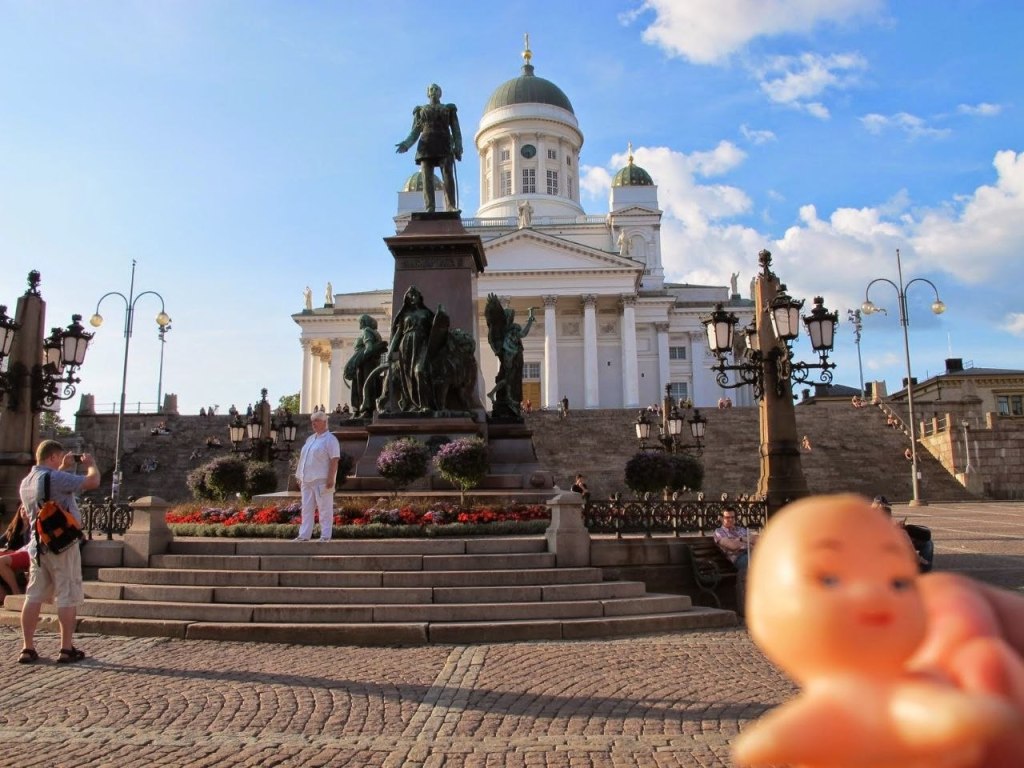
Senate Square & Helsinki Cathedral
Senate Square (Senaatintori) is the administrative and ceremonial heart of Helsinki, framed by four neoclassical buildings designed by Carl Ludwig Engel in the early 19th century: Helsinki Cathedral to the north, the Government Palace (formerly the Imperial Palace) to the east, the main building of the University of Helsinki to the west, and the National Library to the northwest. The ensemble was conceived as a grand imperial statement following Helsinki’s elevation to capital status, and remains the most coherent example of neoclassical urban planning in the Nordic countries.
Helsinki Cathedral (Helsingin tuomiokirkko), completed in 1852, dominates the square from its raised granite base. Designed by Engel and completed after his death by Ernst Lohrmann, it features a large central dome flanked by four smaller cupolas and a white stucco exterior that makes it one of the most recognizable landmarks on the Helsinki waterfront. The cathedral serves as the seat of the Diocese of Helsinki in the Evangelical Lutheran Church of Finland.
Temppeliaukio Church
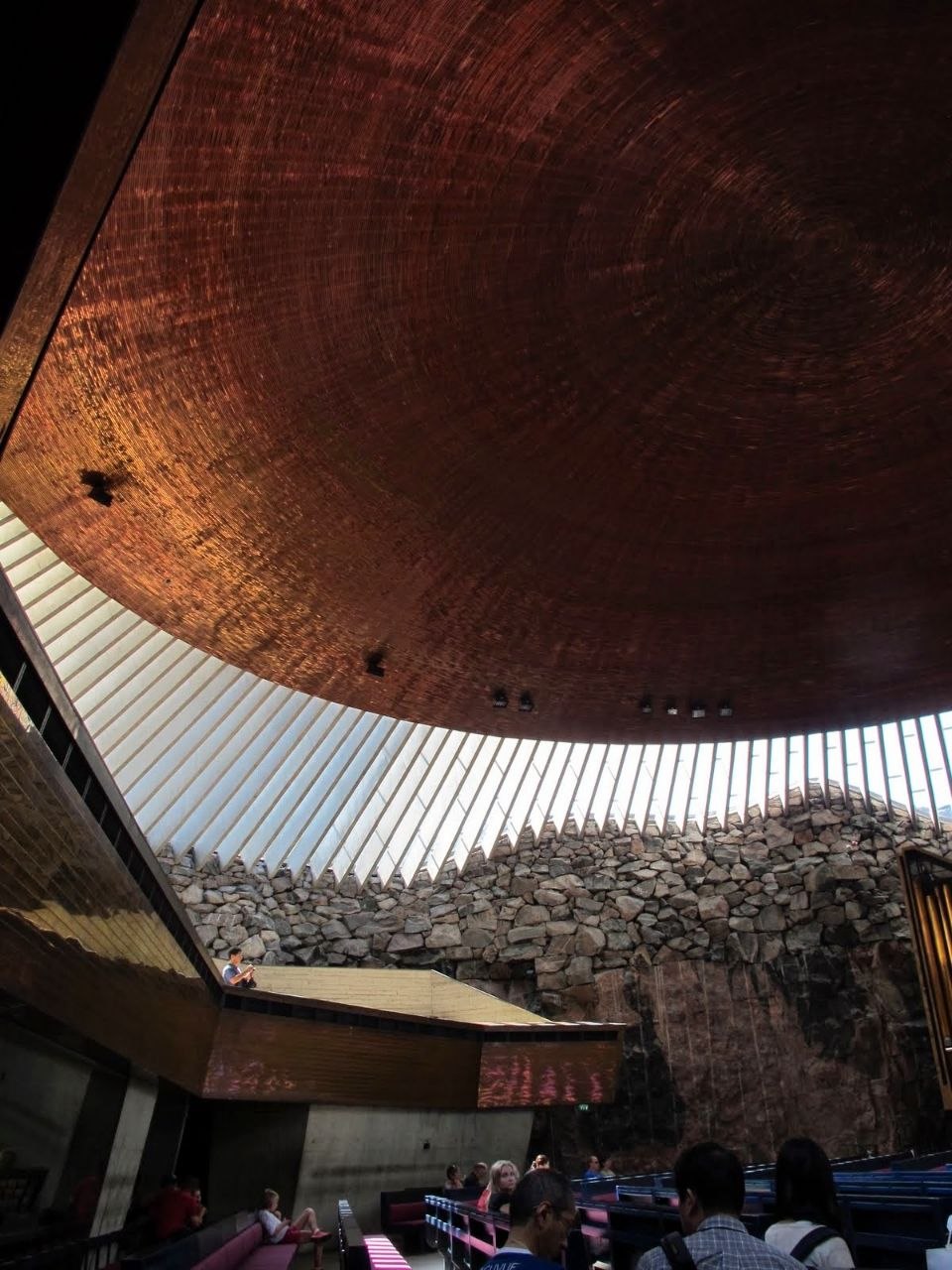
Temppeliaukio Church, known informally as the Rock Church, is a Lutheran church excavated directly into solid bedrock in the Töölö district. Designed by brothers Timo and Tuomo Suomalainen and completed in 1969, the church occupies a natural rock formation that had resisted development for decades. The interior is dominated by the exposed rock walls, which rise to a shallow copper dome 24 meters in diameter, supported by 180 radial concrete beams and topped with a continuous band of skylights that floods the space with natural light. The copper ceiling and natural acoustics make it a popular venue for concerts as well as regular church services. The exterior is nearly invisible at street level — the church announces itself only by a low circular copper roof rising from the surrounding rock.
Suomenlinna
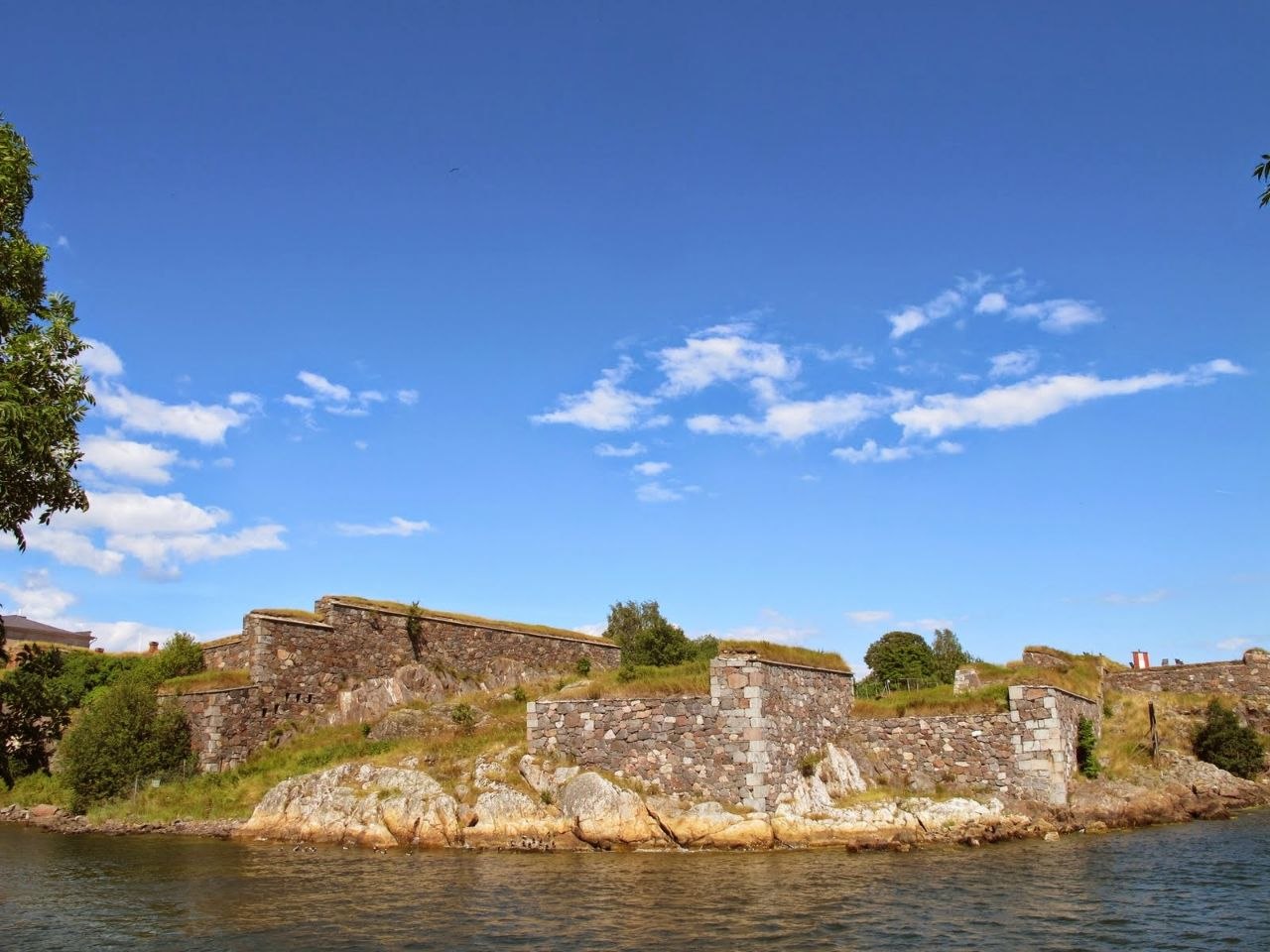
Suomenlinna is a sea fortress built on a group of eight islands at the entrance to Helsinki harbour, approximately 15 minutes by ferry from the Market Square. Construction began in 1748 under Swedish rule — when it was known as Sveaborg (Viapori in Finnish) — as part of a chain of coastal defenses across the Swedish Empire. It passed to Russia following the 1808–09 Finnish War and served as a Russian naval base throughout the 19th century before being transferred to the Finnish state after independence in 1917. The fortress was inscribed as a UNESCO World Heritage Site in 1991, recognized for its significance as one of the largest surviving sea fortresses in the world and as an outstanding example of 18th-century European military architecture. Today approximately 800 people live on the islands year-round, making Suomenlinna one of the few inhabited UNESCO World Heritage Sites in the world. The islands contain museums, restaurants, historic bastions and batteries, and the dry dock that continues to be used for vessel restoration.
Market Square & Esplanadi
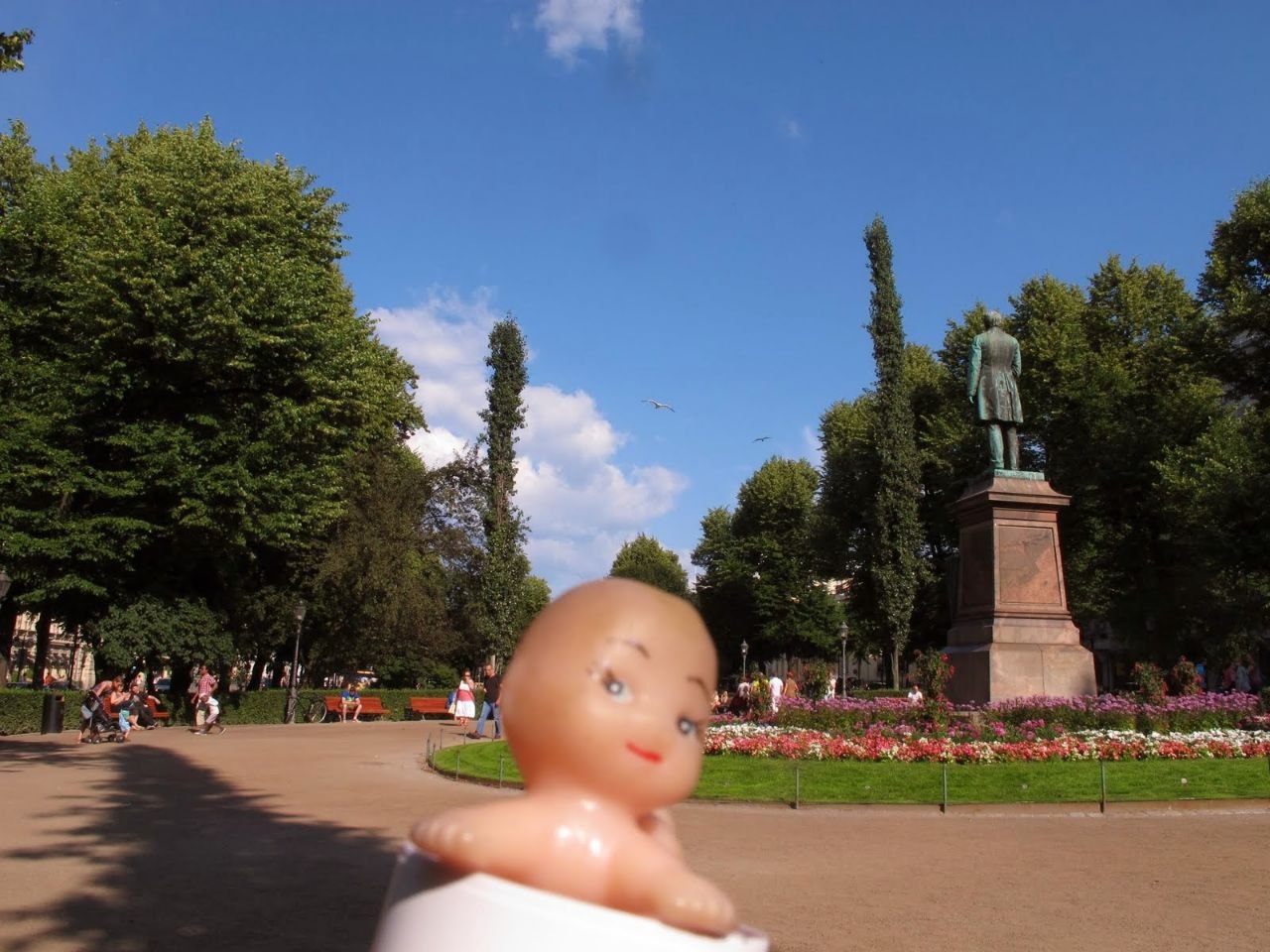
The Market Square (Kauppatori) at the southern end of the city center is Helsinki’s principal waterfront marketplace, open year-round with a concentration of vendors selling fish, seasonal produce, handicrafts, and street food. It serves as the departure point for ferries to Suomenlinna and to the Estonian capital Tallinn. The adjacent Esplanadi — a broad boulevard park running east–west through the city center — is lined with cafés, restaurants, and the flagship stores of Finnish design brands. At its western end stands a statue of Johan Ludvig Runeberg, Finland’s national poet; at the eastern end, the park opens onto the Market Square waterfront.
Cuisine
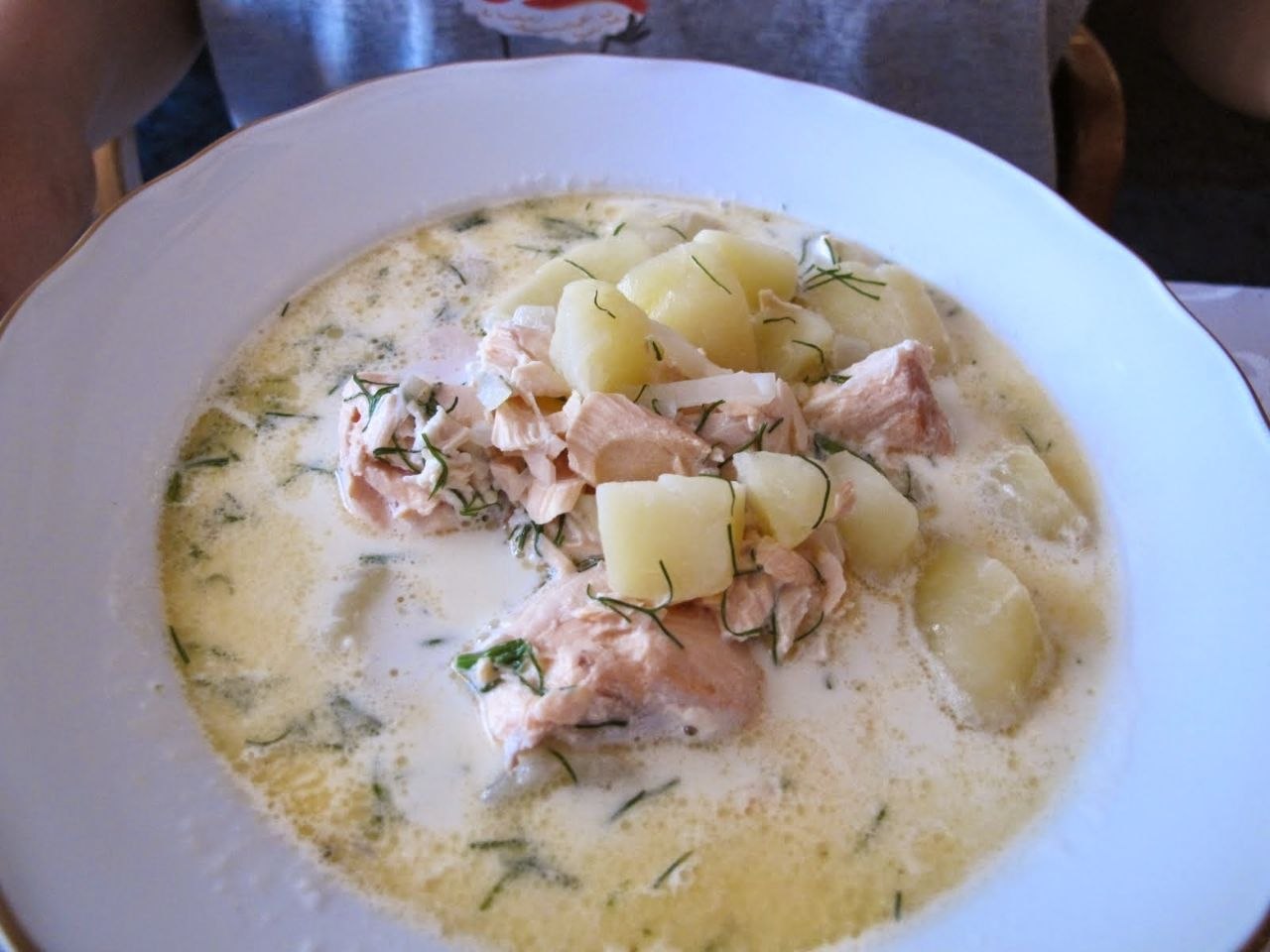
Finnish cuisine in Helsinki centers on fresh, seasonal ingredients drawn from the country’s forests, lakes, and coastal waters. Lohikeitto — a creamy salmon soup prepared with potatoes, leek, and dill — is one of the most characteristic dishes of the Finnish table and is widely available at market stalls, the Old Market Hall (Vanha kauppahalli), and restaurants throughout the city. Smoked and cured fish, including Baltic herring (silakka), are sold fresh at the Market Square and are central to the traditional Finnish diet. The Old Market Hall, a brick market building from 1889 adjacent to the waterfront, houses specialty food vendors selling cheeses, charcuterie, pastries, and local delicacies alongside prepared foods.
Visiting Tips
Helsinki is served by Helsinki Airport (HEL) in Vantaa, approximately 19 kilometers north of the city center, with frequent rail connections via the Ring Rail Line to the central railway station. The city center is compact and walkable; trams cover most major districts and are the most practical way to reach Töölö (for Temppeliaukio Church) and other areas beyond the immediate center. Ferries to Suomenlinna depart from the Market Square year-round; the journey takes approximately 15 minutes and the ferry is operated by the city’s public transport system, covered by a standard transit ticket. The Temppeliaukio Church is an active place of worship and closes during services. Summer (June–August) brings the longest daylight hours — Helsinki’s latitude means near-continuous daylight around the summer solstice.
 Jumping Timezones
Leave a comment