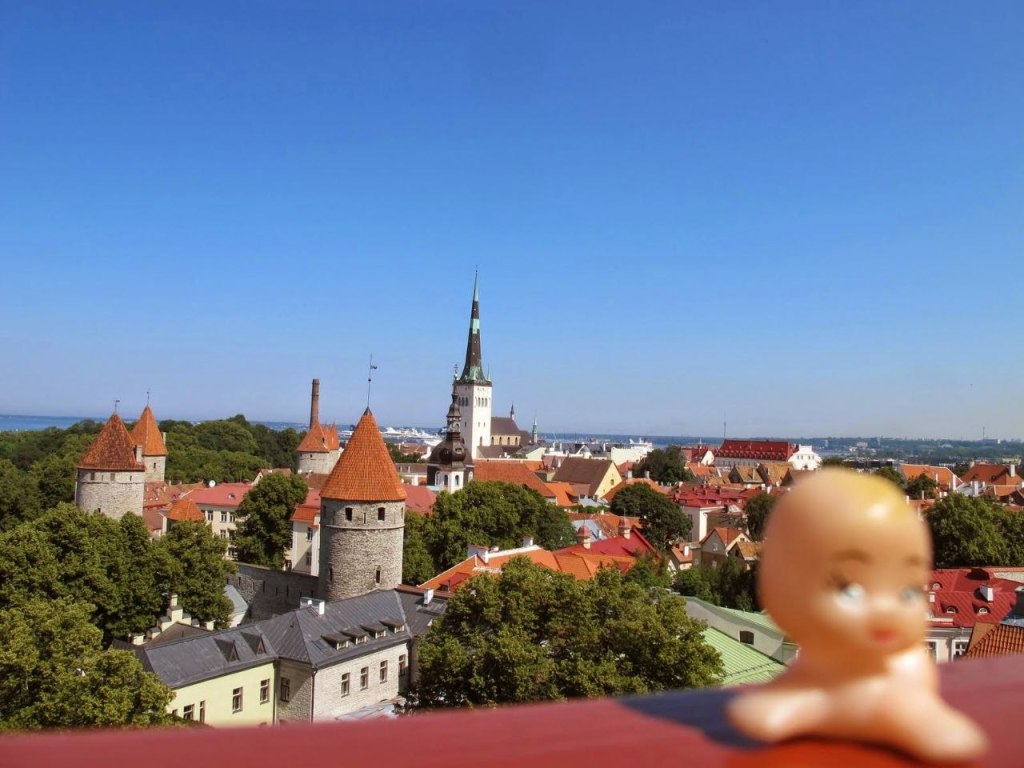
Tallinn is the capital of Estonia and its largest city, situated on the southern shore of the Gulf of Finland. Settled by the 13th century and formally established as a town following the Danish conquest of 1219, it grew under successive German, Danish, Swedish, and Russian rule into one of the most significant trading cities of the medieval Hanseatic League. Its Old Town — known in Estonian as Vanalinn — is among the best-preserved medieval city centers in Northern Europe and was inscribed as a UNESCO World Heritage Site in 1997. The city divides historically into two distinct zones: the upper town of Toompea, seat of political and ecclesiastical power, and the lower town, which served as the commercial heart of the Hanseatic settlement.
Toompea
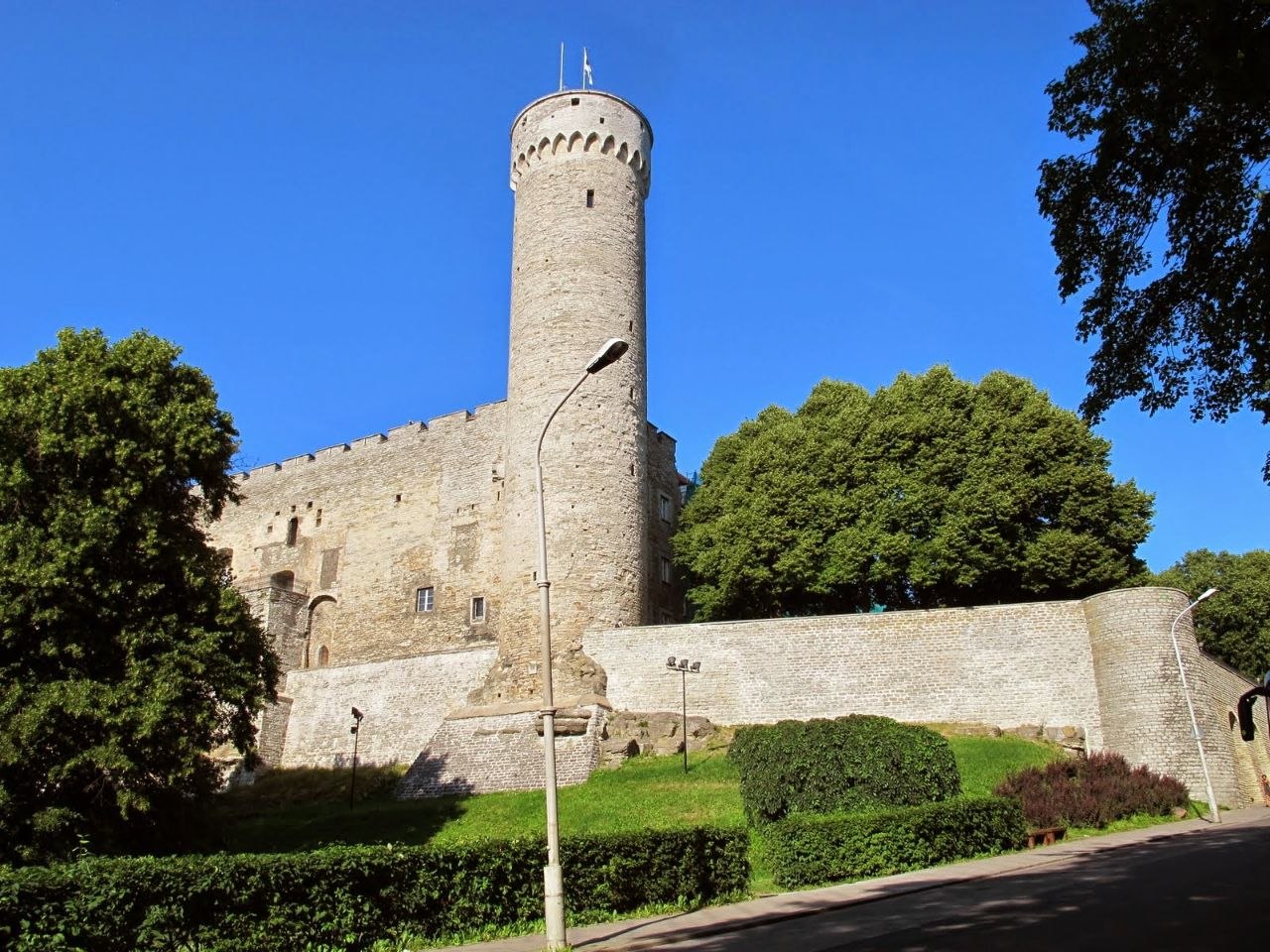
Toompea is a limestone hill rising above the lower town and has functioned as the center of Estonian political authority for most of the country’s recorded history. The hill was fortified by the Danes in the 13th century, passed to the Teutonic Order in 1227, and subsequently served as the seat of the Livonian Order, Swedish governors, and Russian imperial administration. Today, Toompea Castle — a complex that developed over several centuries — houses the Riigikogu, the Estonian parliament, in a Baroque palace built by Peter the Great’s order in the early 18th century. The original medieval towers of the castle survive at the corners of the fortification; the most prominent is Tall Hermann (Pikk Hermann), a 14th-century tower that rises 45.6 meters above the hill and flies the Estonian national flag from its summit. The flag was first raised here on November 12, 1918, following Estonian independence, removed during the Soviet occupation, and restored on February 24, 1989 — a symbolic act in the lead-up to the restoration of independence in 1991.
Alexander Nevsky Cathedral
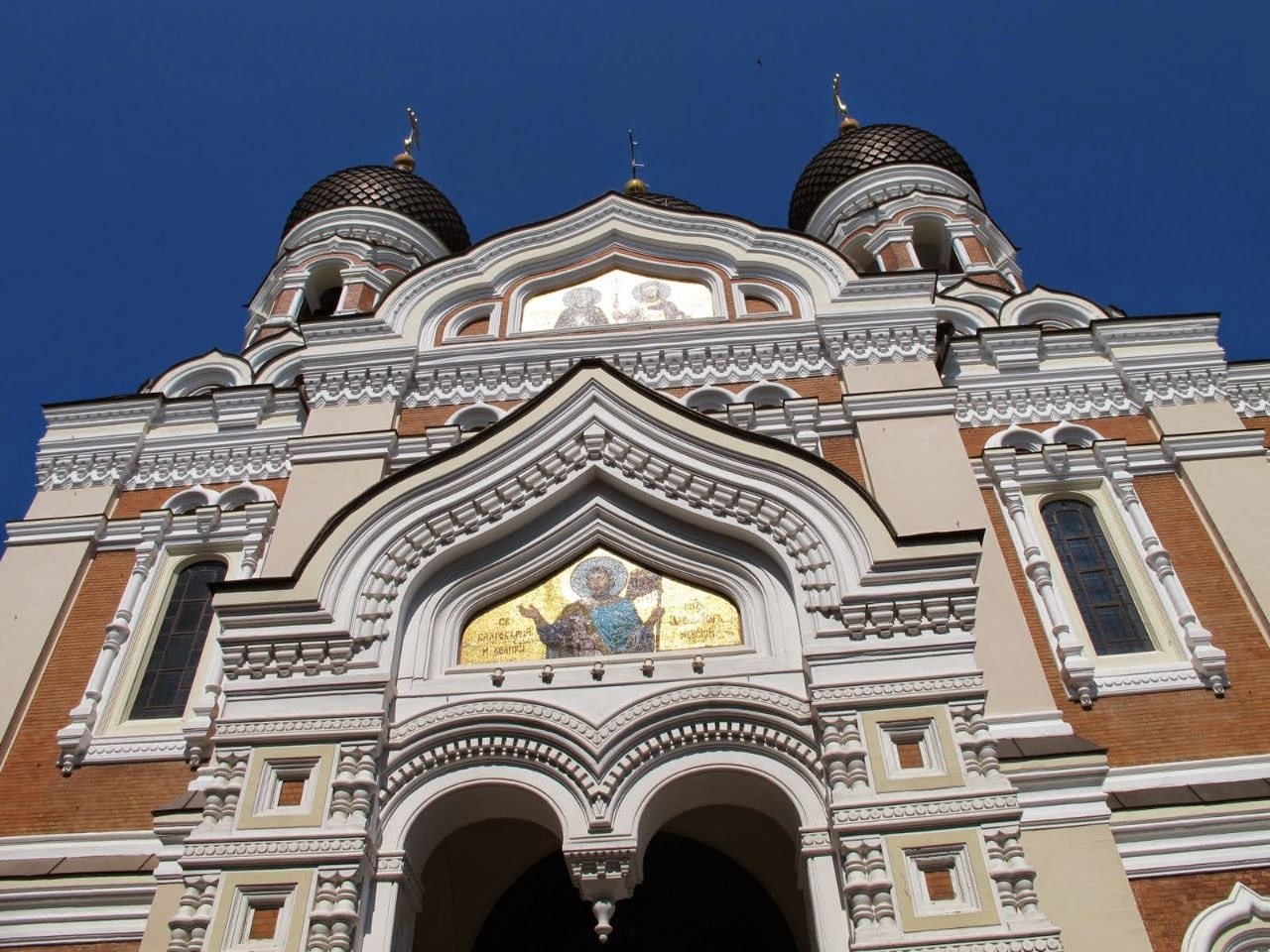
The Alexander Nevsky Cathedral stands on Lossi plats (Castle Square) at the top of Toompea, directly opposite the entrance to the Estonian parliament. Built between 1894 and 1900 during the period of Russian imperial rule, it was designed by Mikhail Preobrazhensky in the Russian Revival style — a deliberate architectural statement of Russian imperial authority in the Baltic provinces. The cathedral is constructed of Valdai sandstone and features five onion domes covered in dark shingles, three large mosaic panels above the entrance, and eleven bells in its towers. The largest bell weighs approximately 15 tonnes. The cathedral is an active Russian Orthodox church and remains one of the most recognizable silhouettes on the Tallinn skyline.
Lower Town & Town Hall Square
The lower town of Vanalinn retains much of its medieval street layout, city walls, and towers. Approximately 1.9 kilometers of the original 2.35-kilometer defensive wall survive, along with 26 of the original 46 towers — making Tallinn’s medieval fortifications among the most intact in the region. The walls were constructed primarily between the 13th and 16th centuries and range up to 16 meters in height.
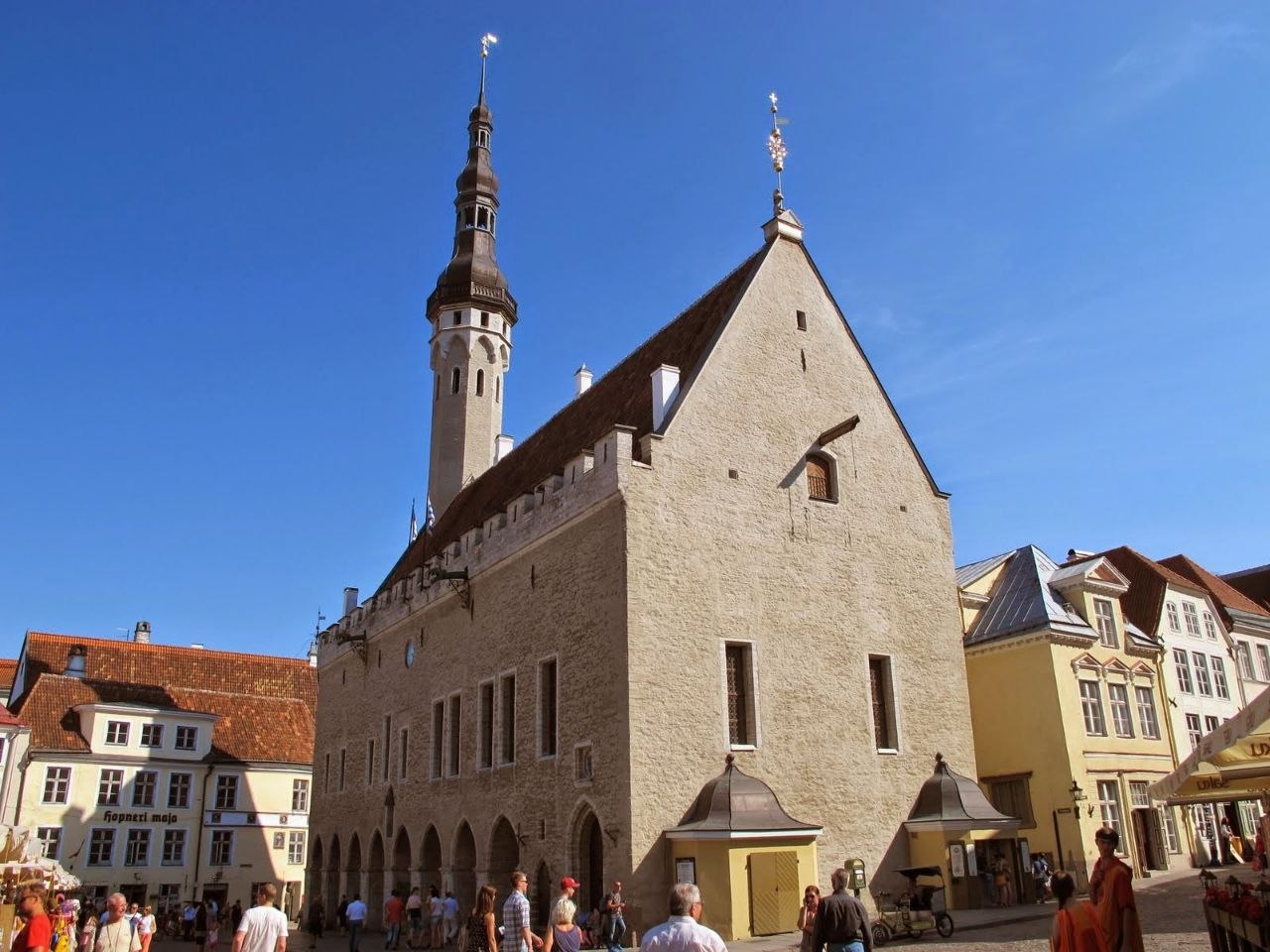
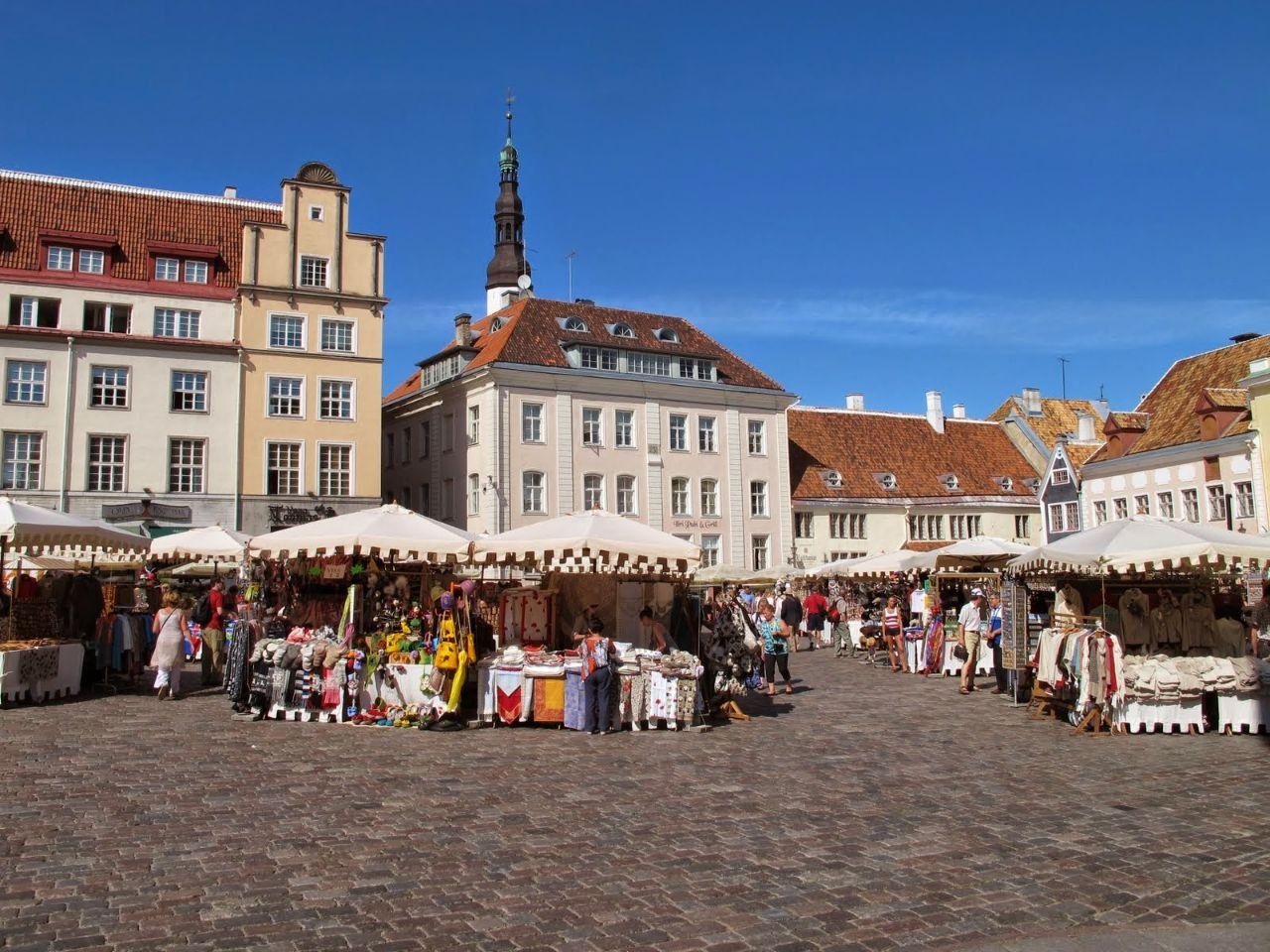
Town Hall Square (Raekoja plats) is the commercial and civic center of the lower town, a large cobblestoned market square that has been in continuous use since the 13th century. The Tallinn Town Hall, which borders the square, is the only surviving Gothic town hall in the Baltic states. Construction began in the 14th century and the current structure was completed by 1404. The building is topped by a slender tower from which a weather vane in the form of a soldier — known as Old Thomas (Vana Toomas) — has stood since 1530, serving as a symbol of the city. The Great Guild Hall on nearby Pikk Street, built in the early 15th century, was the gathering place of the city’s most powerful merchant guild and now houses the Estonian History Museum.
Visiting Tips
Tallinn’s Old Town is compact and navigable on foot; the walk from Town Hall Square to the top of Toompea takes approximately 15 minutes via the Pikk jalg (Long Leg) or Lühike jalg (Short Leg) lanes. The city is served by Lennart Meri Tallinn Airport, located about 4 kilometers from the Old Town, with tram connections to the city center. Tallinn is also a major ferry destination, with regular crossings to Helsinki (approximately 2–2.5 hours) from the port terminals a short walk from Vanalinn. The Old Town is walkable year-round; summer brings the longest daylight hours, while the medieval Christmas market on Town Hall Square runs through December. Entry to most of the Old Town’s streets and viewpoints is free; individual museums and tower climbs charge separate admission.
 Jumping Timezones
Leave a comment