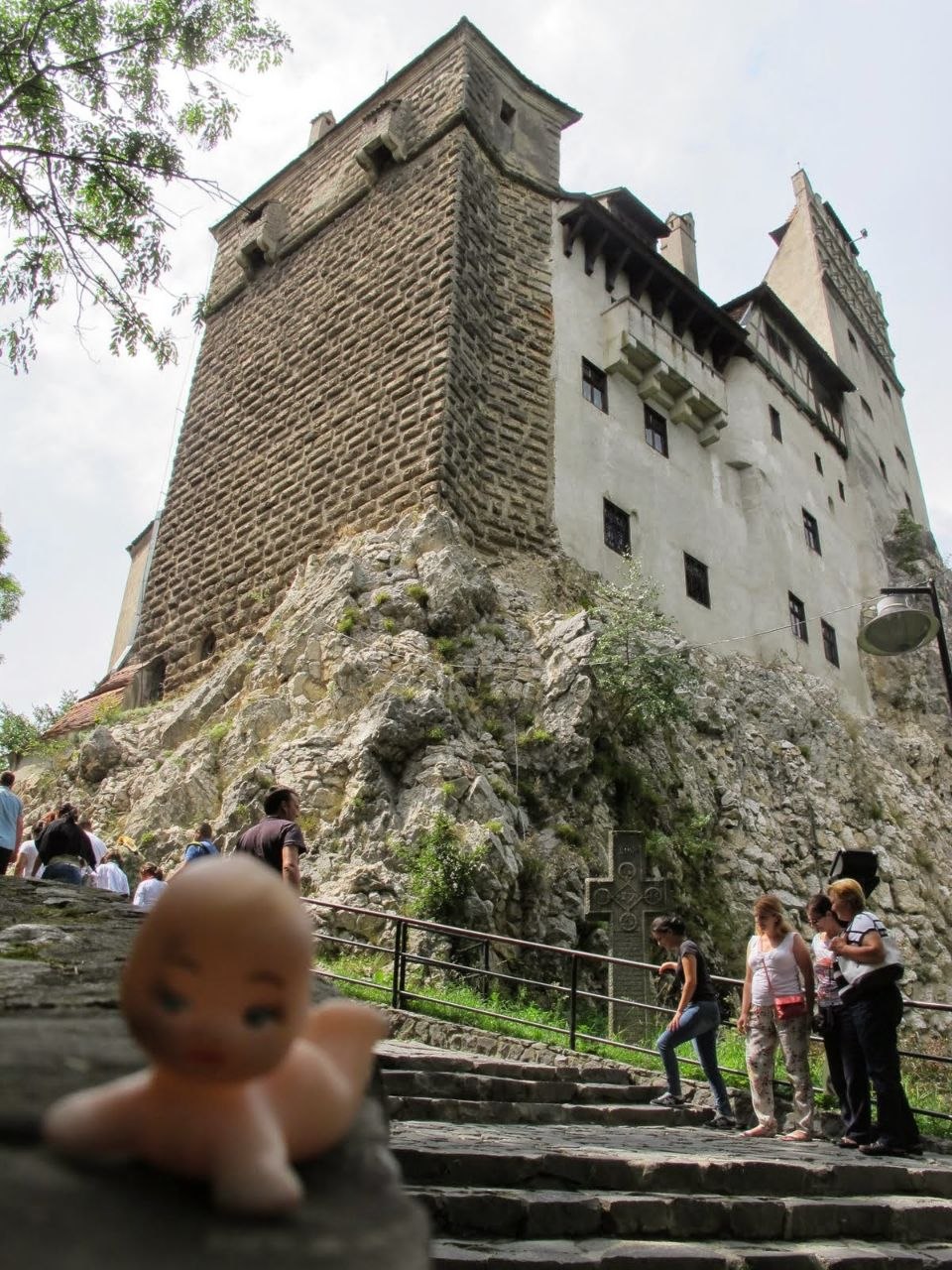
Bran is a commune in Brașov County in the Transylvania region of central Romania, situated approximately 30 kilometres southwest of Brașov city at an elevation of around 700 metres in the Bran Pass — a mountain corridor through the Southern Carpathians connecting Transylvania to Wallachia. The village and its surroundings are dominated by Bran Castle (Castelul Bran), a medieval fortress perched on a 60-metre rocky outcrop above the valley floor that is the most visited castle in Romania and one of the most recognisable monuments in Eastern Europe. The castle’s popular association with Bram Stoker’s Dracula — a connection rooted more in tourism mythology than in documented historical or literary fact — has given it the widely used sobriquet “Dracula’s Castle,” though Stoker never visited Romania and the castle’s physical resemblance to his fictional setting is largely coincidental. The castle’s documented history as a royal residence and its collection of medieval furniture, decorative arts, and arms and armour is substantial independent of its literary reputation.
Bran Castle
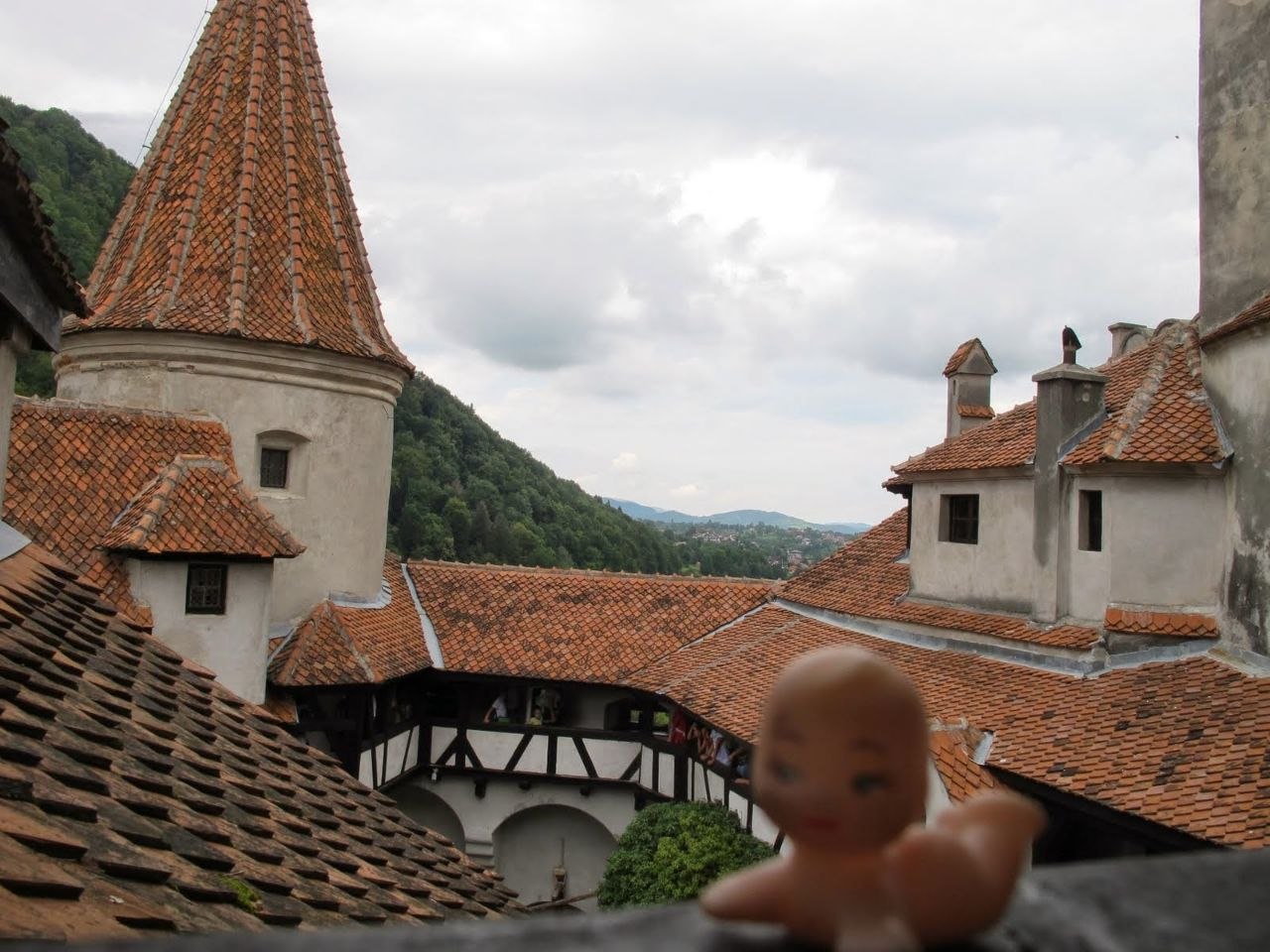
Bran Castle was constructed in the late 14th century — the earliest documented reference dates to 1377, when Louis I of Hungary granted the citizens of Brașov the right to build a stone fortress at Bran to defend the pass and the trade route between Transylvania and Wallachia. The castle served primarily as a customs post and defensive fortification controlling passage through the Bran Pass; its connection to Vlad III (Vlad the Impaler), the 15th-century Wallachian prince who is the primary historical inspiration for Stoker’s Dracula, is limited to a brief documented imprisonment at the castle in 1462. The fortress changed hands between Hungarian, Saxon, and Ottoman control through the medieval period before being ceded to the city of Brașov in 1498. In 1920, following the unification of Transylvania with Romania after the First World War, the castle was gifted to Queen Marie of Romania, who undertook an extensive programme of renovation and interior decoration, transforming it into a royal summer residence. Marie — a granddaughter of both Queen Victoria and Tsar Alexander II — furnished the castle with a personal collection of medieval and Renaissance furniture, carved wooden architectural elements, tapestries, ceramics, and decorative arts assembled from across Europe, which remain the core of the current interior display. The castle’s silhouette — steep terracotta-tiled rooftops and turrets arranged at multiple levels on the rocky crag, enclosed by forested Carpathian hillside — is among the most reproduced images of Romanian architecture.
The Interior Collection
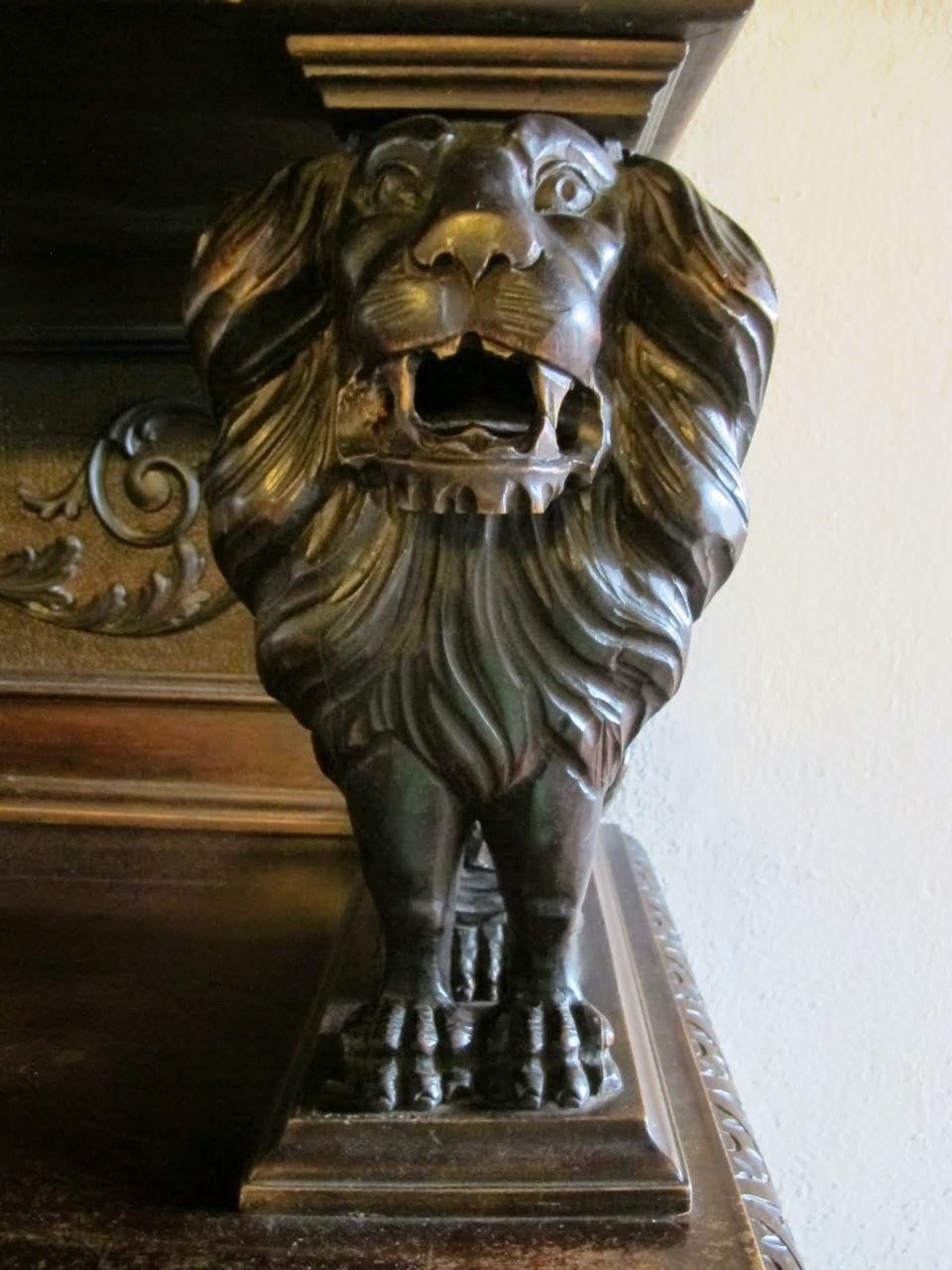
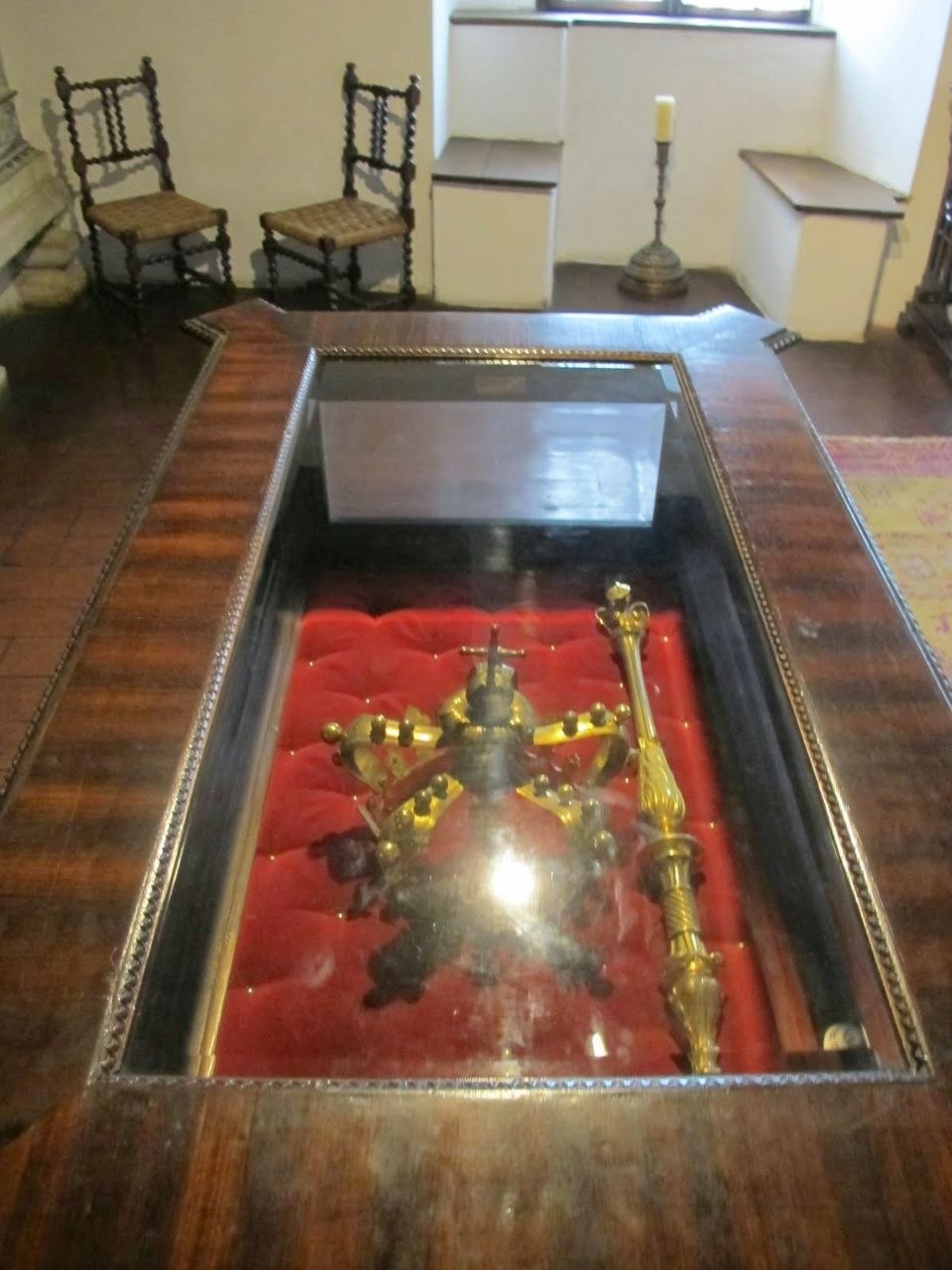
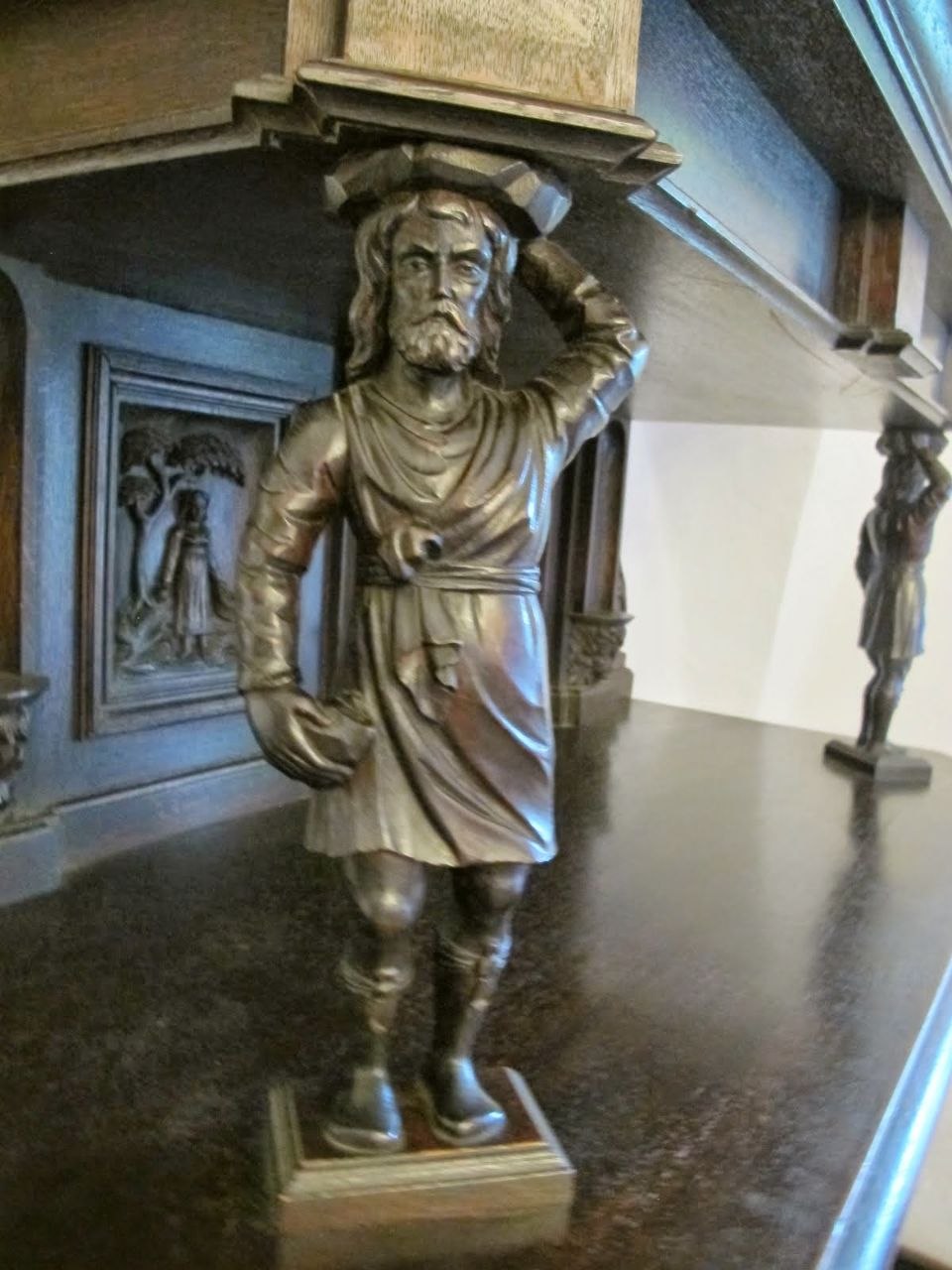
The castle interior presents Queen Marie’s personal collection across a series of rooms connected by narrow staircases and passages cut through the rock. The collection is notable for its carved wooden elements — heavy dark timber mantelpieces supported by corbels in the form of roaring lion heads, atlante figures carved in medieval dress supporting shelves and structural members, and panelled walls with relief decoration — assembled from Central European workshops of the 16th to 18th centuries. Display cases in the royal apartments hold regalia including crowns, sceptres, and ceremonial objects on red velvet cushions, alongside personal effects and portraits of the Romanian royal family. The castle’s rooms open onto a central interior courtyard from which the stacked roofline of turrets and steeply pitched tiled roofs is visible from multiple levels, and a well dating to the medieval period of construction occupies the courtyard floor.
The Bran Market and Local Crafts
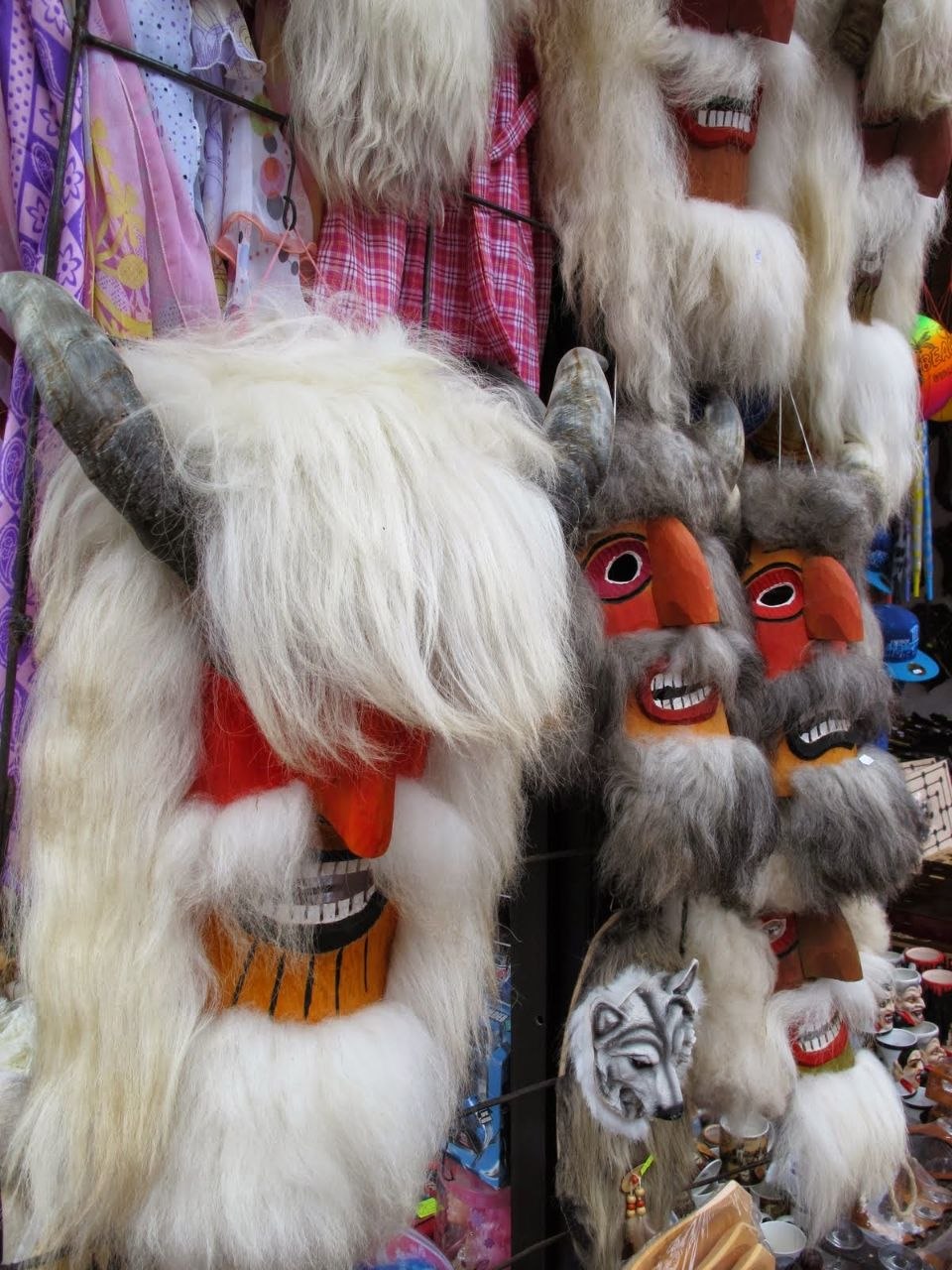
The open-air market at the base of the castle hill is one of the most extensive craft markets in Transylvania, selling traditional Romanian folk objects alongside tourist merchandise. Among the most distinctive items are the large carved wooden carnival masks — primarily associated with the winter folk traditions of the Carpathian villages — which feature exaggerated beaked faces covered in thick animal fur, often with curling ram horns and bared teeth. These masks are used in traditional solstice and New Year processions in the mountain villages of Transylvania and Moldova, and vary significantly in form between different regional traditions. The market also sells hand-embroidered folk textiles, painted ceramics in the distinctive styles of Horezu and Corund, carved wooden household objects, and sheepskin goods. The market operates year-round but is largest during summer and the winter holiday period.
Visiting Tips
Bran is most conveniently reached from Brașov by direct bus (routes 5 and 5B from the central bus station at Autogara 2), with a journey time of approximately 45 minutes; the bus stops at the base of the castle hill. The castle is open daily, with last entry approximately one hour before closing; entry tickets are purchased at the gate and include access to all interior rooms. The castle can become very crowded during summer weekends and school holiday periods — visiting on a weekday morning or in the late afternoon provides a significantly quieter experience. The outdoor market at the base of the hill is free to browse and operates independently of the castle. Bran village and the surrounding Bran Pass area also offer access to hiking trails into the Bucegi and Piatra Craiului mountain ranges; the Piatra Craiului National Park visitor centre is located approximately 10 kilometres further along the valley toward Zărnești.
 Jumping Timezones
Leave a comment