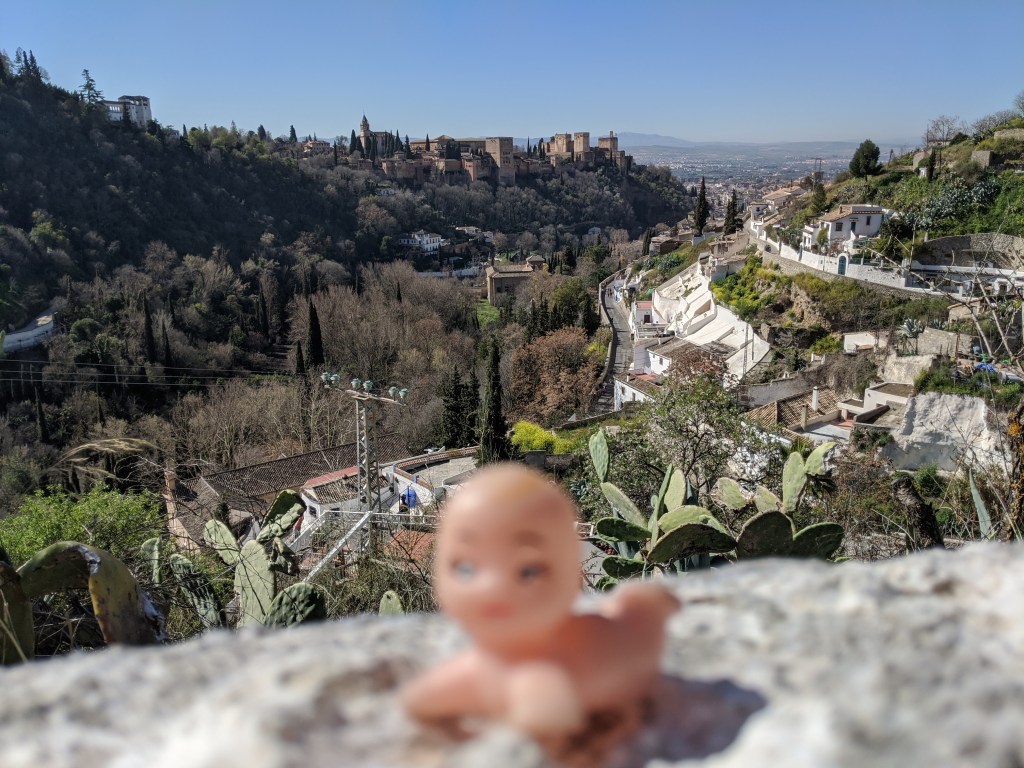
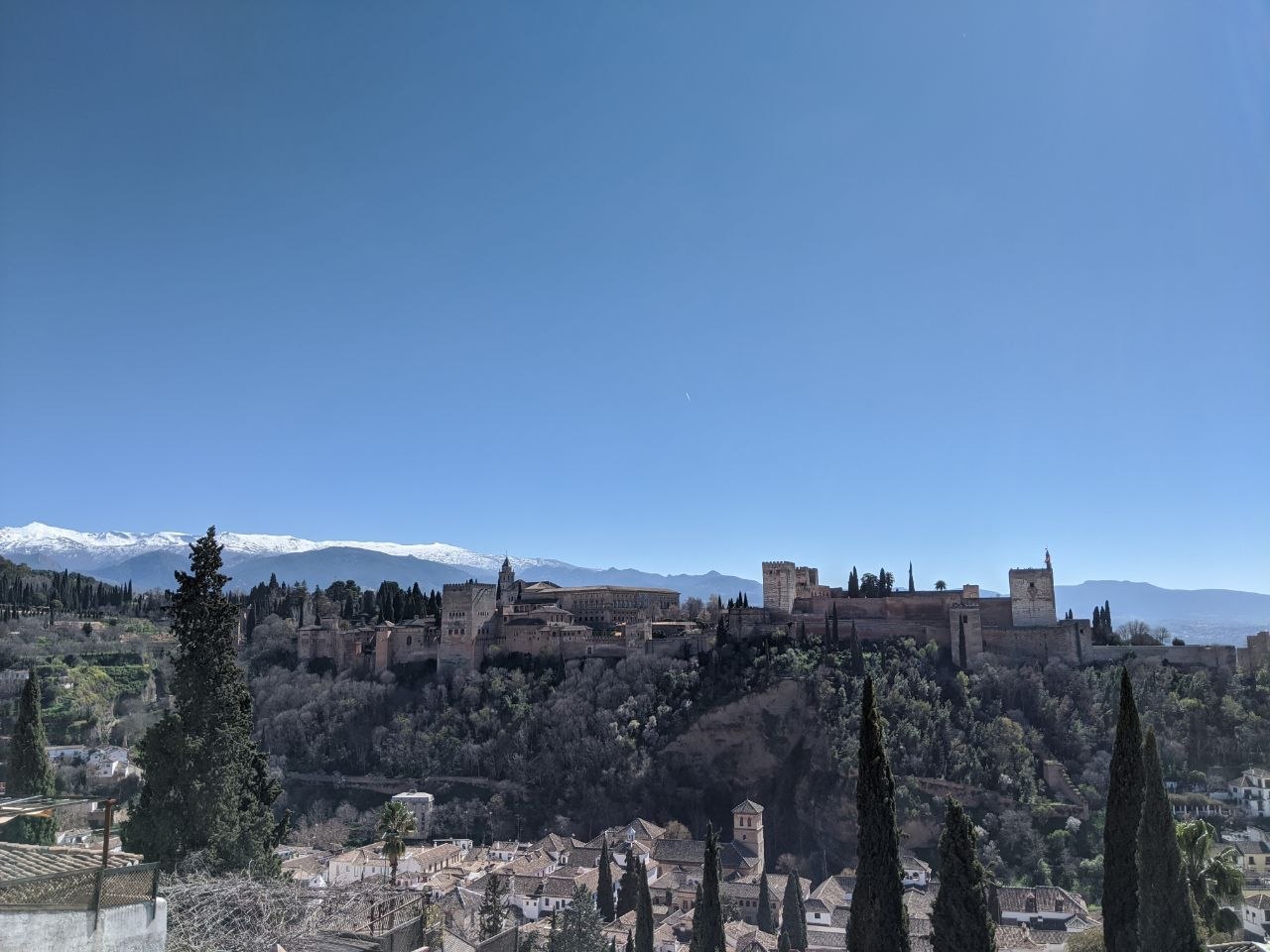
Sacramonte is a historic hillside neighbourhood of Granada in Andalusia, southern Spain, rising steeply above the Darro River valley on the northern edge of the city. It is the traditional home of Granada’s gitano (Romani) community and the neighbourhood most closely associated with the origins of flamenco in Granada — a living quarter of cave houses (cuevas) carved directly into the soft sandstone hillside, many of which have been continuously inhabited for centuries. The neighbourhood sits directly across the Darro valley from the Alhambra, whose full profile — the Nasrid Palaces, the Alcazaba fortress, and the wooded hill of the Generalife — is visible from Sacramonte’s upper paths with the snow-capped peaks of the Sierra Nevada forming the backdrop. This panorama, unique to the vantage points along Sacramonte’s Camino del Sacromonte, is widely considered one of the finest views in Spain.
The Cave Houses and Gitano Heritage
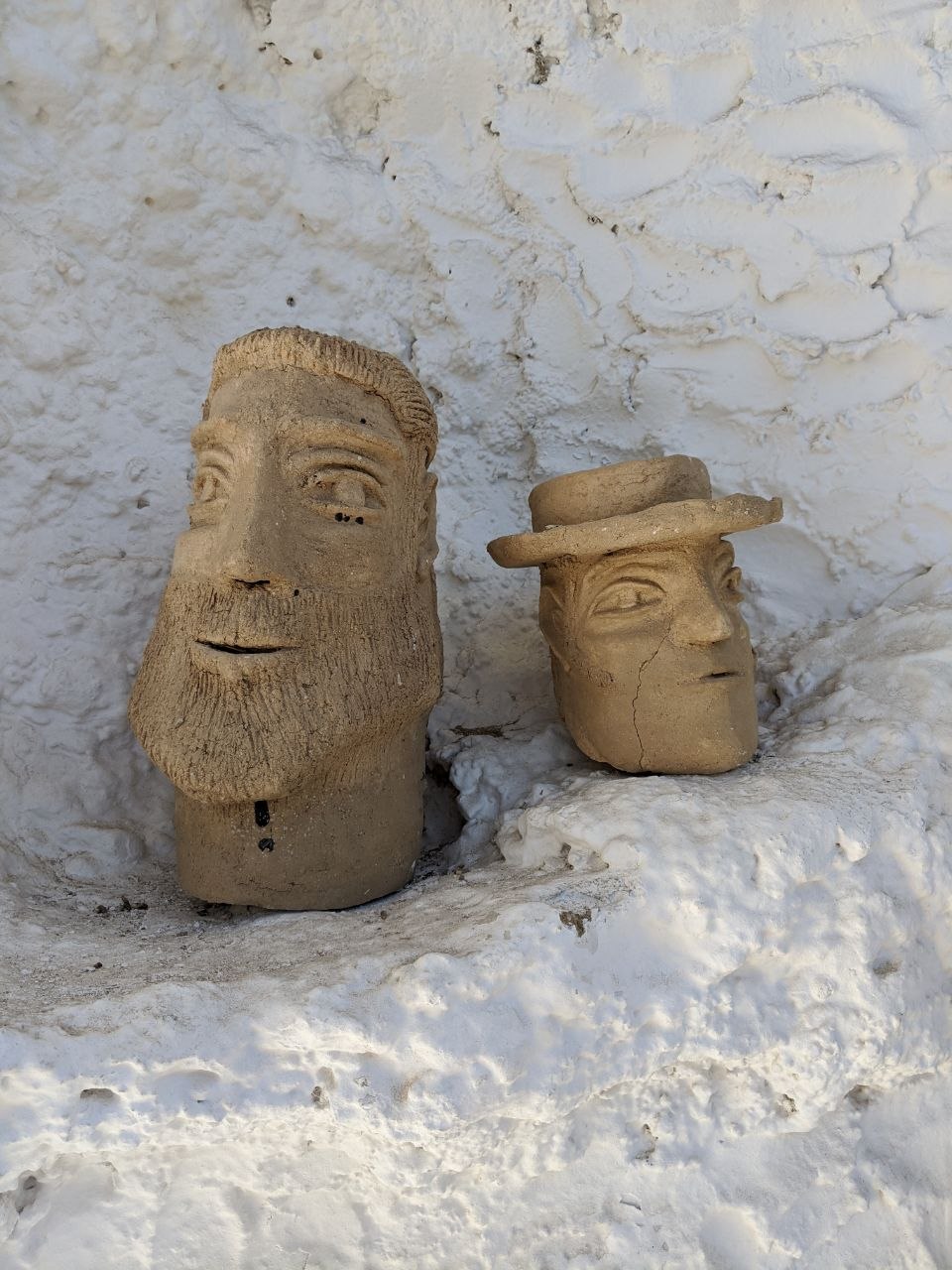
The cave houses of Sacramonte are the neighbourhood’s defining feature — dwellings carved horizontally into the compacted clay and sandstone of the hillside, their whitewashed facades punctuated by doorways, small windows, and chimney vents. The gitano community began settling Sacramonte in significant numbers following the Reconquista, and cave dwelling offered a practical solution on steep terrain with poor soil unsuitable for conventional construction. Cave houses maintain a stable interior temperature year-round — cool in Andalusia’s fierce summers and warm in winter — without insulation or mechanical systems. Many of Granada’s most celebrated flamenco families lived and performed in Sacramonte’s caves, and the neighbourhood remains the centre of the zambra gitana — a form of flamenco performance originating in Sacramonte that blends song, dance, and guitar in an intimate cave setting. Several cave venues still operate as tablaos, hosting zambra performances for visitors in spaces where generations of the same family have performed. Handmade ceramic objects — busts, figures, and decorative pieces — are a recurring feature of cave entrances and courtyard ledges throughout Sacramonte, part of a local craft tradition closely connected to the neighbourhood’s artistic identity.
The View of the Alhambra
The view from Sacramonte’s upper pathways across the Darro valley to the Alhambra is one of the most celebrated in Andalusia. From the Camino del Sacromonte and the terraces above it, the entire length of the Alhambra complex is visible as a continuous silhouette of towers, walls, and cypress trees occupying the crest of the Sabika hill: the square towers of the Alcazaba at the western end, the rooftops and tower of the Comares palace at the centre, and the lower outline of the Generalife gardens and summer palace to the east. In clear winter conditions — when the Sierra Nevada has received snowfall — the white peaks of Veleta and Mulhacén, two of the highest mountains on the Iberian Peninsula, rise directly behind the Alhambra, creating a composition of red fortress walls against white mountain snow that has appeared in paintings and photographs of Granada for centuries. The light on the Alhambra changes dramatically through the day; the views are considered finest in the morning and at golden hour before dusk.
Visiting Tips
Sacramonte is reached on foot from the Albaicín via the Camino del Sacromonte, a path that follows the Darro valley northeast from the city. The walk from the Plaza Nueva — Granada’s central square — takes approximately 30–40 minutes on foot through the Albaicín and along the river. The upper viewpoints of the Alhambra with the Sierra Nevada backdrop are best in winter and early spring, when the peaks retain snowfall and the air is clearest; by late spring the snow has largely retreated. Zambra flamenco performances in the cave venues run nightly and should be booked in advance — most include a drink and last approximately one hour. The neighbourhood is steep and the paths are uneven cobblestone; comfortable footwear is strongly recommended. Visiting in the early morning or evening allows the Alhambra views to be enjoyed in optimal light and with fewer visitors on the paths.
 Jumping Timezones
Leave a comment