Cuyabeno Wildlife Reserve is one of the largest protected areas in Ecuador, covering approximately 603,000 hectares of primary Amazonian rainforest in the northeastern Sucumbíos province, near the border with Colombia and Peru. Established in 1979, the reserve encompasses the Cuyabeno River basin and a network of interconnected lakes, flooded forests, and blackwater lagoons fed by the Cuyabeno and Aguarico rivers. It is considered one of the most biodiverse places on the planet — home to more than 500 species of birds, 350 species of fish, and a remarkable density of mammals, reptiles, amphibians, and invertebrates. The reserve also falls within the traditional territory of several indigenous nationalities, including the Siona, Secoya, Cofán, and Shuar peoples.
The River and Flooded Forest
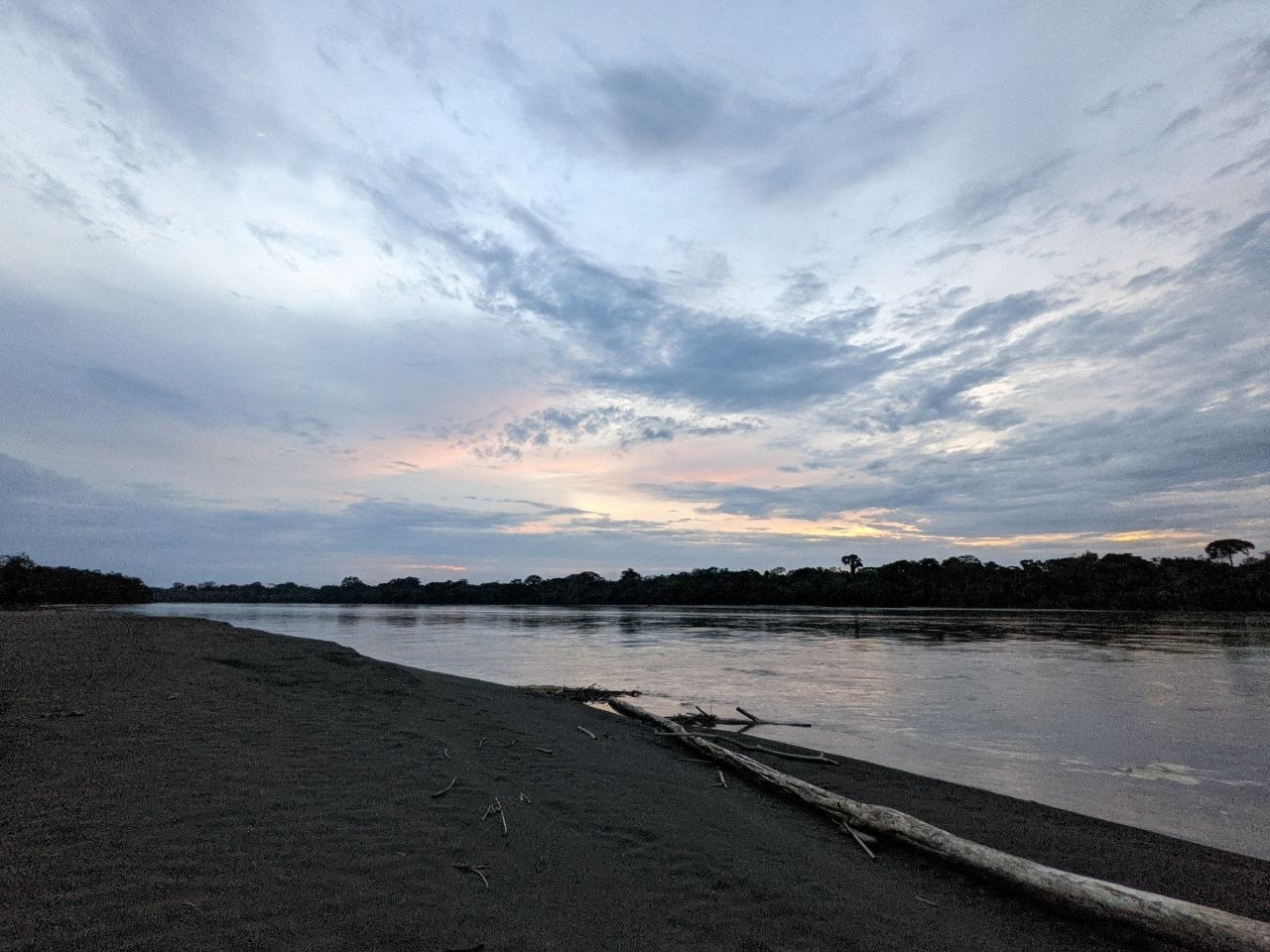
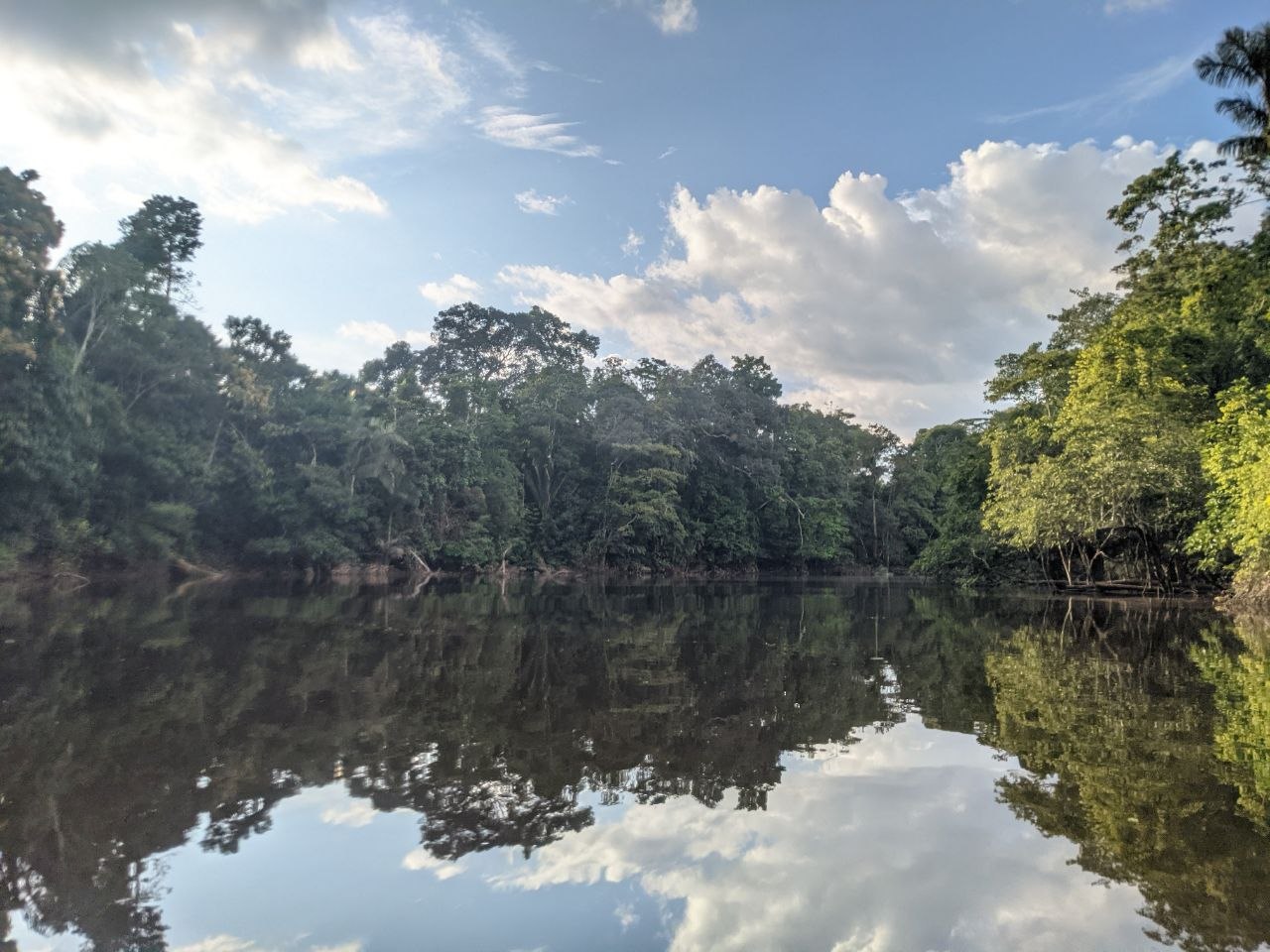
The Cuyabeno River and its associated lakes form the heart of the reserve. The water in these systems is dark — stained brown-black by tannins leaching from decomposing organic matter — which gives the rivers and lagoons a mirror-like quality when calm, perfectly reflecting the surrounding canopy and sky. Boat travel by motorised canoe is the primary means of moving through the reserve, and the rivers serve as both highways and habitat. During high water season, the forest itself floods to considerable depth, and canoes can pass between trees deep into the interior. The main lake system, Laguna Grande, is a broad, open lagoon surrounded by jungle that is particularly rewarding at dawn and dusk, when wildlife activity peaks and the light creates extraordinary reflections across the still water.
Wildlife
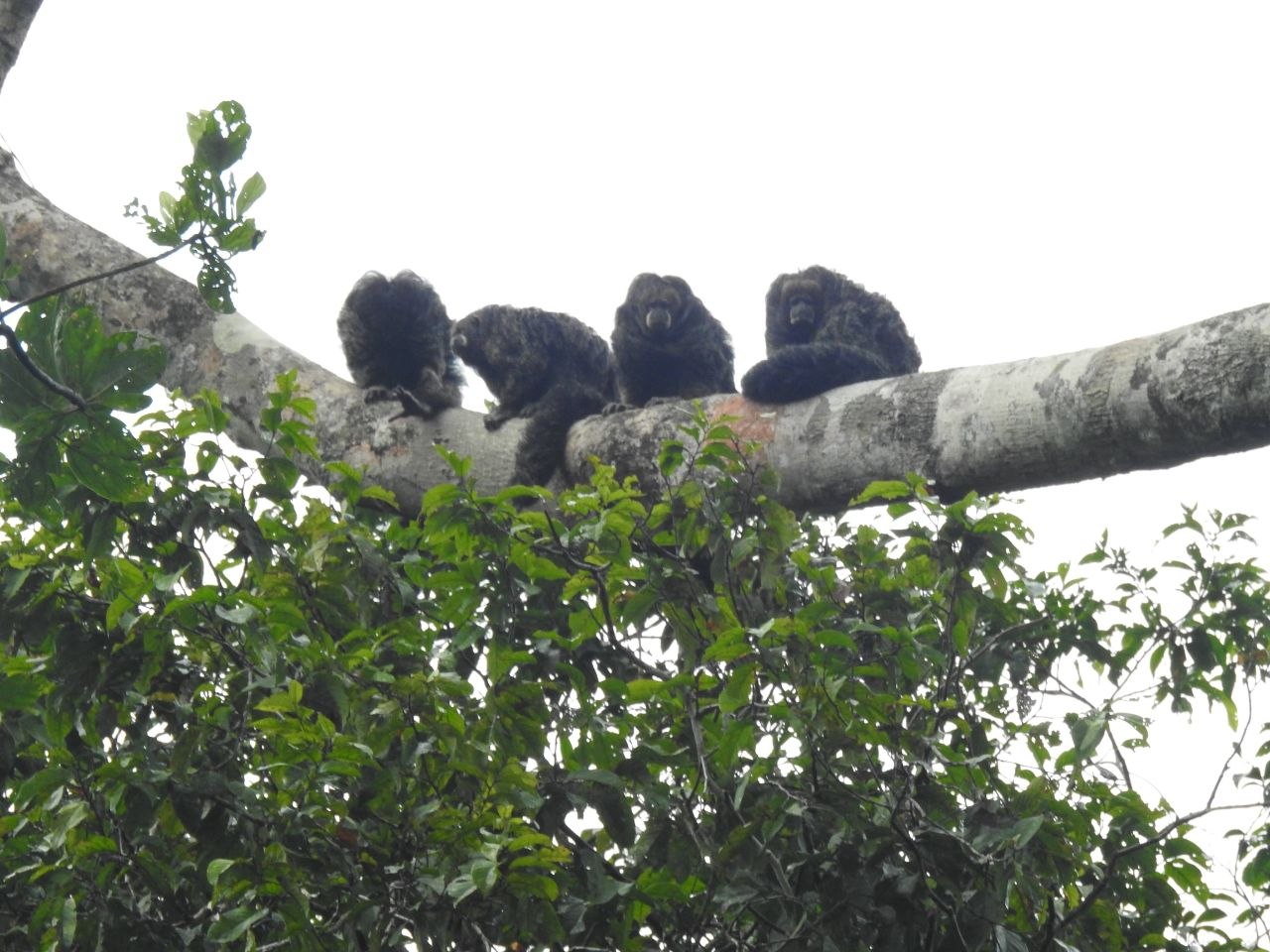
Cuyabeno supports an exceptional density and variety of wildlife. Howler monkeys (Alouatta seniculus) are among the most frequently encountered primates — their deep, resonant calls carry for kilometres through the forest and are a defining sound of early mornings and late afternoons. Other primate species present include squirrel monkeys, woolly monkeys, and several species of tamarin. Pink river dolphins (Inia geoffrensis) inhabit the deeper channels and lagoons and are regularly seen surfacing near canoes. Caimans — both spectacled and the larger black caiman — are visible along river banks and in shallow water at night. Green anacondas occupy flooded margins and stream edges. The birdlife is extraordinary in variety, with toucans, macaws, hoatzins, kingfishers, herons, and numerous species of flycatcher among the more commonly observed species.
Night Walks
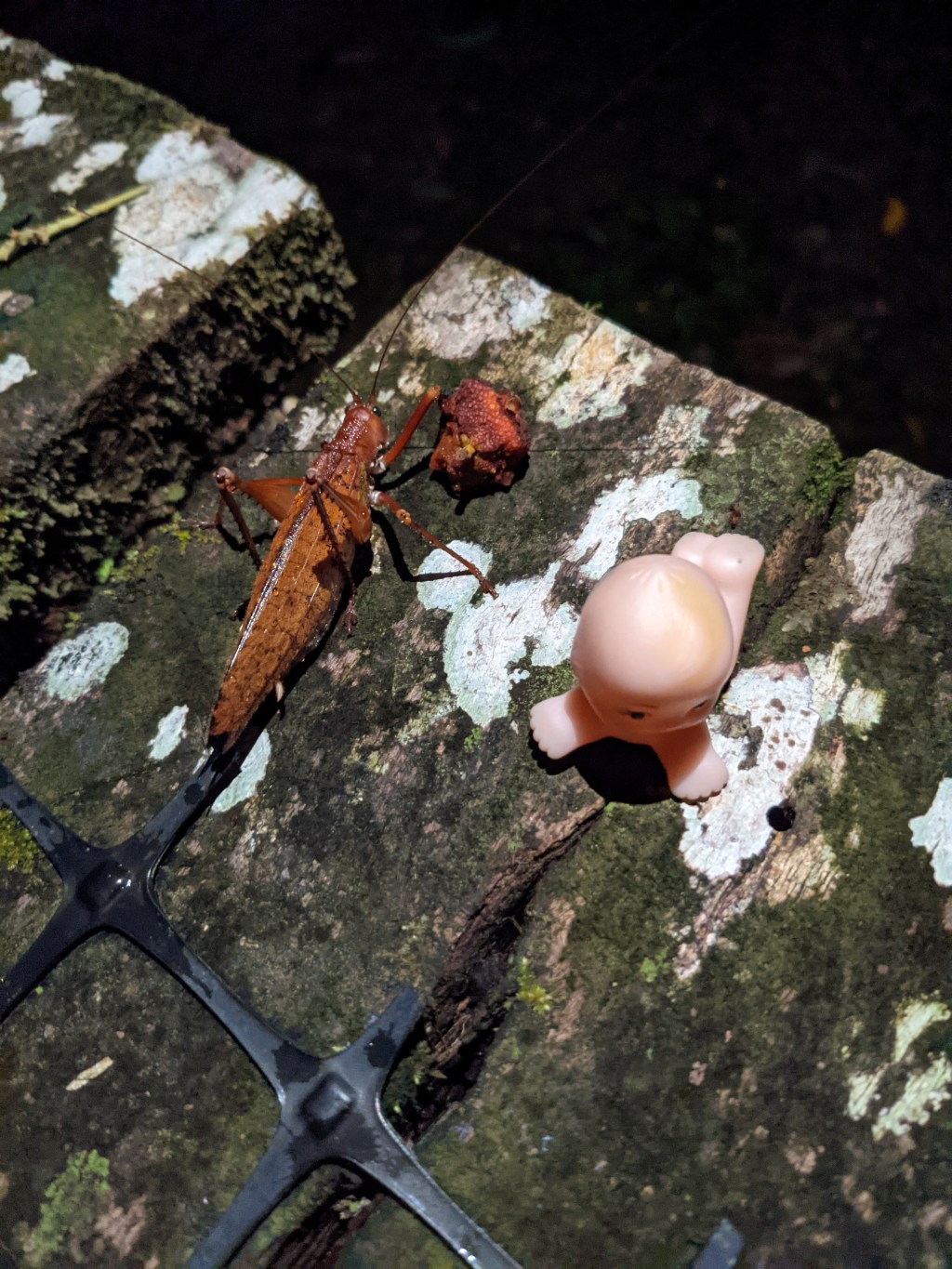
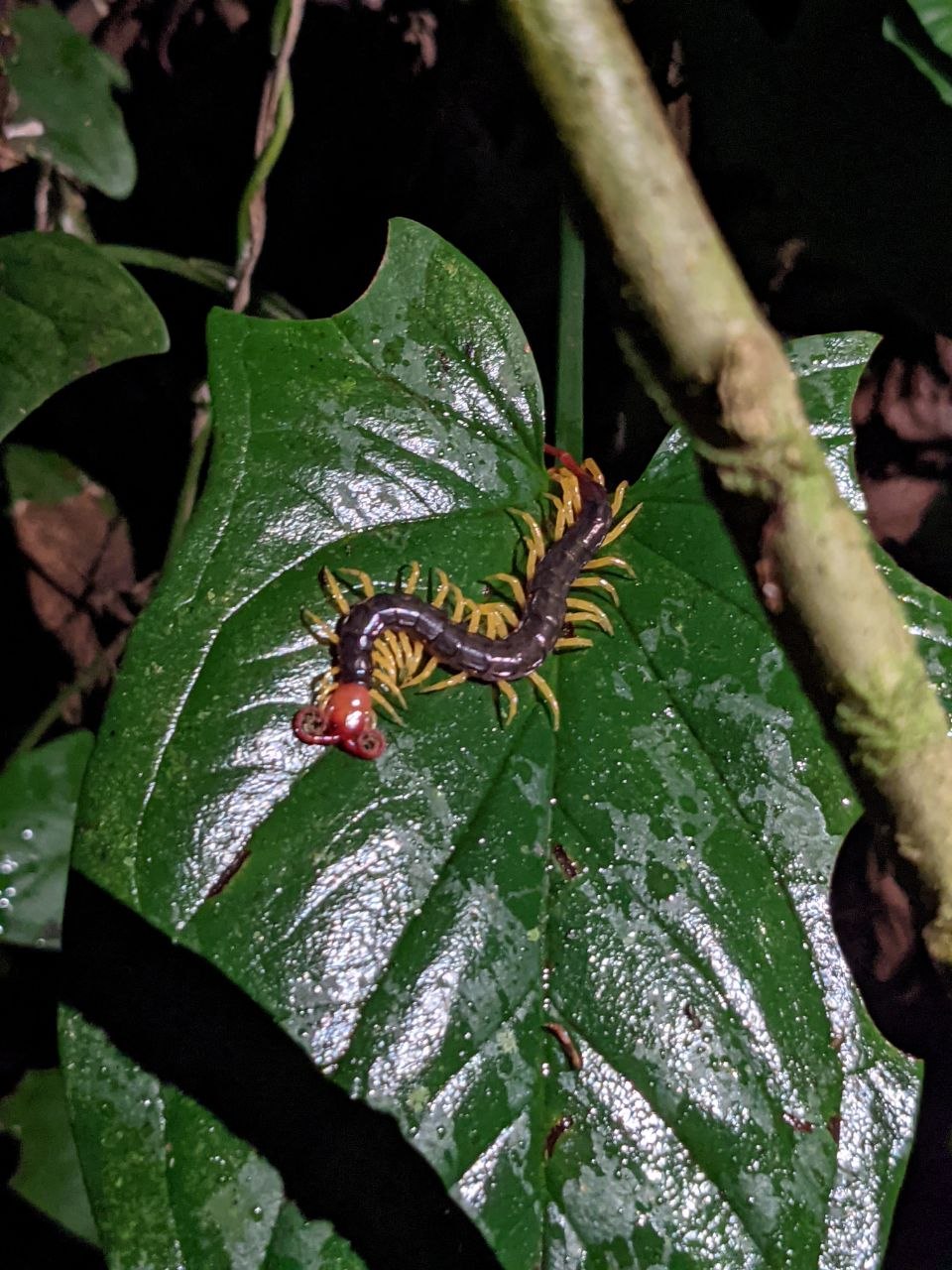
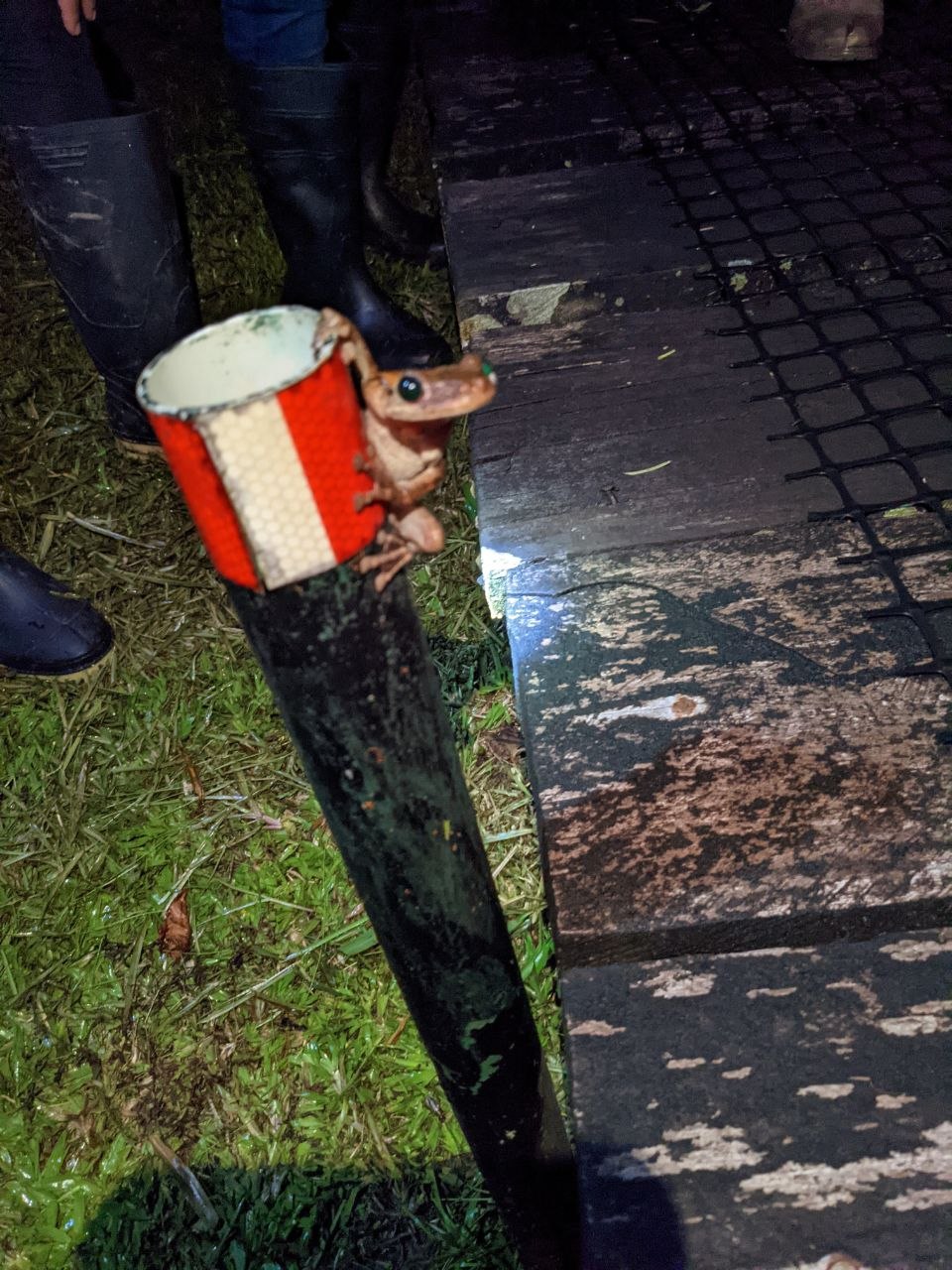
Guided night walks into the forest are among the most memorable activities in Cuyabeno. After dark, the jungle transforms entirely — the soundscape shifts, and a headlamp reveals a world largely invisible during daylight hours. Tree frogs cling to leaves and stems, their eyes catching the light at close range. Centipedes — some reaching considerable size, with vivid yellow and red colouring — move across the forest floor and low vegetation. Spiders occupy every level of the understorey, and the calls of nocturnal insects and frogs create a continuous, layered soundtrack. Night caiman spotting by canoe, scanning the river banks with a torch to catch the reflective shine of their eyes, is a standard and reliably spectacular activity.
Visiting Tips
Access to Cuyabeno Wildlife Reserve is through the town of Lago Agrio (Nueva Loja), which is reachable by a roughly 8-hour bus journey from Quito or by a short domestic flight. From Lago Agrio, a road transfer of approximately 2 hours leads to the reserve entrance at the Puente Cuyabeno bridge, where guests board motorised canoes for a 2–3 hour river journey to their lodge. All visits to the reserve must be arranged through a licensed tour operator, and a national park entrance fee applies. Multi-day stays of at least 4 nights are strongly recommended — the reserve’s full character, particularly its wildlife density and atmosphere, only becomes apparent with time. Rubber boots are essential and are typically provided by lodges. The wettest months (April–June and October–November) bring the highest water levels and some of the best wildlife viewing, though the dry season (July–September) is more comfortable for trekking.
 Jumping Timezones
Leave a comment