The Galápagos Islands are an archipelago of volcanic islands straddling the equator in the Pacific Ocean, approximately 1,000 kilometres west of mainland Ecuador. The islands are administered as a province of Ecuador and are among the most biologically significant places on Earth — their extraordinary fauna and the relative tameness of the animals towards humans were central to Charles Darwin’s development of the theory of natural selection following his visit in 1835. Today, roughly 97% of the land area is protected as Galápagos National Park, and the surrounding waters form one of the world’s largest marine reserves. The main inhabited islands are Santa Cruz, San Cristóbal, Isabela, and Floreana.
Volcanic Origins and Landscape
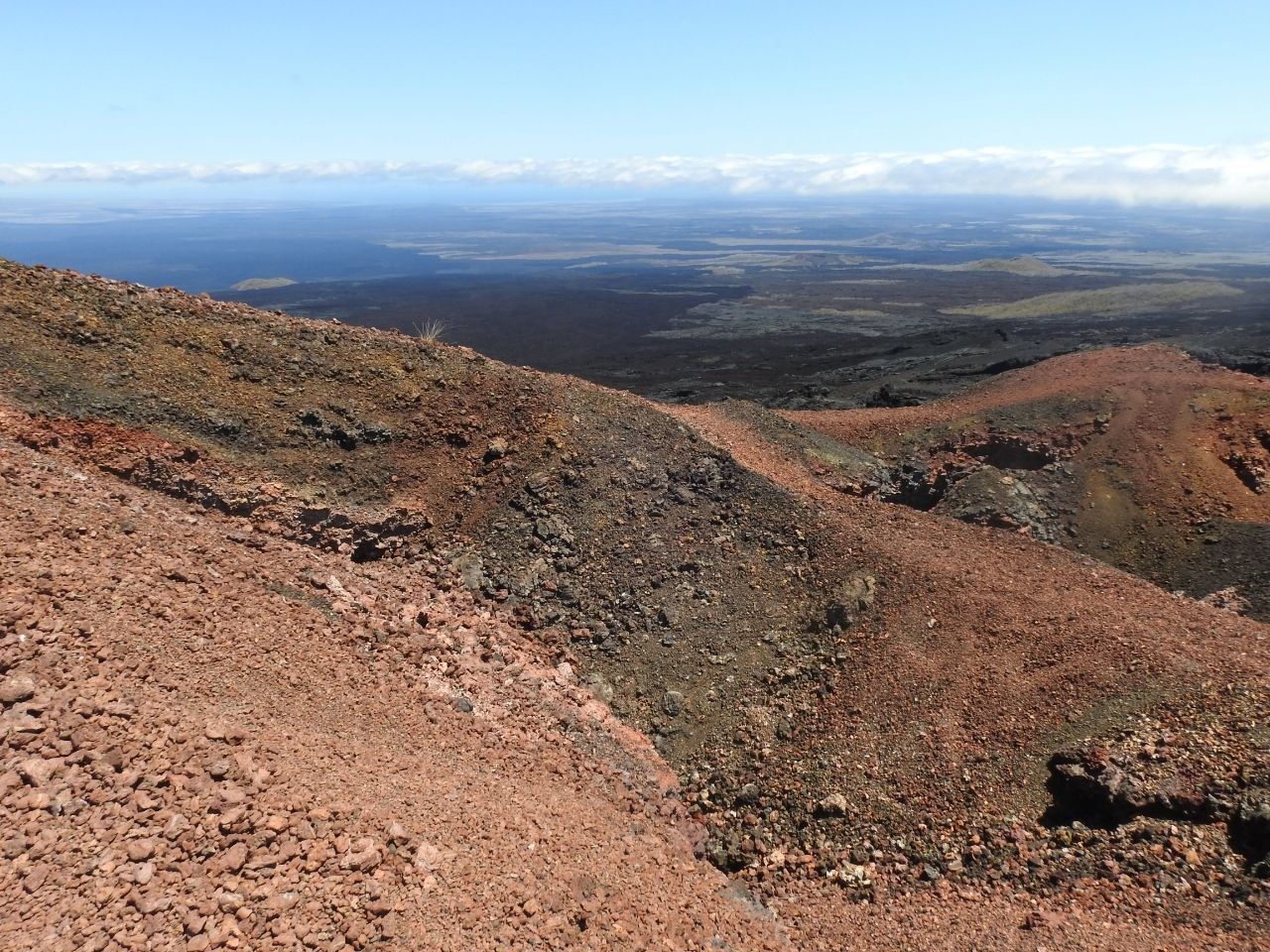
The Galápagos Islands are among the most volcanically active regions in the world, sitting above a hot spot in the Nazca Plate. The islands were formed by successive volcanic eruptions over millions of years and continue to be shaped by ongoing activity — Isabela and Fernandina islands have both erupted in recent decades. The landscape varies dramatically by island: the upper flanks of the larger volcanic shields are stark and barren, with exposed red and black lava fields, scoria, and aa flows stretching across wide calderas. Isabela, the largest island, is dominated by six shield volcanoes, including Wolf Volcano — the highest point in the Galápagos at 1,707 metres. The raw volcanic terrain, particularly at altitude, has a striking otherworldly quality, with deep ochre ridgelines dropping away to vast lava plains and the blue Pacific beyond.
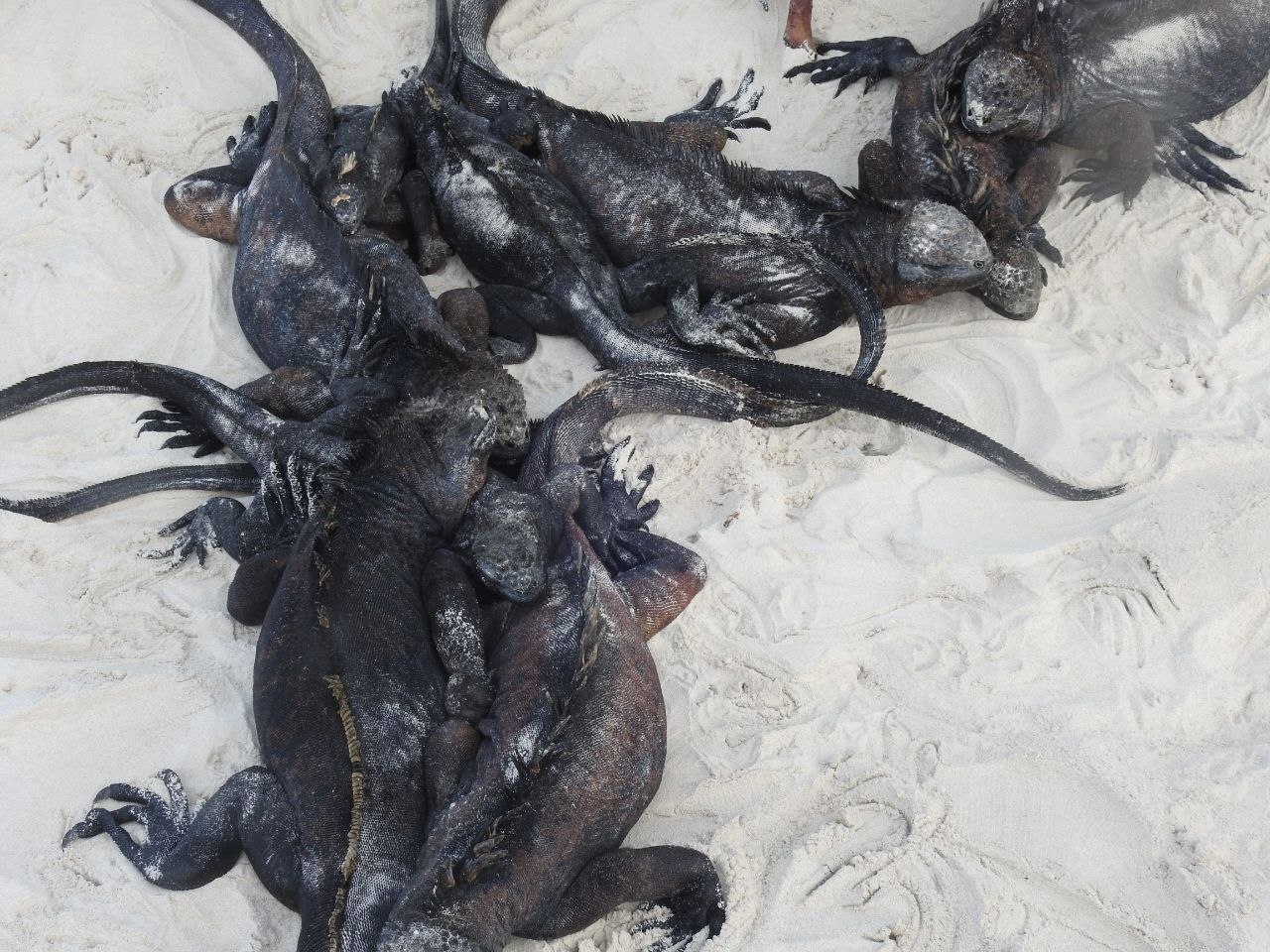
Marine Iguanas
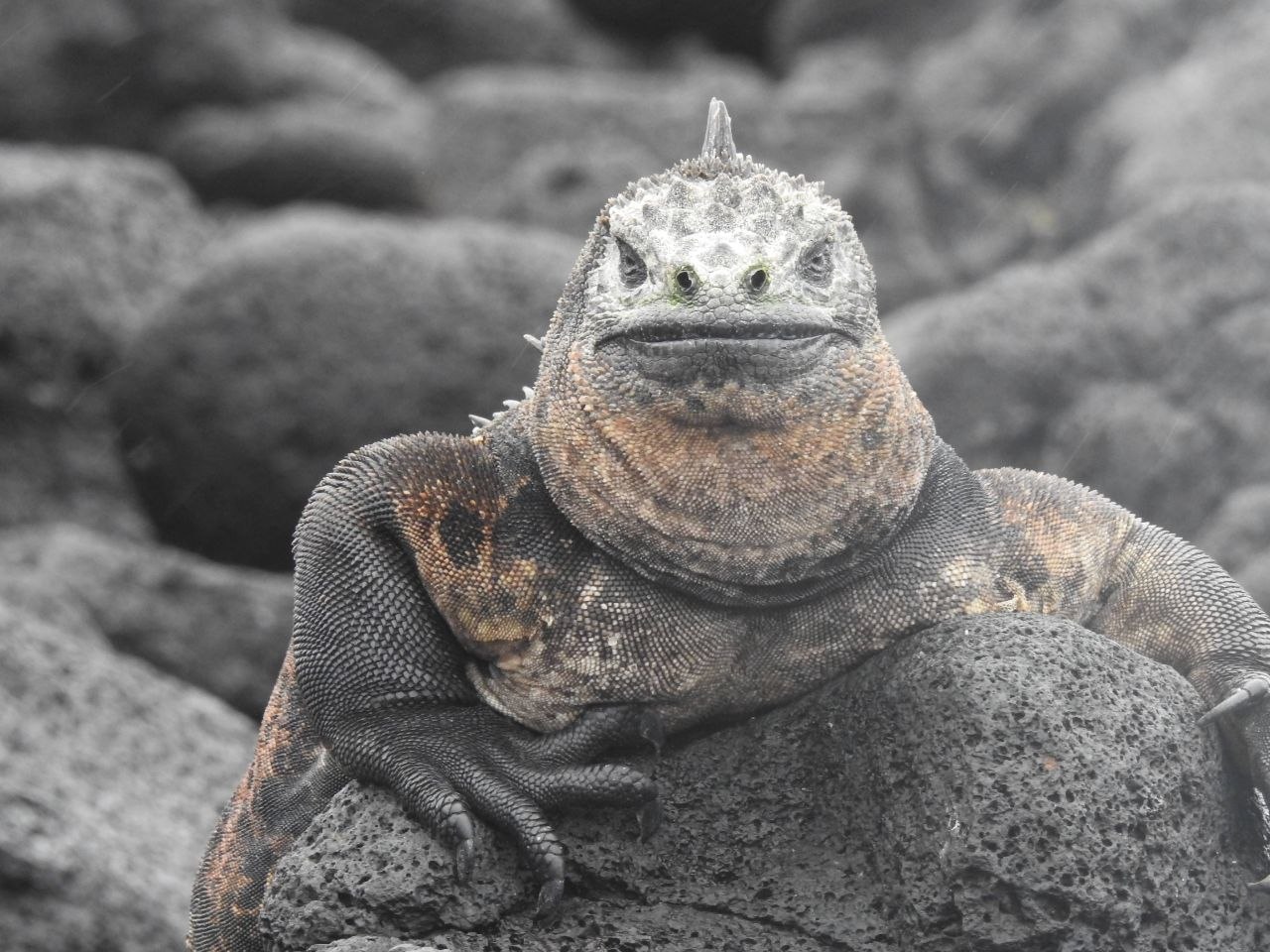
The marine iguana (Amblyrhynchus cristatus) is the only lizard in the world that forages in the sea, and it is found exclusively in the Galápagos. Marine iguanas feed on underwater algae and are capable of diving to depths of more than 10 metres, slowing their heart rate to conserve heat in the cold Humboldt Current waters. On land, they thermoregulate by basking on the black lava rocks that line the coastline, often in dense, overlapping groups of dozens or hundreds of individuals. Their colouring varies by island — the males of some populations develop vivid red and green pigmentation during breeding season. Despite their prehistoric appearance, marine iguanas are completely unafraid of humans and can be approached at close range without disturbance.
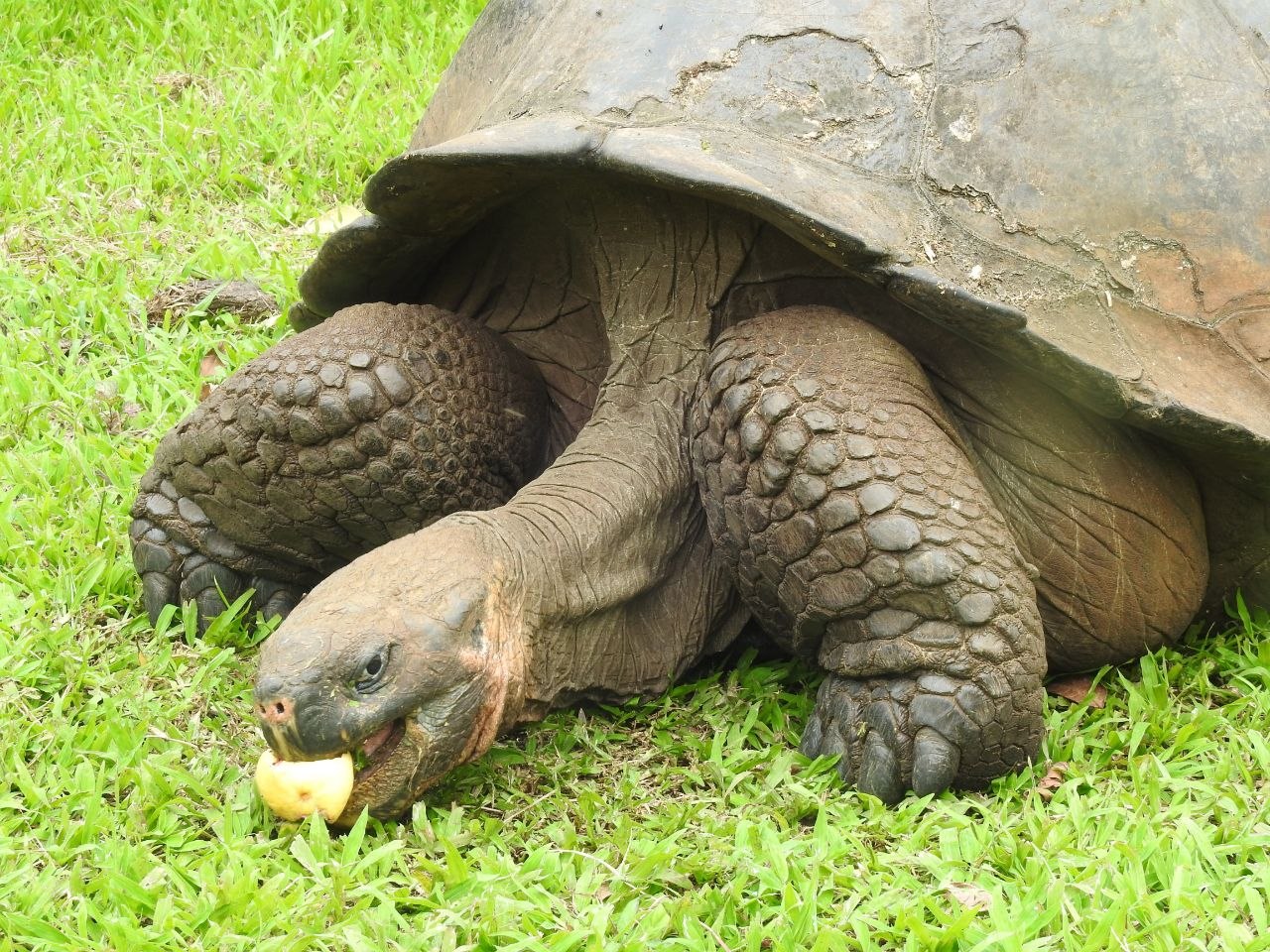
Giant Tortoises
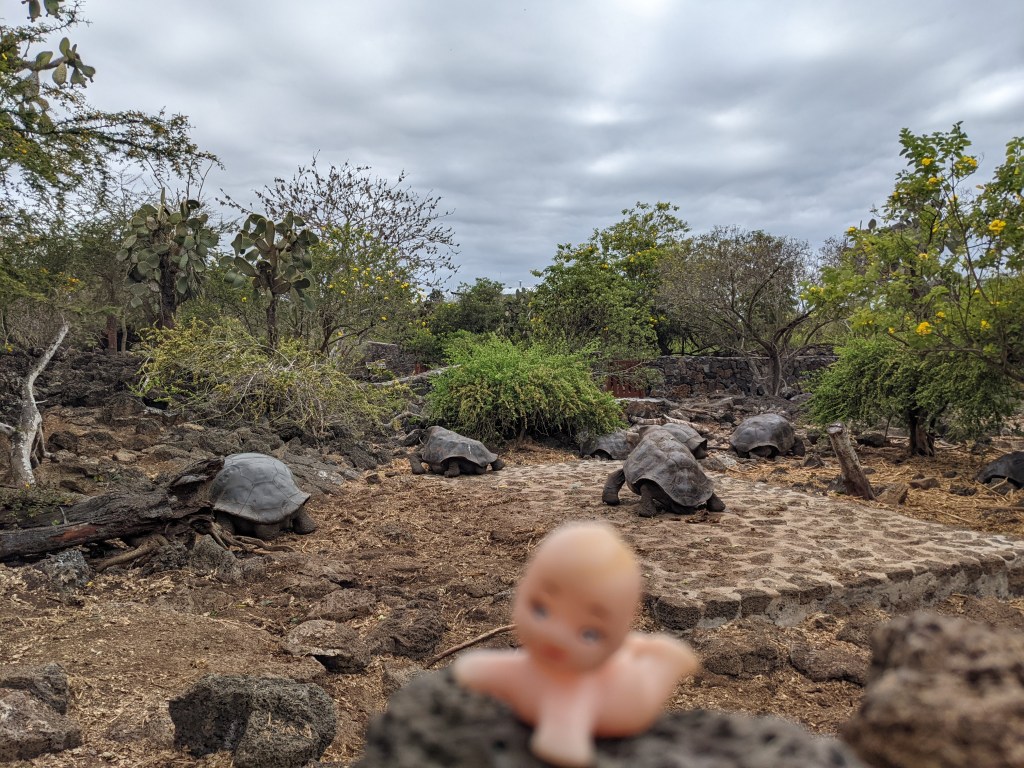
The Galápagos giant tortoise (Chelonoidis nigra) is the largest living tortoise in the world and one of the longest-lived vertebrates — individuals have been documented living over 170 years. The tortoises are endemic to the Galápagos and once numbered in the hundreds of thousands before introduced species, hunting, and habitat loss reduced populations dramatically. Conservation breeding programmes, particularly those run by the Galápagos National Park and the Charles Darwin Research Station on Santa Cruz, have successfully reintroduced thousands of tortoises to their native islands. Giant tortoises can be observed at the El Chato Tortoise Reserve on Santa Cruz, where they roam freely in pastureland and muddy wallows, feeding on grasses, fruits, and cactus pads.
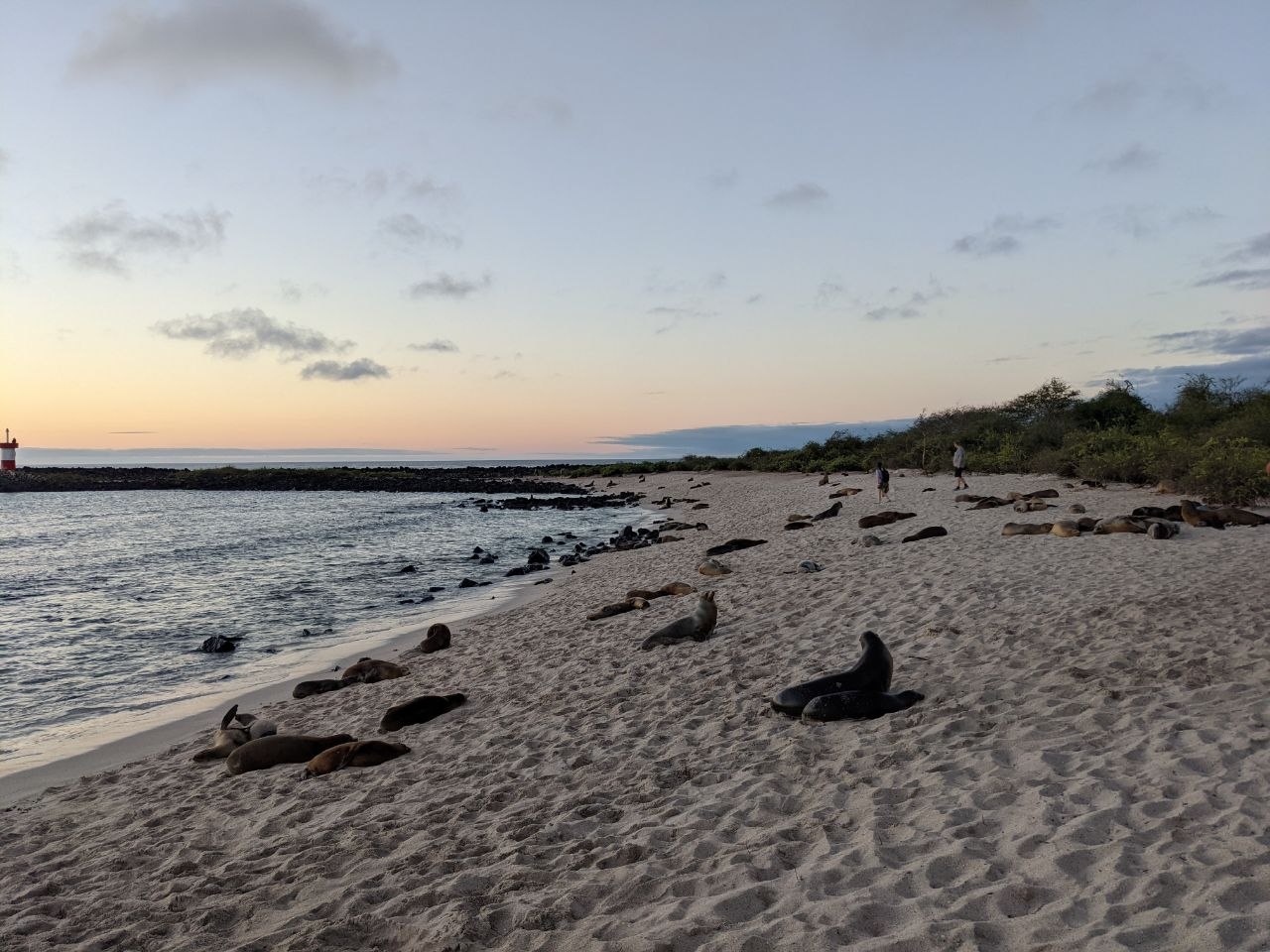
Sea Lions and Coastal Wildlife
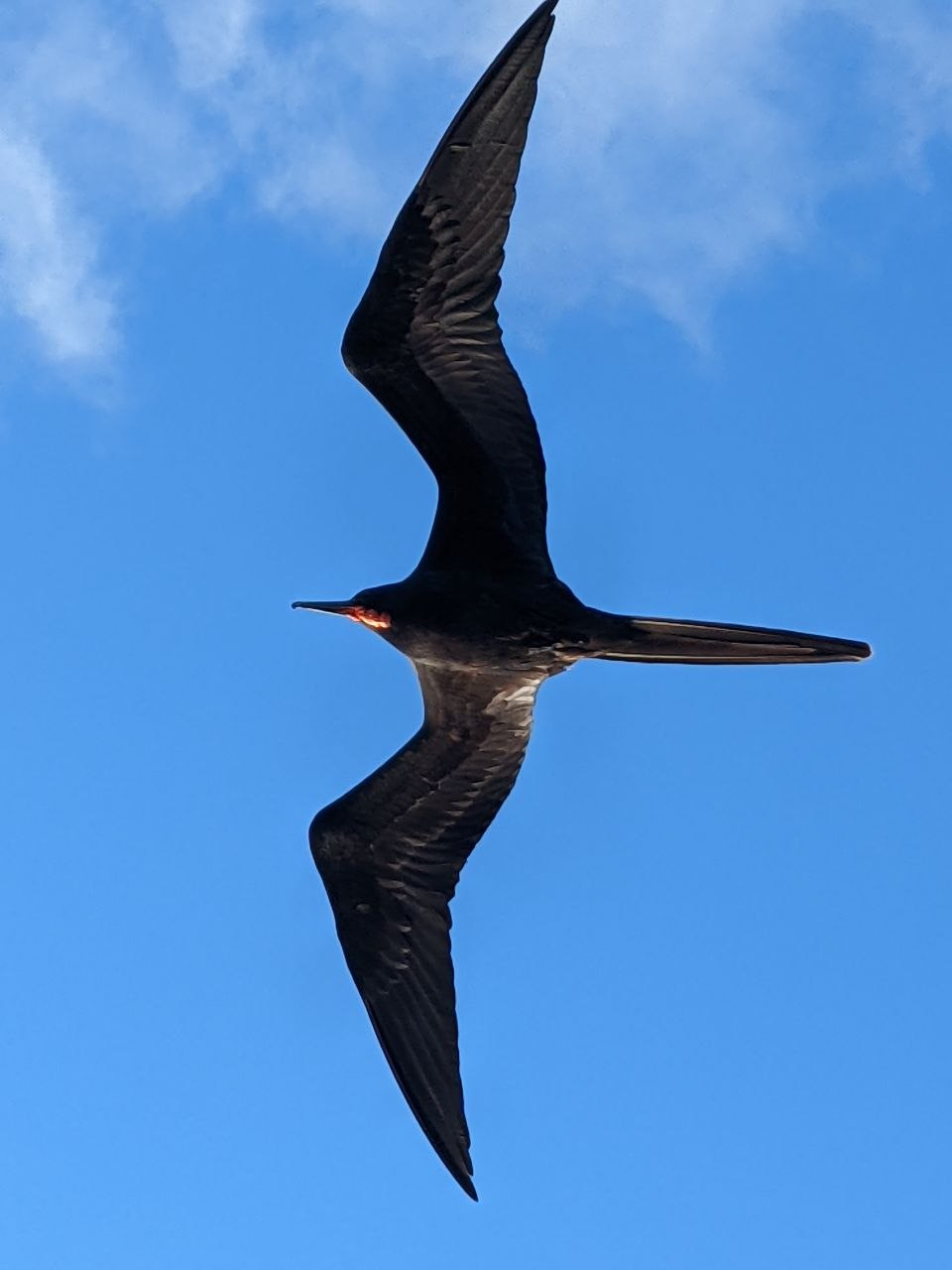
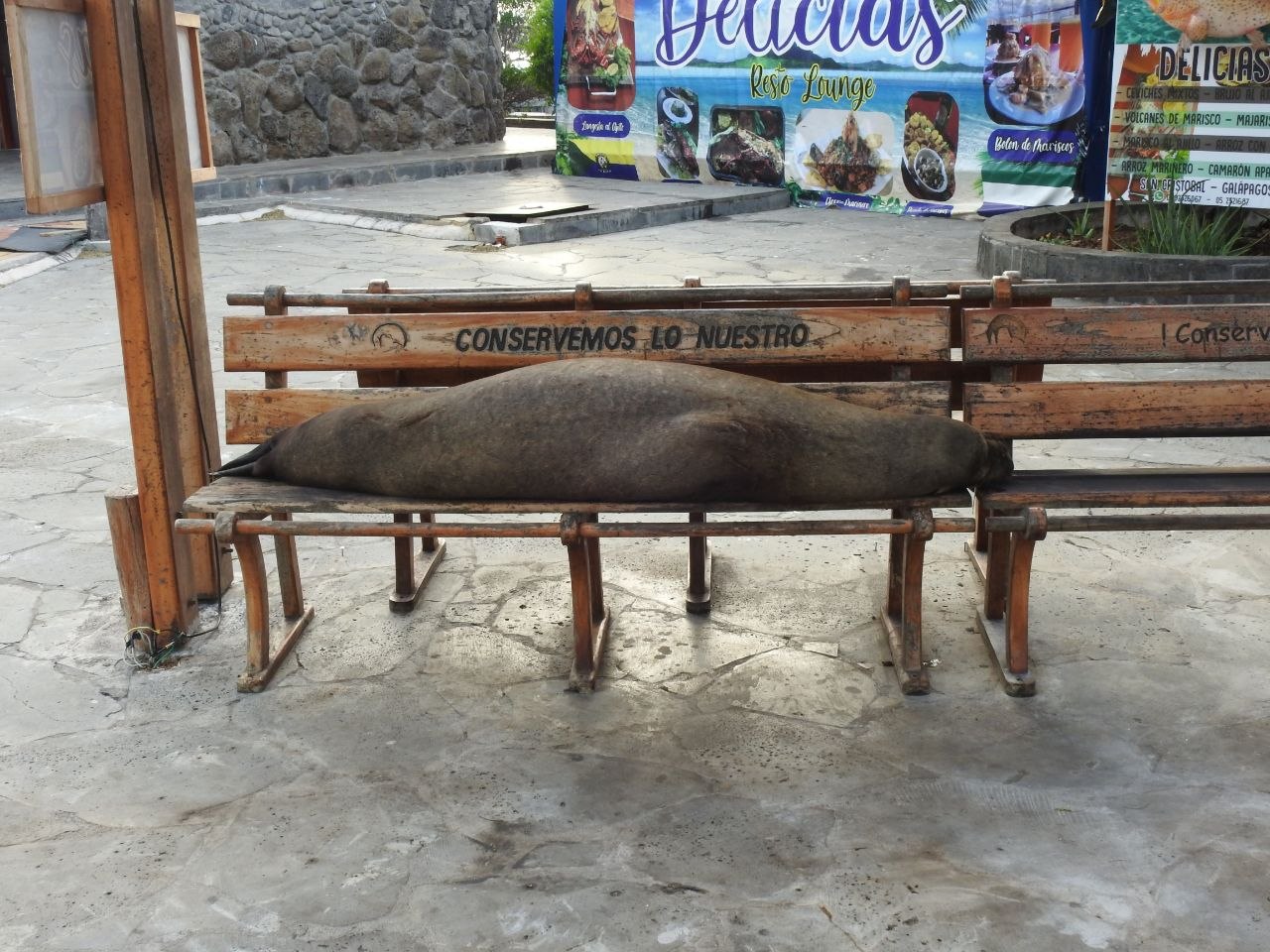
The Galápagos sea lion (Zalophus wollebaeki) is one of the most conspicuous and charismatic animals in the archipelago, found on virtually every island. Colonies occupy beaches, harbour walls, docks, and public benches with equal confidence — the animals show no fear of humans and frequently take up residence in town plazas, fishing ports, and anywhere convenient for sleeping. On the beaches of San Cristóbal and other inhabited islands, sea lions can be observed hauled out in large numbers at dusk, their barking calls audible from considerable distance. In the water, they are highly agile and frequently approach snorkellers. The frigatebird (Fregata spp.) — with its long forked tail, angular wingspan of over two metres, and the male’s distinctive inflatable red throat pouch — is a constant presence overhead, soaring on thermals above ports and coastlines throughout the islands.
Visiting Tips
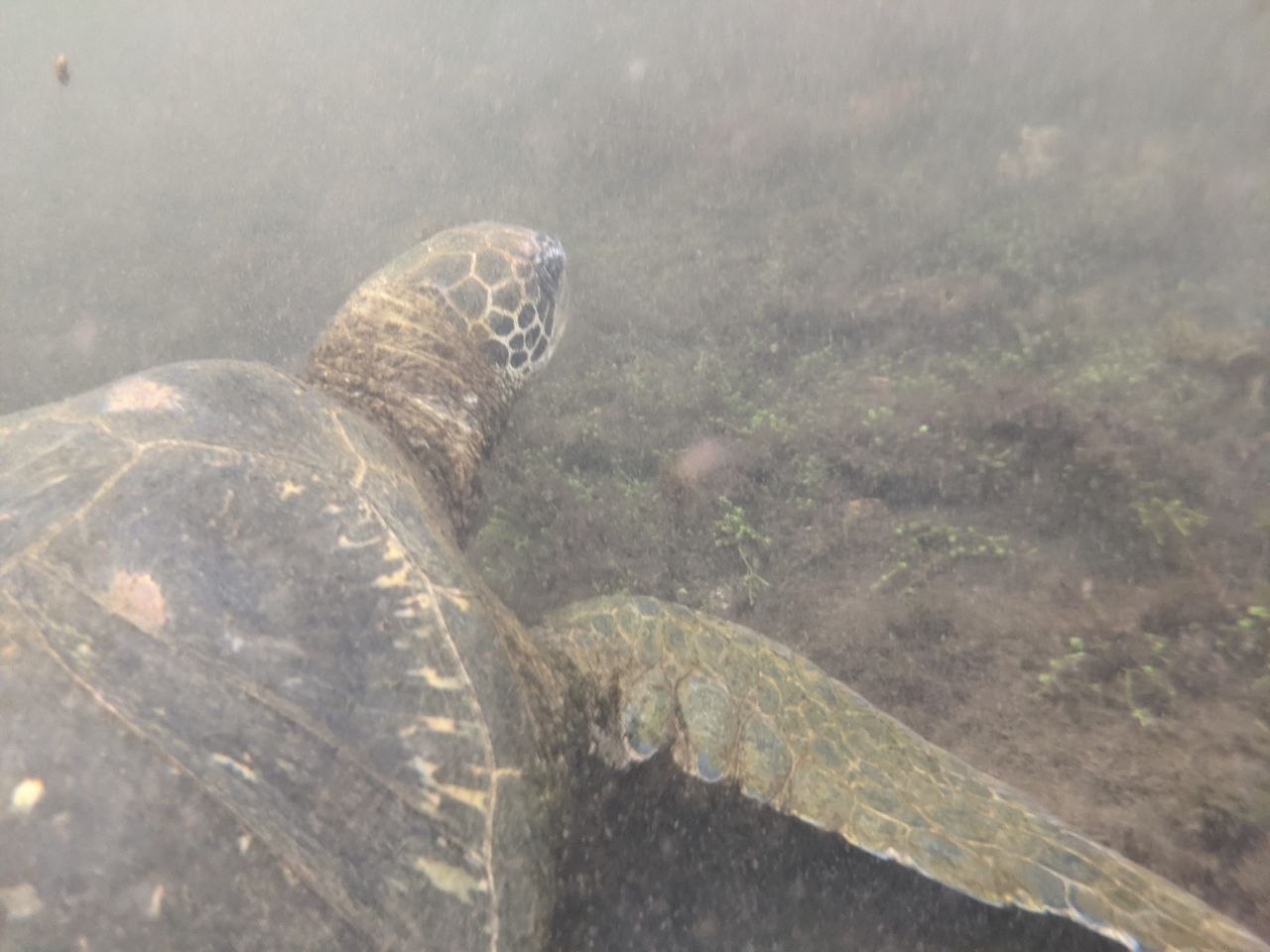
The Galápagos Islands are accessible by flight from Guayaquil (approximately 2 hours) or Quito (approximately 3 hours), with services landing at Baltra Island or San Cristóbal. All visitors must pay a national park entrance fee upon arrival. Independent travel is possible on the main inhabited islands — Santa Cruz, San Cristóbal, and Isabela — with inter-island transport by speedboat. Many of the most remarkable wildlife sites are only accessible via guided day tours or live-aboard cruises, which remain the most comprehensive way to visit the outer islands. The cool, dry garúa season (June to November) brings calmer seas and is considered ideal for diving; the warmer wet season (December to May) offers better visibility for snorkelling and is when sea turtle nesting and marine iguana breeding peak. Strict biosecurity rules apply throughout — no organic material may be brought between islands.
 Jumping Timezones
Leave a comment