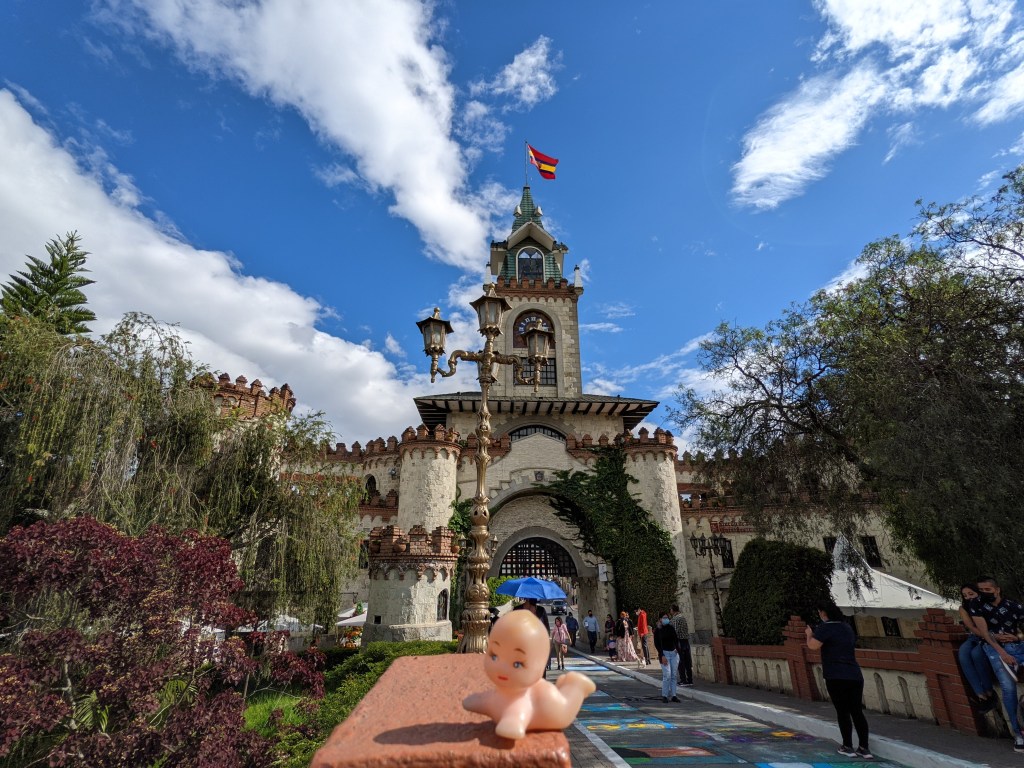
Loja is a city in the southern highlands of Ecuador, situated in a narrow valley at approximately 2,100 metres above sea level in the Loja Province. It is one of the oldest continuously inhabited cities in Ecuador, founded by the Spanish in 1548, and has long held a reputation as a centre of culture, music, and law. The city’s compact historic centre contains a dense collection of colonial-era churches, plazas, and civic buildings, while its pedestrian streets and colourful architecture give it a distinctly lively character. Loja also serves as a gateway to several major natural and cultural destinations in Ecuador’s deep south.
Historic Centre and Architecture
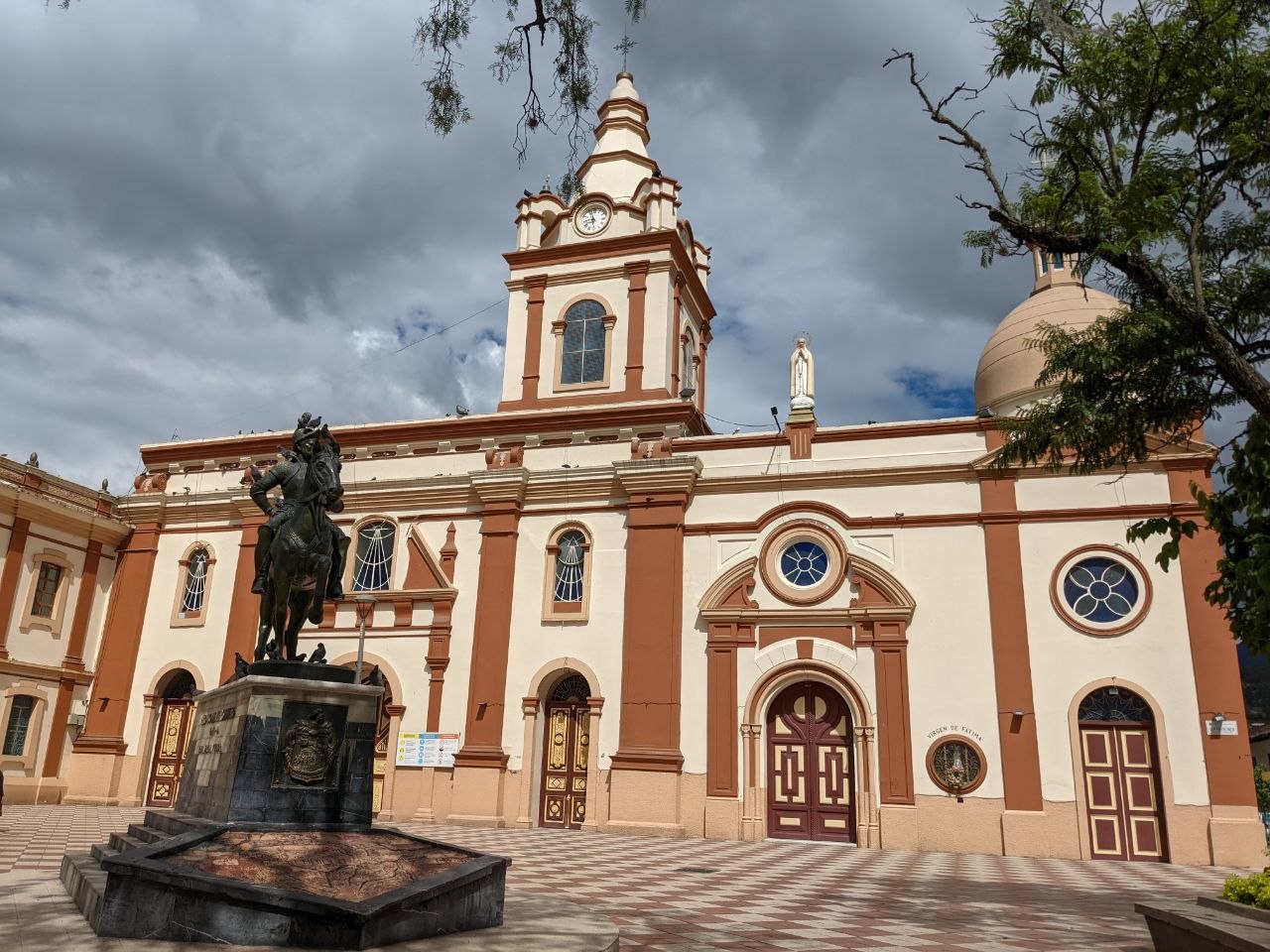
Loja’s historic centre is anchored by the Plaza de la Independencia, flanked by the Cathedral of Loja — a striking terracotta-and-cream colonial facade with a clock tower, arched windows, and a large dome — and the Municipal Palace. An equestrian statue of independence hero Bernardo Valdivieso stands in front of the cathedral, referencing Loja’s significant role in Ecuador’s early independence movement. The city declared independence on November 18, 1820 — one of the first cities in Ecuador to do so. The streets radiating from the plaza are lined with low colonial buildings painted in warm colours, with wooden balconies overhanging the narrow footpaths.
Colegio Bernardo Valdivieso
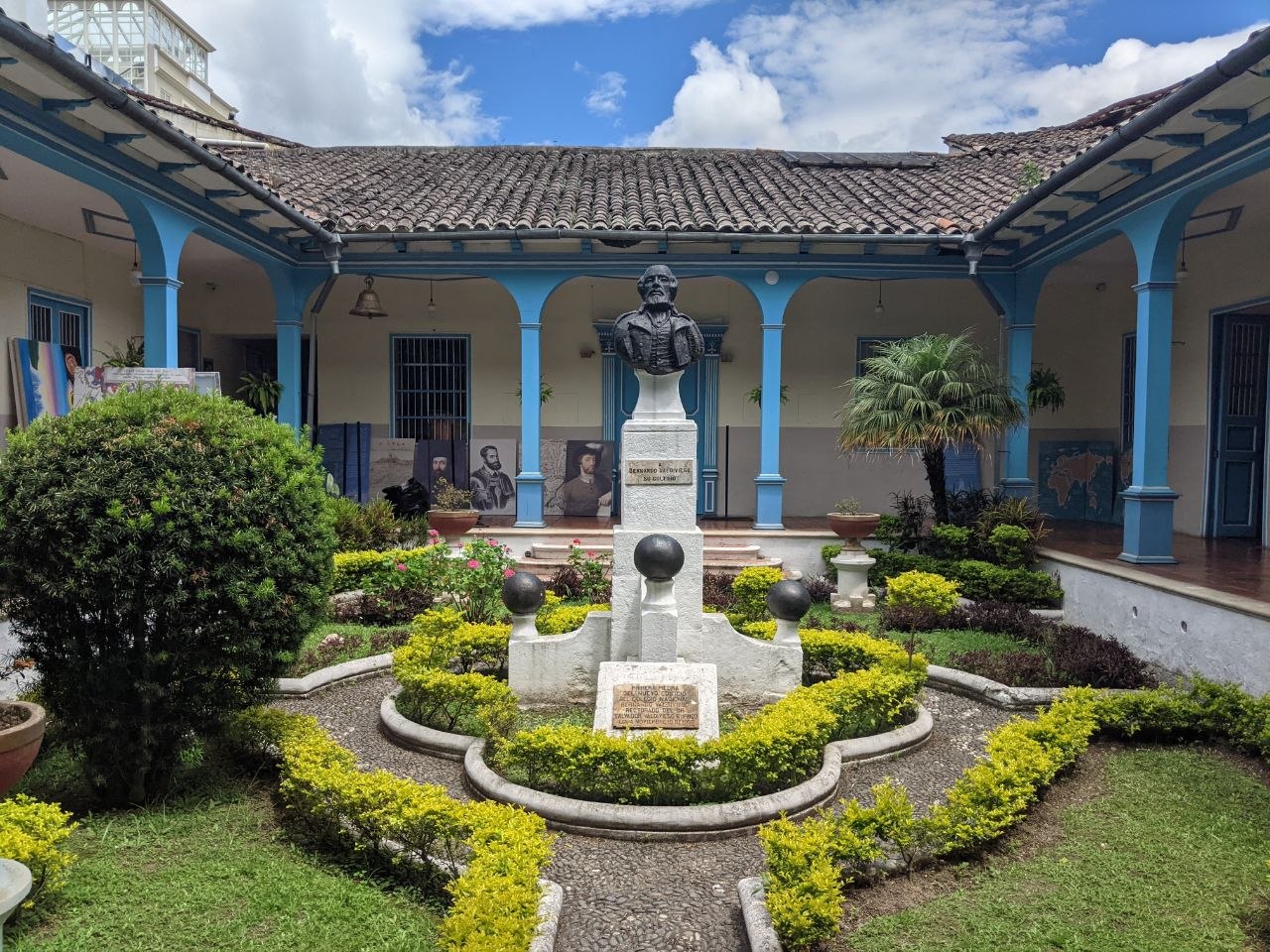
One of the most notable institutions in Loja is the Colegio Bernardo Valdivieso, one of the oldest and most prestigious secondary schools in Ecuador, founded in the colonial period. Its interior courtyard is a fine example of Republican-era institutional architecture — a colonnaded gallery of blue-painted arched columns surrounds a formal garden with manicured hedges and a central bust of Bernardo Valdivieso himself. The courtyard is calm and shaded, and reflects the civic pride that the city places in its educational and cultural heritage. Loja has historically produced a disproportionate number of Ecuador’s notable writers, musicians, and legal scholars.
Calle Lourdes
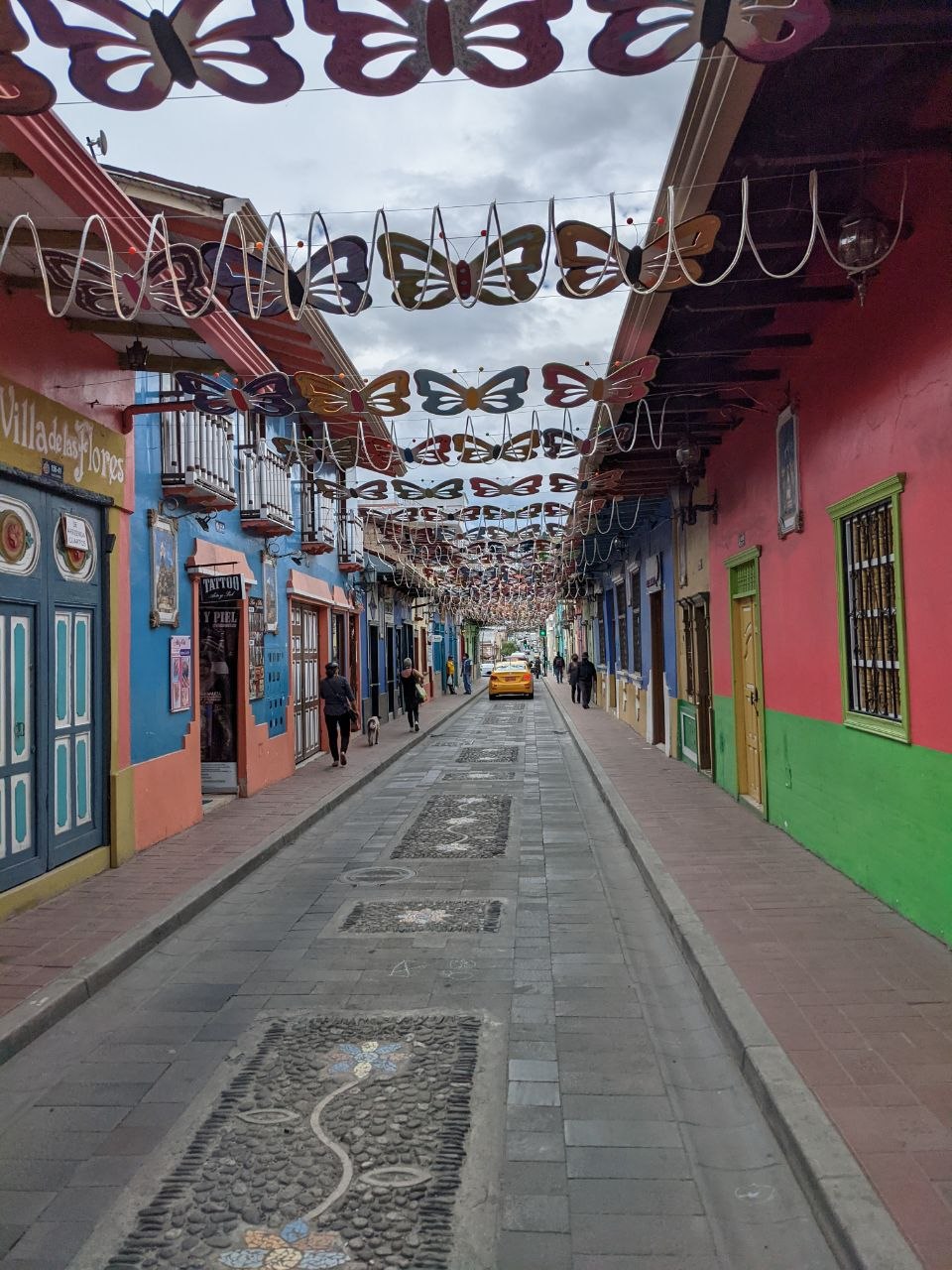
Calle Lourdes is one of Loja’s most photographed streets — a pedestrianised lane in the historic centre lined on both sides with brightly painted colonial facades in blue, pink, green, and terracotta. Overhead, the street is strung with decorative metal butterfly installations that cast patterned shadows on the cobblestone below, where inlaid mosaic panels of river stones run the length of the pavement. The street is home to small shops, cafés, and artisan vendors, and is a focal point of the city’s pedestrian life. The butterfly motif reflects Loja’s broader reputation as a city of art and culture, with the decorations changed seasonally.
Music and Culture
Loja is widely regarded as the music capital of Ecuador. The city has produced an exceptional number of composers, musicians, and folk artists, and musical performance is deeply embedded in daily life — from street musicians to formal conservatories. The National Music Conservatory of Loja is among the oldest in South America. The city also hosts a major annual arts festival and is home to several museums dedicated to regional history, ethnography, and fine art. Its cultural output relative to its size is remarkable, and the city takes considerable pride in this identity.
Visiting Tips
Loja is accessible by bus from Cuenca (approximately 4–5 hours) and from Quito (approximately 12 hours), or by air via La Tola Airport (Catamayo), located about 30 kilometres from the city centre. The historic centre is compact and easily walkable. Loja has a mild climate year-round due to its elevation, though rain is common — a light jacket is useful in the evenings. The city is a practical base for visiting Podocarpus National Park to the south, the pilgrimage site of El Cisne, and the Peruvian border crossing at Macará. Most services, restaurants, and accommodation are concentrated around the Plaza de la Independencia and along the main pedestrian streets.
 Jumping Timezones
Leave a comment