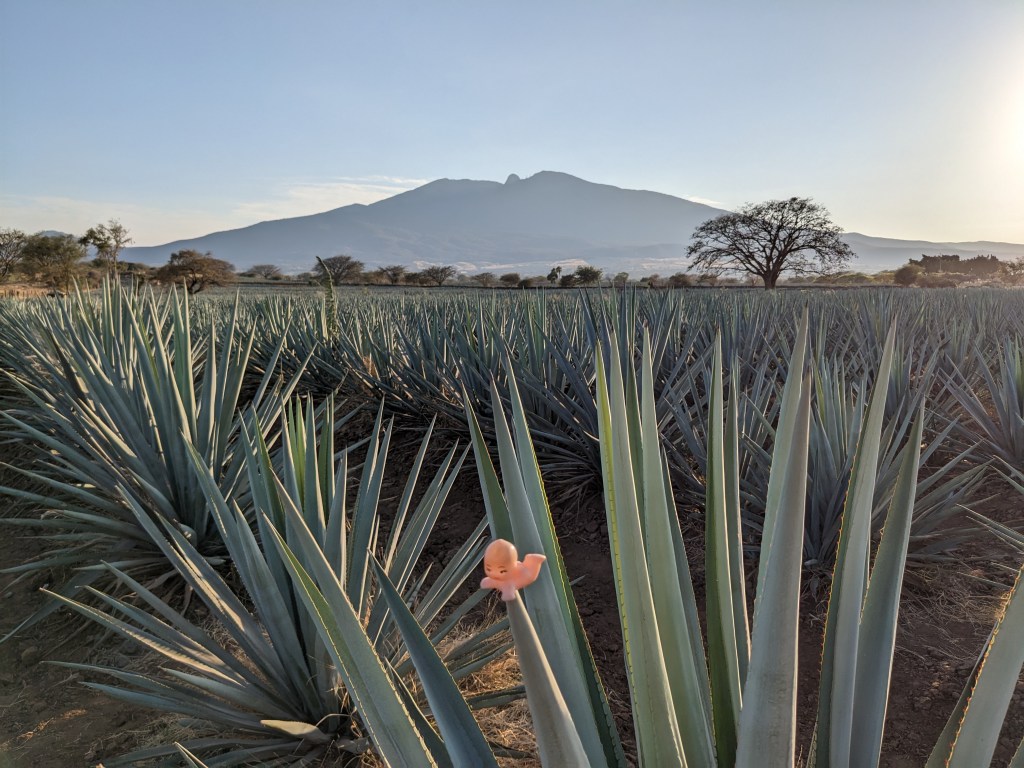
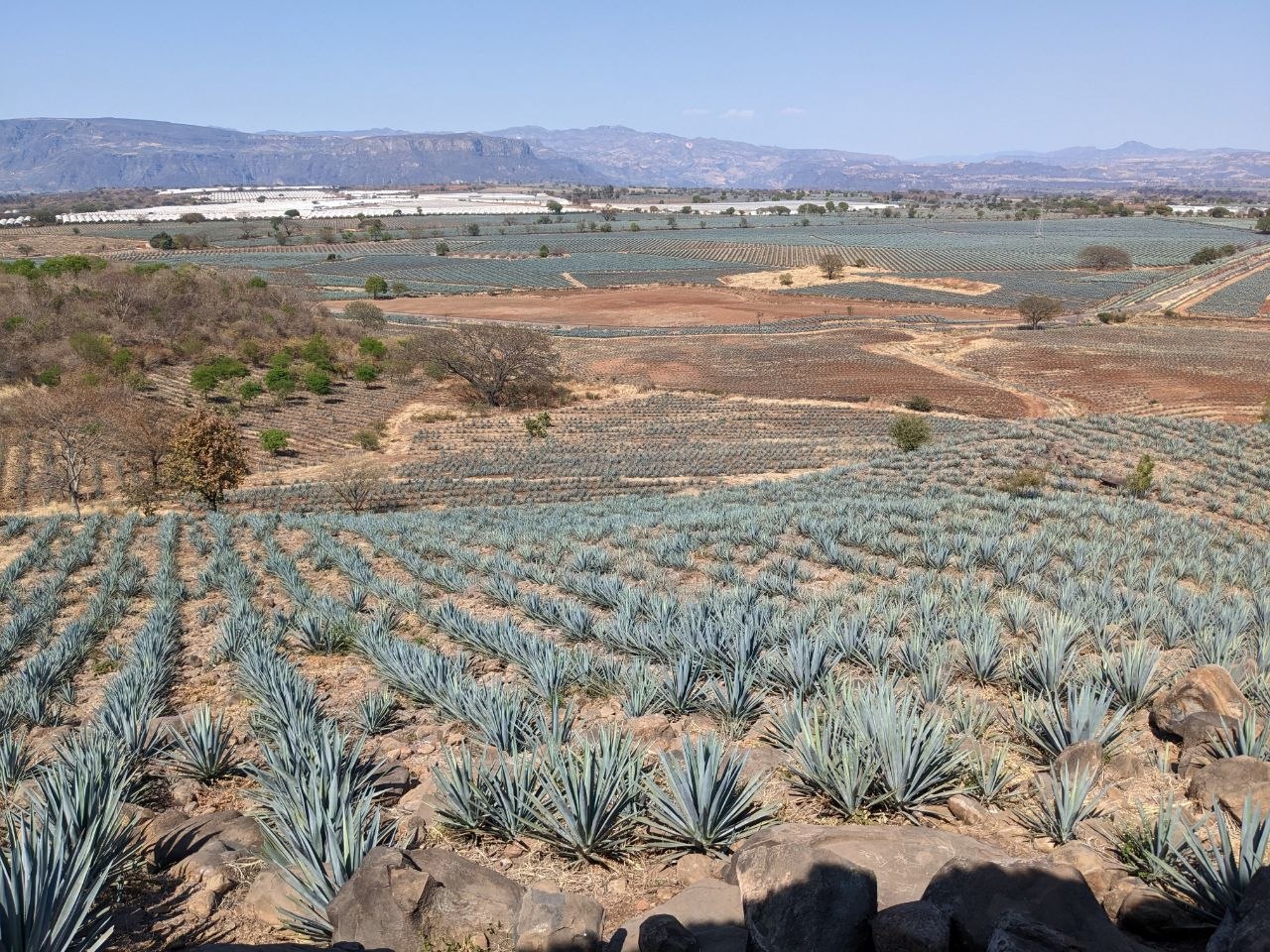
The town of Tequila sits in the highlands of Jalisco, about 65 kilometers northwest of Guadalajara, surrounded by vast fields of blue agave stretching across volcanic hillsides. It is the birthplace and spiritual home of Mexico’s most famous spirit, and the entire landscape — from the fields to the distilleries to the town’s colonial streets — is shaped by the cultivation and production of agave. The Agave Landscape and Ancient Industrial Facilities of Tequila was designated a UNESCO World Heritage Site in 2006, recognizing centuries of cultural and agricultural tradition embedded in this region.
Beyond its distilleries, Tequila is a compact and colorful town with a lively central plaza, a handsome parish church, and streets lined with tasting rooms, cantinas, and craft shops. It is a place where the industrial and the artisanal coexist — where massive distillery operations run alongside family producers still using traditional methods, and where the history of a single plant has shaped an entire region’s identity.
The Blue Agave
All tequila is produced from the blue agave plant, known scientifically as Agave tequilana Weber. The plant takes between seven and twelve years to reach maturity, at which point workers called jimadores harvest it using a specialized tool called a coa — a long-handled blade used to strip away the thick, spiny leaves and expose the piña, the dense heart of the agave that can weigh anywhere from 40 to over 100 kilograms. The fields around Tequila are defined by these plants, their blue-gray rosettes covering the hillsides in dense, organized rows.
By law, tequila can only be produced in designated regions of Mexico, primarily in Jalisco. The spirit must be made from at least 51% blue agave sugars, though 100% agave tequilas — considered the highest quality — use exclusively agave with no added sugars. The terroir of the region, including the volcanic soil and the specific microclimate of the Tequila Valley, contributes distinctive mineral and earthy qualities to the agave grown here.
Production Process
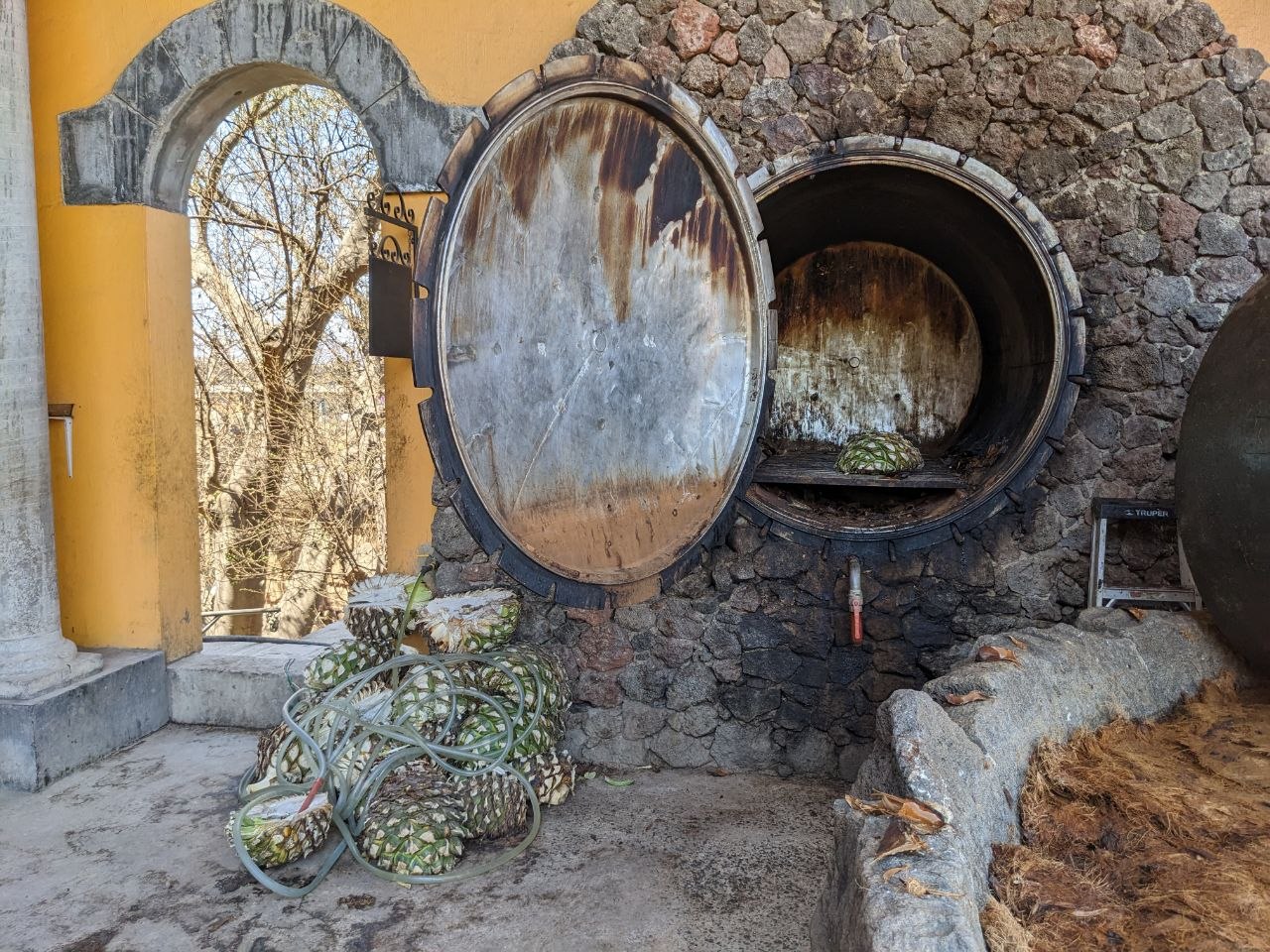
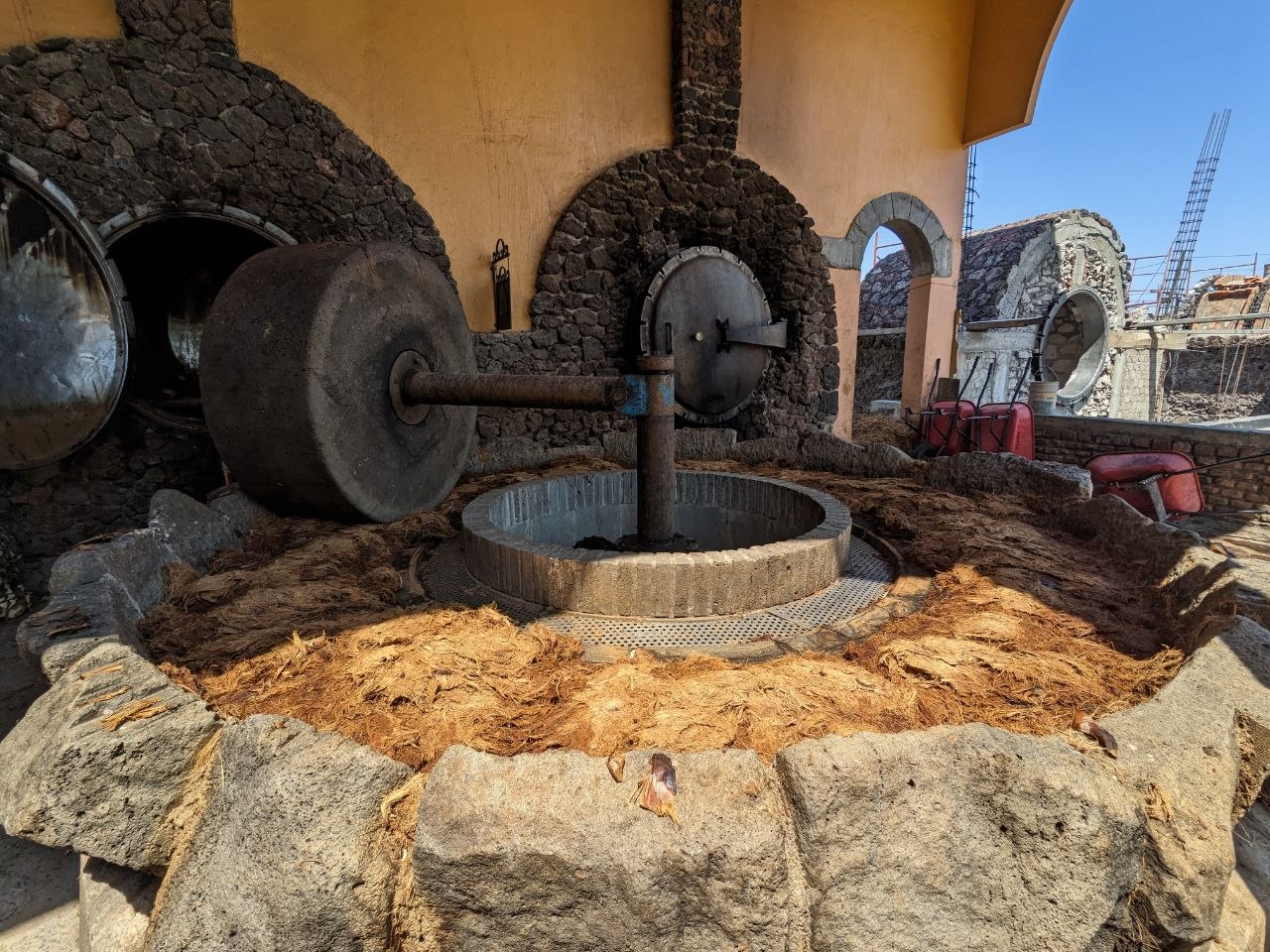
After harvesting, the piñas are slow-cooked in large ovens or autoclaves to convert the starches into fermentable sugars. Traditional producers use stone or brick ovens heated by steam over 24 to 72 hours, a process that gives the cooked agave a caramelized, slightly sweet aroma. The cooked piñas are then crushed — either by a mechanical shredder or, in more traditional operations, by a large stone wheel called a tahona pulled by a horse or mule — to extract the agave juice.
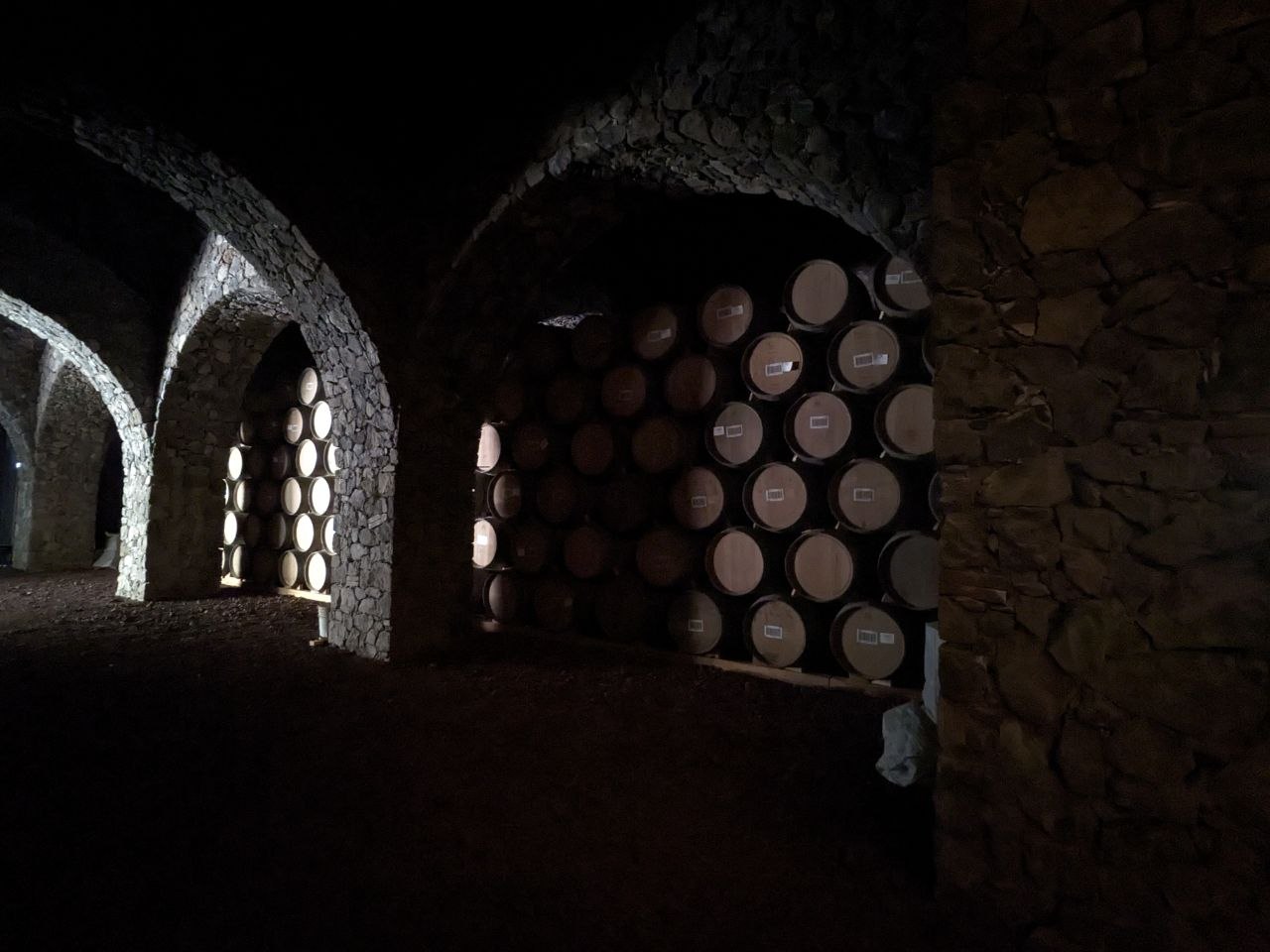
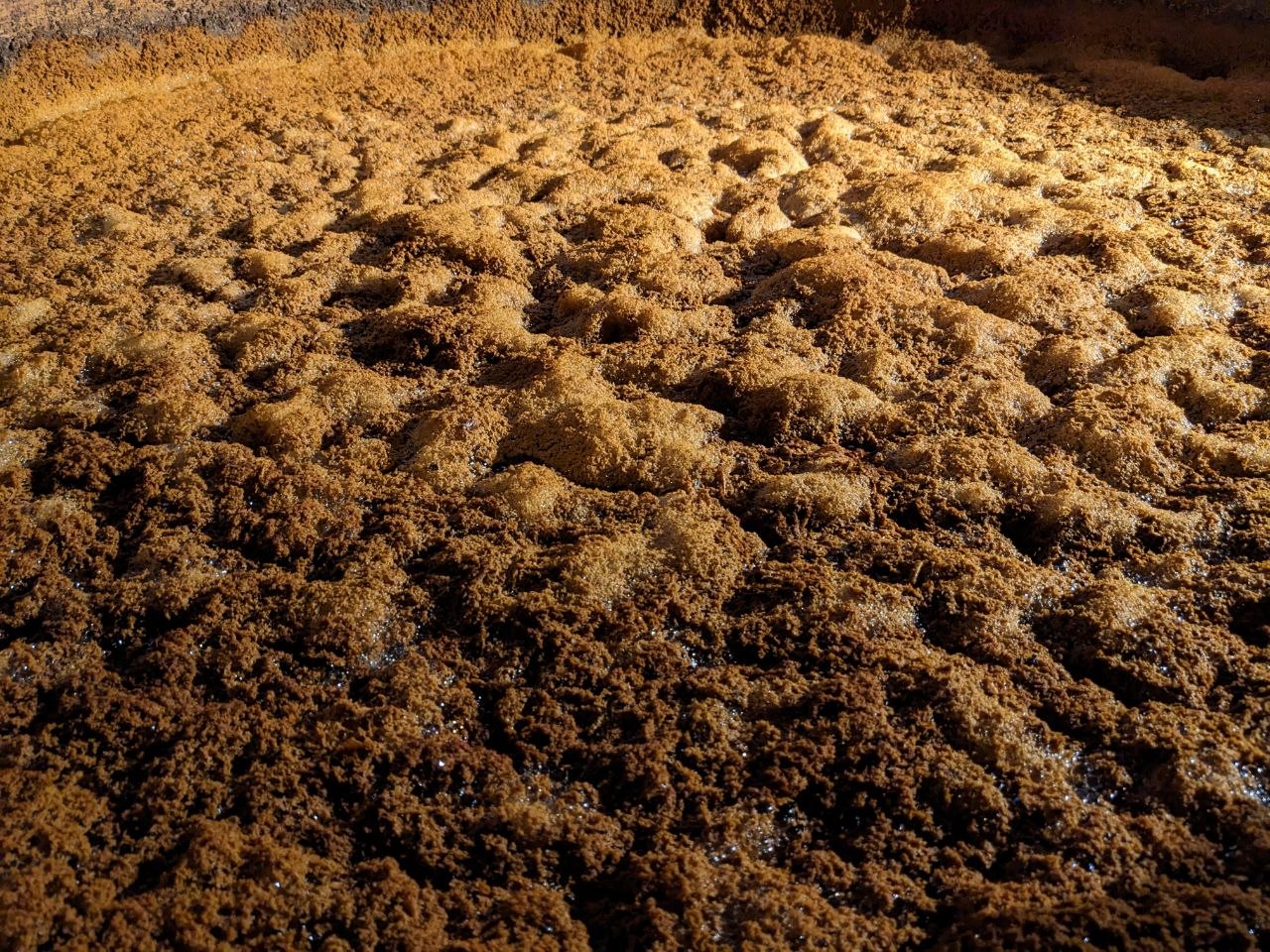
The extracted juice, called mosto, is fermented in large wooden or stainless steel vats with the addition of yeast, transforming the sugars into alcohol over several days. The fermented liquid is then distilled twice in copper or stainless steel pot stills to produce the clear, unaged spirit known as blanco tequila. From there, producers can choose to age the spirit in oak barrels — reposado for two to twelve months, añejo for one to three years, and extra añejo for over three years — each stage deepening the color and adding layers of vanilla, caramel, and wood to the flavor profile.
Distillery Visits
Tequila’s distilleries — known as fábricas or casas — range from large-scale industrial operations to smaller, family-run producers. Many of the major brands, including Jose Cuervo, Sauza, and Herradura, operate out of facilities that have been in production for well over a century and offer structured tours that walk visitors through the full production process, from agave fields to bottling lines. These tours typically conclude with guided tastings across the producer’s range of expressions.
Smaller artisanal producers offer a more intimate experience, often with the ability to observe traditional methods such as tahona grinding, open-air fermentation, and small-batch copper pot distillation. The contrast between industrial and artisanal production is one of the most instructive aspects of visiting Tequila — the same base ingredient and regulated process can yield vastly different results depending on technique, yeast, fermentation time, and aging vessel.
The Town and Plaza
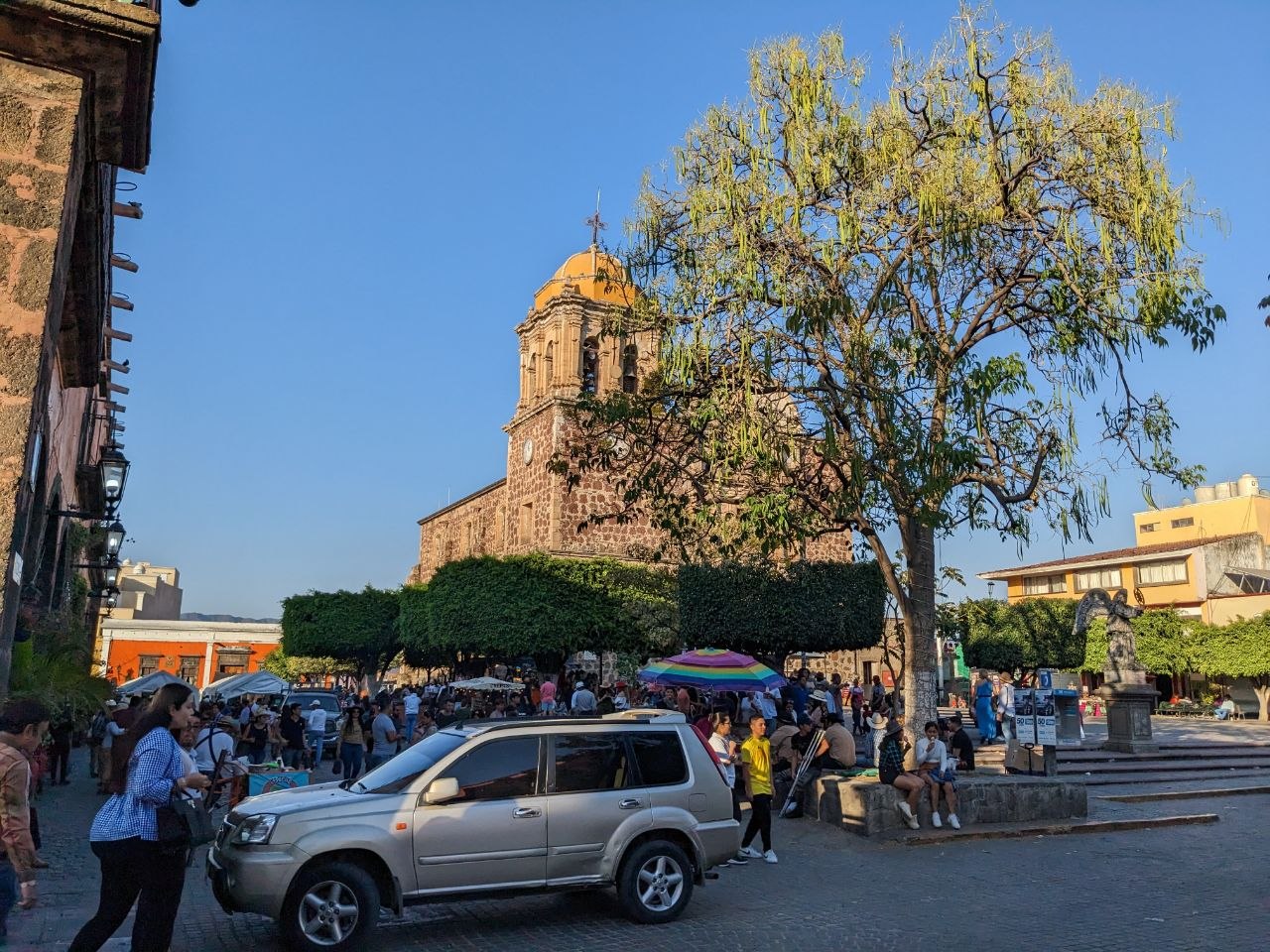
The town of Tequila is centered on its main plaza, shaded by trees and anchored by the Parish of Santiago Apóstol, a colonial church with an ornate baroque facade dating to the 18th century. The surrounding streets are painted in bright colors and lined with shops selling locally produced tequila, agave-derived crafts, and Jalisco ceramics. The town has a festive and relaxed energy, particularly on weekends when visitors from Guadalajara and beyond fill the cantinas and tasting rooms along the main streets.
The National Museum of Tequila, located just off the main plaza, traces the history of agave cultivation and distillation from pre-Hispanic times through the modern era. Exhibits cover the role of the jimador, the evolution of production technology, and the cultural significance of tequila in Mexican identity. For visitors wanting deeper context before or after a distillery tour, the museum provides a well-organized overview of the spirit’s origins and development.
Visiting Tips
Tequila is easily reached from Guadalajara by bus, taxi, or the José Cuervo Express — a tourist train that runs on select days with onboard entertainment and a distillery visit included. The journey takes approximately two hours each way and passes through the agave-covered landscape of the Tequila Valley. For those driving, the route along the highway offers sweeping views of the fields and volcanic terrain.
Booking distillery tours in advance is recommended, especially for the more popular producers and on weekends. Comfortable walking shoes are advisable, as tours involve uneven terrain in the agave fields and older distillery buildings. The town itself is best explored in the morning before the afternoon heat peaks. Given the nature of the visit, pacing tastings across multiple stops rather than concentrating them at a single distillery allows for a more varied and enjoyable experience of the region’s different producers and styles.
 Jumping Timezones
Leave a comment