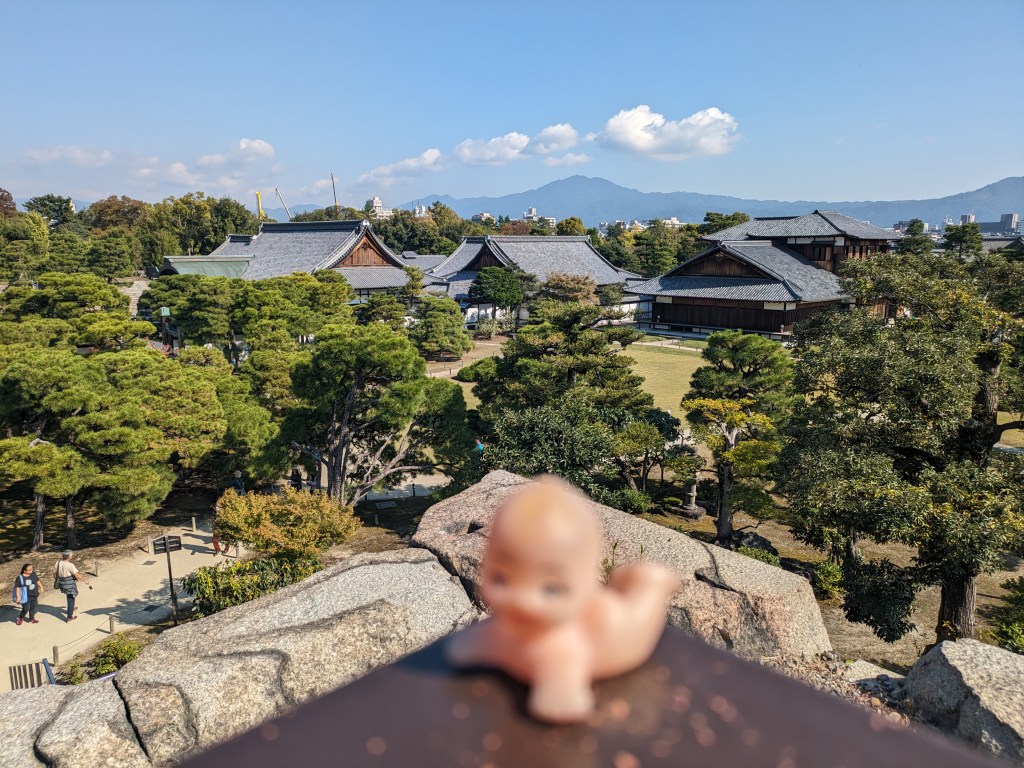
Nijo Castle (二条城) in Kyoto is a historic castle complex and UNESCO World Heritage Site that illustrates the power and culture of Japan’s early Edo period. Completed in 1603 by Tokugawa Ieyasu, the founder of the Tokugawa shogunate, it served as the shogun’s official residence in Kyoto and a symbol of military authority and political control over the imperial court.
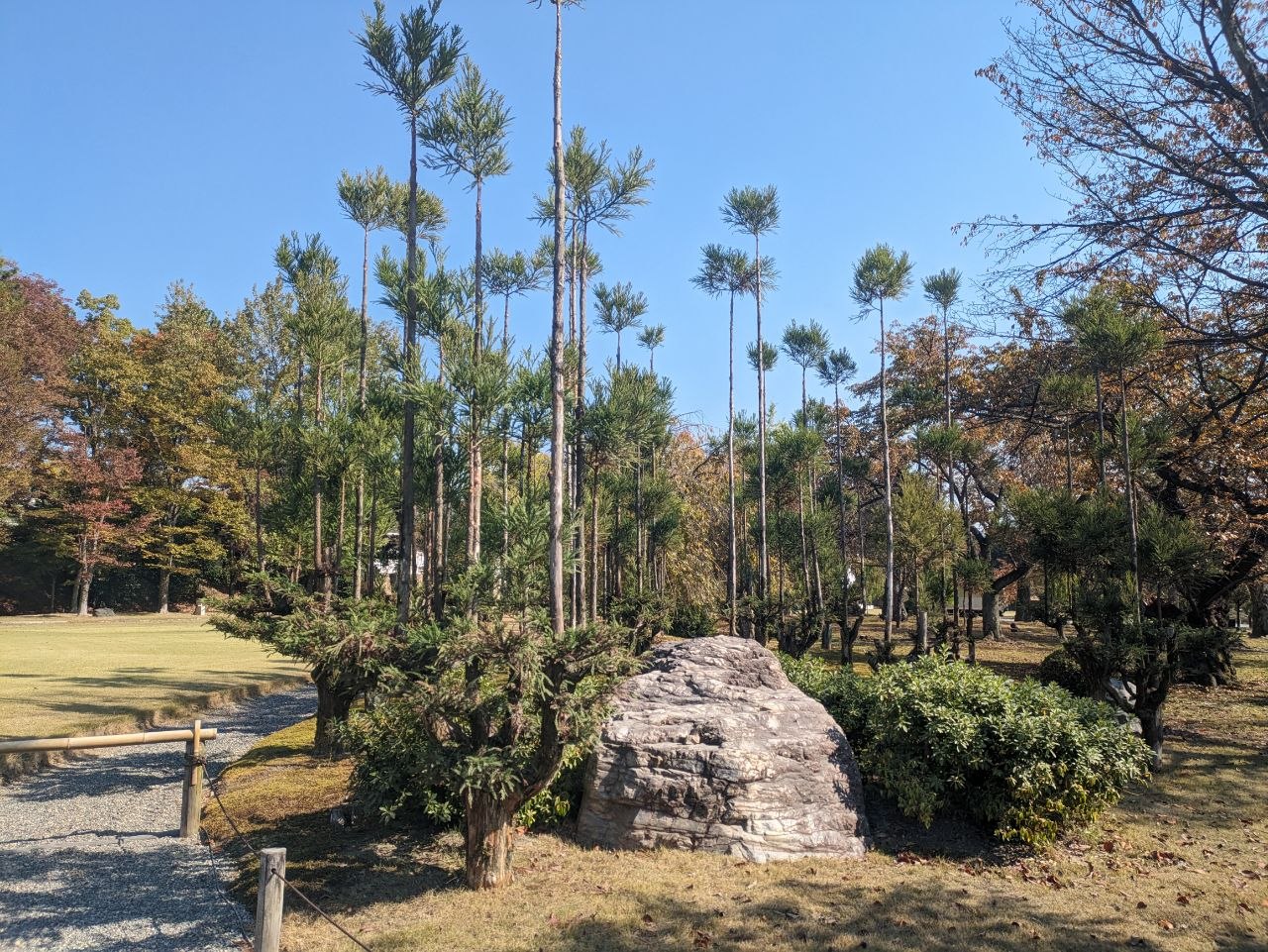
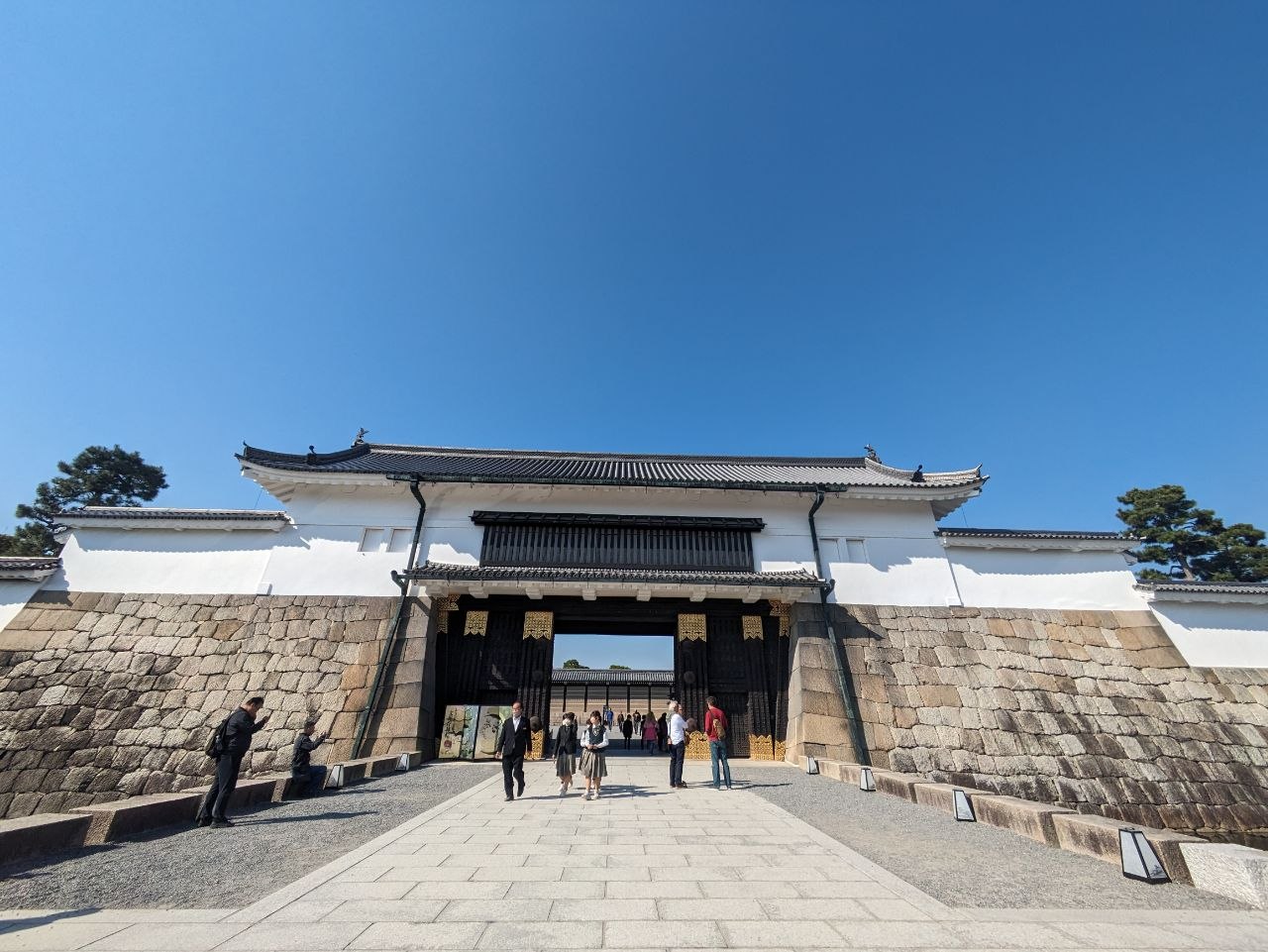
Located in central Kyoto, Nijo Castle covers an area of roughly 275,000 square meters and is organized around two concentric rings of fortifications, including stone walls, earthen ramparts, and broad moats. Within these defensive layers stand the Ninomaru and Honmaru palace compounds, surrounded by carefully composed gardens, ponds, and groves of pine and cherry trees that reflect the aesthetics and ceremonial life of the early 17th century.
Ninomaru Palace
The Ninomaru Palace is the main architectural highlight of Nijo Castle and a major surviving example of Momoyama-style palace design. Its linked halls, low sweeping roofs, and spacious reception rooms were built to impress visiting feudal lords and imperial envoys, showcasing the wealth and authority of the Tokugawa shogunate. The layout is carefully staged so that audiences approached the shogun through a sequence of increasingly prestigious rooms.
One of the most distinctive features of Ninomaru Palace is its so-called “nightingale floors” (uguisubari), timber corridors constructed so that the floorboards emit a birdlike chirping sound when stepped on. This audible effect functioned as a security measure to alert guards to any movement, including potential intruders or assassins. Inside the palace, sliding doors (fusuma) are lavishly decorated with gold-leaf-backed paintings by artists of the Kano school, depicting tigers, pine forests, and seasonal flowers. Together with carved transoms and painted ceilings, these works create an opulent setting that reflects the palace’s role as the shogun’s residence and ceremonial center in Kyoto.
The Karamon Gate
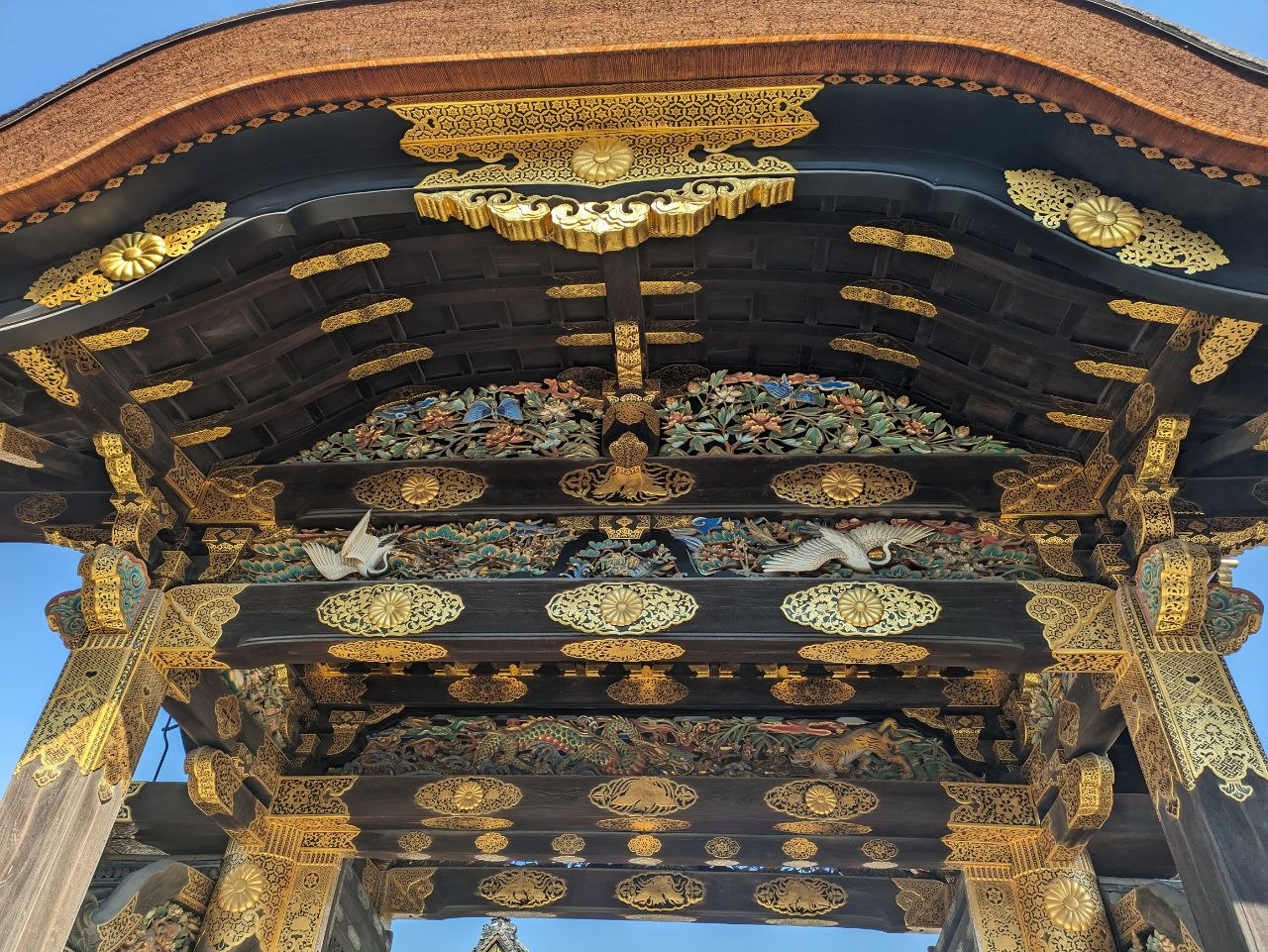
The Karamon Gate (唐門) marks the formal entrance to the Ninomaru Palace grounds and is one of the most celebrated decorative structures at Nijo Castle. Designed in a Chinese-influenced style, it features a distinctive curved gable roof and a richly sculpted façade that introduces visitors to the splendor of the palace complex beyond. Historically, this gate framed the carefully orchestrated processions of feudal lords and dignitaries entering the shogun’s residence.
The gate’s wooden surfaces are densely covered with intricate gold and polychrome carvings, including cranes, pine trees, and floral motifs that symbolize longevity, resilience, and prosperity. These decorative elements are combined with bold structural forms to create a highly ornamental entrance that exemplifies Momoyama and early Edo-period craftsmanship. Because of its artistic and historical significance, the Karamon Gate has been designated a National Treasure of Japan.
Ninomaru Garden
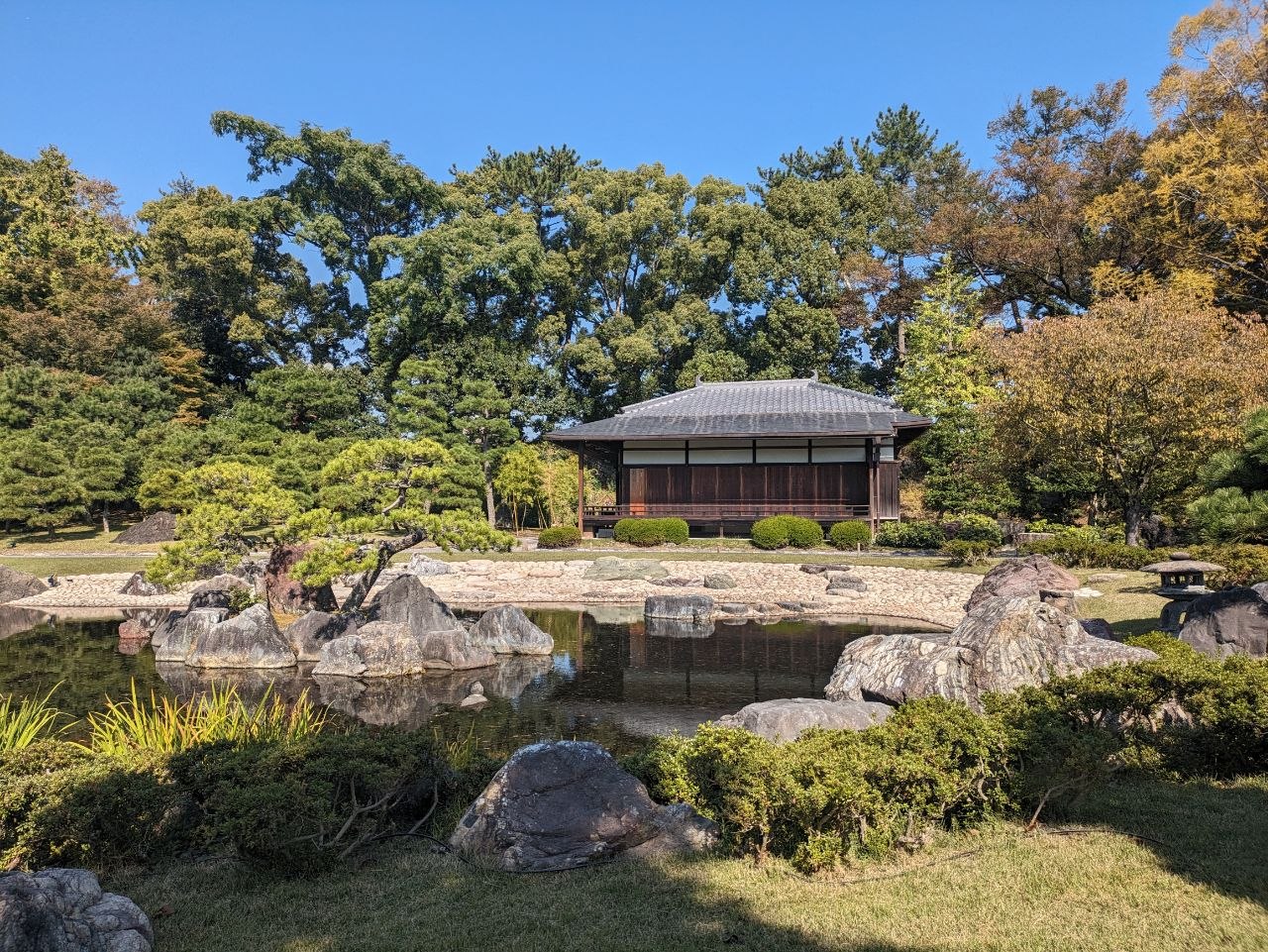
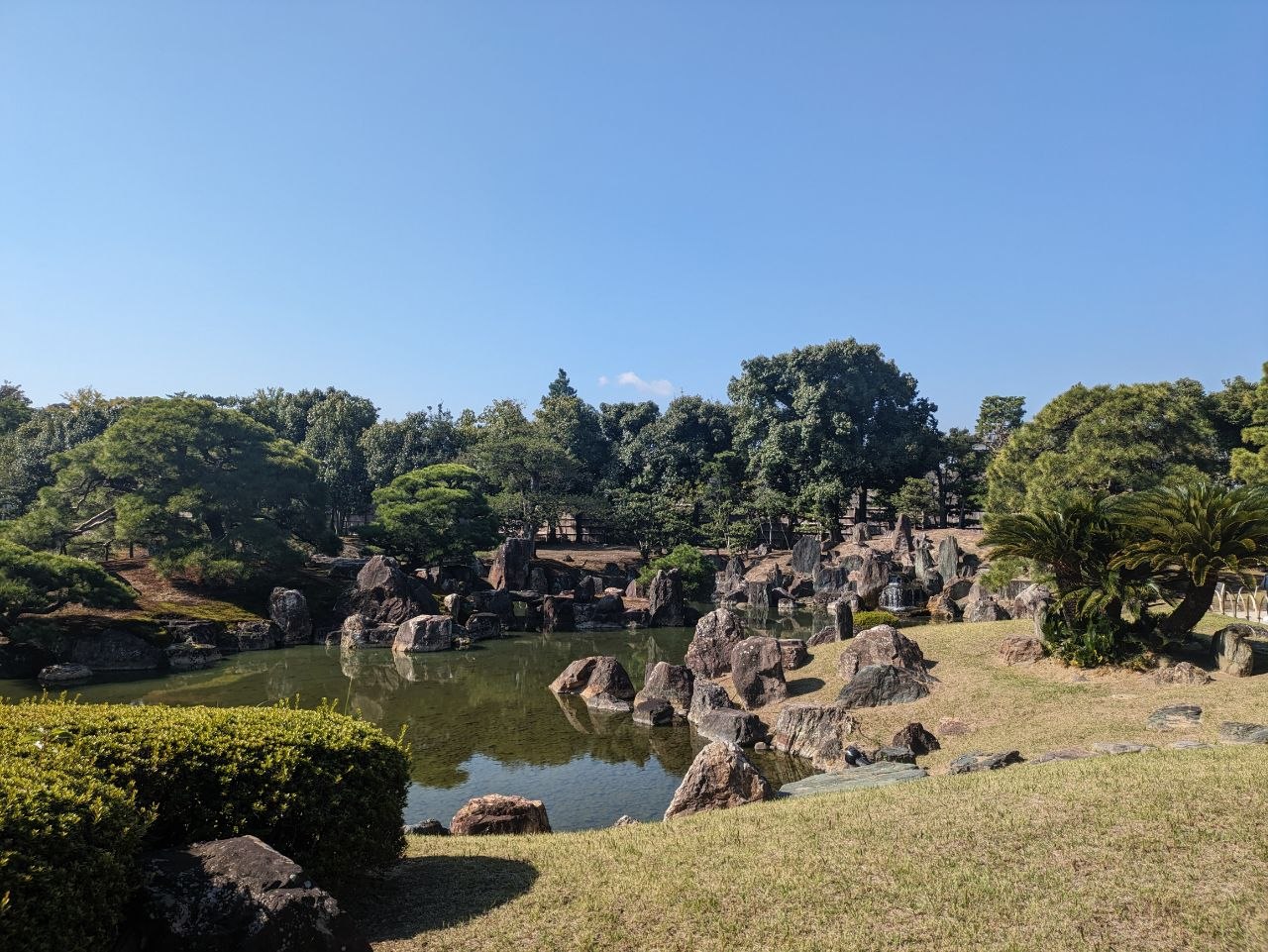
The Ninomaru Garden, situated beside the Ninomaru Palace, is a classic example of early Edo-period landscape design. It is traditionally attributed to Kobori Enshu, a renowned tea master and garden designer who helped shape the aesthetics of many elite residences of the time. The garden was created to be viewed both from the palace interiors and while strolling along its paths, blending formal composition with changing seasonal scenery.
At its center lies a large pond, arranged with three main islands connected by stepping stones and bridges, evoking idealized island landscapes. Carefully placed rock groupings, lanterns, and clipped shrubs frame the water and guide the visitor’s eye to focal points within the scene. The overall composition reflects the stroll garden style characteristic of the early Edo period, inviting slow movement, contemplation, and repeated viewing from different vantage points around the pond.
Visiting Tips
Nijo Castle is easily reached via Nijo-jo Mae Station on the Kyoto Municipal Subway Tozai Line, located just a short walk from the main entrance. Clear signage in multiple languages helps visitors navigate the expansive grounds, including the palace complex and surrounding gardens.
Admission for adults is typically set at around ¥1,300, which includes entry to the Ninomaru Palace interior when it is open to the public. The castle grounds are generally open from 8:45 a.m. to 5:00 p.m., with final entry slightly earlier, and the site is closed on Tuesdays in January, July, August, and December except when these closures are adjusted for holidays or special events. The interior of Ninomaru Palace, with its nightingale floors and painted fusuma panels, is widely regarded as a highlight of any visit and is recommended for visitors with an interest in architecture, art, or Japanese history.
 Jumping Timezones
Leave a comment