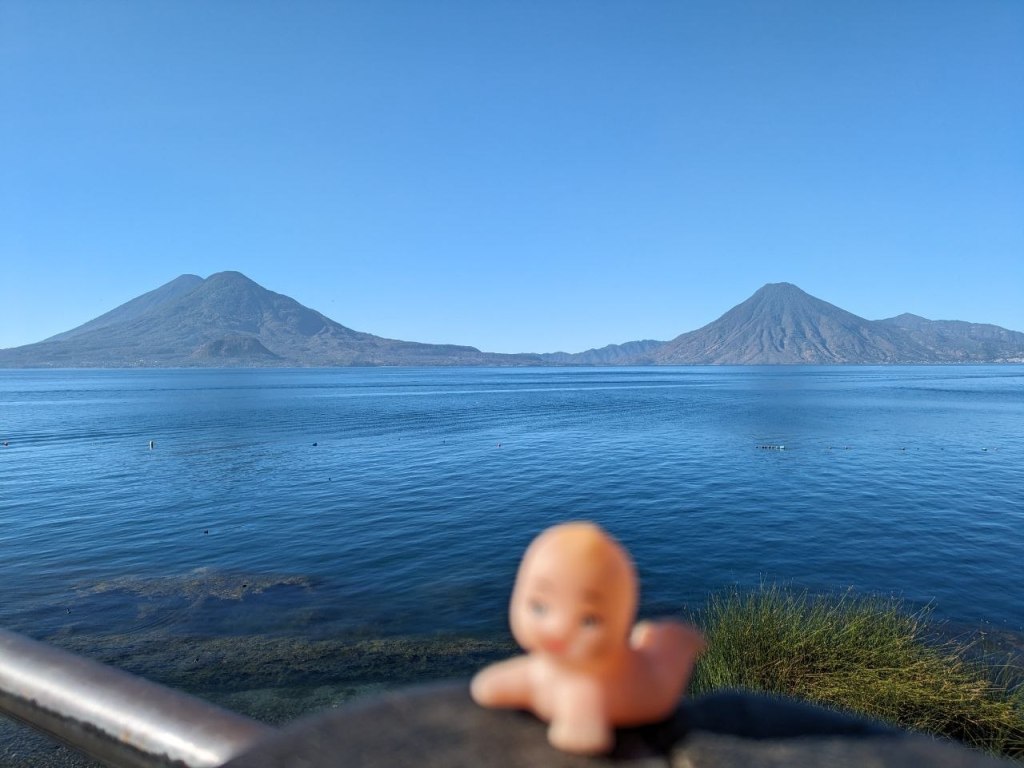
Lake Atitlán is a highland lake in the Sololá Department of Guatemala, often described as one of the most beautiful lakes in the world. Formed within a vast volcanic caldera, it sits at over 1,500 metres above sea level and is framed by the steep cones of the Atitlán, Tolimán and San Pedro volcanoes. The combination of deep blue water, dramatic volcanic slopes and constantly shifting light creates a striking natural amphitheatre.
The lake is surrounded by a ring of Maya towns and villages, many of which retain distinct languages, dress and traditions. Daily life revolves around the water, agriculture and craft production, with local markets, weaving cooperatives and lakeside docks linking communities around the shore. For visitors, Lake Atitlán offers a compact cross-section of Guatemala's cultural and natural diversity within a single basin.
Panajachel
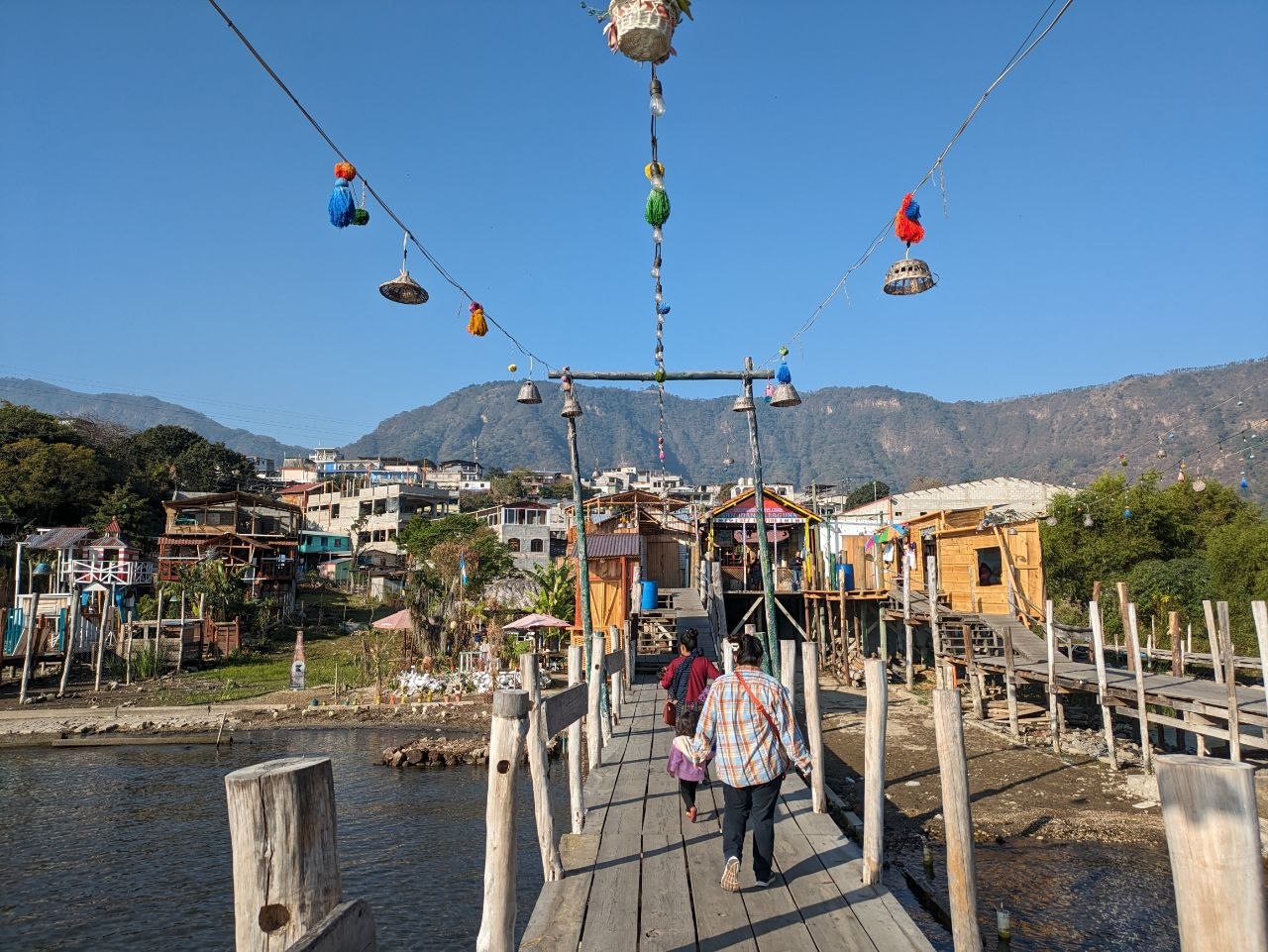
Panajachel, on the northern shore, is the main gateway town to Lake Atitlán. Its central street, Calle Santander, functions as a busy commercial and transport hub lined with guesthouses, cafes and stalls selling textiles, leather goods and handicrafts from across the highlands. From the lakeside, public launches and private boats depart throughout the day, connecting Panajachel with the surrounding villages.
The waterfront area offers clear views across the water to the Tolimán and Atitlán volcanoes, particularly striking at sunrise and sunset. Wooden jetties and boardwalks extend into the lake, serving both as transport points and informal gathering spaces where residents and visitors watch boat traffic, local fishermen and changing weather patterns over the caldera.
Santiago Atitlán
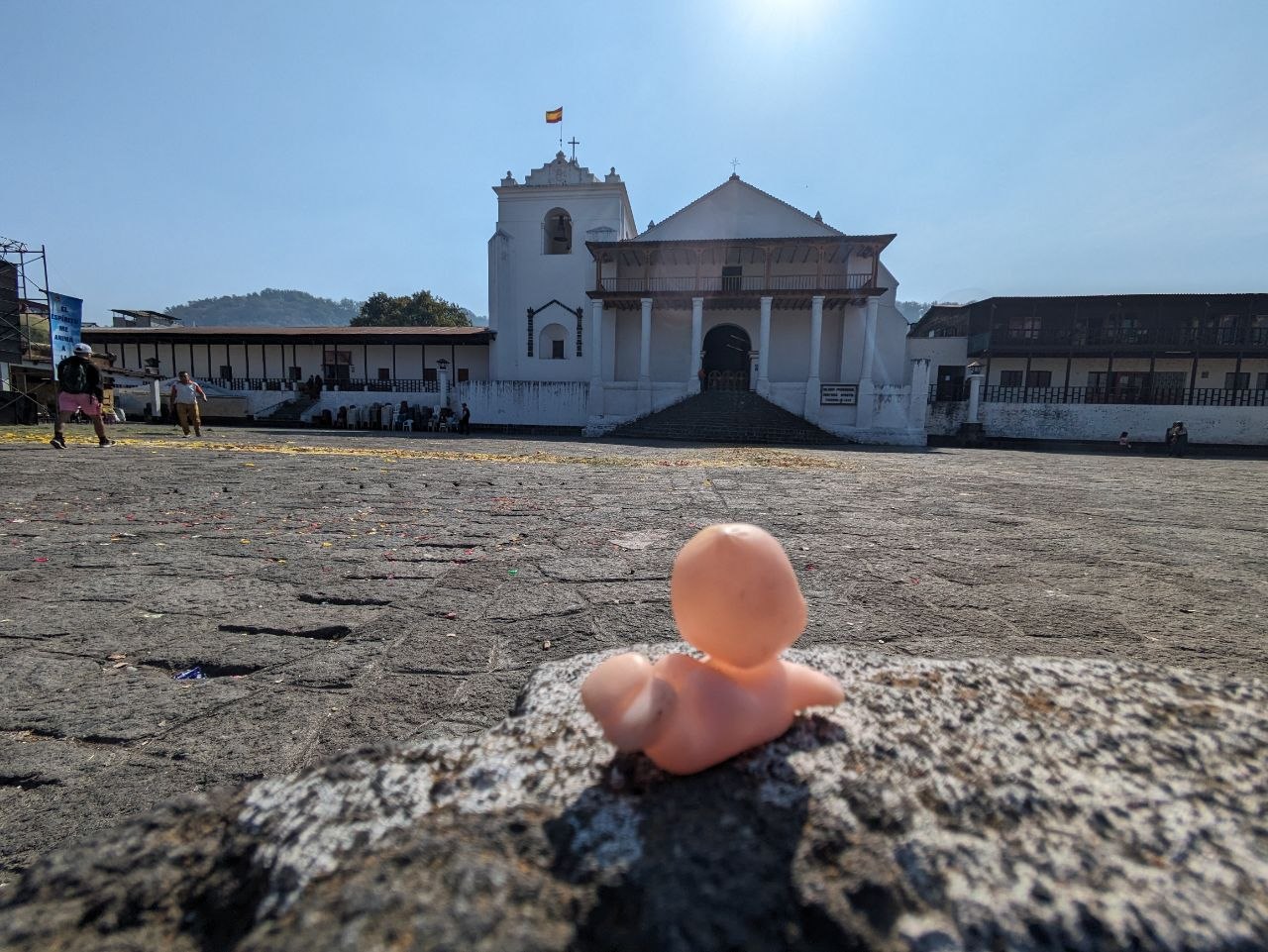
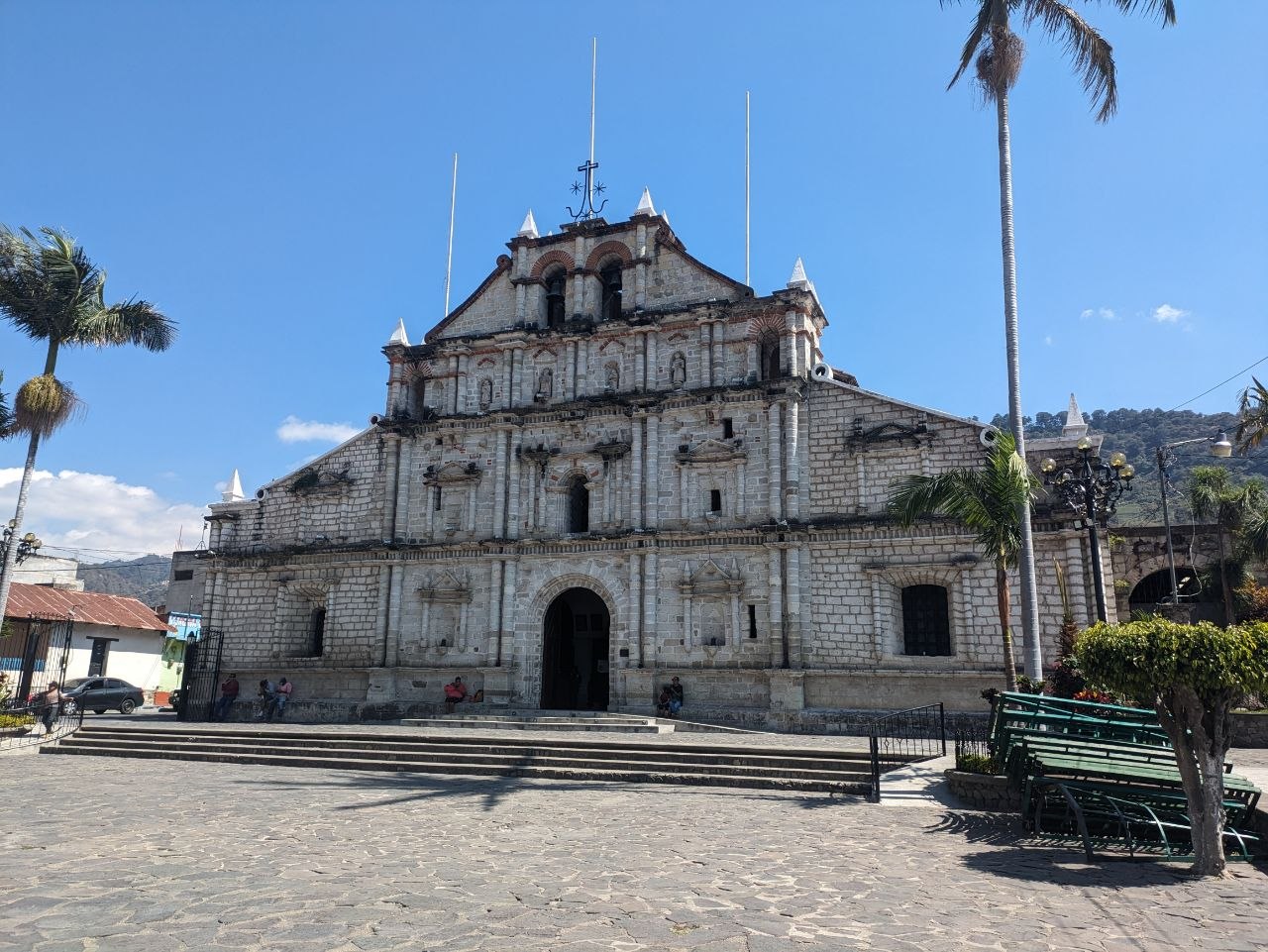
Santiago Atitlán is the largest settlement on the lake and a major centre of Tz'utujil Maya culture. The town sits between the slopes of Volcán San Pedro and the bay that bears its name, with narrow streets leading up from the dock to a central plaza dominated by a historic stone church. This colonial-era baroque church, with its white facade and prominent bell towers, remains an important religious and community landmark.
Traditional clothing is still widely worn in Santiago Atitlán, including elaborately woven huipiles decorated with birds and geometric motifs. Local weaving workshops and family-run cooperatives produce textiles on backstrap looms, while markets around the plaza and side streets display embroidered garments, belts and blankets that reflect Tz'utujil identity and symbolism.
Maximón
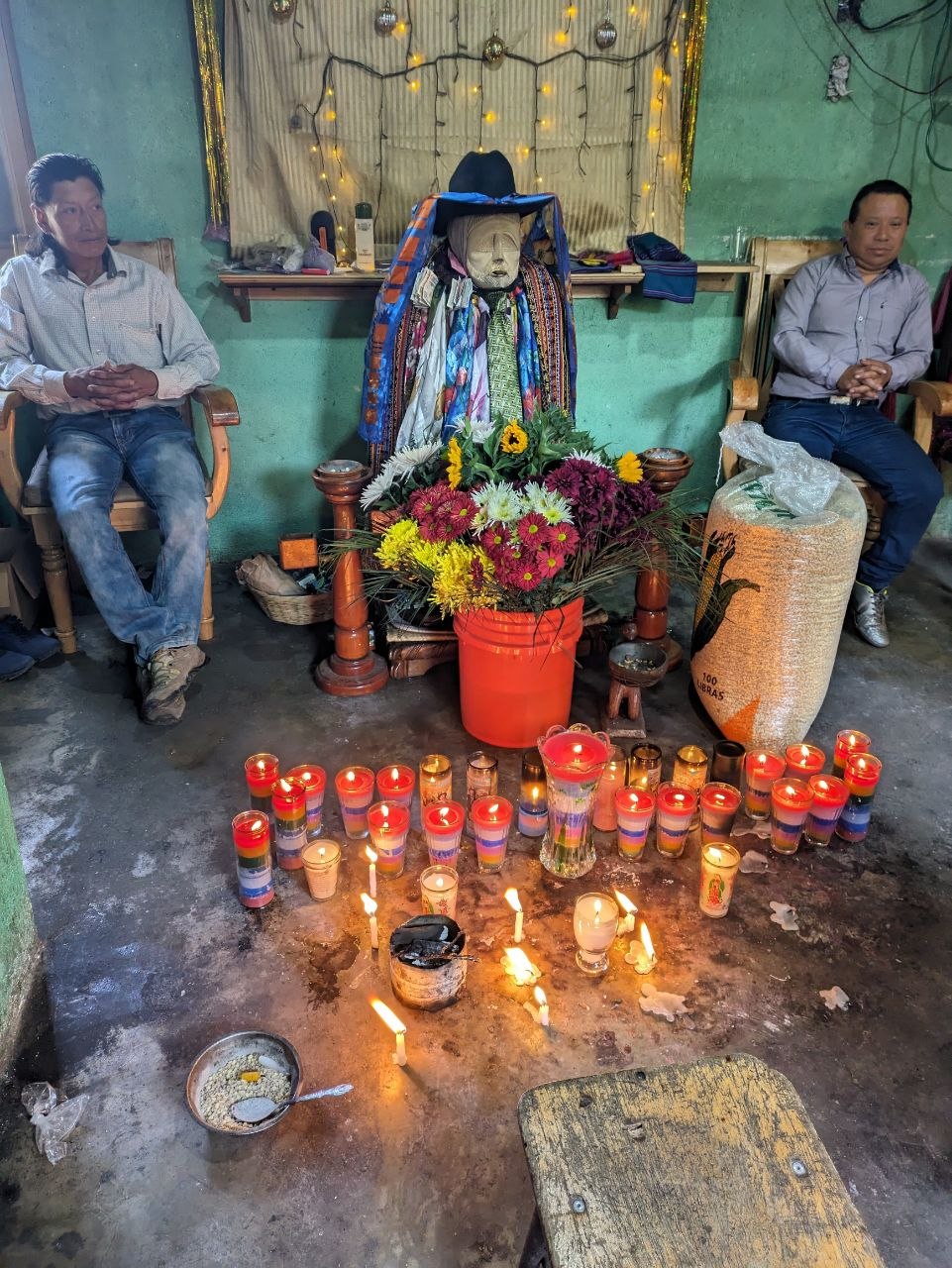
One of Santiago Atitlán's most distinctive cultural features is the veneration of Maximón, a widely revered folk saint. Represented by a carved wooden figure dressed in layers of scarves, hats and traditional clothing, Maximón is typically seated in a dimly lit room, surrounded by candles, flowers and offerings of cigarettes and rum. The atmosphere is intimate and heavily scented with incense and cigar smoke.
Maximón embodies a syncretic blend of pre-Hispanic Maya spirituality and Catholic tradition. His image is cared for by a local religious brotherhood, or cofradía, and his shrine moves periodically between different cofradía houses in town. Visitors can observe rituals in which devotees petition Maximón for protection, health or good fortune, underscoring the ongoing importance of indigenous belief systems around the lake.
San Juan La Laguna
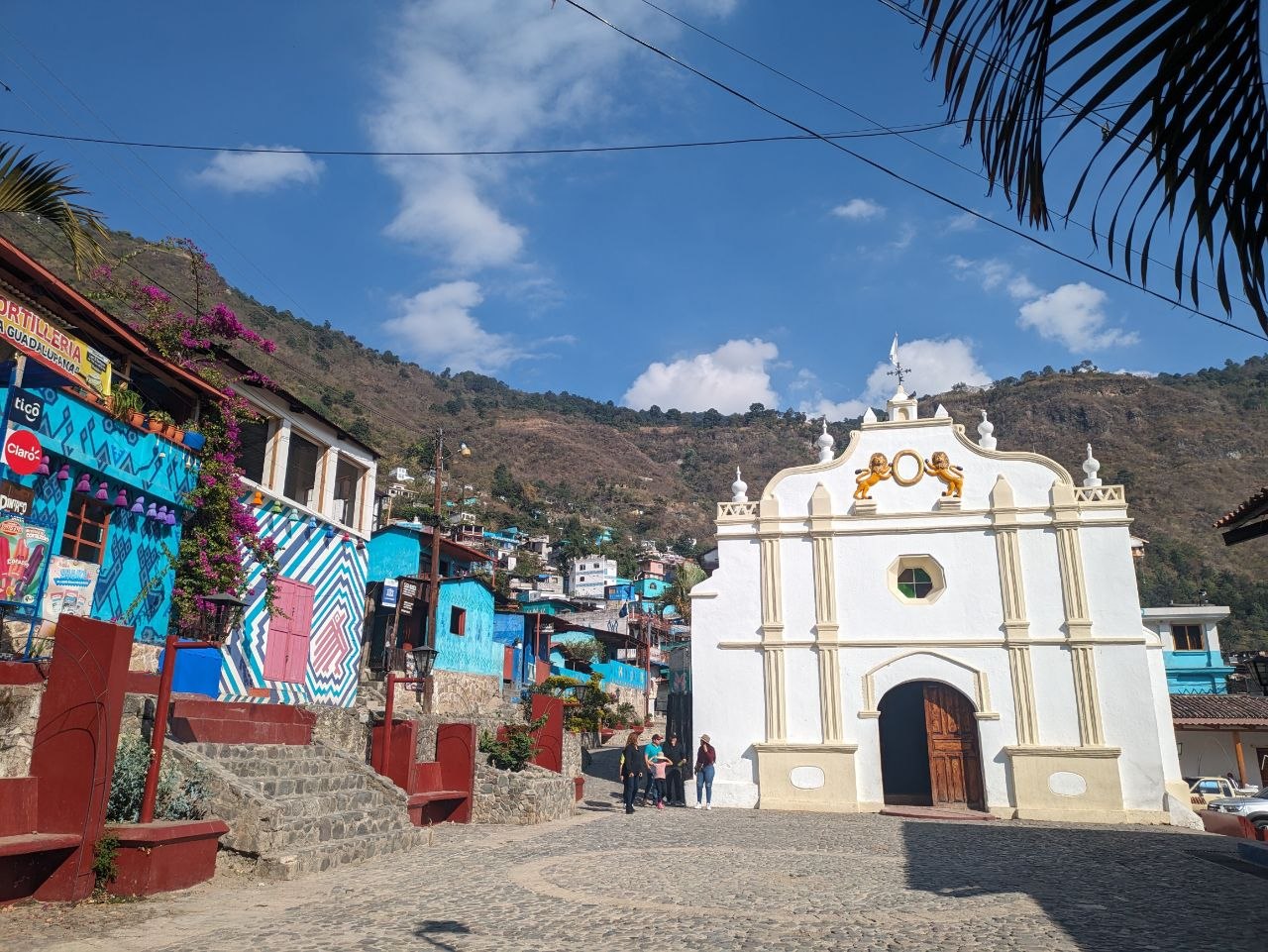
San Juan La Laguna, on the southwestern shore, has developed a reputation as one of Lake Atitlán's most visually distinctive villages. Whitewashed streets are lined with colourful murals depicting Maya cosmology, local flora and fauna, and scenes from everyday life. Small chapels and viewpoints punctuate the hillsides, offering framed vistas of the lake and surrounding volcanoes.
The village is known for its women's weaving cooperatives, many of which emphasise natural dyes and traditional techniques. Visitors can follow signed routes between workshops, coffee roasters and cacao producers, learning about shade-grown coffee, organic cultivation and artisanal chocolate making. A growing arts scene, combined with relatively quiet streets, makes San Juan La Laguna a popular base for those seeking a slower pace.
Lake Life
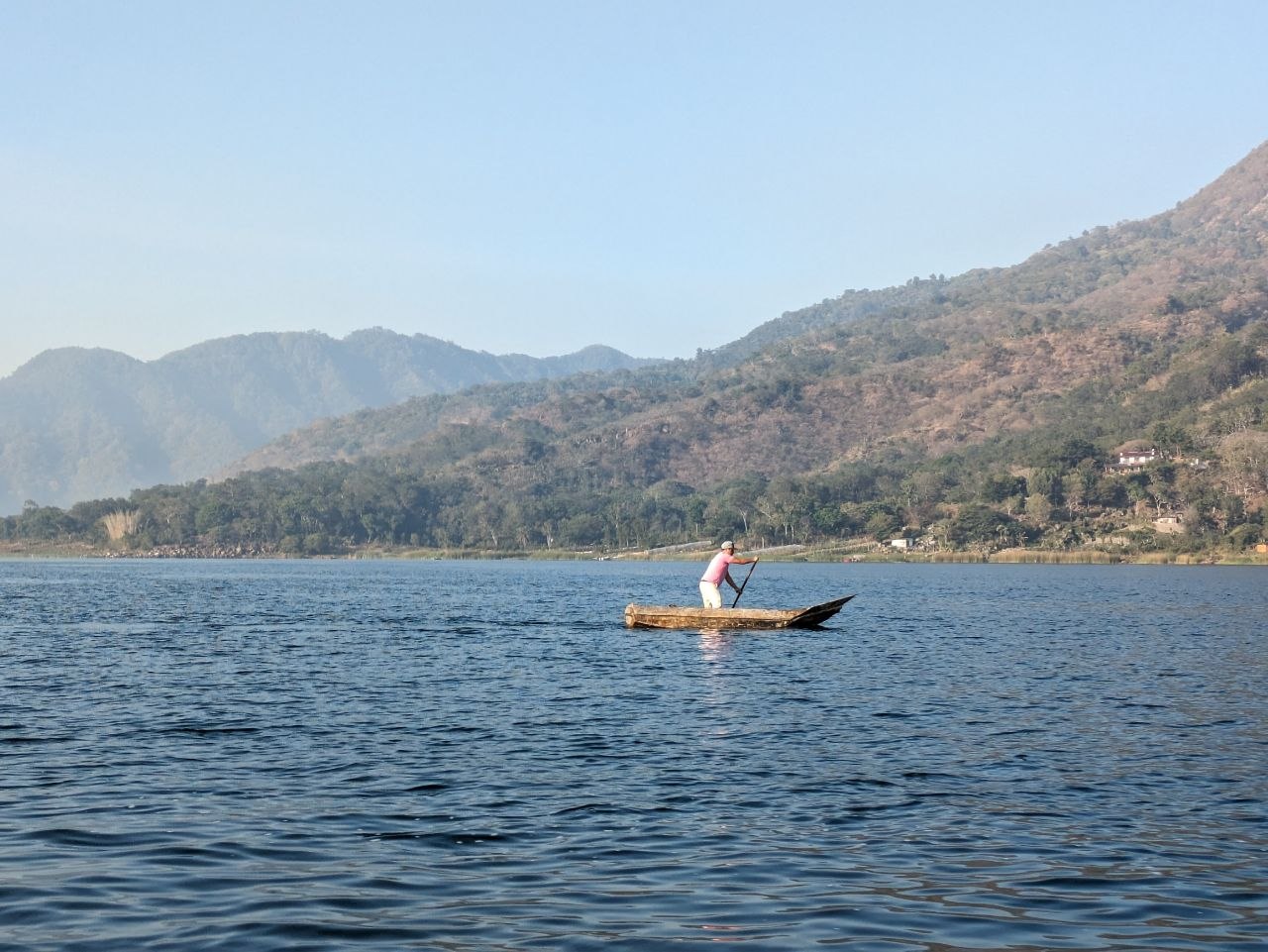
Daily life on Lake Atitlán is closely tied to the water. Traditional dugout canoes, or cayucos, carved from single tree trunks, are still used by fishermen setting nets, checking lines and moving between small coves. Larger wooden boats transport passengers, freight and market produce, forming a lake-wide network that often replaces roads.
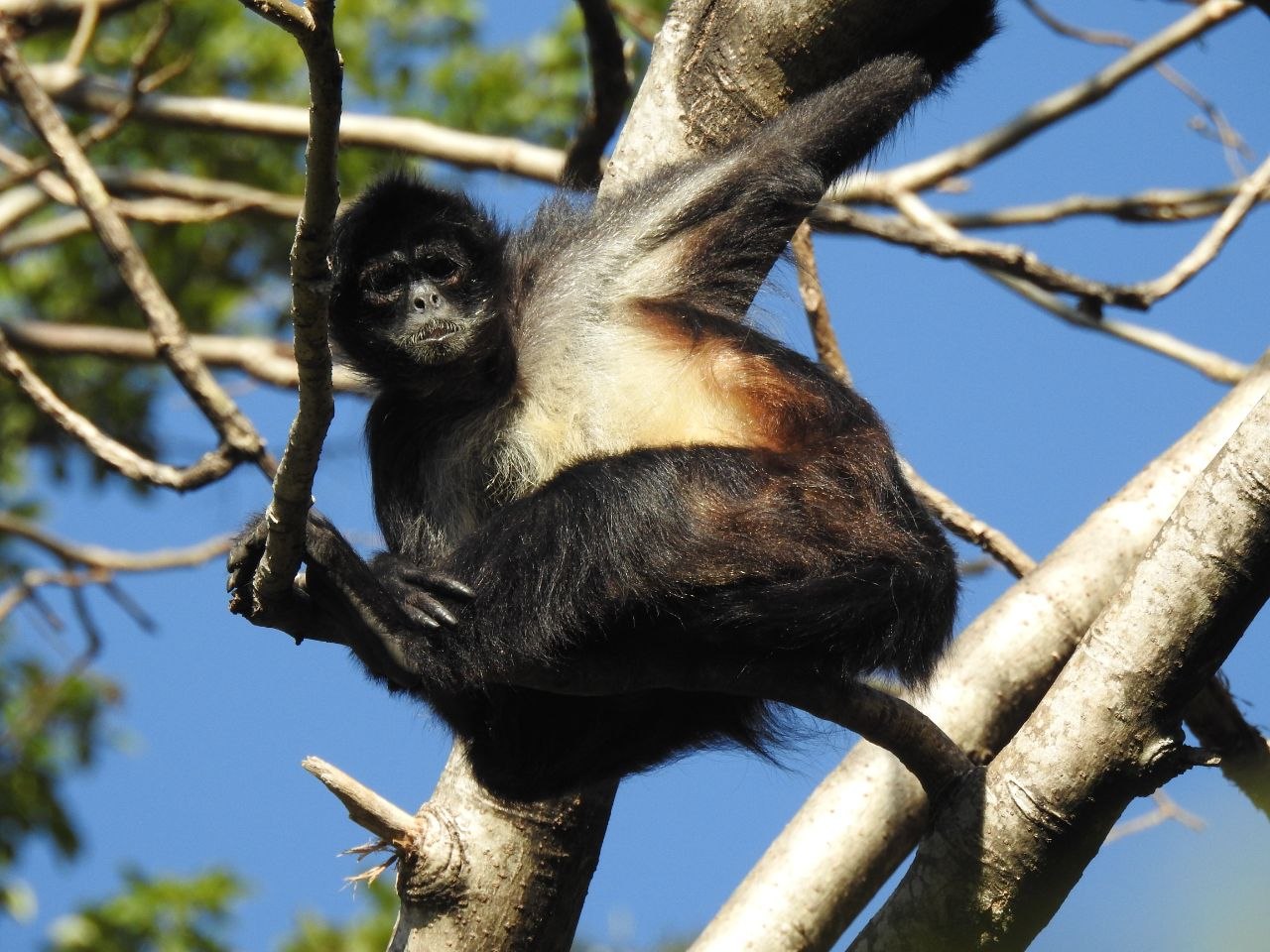
The steep, forested slopes around the lake support a variety of wildlife, including bird species, reptiles and occasional sightings of spider monkeys moving through the canopy. Weather shifts quickly, with mist rolling down from the highlands and afternoon clouds gathering around the volcanoes. Reflections of peaks and sky on the lake's surface change throughout the day, contributing to the sense of constant movement in the landscape.
Food & Cuisine
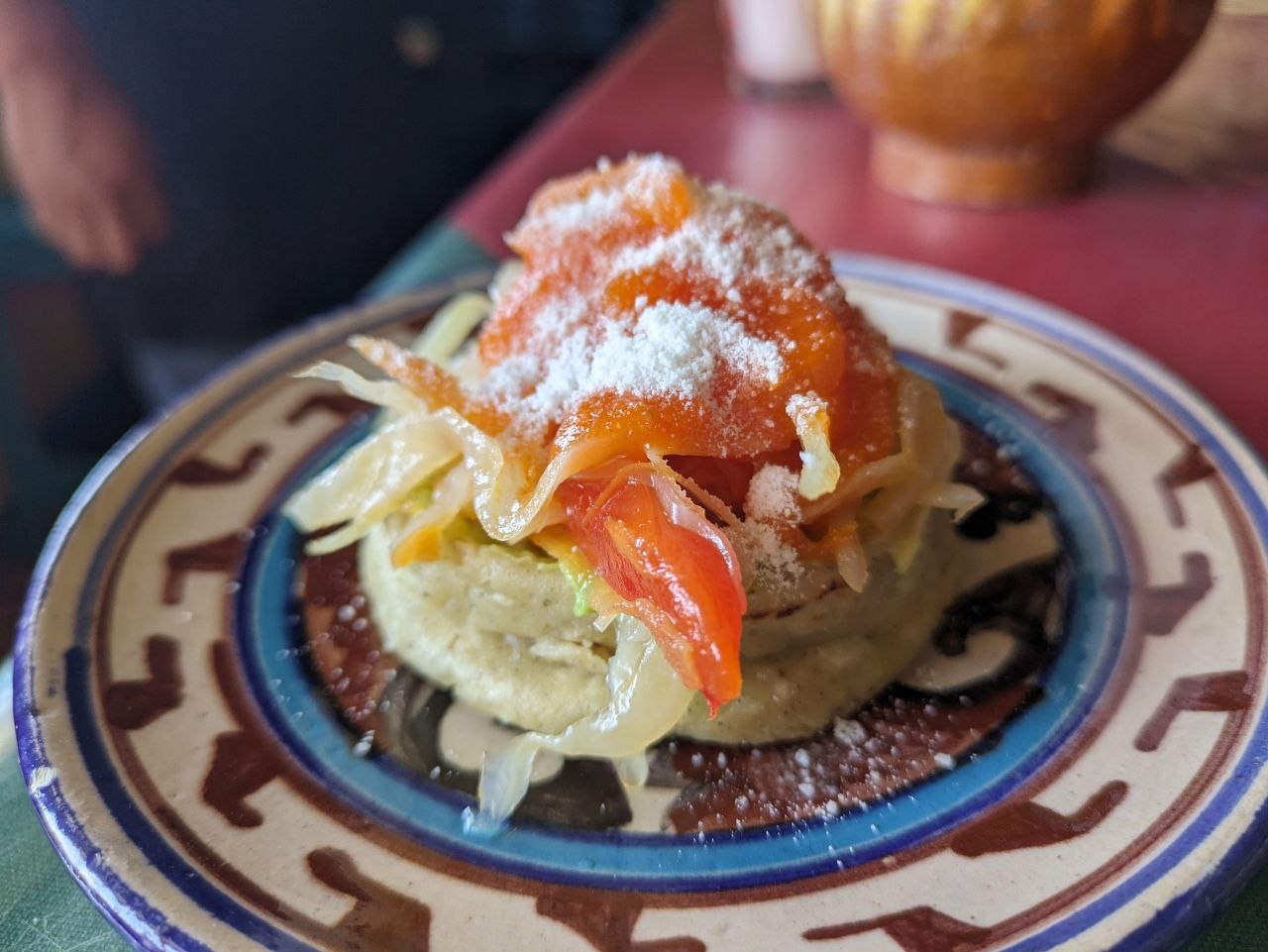
Lake Atitlán's food scene combines regional Guatemalan dishes with local lake ingredients and an active street food culture. In markets and small comedores, pepián — often described as Guatemala's national dish — appears as a rich, spiced sauce served over meat or adapted as a tostada topping with vegetables and toasted seeds. Stalls frequently prepare trays of tostadas layered with pepián, guacamole, tomato salsas and pickled onions.
Fresh fish from the lake, including tilapia and smaller local species, is commonly grilled, fried or cooked in tomato-based stews and served with tortillas, rice and seasonal vegetables. Around docks and plazas, vendors sell snacks such as tamales, atol drinks and fresh fruit, while village markets supply the ingredients that sustain households, from maize and beans to coffee, cacao and herbs grown on surrounding slopes.
Visiting Tips
Most visitors use Panajachel, San Pedro La Laguna or San Juan La Laguna as practical bases, with regular public boats linking villages along the shore. Early morning departures usually offer the calmest water conditions, while afternoons can bring stronger winds and choppier crossings. Cash is essential in smaller communities, and ATMs are concentrated in the larger towns.
Respectful behaviour in villages includes asking permission before photographing individuals, particularly weavers and religious sites, and dressing modestly away from the water. Altitude, strong sun and quickly changing weather make sun protection and layers advisable, especially when travelling by boat. Supporting community-run cooperatives, local guides and small family businesses helps sustain the cultural and environmental heritage that makes Lake Atitlán distinctive.
 Jumping Timezones
Leave a comment