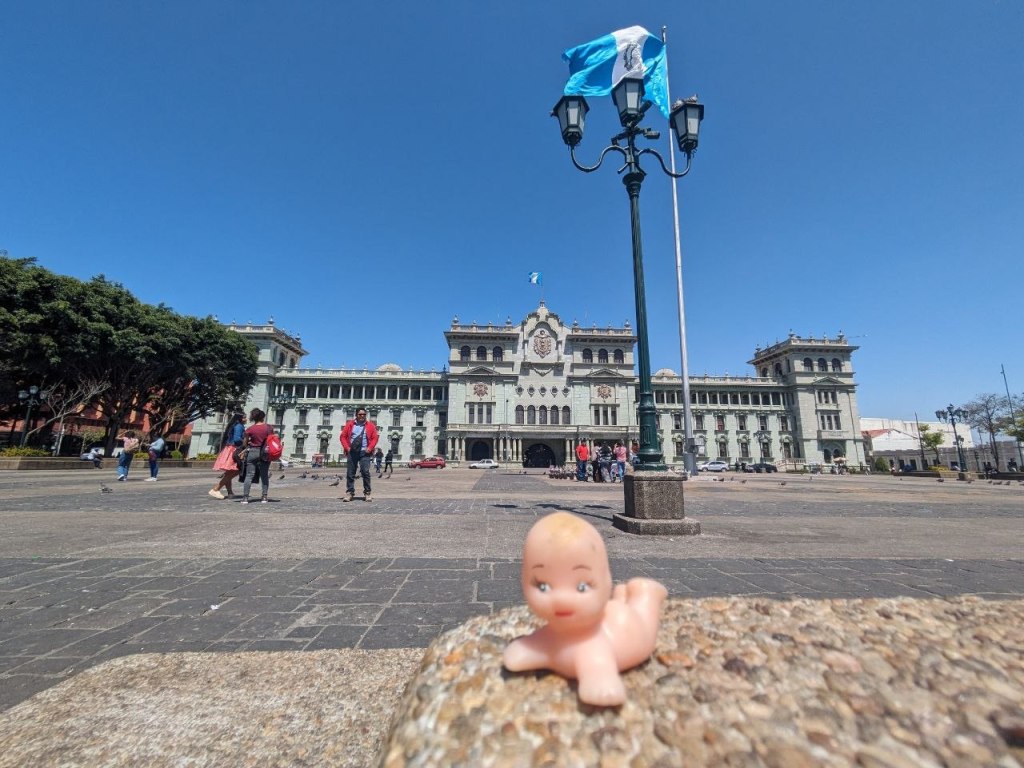
Guatemala City, known locally as Guate, is the capital and largest city of Guatemala, occupying a broad highland valley at roughly 1,500 metres above sea level. The city is the most populous urban centre in Central America and functions as the country’s political, cultural, and economic hub, concentrating government institutions, major universities, and financial activity. Its historic core, designated as Zona 1, preserves much of the city’s colonial fabric, with narrow streets, arcaded facades, and civic buildings radiating from the central Plaza Mayor.
From its foundation in the late 18th century as a replacement for Antigua Guatemala, the city has grown into a vast metropolis with a grid of numbered zones extending far beyond the original centre. Within Zona 1, however, the scale remains walkable and human in character, with the Plaza Mayor, Metropolitan Cathedral, Palacio Nacional de la Cultura, and surrounding commercial arcades forming a compact ensemble that encapsulates the country’s layered history.
Plaza Mayor
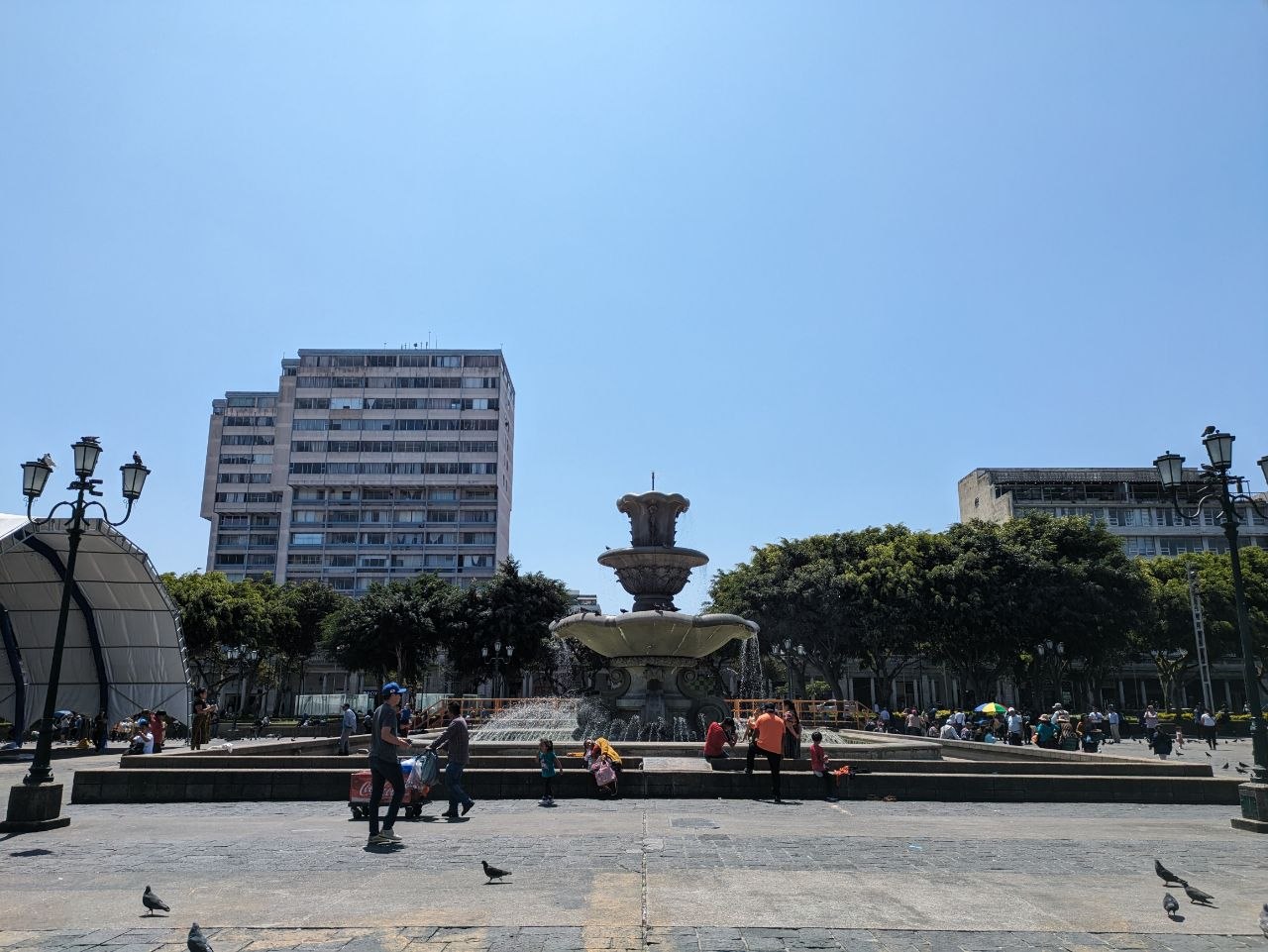
The Plaza Mayor, also known as the Parque Central, is the grand central square at the heart of Zona 1 and the traditional stage for public life in Guatemala City. Laid out in classic Spanish colonial fashion, it is framed by the imposing mass of the Metropolitan Cathedral to the east, the Palacio Nacional de la Cultura to the north, and the arcaded Portal del Comercio to the west, with commercial streets and civic buildings radiating outward. At its centre, fountains, mature trees, and wide paved walkways provide a setting for daily gatherings, demonstrations, and celebrations.
The plaza functions as a living public space rather than a static monument. Pigeons cluster around the main fountain, informal vendors circulate with snacks and balloons, and office workers, students, and families use the benches and shaded corners throughout the day. The Guatemalan flag flying prominently from the Palacio Nacional side of the square underscores the plaza’s role as a symbol of national identity and a focal point for civic events, national holidays, and commemorations.
Palacio Nacional de la Cultura
The Palacio Nacional de la Cultura dominates the northern side of the Plaza Mayor with its distinctive green neoclassical facade, arcaded balconies, and ornamental detailing. Completed in 1943 during the presidency of Jorge Ubico, the building was conceived as both a seat of government and a showcase for national arts and craftsmanship. Its monumental exterior incorporates decorative ironwork, carved stone, and sculptural reliefs that combine European academic influences with local motifs.
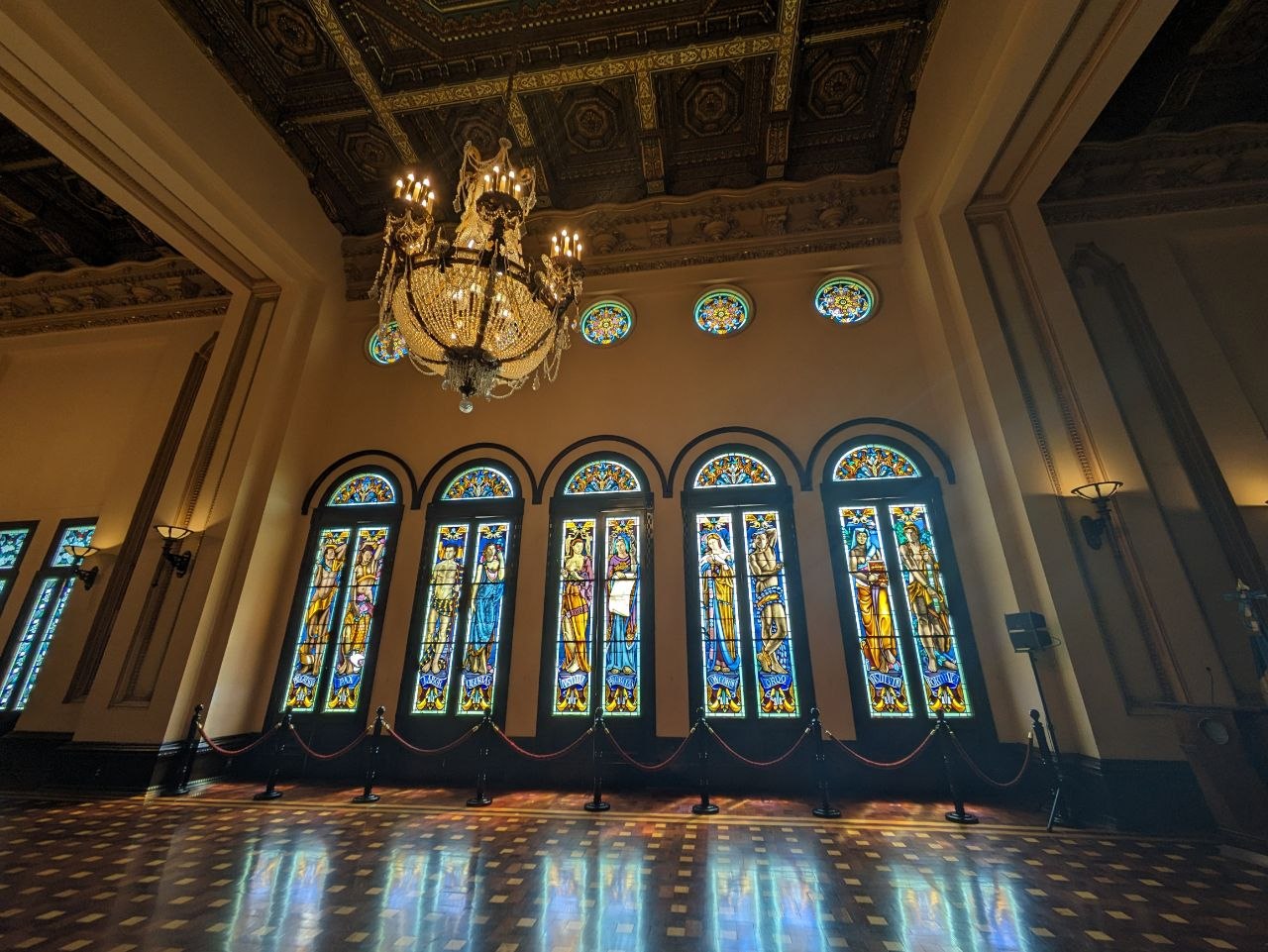
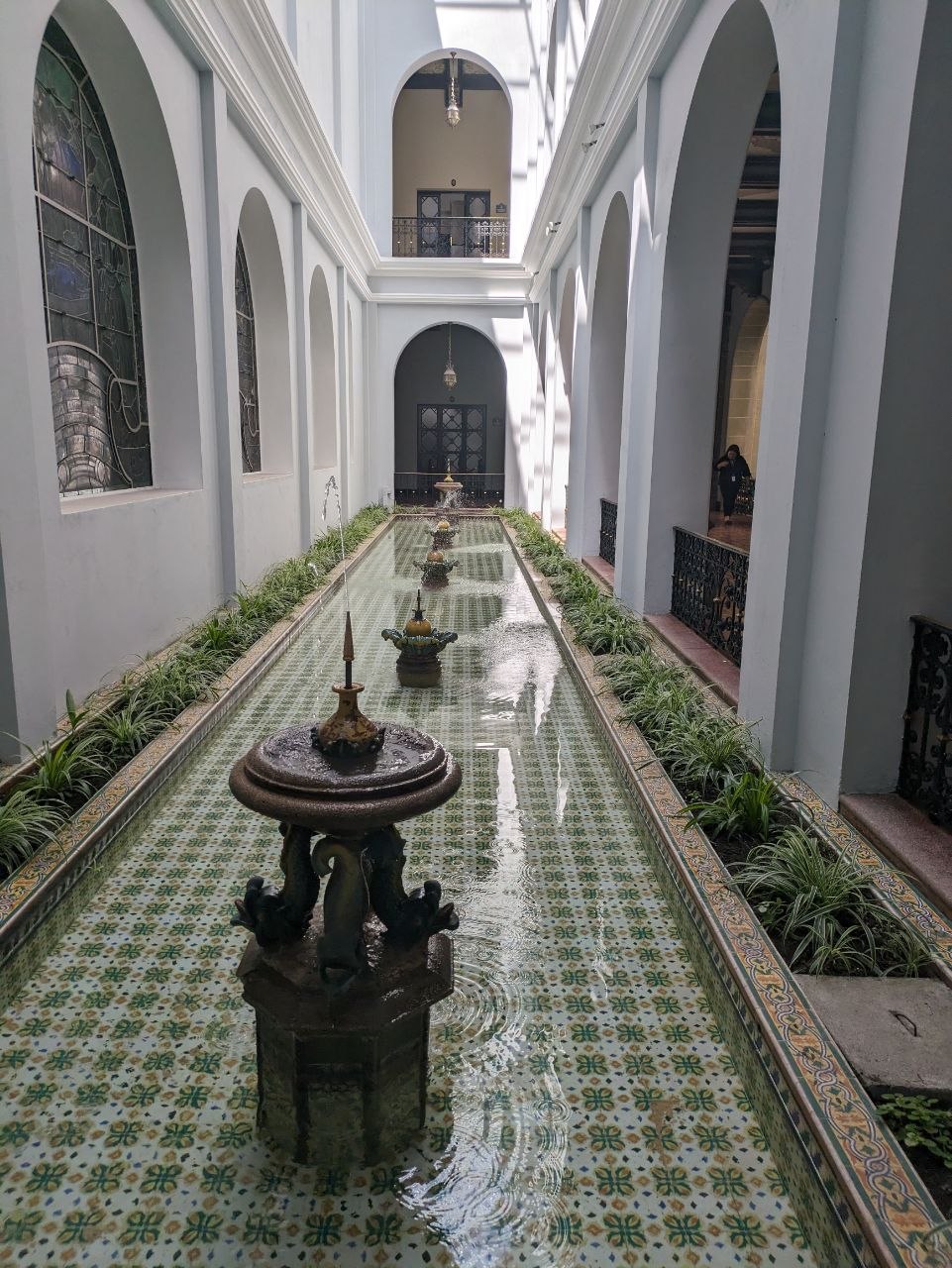
Inside, the palace contains some of Guatemala City’s most impressive ceremonial spaces. Grand staircases lead to ornate ballrooms with soaring ceilings, stained glass windows, and elaborate chandeliers, while Moorish-style interior courtyards are organised around long reflecting pools and arcades of fountains. Throughout the complex, carved doors, intricate tilework, and painted ceilings highlight the skills of Guatemalan artisans. No longer the active presidential residence, the building now functions as a museum and cultural centre, hosting exhibitions and guided visits that allow the public to explore its halls and courtyards.
Metropolitan Cathedral
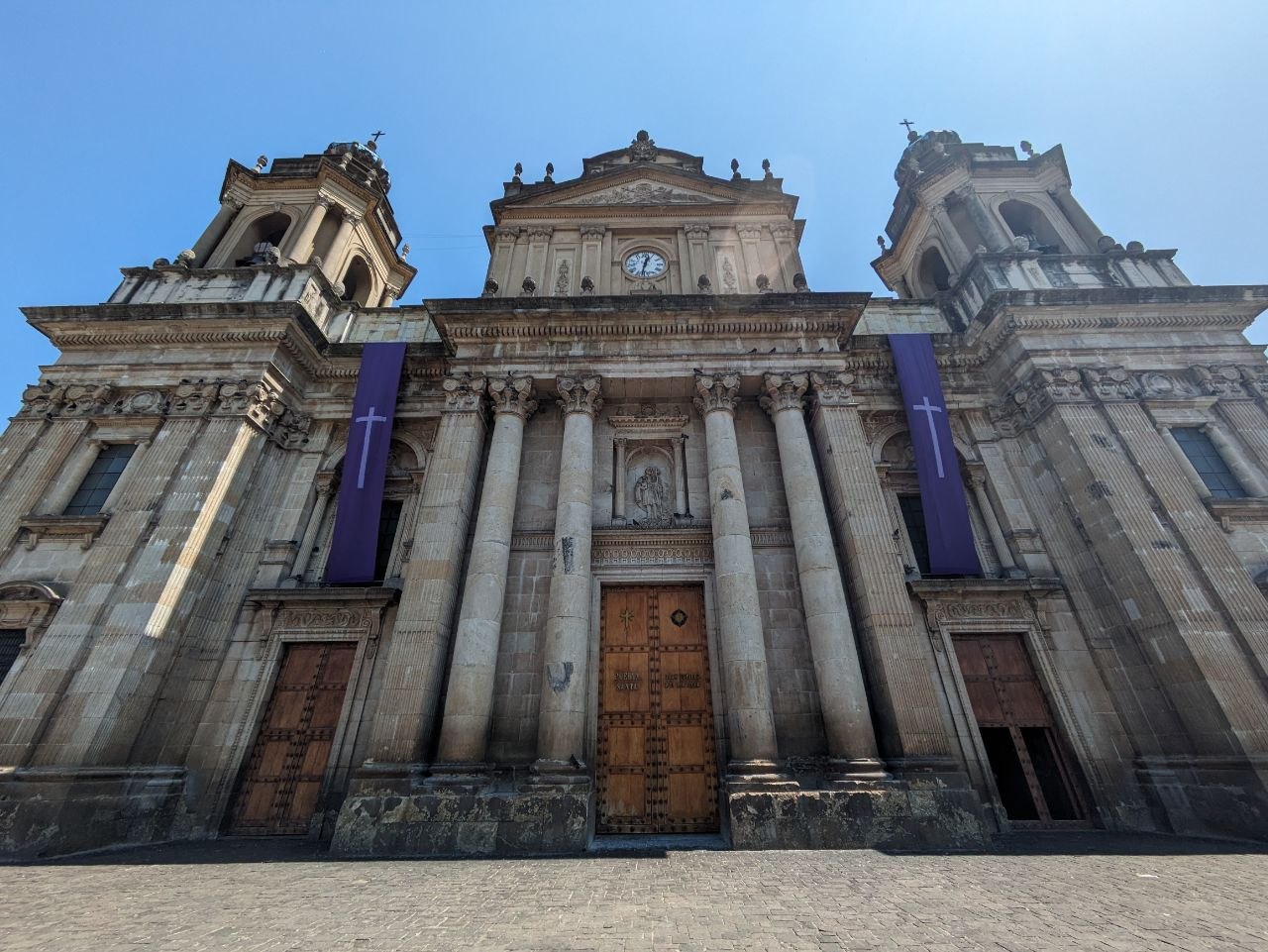
The Metropolitan Cathedral (Catedral Metropolitana) faces the Plaza Mayor and ranks among the oldest surviving structures in Guatemala City. Construction began in the late 18th century, shortly after the decision to relocate the capital from Antigua Guatemala, and continued well into the 19th century. Its substantial neoclassical facade, with twin bell towers flanking a central pediment and a series of statues in niches, has become one of the defining landmarks of Zona 1.
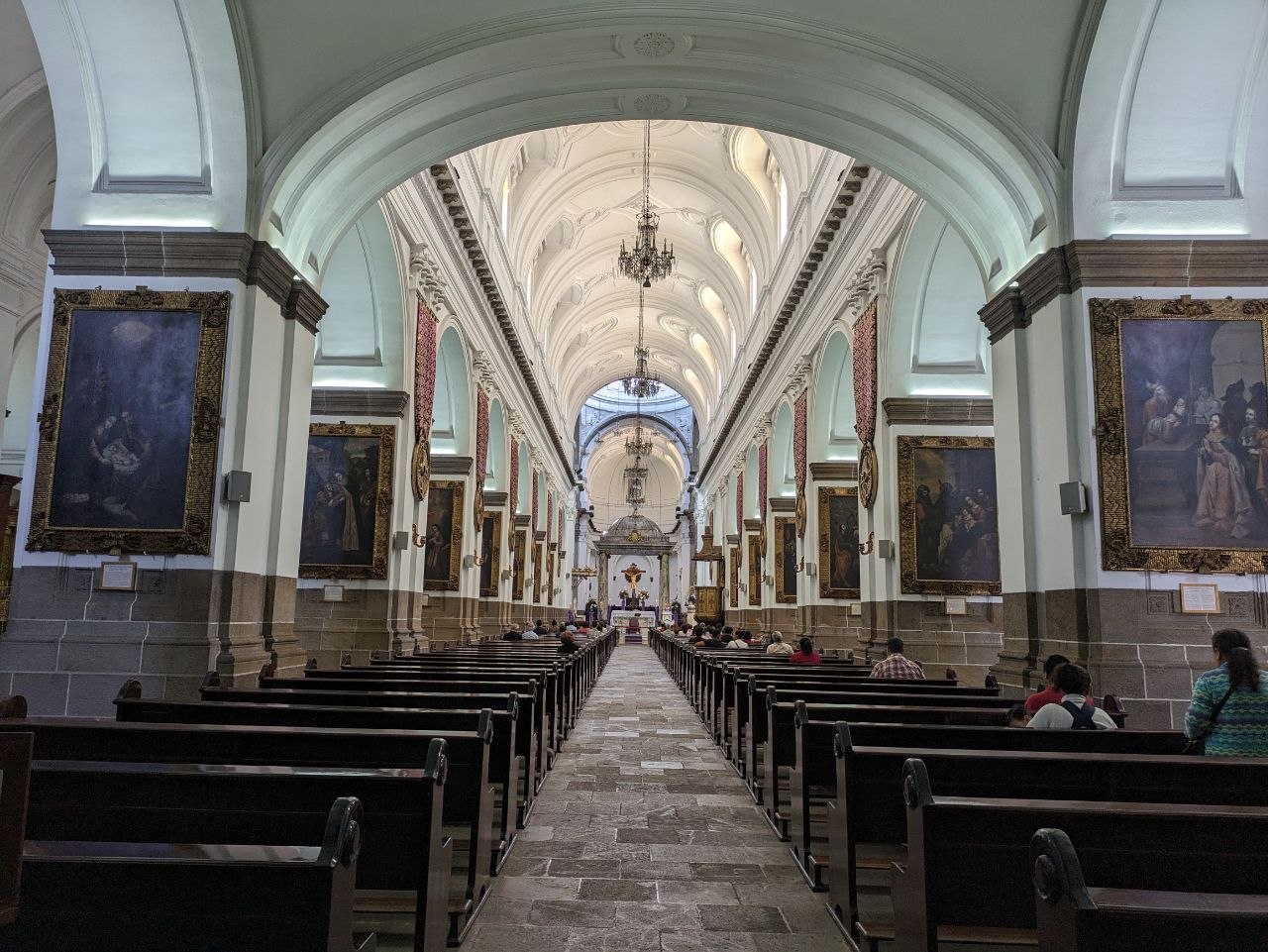
Behind the facade, the cathedral’s interior is organised around a long, barrel-vaulted nave supported by massive columns that draw the eye towards the high altar. Side chapels contain colonial-era paintings, gilded altarpieces, and devotional sculptures that illustrate the evolution of religious art in Guatemala from the colonial period onward. The building functions as an active place of worship, and its atmosphere combines the quiet of prayer with the movement of parishioners, clergy, and visitors attending daily services and religious festivities.
Museo Nacional de Arqueología y Etnología
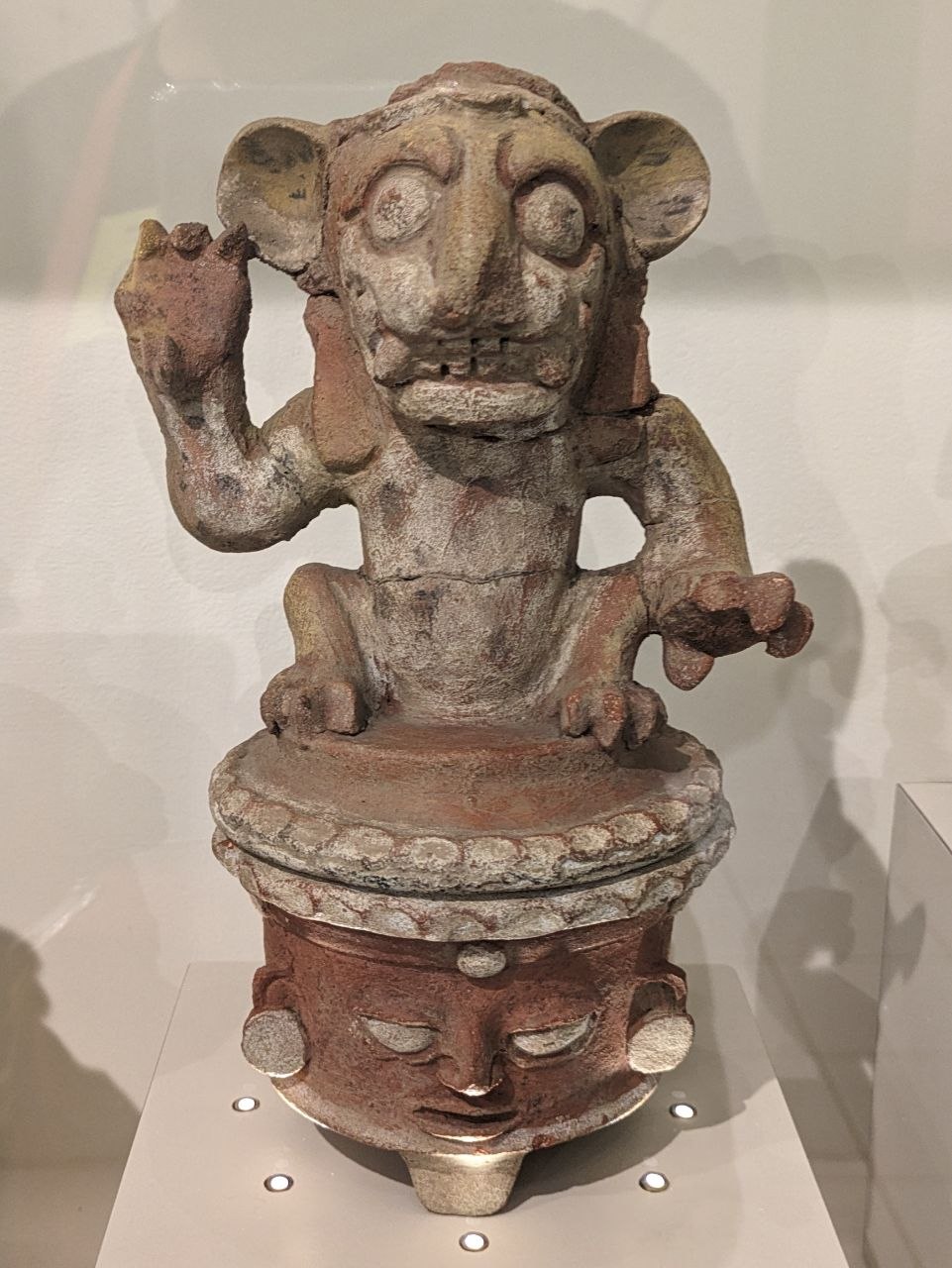
The Museo Nacional de Arqueología y Etnología, located outside the historic centre in the Finca La Aurora cultural complex, is one of the most important museums of Maya archaeology in the world. Its galleries house an extensive collection of pre-Columbian artefacts from sites across Guatemala, including intricately carved stone stelae, monumental sculpture, jade masks and jewellery, and finely painted ceramics. These objects document the political, religious, and artistic achievements of the ancient Maya over many centuries.
The museum’s ceramic holdings are particularly notable for their elaborate incense burners and deity figures, which provide vivid examples of Maya ritual practice and iconography. Many of these pieces depict jaguar deities, underworld beings, and ancestral figures with complex headdresses and symbolic attributes. Interpretive texts and dioramas place the artefacts in geographic and cultural context, offering essential background for understanding major archaeological sites such as Tikal, Quiriguá, and Yaxhá.
Visiting Tips
Zona 1 is compact and walkable for visiting the main historic sights around the Plaza Mayor, including the Metropolitan Cathedral and the Palacio Nacional de la Cultura. Distances between landmarks are short, and many streets are laid out in an easy-to-follow grid. However, like many large Latin American capitals, Guatemala City requires a measure of situational awareness: visitors are advised to keep valuables discreet, use registered taxis or rideshare services for longer journeys between zones, and seek local advice on areas that are best avoided after dark.
The Palacio Nacional de la Cultura typically offers free or low-cost guided tours that provide access to ballrooms, courtyards, and ceremonial halls not visible from the plaza; tour times and language options can vary, so checking current schedules in advance is recommended. The Museo Nacional de Arqueología y Etnología is an essential stop for anyone planning to visit Tikal or other Maya sites, as its collections and interpretive displays provide valuable context for the architecture and imagery encountered in the ruins. For wider travel in Guatemala, Guatemala City functions as a major transit hub, with the international airport, long-distance bus terminals, and shuttle services connecting the capital to Antigua, the western highlands, the Pacific coast, and the northern lowlands.
 Jumping Timezones
Leave a comment