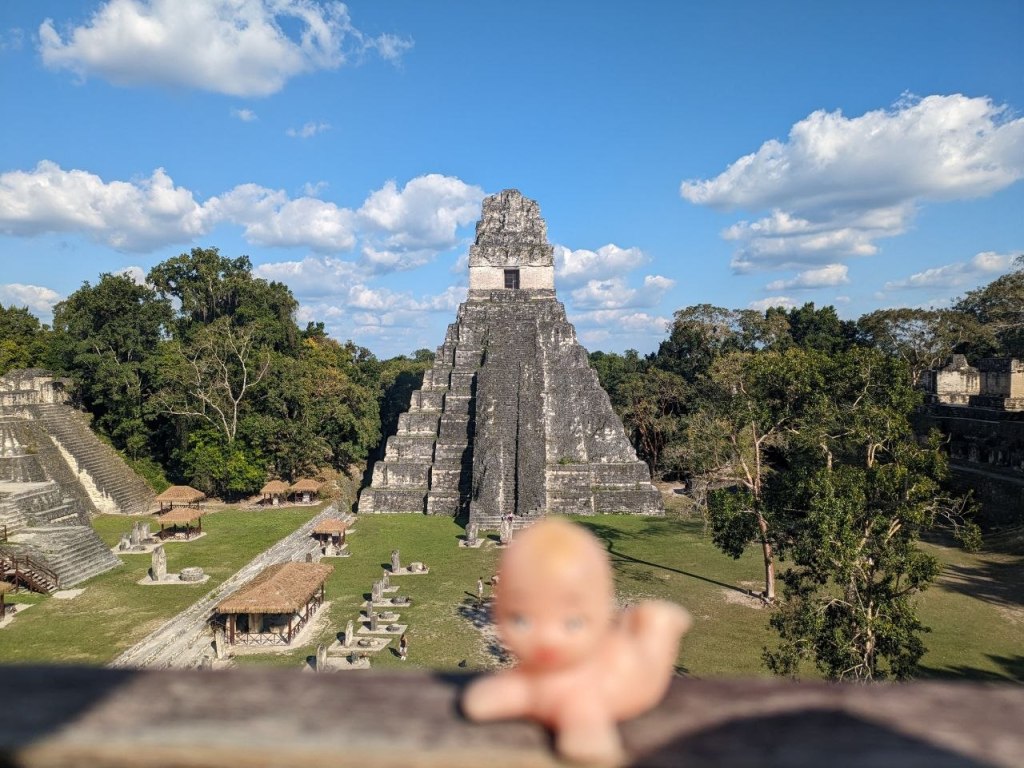
Tikal is one of the largest and most significant ancient Maya cities, set deep within the tropical rainforest of northern Guatemala’s Petén department. Once a dominant political, economic, and military power in the Maya lowlands, it flourished during the Classic period between roughly 200 and 900 AD. At its height, the city encompassed a dense urban core surrounded by extensive residential and agricultural zones, supporting a population estimated in the tens of thousands.
Today, Tikal is recognised as a UNESCO World Heritage Site, valued both for its monumental architecture and its integration with the surrounding ecosystem. The ruins sit within Tikal National Park, a vast protected area of lowland rainforest where towering temples emerge above the canopy and wildlife moves freely among the structures. The combination of archaeological remains and dense jungle makes Tikal a rare example of a major ancient city reclaimed yet preserved by nature.
The Gran Plaza
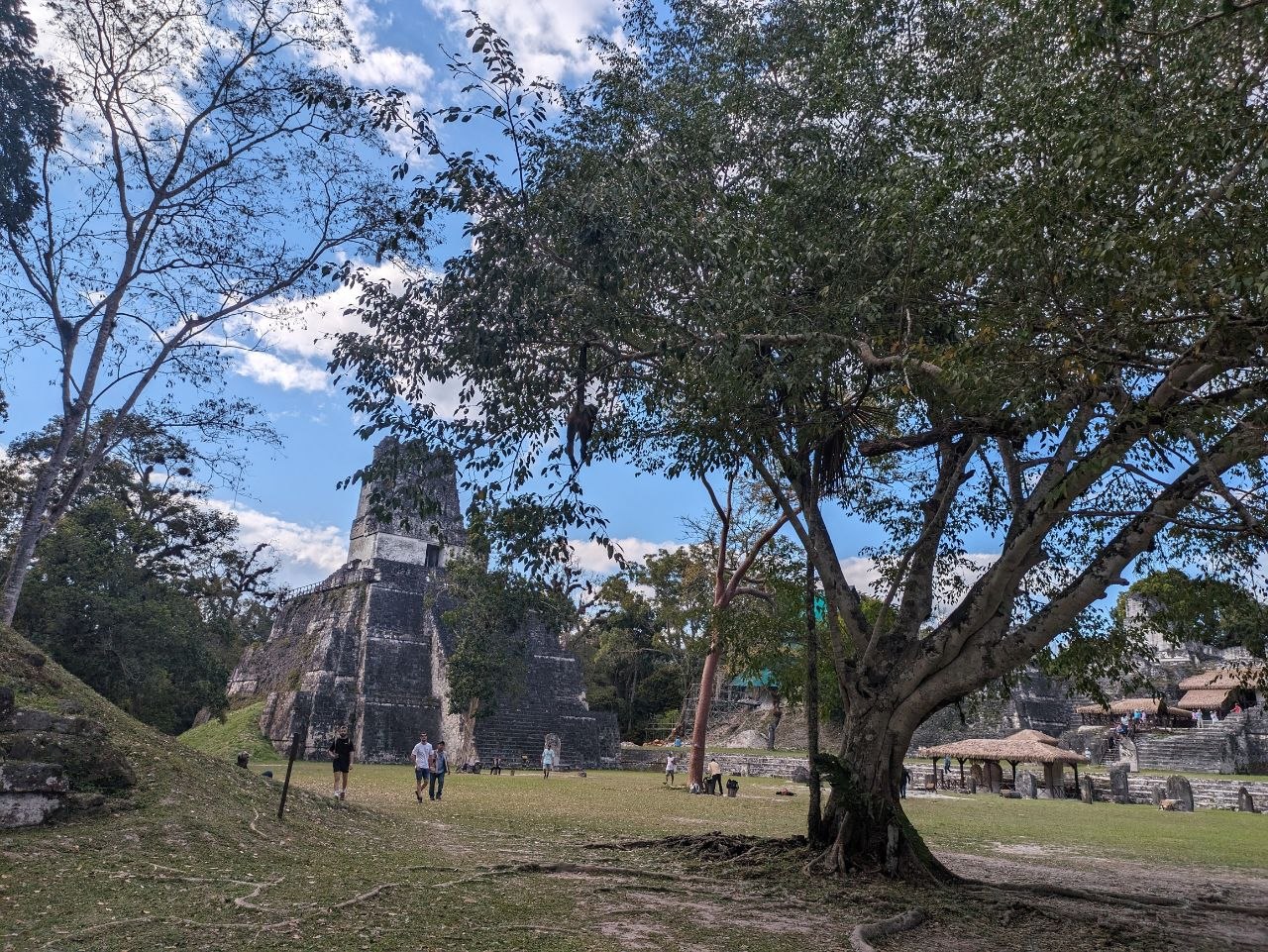
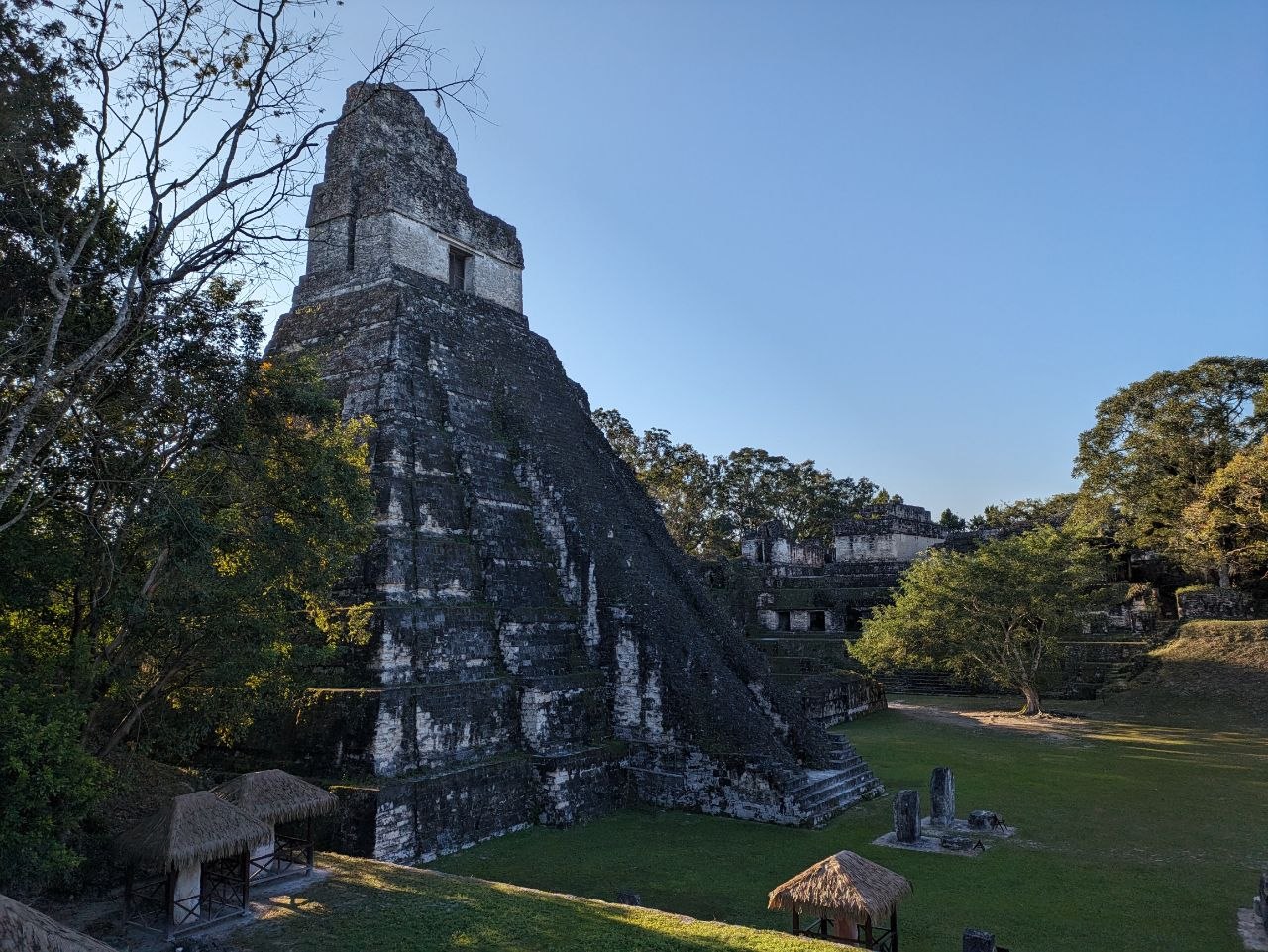
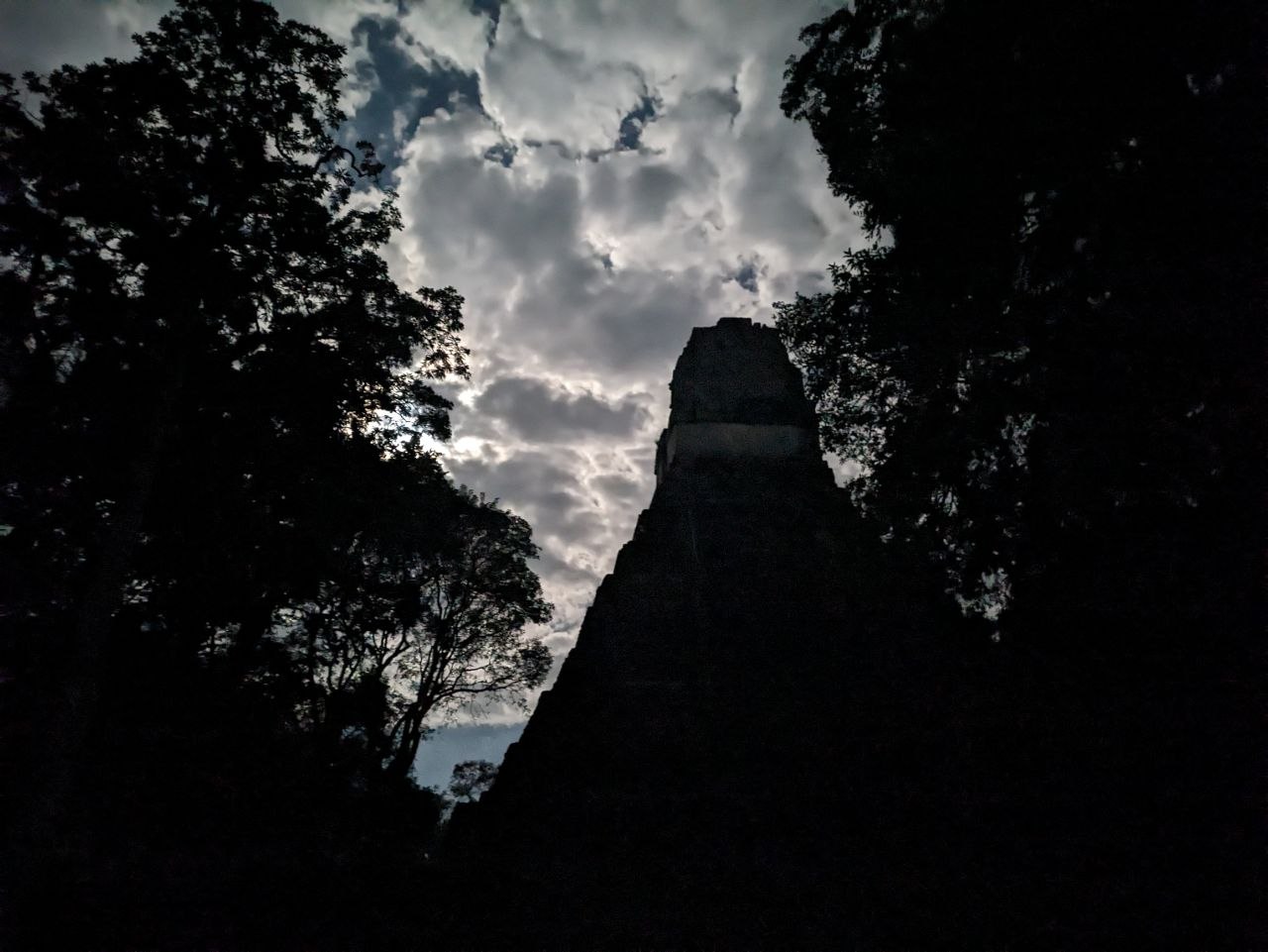
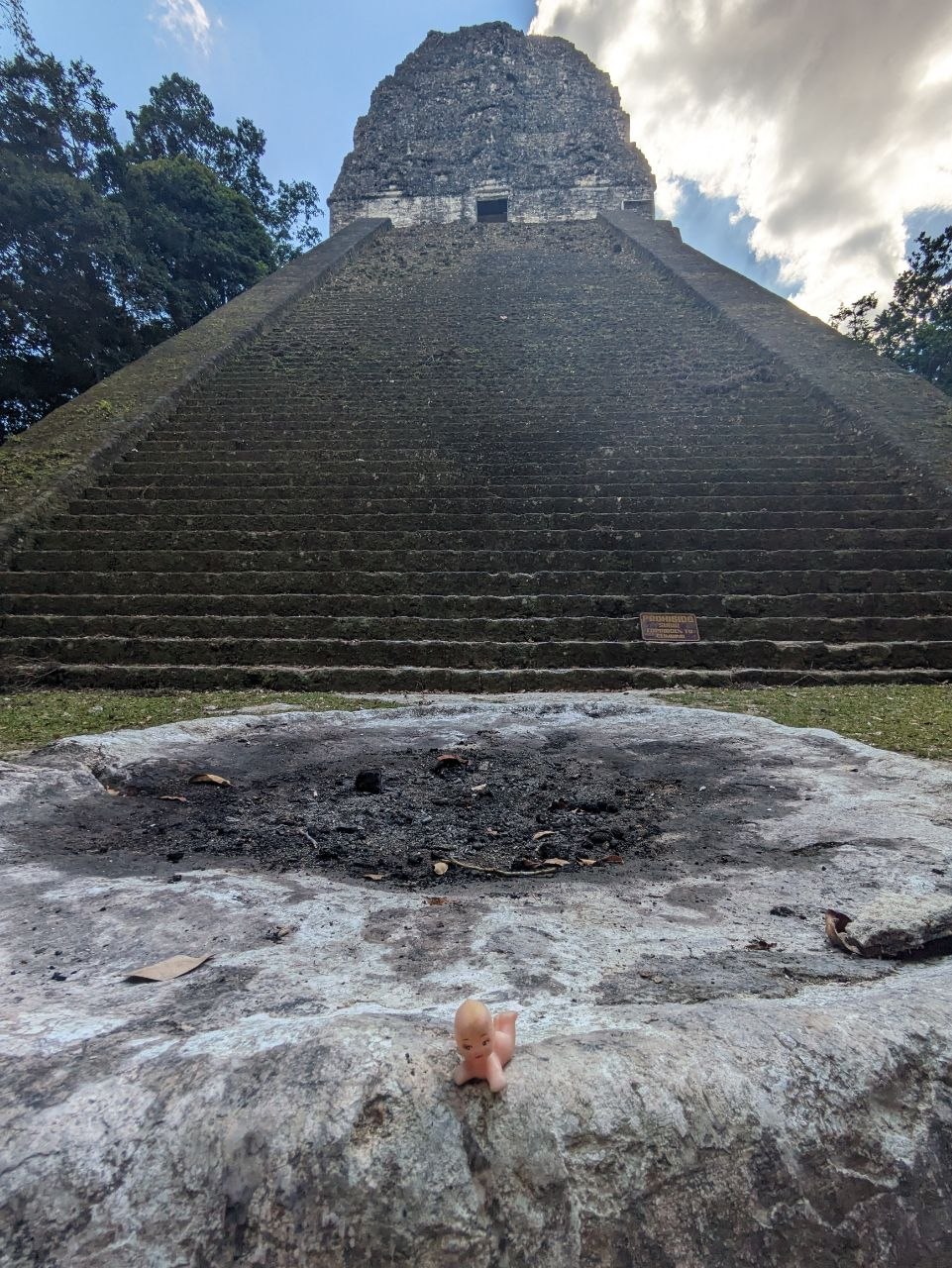
The Gran Plaza forms the ceremonial heart of Tikal, an open space framed by some of the site’s most iconic monuments. On its eastern side stands Temple I, also known as the Temple of the Great Jaguar, while Temple II, the Temple of the Masks, rises on the western edge. These steep pyramidal temples dominate the skyline of the plaza, creating a dramatic backdrop for public rituals and royal ceremonies.
Temple I reaches a height of about 47 metres and was built in the 8th century as a funerary monument for the powerful ruler Jasaw Chan K'awil I. At the northern side of the plaza, the North Acropolis forms a dense cluster of temples and platforms accumulated over centuries, containing multiple royal tombs beneath its structures. The plaza floor itself is paved with plaster, reflecting the importance of this space as a central stage for processions, offerings, and dynastic display.
Temple IV & the Jungle Canopy
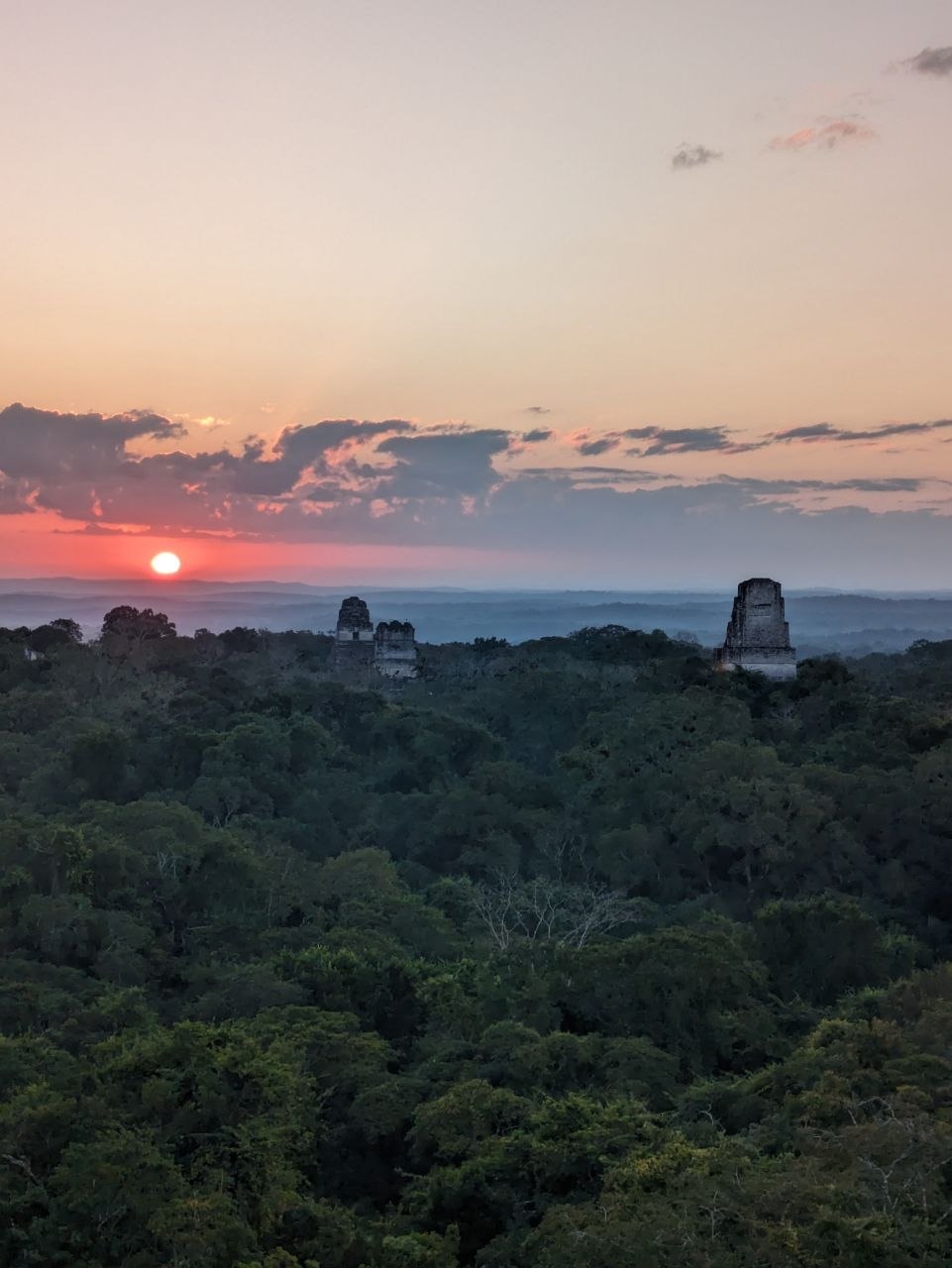
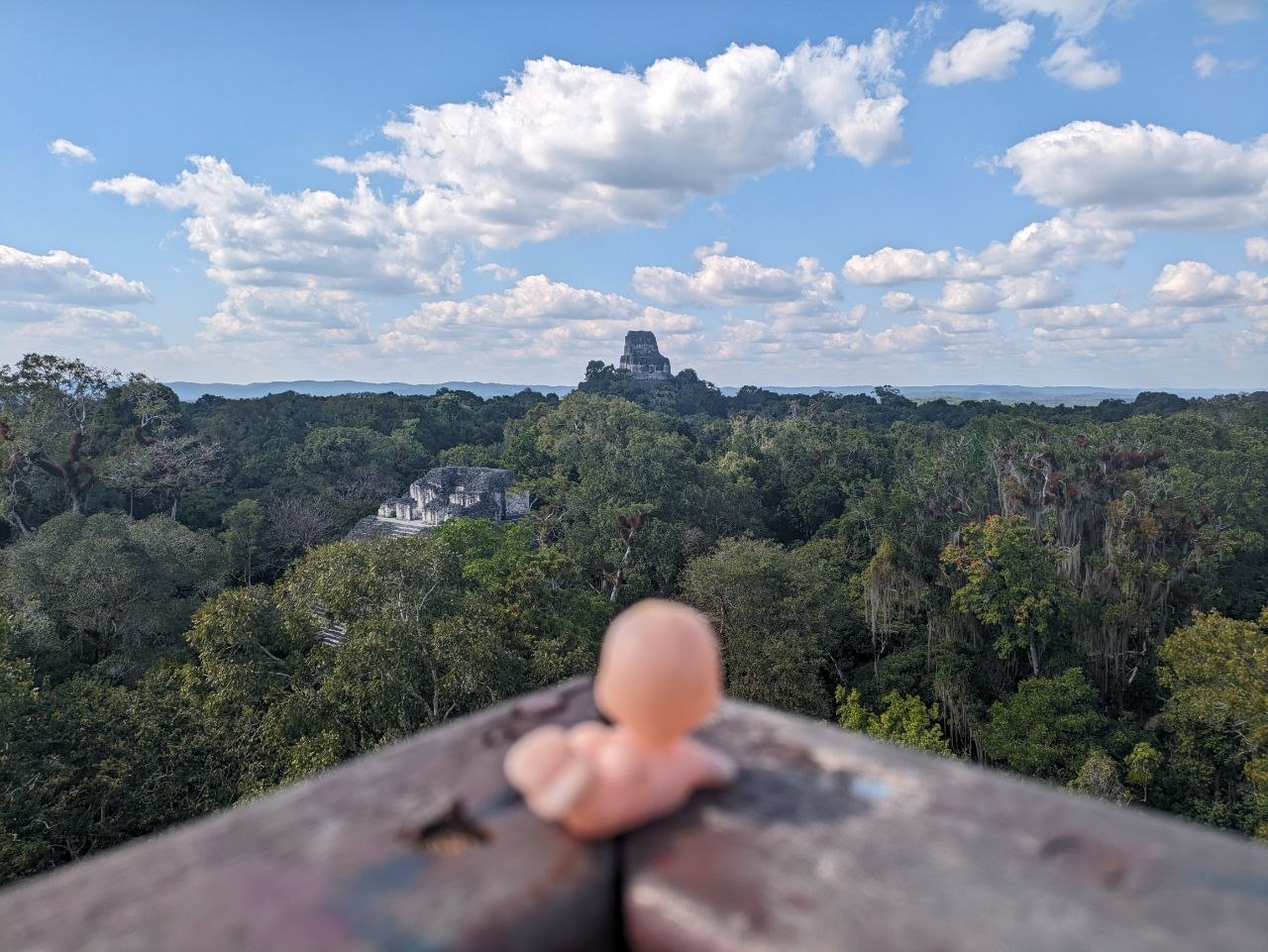
Temple IV is the tallest structure at Tikal, rising to approximately 65 metres above the forest floor. From its summit, visitors gain one of the most celebrated views in the Maya world: a panorama of unbroken rainforest canopy punctuated by the distant tops of other temple pyramids. The sense of scale highlights both the ambition of Tikal’s builders and the vast extent of the surrounding wilderness.
At sunrise, low mist often settles over the jungle, with temple summits emerging like islands above a sea of cloud. The calls of howler monkeys and birds carry across the canopy, adding to the atmosphere of the scene. This outlook earned Temple IV a place in popular culture as well; it served as the filming location for the Rebel base on Yavin 4 in the 1977 film Star Wars, bringing Tikal’s remarkable skyline to an international audience.
Wildlife of the Rainforest
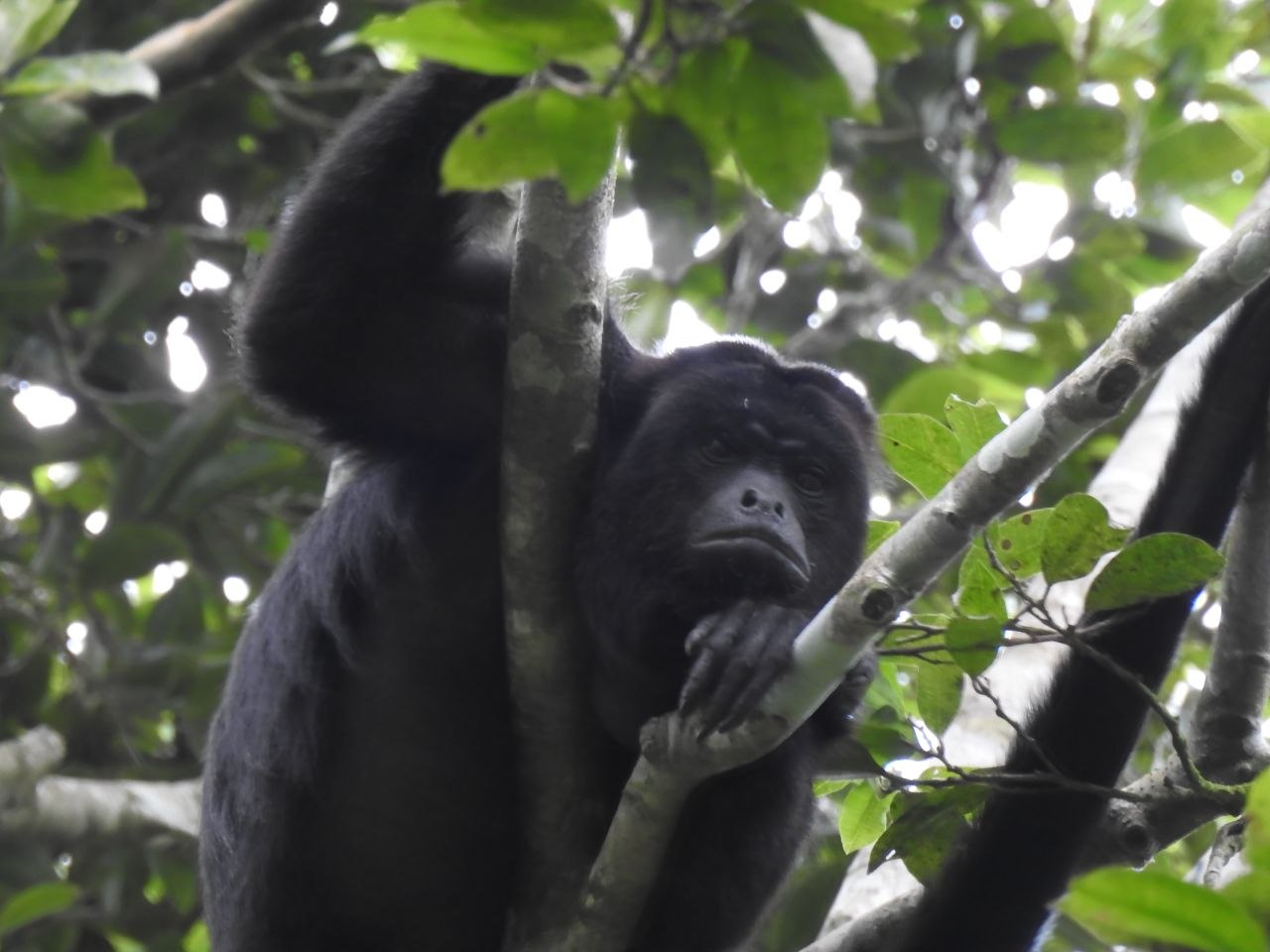
Tikal National Park functions as an important wildlife sanctuary as well as an archaeological reserve. Howler monkeys are a characteristic presence, moving through the treetops above plazas and temples, their deep vocalisations audible over long distances at dawn and dusk. Spider monkeys are also frequently seen, using their agility and prehensile tails to navigate the canopy layers.
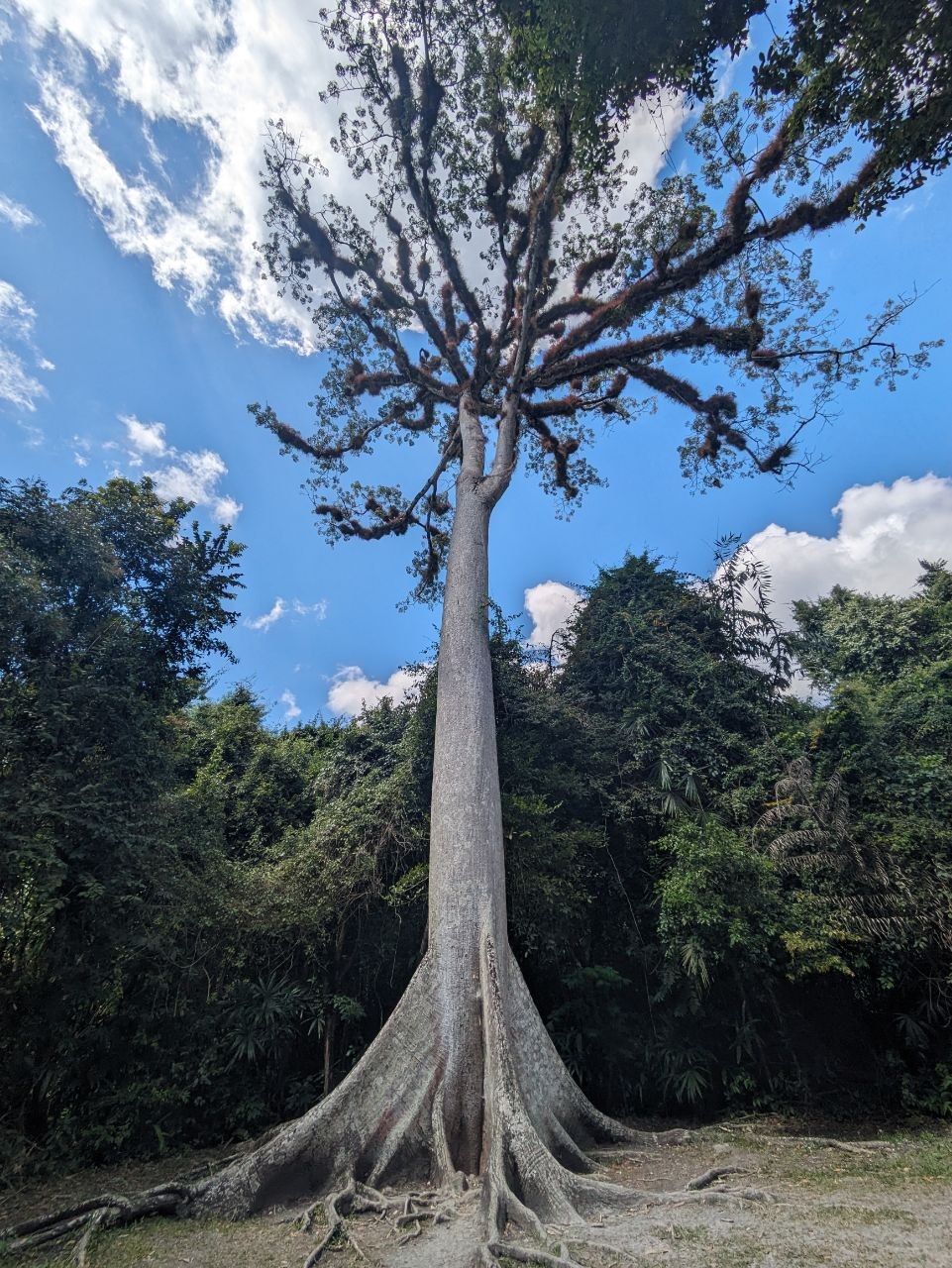
Along the forest trails, visitors may encounter oscillated turkeys with their iridescent plumage, coatis searching the undergrowth, and colourful toucans perched high above. The vegetation is dominated by towering hardwoods, including the ceiba, Guatemala’s national tree. These ceibas can reach impressive heights, with massive buttress roots spreading outward across the forest floor, forming living landmarks within the park.
Maya Carvings & Stelae
Throughout Tikal, carved stone monuments provide insight into the city’s political and religious life. Stelae and accompanying altar stones are positioned in plazas and courtyards, many bearing finely detailed images of rulers in elaborate regalia. These carvings often include hieroglyphic inscriptions that record important events such as accessions, military victories, and dynastic alliances.
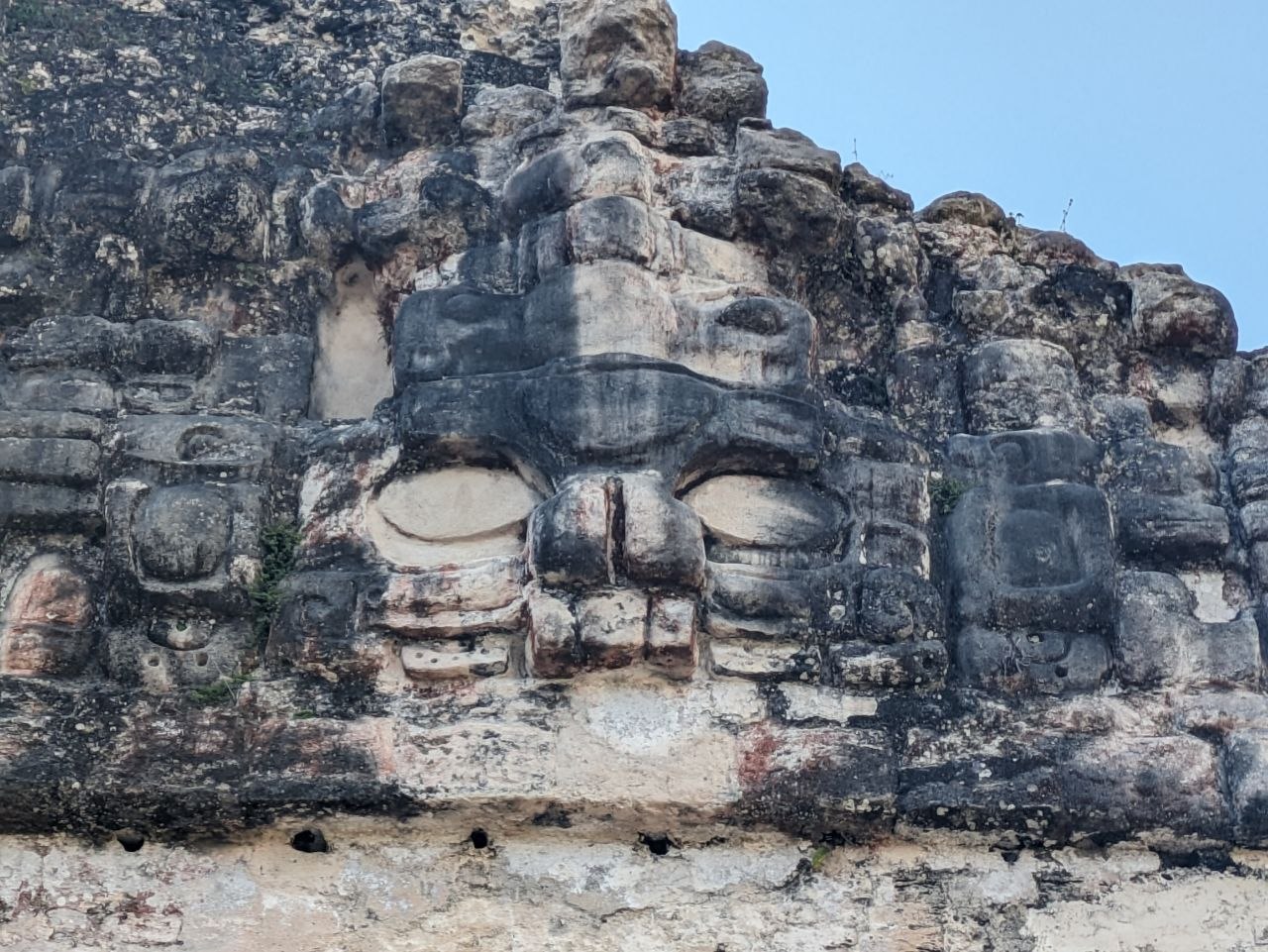
Temple facades incorporate stone masks and reliefs representing Maya deities and supernatural beings, linking the rulers with divine forces. Archaeological excavations have uncovered additional artefacts in royal tombs, including jade ornaments, obsidian blades, and intricately painted ceramics. Many of these objects are now conserved in the site museum, where they help to contextualise the architecture and inscriptions visible in the ruins.
Visiting Tips
Due to both the heat and the activity of wildlife, arriving early is strongly recommended. Sunrise visits offer cooler temperatures, increased chances of seeing and hearing howler and spider monkeys, and exceptional views from elevated temples as the jungle emerges from the morning mist. The site is extensive, with long paths connecting major groups of structures, so several hours are needed to explore even the main highlights at a comfortable pace.
Staying overnight in or near Tikal National Park allows access for both sunrise and sunset, when light conditions are ideal for photography and the atmosphere is at its most dramatic. Guided tours are advisable for visitors interested in the historical, architectural, and ecological context of the ruins, as knowledgeable guides can interpret carvings, stelae, and lesser-known structures. Most travellers reach Tikal from the nearby town of Flores in Guatemala or as part of longer itineraries from Belize, with organised transport and tours operating regularly between these gateways and the park.
 Jumping Timezones
Leave a comment