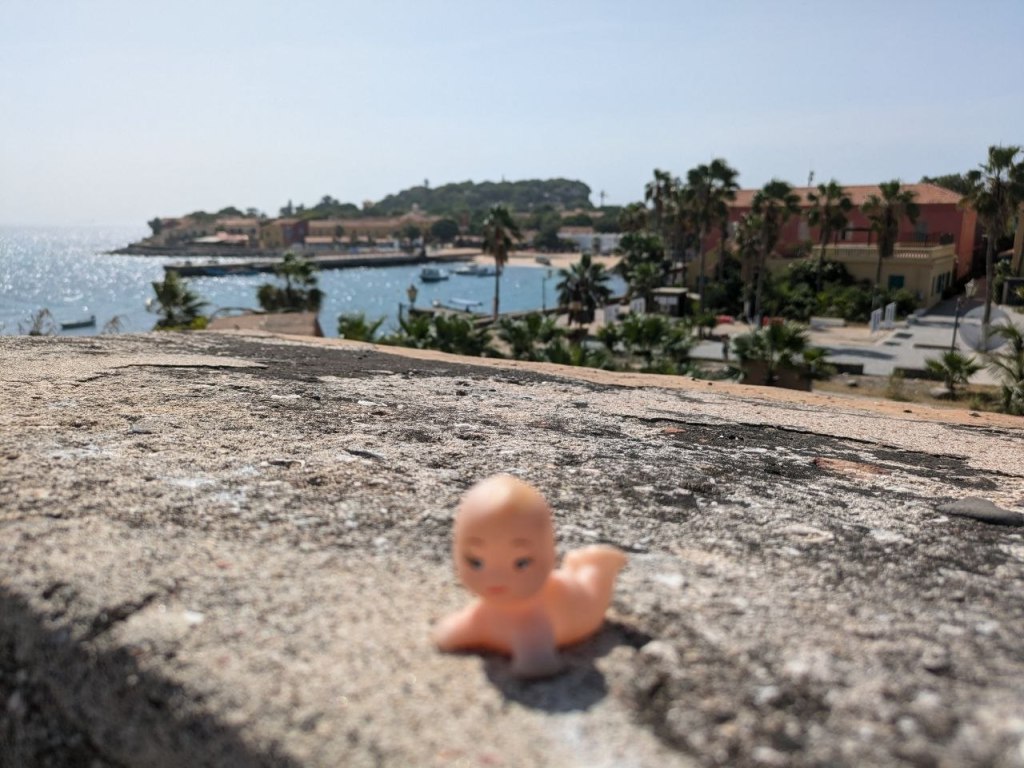
Gorée Island (Île de Gorée) is a small island located approximately three kilometres off the coast of Dakar, Senegal, in the Atlantic Ocean. Recognised as a UNESCO World Heritage Site, it is one of the most significant locations associated with the transatlantic slave trade. Between the 15th and 19th centuries, under successive Portuguese, Dutch, British, and French control, the island served as a major holding and departure point where countless enslaved Africans were detained before being forced onto ships bound for the Americas.
Today, Gorée is a quiet, car-free island inhabited by a small community of residents. Visitors come from around the world to confront the legacies of slavery, visit memorial sites and museums, and walk through streets lined with pastel-coloured colonial buildings and flowering courtyards. The atmosphere is shaped by both its painful history and the everyday life of an island community that continues to live, work, and create in this place of memory.
Maison des Esclaves
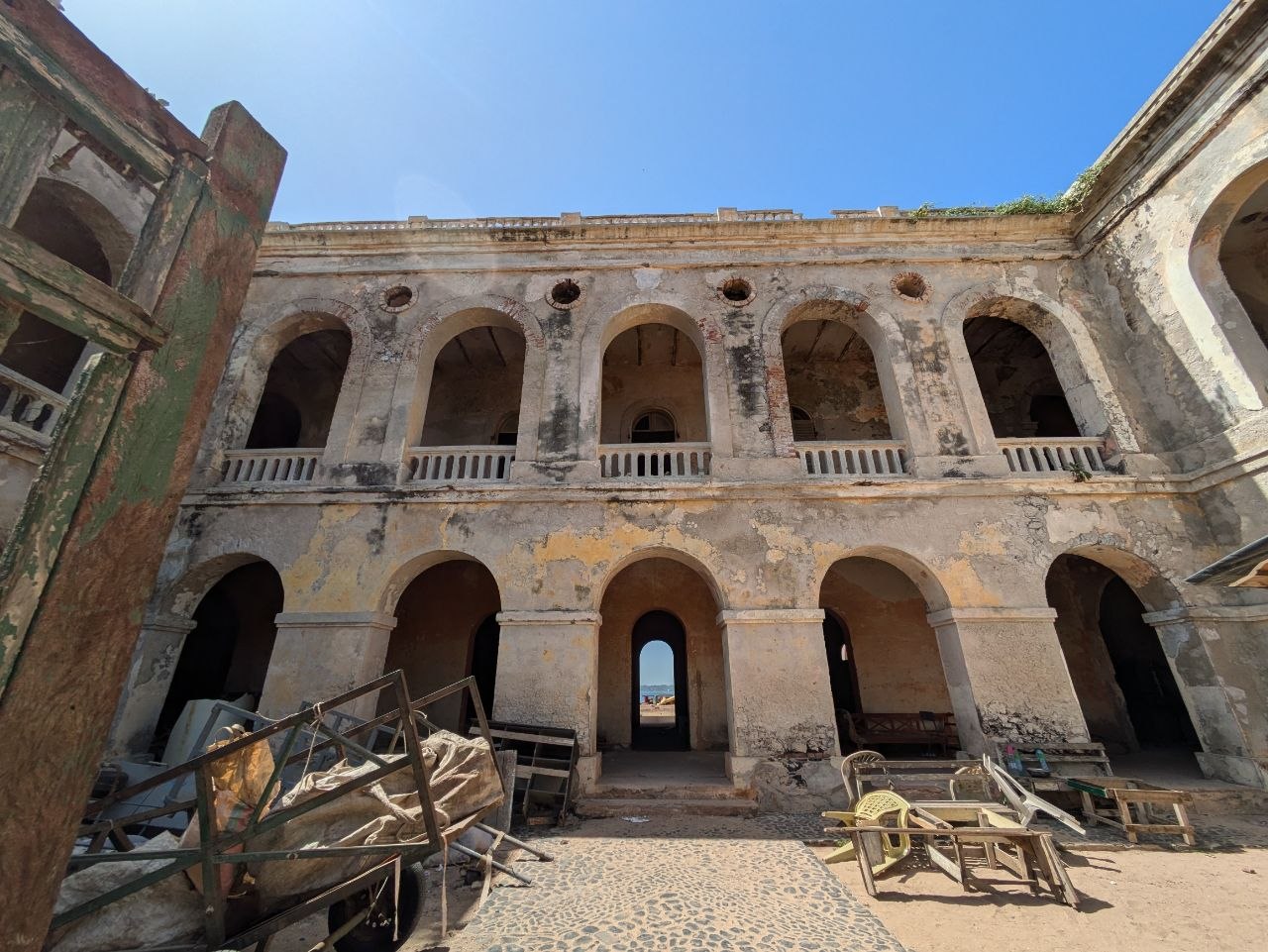
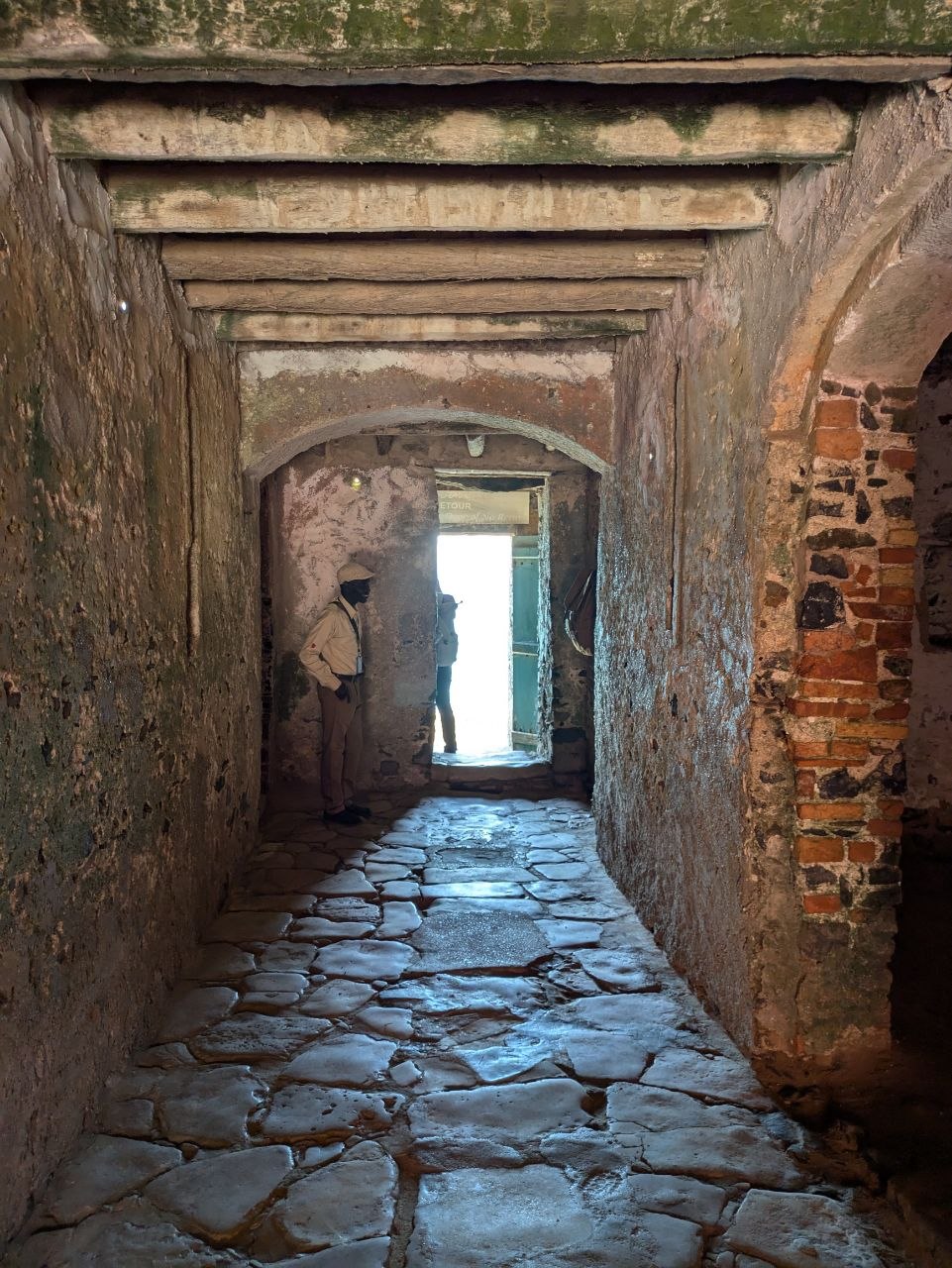
The Maison des Esclaves (House of Slaves) is Gorée Island’s most visited and most sobering landmark. Built in 1776, the two-storey pink building faces the sea and contains a series of small, dark holding cells where enslaved people were confined in overcrowded, oppressive conditions before embarkation. The upper floor, once reserved for traders and administrators, contrasts sharply with the cramped rooms below.
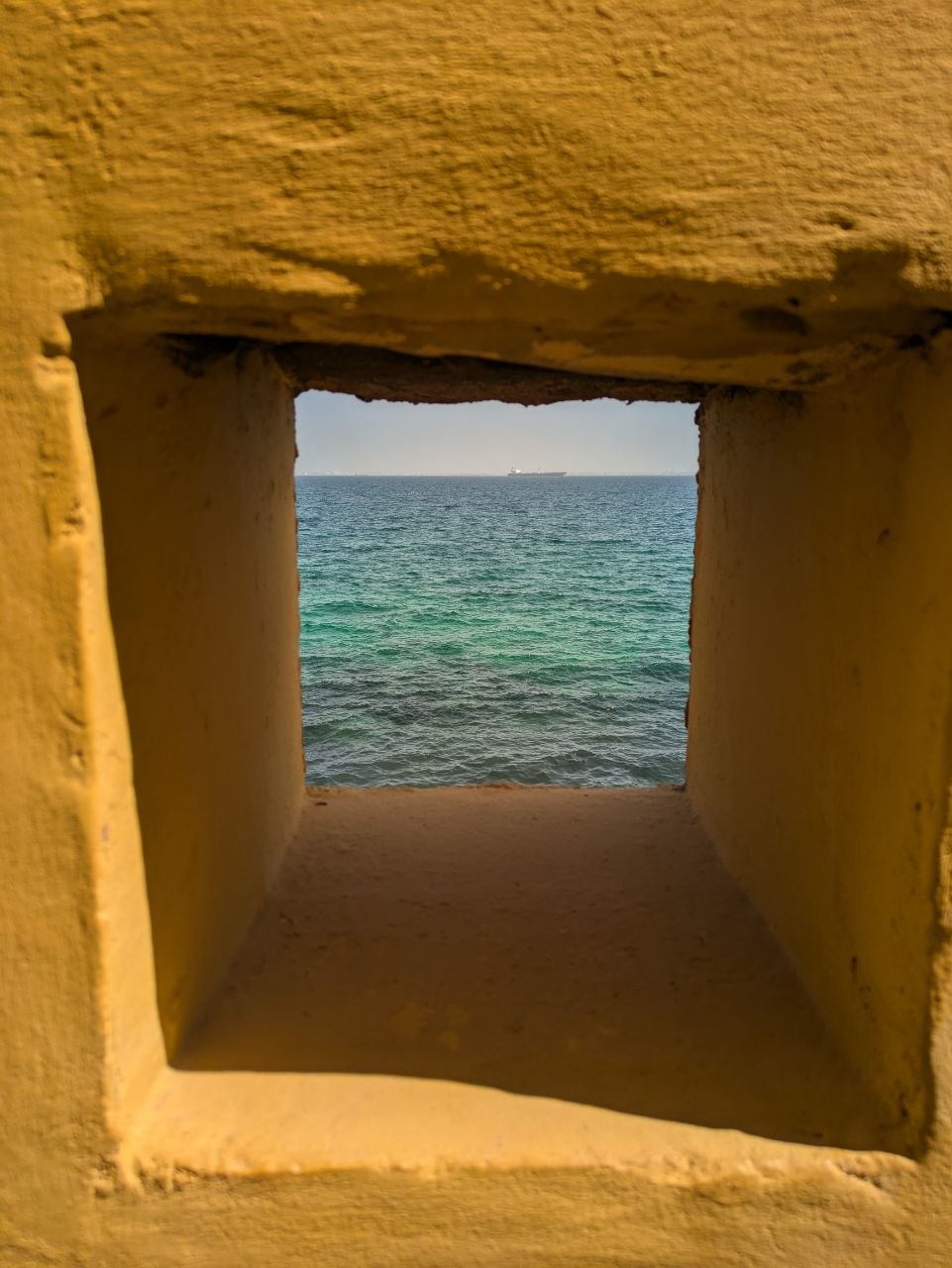
At the back of the ground floor is the “Door of No Return”, a narrow opening in the thick stone wall that leads directly onto the Atlantic Ocean. Through this door, enslaved Africans were forced onto waiting ships, often never to see the African continent again. The House of Slaves is preserved as a memorial and museum, serving as a place of remembrance, education, and reflection on the human cost of the slave trade.
Fort d’Estrées & the Musée Historique
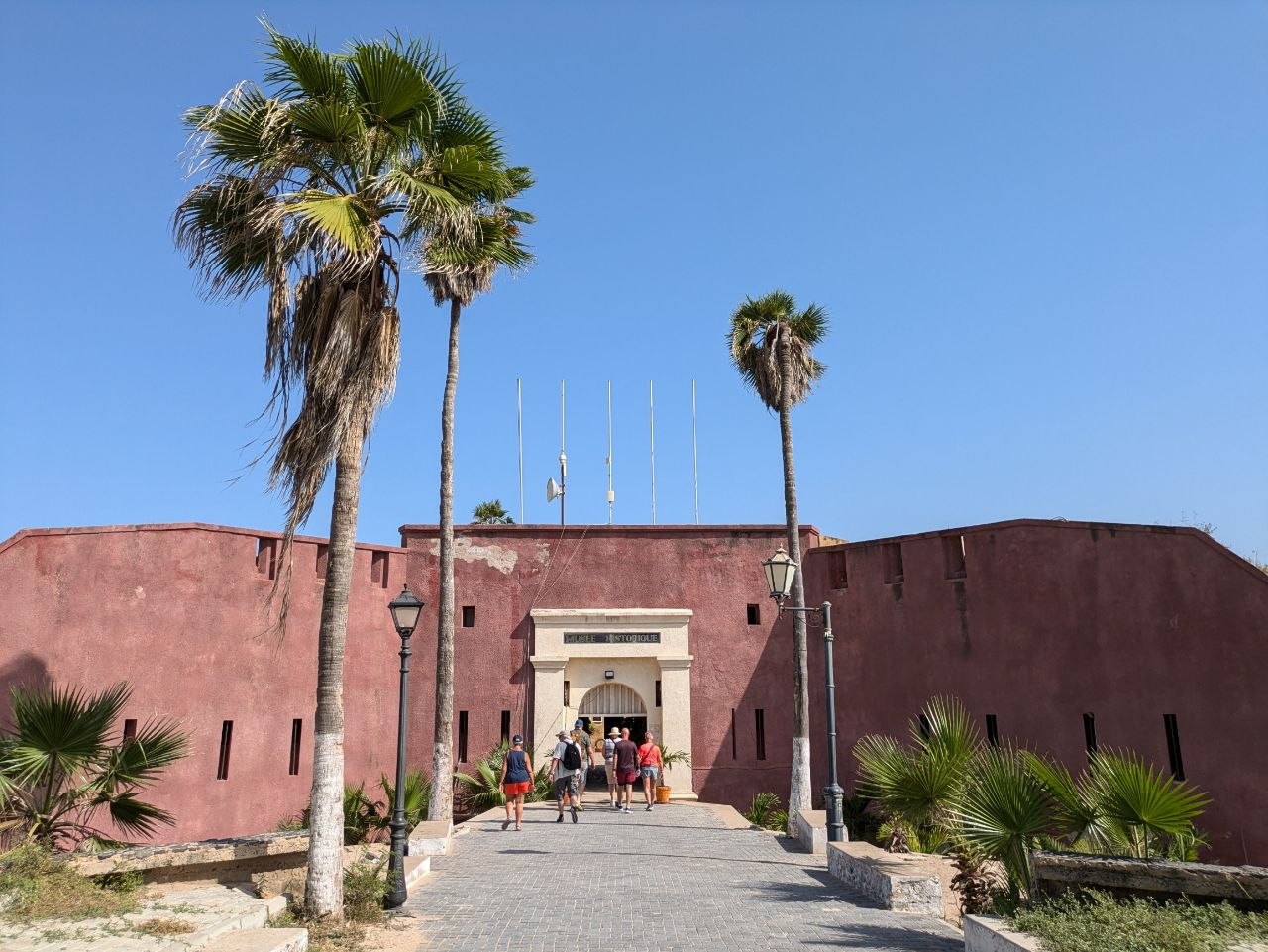
The deep red walls of Fort d’Estrées, built by the French in the 17th century, dominate one end of the island. Originally a defensive fortification, it later became a key element in the military and administrative control of Gorée and its surrounding waters. Today, the fort houses the Musée Historique de l’Île de Gorée, which documents the island’s layered history.
Exhibits trace the evolution of Gorée from early Portuguese contact through Dutch and British occupation to French colonial rule. The museum also examines the scale, organisation, and human impact of the slave trade networks that passed through the island. Near the entrance, a sculpture commemorating liberation and resilience stands as a visual counterpoint to the fort’s heavy walls, symbolising the enduring struggle against enslavement and oppression.
Colonial Architecture & Island Life
Beyond its difficult history, Gorée is known for its remarkably well-preserved colonial architecture. Pastel-coloured houses with iron balconies, shutters, and terracotta roofs line narrow cobbled lanes. Bougainvillea spills over courtyard walls, while crumbling arcades and stone staircases hint at centuries of adaptation and change. Many of these buildings date from the 18th and 19th centuries and reflect a blend of European and West African influences.
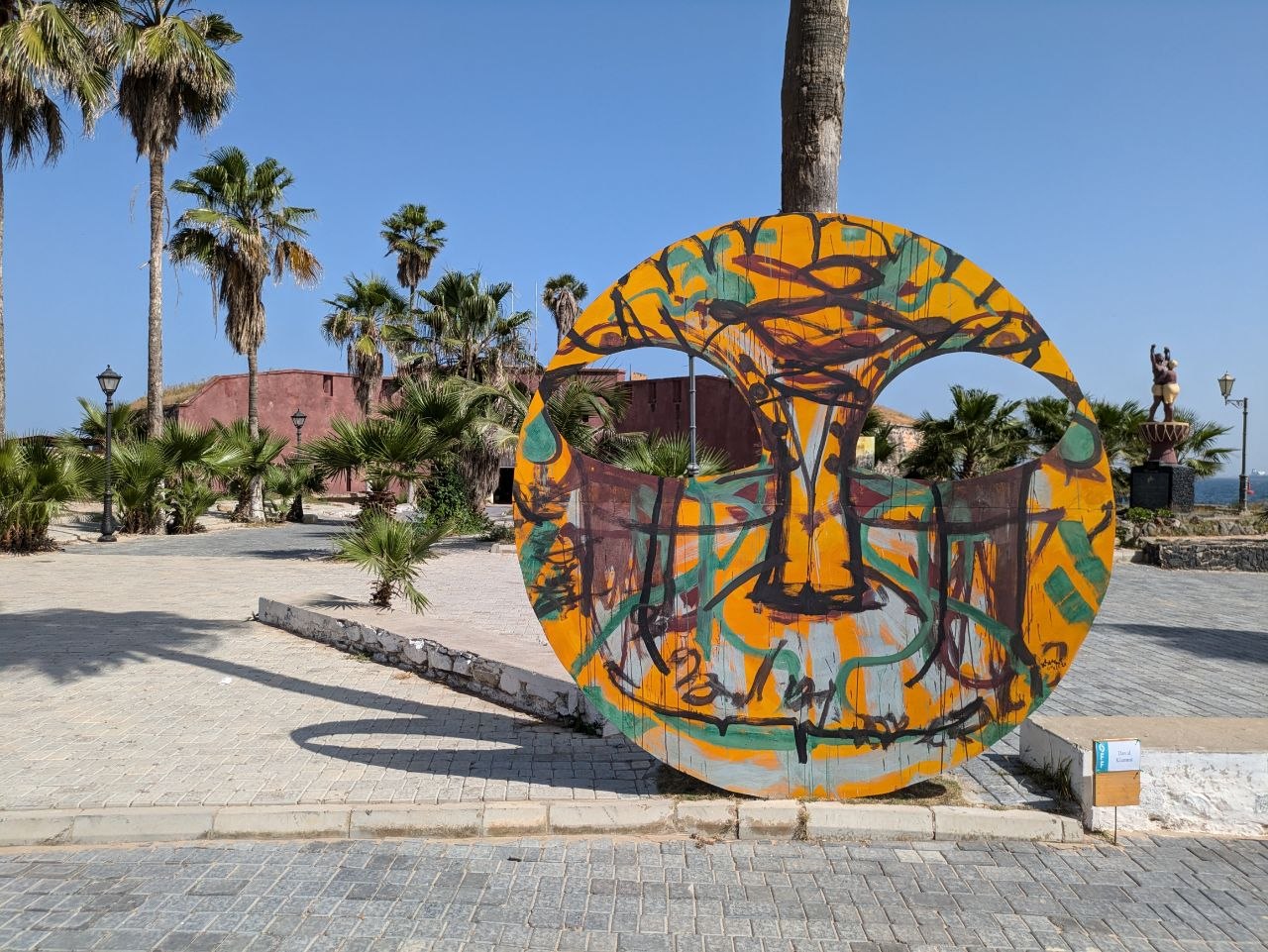
The island’s car-free status contributes to a calm, unhurried atmosphere. Everyday life unfolds in courtyards, small squares, and along the waterfront, where residents, artists, and historians share the same compact space. Colourful murals and painted artworks appear around the island, engaging with themes of memory, identity, and reconciliation. This living cultural landscape underscores that Gorée is not only a memorial site but also a community shaped by a complex, ongoing relationship with its past.
The Ferry from Dakar
Gorée Island is reached by a short ferry crossing from the Port of Dakar, taking around 20 minutes each way. The ferry is the only means of access to the island and operates regularly throughout the day, carrying both residents and visitors across the harbour. Tickets are purchased at the terminal, where passengers board for the brief journey out into the Atlantic.
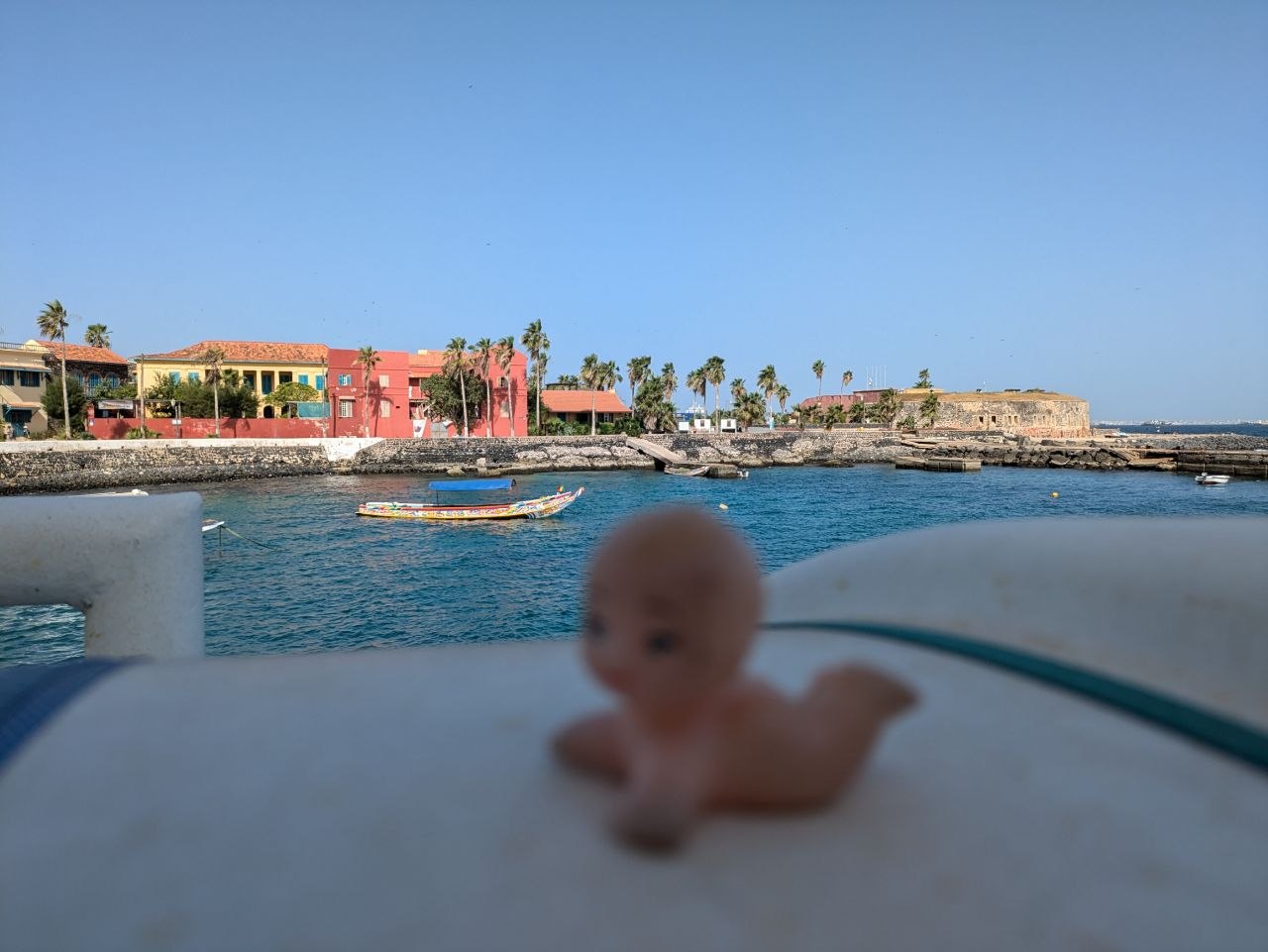
As the ferry approaches Gorée, the island’s silhouette comes into view: fortress walls, the red ramparts of Fort d’Estrées, and a colourful waterfront of houses facing the sea. Arriving by water offers a striking perspective on the island’s strategic position and its maritime connections, both historical and contemporary.
Visiting Tips
Arriving earlier in the day can help avoid the largest crowds and allows more time for quiet reflection at key sites such as the Maison des Esclaves. Visitors are generally expected to maintain a respectful, solemn attitude within the House of Slaves and other memorial spaces, recognising that these are sites of deep historical trauma and remembrance.
The island is small and entirely walkable, with no cars permitted, so comfortable footwear is useful for exploring cobbled lanes and uneven pathways. A visit to Gorée can be comfortably combined with time in Dakar, making for a full day that connects the island’s history with the contemporary life of Senegal’s capital. Taking water, sun protection, and time to pause at memorials, viewpoints, and museums helps make a visit both thoughtful and manageable.
 Jumping Timezones
Leave a comment