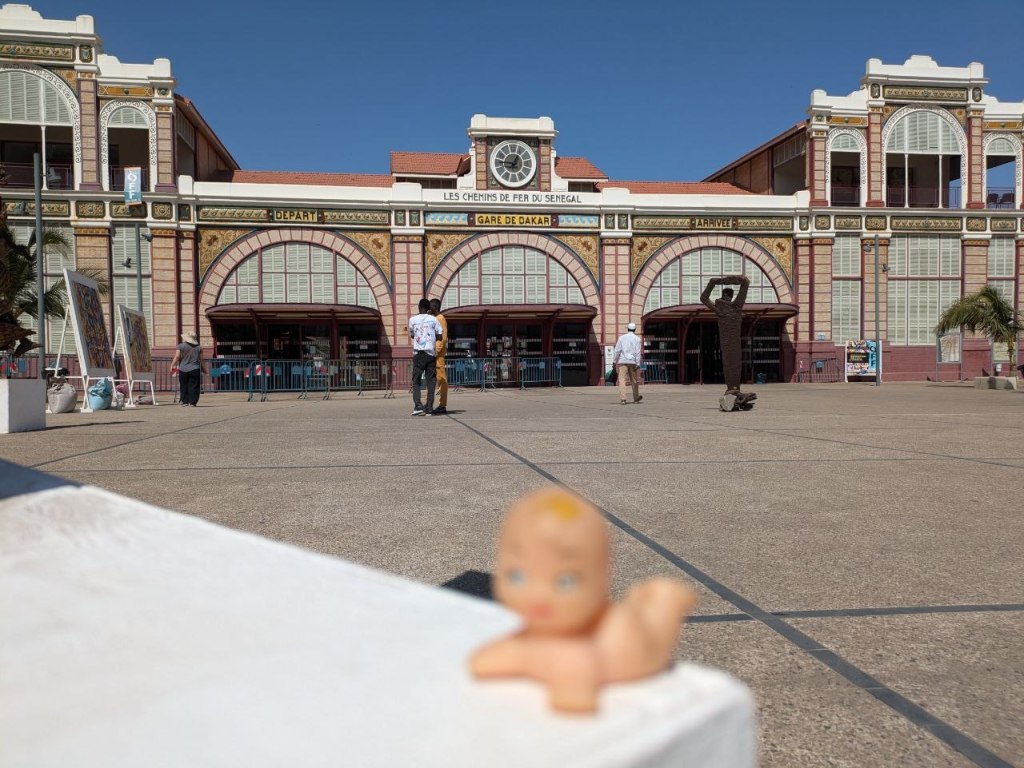
Dakar sits on the westernmost tip of mainland Africa, a peninsula city framed by the Atlantic Ocean and shaped by centuries of trade, migration, and cultural exchange. Its compact centre, busy port, and sprawling coastal districts bring together government institutions, historic quarters, beaches, and working fishing communities in a dense, energetic urban landscape.
The city is known for its dramatic oceanfront corniches, colourful street life, and influential role in West African art, music, and politics. From monumental modern landmarks to modest neighbourhood mosques, from contemporary galleries to open-air grills perfuming the streets with charcoal smoke, Dakar offers a concentrated introduction to the region’s urban culture.
Atlantic Coastline and Fishing Life
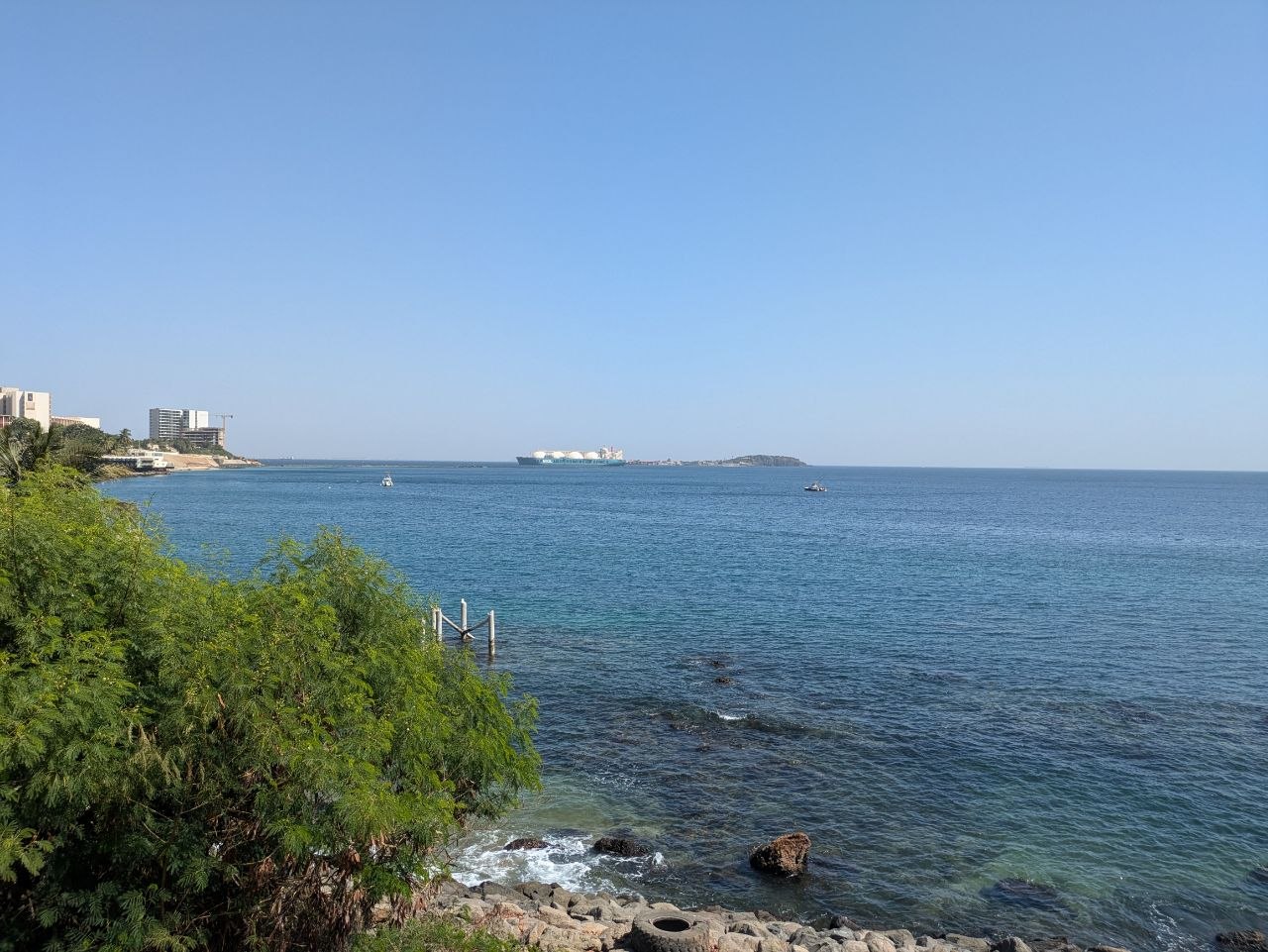
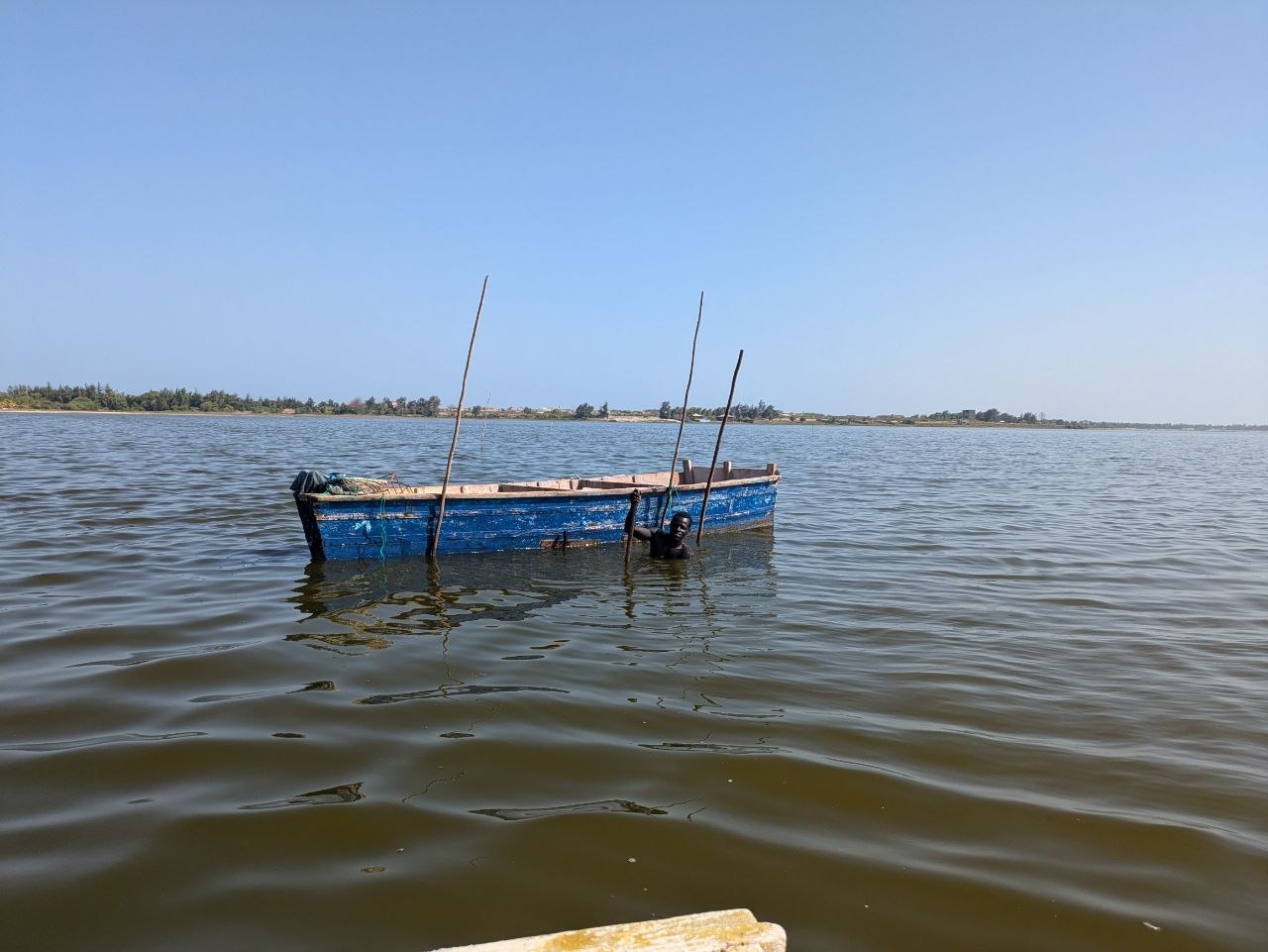
Dakar’s identity is inseparable from the Atlantic, which wraps around the city in rocky headlands, sandy coves, and working beaches. Along the coastal corniches, waves crash against dark volcanic rocks with the skyline rising just inland, revealing how close everyday city life sits to the ocean. Fishing communities launch brightly painted wooden pirogues from the shore at dawn and return later loaded with the day’s catch.
On many beaches, children play around the long boats, clambering over weathered hulls painted in blues, reds, and yellows while families and workers sort nets nearby. The smell of salt, diesel, and smoked fish, together with the constant movement of boats and people along the shoreline, gives this part of Dakar a distinctly maritime rhythm.
Monument de la Renaissance Africaine
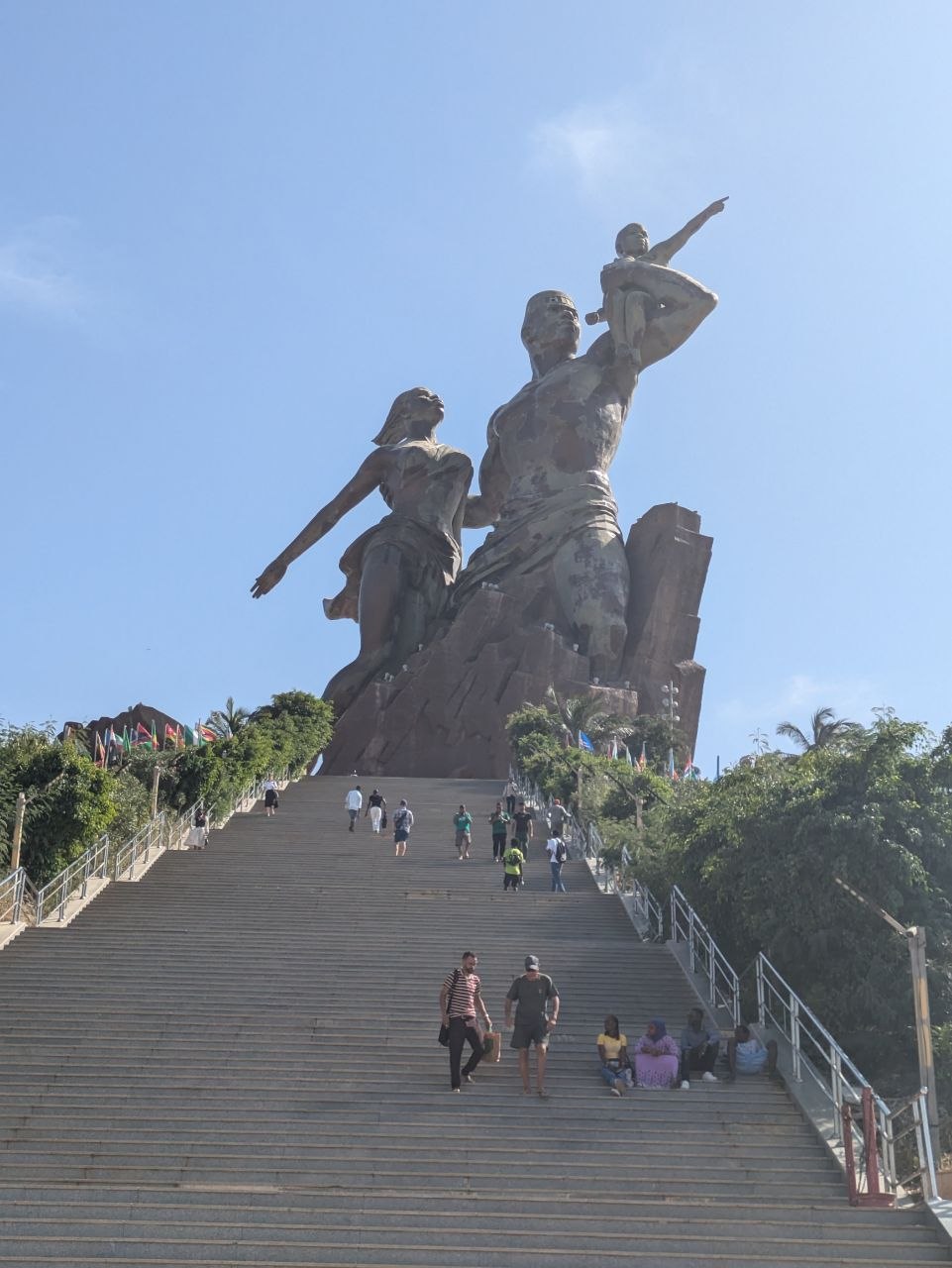
Rising above the city on one of the highest hills of Dakar, the Monument de la Renaissance Africaine is a colossal bronze sculpture that has become one of the capital’s most recognisable landmarks. The monument depicts a family striding forward toward the ocean, symbolising renewal and a forward-looking vision for the continent. Its commanding position offers sweeping views over the city, coastline, and nearby islands.
Visitors climb broad staircases to reach the base, where the structure’s scale becomes even more striking. Around the monument, vendors and small stalls often gather, and the surrounding platforms provide vantage points to watch the changing light over Dakar’s skyline and the Atlantic.
Mosquée de la Divinité
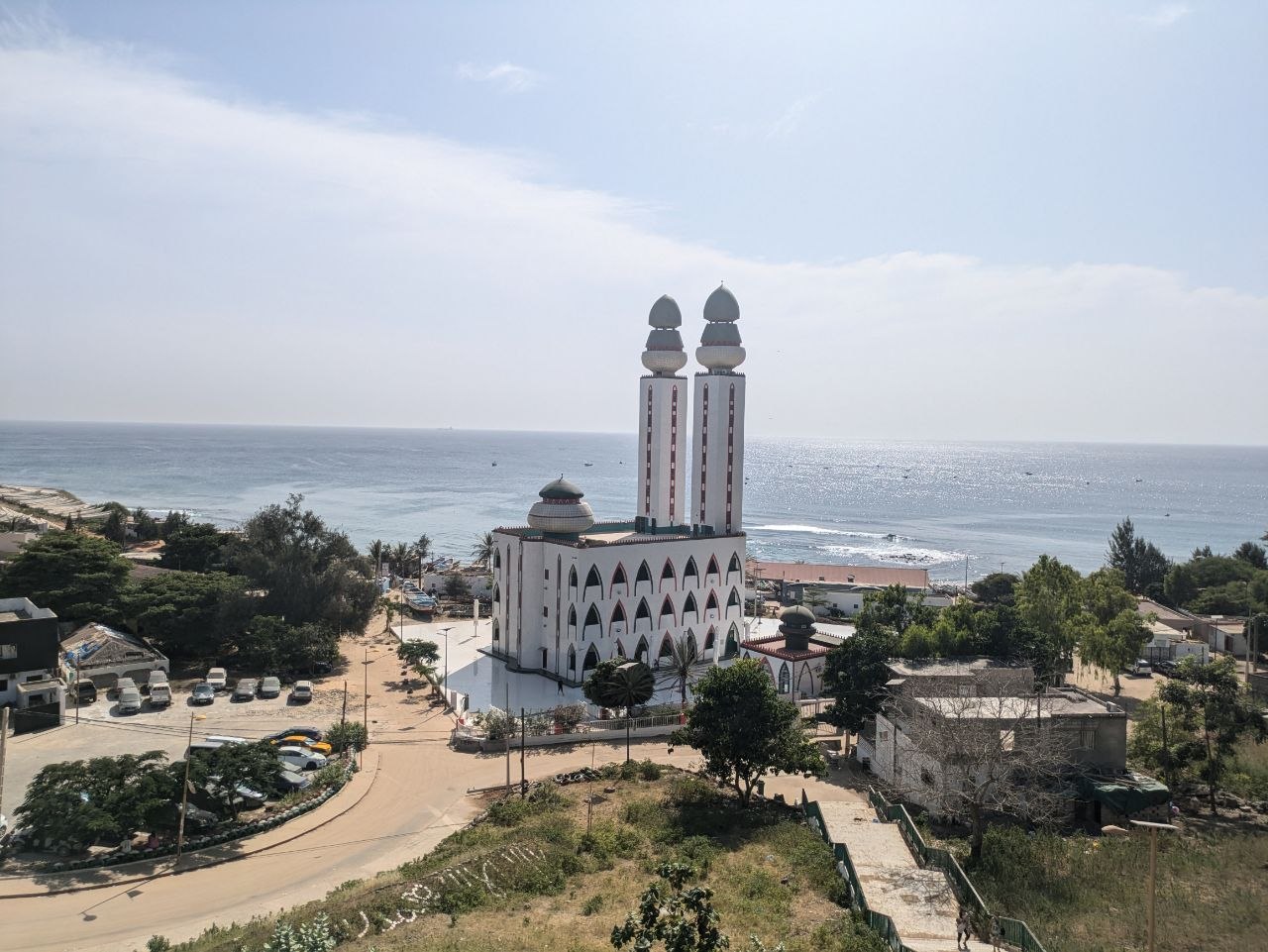
Set directly on the Atlantic coast, the Mosquée de la Divinité stands out with its twin minarets and pale façade facing the sea. Built in the late 20th century, the mosque forms a serene contrast to the crashing waves and rocky shoreline below, creating one of Dakar’s most atmospheric seafront scenes. At prayer times, the call to prayer carries across the water and the nearby neighbourhoods.
The mosque’s terraces and surrounding steps offer views along the coast, where pirogues come and go and local residents gather on the rocks. It is both an important place of worship and a visual anchor on the shoreline, often appearing in images that capture the city’s relationship with the ocean.
Public Art and Creative Energy
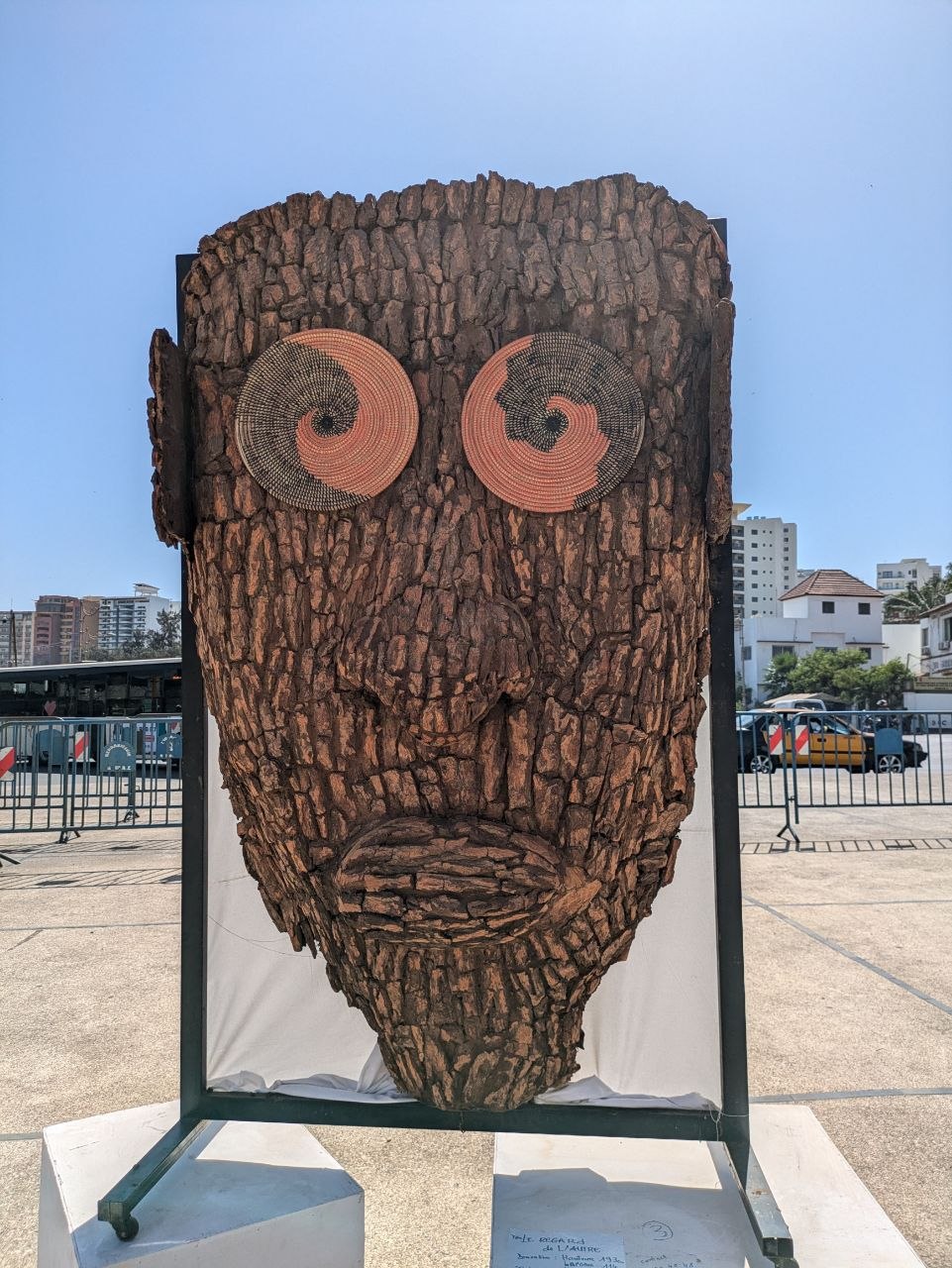
Dakar has long been a hub for contemporary art in West Africa, with galleries, biennales, and artist-run spaces spread across the city. Public art installations and sculptures appear in plazas, on university campuses, and along major roads, reflecting a blend of traditional symbolism and experimental forms. One striking example is a large bark-and-weave sculptural face, whose organic materials and expressive features speak to both ancestral craft techniques and modern artistic expression.
Street murals, metalwork, textiles, and recycled-material sculptures are common, turning everyday corners into informal exhibition spaces. This visible creativity complements Dakar’s strong music scene, from mbalax and hip-hop to jazz, making the city feel like a constantly evolving cultural workshop.
The Medina and Local Food Culture
Just inland from the coast, the Medina is one of Dakar’s most characterful neighbourhoods. Its dense streets, low-rise houses, and small shops create a lived-in atmosphere that contrasts with the city’s business districts. Here, life spills into the alleys: children play football, tailors work at doorways, and vendors sell fruit, spices, and household goods from tiny kiosks.
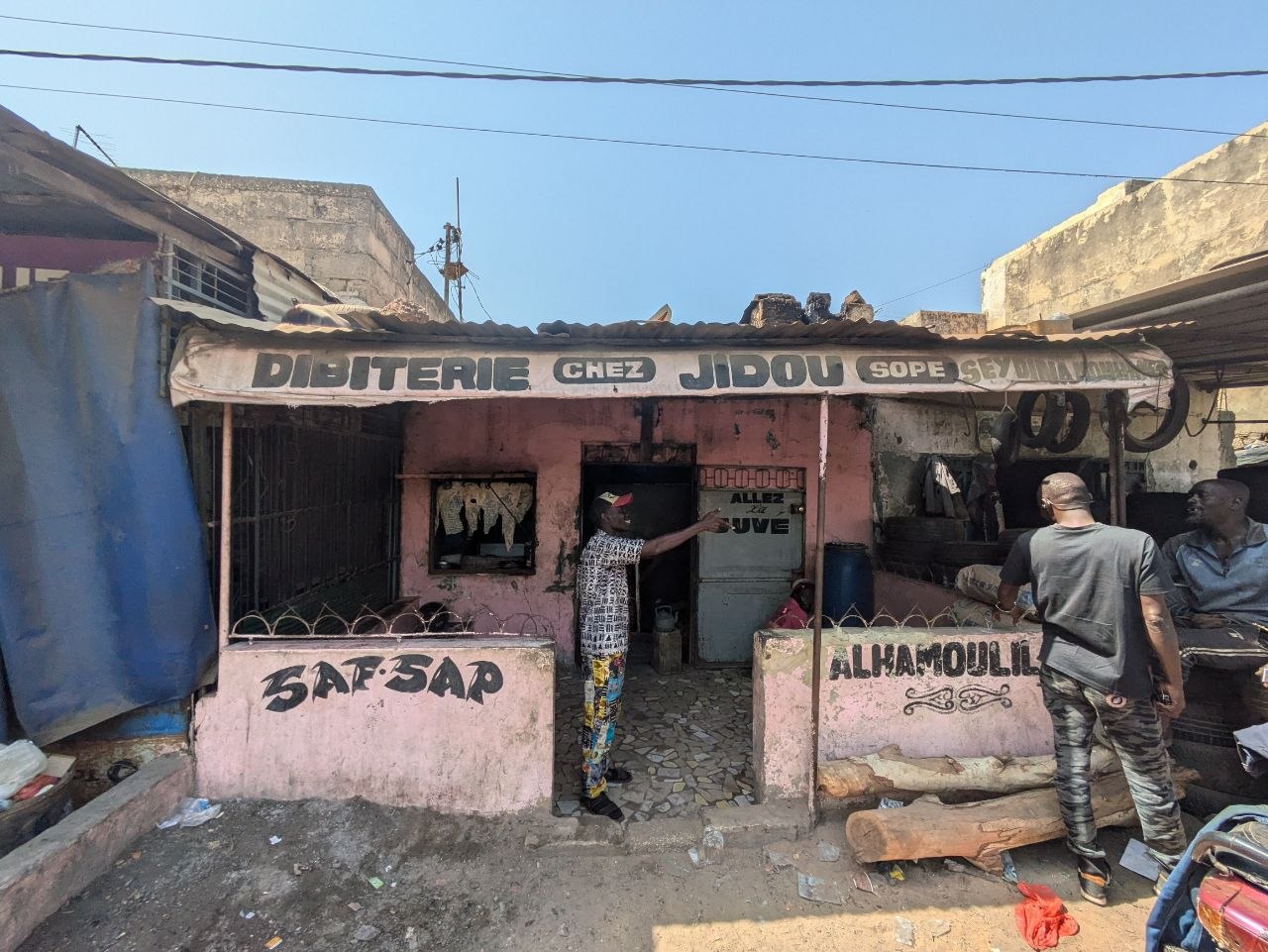
Food is central to the Medina’s appeal. Local dibiteries — simple grill restaurants specialising in seasoned meat cooked over charcoal — draw evening crowds. At places like Chez Jidou, skewers and cuts of lamb or beef are cooked to order, then served with onions, mustard, and baguette or fries, accompanied by music and conversation. These informal spots offer a glimpse into Dakar’s everyday dining culture, where the emphasis is on flavour, community, and affordability rather than formality.
Visiting Tips
The cooler, drier months from roughly November to March are generally the most comfortable time to explore Dakar’s outdoor sights and coastal areas. Light, breathable clothing, sun protection, and comfortable walking shoes are useful for navigating both rocky shorelines and busy neighbourhood streets. For mosque visits, modest dress is important, and it is respectful to ask permission before photographing people at prayer.
French and Wolof are widely spoken, but simple greetings and phrases in either language are often appreciated. Taxis are plentiful, though agreeing a fare in advance helps avoid misunderstandings, and traffic can be heavy at peak times. As in any large city, keeping valuables secure and being mindful when photographing people, especially children and workers on the beaches, helps maintain good relations with residents.
 Jumping Timezones
Leave a comment