Istanbul stands at the crossroads of Europe and Asia, where layers of Byzantine, Ottoman, and modern life overlap along the shores of the Bosphorus and the Golden Horn. Minarets pierce the skyline, ferries criss-cross the waterways, and historic neighborhoods unfold in a dense patchwork of markets, mosques, churches, and grand civic buildings.
The historic peninsula around Sultanahmet gathers many of the city's most famous landmarks, while the surrounding districts are animated by street vendors, tea houses, and a constant flow of locals commuting, socializing, and fishing. Exploring Istanbul means moving between light and shadow, from underground reservoirs and covered bazaars to waterfront promenades and illuminated mosques at dusk.
The Basilica Cistern
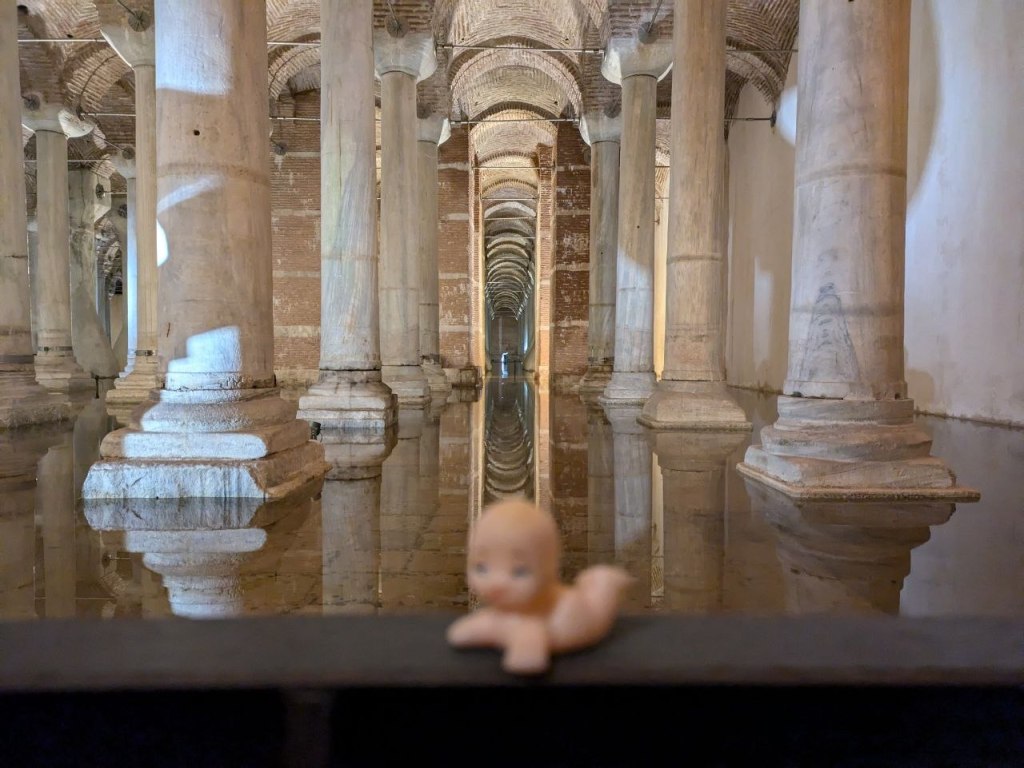
Hidden beneath the streets of Sultanahmet, the Basilica Cistern is an immense underground water reservoir supported by a forest of marble columns. Soft lighting reflects off the still, shallow water, creating mirror-like surfaces where statues, arches, and even small objects seem to float in the darkness. Built in the 6th century during the reign of Emperor Justinian, it once stored drinking water for the Great Palace and nearby buildings.
Today, visitors walk along raised platforms between the columns, listening to dripping water and subdued echoes. Details such as the carved Medusa heads reused as column bases, and modern art installations or props placed within the cistern, highlight how ancient infrastructure has been reimagined as a dramatic cultural space.
Galata Bridge & the Golden Horn
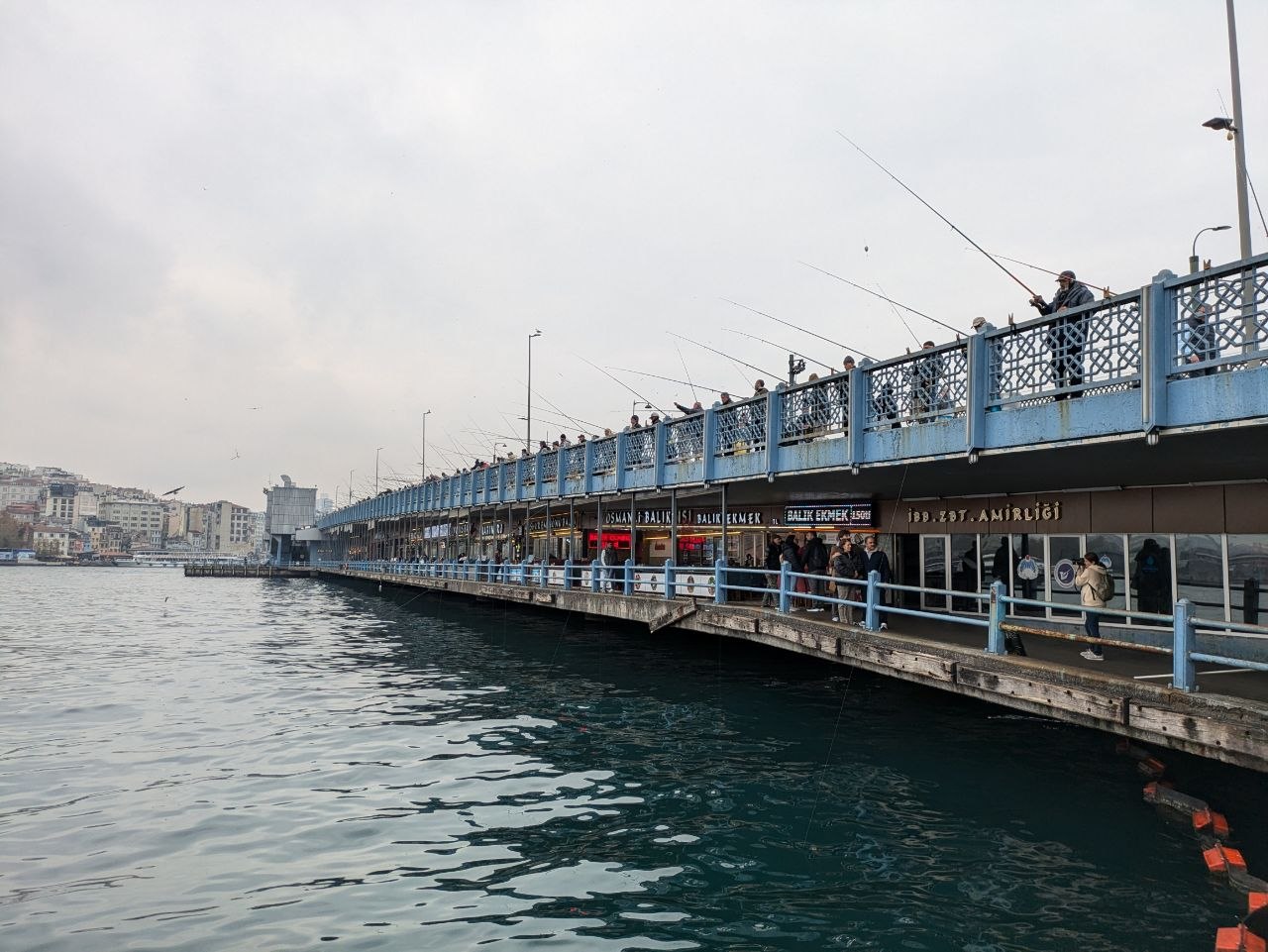
Spanning the Golden Horn between Karaköy and Eminönü, Galata Bridge is both a vital transport route and a lively public stage. Along the upper level, lines of local anglers cast their rods into the water, creating a distinctive silhouette against the mosques and domes of the old city. Below, the lower deck hosts simple eateries and kiosks serving grilled fish sandwiches, with the scent of the sea mixing with smoke from the grills.
From the bridge, there are wide views of the waterfront, ferries, and the Galata Tower rising behind the modern skyline. The blend of everyday fishing, casual dining, and constant movement on the water makes this one of the most atmospheric vantage points in Istanbul, especially at sunset when the city lights begin to reflect on the surface of the Golden Horn.
The Grand Bazaar
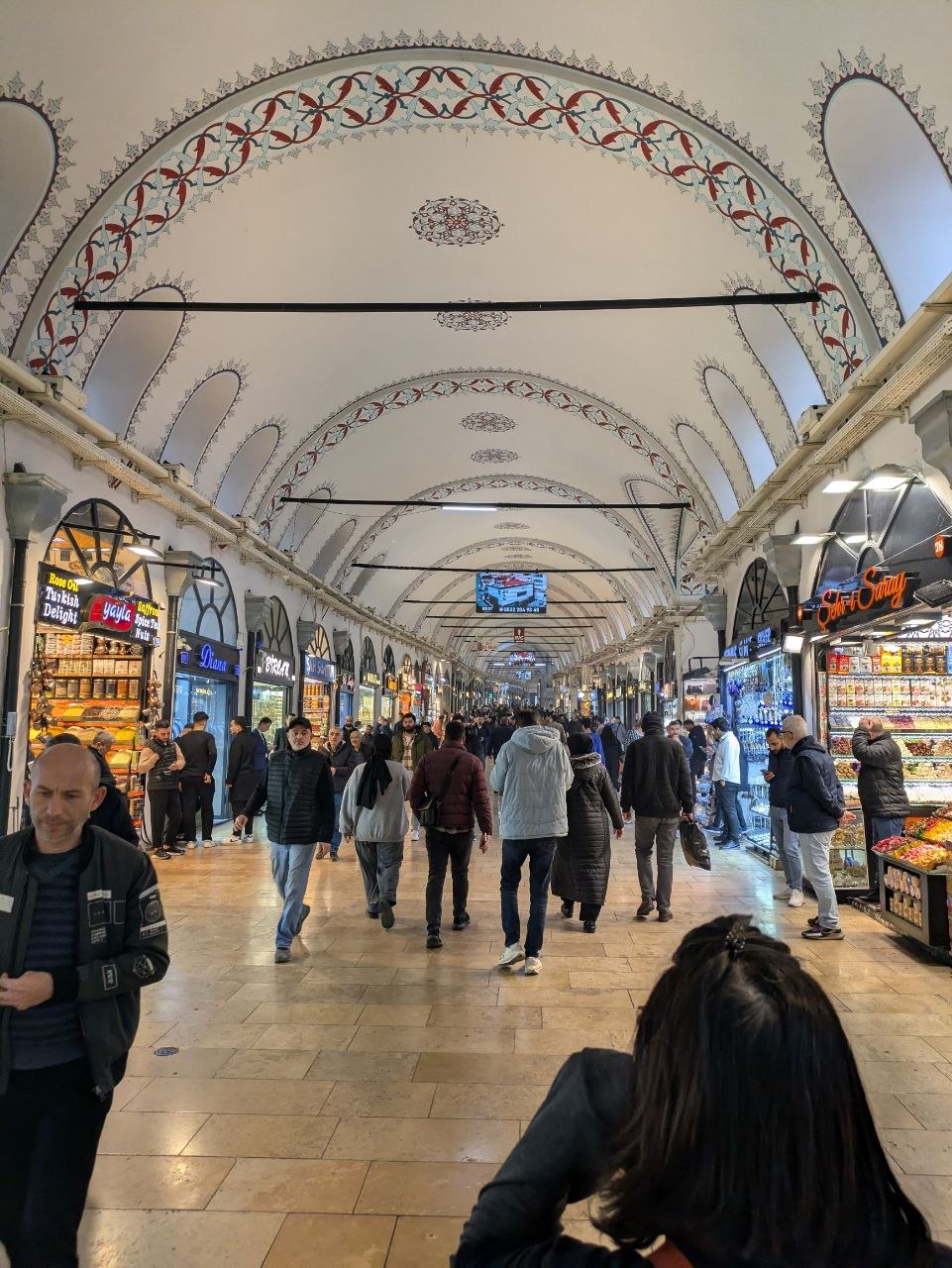
One of the world's oldest and largest covered markets, the Grand Bazaar is a sprawling complex of vaulted halls and narrow lanes. Intricate painted ceilings, hanging lamps, and patterned tiles give the interior a theatrical quality, with arches receding into the distance in every direction. Stalls overflow with textiles, carpets, ceramics, jewelry, leather goods, and traditional souvenirs.
Spice and sweet shops add vivid color and aroma to the experience, displaying pyramids of herbs, teas, dried fruits, and confections. While it is a major attraction, the bazaar also functions as a working commercial center, where bargaining remains a common part of transactions and long-established family businesses operate alongside newer storefronts.
The Blue Mosque
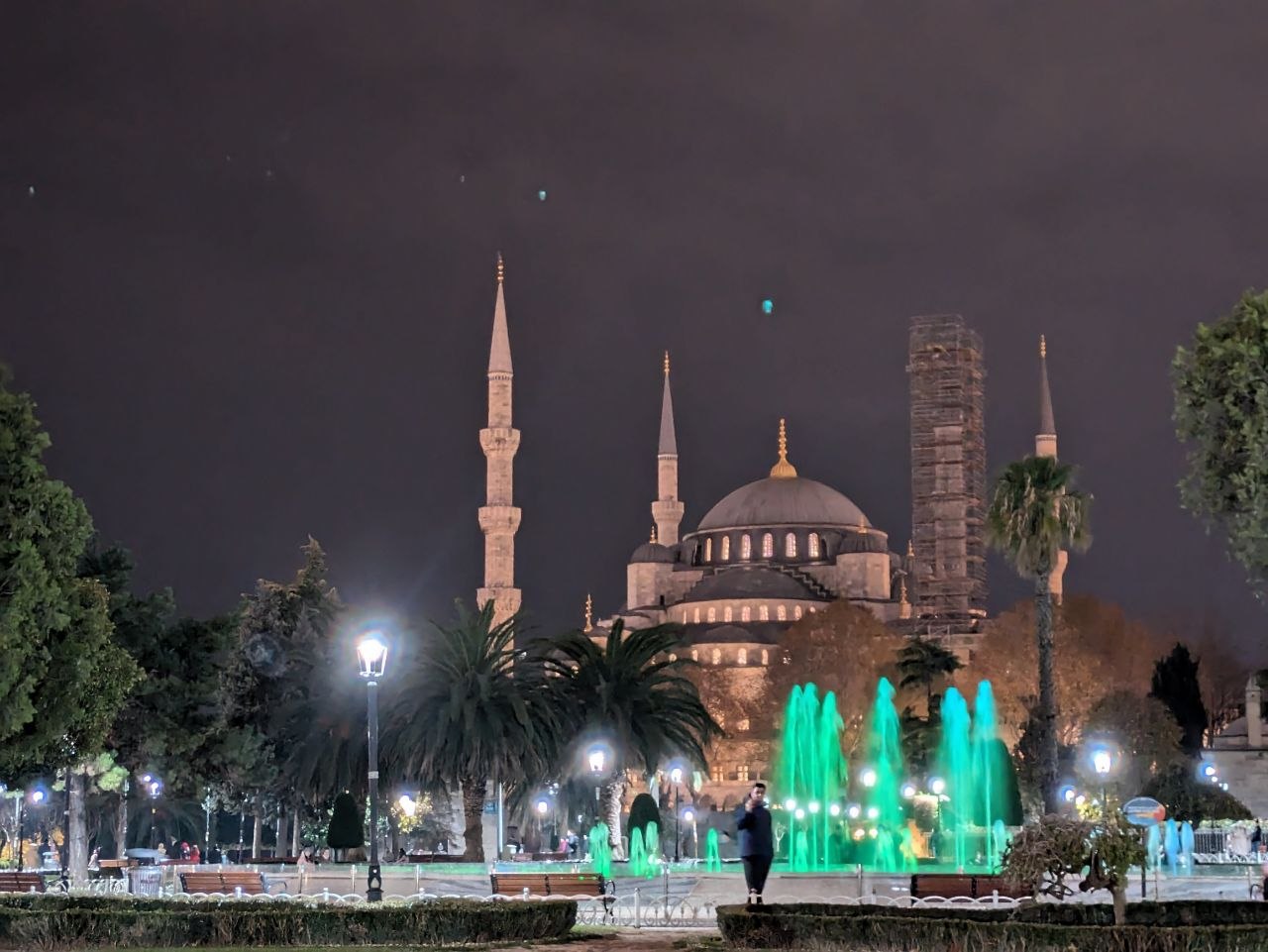
Officially known as the Sultan Ahmed Mosque, the Blue Mosque is one of Istanbul's most recognizable landmarks, famous for its cascading domes and six slender minarets. By day, its exterior dominates the Sultanahmet skyline; by night, carefully placed lighting emphasizes the curves of the domes and the height of the minarets, creating a striking outline against the dark sky.
Inside, tens of thousands of blue Iznik tiles and stained-glass windows give the prayer hall its characteristic glow. Visitors are welcomed outside prayer times, entering through designated doors and walking on thick carpets under the central dome. The surrounding courtyards and squares offer views that take in both the Blue Mosque and neighboring monuments, underlining the density of historic architecture in this area.
Street Food & Çay
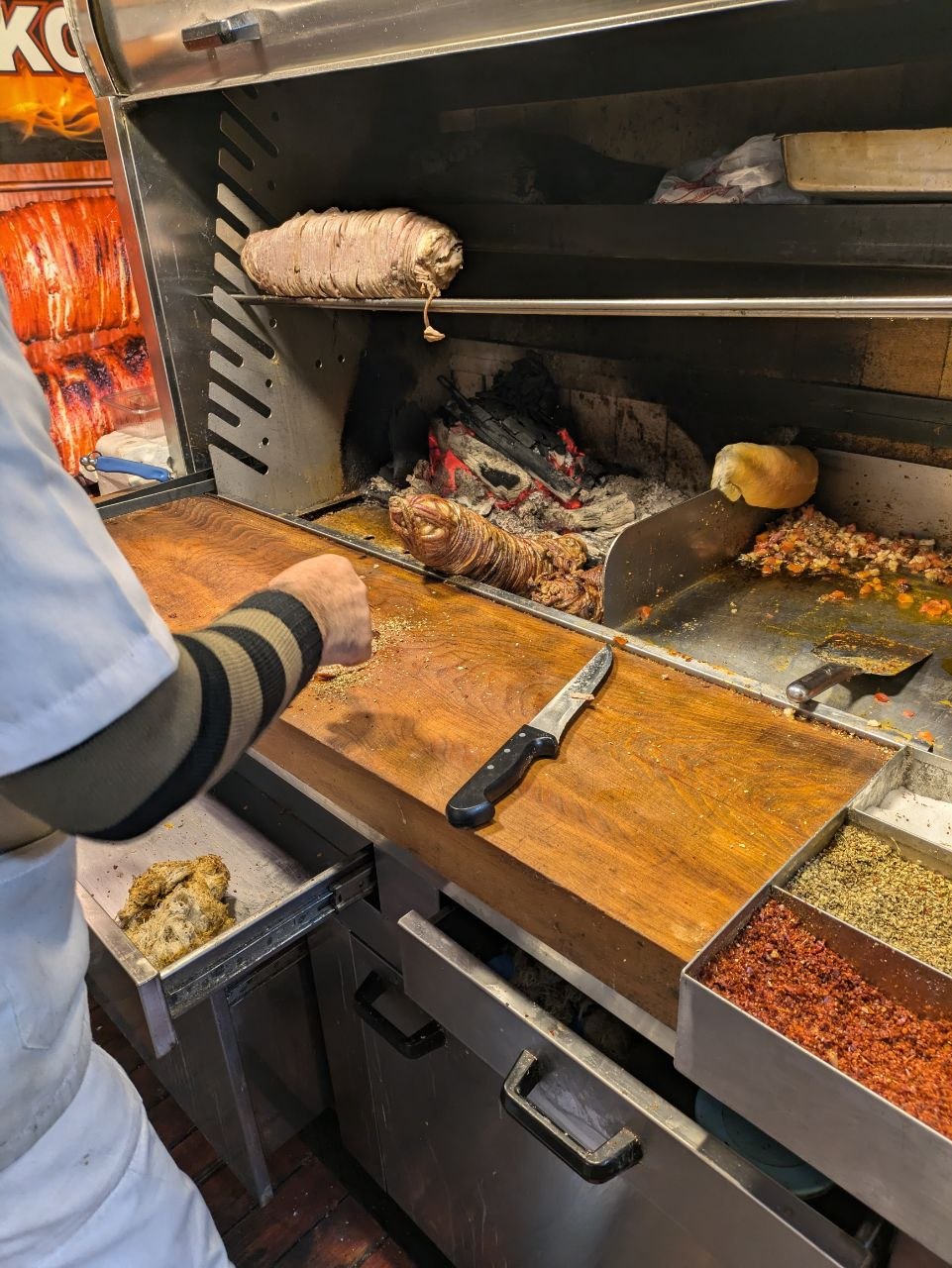
Istanbul's street food culture is an essential part of daily life, offering quick, flavorful dishes from simple stalls and moving carts. Around busy squares and late into the night, vendors prepare specialties such as kokoreç, made from seasoned lamb intestines wrapped around skewers and slowly roasted over glowing coals. The meat is then finely chopped, often with peppers and spices, and served in bread as a rich, intensely savory snack.
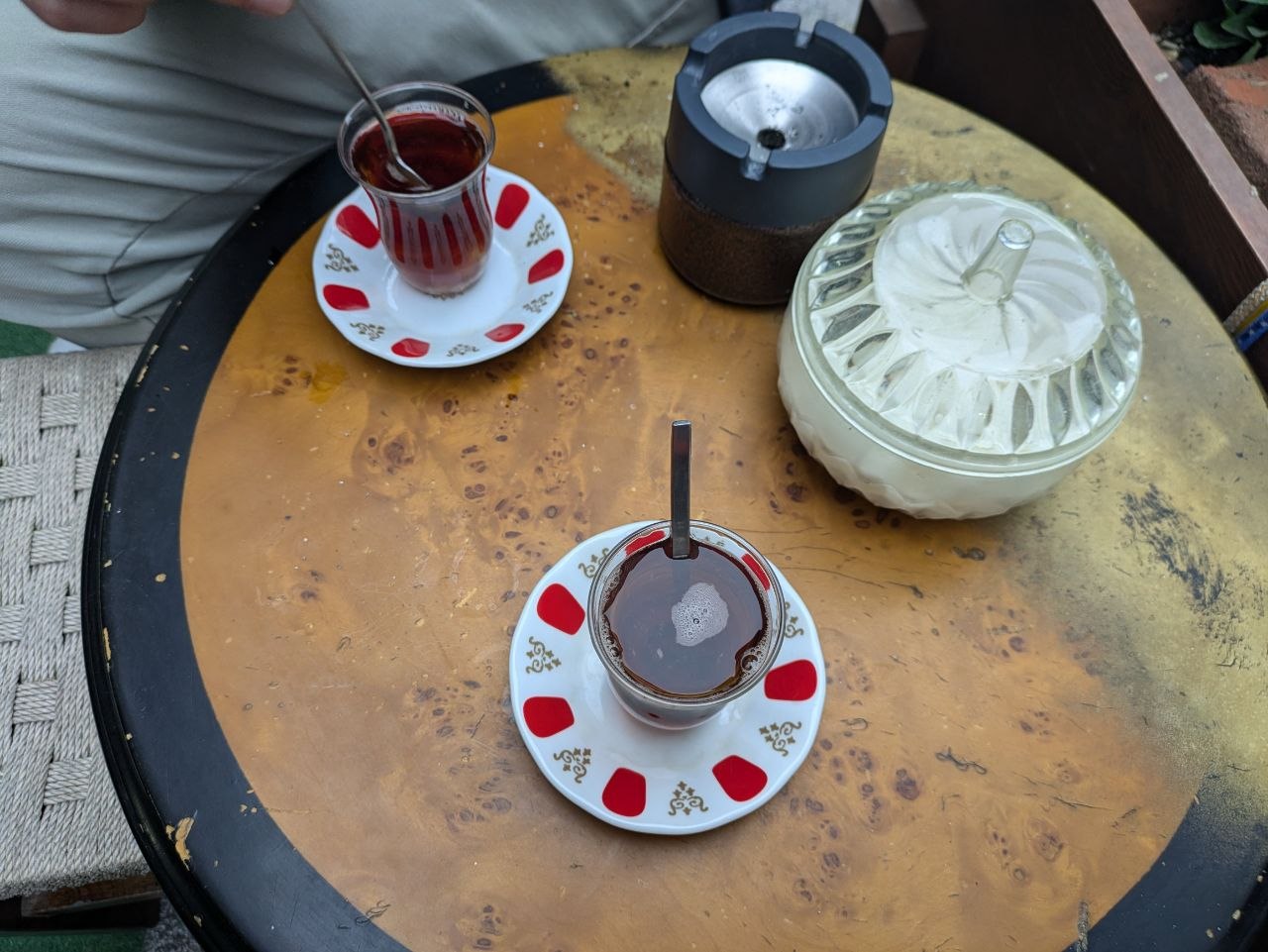
Tea, or çay, accompanies nearly every social interaction. Typically served strong in small, tulip-shaped glasses, it is enjoyed in tea gardens, cafés, and informal street-side setups alike. Copper or brass trays and tables, coupled with the clink of glassware, give tea breaks a particular atmosphere, whether overlooking the water or tucked away in a quiet corner of the city.
Visiting Tips
Many of Istanbul's major sights, including the Blue Mosque, the Basilica Cistern, and the Grand Bazaar, are within walking distance of each other in and around Sultanahmet. Comfortable footwear is important, as days often involve cobbled streets, stairs, and varied terrain. Visiting early in the morning or later in the afternoon can help avoid the busiest crowds and enjoy softer light for photography.
At mosques, modest dress is expected and shoes must be removed before entering the prayer halls. Scarves and coverings are often available at entrances, but bringing appropriate clothing is advisable. Cash is useful for small purchases, street food, and tea, especially in traditional markets where smaller vendors may not accept cards. Being prepared for occasional queues, security checks, and variable weather helps make the experience of exploring Istanbul's historic core smoother and more enjoyable.
 Jumping Timezones
Leave a comment