Kraków is a historic city on the Vistula River, known for its remarkably preserved medieval core, atmospheric Jewish quarter, and layered 20th‑century history. Centered on one of Europe’s largest market squares and overlooked by a royal hilltop complex, it brings together Gothic, Renaissance, Baroque, and modern architecture within a compact, walkable area.
Centuries of trade, scholarship, and culture have left Kraków with grand churches, elegant townhouses, and museums that range from royal chambers to contemporary galleries and powerful sites of memory. Tram lines, riverside paths, and former industrial districts now turned cultural hubs link the Old Town with Kazimierz, Podgórze, and beyond, making it easy to explore different sides of the city in a short stay.
Rynek Główny & the Old Town
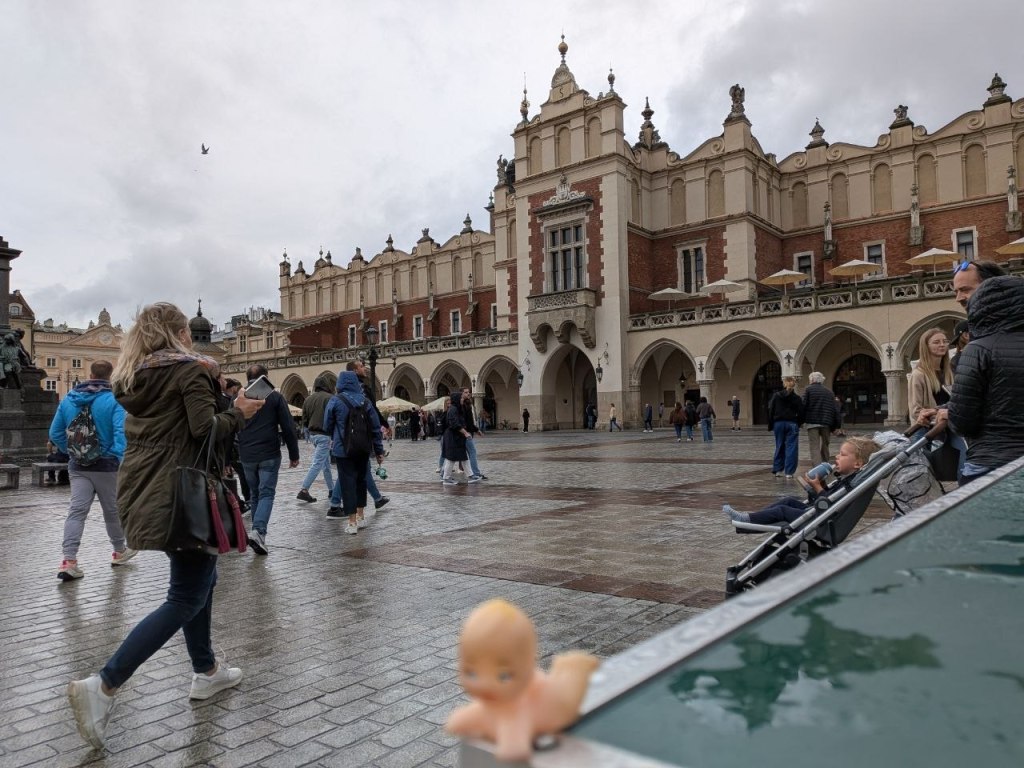
At the heart of Kraków lies Rynek Główny, the Main Market Square, framed by pastel townhouses and dominated by the long Renaissance Cloth Hall (Sukiennice). Street performers, flower stalls, and traditional dolls and souvenirs bring color even on grey days, while the Sukiennice’s arcades shelter small craft stalls and lead to upper-floor galleries of 19th‑century Polish art. From the square, narrow streets radiate out through the Old Town, passing Gothic and Baroque churches, quiet courtyards, and sections of the old city walls.
Just off the square, St. Mary’s Basilica rises in red brick with its asymmetrical towers and richly decorated interior. On the hour, a trumpeter plays the hejnał bugle call from the taller tower, commemorating a medieval warning signal. Beneath the cobbles, the Rynek Underground museum traces the city’s mercantile past with excavated foundations and interactive displays, offering a sense of the layers that lie beneath today’s lively cafes and restaurants.
The Barbican & City Fortifications
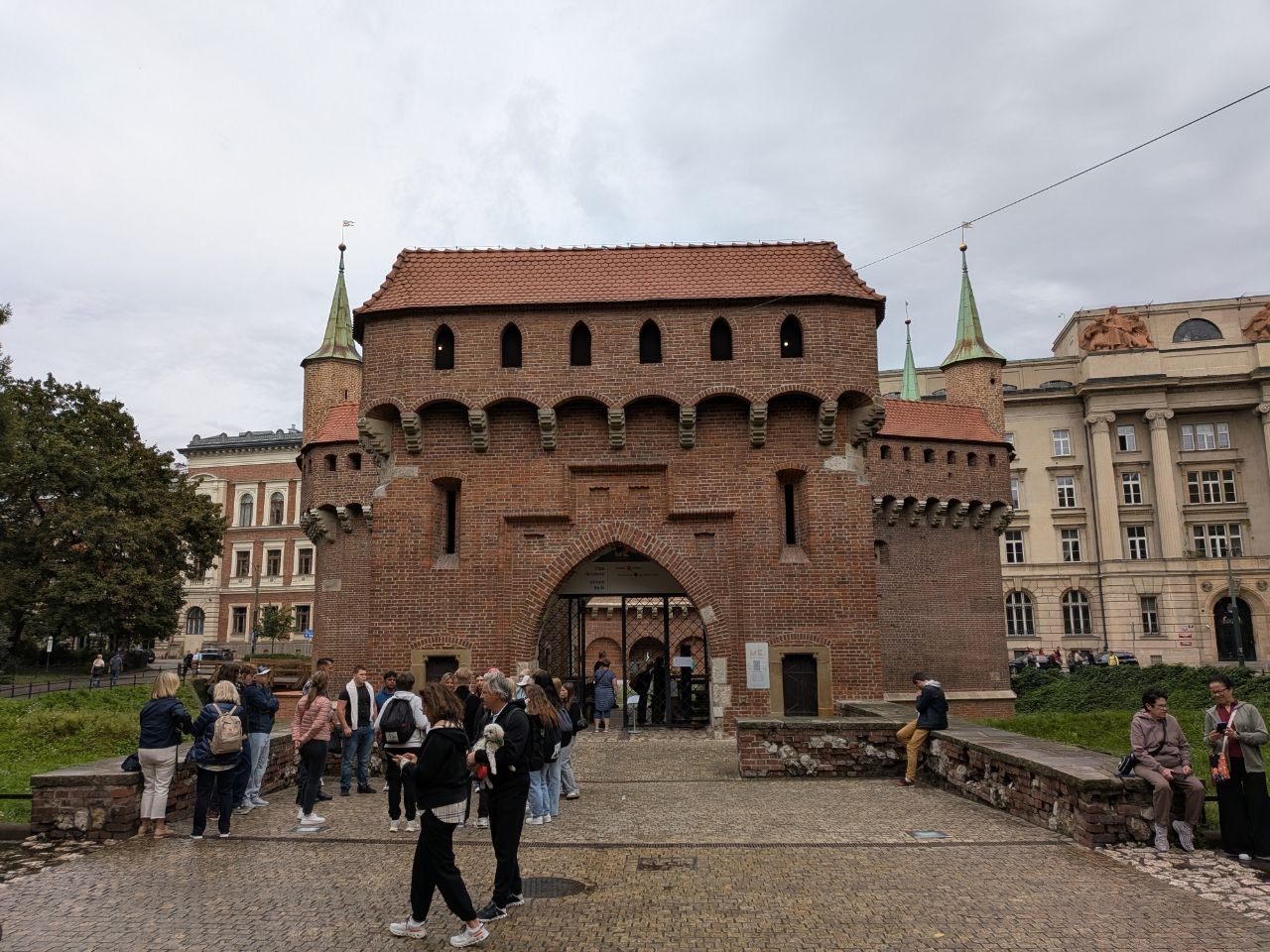
North of the Old Town, the Gothic red‑brick Barbican stands as one of the most striking remnants of Kraków’s medieval defenses. This circular fortified outpost, once connected to the city walls by a covered passage, guarded the main northern entrance and withstood multiple sieges. Its thick walls, narrow arrow slits, and inner courtyard evoke a time when the city’s prosperity depended on strong fortifications.
Today the Barbican is encircled by the Planty, a green belt of parkland that replaces the former moat and walls. Walking the shaded paths offers views of surviving towers and gates, including the imposing St. Florian’s Gate. Occasional exhibitions and reenactments inside the Barbican highlight the evolution of Kraków’s defenses and provide context for the city’s role on important medieval trade routes.
Kazimierz & the Riverside
South of the Old Town, Kazimierz blends historic synagogues, atmospheric streets, and a growing creative scene. Once a separate town and later the center of Jewish life in Kraków, it retains a distinctive grid of lanes where Gothic and Renaissance façades sit beside post‑industrial spaces. Murals, studios, and vintage shops occupy former warehouses and workshops, especially around the old railway viaducts.
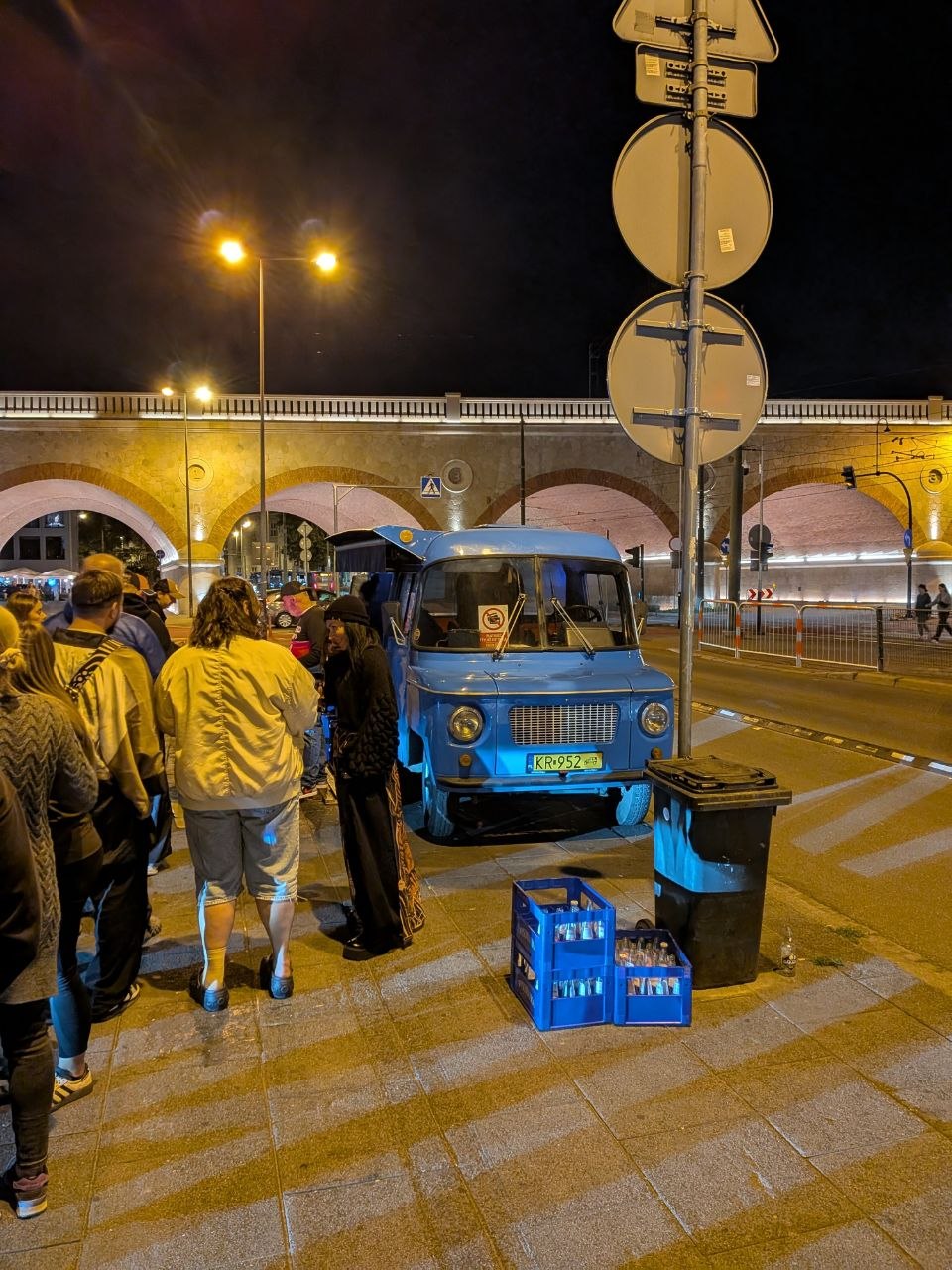
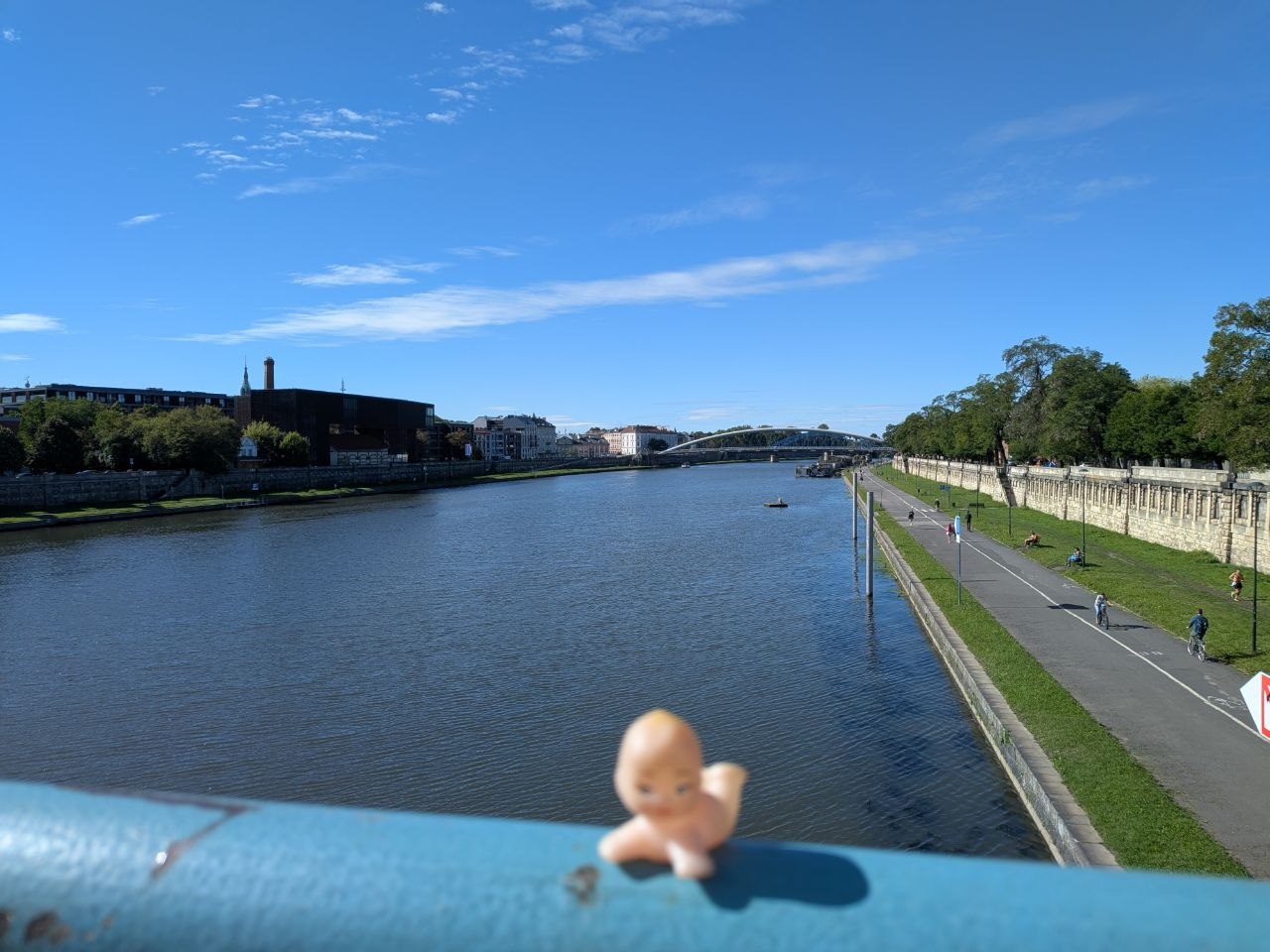
As day turns to night, the district’s courtyards and side streets fill with cafes and food trucks, including retro vans serving modern street food under the arches of the viaduct. A short walk leads to the Vistula riverbank, where bridges offer wide panoramas of the skyline and occasional playful touches, like dolls and figurines placed along railings. Riverside paths link Kazimierz with Podgórze and Wawel, making it easy to combine history, nightlife, and open views over the water.
Schindler’s Factory & Industrial Heritage
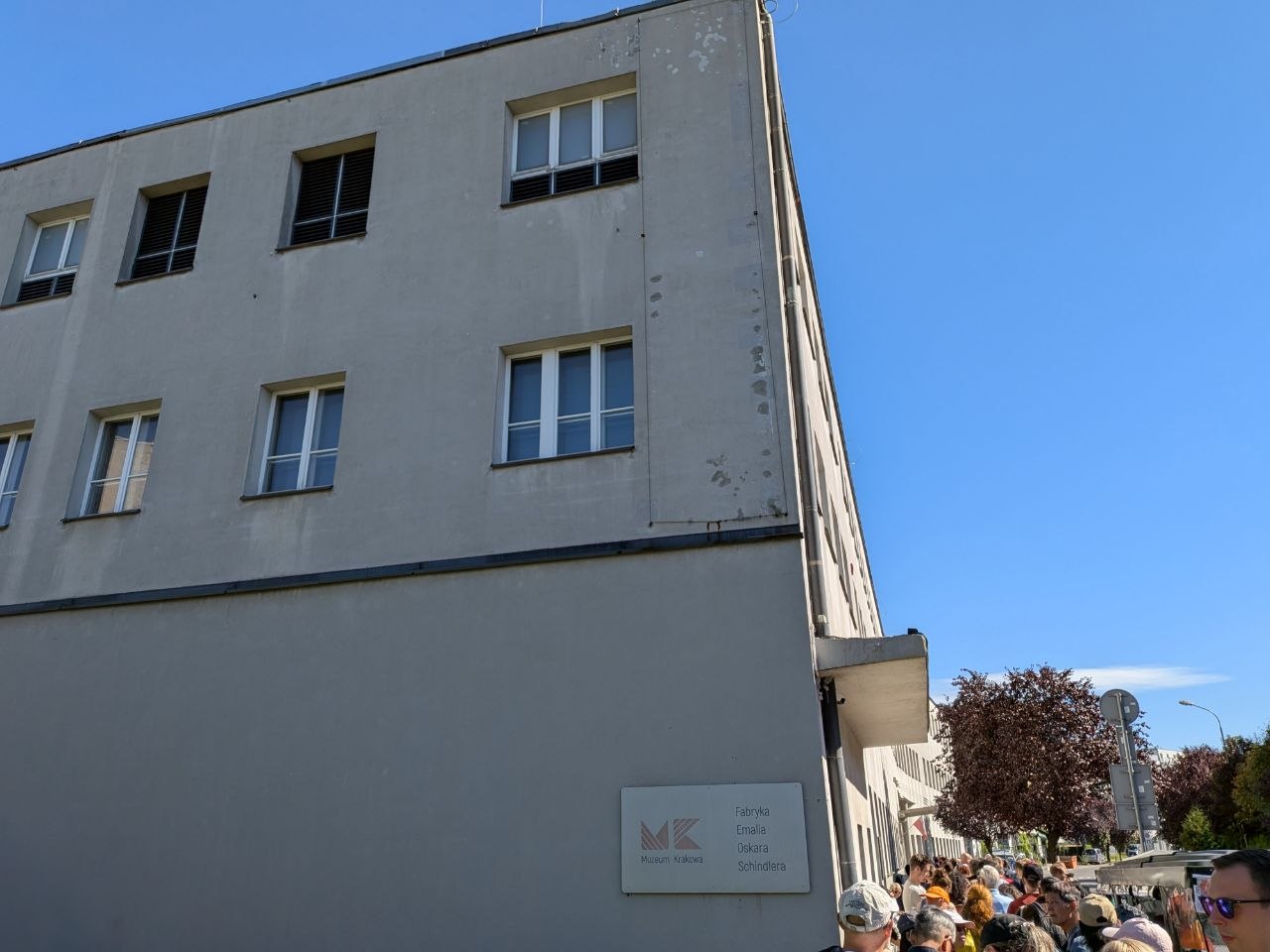
Across the river in the post‑industrial district of Zabłocie, the former Oskar Schindler’s Enamel Factory now houses a major museum dedicated to the wartime history of Kraków. The permanent exhibition combines archival photographs, personal testimonies, and immersive sets to show how the city and its residents were transformed under occupation, including the establishment and liquidation of the Jewish ghetto in nearby Podgórze.
The factory complex forms part of a broader landscape of riverside warehouses, loft conversions, and contemporary cultural venues. Old industrial buildings now accommodate galleries, studios, and cafes, illustrating how Kraków has repurposed its working waterfront while preserving sites that are essential to understanding 20th‑century history.
Art & Sacred Architecture
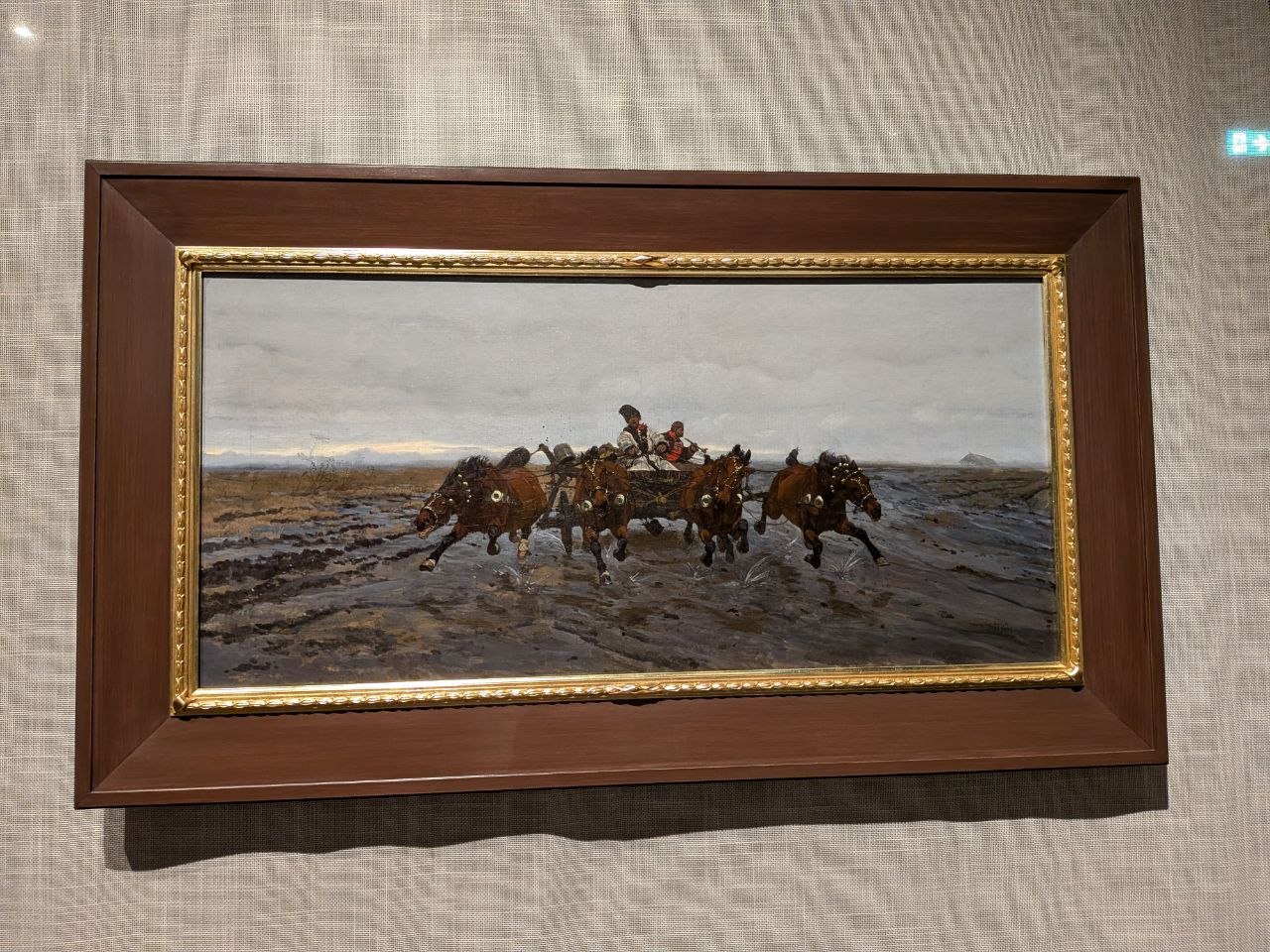
Kraków’s museums and churches together create a rich overview of Central European art. The National Museum and its branches display works from medieval icons to modern painting, including atmospheric 19th‑century canvases of horses and rural life that capture the region’s landscapes and traditions. Temporary exhibitions often highlight connections between local artists and wider European movements.
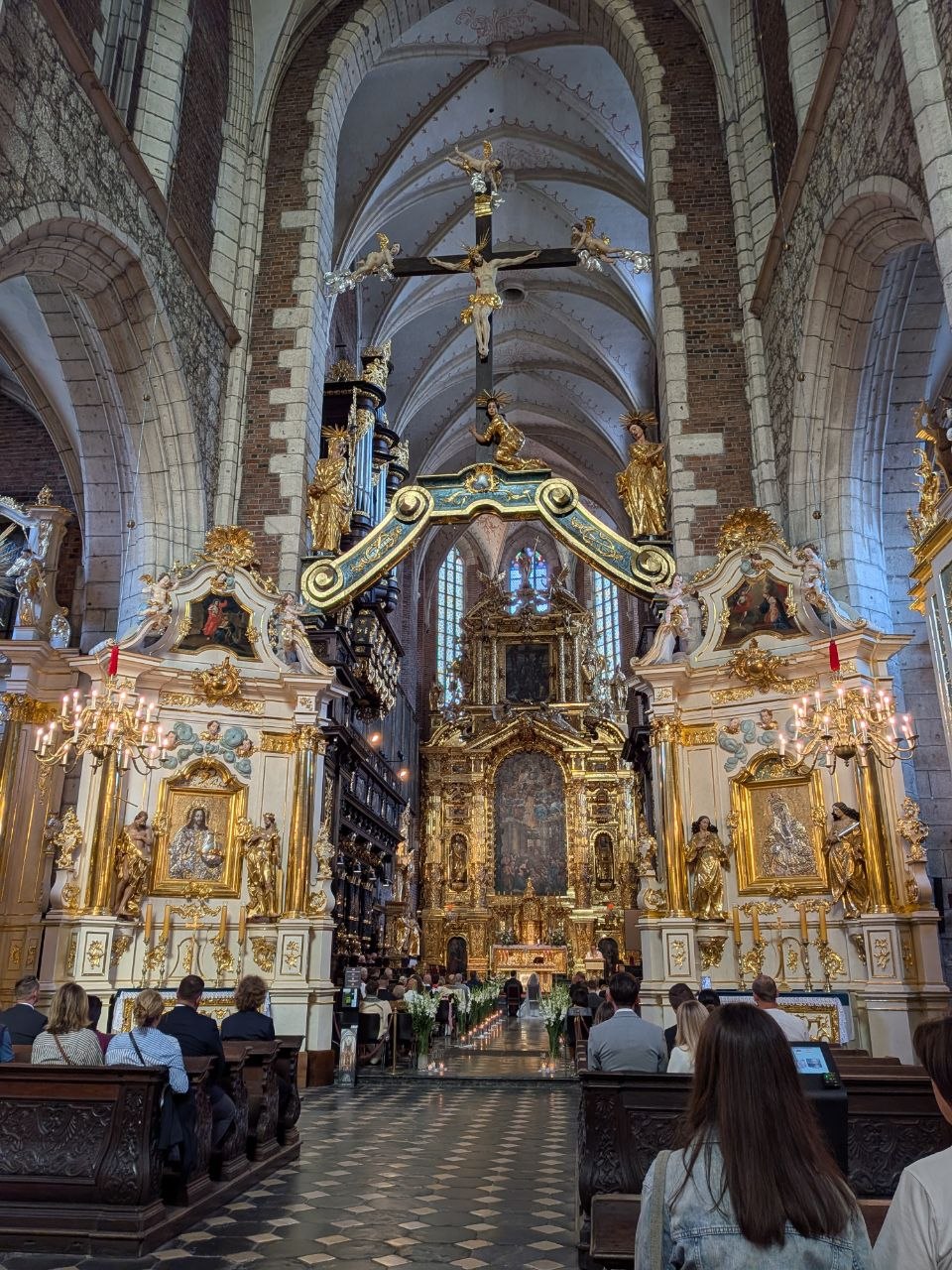
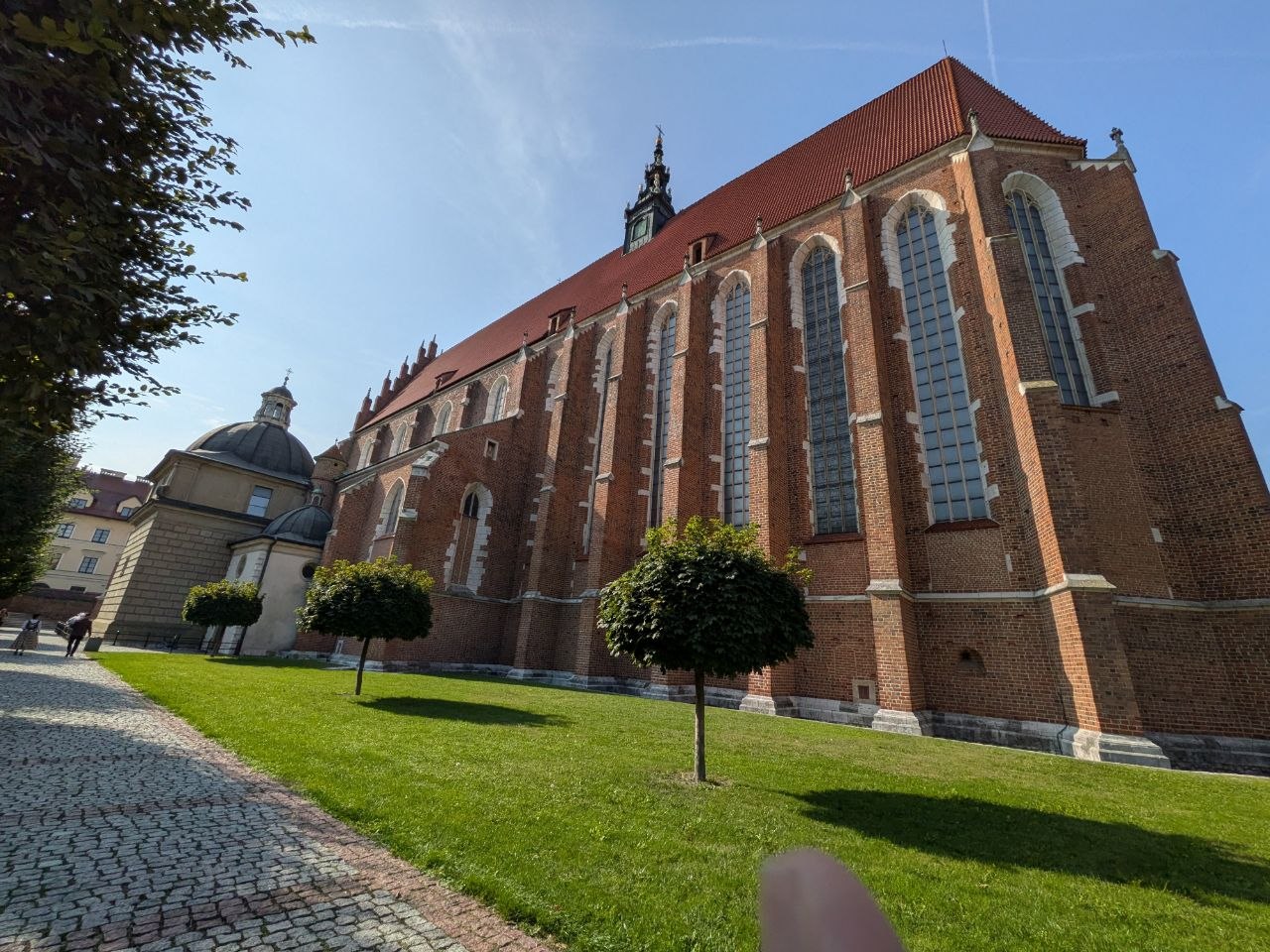
In Kazimierz, the Gothic brick Corpus Christi Basilica contrasts a fortress‑like exterior with a lavish Baroque interior of gilded altars, carved stalls, and crystal chandeliers. Elsewhere in the district, other Gothic and Renaissance churches and former synagogues reveal layers of faith and patronage, from simple brick façades to richly ornamented chapels. Together, these buildings show how religious architecture in Kraków absorbed international influences while maintaining a strong local character.
Flavours of Kraków
Kraków offers a mix of traditional Polish dishes and contemporary street food. Classic options include hearty żurek, a sour rye soup often served with sausage and egg, and pierogi dumplings filled with potato and cheese, meat, or seasonal vegetables. Around the Old Town and Kazimierz, vendors sell obwarzanek krakowski, a chewy, ring‑shaped bread sprinkled with sesame or poppy seeds that has long been associated with the city.
In the evenings, food stalls and vans clustered near Kazimierz and the former rail lines serve everything from grilled kiełbasa to modern twists on local classics, alongside international options. Courtyards hide cosy bistros and wine bars, while riverside spots provide views over the Vistula with coffee or dessert. This combination of long‑standing recipes and new culinary ideas reflects the city’s broader blend of heritage and creativity.
Visiting Tips
Most key sights, including the Old Town, Kazimierz, and the riverfront, can be explored on foot, with trams and buses filling in longer gaps. Comfortable shoes are useful for cobbled streets and walks along the Planty and riverside paths. Many museums, such as Schindler’s Factory, require timed tickets, so checking opening hours and booking in advance, especially in high season, helps avoid long waits.
Weather can change quickly, particularly in spring and autumn, so layers and a compact umbrella are practical additions. Early mornings and later evenings tend to be quieter at major landmarks and in the Main Square, making them good times for photography. Respectful clothing is appreciated in churches and synagogues, where photography may be restricted or subject to a small fee.
 Jumping Timezones
Leave a comment