The Tatra Mountains form the highest part of the Carpathian range, rising sharply above pine forests, glacial valleys, and traditional highland towns. On the northern slopes, the landscape around Zakopane combines alpine peaks with a strong regional culture, where wooden villas, folk motifs, and mountain music reflect the heritage of the Górale highlanders.
Much of the area is protected within Tatra National Park, where marked trails lead through dense woodland, over rushing streams, and up to panoramic viewpoints. Classic excursions include the journey to Morskie Oko, a striking glacial lake ringed by cliffs and reflected peaks, as well as gentler walks through meadows and valleys carved into the limestone.
Zakopane: Gateway to the Peaks
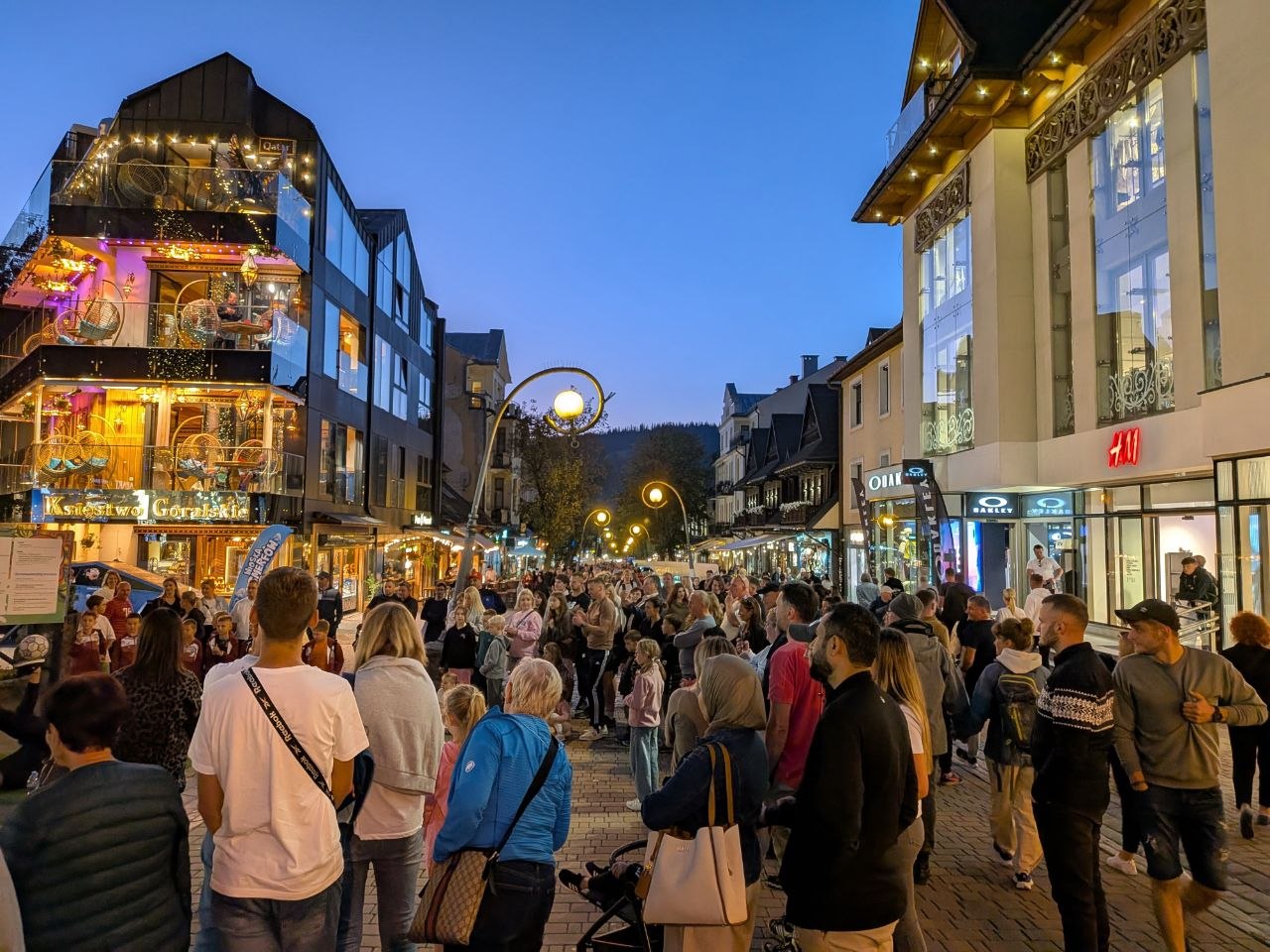
Zakopane serves as the main base for exploring the northern Tatras, combining resort-town energy with traditional highland character. Along the central promenade, wooden façades are lit up at night, with neon signs such as “Księstwo Góralskie” highlighting the local identity and drawing visitors into shops, guesthouses, and live-music venues.
Beyond the bright lights, the town is known for its timber architecture in the Zakopane Style, steeply pitched roofs, and carved balconies. From here, buses and trailheads connect quickly to valleys and ridges, making it easy to move from a busy evening stroll on the promenade to quiet forest paths the next morning.
Tatra National Park Landscapes
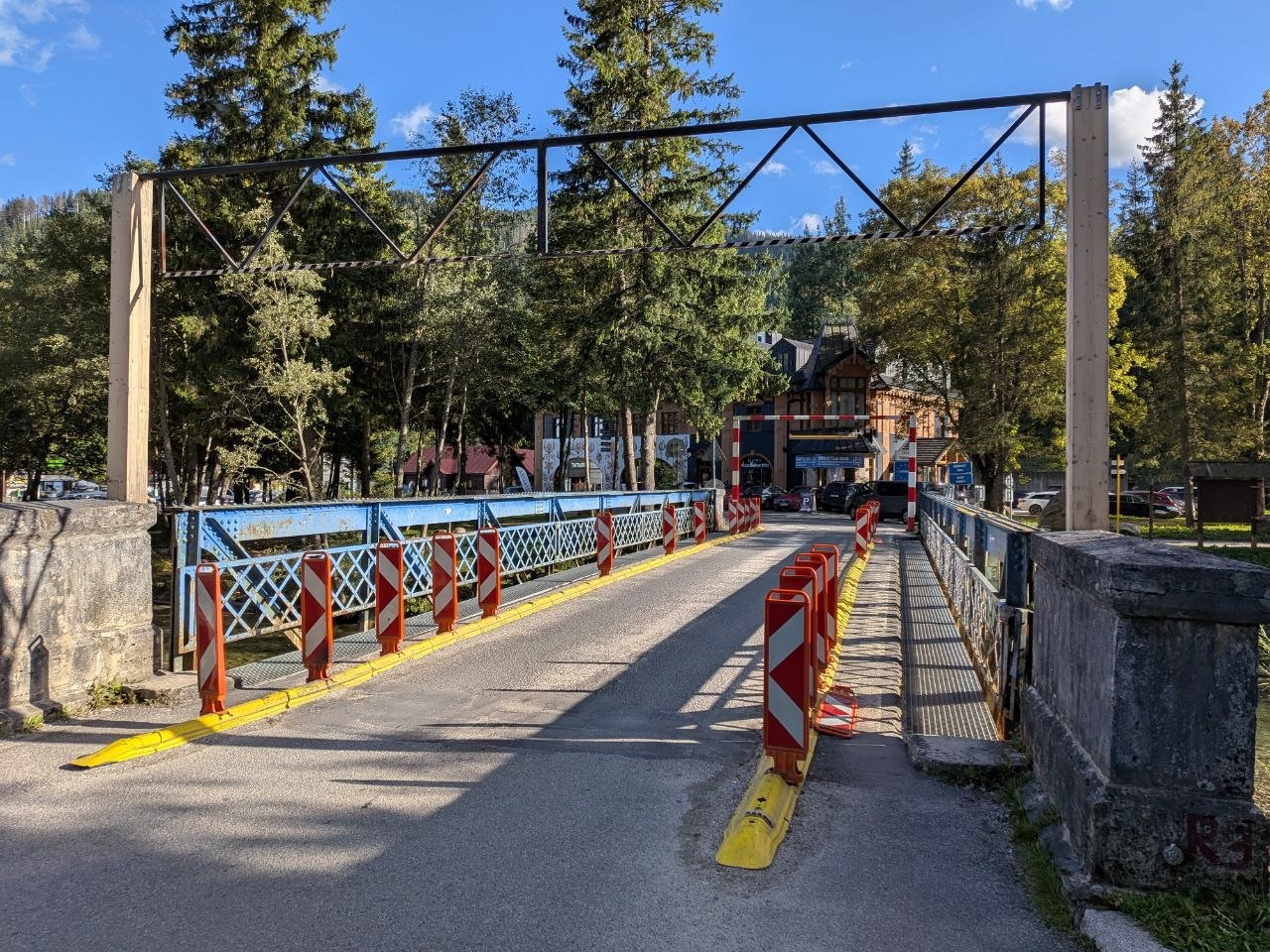
Tatra National Park protects a compact but remarkably varied mountain environment, from spruce and pine forests to high granite summits. Entrances often feature wooden bridges and chalet-style buildings in the regional tradition, marking the transition from town streets to protected nature.
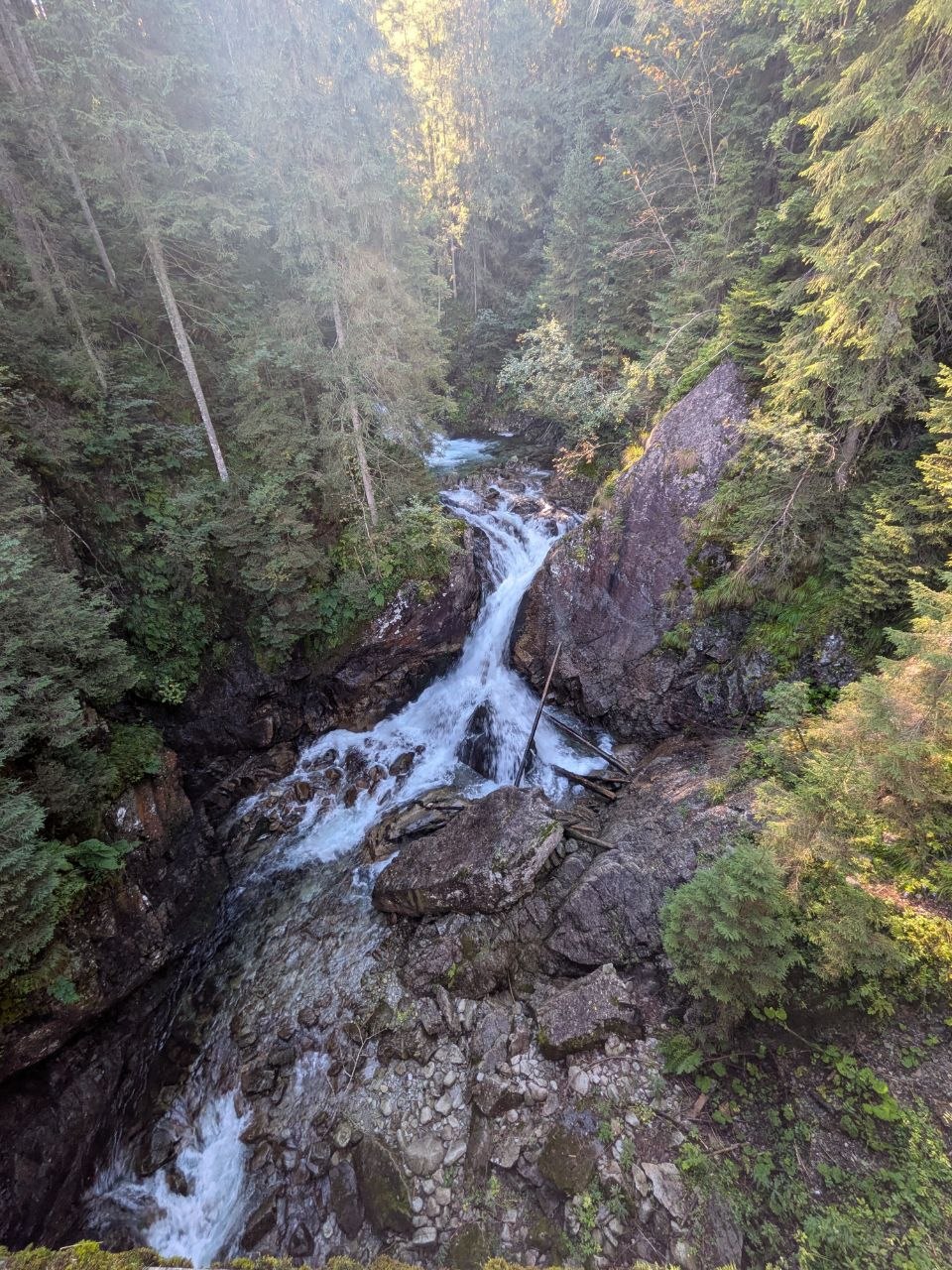
Inside the park, fast-flowing streams plunge through rocky gorges, forming powerful waterfalls that echo between canyon walls. Well-maintained paths and information boards help manage visitor impact while still allowing access to viewpoints, river crossings, and quiet stretches of woodland.
Morskie Oko: Iconic Mountain Lake
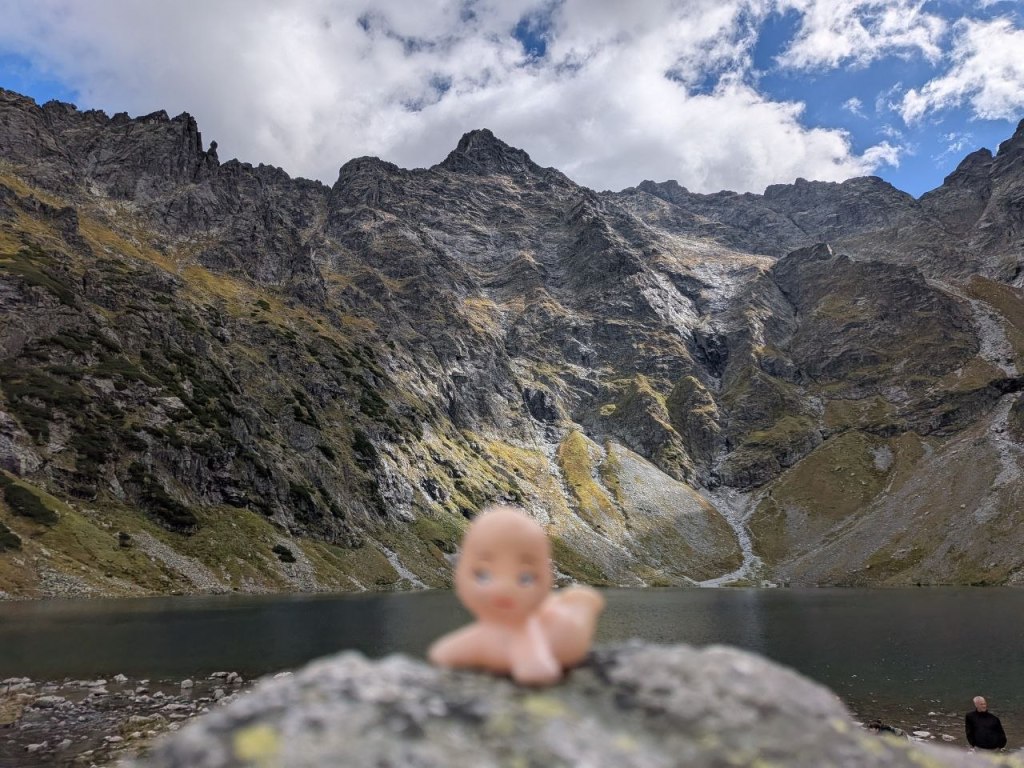
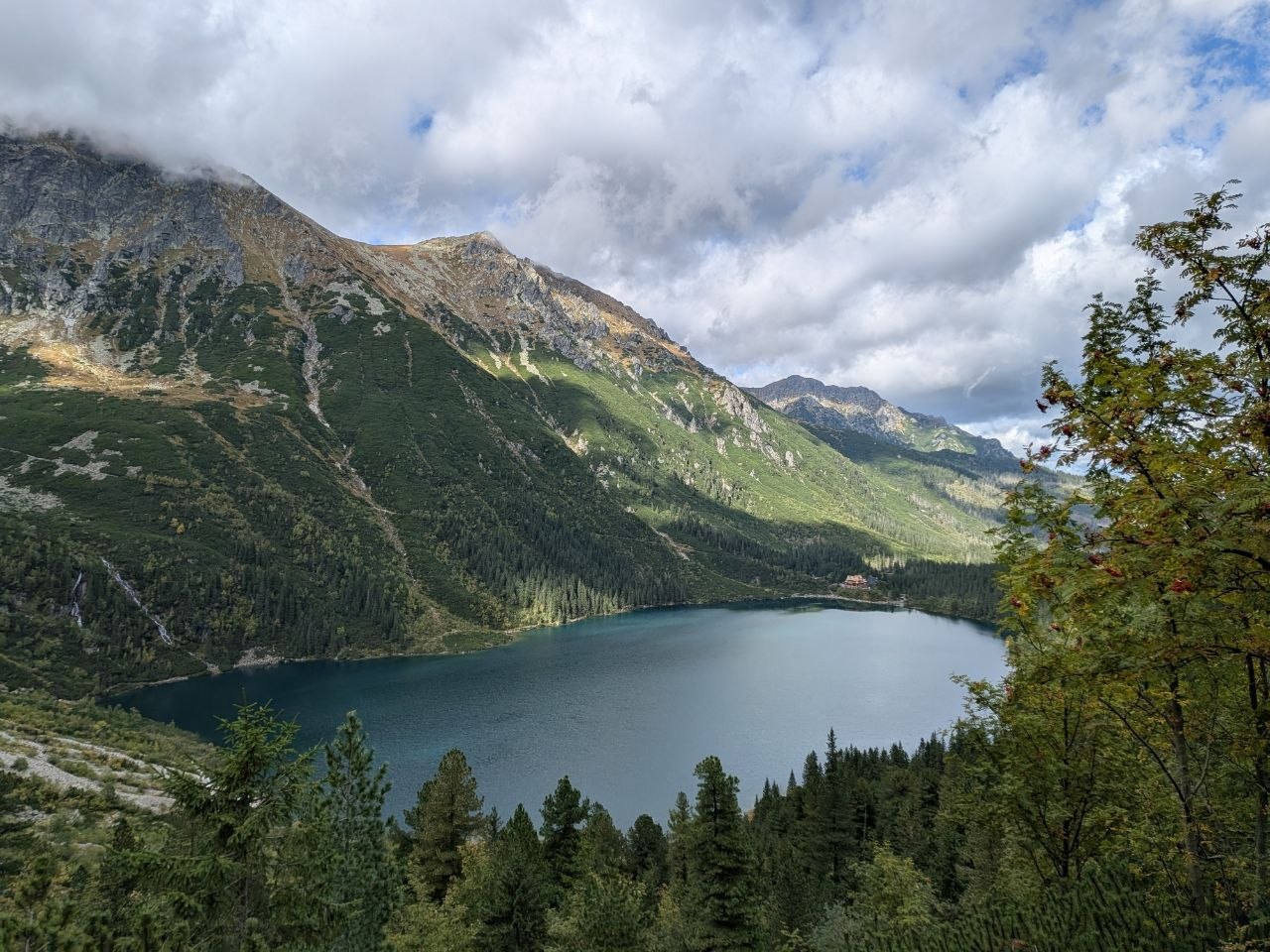
Morskie Oko is one of the most famous sites in the Tatras, a deep glacial lake framed by sharp peaks and dense coniferous forest. Seen from above, the water forms a dramatic dark oval encircled by cliffs, with ridgelines and summits reflected on calm days.
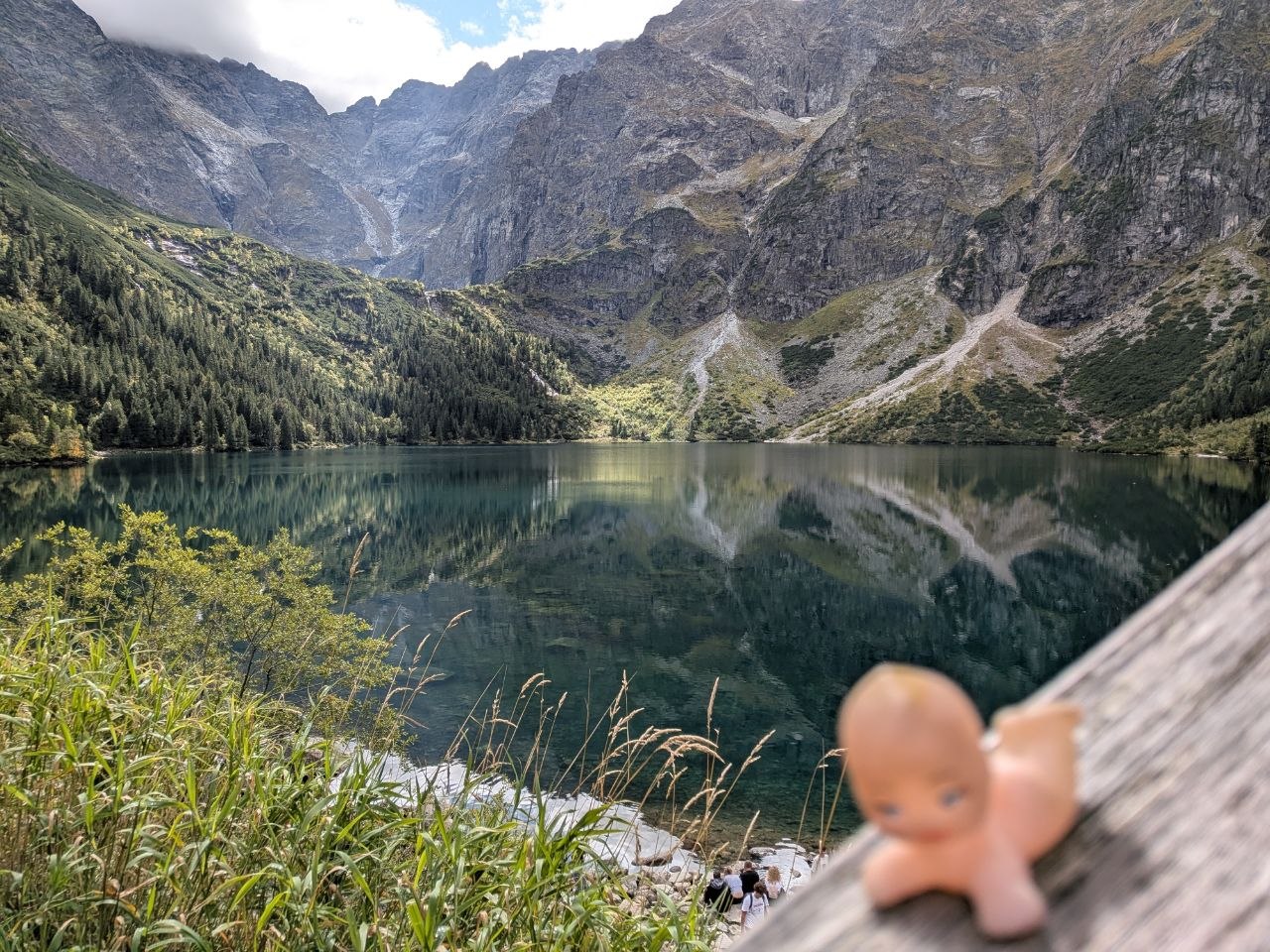
Along the shore, visitors can see intricate reflections of pines, rock slopes, and sky in the clear water. Details such as small figurines or dolls placed on lakeside rocks emphasize the mirror-like surface, where even the smallest objects are doubled against a backdrop of towering mountains.
Hiking Trails and Wildlife
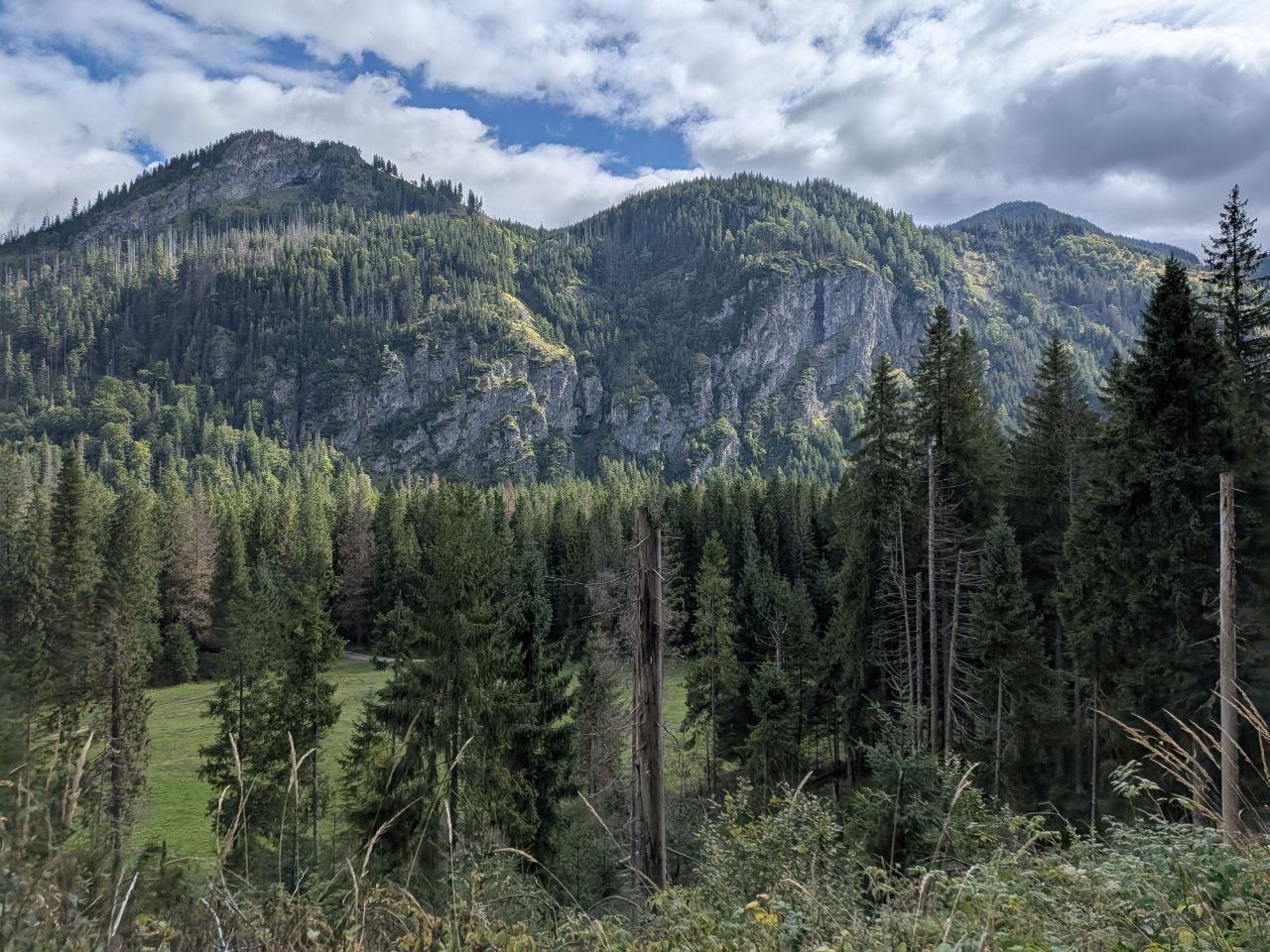
The trail network around Zakopane ranges from paved park approaches to steep, rocky ascents. Popular routes follow valleys and forest tracks, crossing wooden bridges and opening onto sweeping views of meadows backed by limestone and granite peaks. In good weather, distant ridges and broad U-shaped valleys give a sense of the area’s glacial past.
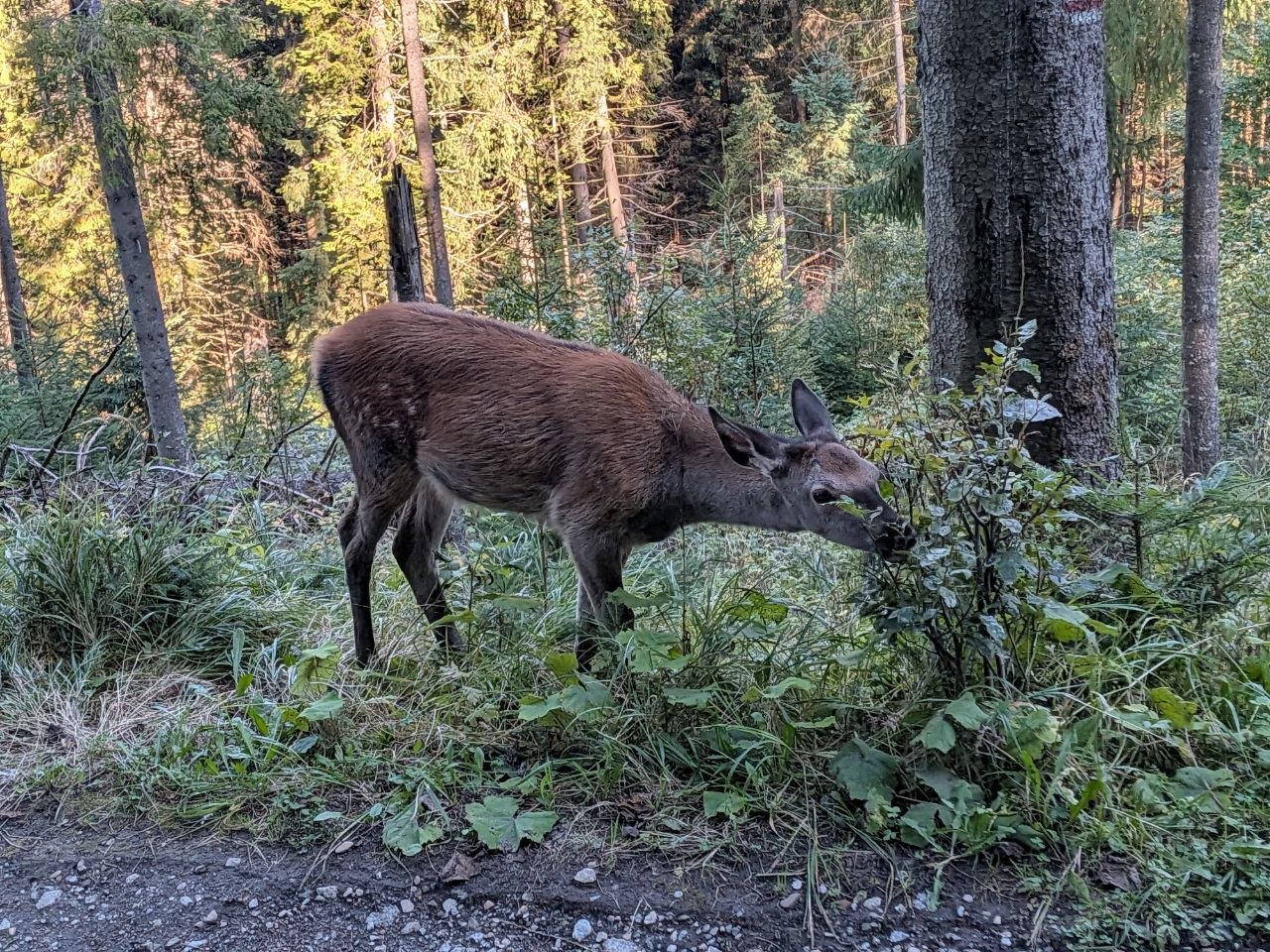
Wildlife is a major attraction, and it is not uncommon to spot deer grazing quietly beside forest paths, especially in the early morning or late afternoon. Hikers are asked to keep a respectful distance, remain on marked trails, and keep noise to a minimum so that native species, from red deer to chamois and birds of prey, can continue to thrive in the park.
Visiting Tips
Weather in the Tatras can change quickly, so layered clothing, waterproofs, and sturdy footwear are recommended even for shorter walks to popular sites such as Morskie Oko. Trail conditions vary by season, and high routes may remain snowy or icy well into spring, so checking current information from park authorities before setting out is essential.
To reduce crowding on busy paths, consider starting hikes early in the day or choosing lesser-known valleys and ridges. Public transport and official parking areas serve major trailheads, and visitors are encouraged to follow park rules on waste, noise, and wildlife protection to help preserve the fragile mountain environment for future generations.
 Jumping Timezones
Leave a comment