Tirana is a dynamic capital city where Ottoman, Italian, communist, and contemporary influences meet against a dramatic mountain backdrop. Broad boulevards, leafy parks, and bold modern towers sit alongside mosques, monuments, and reminders of decades of isolation under one of Europe’s harshest regimes. Today, the city is defined by its youthful energy, cafe culture, and a growing arts and nightlife scene that spill out into its squares and pedestrian streets.
The compact center is easy to explore on foot, with Skanderbeg Square as the main orientation point. From here, visitors can reach historic religious landmarks, former secret bunkers turned museums, cable cars climbing into the hills, and quieter residential neighborhoods where daily life unfolds. The surrounding mountains and nearby lakes offer quick escapes into nature, while the city itself stays busy well into the evening.
Skanderbeg Square & the City Heart
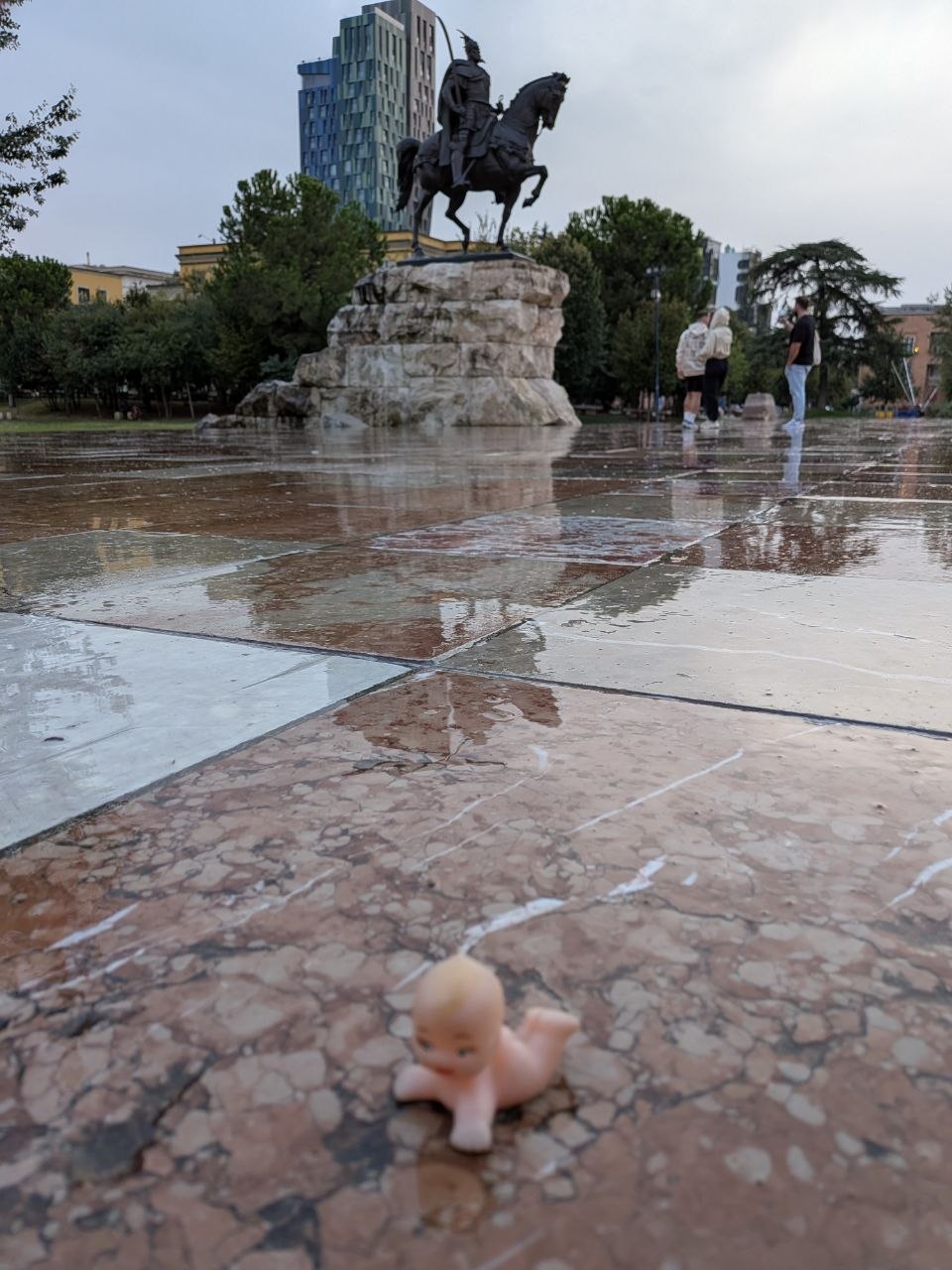
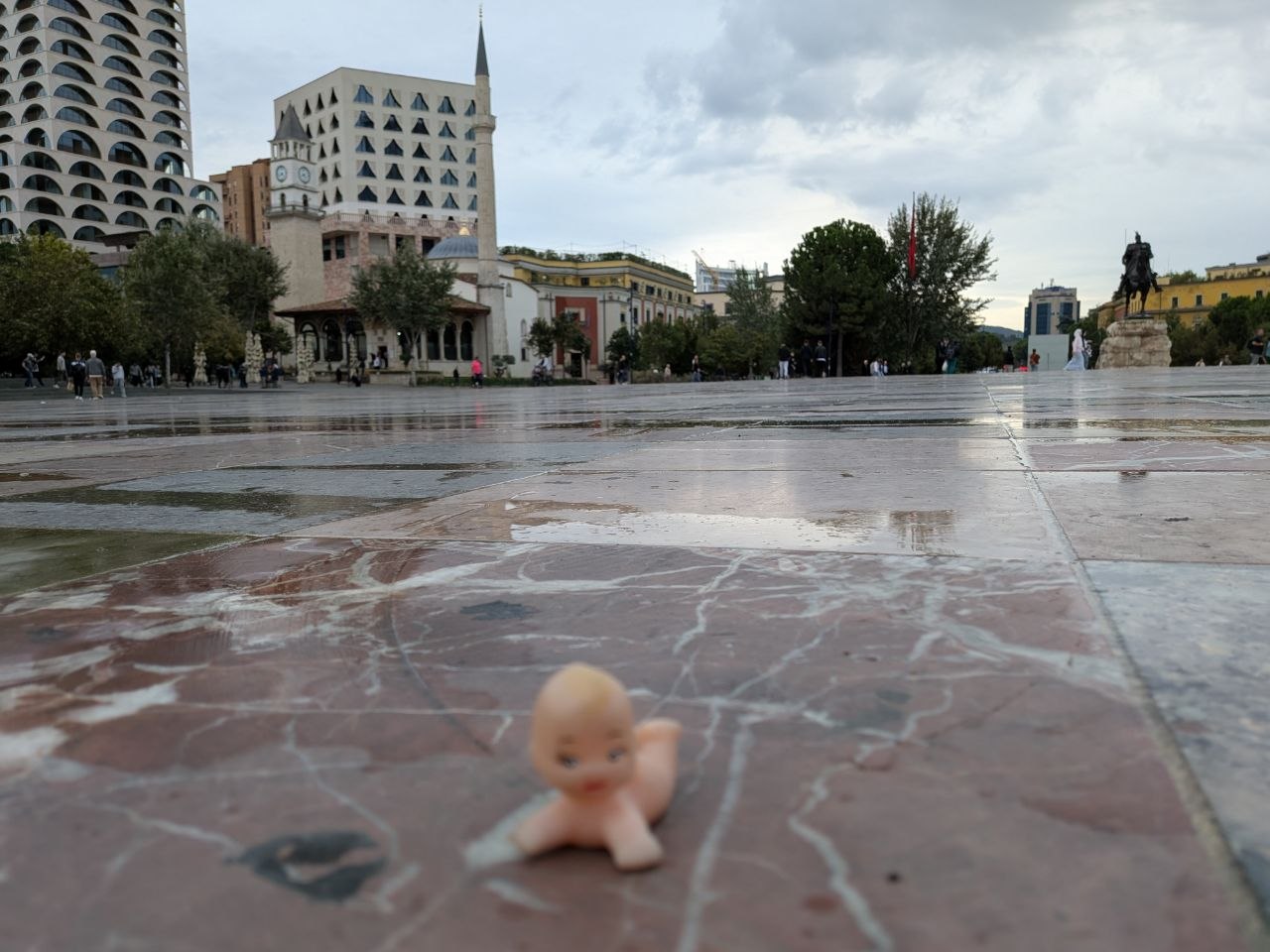
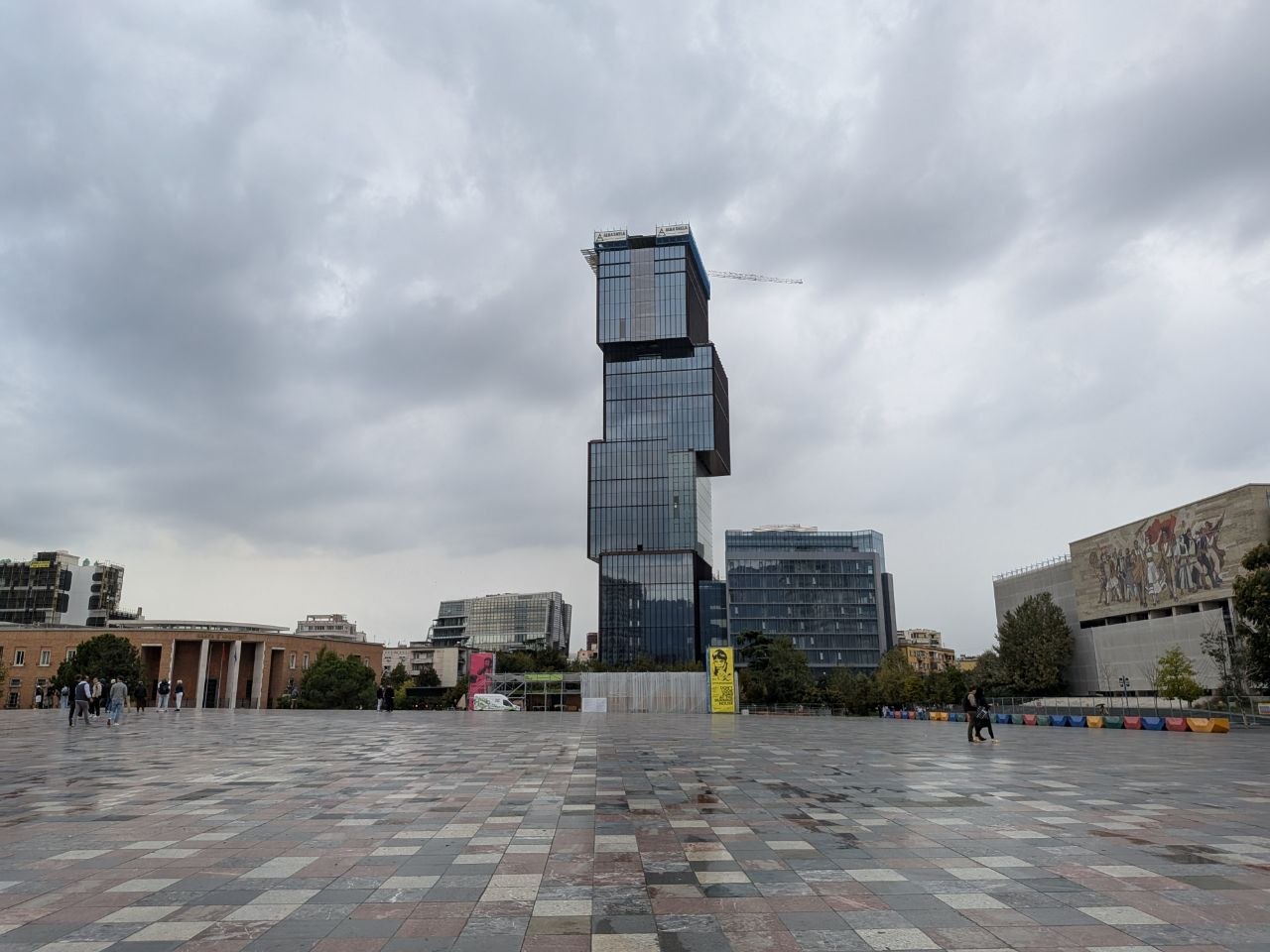
Skanderbeg Square is Tirana’s central gathering place, framed by museums, government buildings, and cultural institutions. At its center stands the equestrian statue of national hero Gjergj Kastrioti Skanderbeg, a focal point for events and everyday meetings alike. Even on rainy evenings, the square remains atmospheric as reflections shimmer across the paving, and city life continues around the statue, streetlights, and surrounding facades.
The square also functions as a practical landmark. Many of the city’s key sights radiate from here, and public transport routes converge nearby. It is a natural place to begin or end a day, to watch how Tirana changes from quiet early mornings to busy afternoons and then to the moody blue hour when the lights of nearby towers come on and the skyline feels increasingly modern.
Namazgja Mosque & Spiritual Landmarks
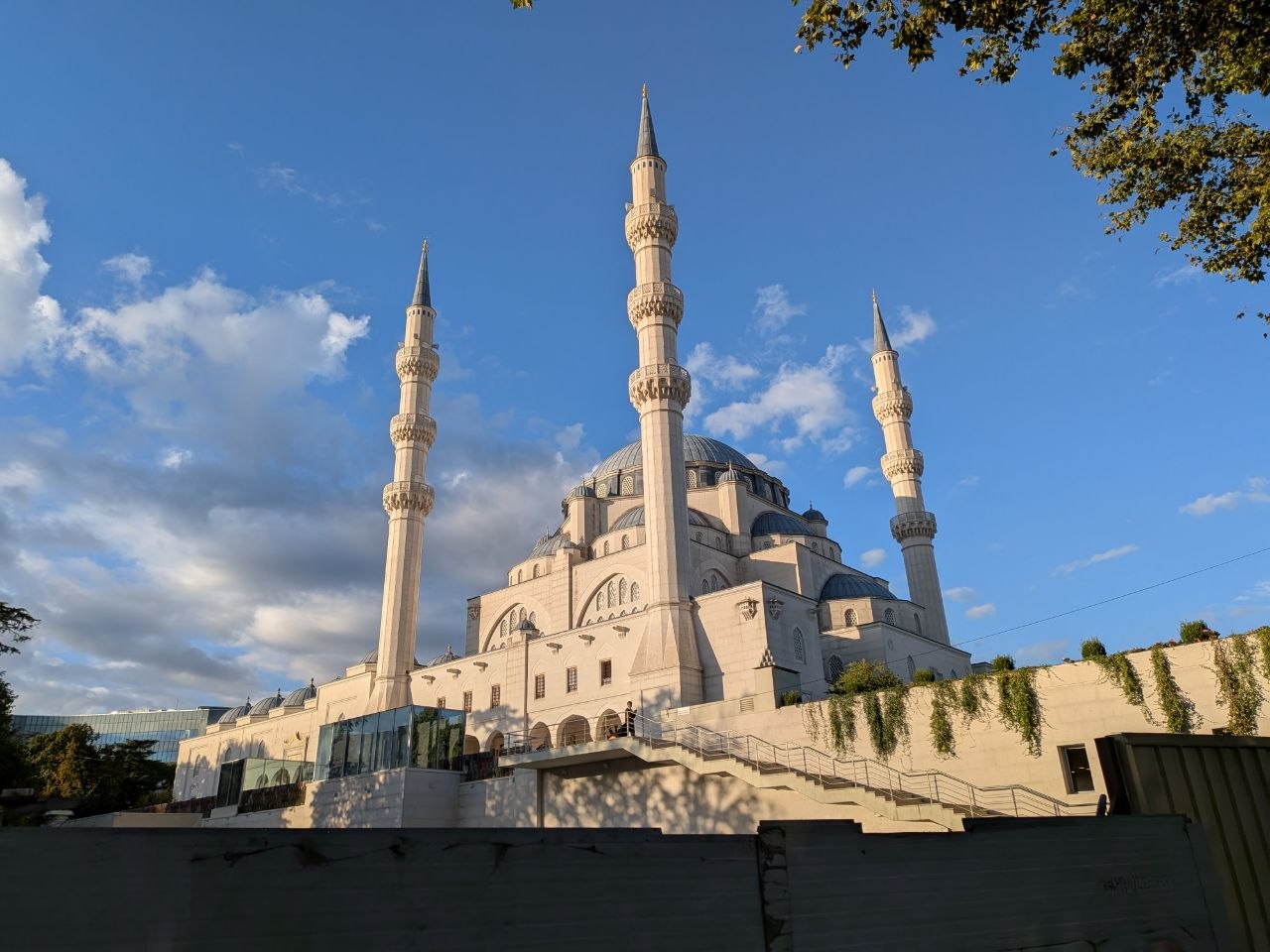
The Namazgja Mosque is one of Tirana’s most striking new landmarks, visible from afar with its four tall minarets and prominent dome. In the warm light of late afternoon, its marble and stone surfaces glow softly, contrasting with the surrounding city blocks and mountains on the horizon. The site highlights how Tirana continues to reshape its skyline while restoring and expanding its religious architecture.
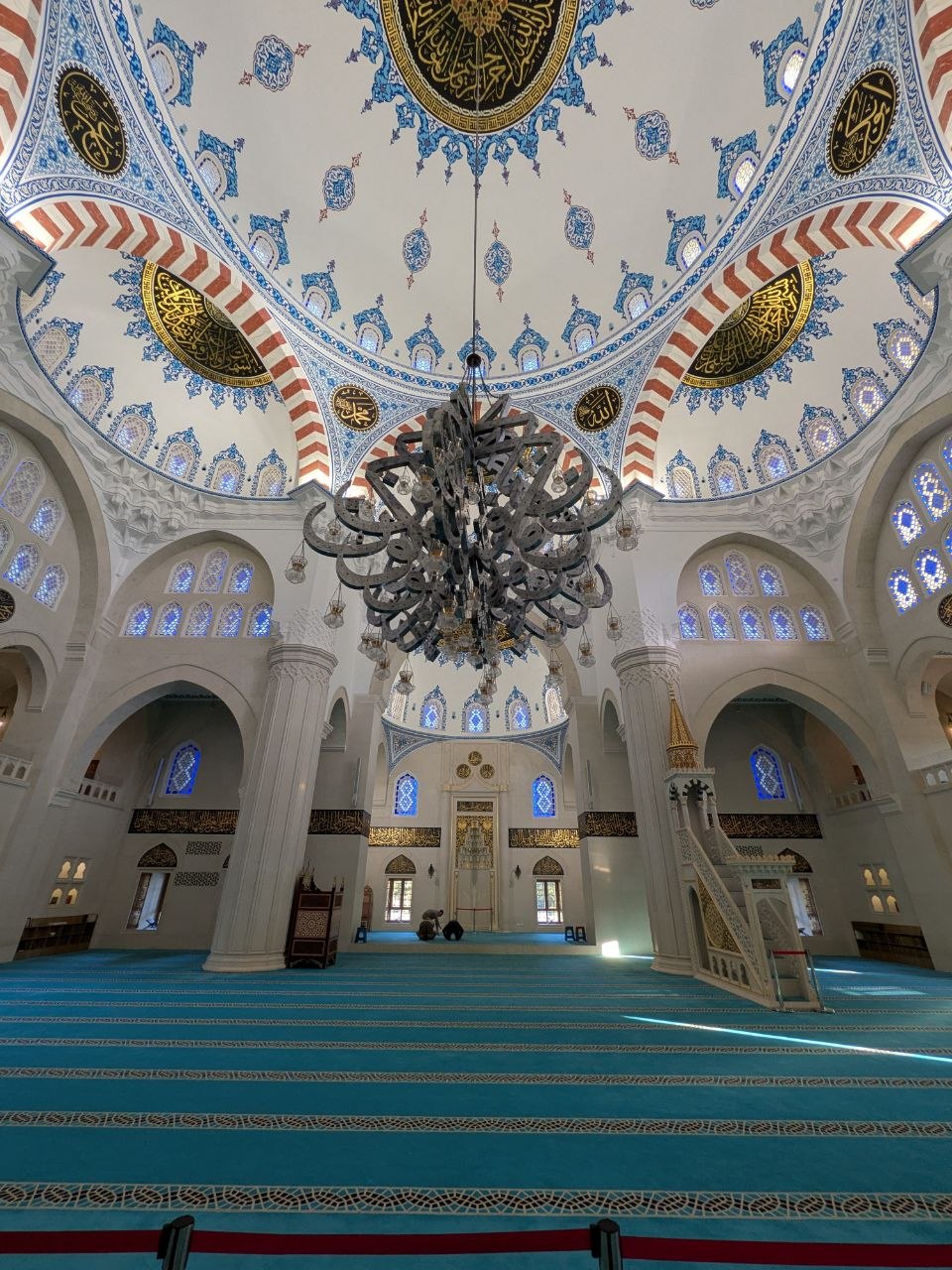
Inside, the mosque reveals an intricate blue and white dome that draws the eye upward, with geometric patterns and calligraphy radiating from the center. A dramatic chandelier featuring large calligraphic elements hangs below, filling the prayer hall with a soft, diffused light. The spacious interior showcases careful craftsmanship and offers a quiet, contemplative atmosphere even as the city moves quickly outside.
Bunk’Art: History Underground
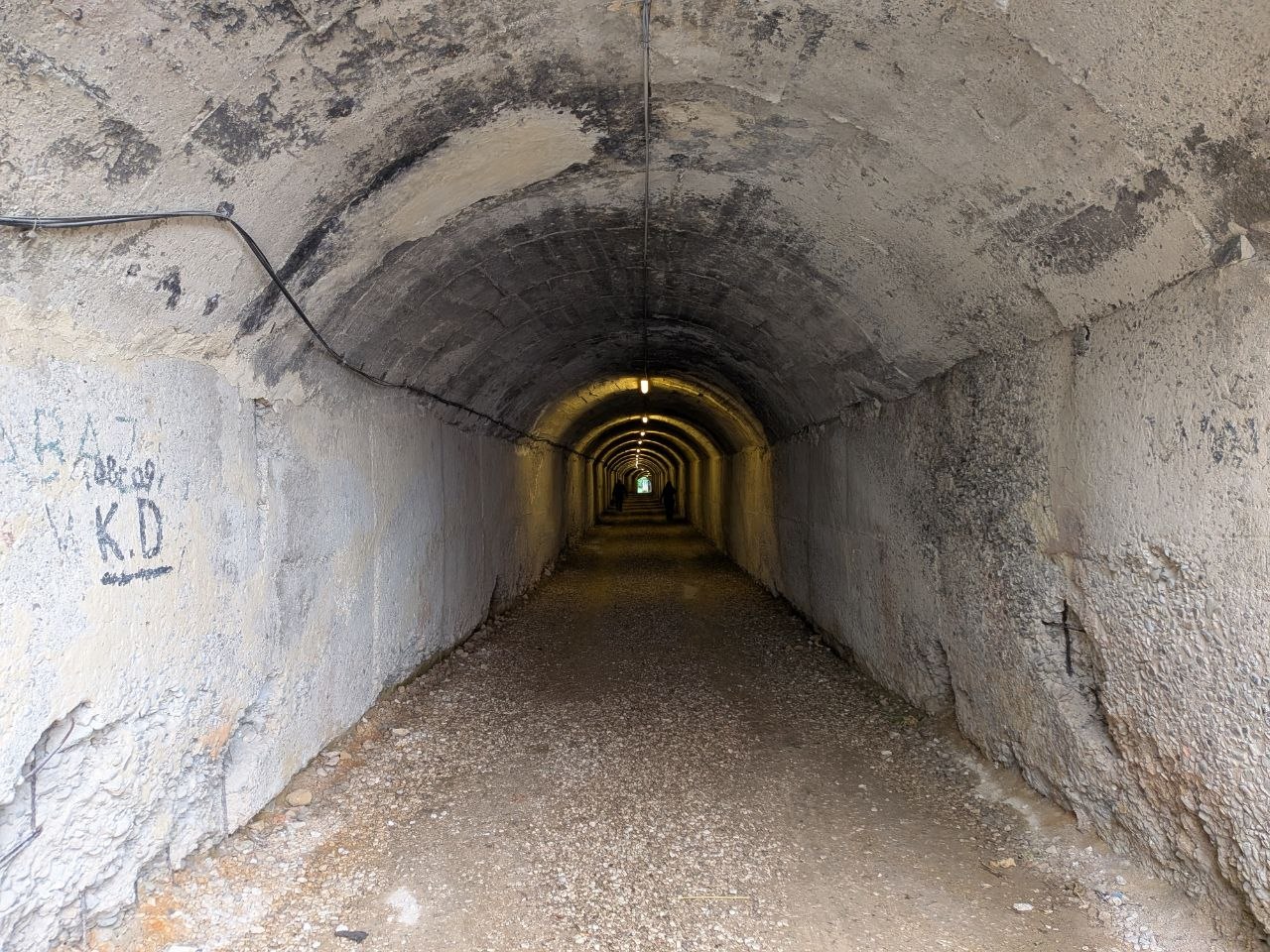
Bunk’Art is housed in one of the vast underground bunkers built during the communist period, now transformed into an immersive museum. Visitors follow long, utilitarian corridors that seem to stretch endlessly, with bare concrete, low lighting, and heavy doors reinforcing the sense of isolation and control that once defined the space. Exhibits combine archival material, soundscapes, and installations to trace the political history and daily realities of life under dictatorship.
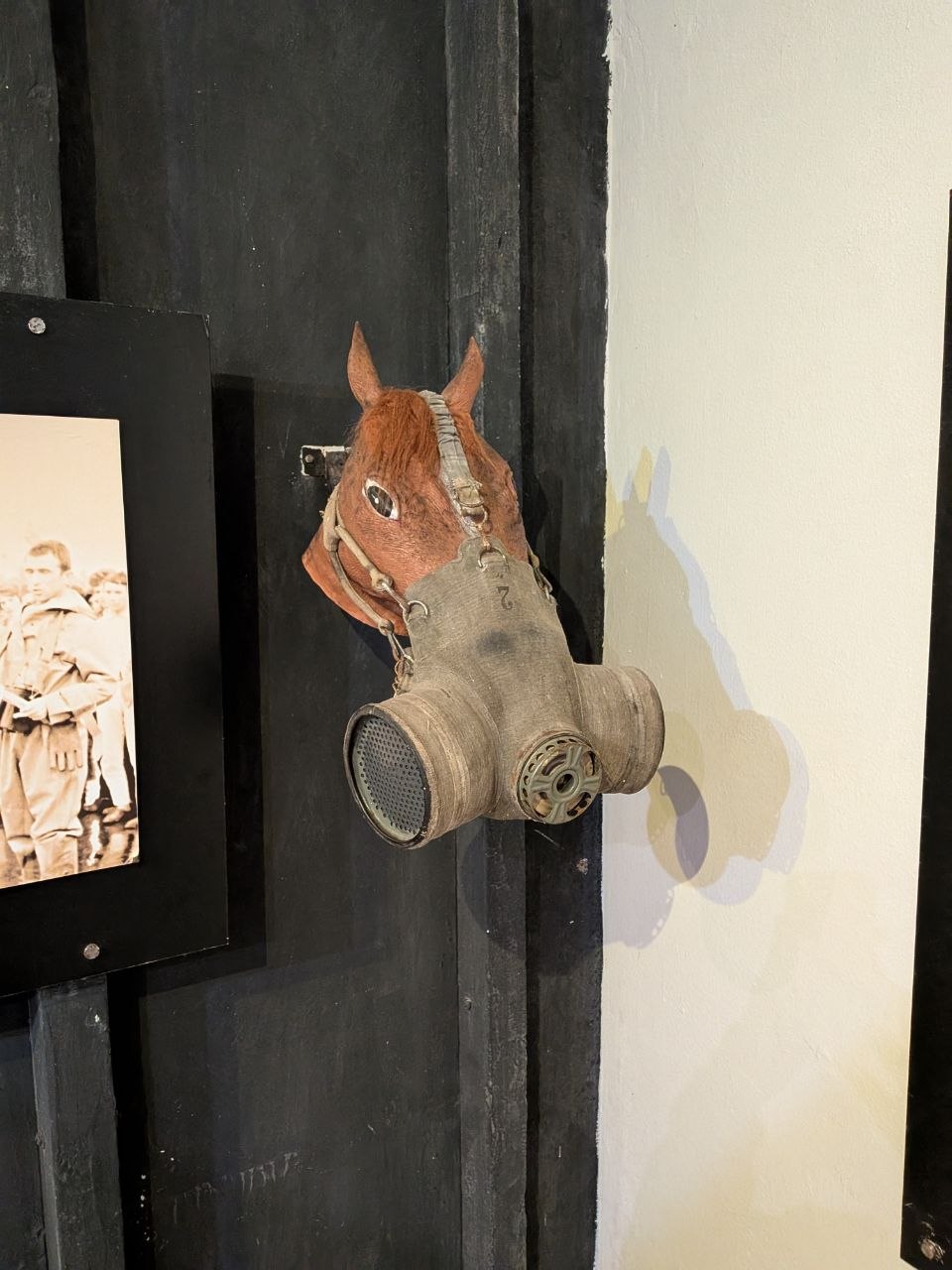
Some displays are deliberately unsettling. An installation featuring a horse wearing a gas mask, for example, underscores the regime’s deep paranoia about foreign attack and chemical warfare. By juxtaposing such images with personal testimonies and historical documents, Bunk’Art turns a once-secret defensive structure into a powerful educational space that invites reflection on surveillance, propaganda, and resilience.
Communist Legacy & City Bunkers
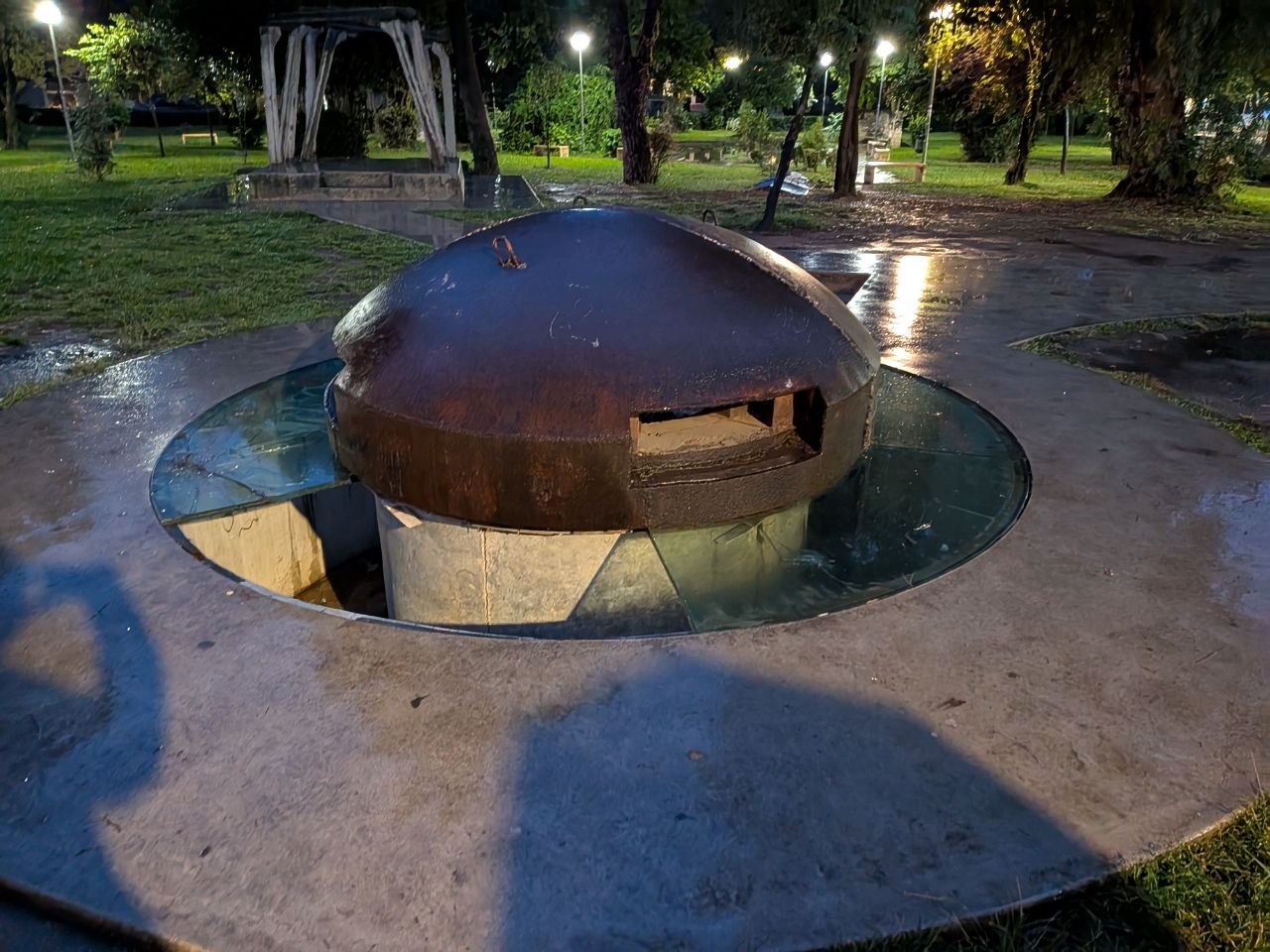
Beyond the major bunker complexes, traces of the communist era remain scattered throughout Tirana in the form of small concrete pillbox bunkers and austere architecture. Some bunkers appear in parks or green spaces, their rounded shapes emerging from the ground like relics from another world. Seen at night in the rain, illuminated by streetlights and framed by wet pathways, they can feel both eerie and oddly sculptural.
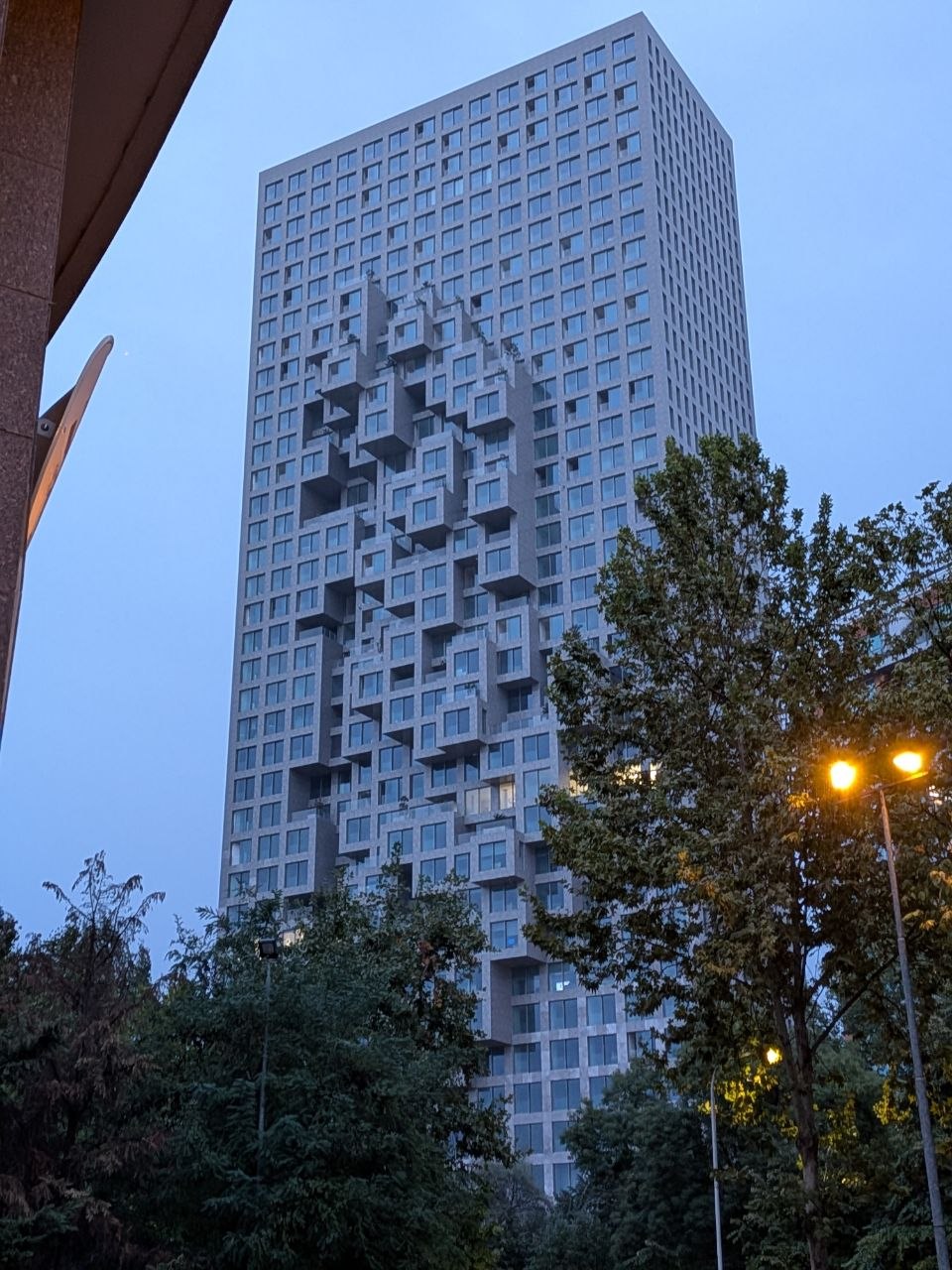
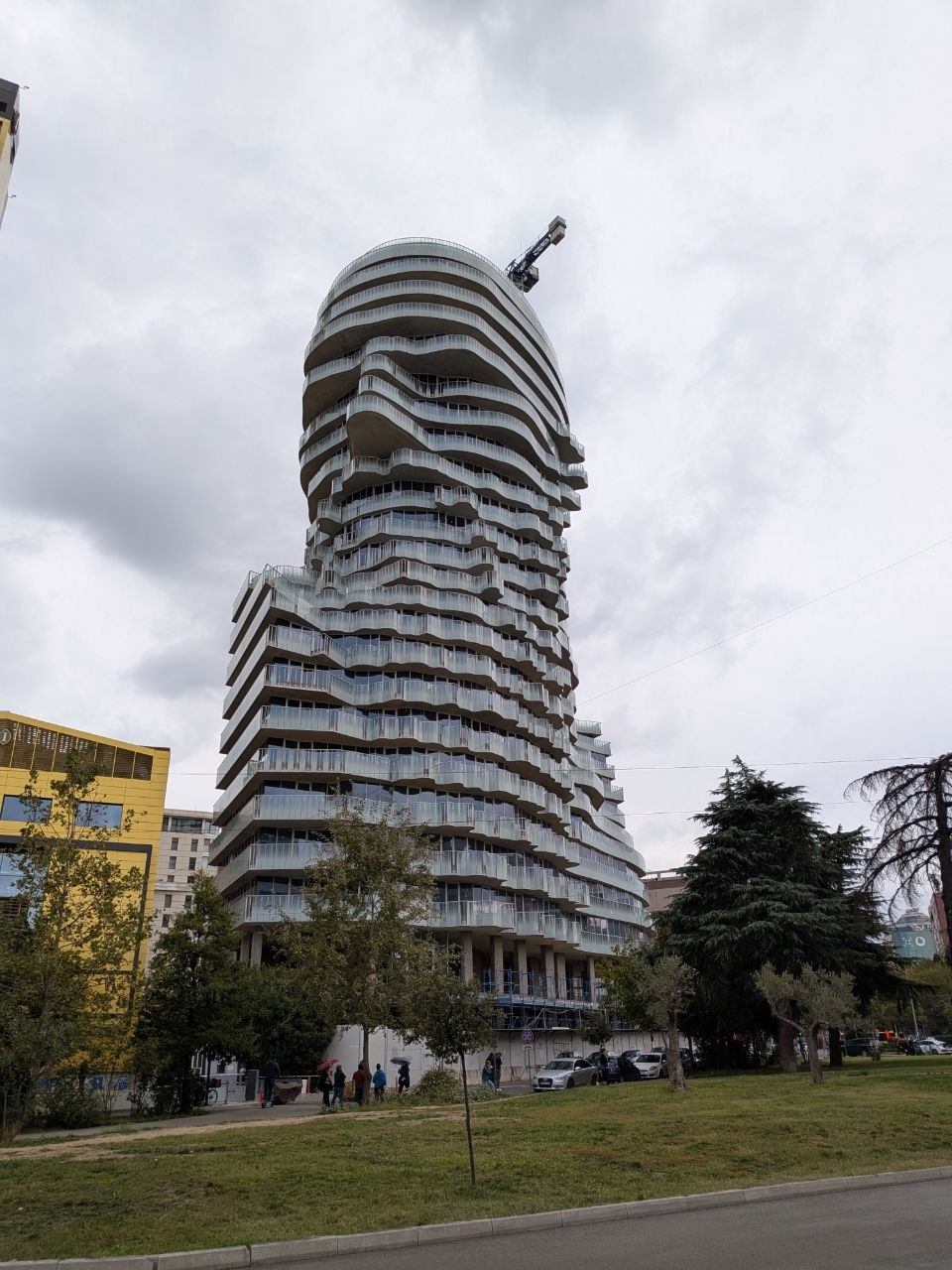
The city also preserves and repurposes larger examples of brutalist and modernist construction from the late 20th century. Distinctive towers and angular facades stand out at dusk, when their silhouettes are set against the fading sky and the first office and apartment lights turn on inside. These buildings speak to a chapter of rapid, state-driven urban development whose legacy is still being debated, renovated, and reimagined in contemporary Tirana.
Cable Car & Mount Dajti Views
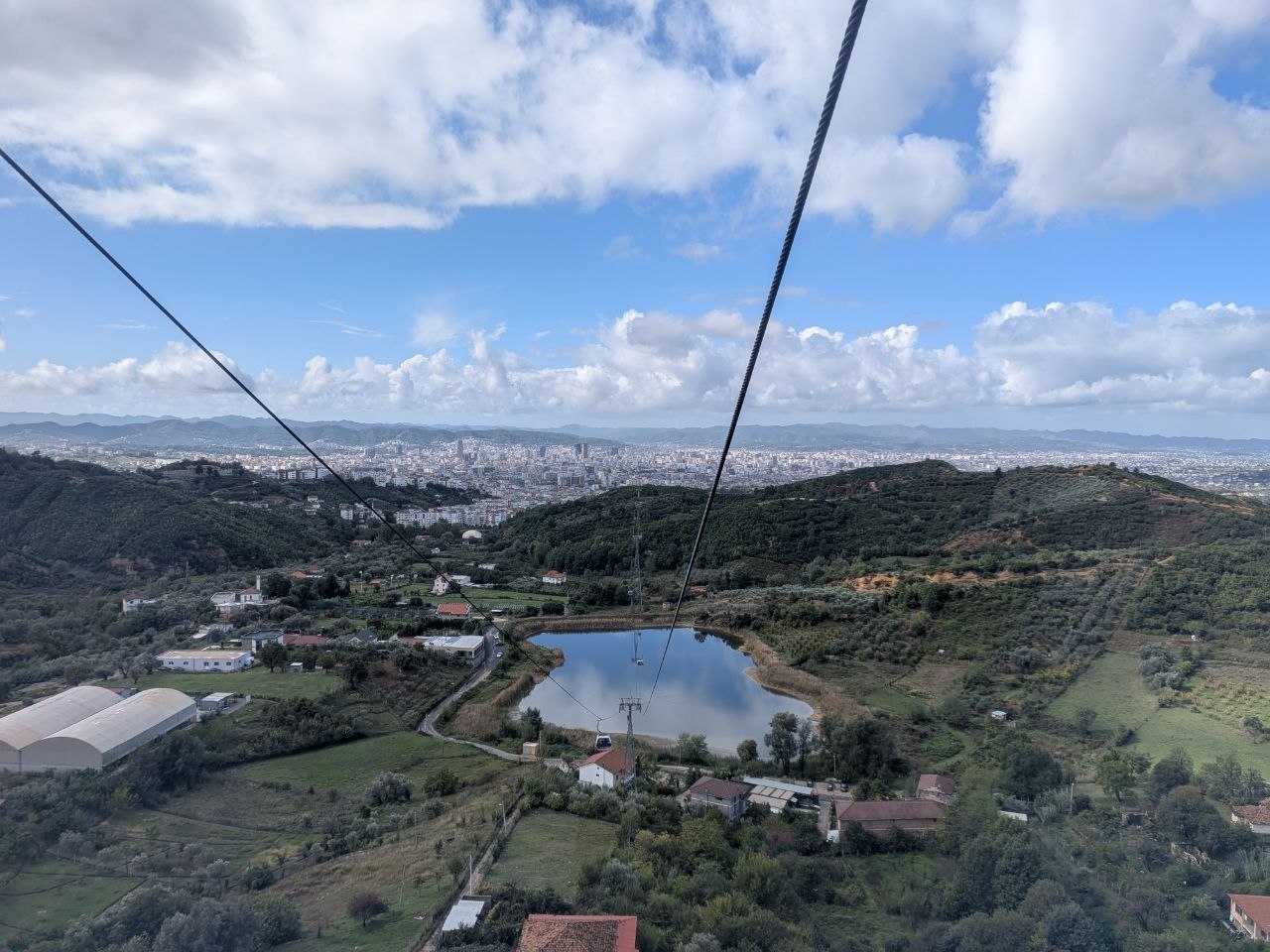
The Dajti Ekspres cable car offers one of the most dramatic perspectives on Tirana. As the cabins climb the hillside, the city gradually unfolds below, revealing dense neighborhoods, major roads, and pockets of greenery. From higher up, visitors can see how the urban area spreads across the plain, framed by mountains and dotted with parks and lakes.
Looking back toward the city, a valley lake and surrounding forests add a striking natural counterpoint to the urban sprawl. The top station of the cable car provides access to viewpoints, walking paths, and leisure facilities, making it a popular escape from the traffic and noise of the center. On clear days, the views emphasize just how closely Tirana is connected to its mountainous setting.
Food & Local Flavors
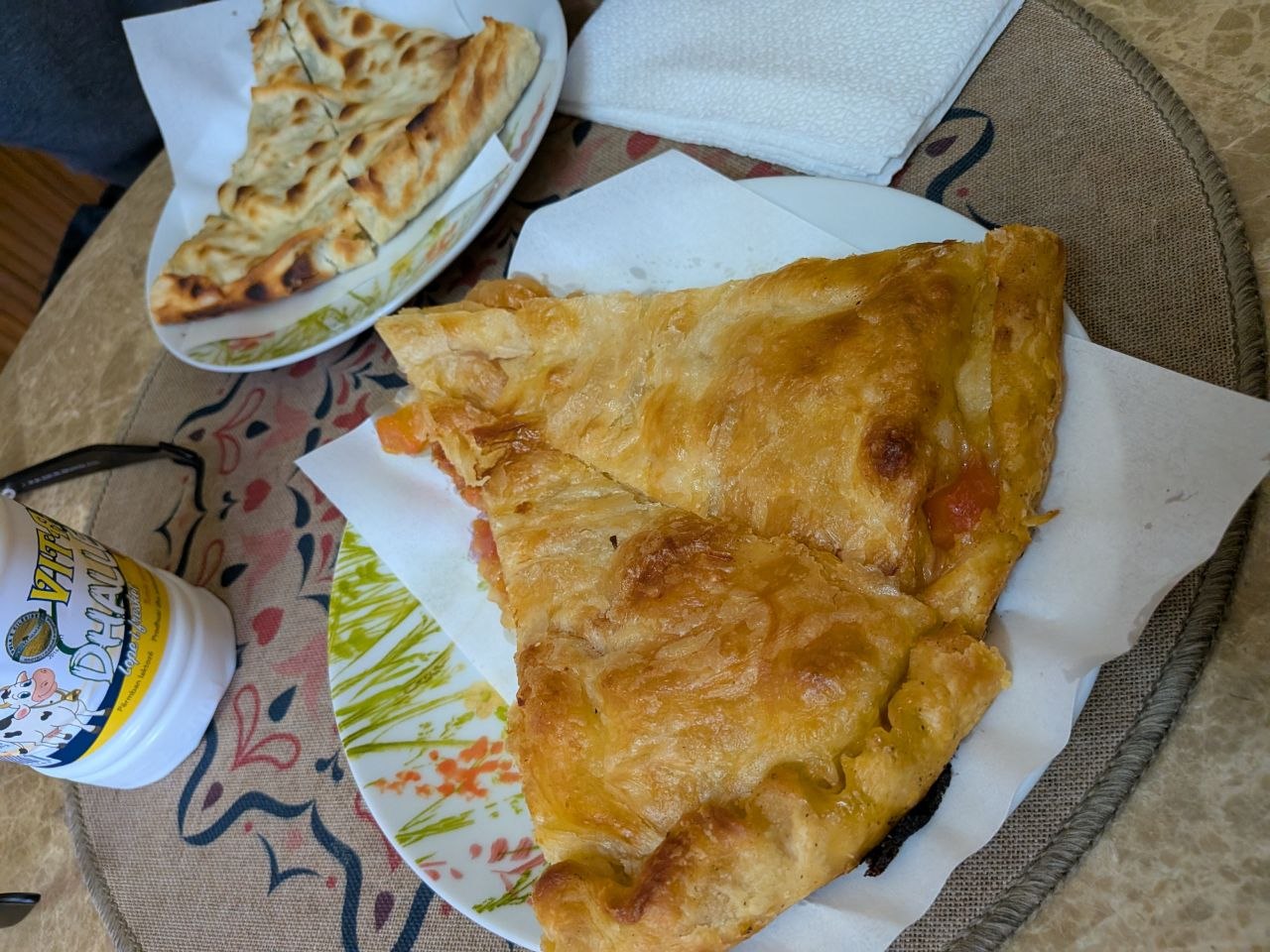
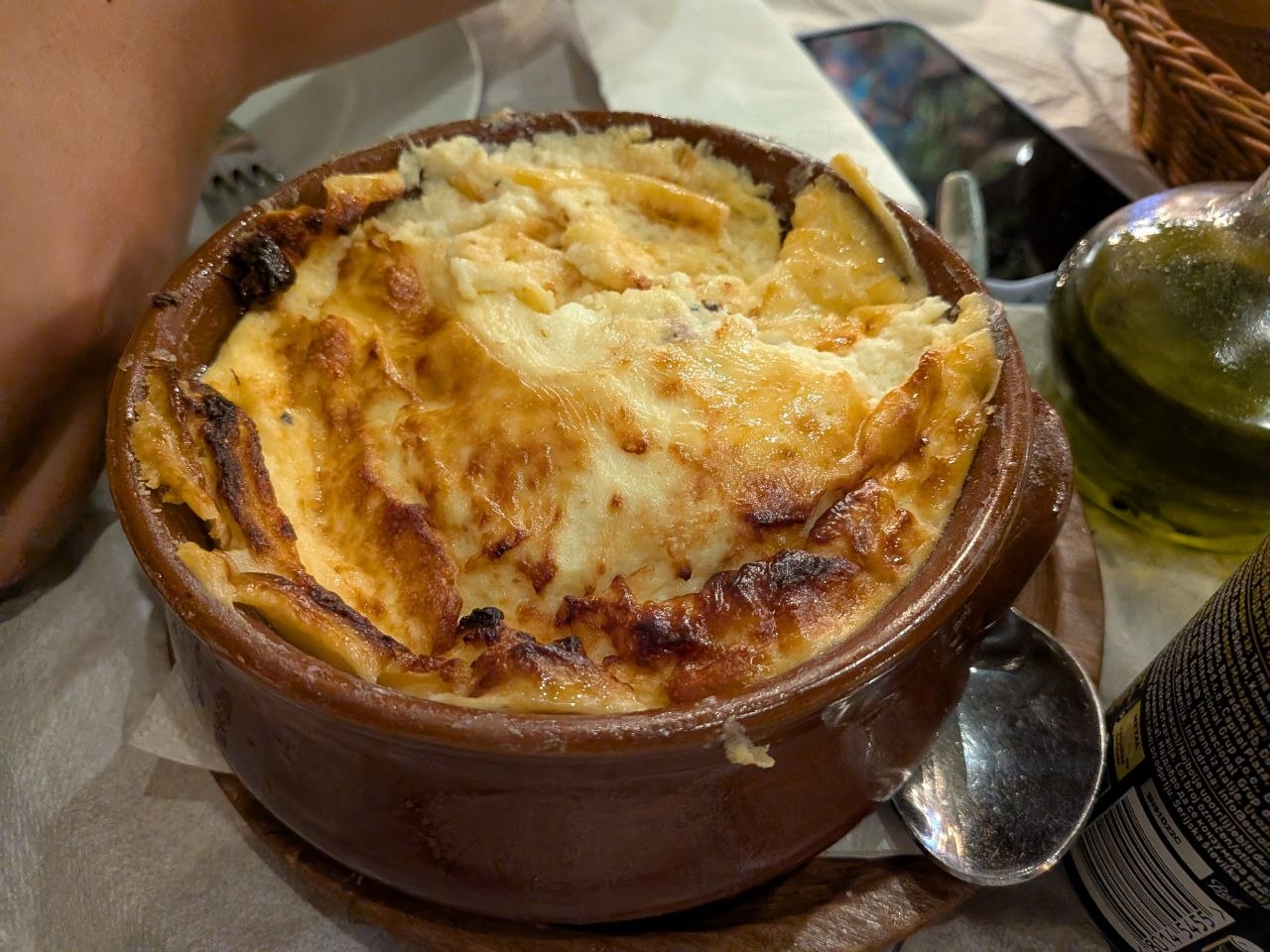
Tirana’s food scene blends traditional recipes with contemporary cafes and restaurants. A classic staple is byrek, flaky pastry filled with cheese, spinach, meat, or vegetables, often enjoyed as a quick snack from bakeries around the city. Many eateries also serve tavë kosi, an oven-baked dish of lamb or sometimes chicken with rice in a tangy yogurt and egg mixture that becomes golden and comforting when cooked.
To accompany meals, locals often drink dhallë, a refreshing yogurt-based beverage that is lightly salted and particularly welcome on hot days. Condiments and side dishes frequently feature ajvar, a roasted red pepper relish that adds sweetness and gentle smokiness to grilled meats, breads, and vegetable plates. Exploring neighborhood markets, casual grills, and modern bistros gives a good sense of how Tirana balances long-standing culinary traditions with a rapidly evolving dining culture.
Visiting Tips
Central Tirana is best explored on foot, with comfortable shoes recommended for long walks between the main square, Blloku district, and riverside areas. Public transport and taxis are widely available, but traffic can be dense at peak times, so it is worth allowing extra time for journeys to and from sights like Bunk’Art and the cable car. Many attractions close earlier on certain days, so checking opening hours in advance helps in planning museum and mosque visits.
Weather can change quickly, especially in shoulder seasons, making a light jacket or umbrella useful for sudden showers like those that can transform Skanderbeg Square into a mirror of reflections. Modest clothing is recommended when visiting mosques, and photography etiquette should be observed in religious and memorial spaces. In most central areas, card payments are widely accepted, but carrying some cash is helpful for small bakeries, kiosks, and local transport.
 Jumping Timezones
Leave a comment