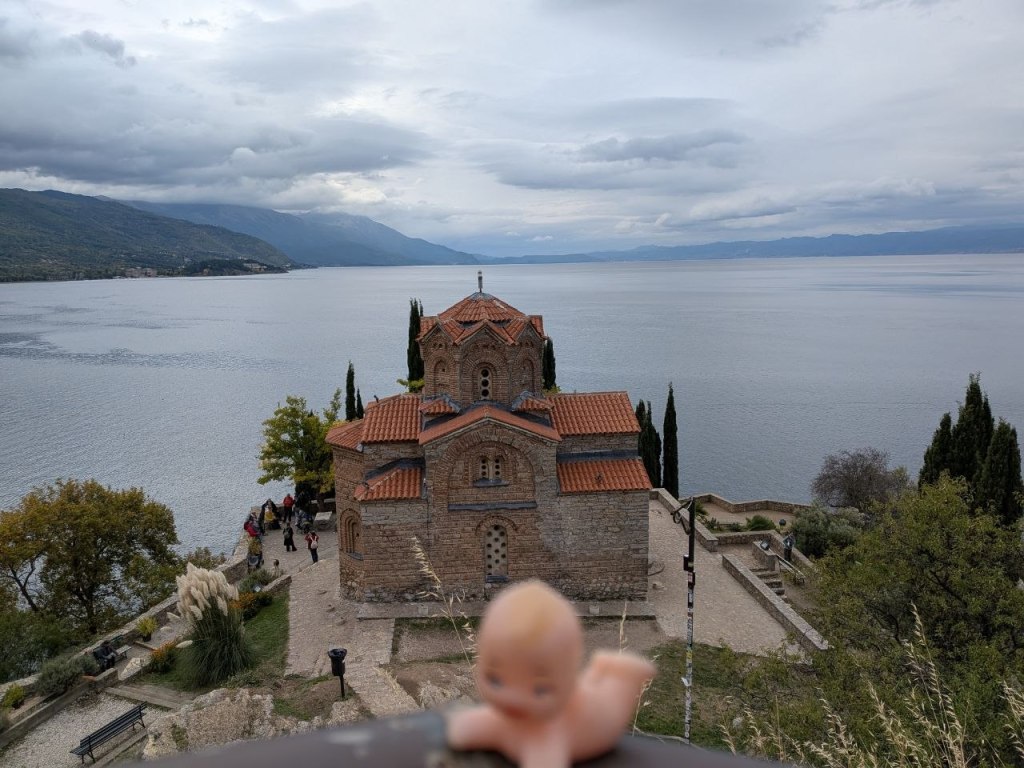
Ohrid is a historic lakeside town in southwestern North Macedonia, renowned for its unique combination of cultural and natural heritage. Together with nearby Lake Ohrid, the town forms a mixed UNESCO World Heritage Site recognized for its exceptionally well-preserved medieval architecture, ancient churches, and longstanding religious traditions. The area showcases cultural layers that span from classical antiquity through the Byzantine and Ottoman periods to the modern era.
Situated on the eastern shore of Lake Ohrid near the border with Albania, the town occupies a strategic position along historic trade and pilgrimage routes in the Balkans. Archaeological findings indicate continuous human presence dating back to prehistoric times, and Ohrid is often described as one of the oldest human settlements in Europe. Its layered history is visible in its fortifications, churches, and traditional houses that cascade down the hillside toward the lake.
Lake Ohrid — the Lake Itself
Lake Ohrid is one of Europe’s oldest and deepest lakes, with a maximum depth of around 288 meters and an average depth of over 150 meters. Its waters are known for their clarity, often allowing underwater visibility of several meters, thanks to a slow renewal rate and minimal pollution. The lake’s age and isolation have created a unique ecosystem that supports a high level of endemism.
The lake is home to numerous endemic species, including the well-known Ohrid trout (Ohridska pastrmka), as well as distinctive mollusks and other aquatic life found nowhere else in the world. Fishing, boating, and tourism linked to the lake are central to the town’s identity and economy. Lakeside promenades, beaches, and waterfront restaurants emphasize the close relationship between daily life in Ohrid and the surrounding waters.
Churches & Byzantine Heritage
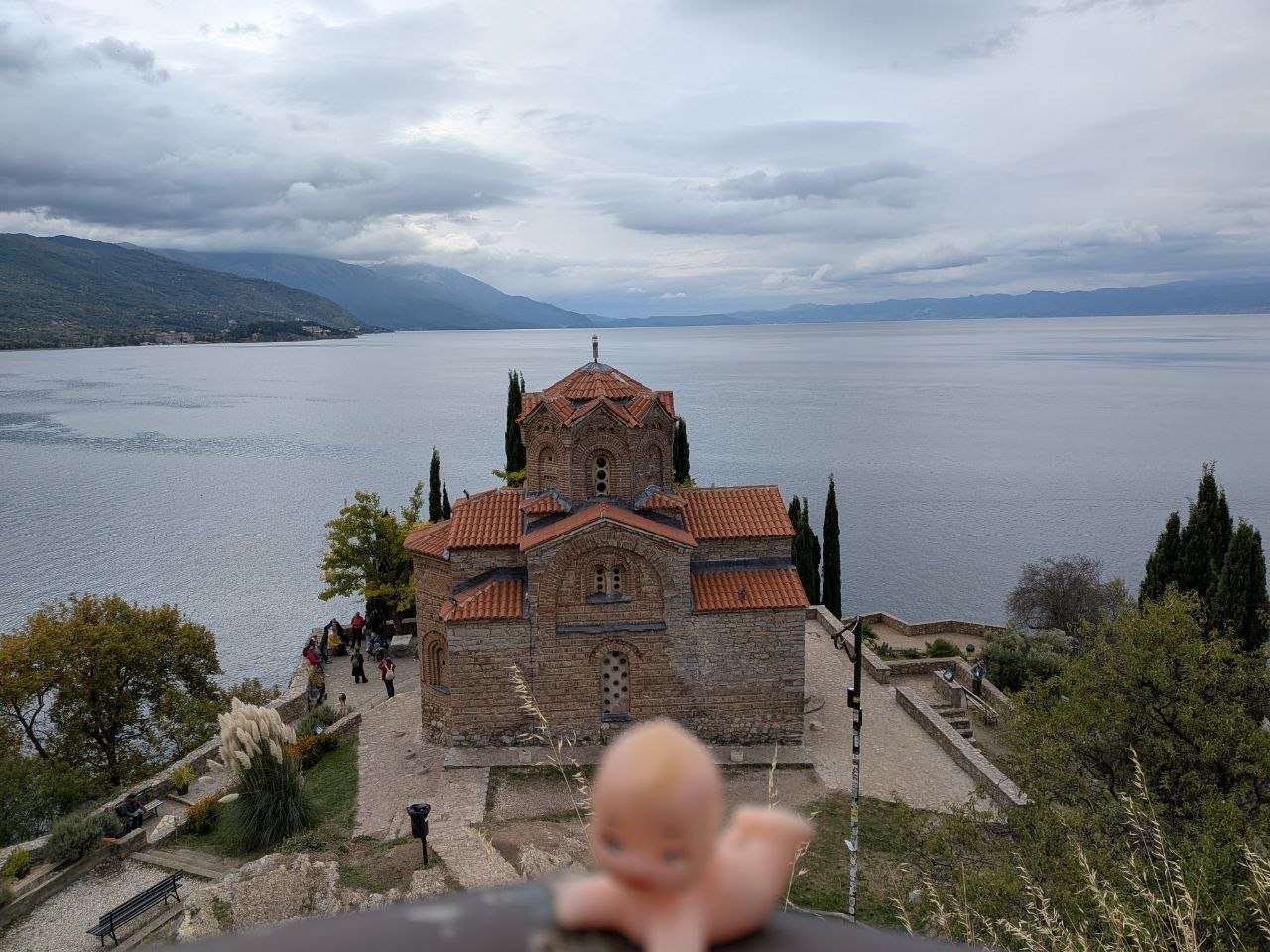
Ohrid is frequently referred to as the “Balkan Jerusalem” due to its historically large number of churches and monasteries. Among the most iconic is the Church of St. John at Kaneo, perched dramatically on a cliff above the lake. Its stone architecture and terracotta-tiled roof, set against open water and mountain views, make it one of the most photographed landmarks in North Macedonia and a symbol of the town’s spiritual heritage.
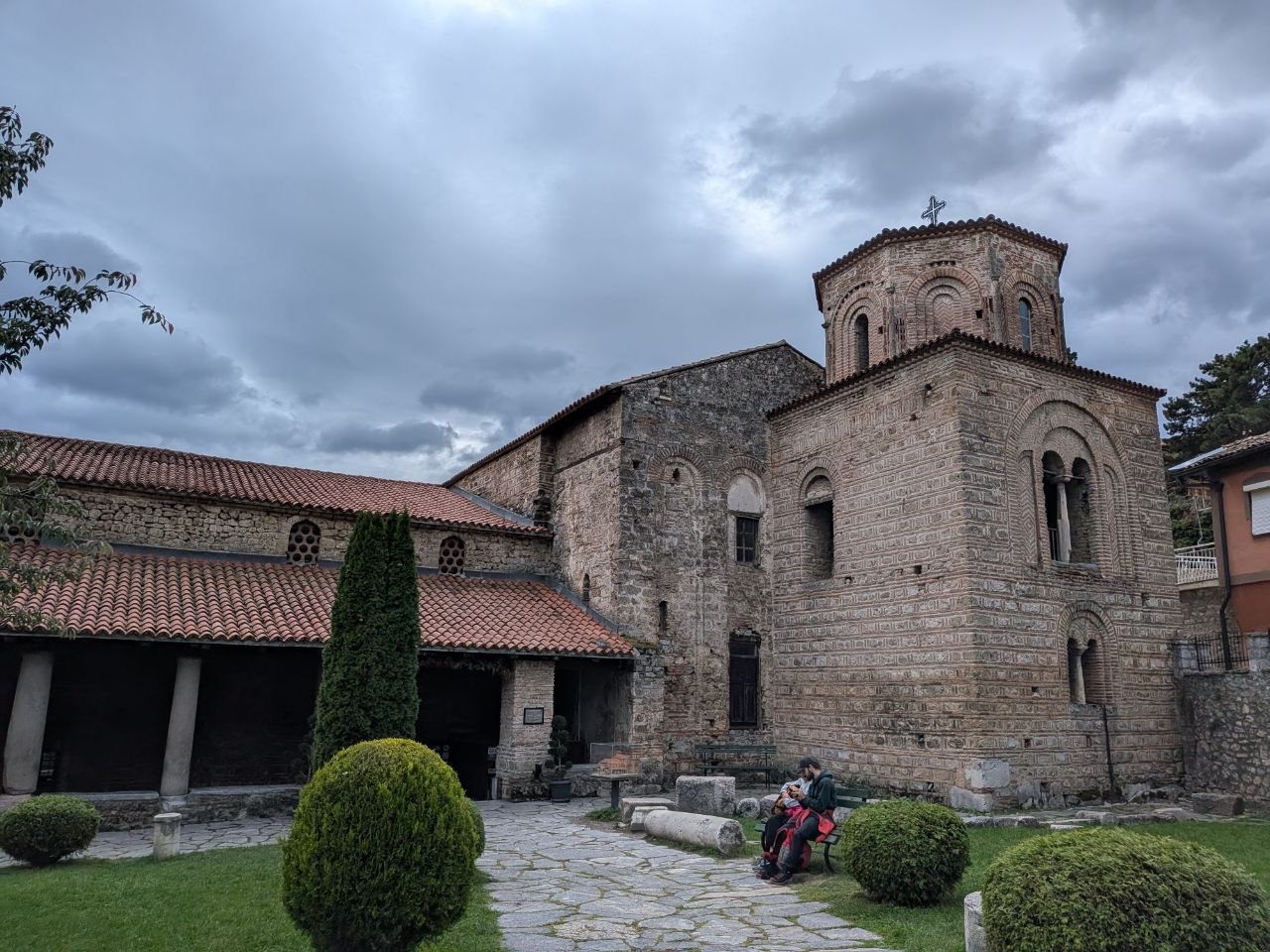
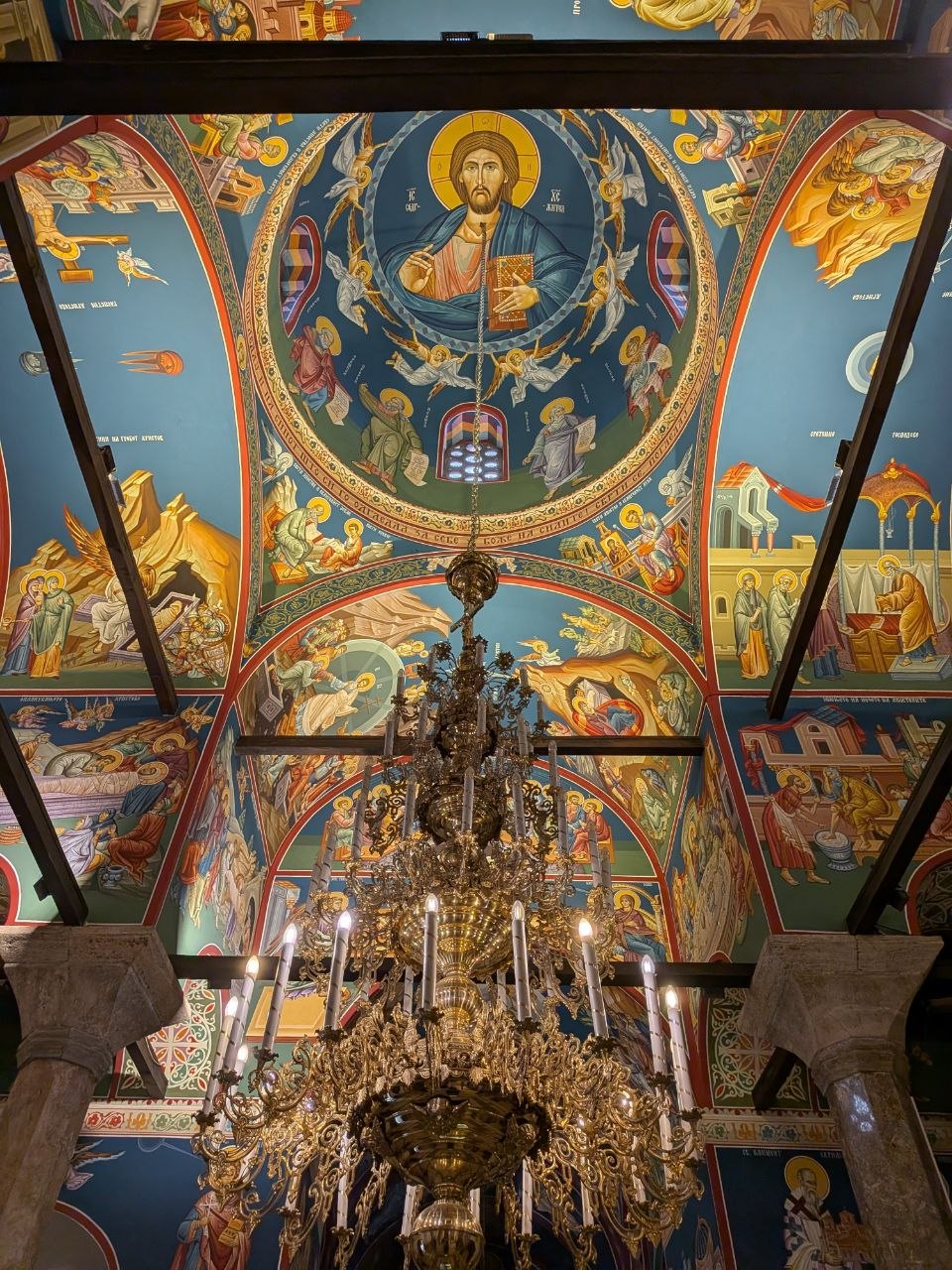
The Church of Saint Sophia, located in the old town, is one of the most important medieval monuments in the country. It is renowned for its interior frescoes, which date mainly from the 11th to the 13th centuries and offer valuable insight into Byzantine religious art. Nearby, St. Clement’s Church at Plaošnik stands on the site of one of the oldest Slavic universities, associated with Saints Clement and Naum of Ohrid.
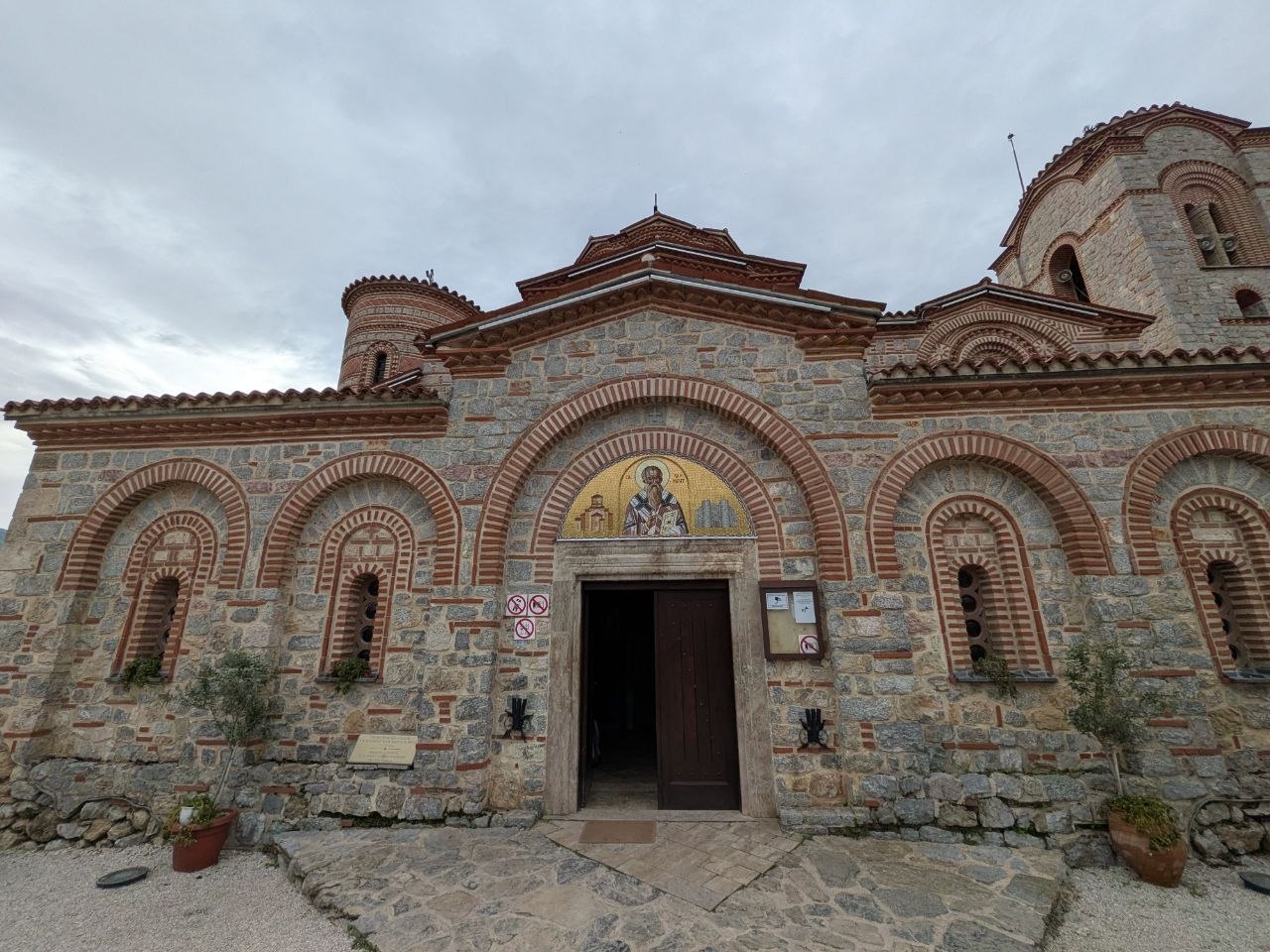
St. Clement’s Church at Plaošnik is notable for its striking mosaic-adorned exterior surfaces and reconstructed interior with vivid frescoes. Archaeological remains around the church reveal layers of earlier basilicas and structures, underscoring Ohrid’s long-standing role as a regional religious and scholarly center. Together, these churches illustrate the town’s continuous Christian tradition and its importance in the spread of literacy and Slavic liturgy.
Samuel's Fortress
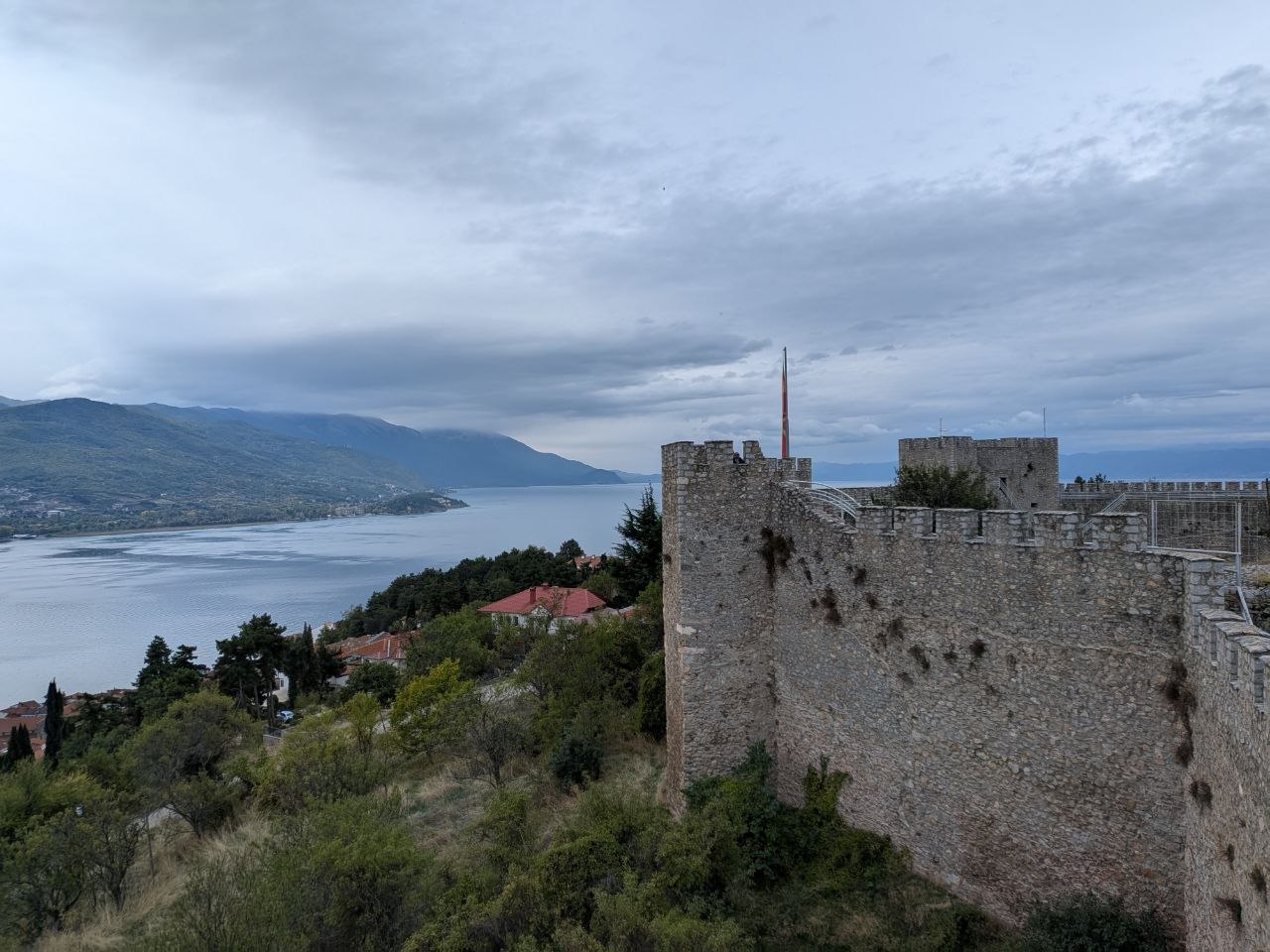
Samuel’s Fortress dominates the skyline above Ohrid’s old town, occupying the hill where the ancient city of Lychnidos once stood. The current fortifications largely date from the late 10th and early 11th centuries, when Tsar Samuel of the First Bulgarian Empire established Ohrid as a political and military stronghold. The thick stone walls and defensive towers reflect the strategic importance of the town during this period.
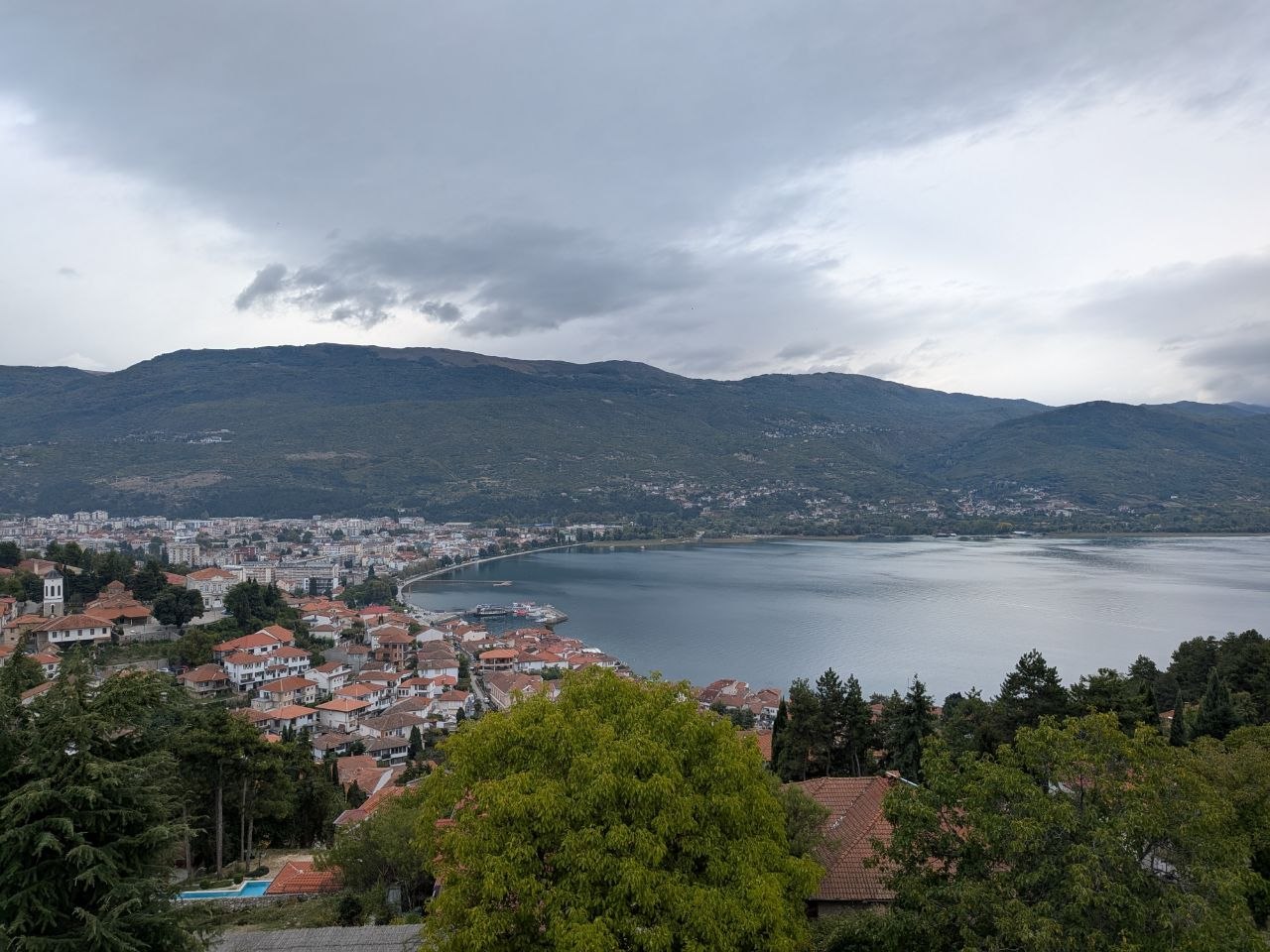
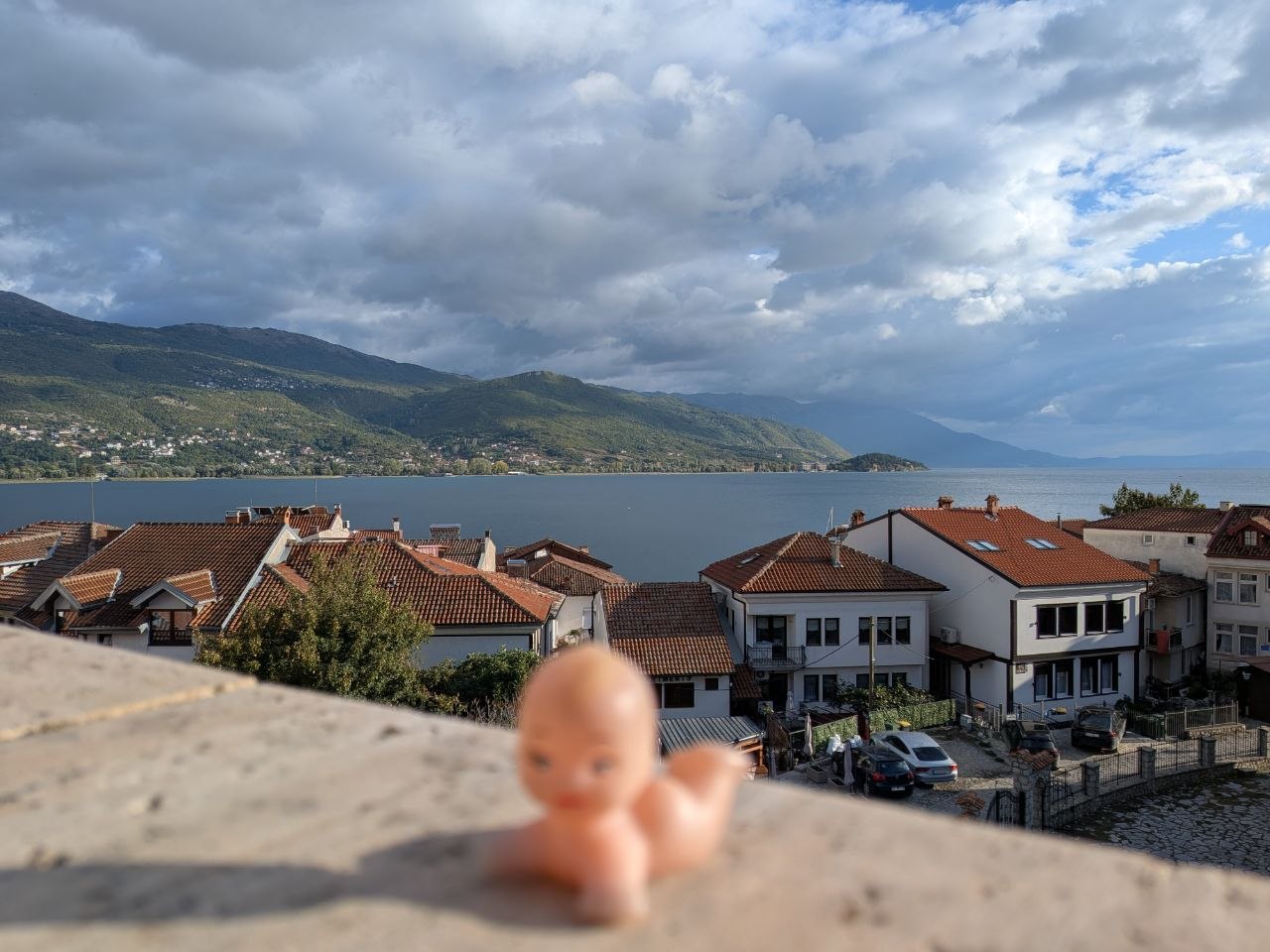
Today, visitors can walk along sections of the restored ramparts and explore the remains of gates and towers that once protected the medieval city. The fortress offers panoramic views over Lake Ohrid, the red-roofed houses of the old town, and the surrounding mountains. These vantage points help illustrate how geography, defense, and trade routes shaped the development of Ohrid over the centuries.
Old Town & Waterfront
Ohrid’s old town is characterized by narrow cobbled streets lined with traditional Ottoman-era houses, many featuring overhanging upper floors and wooden balconies. Small squares, courtyards, and stairways create a compact urban fabric that invites exploration on foot. Historic buildings, artisan shops, and small museums are interspersed with churches and archaeological sites, reflecting the town’s layered past.
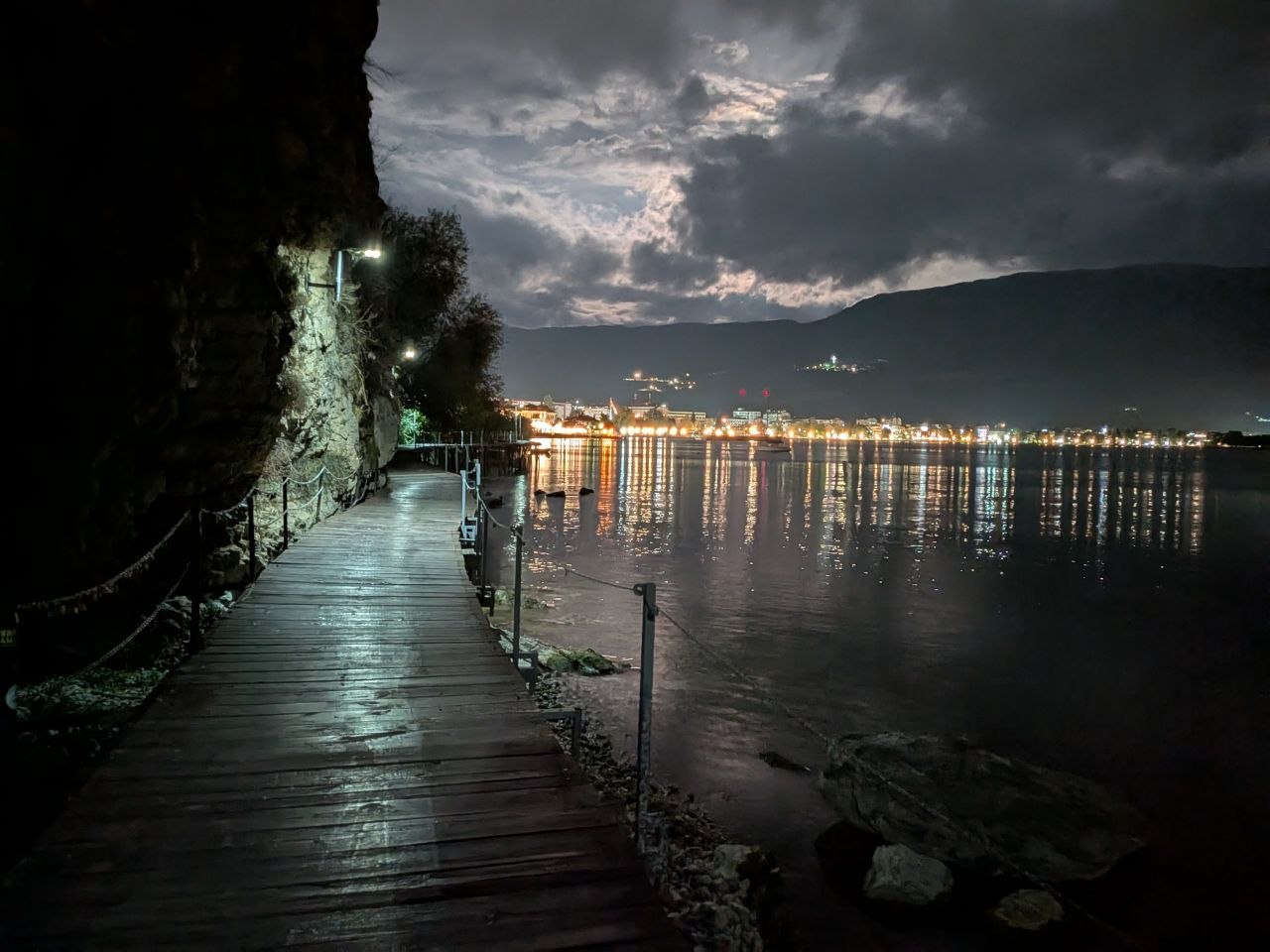
The lakefront is defined by a scenic waterfront promenade and boardwalk that connect the old town to nearby beaches and bays. In the evening, the area becomes particularly atmospheric as the lights of lakeside cafes and restaurants reflect on the water. The combination of historic architecture, lakeside views, and a relaxed pedestrian environment contributes to Ohrid’s reputation as one of the most picturesque towns in the region.
Food & Local Flavors
Ohrid’s culinary scene highlights both local lake specialties and broader Macedonian cuisine. Ohrid trout (pastrmka) is one of the most emblematic dishes, traditionally prepared grilled or baked and often served simply with lemon, herbs, and seasonal vegetables. Along the waterfront, many restaurants specialize in grilled fish platters that feature a selection of lake fish accompanied by salads, bread, and regional side dishes.
Local wines from North Macedonian vineyards commonly feature on menus, with both red and white varieties pairing well with the region’s grilled fish and hearty traditional meals. Classic dishes such as tavče gravče, a slow-baked bean casserole seasoned with paprika and herbs, illustrate the comfort-food character of Macedonian home cooking. Meze-style spreads with cheeses, roasted peppers, and fresh salads further showcase local ingredients and hospitality.
Visiting Tips
The most popular time to visit Ohrid is from late spring to early autumn, when temperatures are warm and lake activities are in full swing. July and August are the busiest months, especially during cultural festivals, while May, June, and September often offer pleasant weather with fewer crowds. In cooler months, the town is quieter but still appealing for visitors interested in history, religion, and heritage.
Ohrid is typically reached from Skopje by bus or car, with the journey taking approximately three hours. Once in town, most major sights in the old quarter are accessible on foot, though some routes involve steep streets and stairways. Comfortable footwear is recommended for exploring Samuel’s Fortress, Plaošnik, and the various church sites.
During summer, designated swimming areas along the lakefront and nearby beaches provide opportunities to enjoy the clear waters of Lake Ohrid. Visitors planning to swim should note that the lake can remain relatively cool even in hot weather due to its depth. For photography, early morning and late afternoon light are ideal for capturing St. John at Kaneo, when the sun’s angle highlights the church, cliffs, and surrounding water without harsh glare.

 Jumping Timezones
Leave a comment