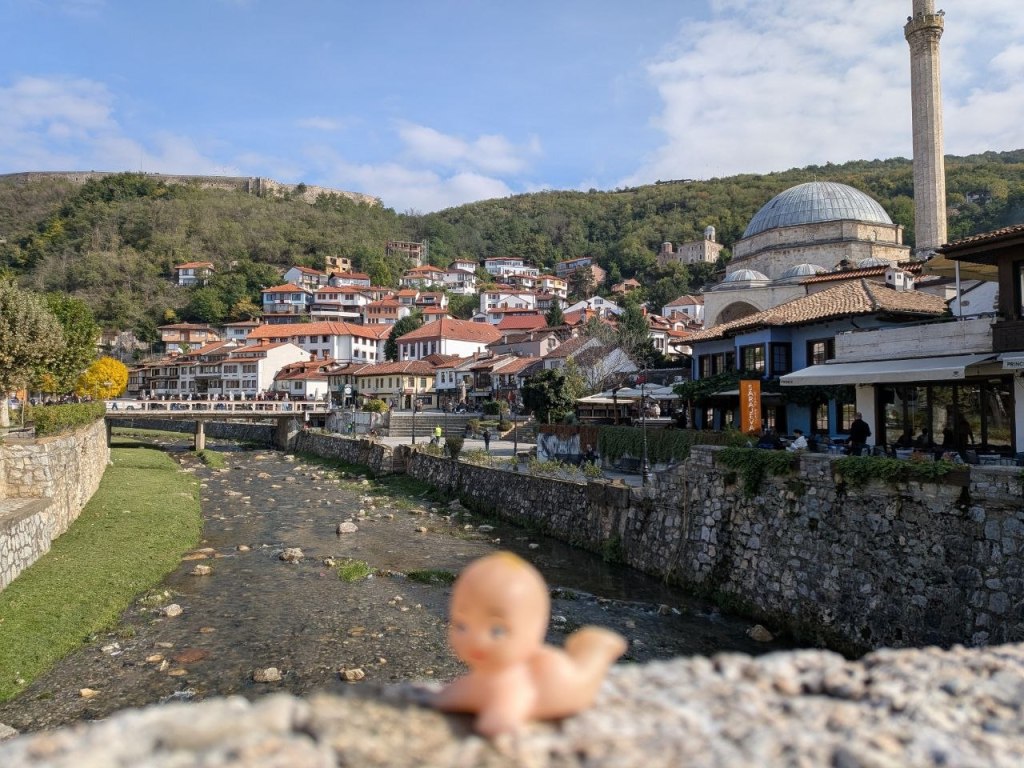
Prizren is a historic city in southern Kosovo, set on the banks of the Bistrica River at the foot of the Šar Mountains. Its compact center spreads out along the river valley, with steep hills rising on either side and mountain peaks forming a dramatic backdrop to the urban landscape.
Often described as Kosovo’s cultural capital, Prizren is known for its mix of religious monuments, traditional craftsmanship, and lively street life. The city’s Ottoman-era old town, with its mosques, churches, stone bridges, and merchant houses, is remarkably well preserved and offers one of the most intact historic urban ensembles in the region.
Prizren Fortress
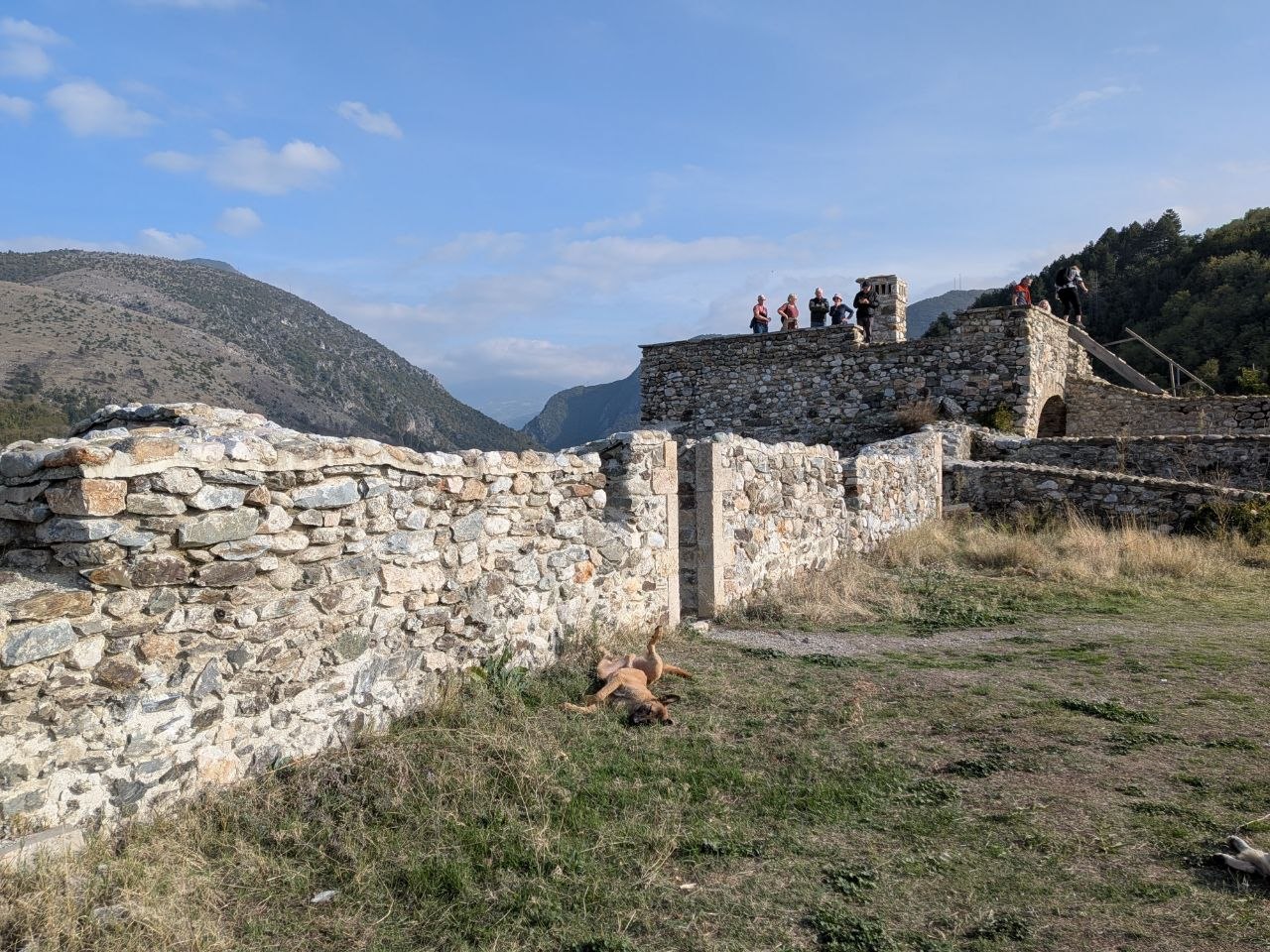
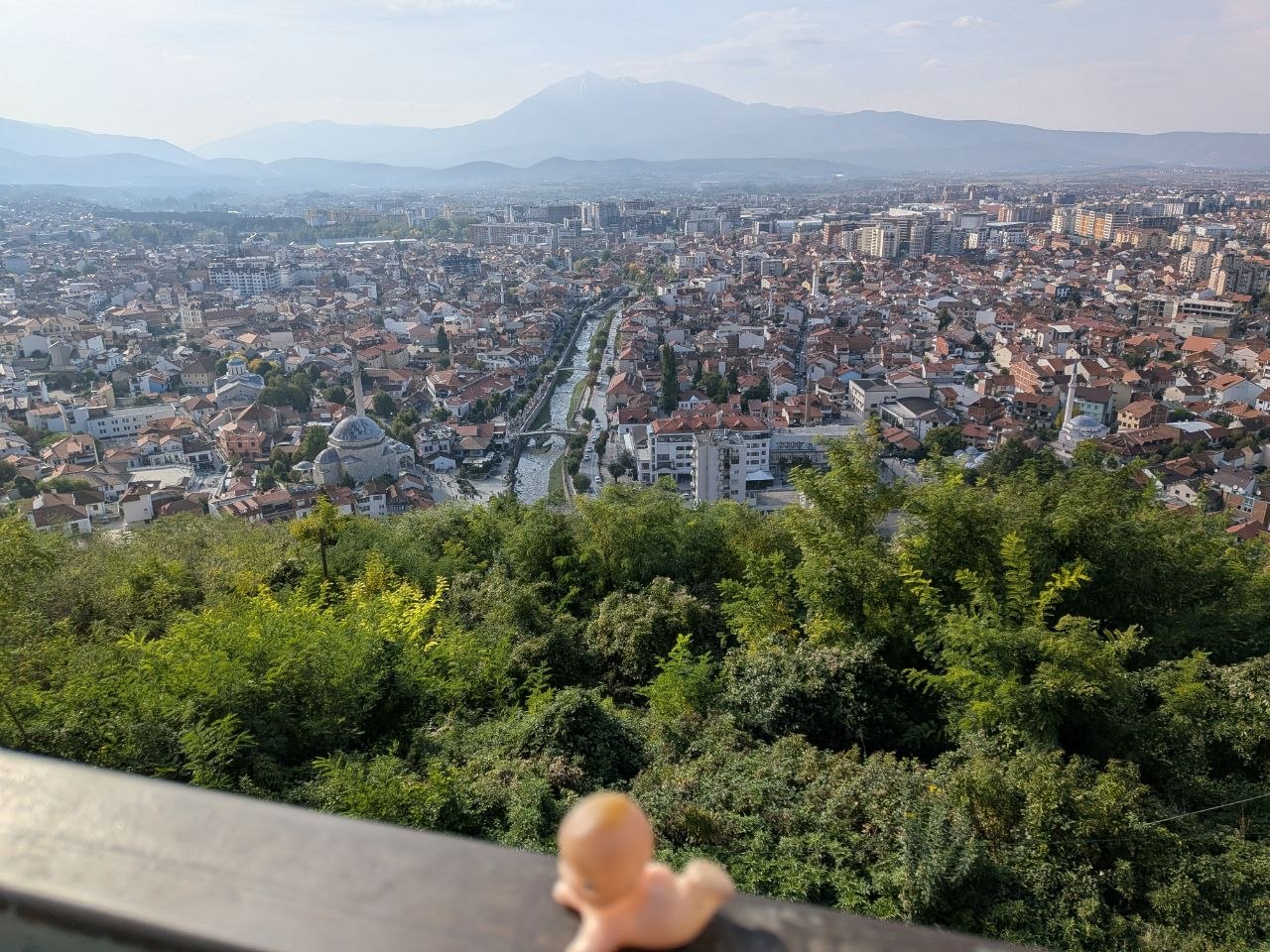
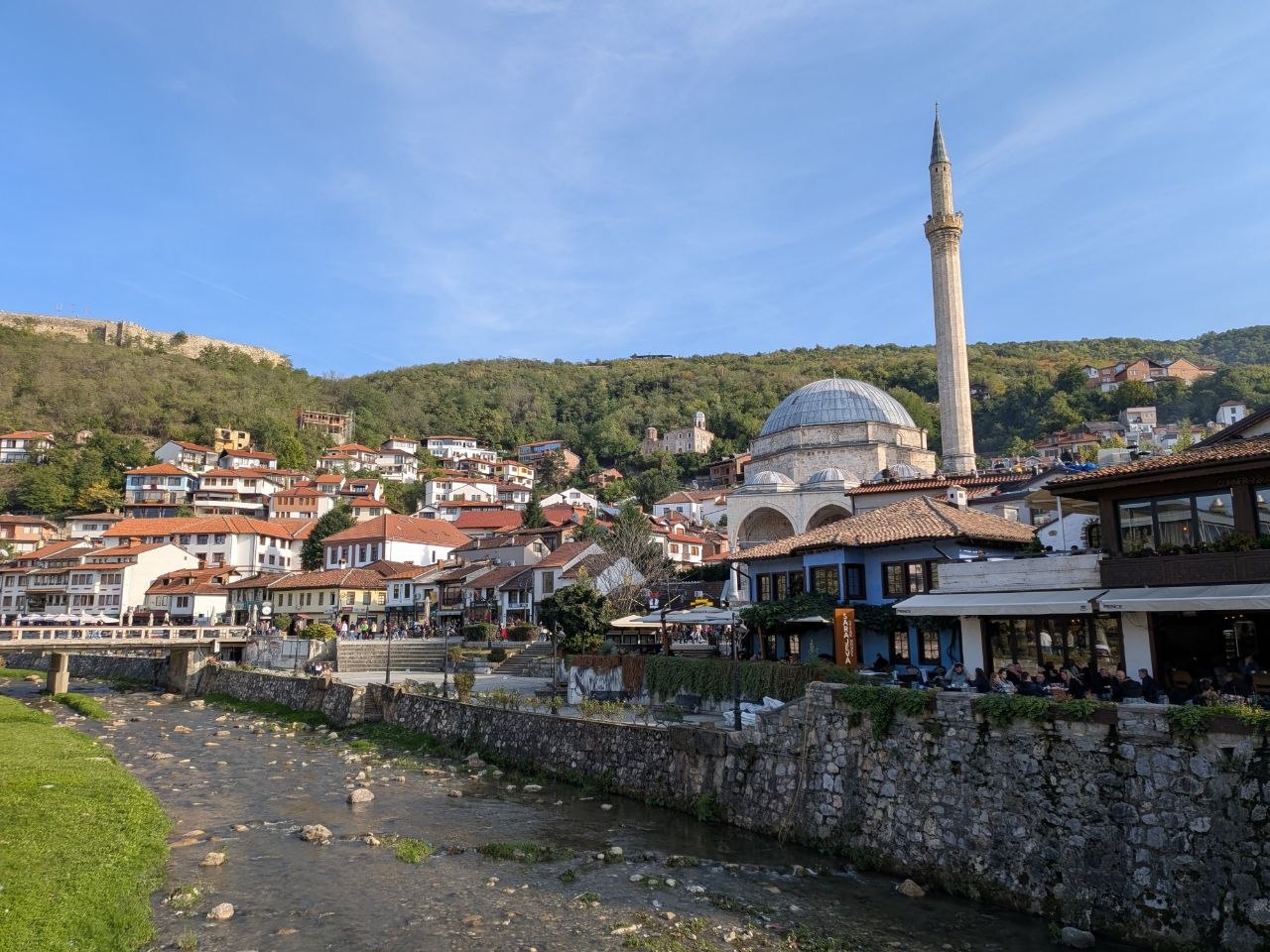
Prizren Fortress, also known as Kalaja, crowns the hill overlooking the city and provides a commanding view of the Bistrica River and surrounding mountains. The site has Byzantine and medieval Serbian origins, later expanded and modified under Ottoman rule to serve changing defensive needs. From the ruined walls and restored sections of the fortress, visitors can enjoy sweeping panoramic views across Prizren’s red-tiled rooftops, mosque minarets, church towers, and the distant Šar Mountains.
Ottoman Old Town & the Bistrica River
The Ottoman old town of Prizren is characterized by narrow cobblestone streets, low stone and brick houses, and small workshops that reflect centuries of artisan activity. The historic arched stone bridge over the Bistrica River is one of the city’s most recognizable landmarks, linking the riverbanks and framing classic views of the fortress and minarets above. Cafes and restaurants line the riverfront, housed in traditional and early modern buildings whose architecture reveals layers of Prizren’s Ottoman, Balkan, and later Yugoslav history.
Sinan Pasha Mosque
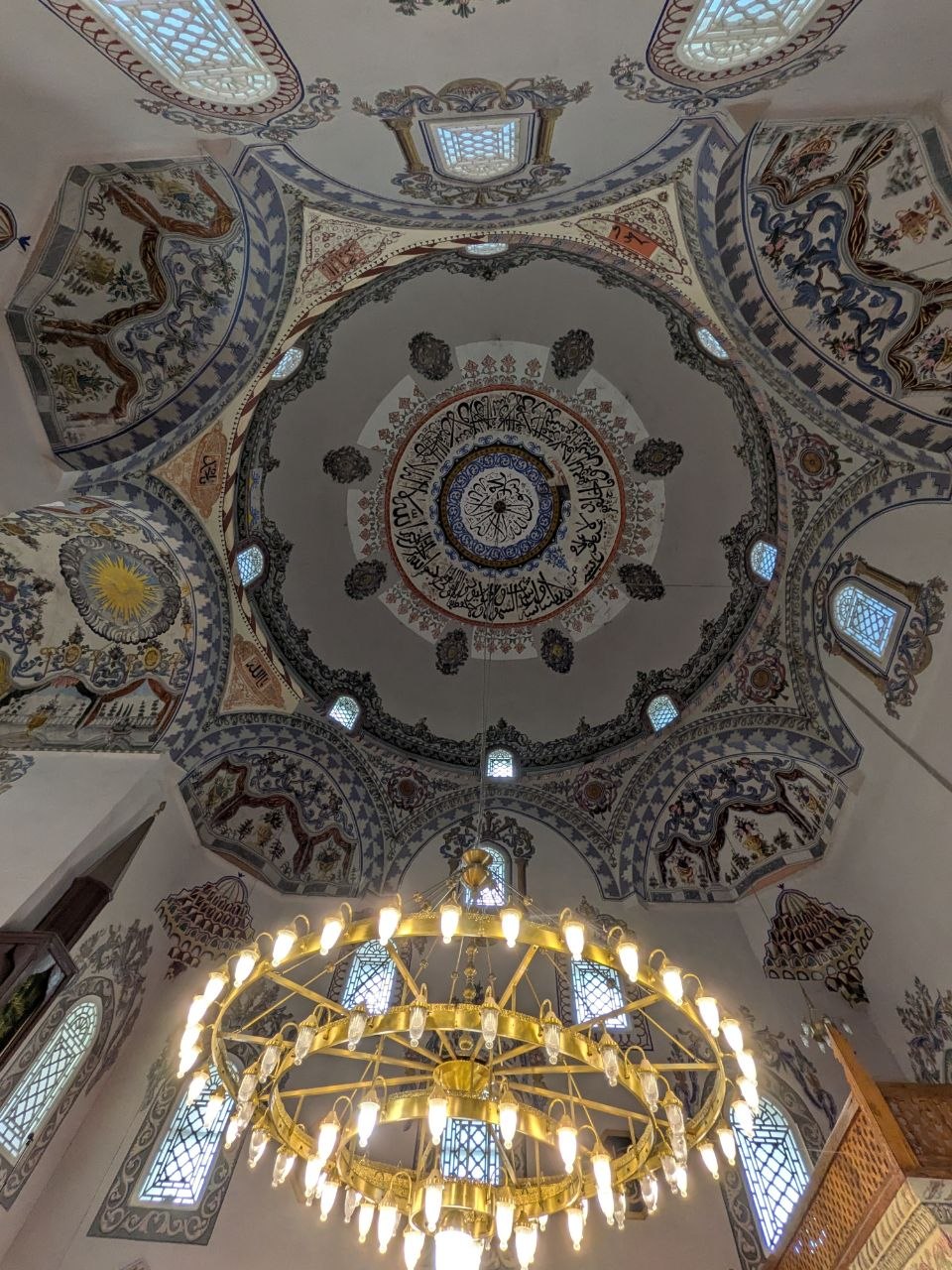
The Sinan Pasha Mosque is one of the most prominent Ottoman mosques in the Balkans and a defining feature of Prizren’s skyline. Built in the early 17th century, it is noted for its large dome, elegant minaret, and carefully proportioned prayer hall. Inside, visitors can see a richly painted interior with decorative motifs on the dome and walls, along with a central chandelier that illuminates the space and highlights the detailed calligraphy and ornamentation.
Church of Our Lady of Ljeviš
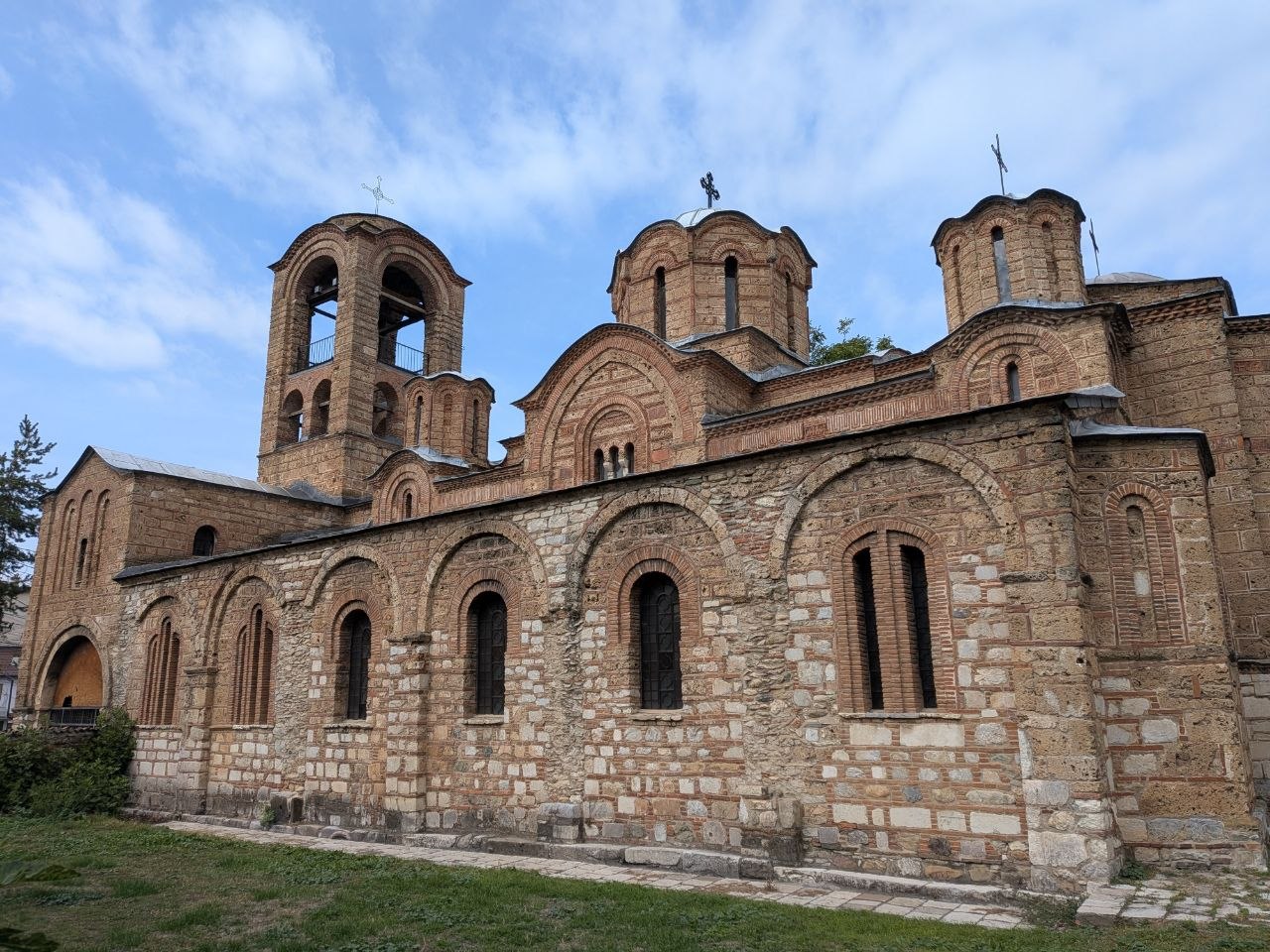
The Church of Our Lady of Ljeviš is a UNESCO World Heritage-listed Serbian Orthodox church dating from the early 14th century. It preserves important medieval frescoes that illustrate the artistic achievements of the period and provide insight into the religious and cultural life of medieval Kosovo. During the Ottoman era, the church was converted into a mosque, and its later reconsecration as a church reflects the complex and layered history of faith, identity, and heritage in Prizren.
Food & Local Flavors
Prizren offers a representative taste of traditional Kosovar cuisine, with many dishes served in simple family-run restaurants and riverside eateries. Local specialties include flija, a layered crepe-like pastry slowly baked and served with dairy accompaniments, and qebapa, small grilled meat sausages typically served with fresh bread, onions, and condiments. Strong coffee culture is an important part of daily life, and visitors often linger over espresso or Turkish-style coffee at cafes along the Bistrica riverfront, watching the flow of pedestrians and city life.
Visiting Tips
Prizren’s old town is compact and highly walkable, with most major sights located within a short distance of one another along the river and surrounding streets. The hike up to Prizren Fortress follows steep paths but rewards visitors with some of the best viewpoints over the city, especially around sunset when the rooftops and mountains are bathed in warm light. Regular buses and shared taxis connect Prizren with Pristina, making it accessible as a day trip or an extended stay. In the evening, the main square and riverfront become especially lively, with residents and visitors gathering in cafes and open-air seating areas, contributing to a vibrant and welcoming atmosphere.
 Jumping Timezones
Leave a comment