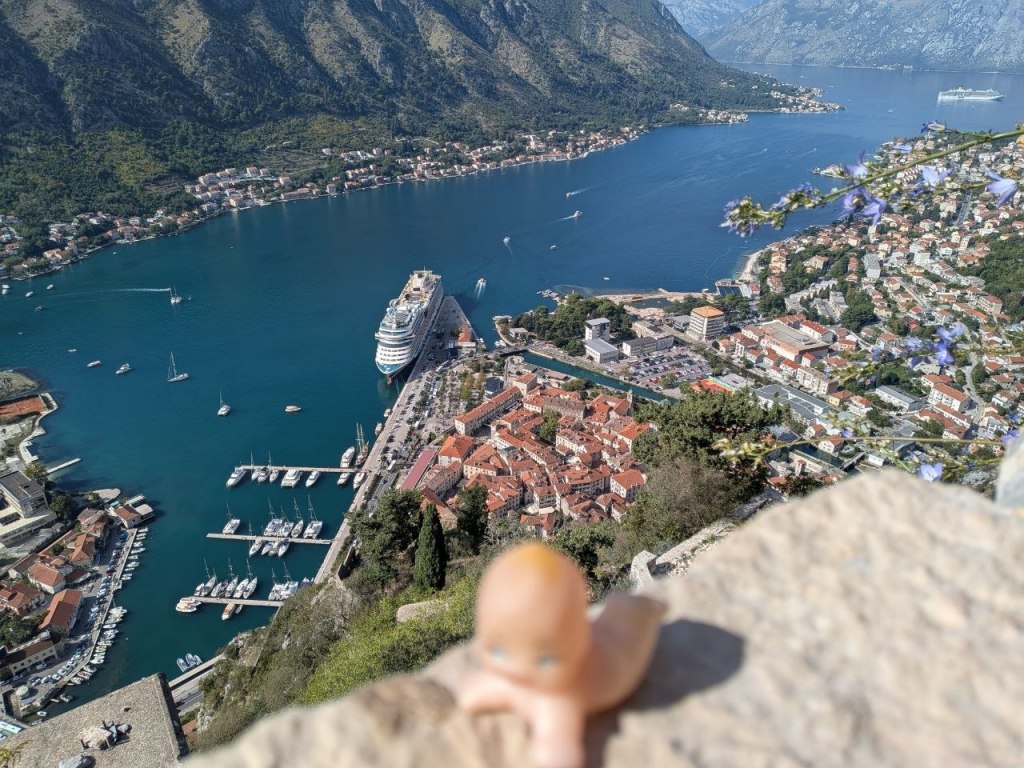
Kotor is a coastal town in southwestern Montenegro, situated at the innermost point of the Bay of Kotor (Boka Kotorska), a deep, sheltered inlet of the Adriatic Sea. Enclosed by steep limestone mountains and fronted by calm waters, the town occupies a strategic natural harbor that has long served as an important maritime and trading hub on the eastern Adriatic coast.
The historic core of Kotor is a UNESCO World Heritage-listed medieval old town, recognized for its well-preserved urban fabric and complex history. Its architecture and cultural heritage reflect centuries of Venetian, Byzantine, and later influences, visible in its fortified walls, churches, palaces, and narrow streets that developed under various Mediterranean maritime powers.
The Old Town & City Walls
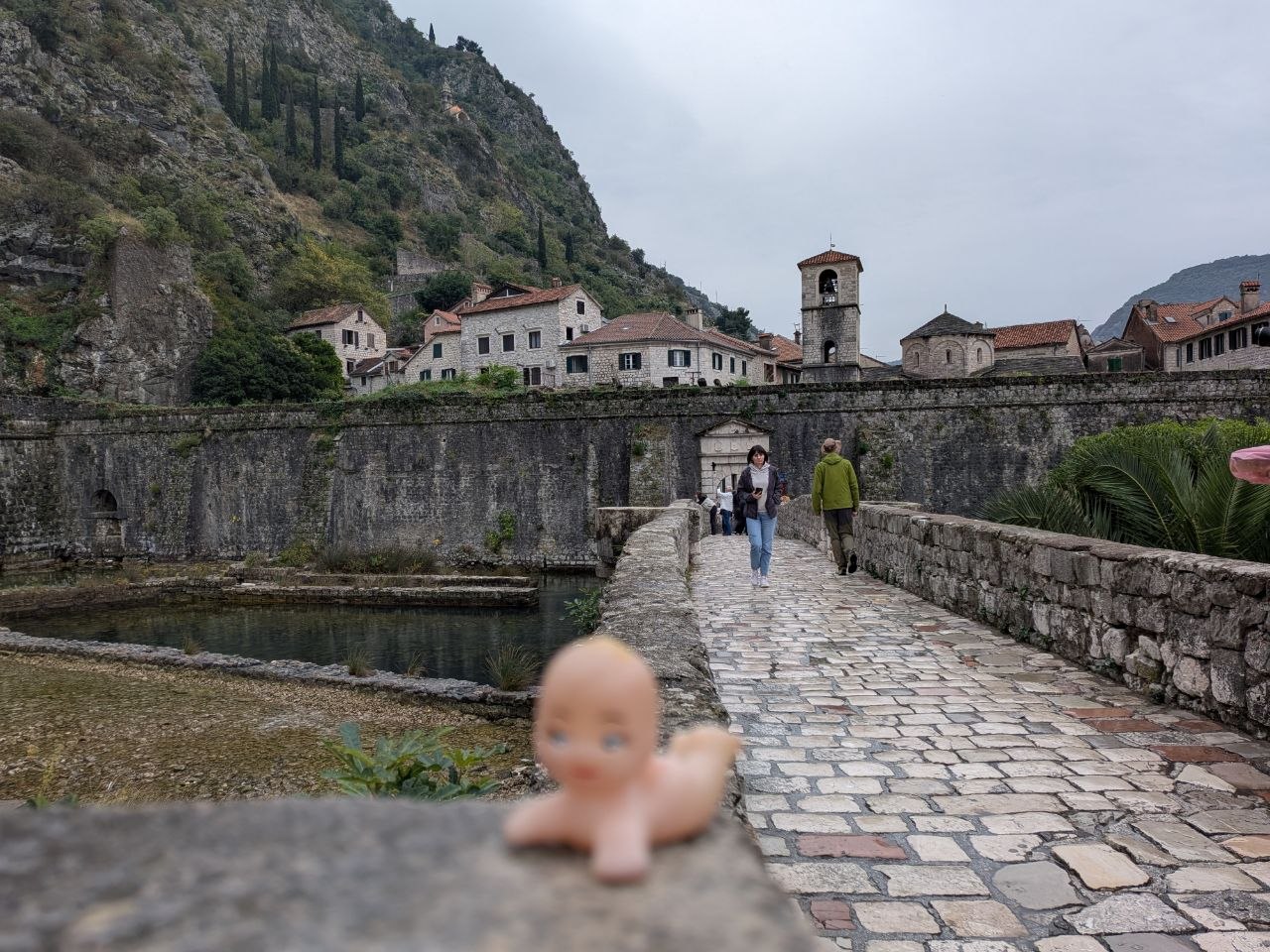
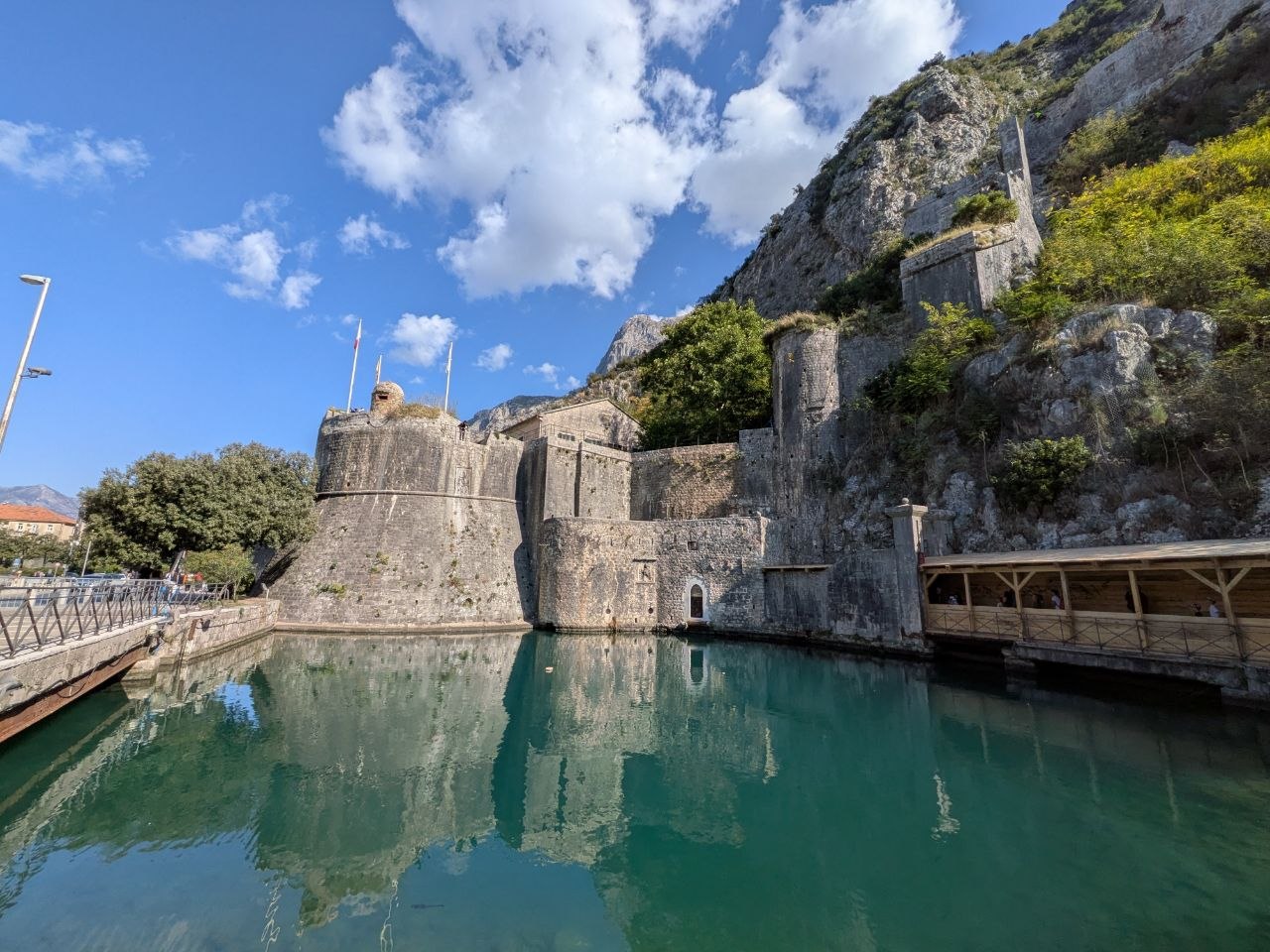
Kotor’s old town is one of the best-preserved medieval walled cities on the Adriatic, enclosed by stone fortifications that trace the line of the shoreline and the slopes above. Entry from the waterfront is through the Sea Gate, the main western entrance, which leads directly into the heart of the town and its network of historic streets and squares.
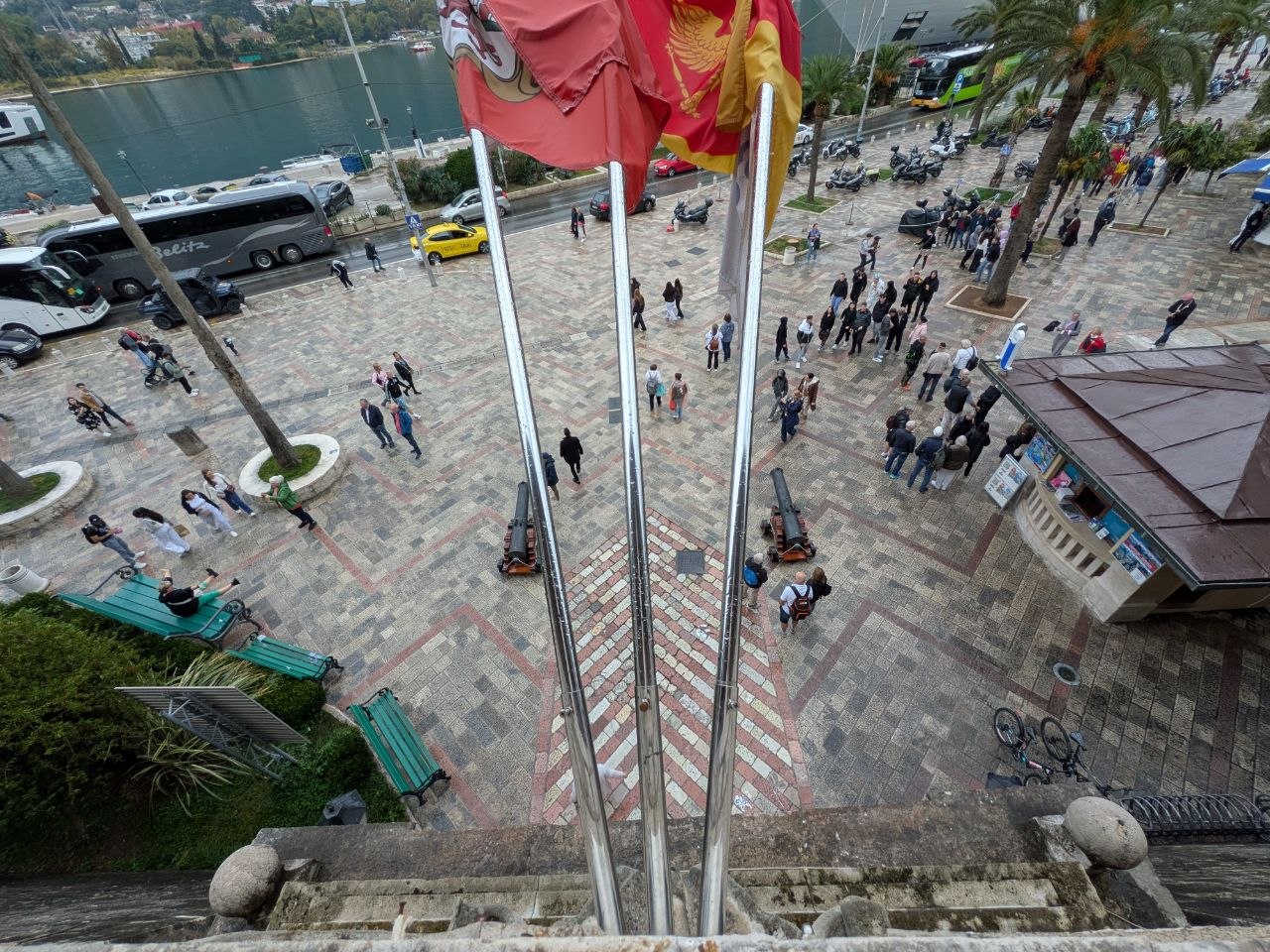
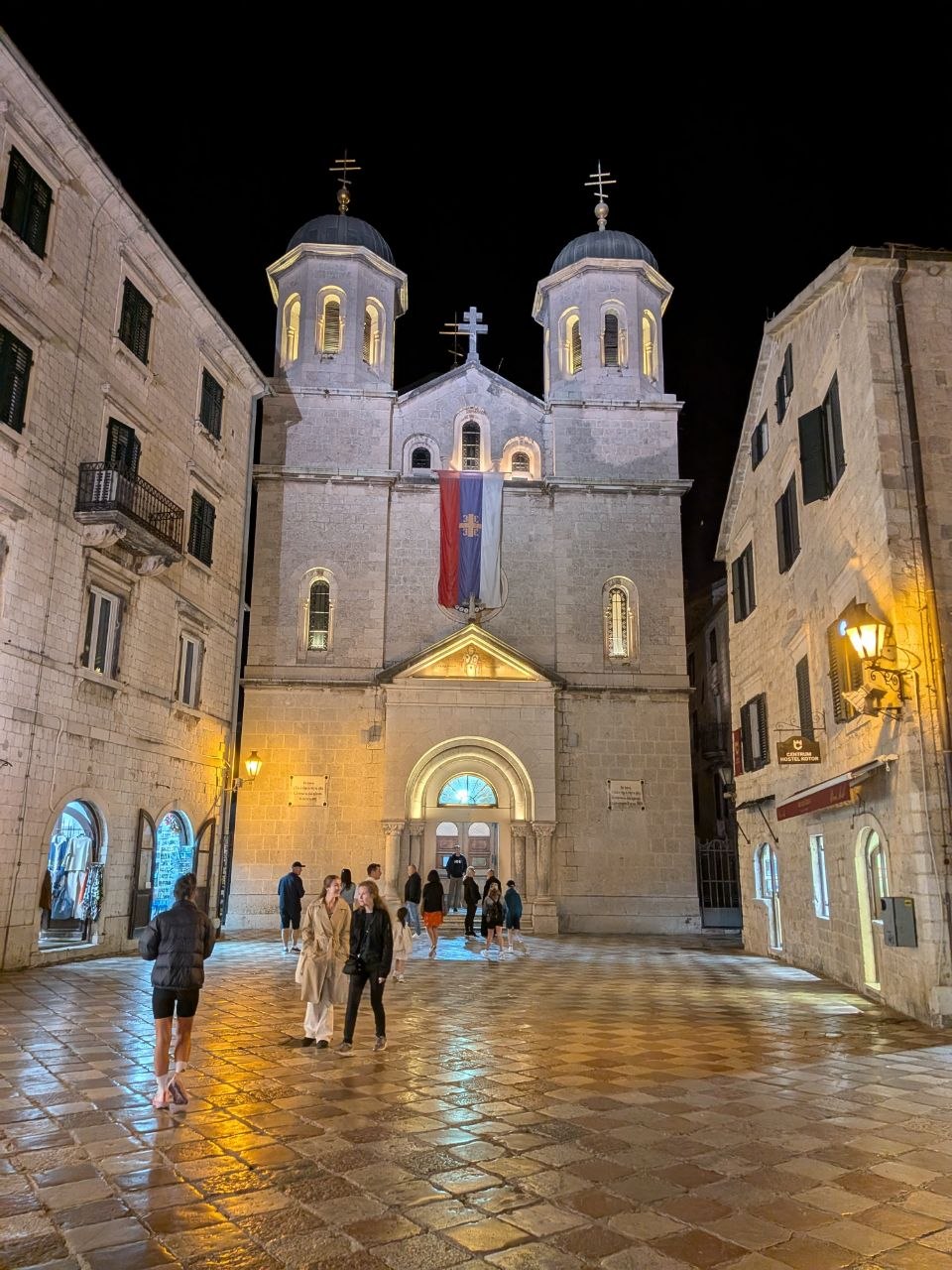
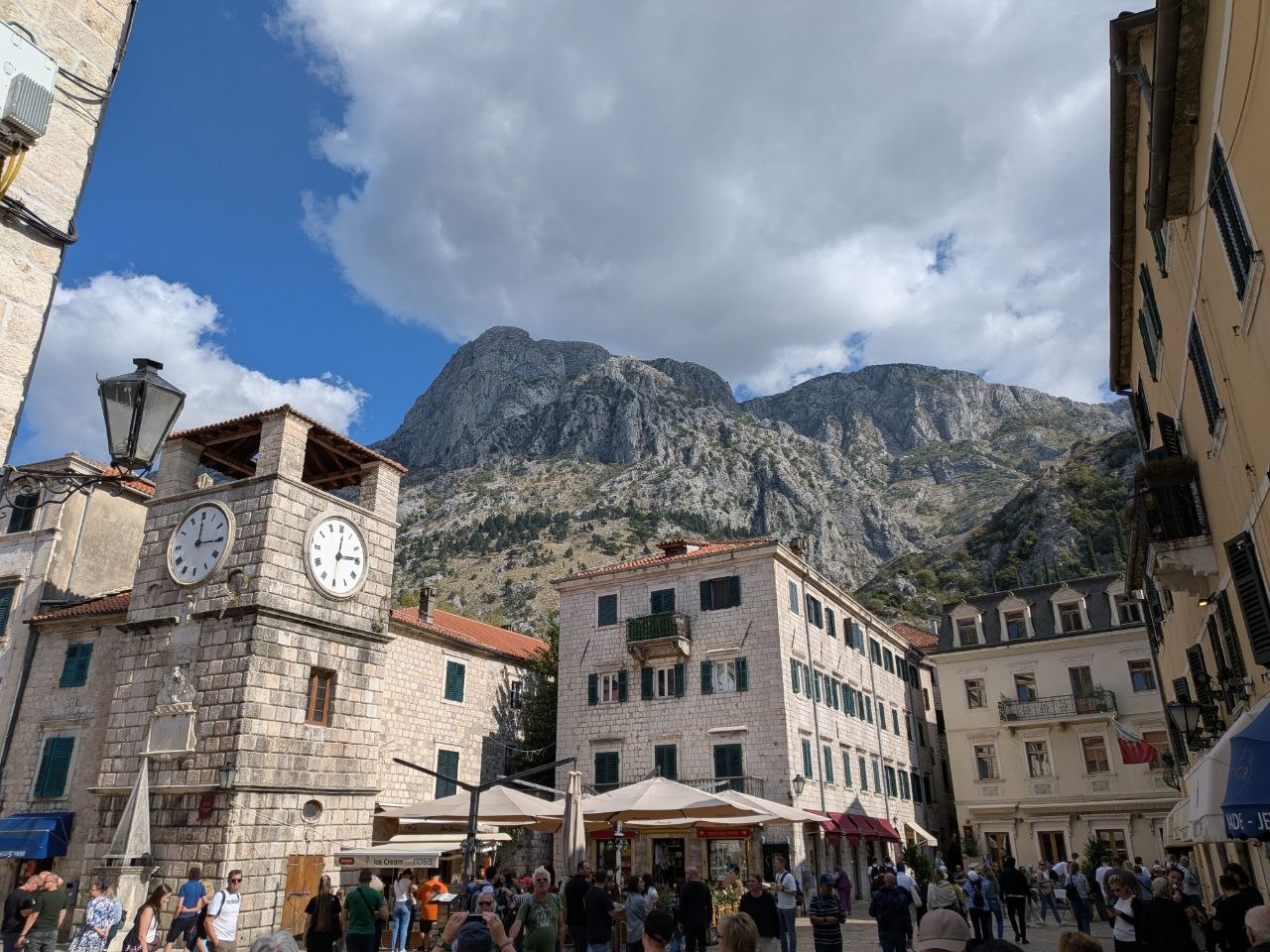
The principal gathering place is Arms Square (Trg od oružja), bordered by notable civic buildings, a clock tower, and former palaces. From here, a maze of narrow, labyrinthine lanes connects smaller squares, churches, and residential courtyards, while the defensive walls rise steeply up the hillside behind the town, forming an impressive backdrop both by day and when illuminated at night.
Fortress of San Giovanni
The Fortress of San Giovanni (St. John Fortress) crowns the rocky cliffs directly above Kotor’s old town, forming the uppermost part of the town’s defensive system. With medieval origins and later Venetian modifications, the stronghold guarded the approaches to the bay and provided a strategic vantage point over both land and sea routes.
A long stone staircase, often cited as having around 1,300 steps, climbs from the old town up through successive gates and ramparts to the fortress. From the upper terraces, visitors are rewarded with panoramic views over the Bay of Kotor, the terracotta rooftops of the old town, and the encircling mountains that frame the bay.
The Bay of Kotor
The Bay of Kotor is often described as fjord-like, with a series of deep, winding inlets surrounded by high, rugged peaks that drop sharply toward the water. Although technically a ria rather than a glacial fjord, it is regarded as one of the most dramatic and beautiful bays in the Mediterranean region.
Towns and villages ring the shoreline, and boat trips across the bay provide views of fortified settlements, waterfront churches, and small islands. Cruises and smaller local boats connect Kotor with nearby coastal communities, offering perspectives on the bay’s natural setting and historical landmarks from the water.
Cathedral of Saint Tryphon
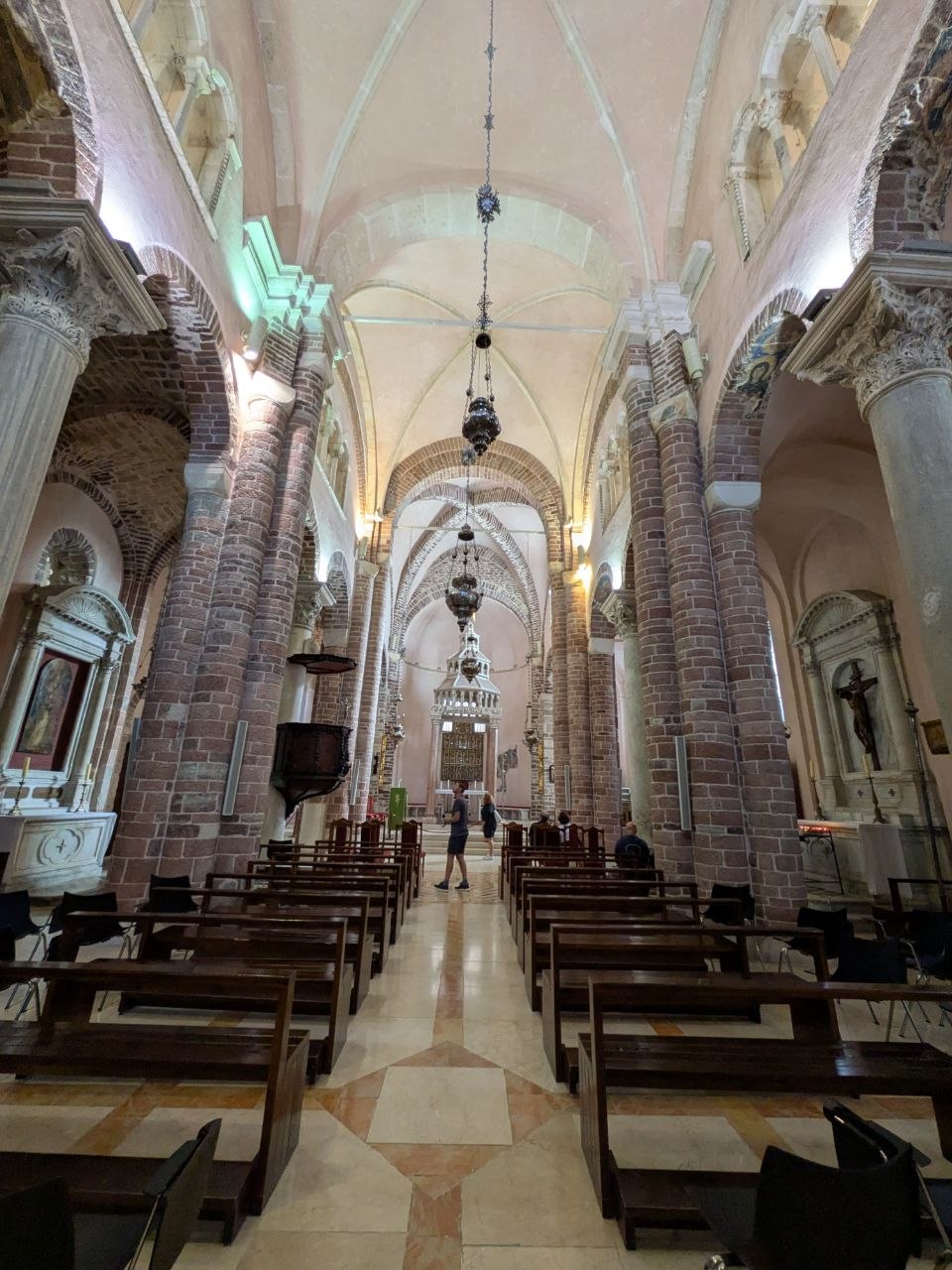
The Cathedral of Saint Tryphon is Kotor’s principal Romanesque Catholic church and one of the oldest cathedrals on the Adriatic coast, originally consecrated in the 12th century. Dedicated to the town’s patron saint, it stands on a central square within the old town and has been repeatedly repaired and altered following earthquakes, while retaining key elements of its medieval character.
The cathedral is recognizable by its twin bell towers and ornate stone façade, combining Romanesque foundations with later Baroque additions. Inside, it houses a treasury with religious art, icons, reliquaries, and liturgical objects that illustrate Kotor’s ecclesiastical and artistic traditions over many centuries.
Food & Local Flavors
Kotor’s coastal location influences its cuisine, with fresh seafood from the bay featuring prominently in local menus. Dishes commonly include grilled fish, black risotto colored with cuttlefish ink, and mussels prepared in simple broths or wine-based sauces that emphasize the quality of the shellfish.
Traditional products from the Montenegrin interior also appear widely, notably Montenegrin prosciutto (njeguški pršut) from the Njeguši region, served with local cheeses and olives. Regional wines from vineyards in central and southern Montenegro, along with rakija (fruit brandy), are typically offered alongside coastal and mountain specialties, reflecting the country’s varied landscapes.
Visiting Tips
The most comfortable times to visit Kotor are generally late spring and early autumn, when temperatures are milder and the town experiences fewer peak-season cruise ship arrivals compared with midsummer. During high summer, the narrow streets of the old town can become crowded, especially on days when multiple large ships are in port.
Climbing the fortress walls to the Fortress of San Giovanni is a popular activity and is best attempted in the morning or late afternoon to avoid strong midday sun. In the evenings, the old town takes on a different atmosphere as day visitors depart, with illuminated walls, outdoor dining, and a more relaxed pace in the squares and lanes.
Boat excursions from Kotor often include visits to Our Lady of the Rocks, an artificial island and church near Perast, providing an additional perspective on the bay’s history and landscape. Kotor is commonly reached by road from Dubrovnik in Croatia or from Podgorica, Montenegro’s capital, with bus connections and private transfers linking the town to regional airports and neighboring coastal destinations.

 Jumping Timezones
Leave a comment