Belgrade is the capital and largest city of Serbia, positioned where the Sava River meets the Danube. This strategic location has made it an important crossroads between Central and Southeastern Europe for centuries, contributing to its complex, layered history. From ancient settlements and Roman frontier forts to medieval strongholds, Ottoman rule, and its role as the capital of Yugoslavia, the city bears traces of many eras and empires.
Today, Belgrade combines historic architecture and monuments with busy commercial streets, riverside promenades, and a lively cultural scene. Its main sights are relatively compact, with fortifications, churches, squares, and traditional quarters clustered around the old town and the rivers, making it straightforward to explore the city on foot or by public transport.
Kalemegdan Fortress & Park
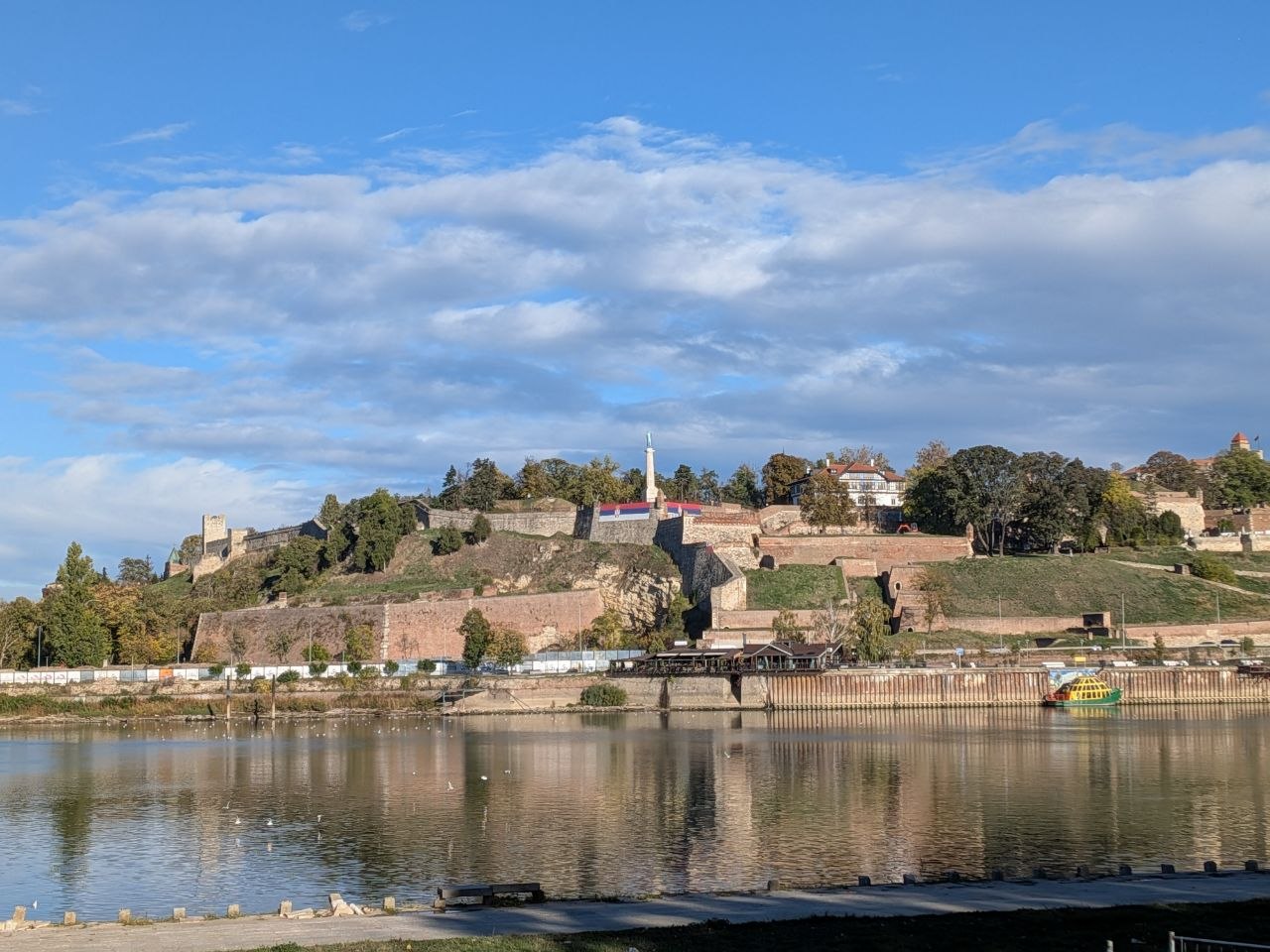
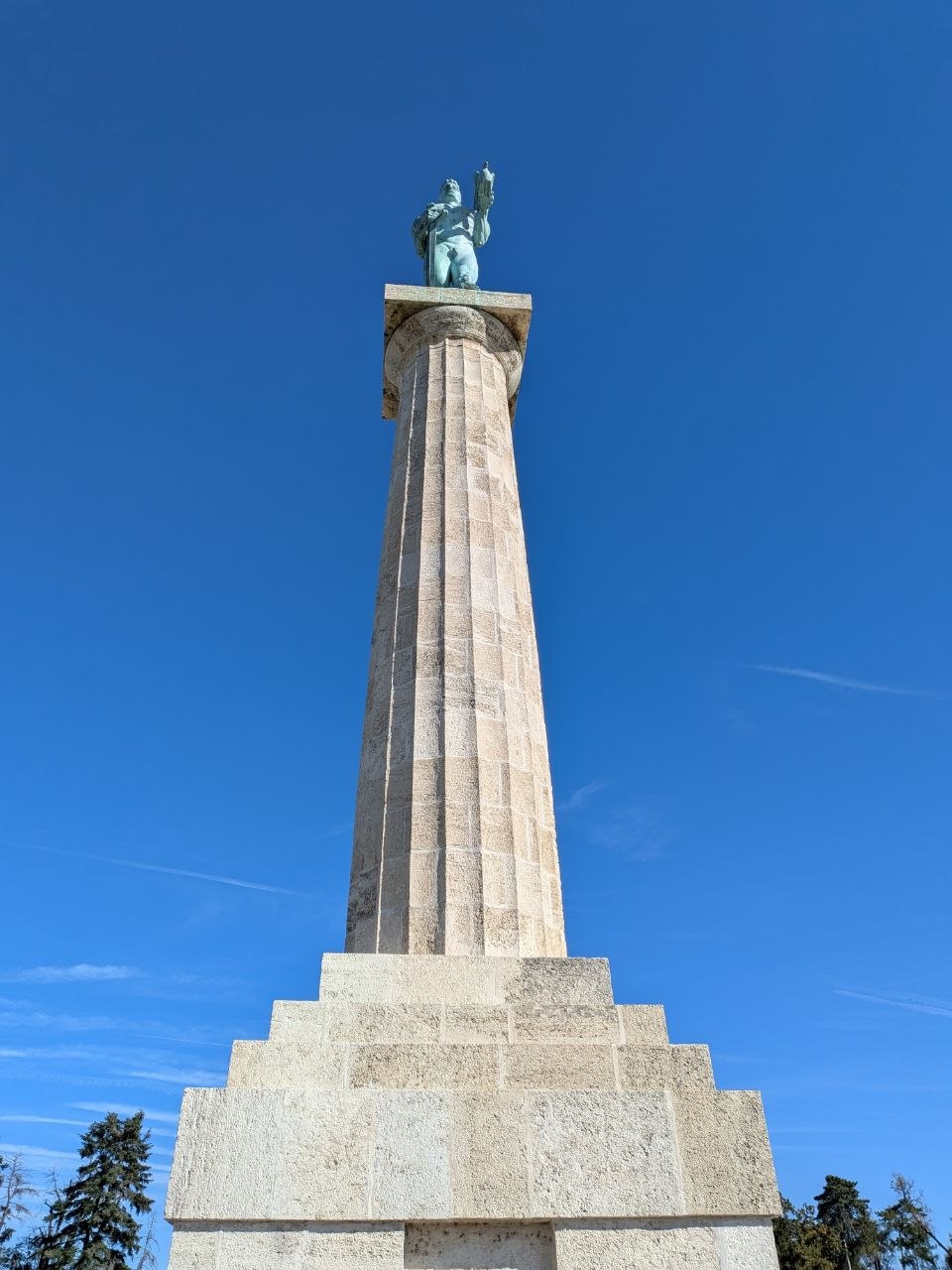
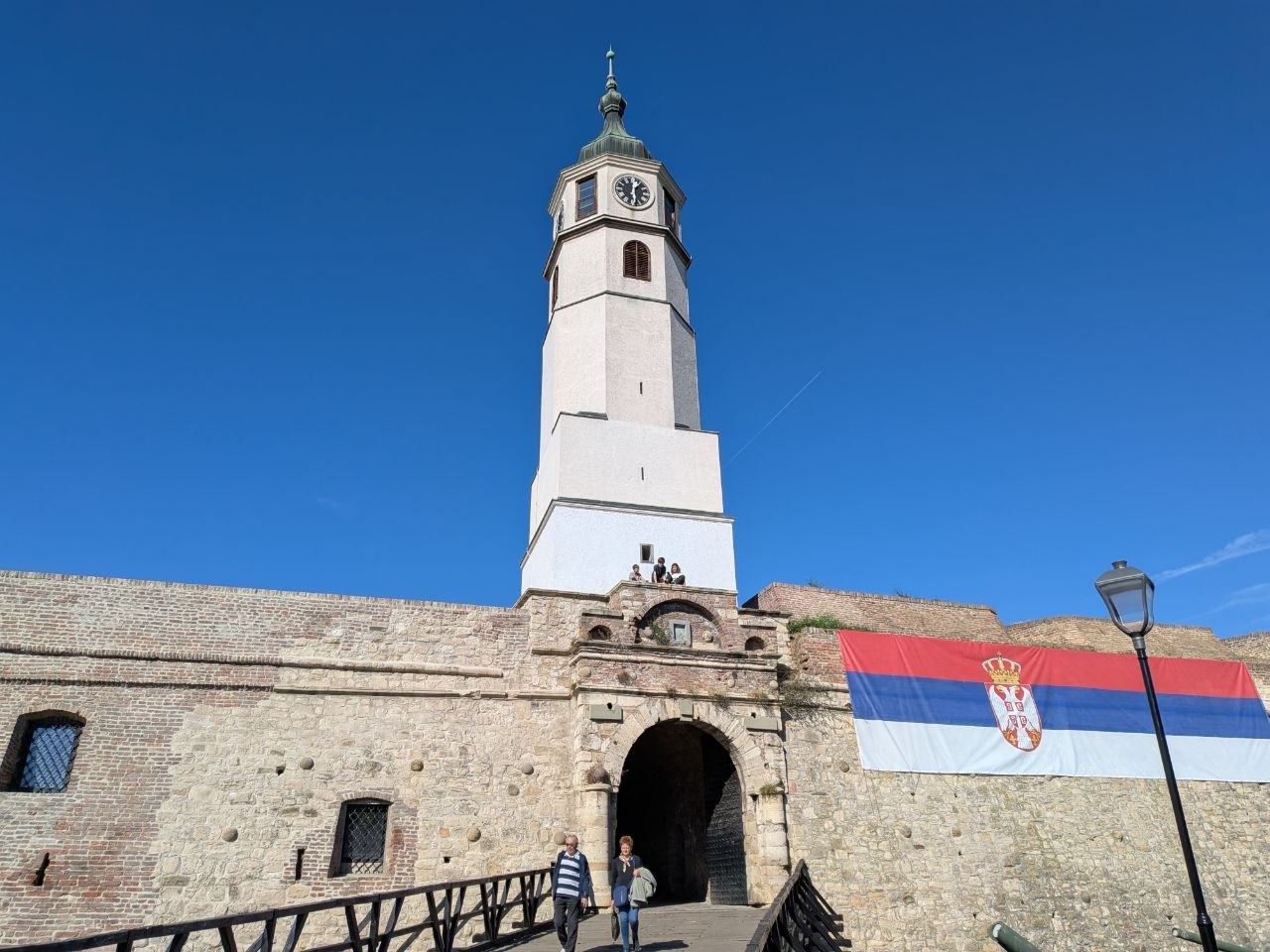
Kalemegdan Fortress crowns a plateau above the confluence of the Sava and Danube, offering wide views over both rivers and the surrounding city. The fortifications date back to Roman, Byzantine, medieval Serbian, and Ottoman periods, and many of the walls, gates, and towers visible today were shaped during the 17th to 19th centuries. Within the complex are landmarks such as the Victor Monument, the Roman Well, and several historic gates that illustrate Belgrade's military importance over time.
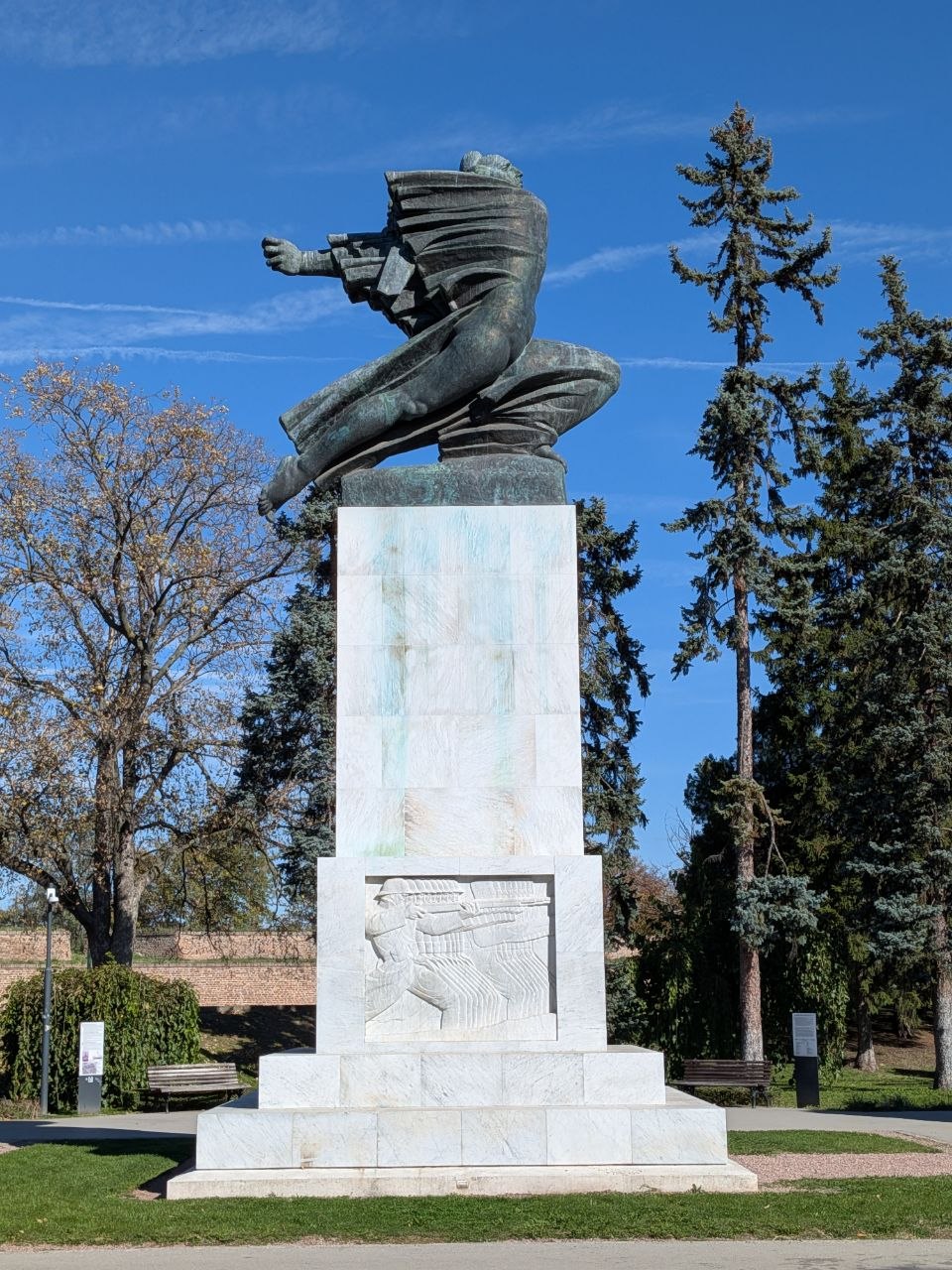
Surrounding the fortress, Kalemegdan Park functions as Belgrade's central green space. Walking paths lead past artillery displays, sculptures, and viewpoints, while cafés and benches provide places to pause. The area also hosts museums, including the Military Museum, and seasonal events, making it a focal point for both sightseeing and recreation.
St. Mark's Church
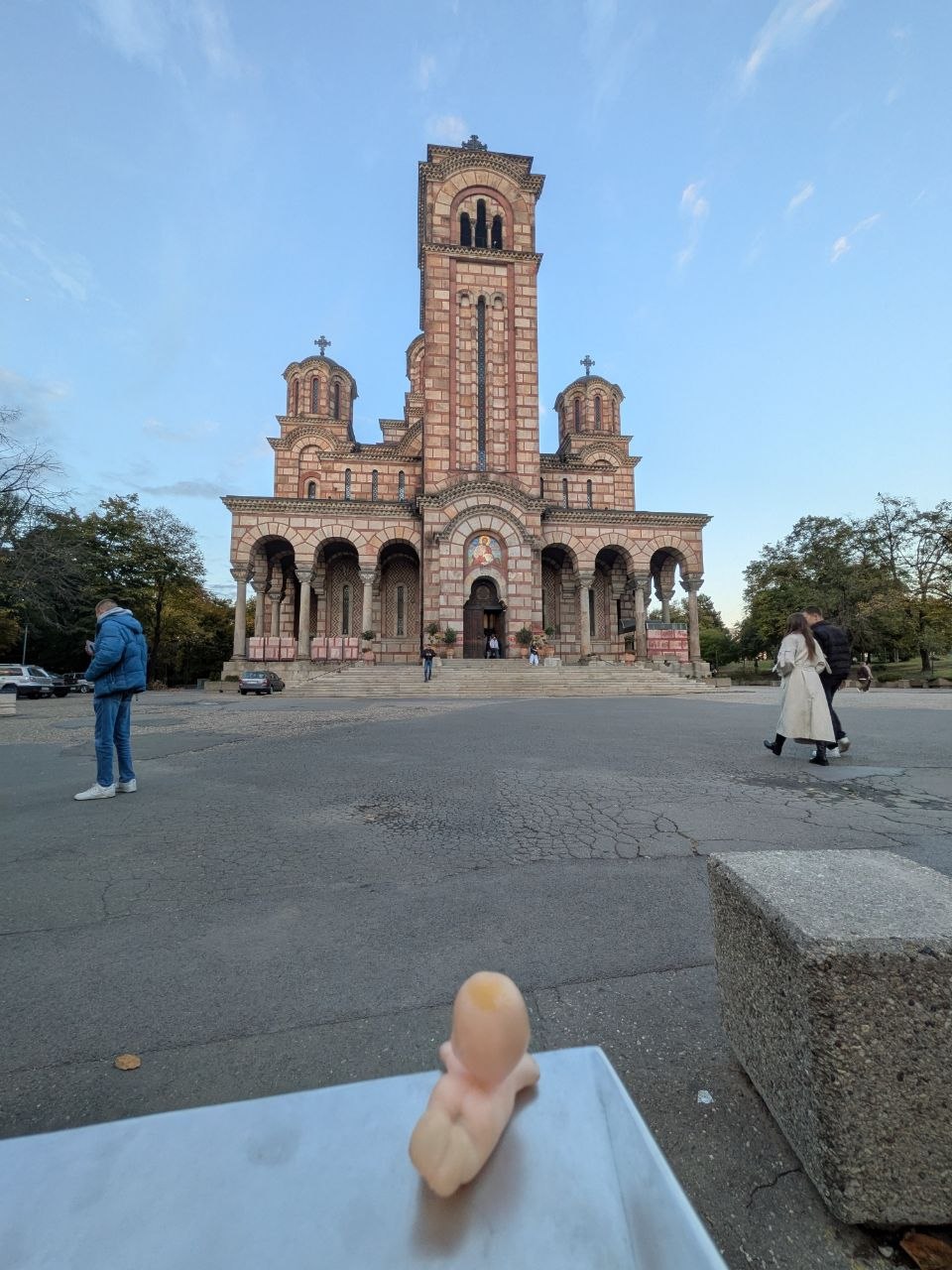
St. Mark's Church is a prominent Serbian Orthodox church located in Tašmajdan Park, close to the city center. Built in the 1930s in the Serbian-Byzantine style, it features striped stonework, tall arches, and a distinctive cluster of domes. The church is dedicated to St. Mark the Evangelist and stands on the site of an earlier 19th-century church that was destroyed during World War I.
The interior of St. Mark's Church is spacious, with high ceilings and richly colored icons and frescoes, some of which are still being completed. It houses important relics, including those of Serbian Emperor Dušan, and a collection of icons from the 18th and 19th centuries. The featured image of this post shows a doll in the foreground with St. Mark's distinctive façade in the background, highlighting the church's recognizable architecture.
St. Sava Temple
The Temple of St. Sava is one of the largest Orthodox churches in the world and a defining landmark of Belgrade's skyline. It is dedicated to St. Sava, the founder of the Serbian Orthodox Church, and stands on the Vračar Plateau, traditionally associated with the site where his relics were burned in the 16th century. Its massive white marble and granite exterior is crowned by a large central dome and several smaller domes, visible from many parts of the city.
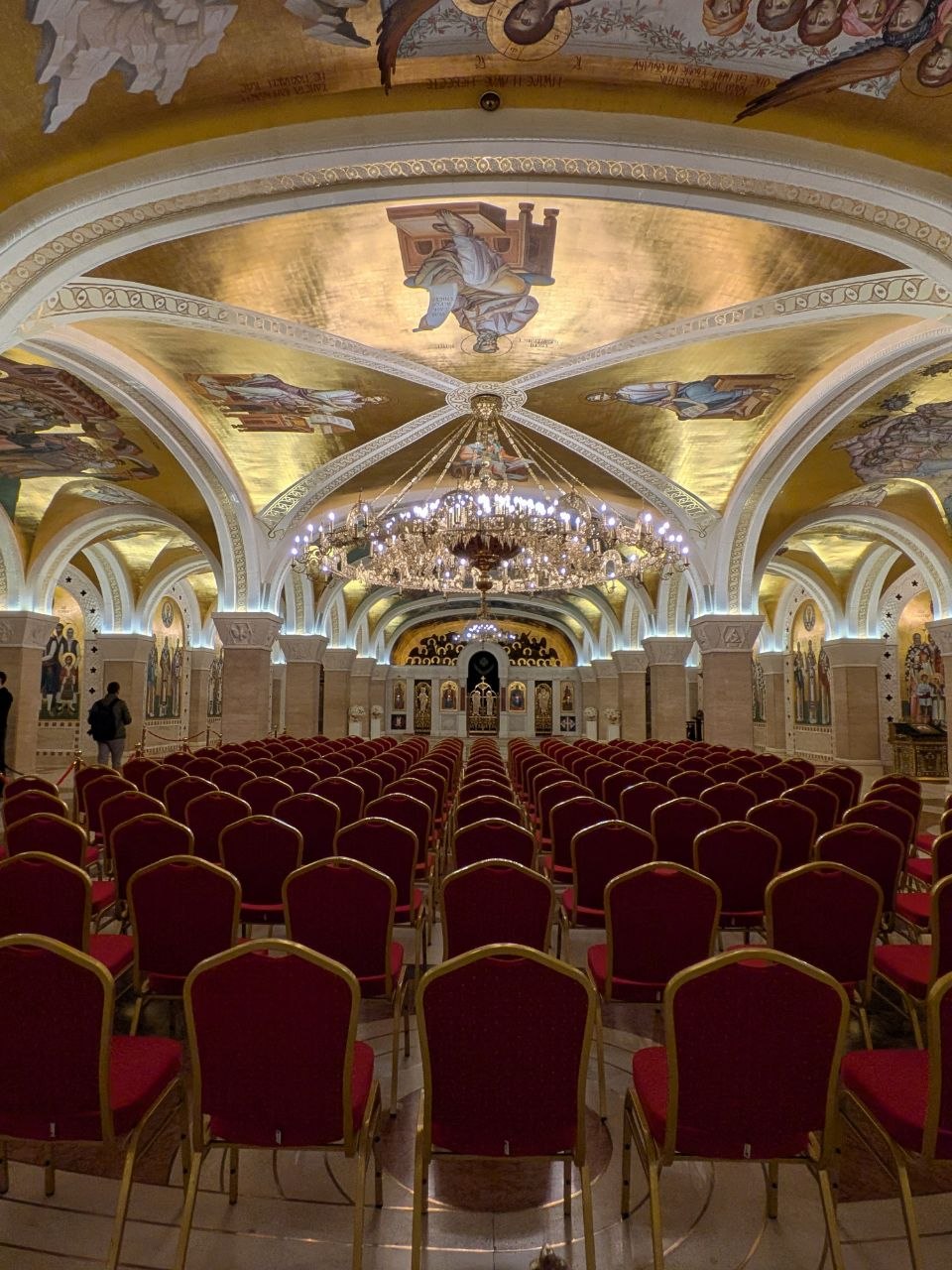
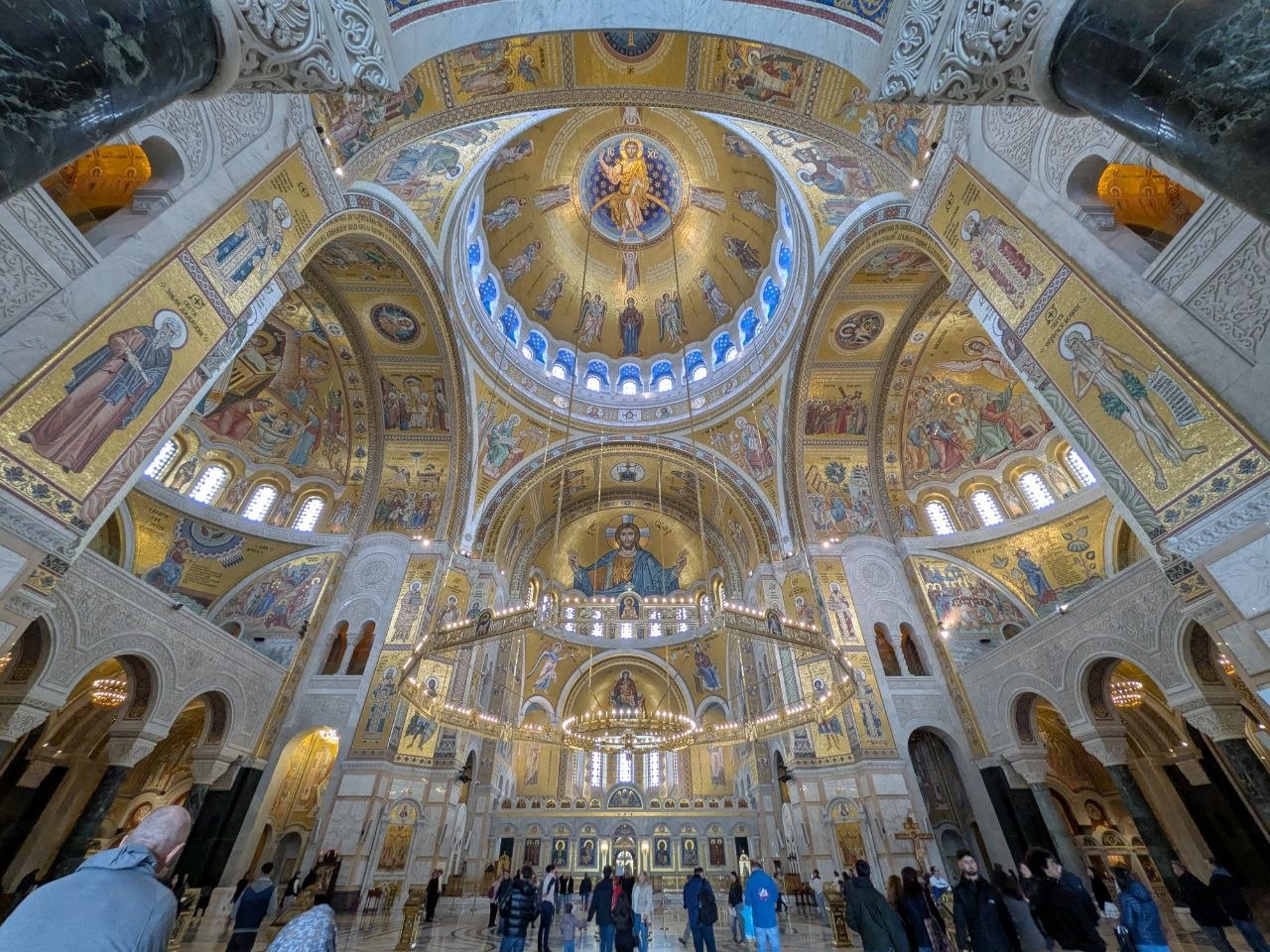
The interior of St. Sava Temple has been undergoing long-term decoration, with extensive mosaic work gradually covering the domes, walls, and vaults. The lower-level crypt contains chapels, iconography, and a calmer atmosphere for reflection. The open plaza and park surrounding the temple provide viewpoints for photographs, particularly at sunset and in the evening when the building is illuminated.
Skadarlija
Skadarlija is Belgrade's historic bohemian quarter, centered on a cobbled street lined with traditional restaurants known as kafanas. In the late 19th and early 20th centuries it became a gathering place for writers, artists, and musicians, and it still emphasizes live music and traditional Serbian cuisine. Many façades have been preserved or restored, giving the neighborhood a distinct atmosphere compared with the more modern main streets nearby.
Street art, lanterns, and decorative details add to Skadarlija's character, especially in the evening when the area is busiest. While it is now a popular destination for visitors, it continues to function as a center of local dining and entertainment. The quarter is a short walk from Republic Square, making it easy to combine with visits to nearby museums and shopping streets.
Republic Square
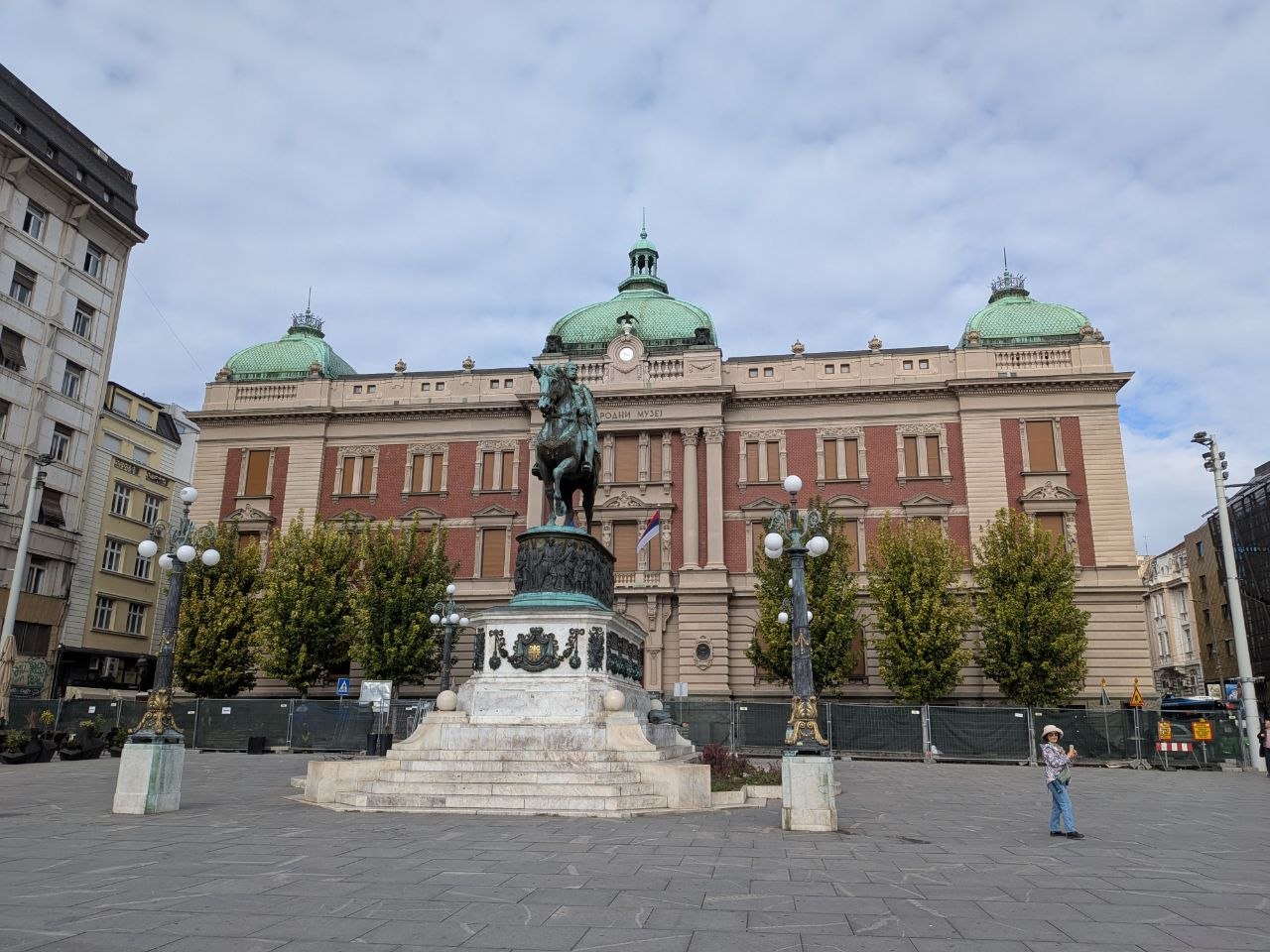
Republic Square (Trg Republike) is one of Belgrade's main public spaces and a common meeting point in the city center. The square is framed by cultural institutions, including the National Museum of Serbia and the National Theatre, along with cafés and shops. At its center stands the equestrian statue of Prince Mihailo Obrenović, a key 19th-century Serbian ruler associated with the country's independence efforts.
From Republic Square, several major streets radiate outward, leading toward pedestrianized Knez Mihailova Street, Skadarlija, and other central neighborhoods. The space is frequently used for public gatherings, performances, and seasonal events, reflecting Belgrade's role as a cultural and social hub.
Visiting Tips
Belgrade's main sights, including Kalemegdan Fortress, Republic Square, and Skadarlija, are concentrated in and around the old town and can be explored on foot. Comfortable walking shoes are recommended due to cobblestones, uneven pavements, and hills leading up to the fortress. Public transport, including buses and trams, extends access to other areas such as the Temple of St. Sava and newer districts across the Sava River.
The city experiences hot summers and cold winters, so clothing layers and sun protection are useful in warmer months, while winter visits may require warmer gear and attention to shorter daylight hours. Many museums and churches have specific opening times and modest dress expectations, especially for religious sites, so checking current hours and guidelines before visiting can help in planning a smooth itinerary.
 Jumping Timezones
Leave a comment