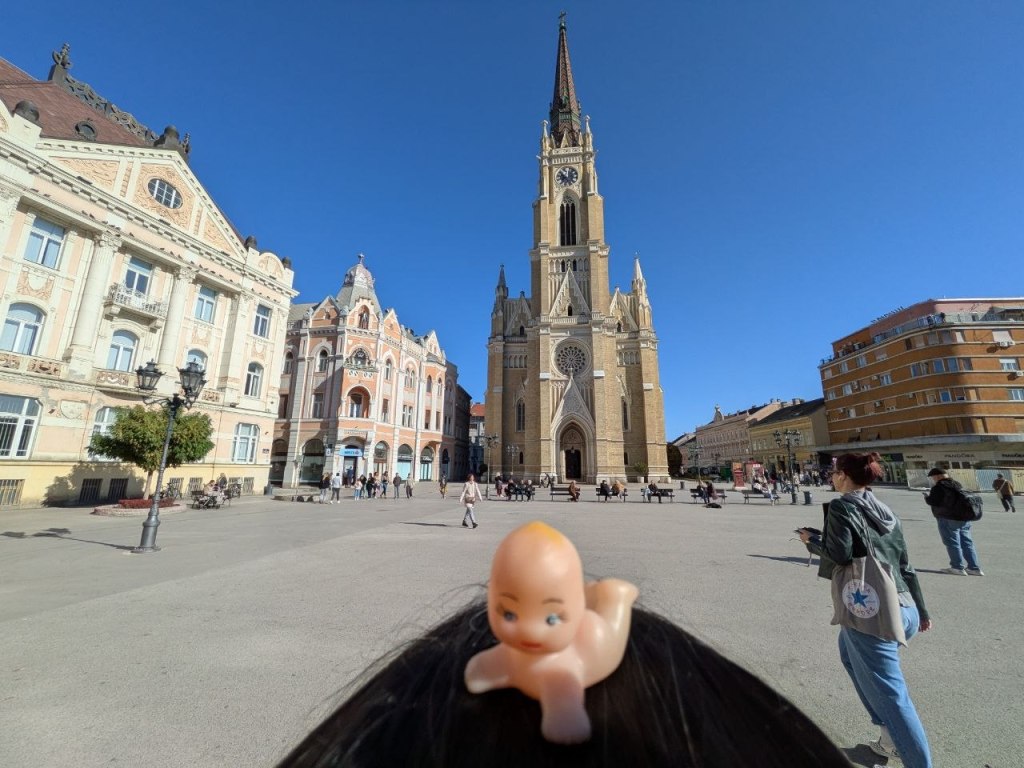
Novi Sad is Serbia’s second-largest city and the main urban center of the northern province of Vojvodina. Set on the banks of the Danube River, it developed as a key trading and transport hub, linking Central Europe with the Balkans. Today, it is known for its diverse communities, where Serbian, Hungarian, Slovak, and other cultures meet, and for a relaxed atmosphere that contrasts with its important regional role.
The city has built a reputation as one of the region’s leading cultural centers, recognized as a former European Capital of Culture and host to major festivals and events. Elegant architecture, historic squares, and riverside promenades sit alongside contemporary galleries, music venues, and creative spaces, giving Novi Sad a blend of heritage and modern cultural life.
Petrovaradin Fortress
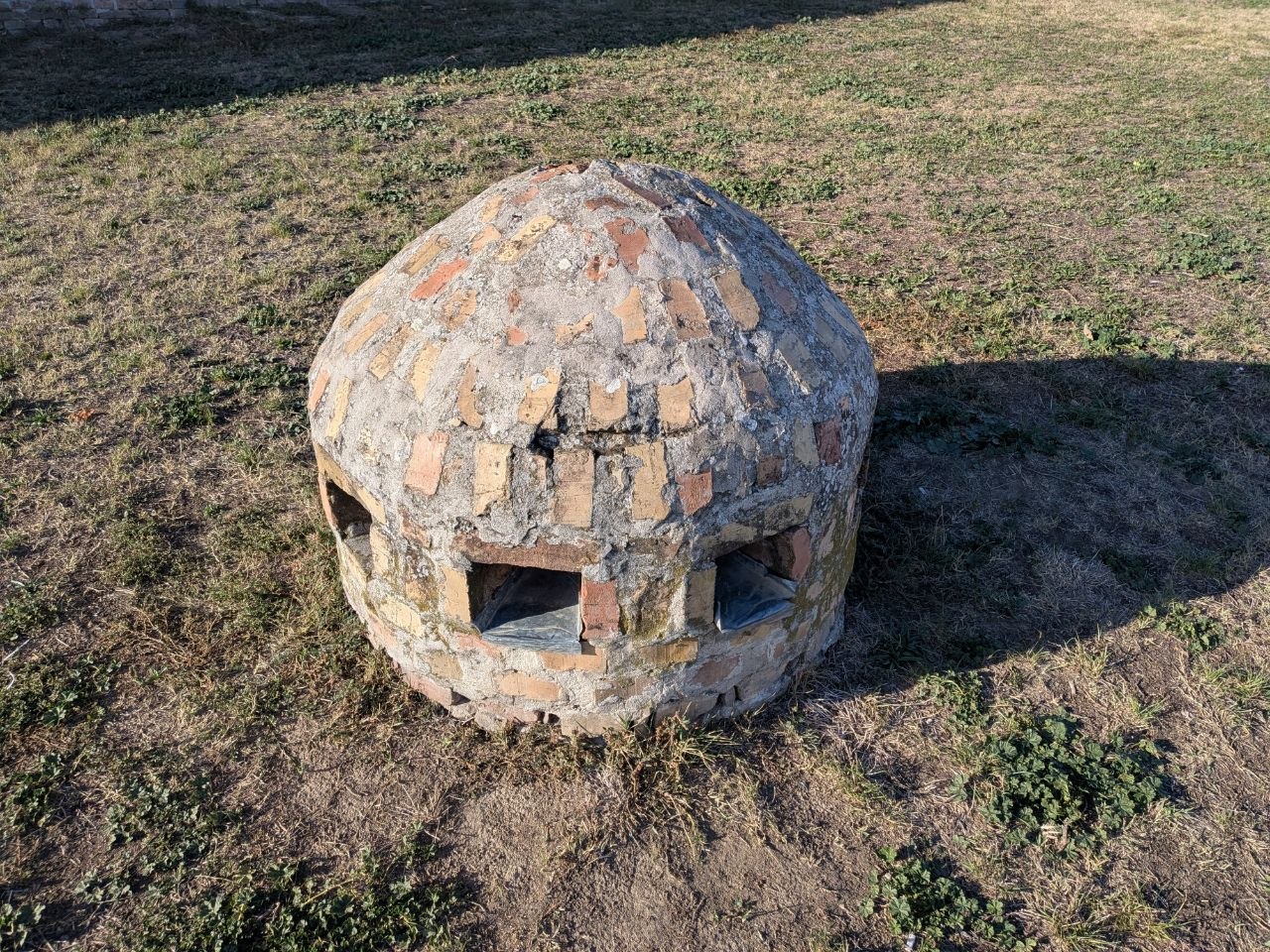
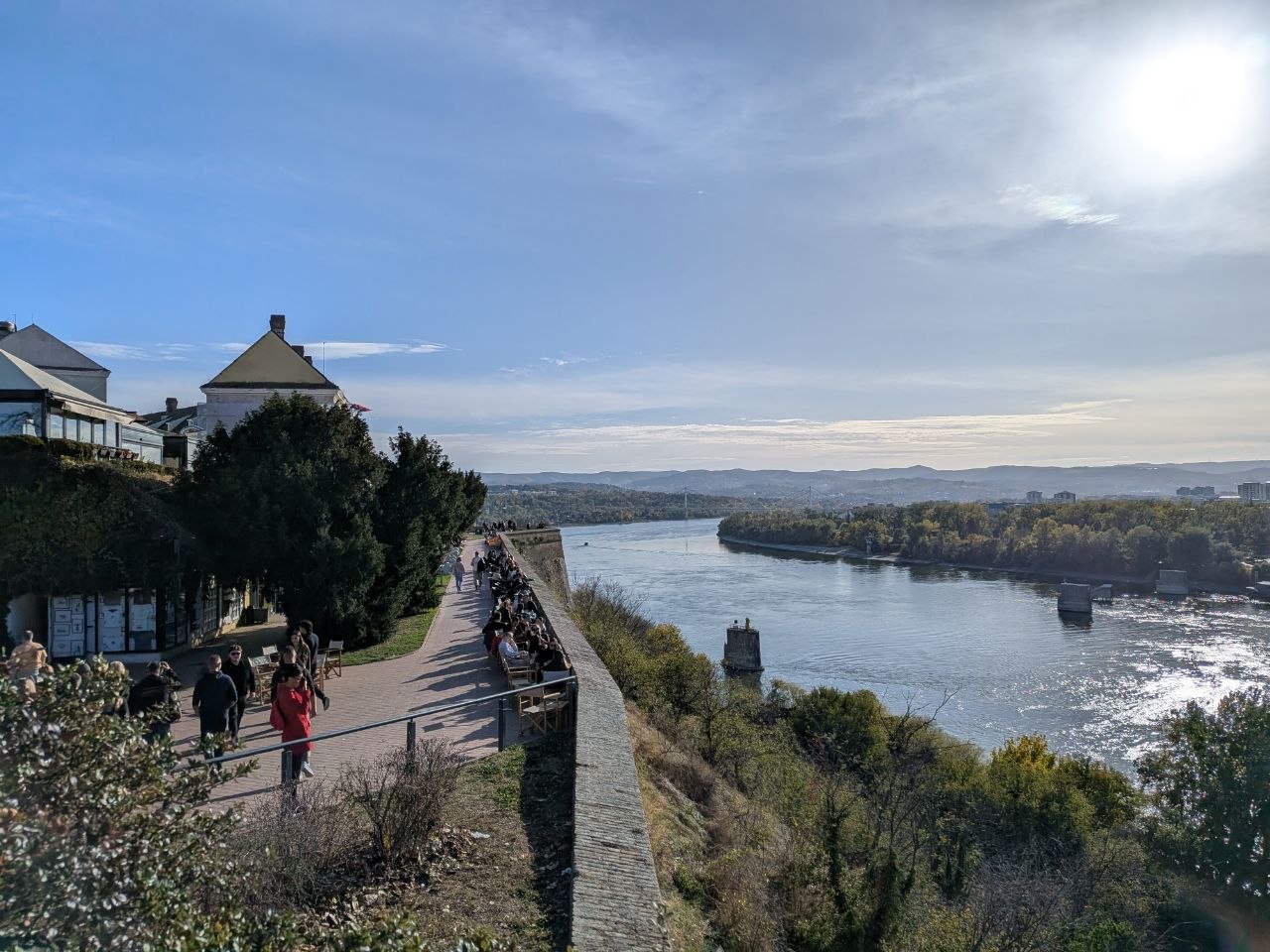
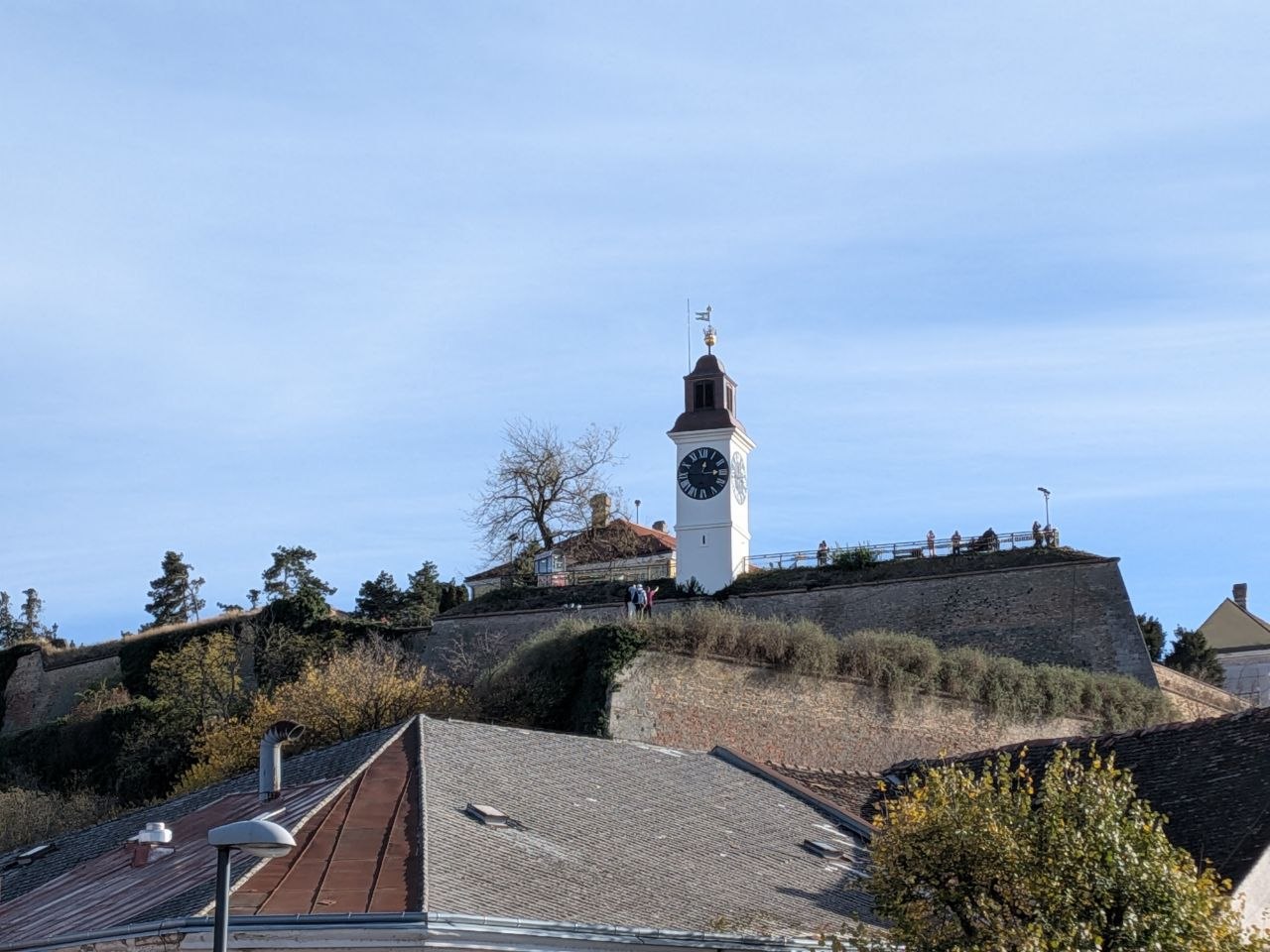
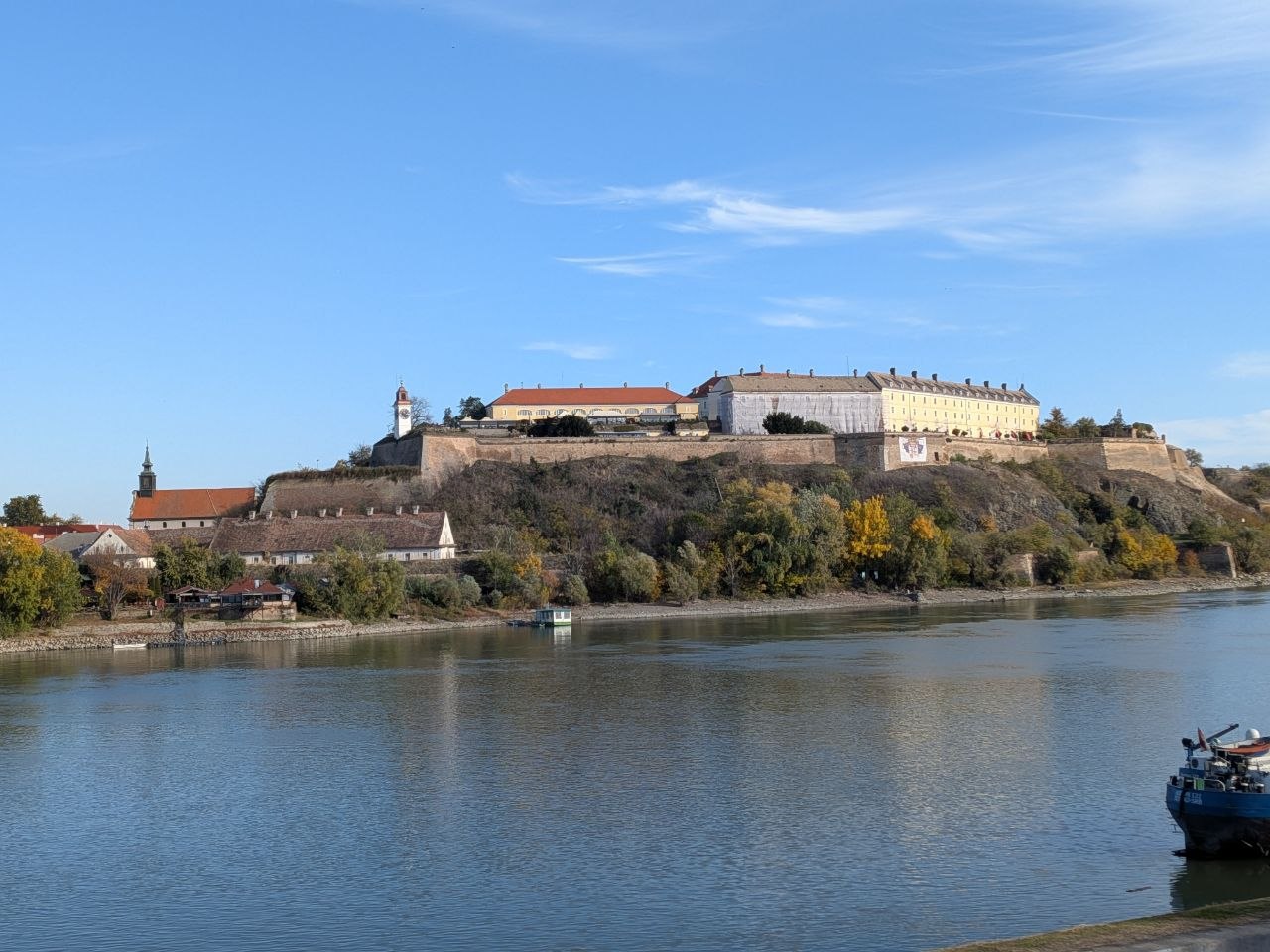
Petrovaradin Fortress stands on a hill overlooking the Danube, connected to the city by the Varadin Bridge. Built and expanded by the Habsburg Monarchy from the 17th century onward, it is one of the largest and best-preserved fortification complexes in the region. Its bastions, underground tunnels, and defensive walls were designed to control the river crossing and protect against Ottoman advances.
Today, the fortress is best known as a cultural and leisure area. The iconic clock tower, whose large hour hand marks the hours for boat traffic on the Danube, is a recognizable symbol of Novi Sad. Within the fortress walls are viewpoints over the city, art studios, restaurants, and museums, and its plateau hosts open-air concerts and the annual EXIT music festival.
Liberty Square & Name of Mary Church
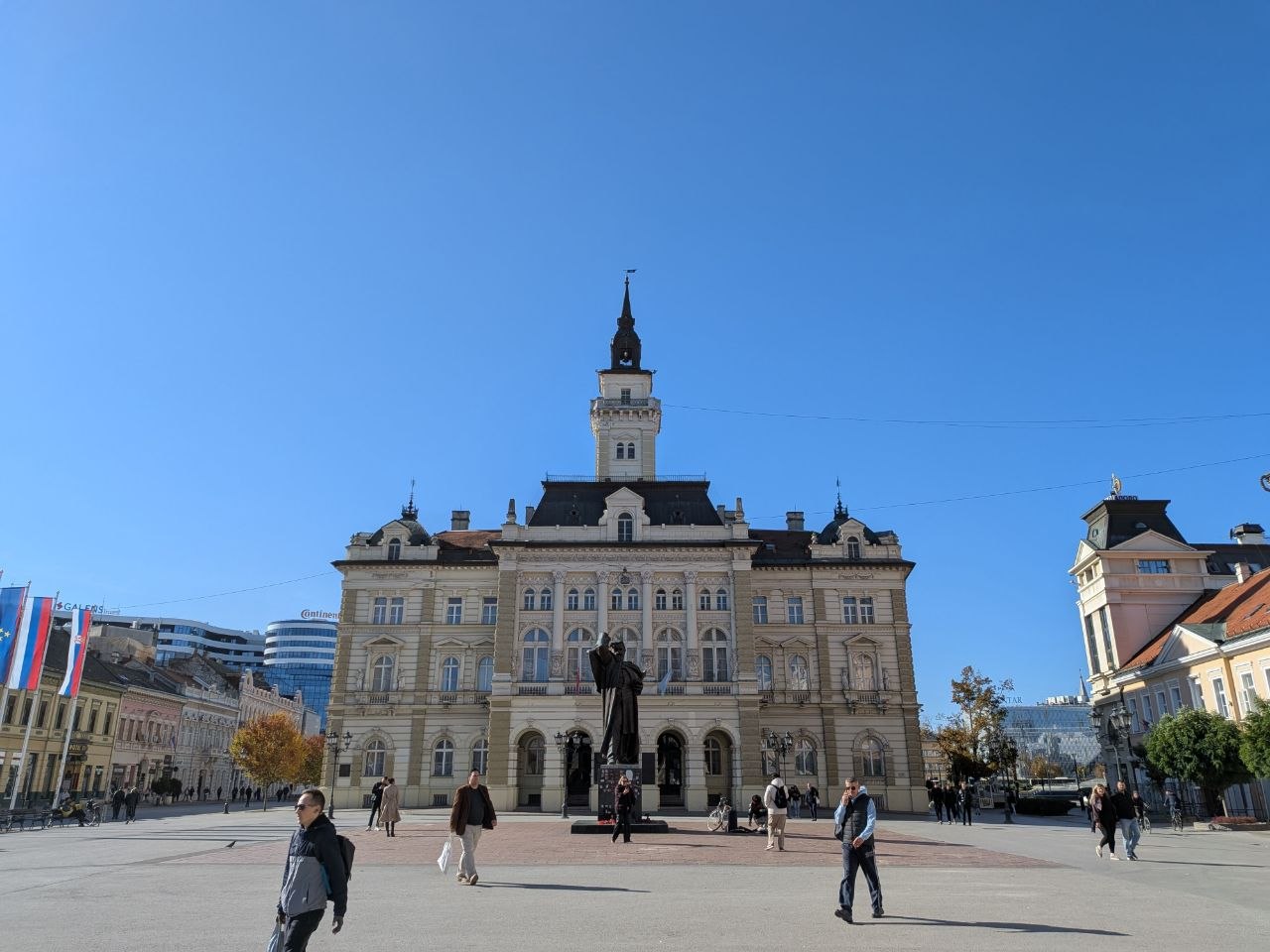
Liberty Square (Trg Slobode) is Novi Sad’s main central square and a focal point of civic life. Framed by grand late 19th- and early 20th-century buildings, it reflects the city’s historical ties to the Austro-Hungarian period. Administrative buildings, former palaces, and cafes with outdoor seating create a formal yet welcoming urban space used for public events, markets, and celebrations.
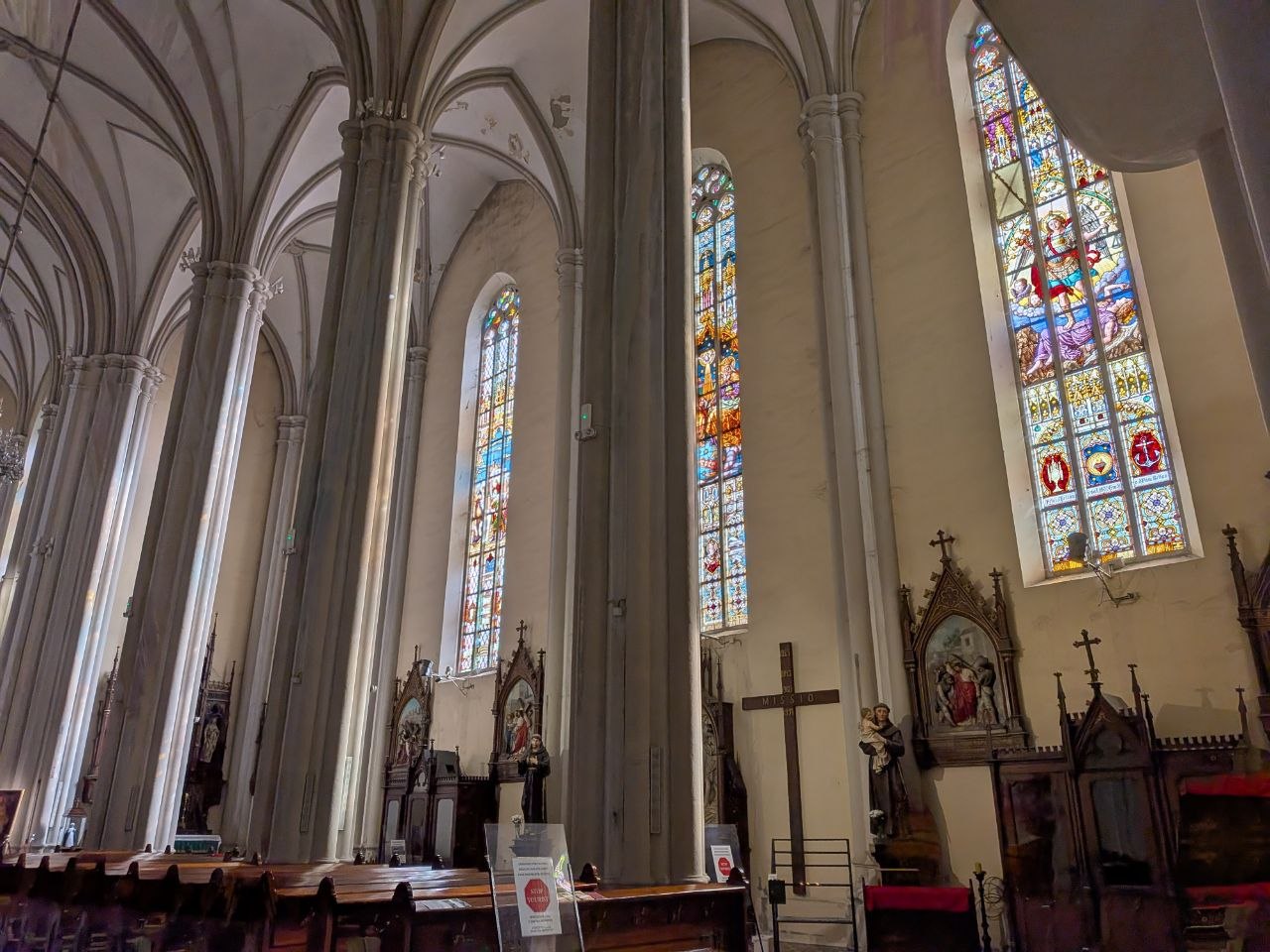
Dominating the square is the Name of Mary Church, a neo-Gothic Roman Catholic church completed in 1895. Its tall spire, patterned roof tiles, and ornate façade make it one of the most photographed landmarks in Novi Sad. The church’s presence alongside Orthodox churches and other religious buildings nearby illustrates the city’s traditionally multicultural and multi-confessional character.
The Danube Waterfront
Novi Sad’s relationship with the Danube is visible along its riverside promenades and parks. The city’s waterfront stretches beneath Petrovaradin Fortress and includes landscaped paths, cycling routes, and viewpoints across the river. Riverboats and small piers underline the Danube’s ongoing role as a transport corridor and recreational space.
Just downstream from the center, the city’s popular river beach, Štrand, draws visitors in warmer months with sandy areas, sports facilities, and shaded seating. Along the embankment, cafes and restaurants take advantage of river views, while pedestrian bridges and green spaces make the waterfront a key place for walking, cycling, and spending time outdoors.
Cafés and Cultural Life
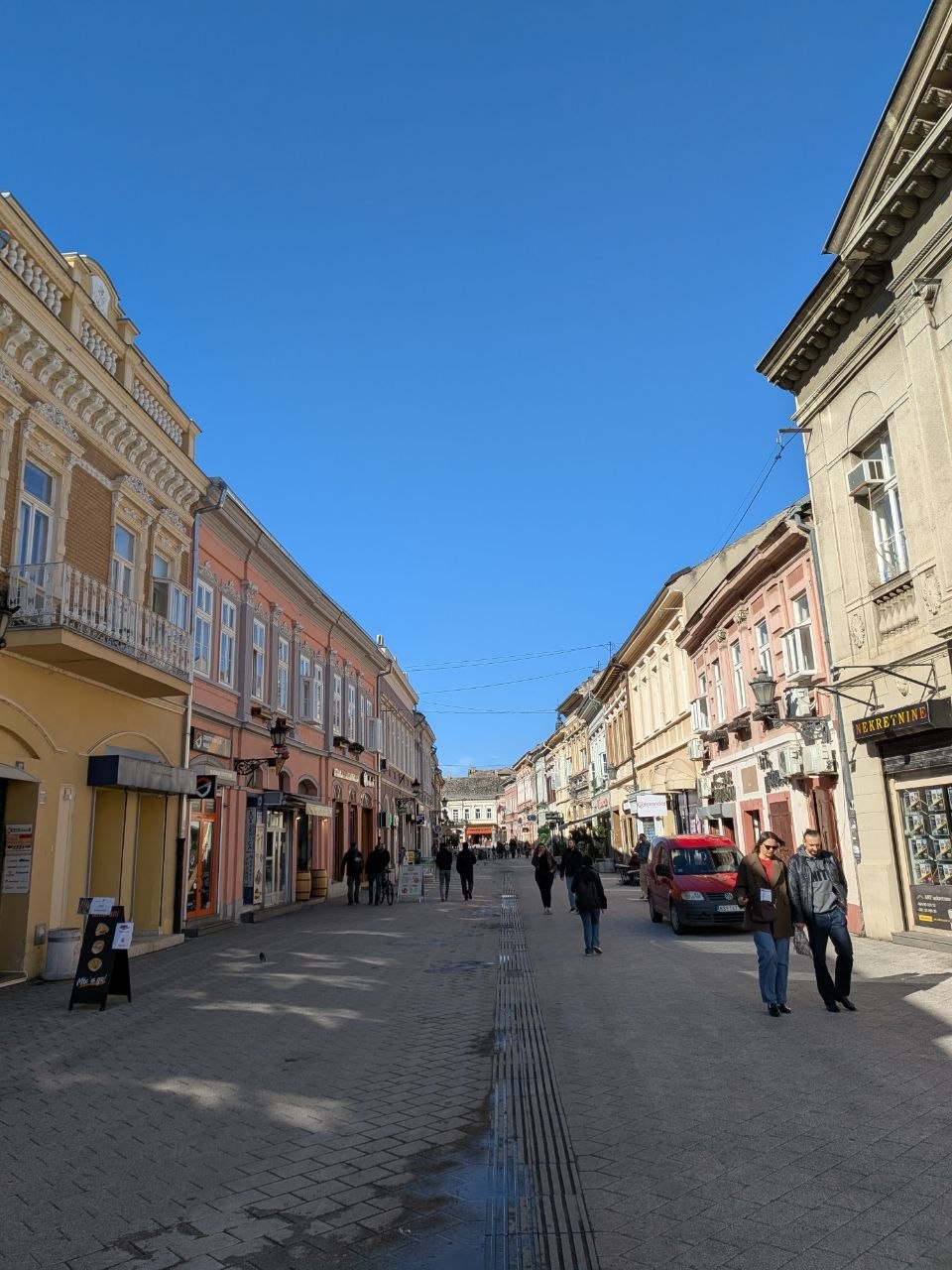
Novi Sad has a strong café culture, visible in the dense concentration of coffee bars, pastry shops, and small restaurants in the city center. Streets such as Zmaj Jovina and Dunavska are lined with terraces where locals and visitors gather throughout the day. This sociable atmosphere is complemented by a network of independent bookstores, galleries, and small theaters.
Culturally, the city is home to institutions such as the Serbian National Theatre, the Museum of Vojvodina, and the Gallery of Matica Srpska, which showcase regional history, art, and performance. Annual festivals highlight everything from classical music and contemporary art to street performances and literature, reinforcing Novi Sad’s role as a meeting point for creative communities from across Serbia and beyond.
Visiting Tips
Novi Sad is compact and walkable, with most central sights located between Liberty Square and the Danube, and Petrovaradin Fortress just across the river. Comfortable footwear is recommended for navigating the cobbled streets of the old town and the slopes of the fortress. Public transport and taxis connect the center with outlying neighborhoods and the main railway and bus stations.
Late spring to early autumn offers the most pleasant conditions for exploring the city’s outdoor spaces and riverfront. During major events, especially the EXIT festival, accommodation can book up quickly and prices may rise, so advance planning is useful. Many museums and cultural venues are closed or have shorter hours on Mondays and public holidays, so checking opening times ahead of a visit can help structure a day in the city.
 Jumping Timezones
Leave a comment