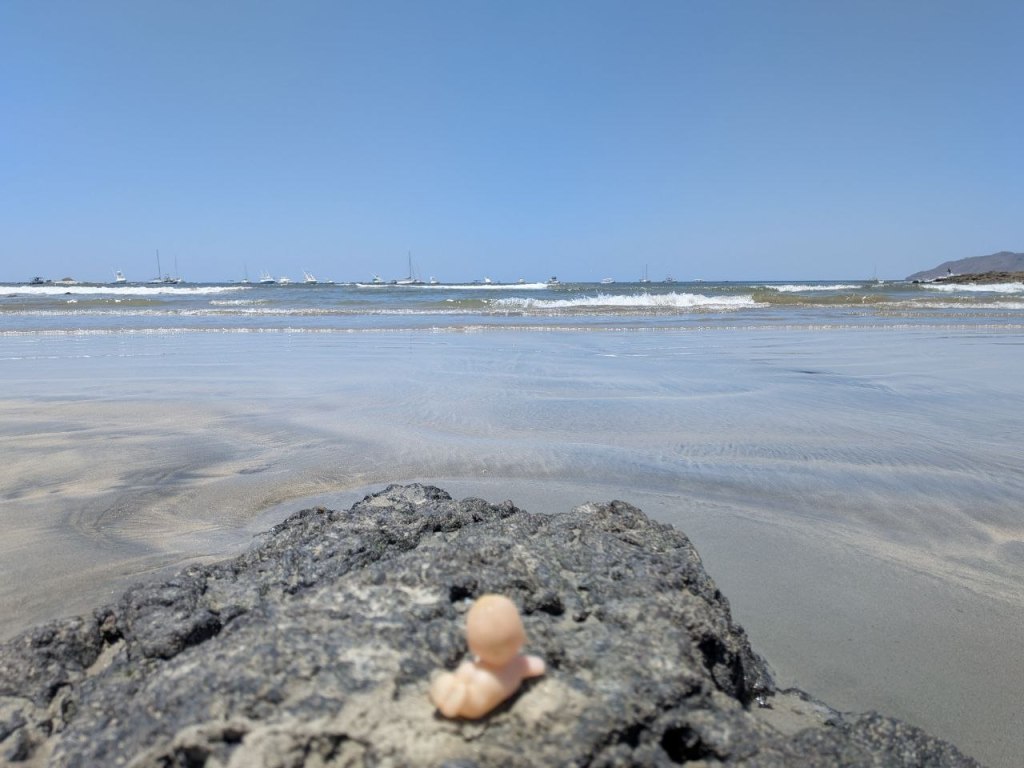
Tamarindo is a popular beach town on Costa Rica’s Nicoya Peninsula, stretching along the Pacific coastline in the province of Guanacaste. Once a small fishing village, it has grown into a well-known destination that blends tourism infrastructure with a relaxed, coastal setting. Long sandy beaches, warm water, and consistent ocean breezes shape much of daily life here.
The town is widely recognized as a regional surf hub, drawing beginners, intermediates, and advanced surfers to its beach and nearby breaks. Cafés, surf schools, and tour operators line the main road, while the broader atmosphere reflects Costa Rica’s "pura vida" mindset — unhurried, outdoors-focused, and centered on enjoying the sea and surrounding nature.
The Beach
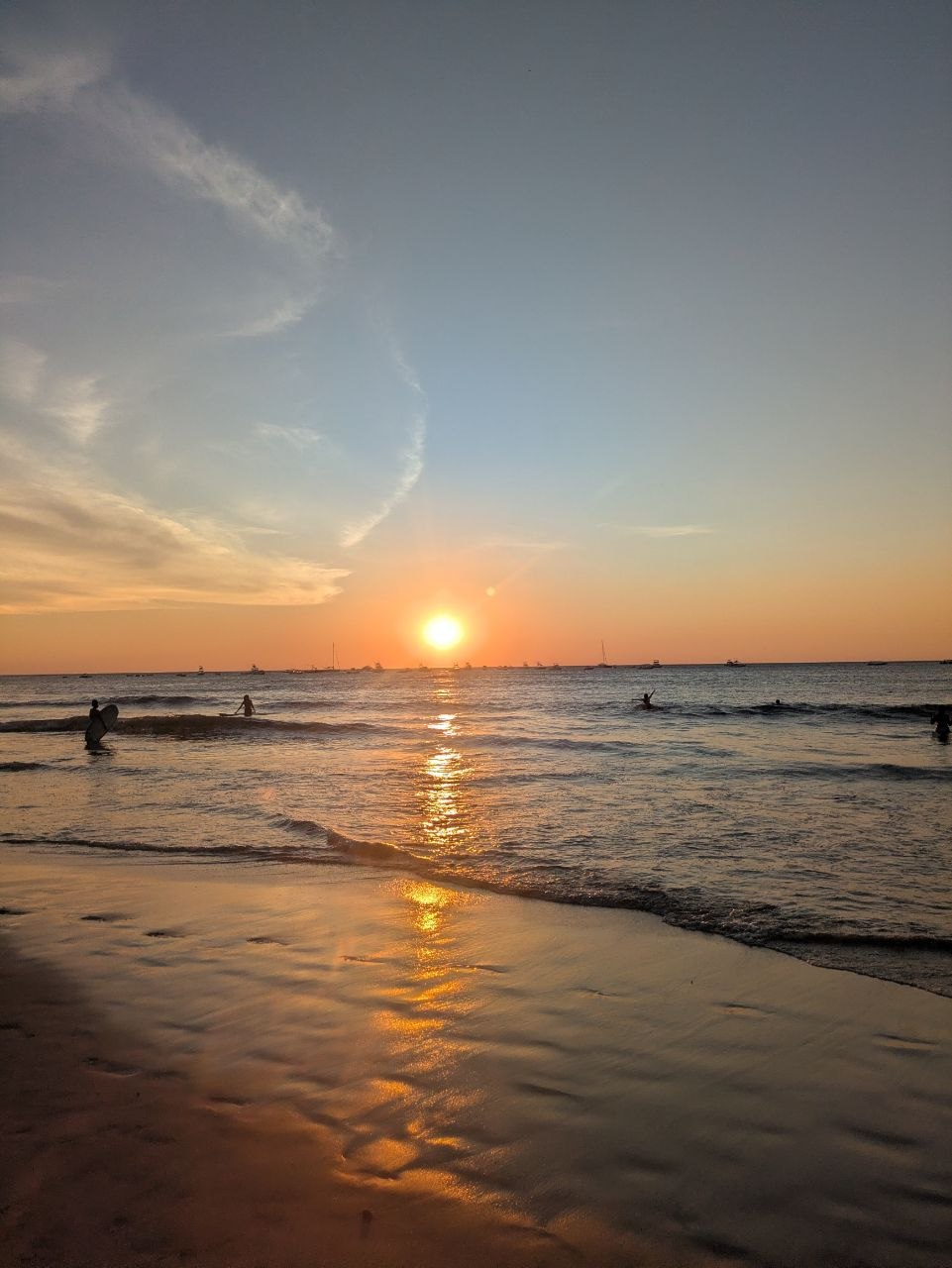
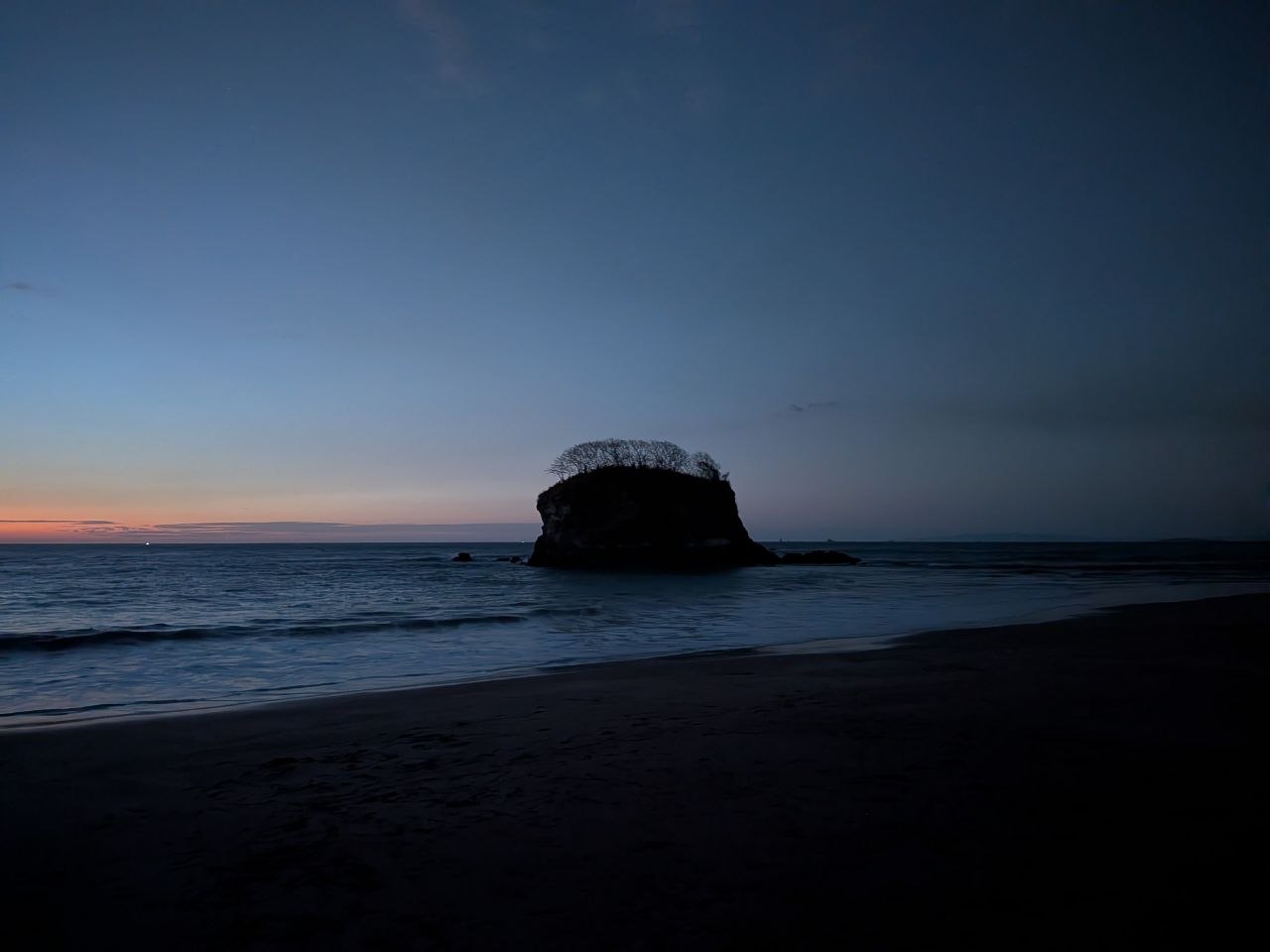
Playa Tamarindo is a long, curving beach bordered by palm trees, mangroves, and low-rise development. The sand is light and the shoreline is wide at low tide, creating ample space for walking, jogging, and watching the sunset. Tidal pools and volcanic rock formations appear in some areas of the beach, where waves meet the rocky sections of the coast.
Conditions vary throughout the day, with calmer swimming areas often found closer to the central part of the bay when the tide and swell are moderate. Beachfront bars and restaurants offer shaded seating and views over the water, while public access points allow visitors to move easily between town and the shoreline.
Surfing
Tamarindo is known for consistent surf and a range of breaks that cater to different ability levels. The main beach offers gentle, rolling waves that are suitable for lessons and first-time surfers, with numerous surf schools providing board rentals and instruction. Sand-bottom sections make entries and exits relatively straightforward for beginners.
More experienced surfers often head to nearby spots such as Playa Langosta and Playa Grande, which can deliver more powerful and hollow waves when conditions align. Swell in this part of the Pacific is influenced by both local winds and distant storm systems, so wave size and shape can change notably between seasons.
Las Baulas National Marine Park
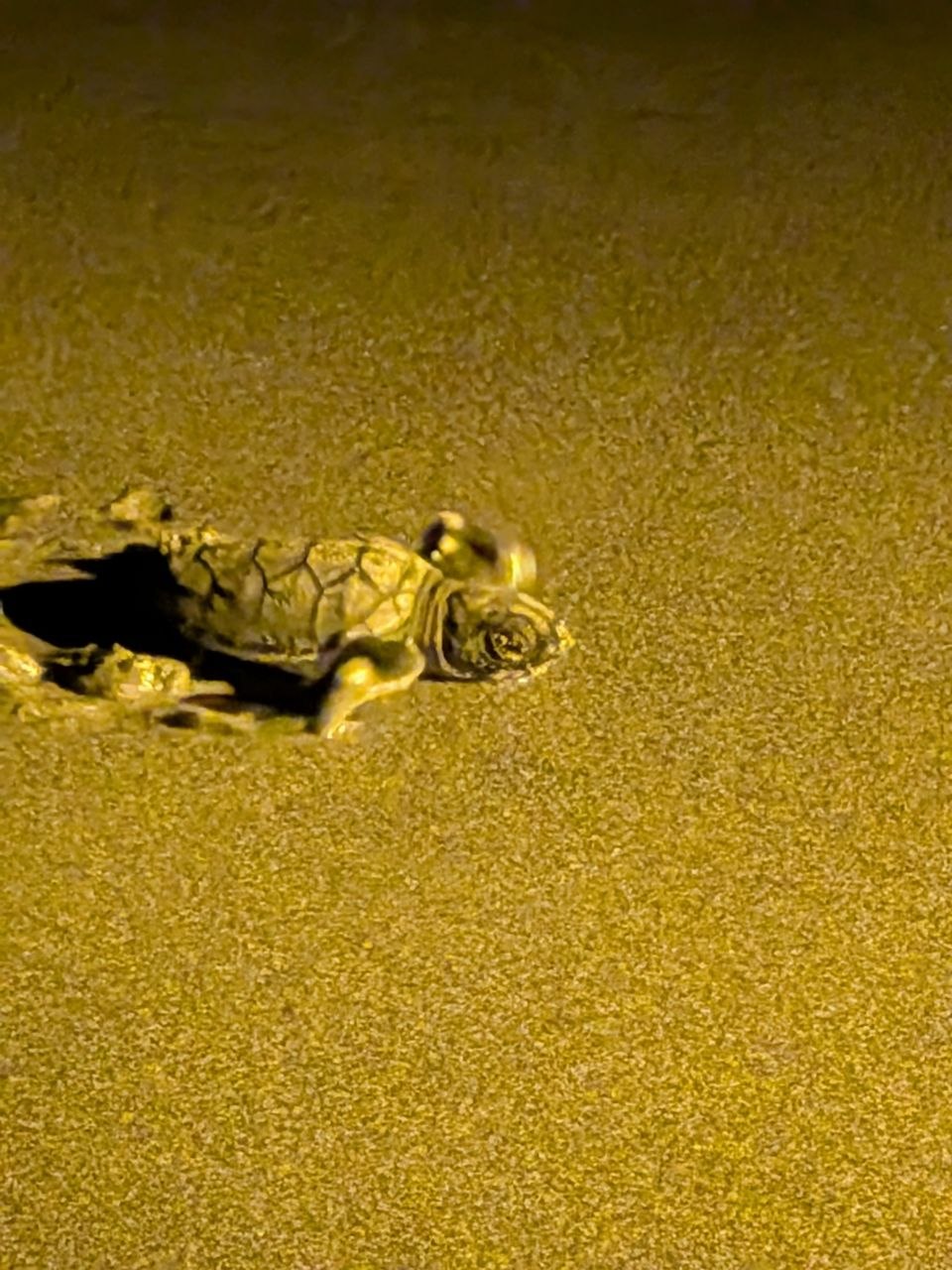
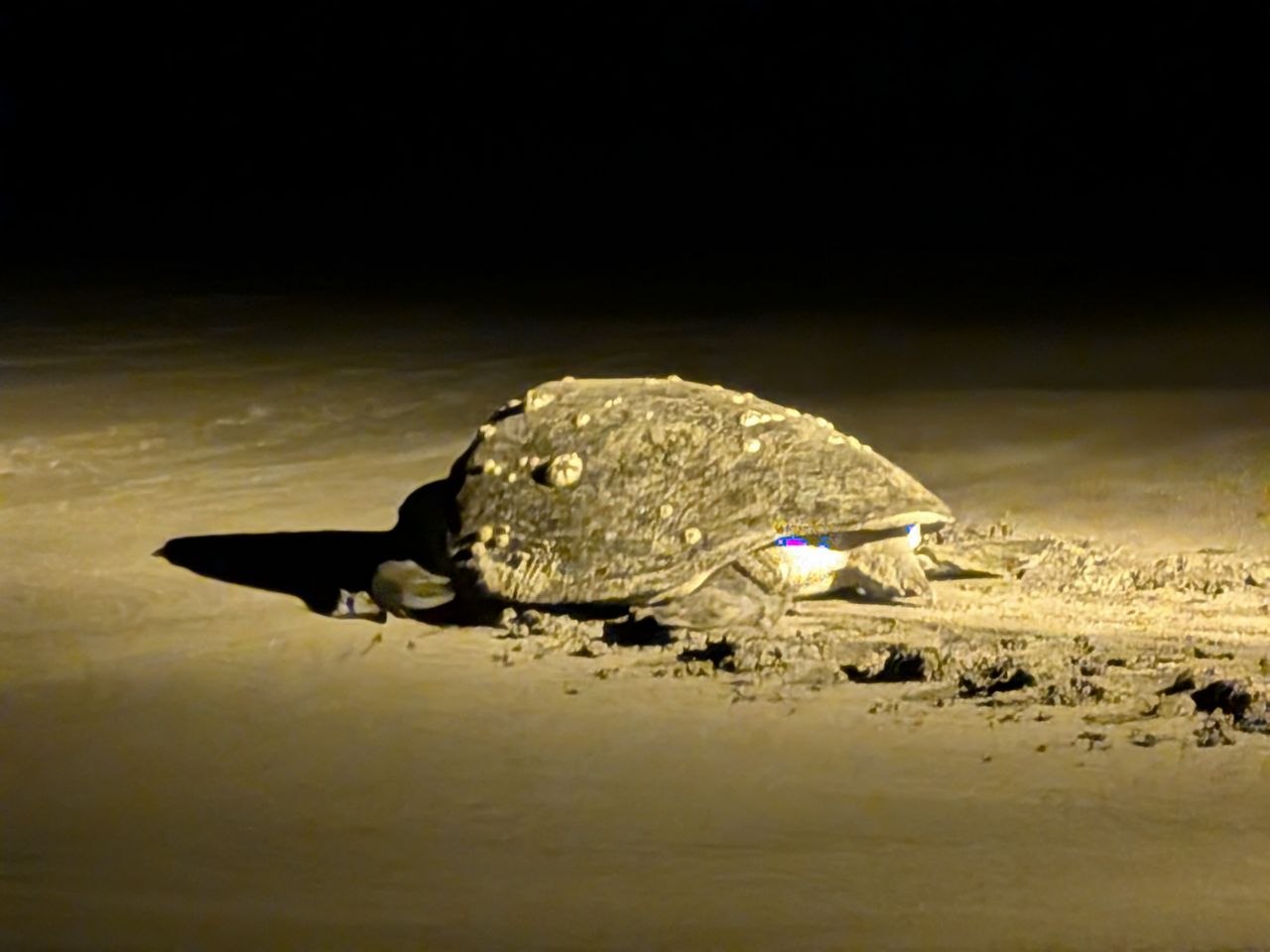
Part of Tamarindo’s coastline lies within or adjacent to Las Baulas National Marine Park (Parque Nacional Marino Las Baulas), a protected area created primarily to safeguard nesting sites for the critically endangered leatherback sea turtle. The park extends over marine and coastal zones, including beaches such as Playa Grande, Playa Ventanas, and Playa Langosta, as well as offshore waters and mangrove estuaries.
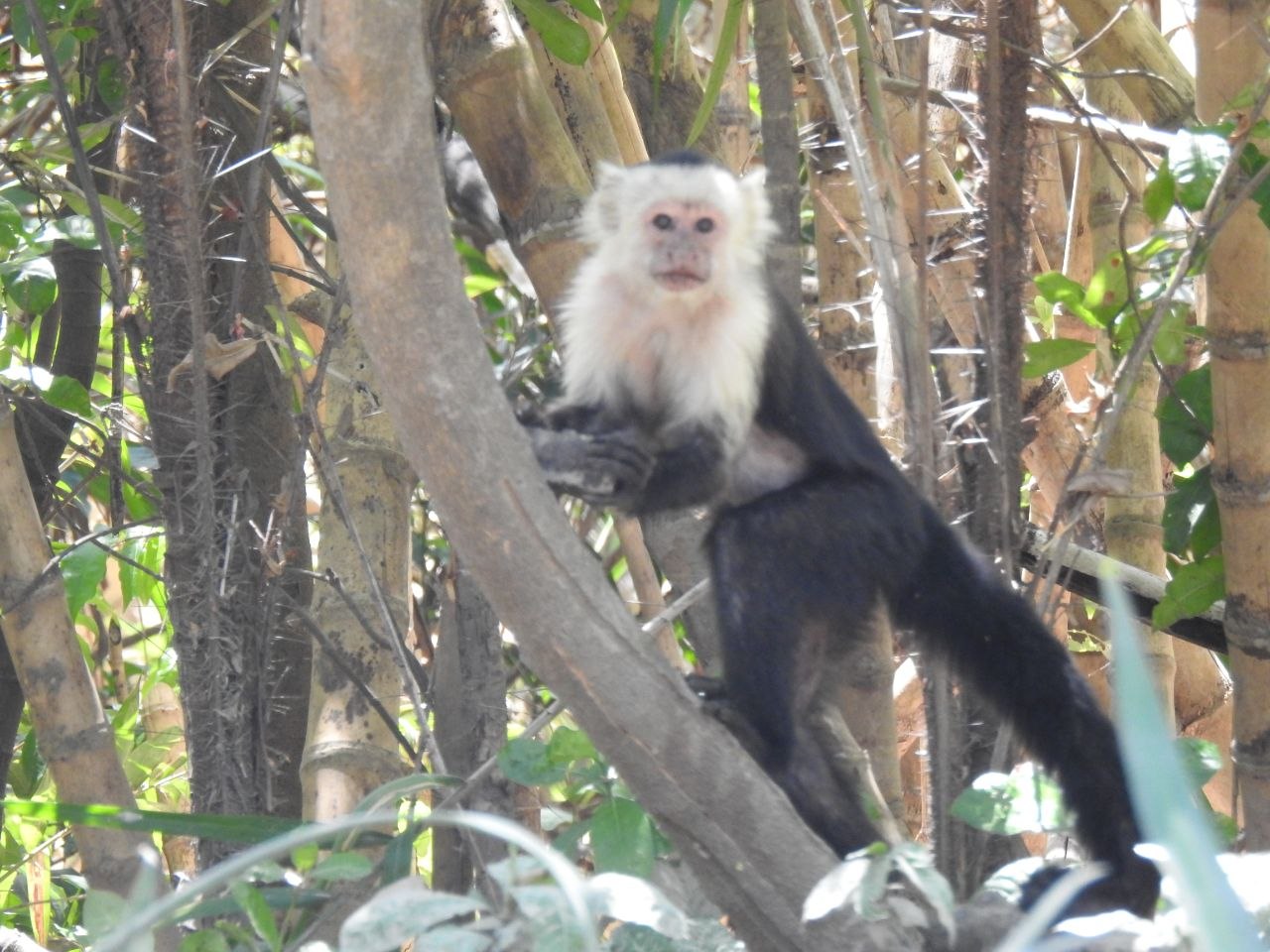
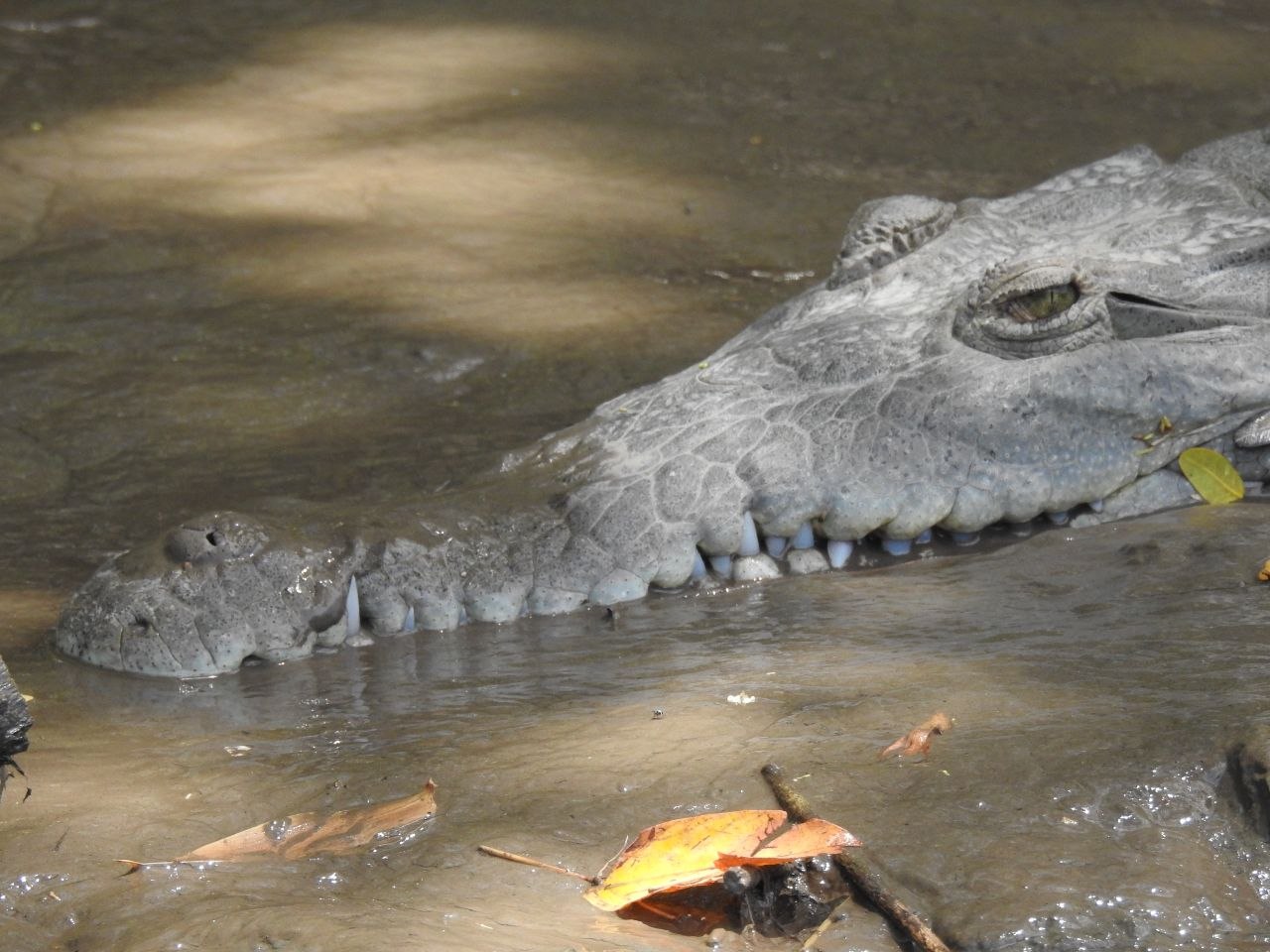
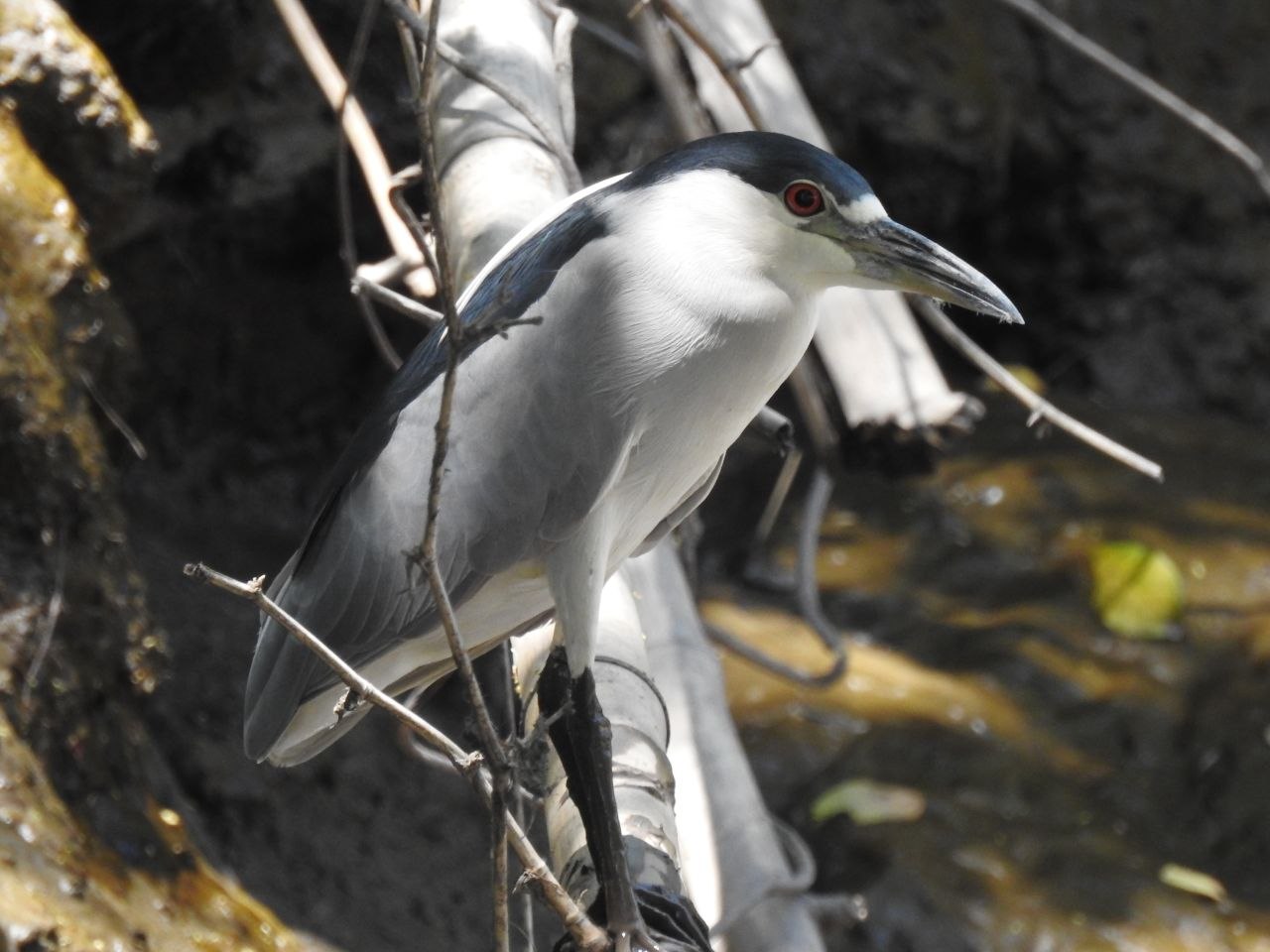
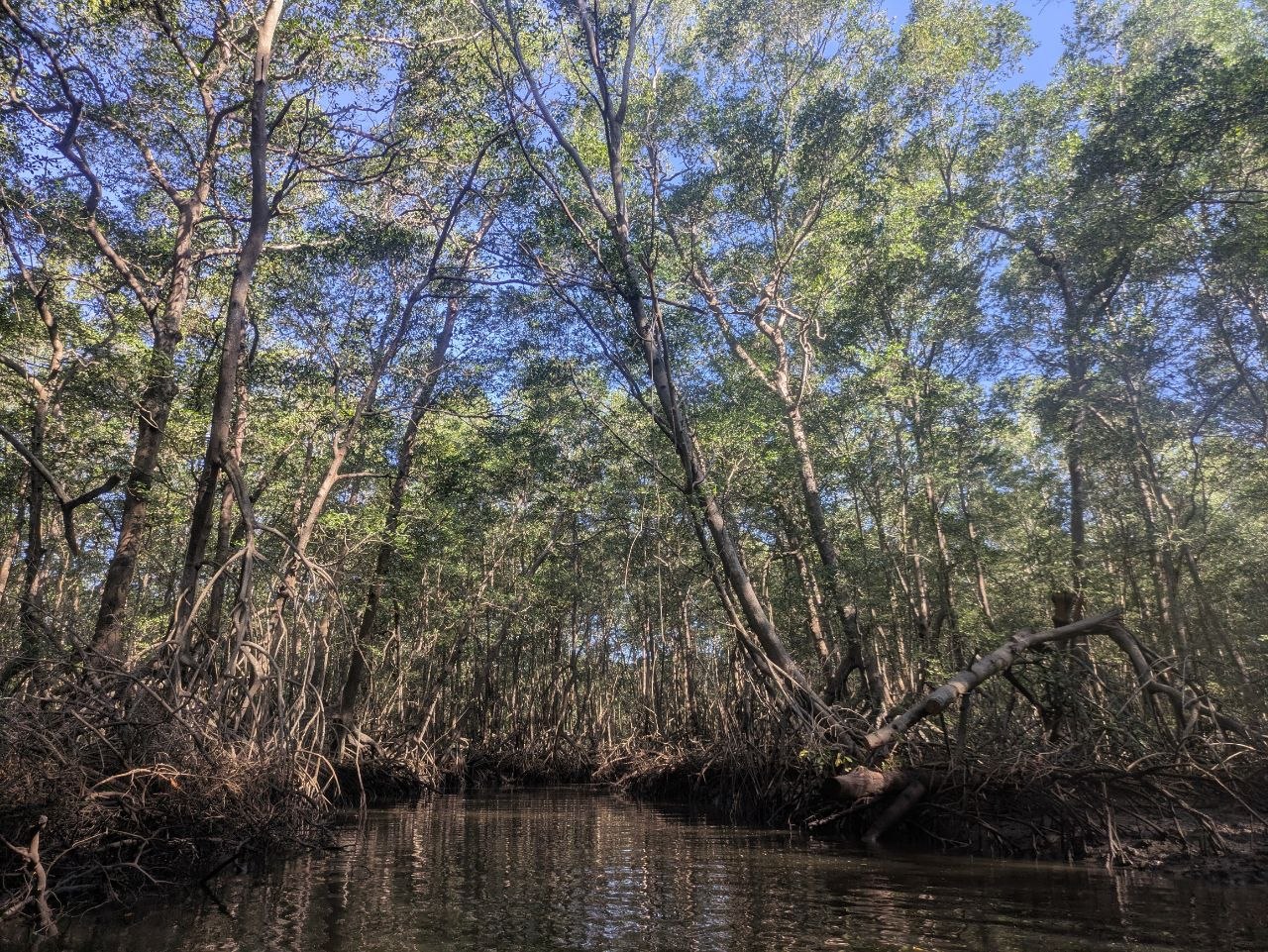
During nesting season, regulated night tours operate under strict guidelines to minimize disturbance to turtles. The park also protects important mangrove ecosystems around the Tamarindo estuary, which can be explored on guided boat or kayak tours that highlight local birdlife, reptiles, and other wildlife. Conservation rules limit certain activities in and around the park, helping to balance tourism with habitat protection.
Nightlife & Town
The town of Tamarindo has a compact center with a mix of hotels, hostels, vacation rentals, and small apartment complexes. Along the main streets, visitors find restaurants serving Costa Rican and international cuisine, cafés, surf shops, and small supermarkets. The atmosphere is informal, with most places catering to beachgoers and surfers coming straight off the sand.
After sunset, Tamarindo offers one of the livelier nightlife scenes on the Nicoya Peninsula. Bars and lounges often feature live music, DJs, and happy hour specials, especially during peak travel seasons. Despite the activity, distances remain walkable, so many visitors explore the town on foot, with taxis and shuttle services available for trips to nearby beaches and accommodations farther from the center.
Visiting Tips
The dry season, generally from December to April, offers plenty of sunshine, lower rainfall, and reliable beach conditions, making it the busiest time of year. The rainy or "green" season sees fewer crowds and greener landscapes, with showers often concentrated in the afternoon or evening. Temperatures remain warm year-round, so lightweight clothing, sun protection, and hydration are important in any season.
Tamarindo is accessible by road from Liberia International Airport, which is roughly an hour to an hour and a half away under typical conditions. Within town, many locations can be reached on foot, but renting a car or arranging local transport can be useful for visiting neighboring beaches and viewpoints. When planning activities such as surf lessons, turtle tours, or estuary trips, booking with licensed operators and respecting local guidelines supports both safety and environmental conservation.
 Jumping Timezones
Leave a comment